Punjab

In India things are not always as straightforward as expected. I was supposed to take a taxi to Pathankot where I would board a train to Amritsar but two days before my journey, I received an update the train was cancelled. But I am never short of plan B so contacted the taxi driver and arranged to travel all the way to Amritsar with him.

Whilst on our way I once again received updated info about the train, it was running anyway. Oh well, I made it by Amritsar even 2 hours early than planned. Ready for part 2 of my trip; Punjab!

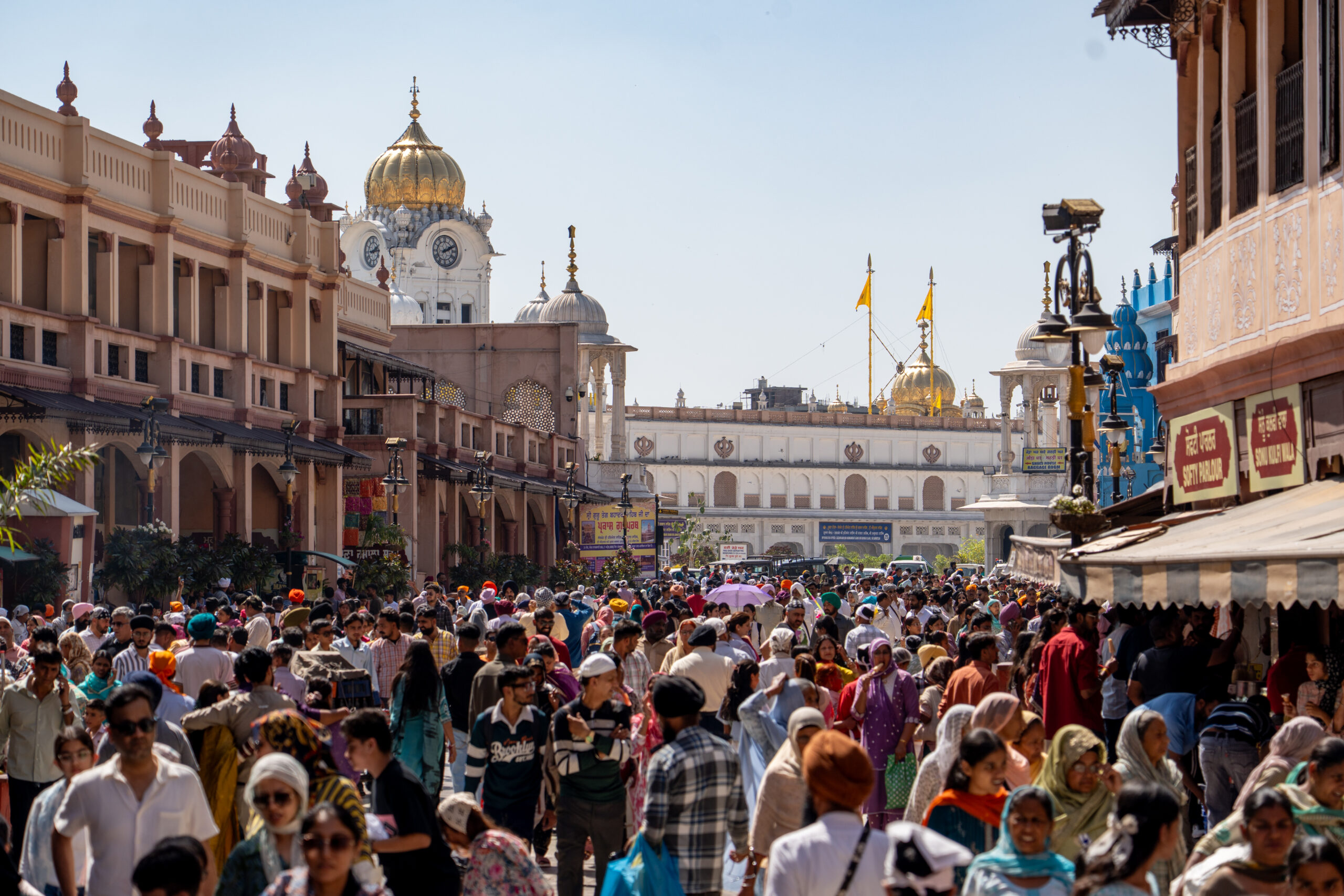
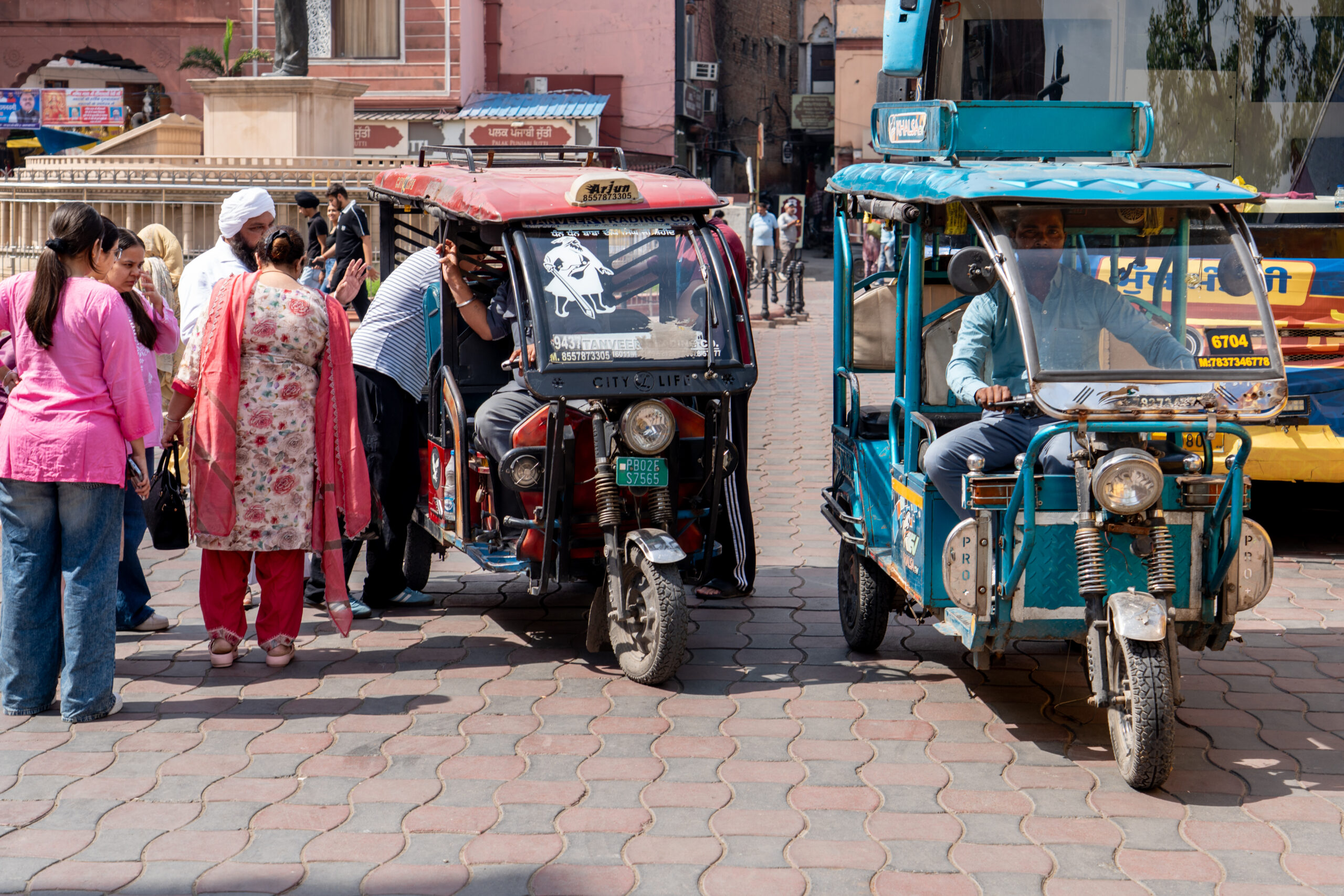
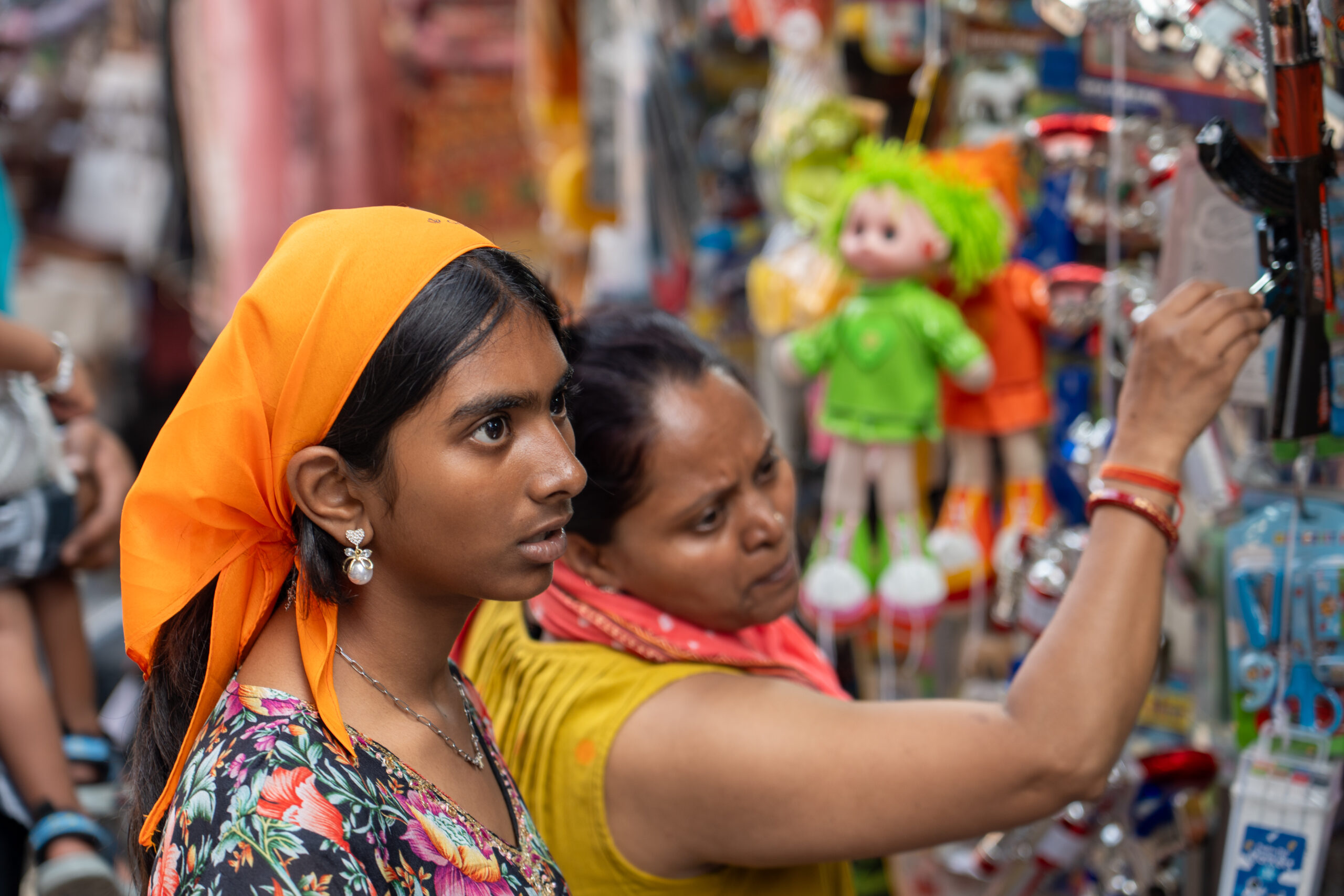
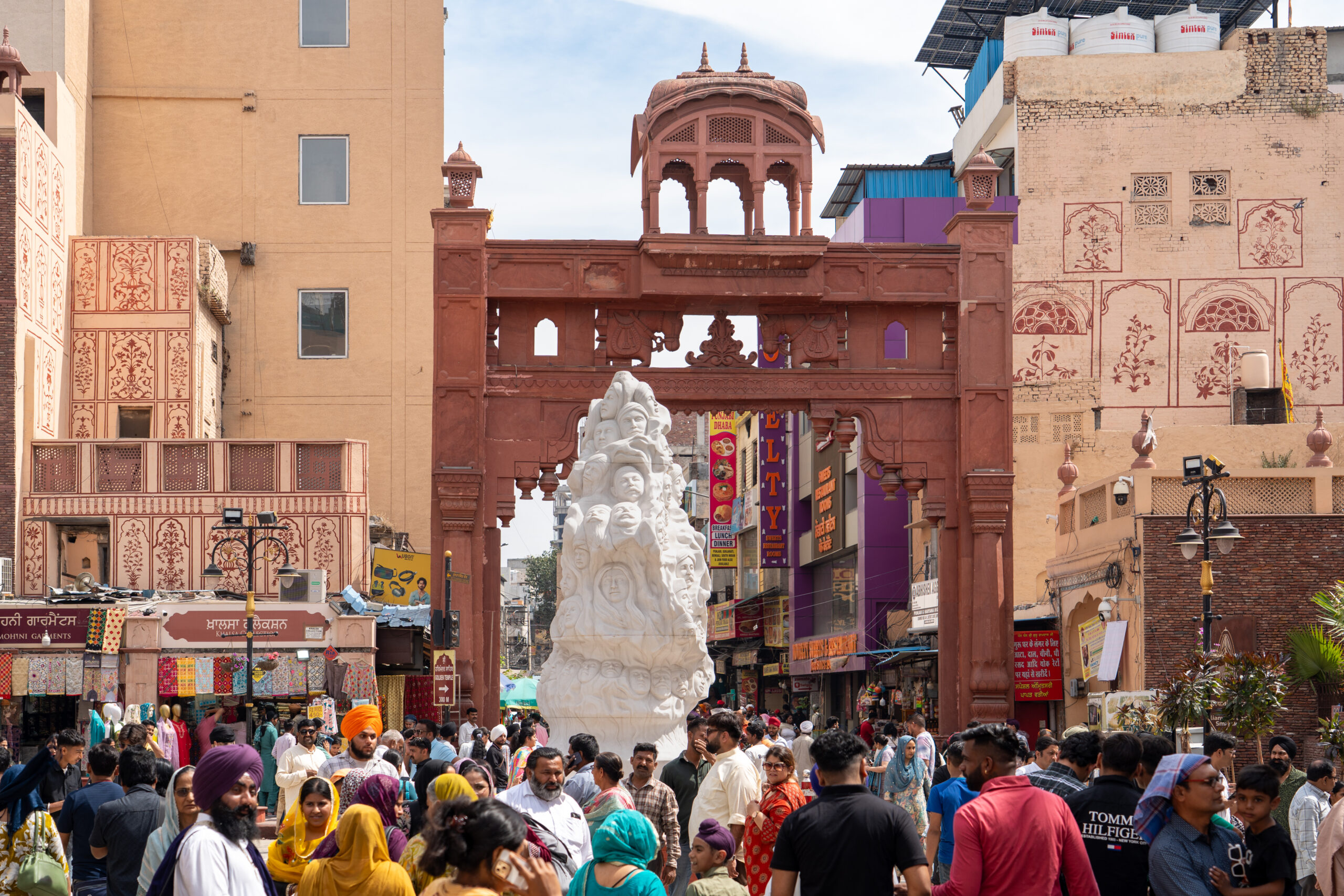
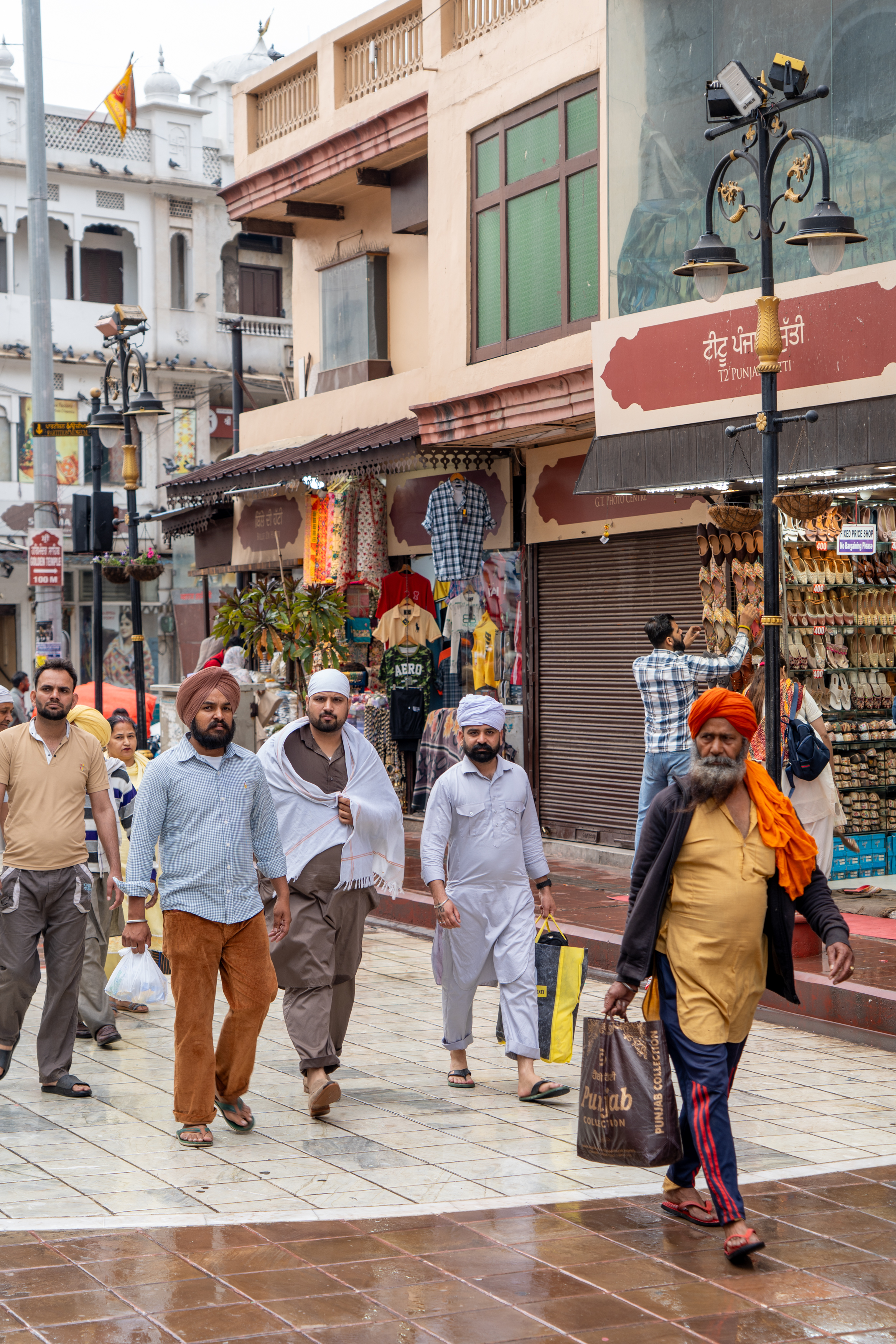
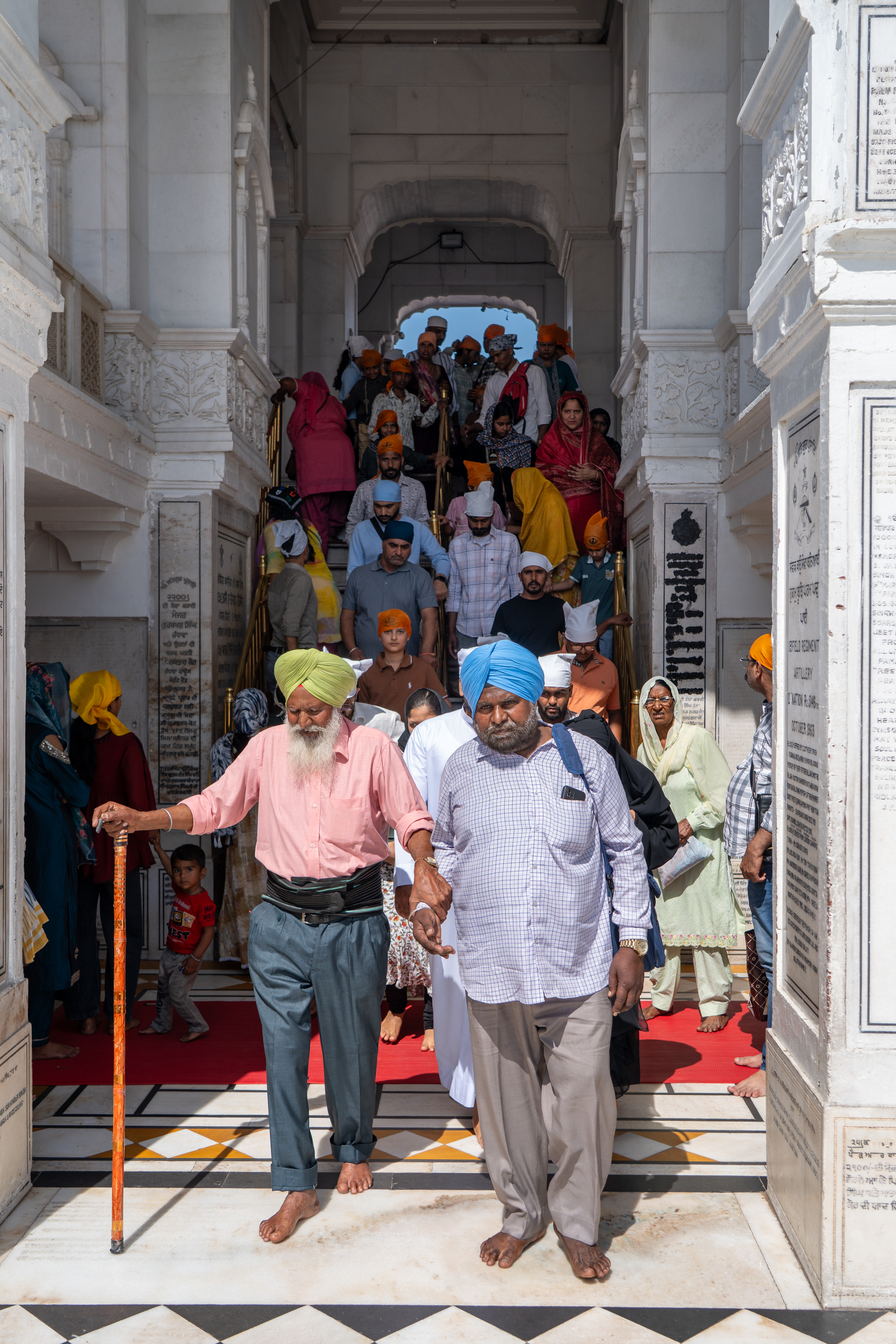
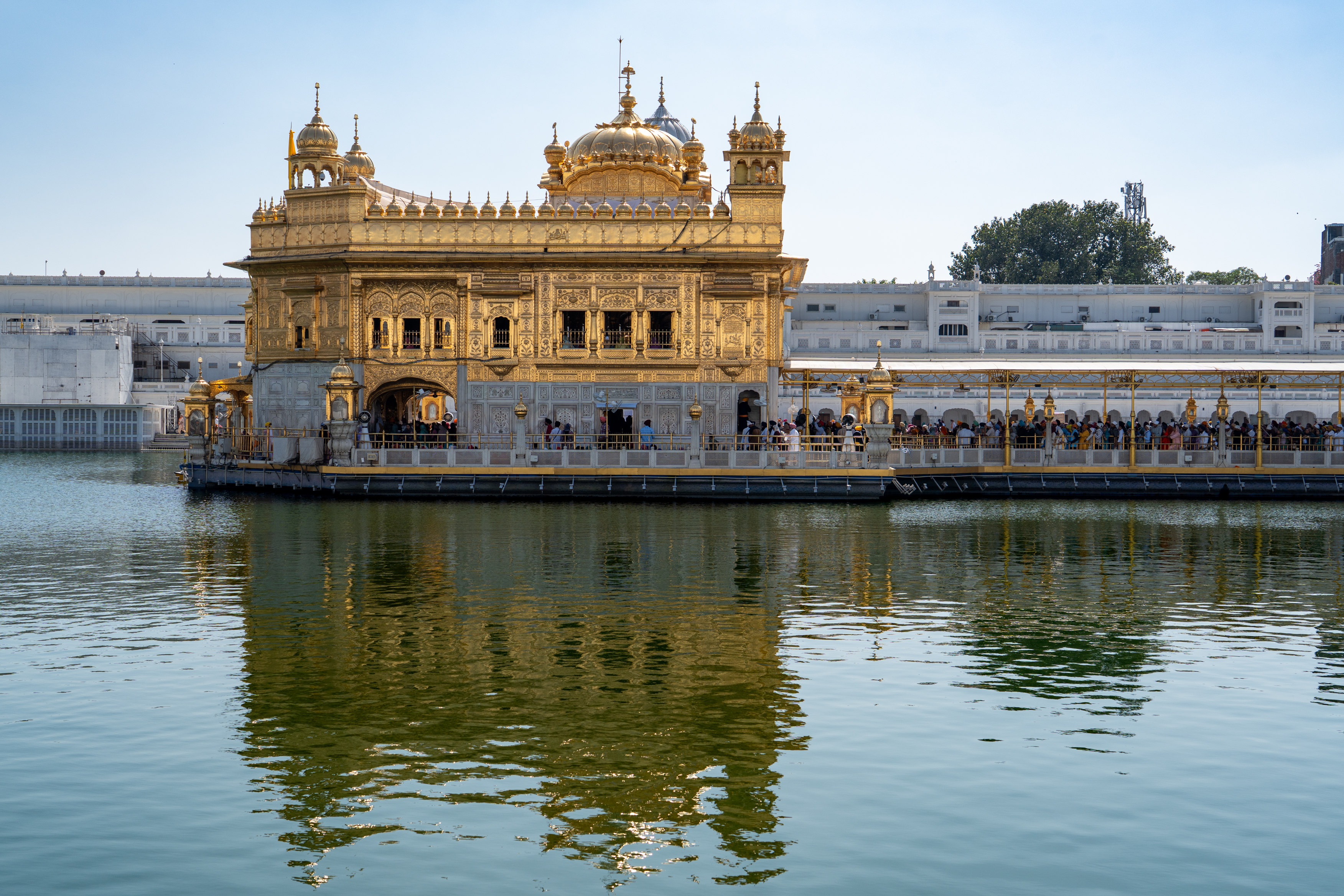
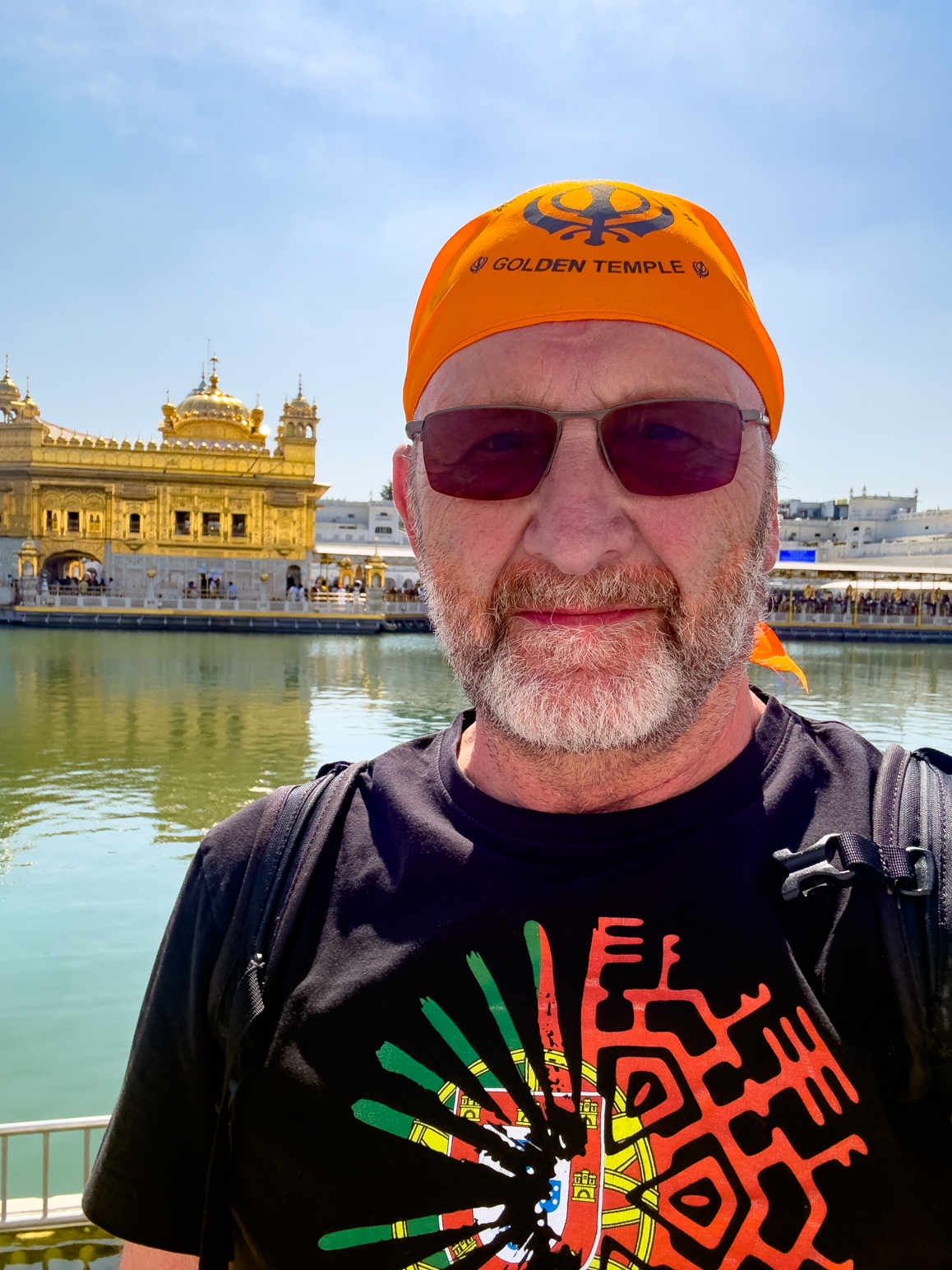
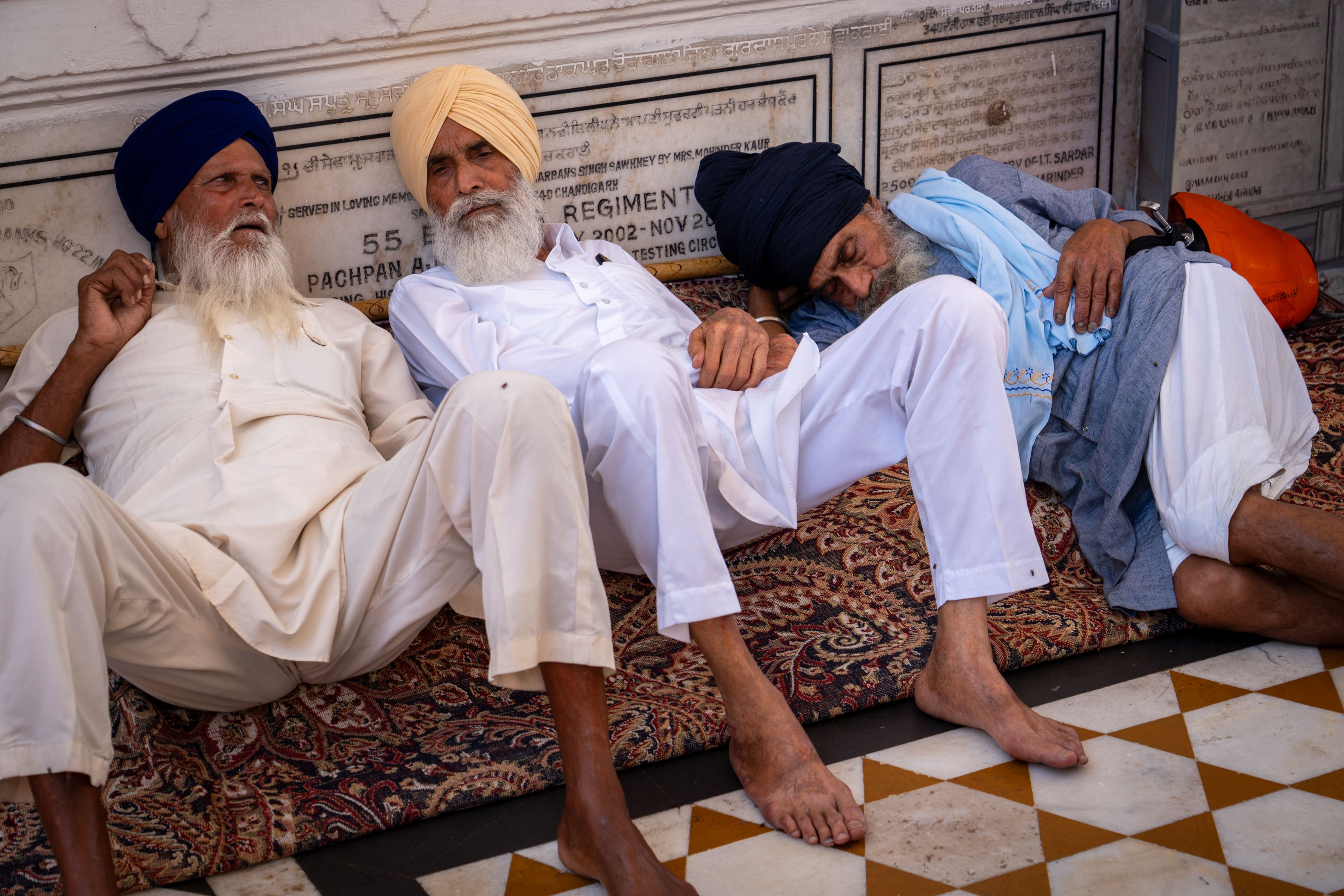
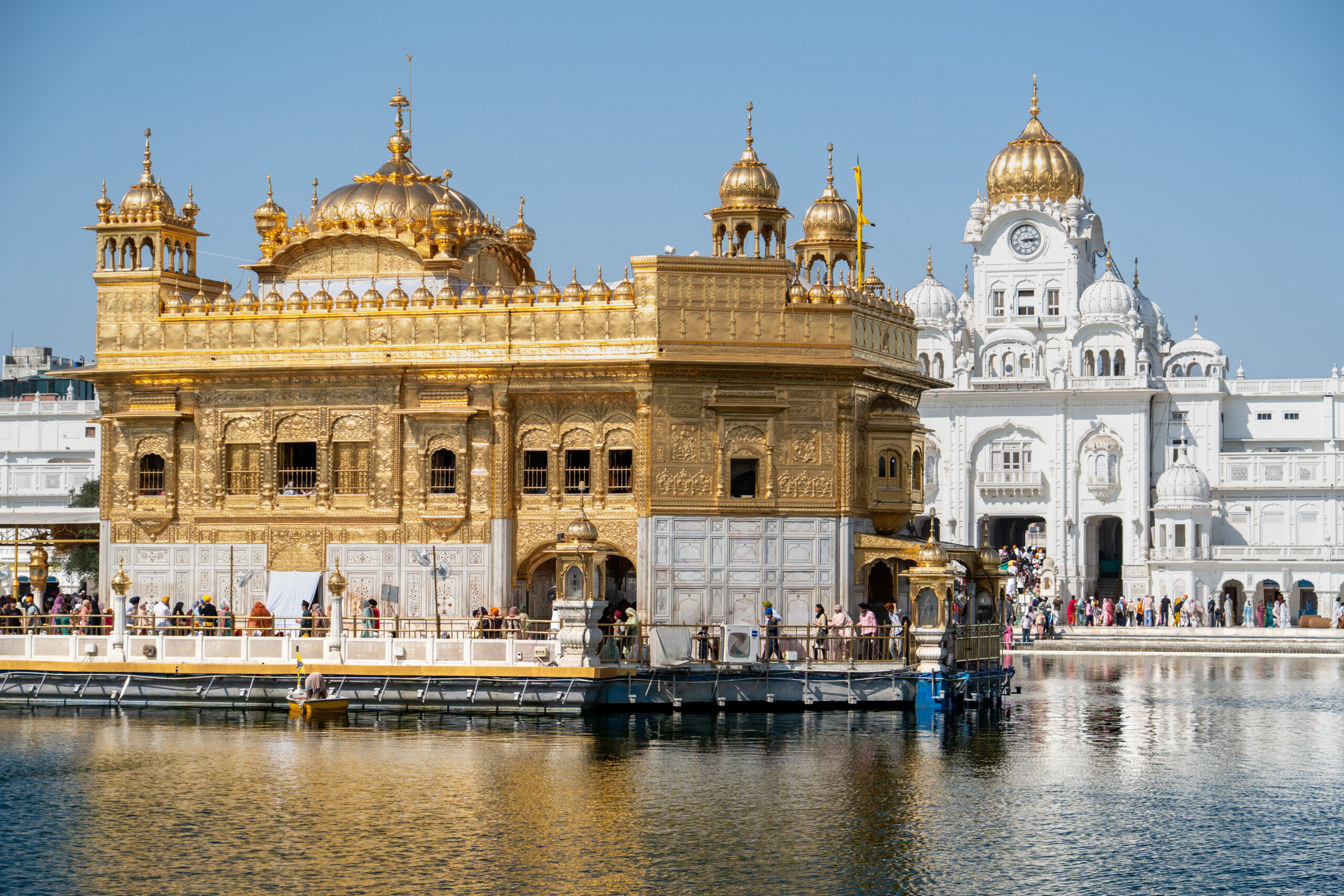
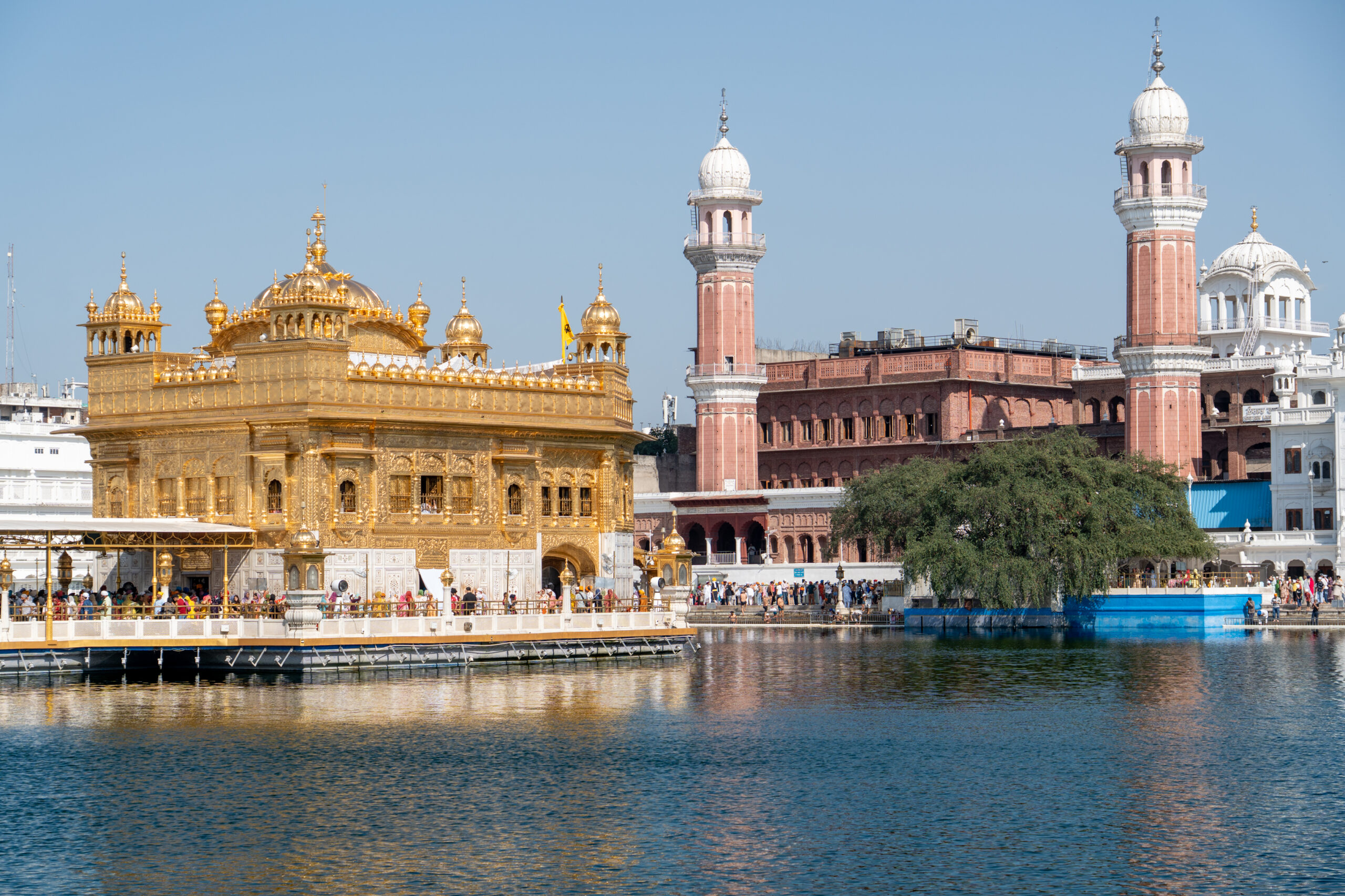
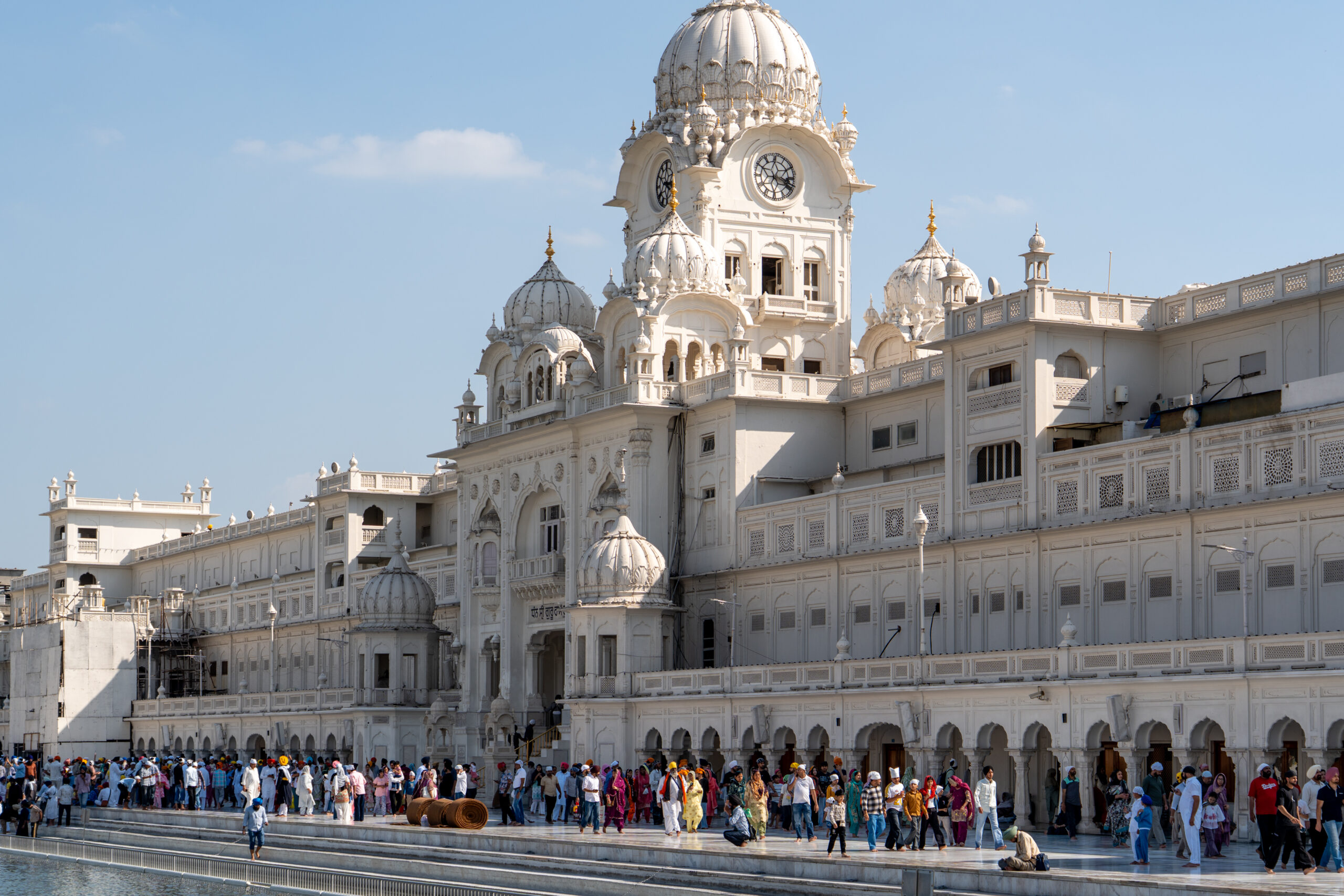
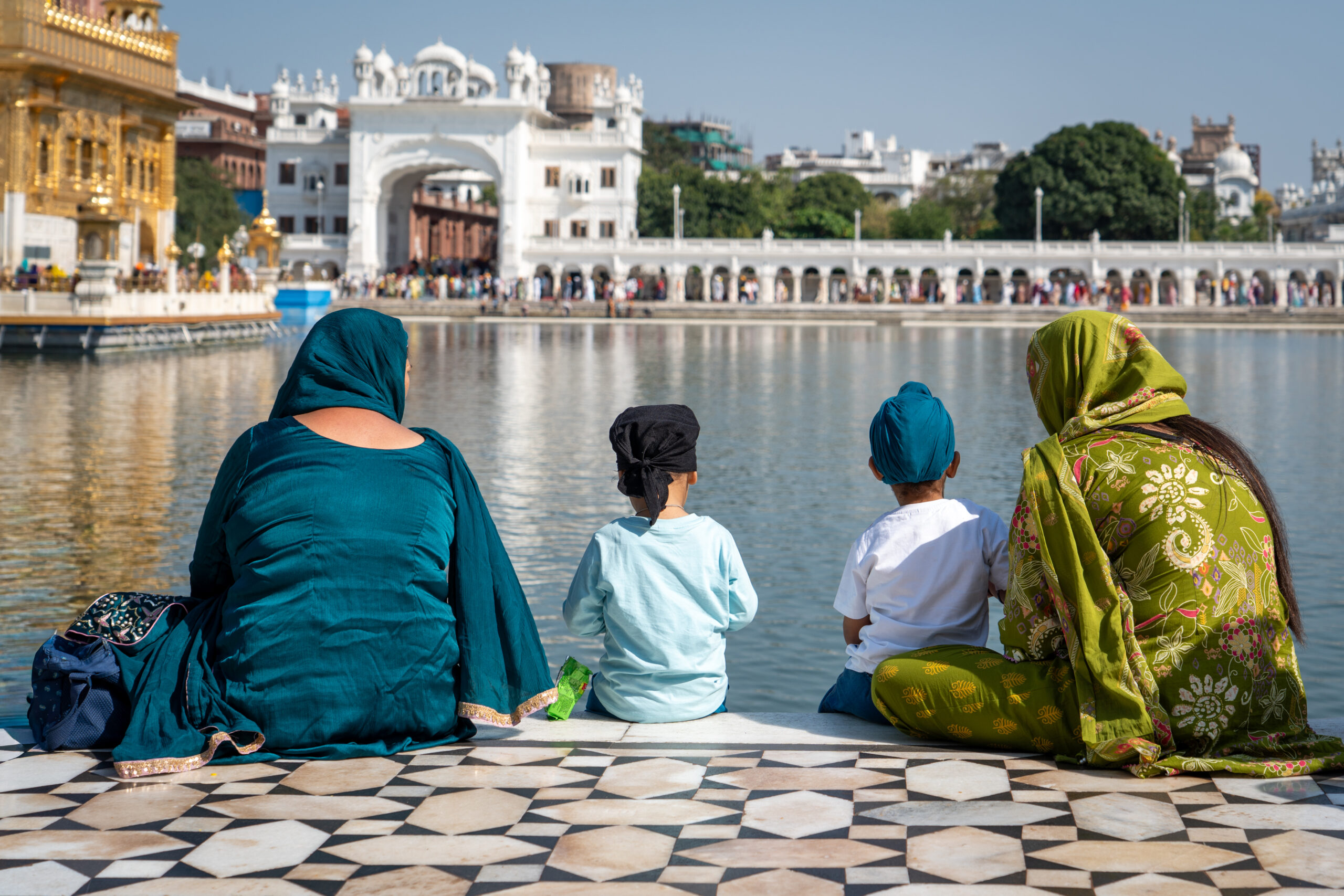
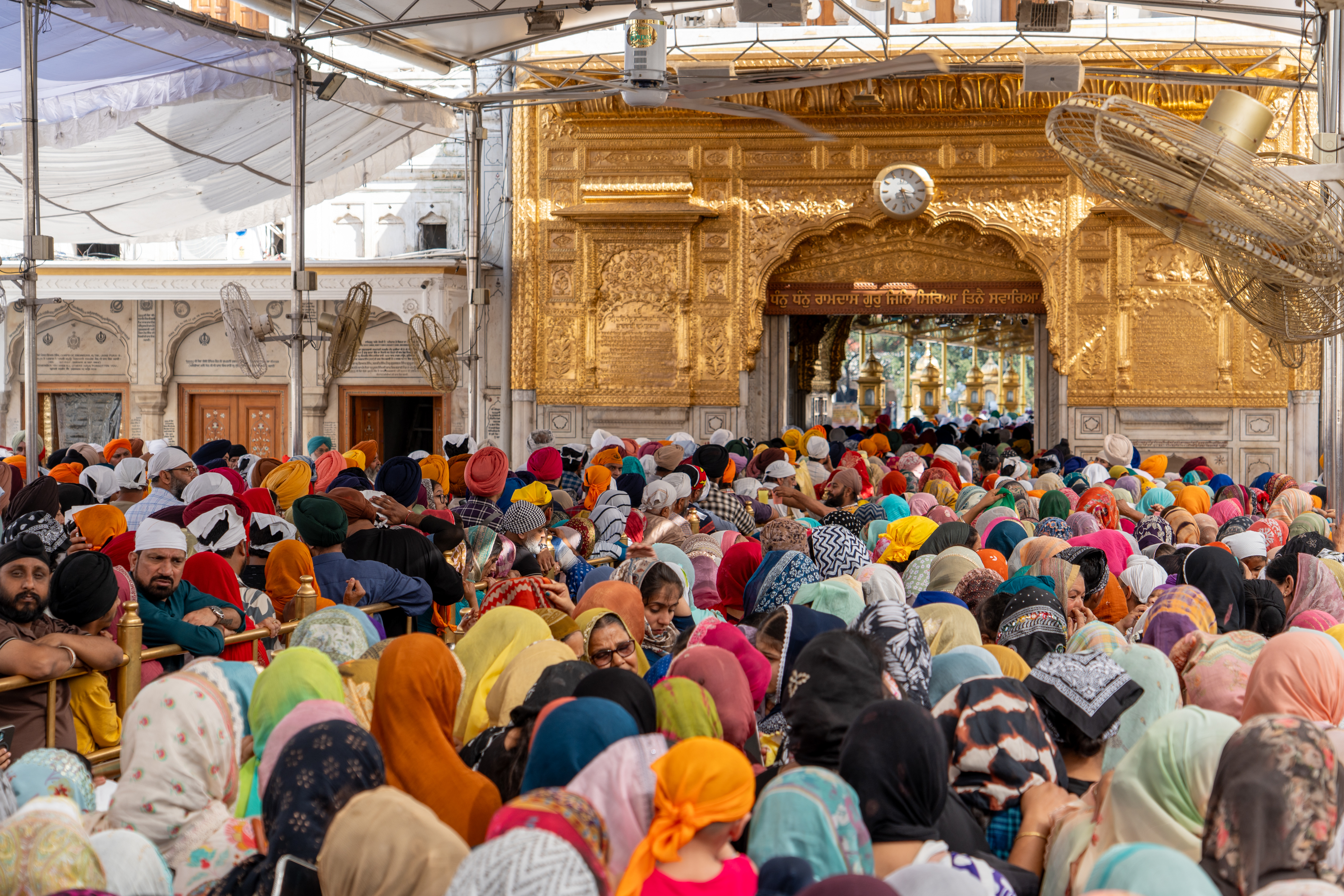
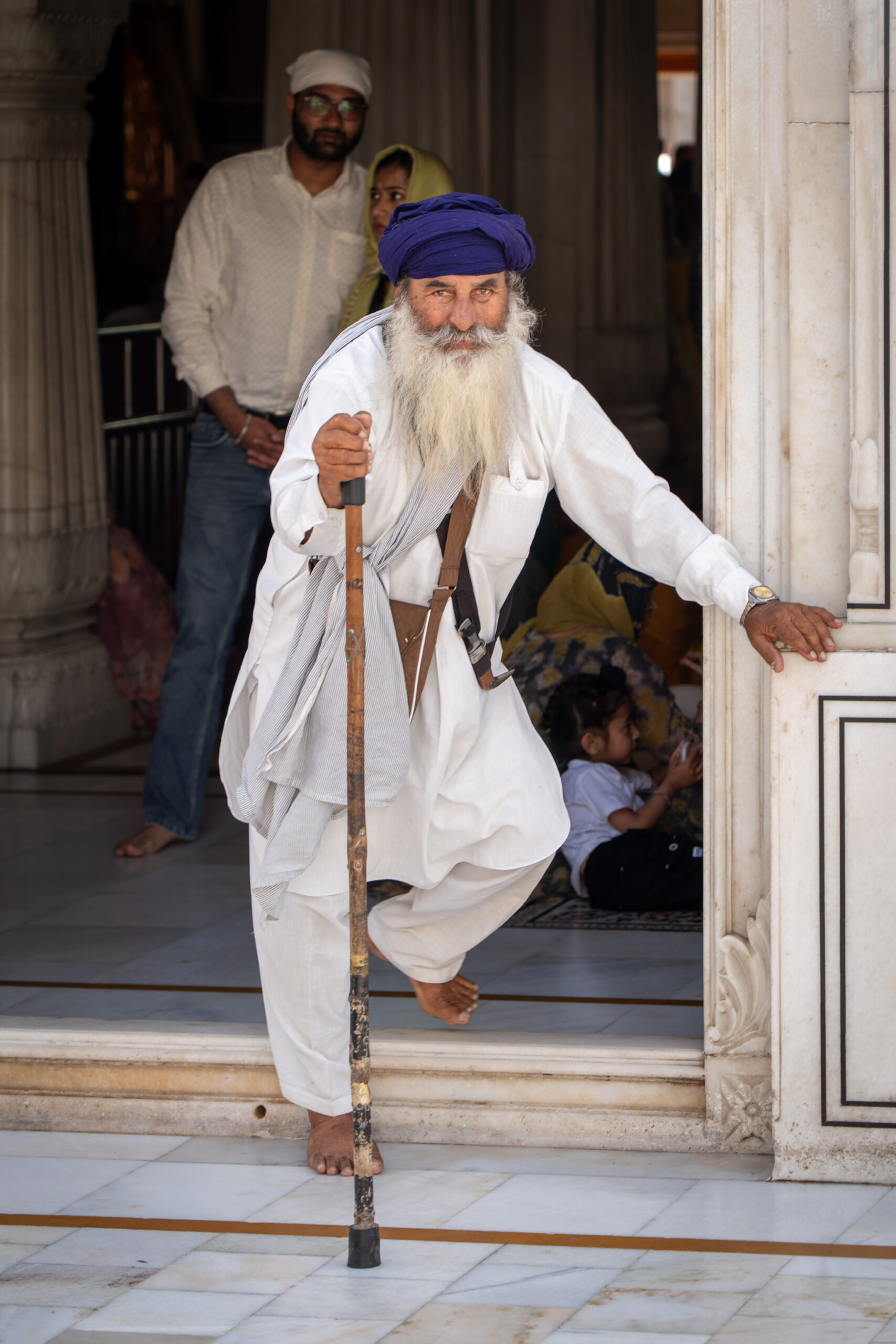
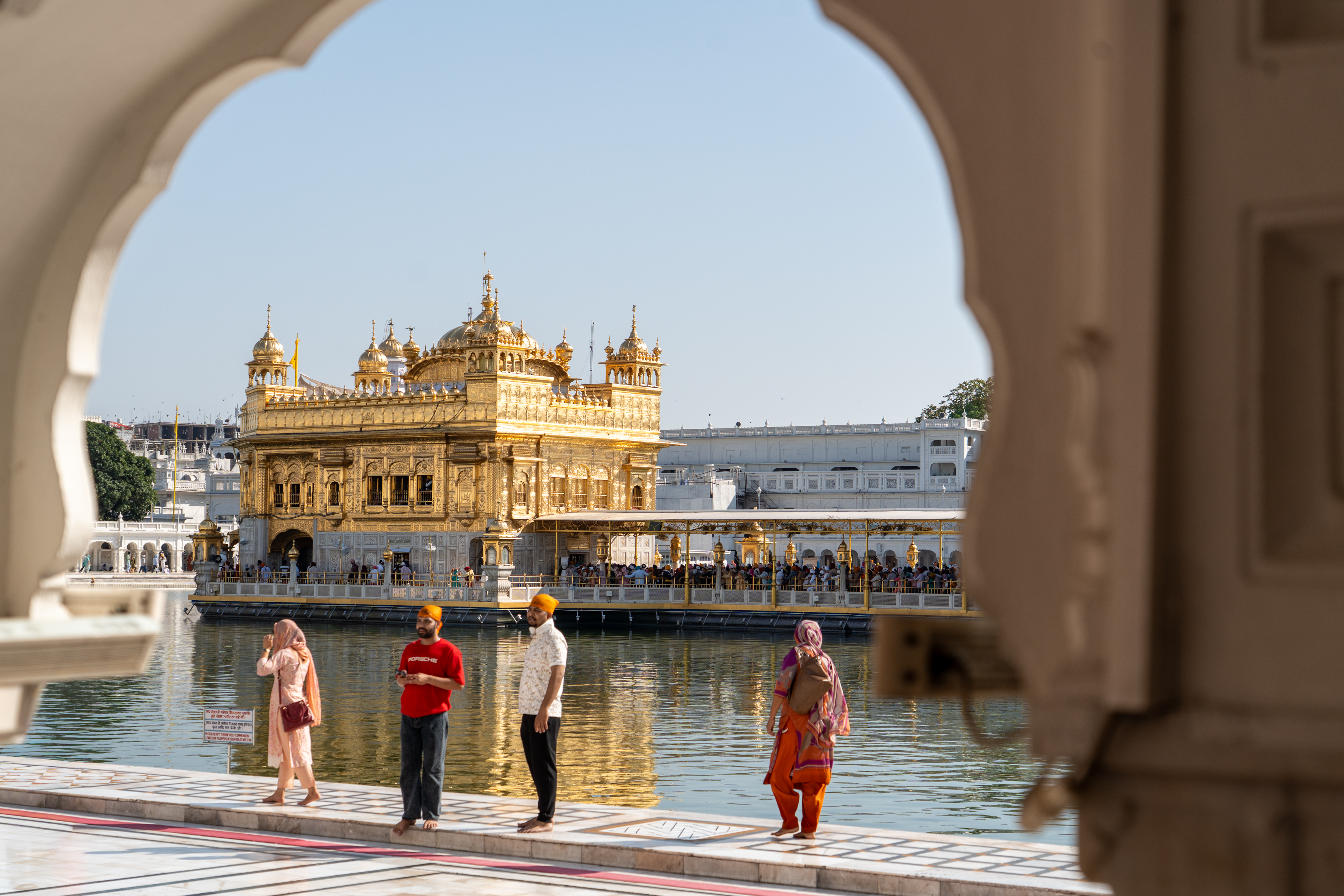
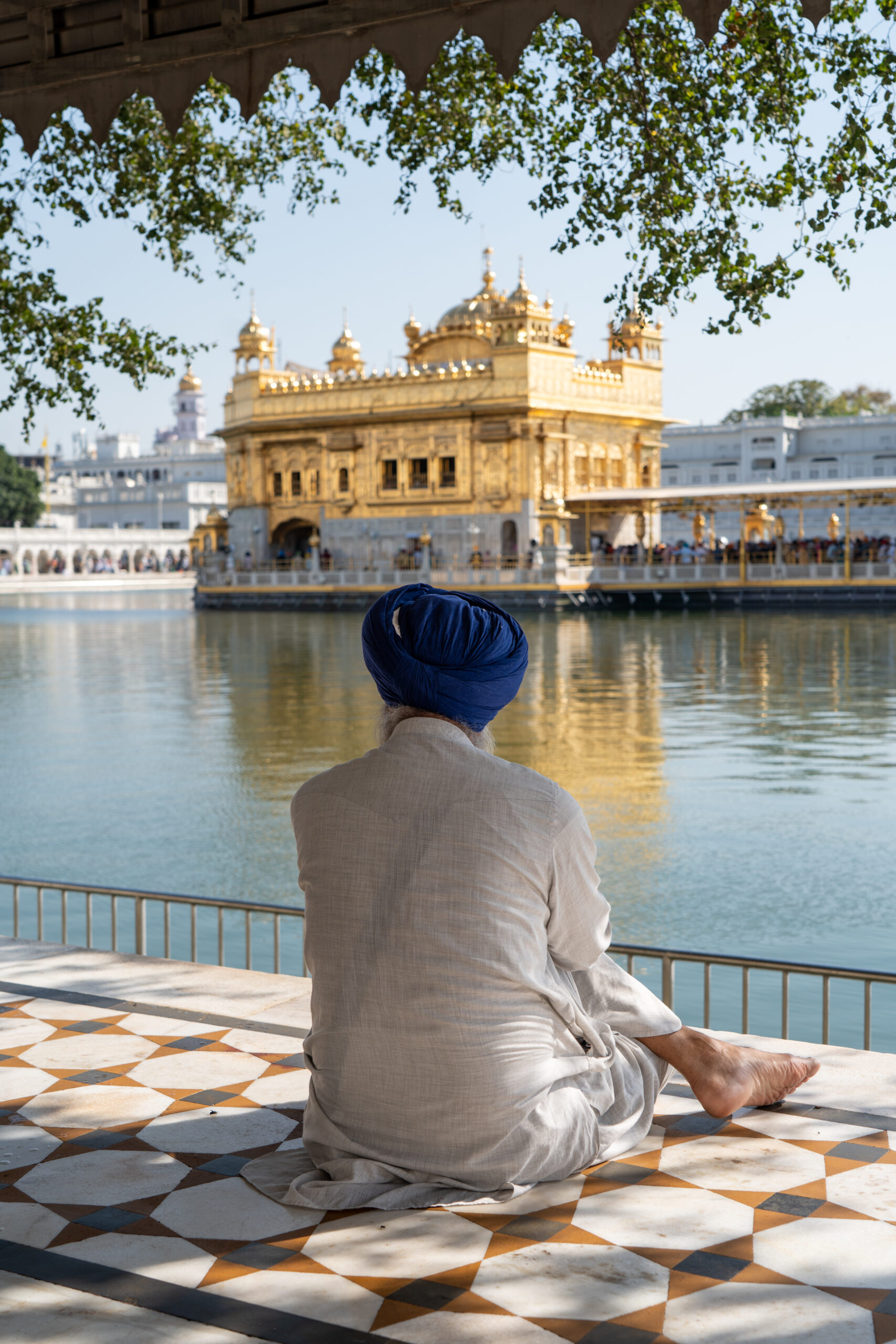
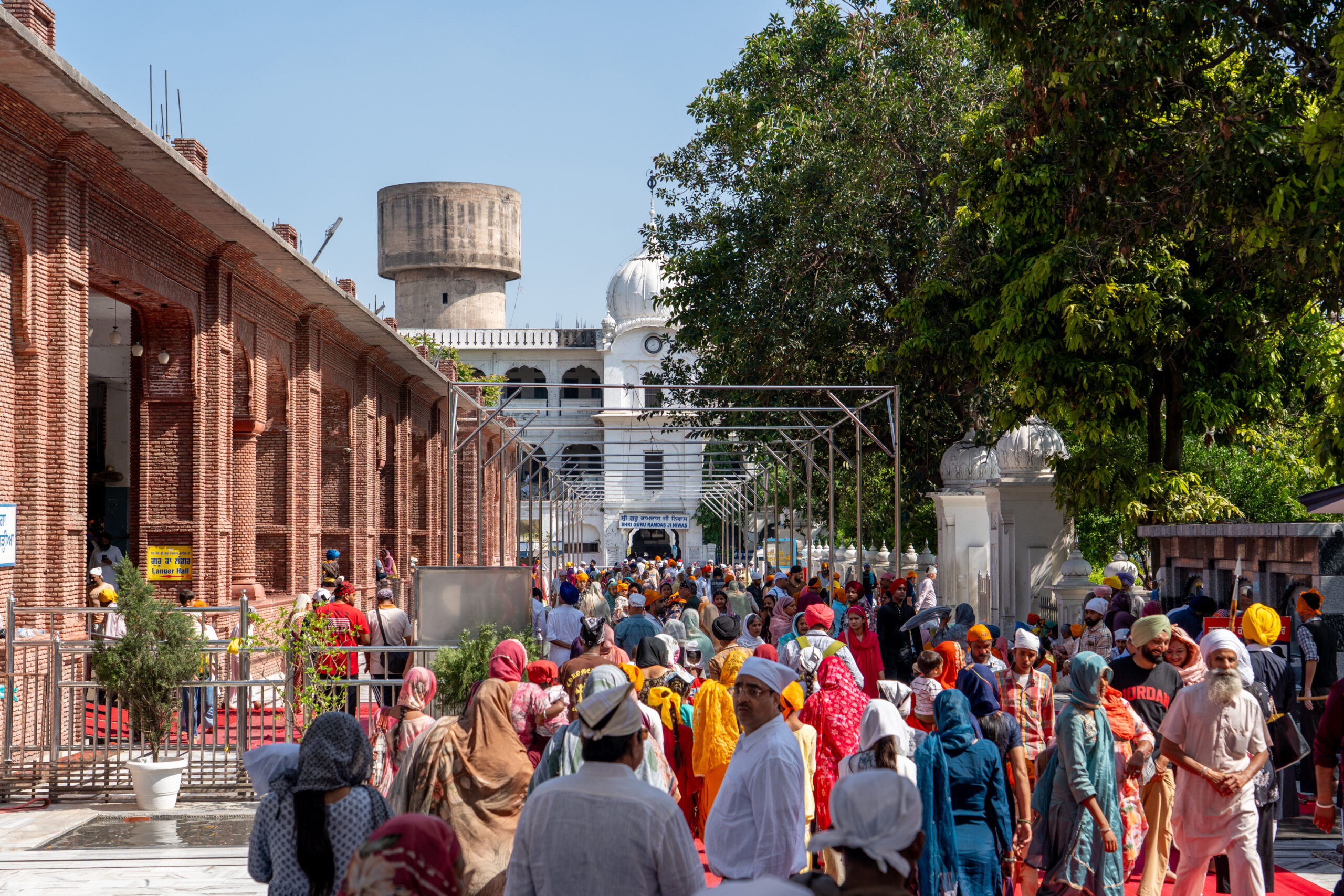
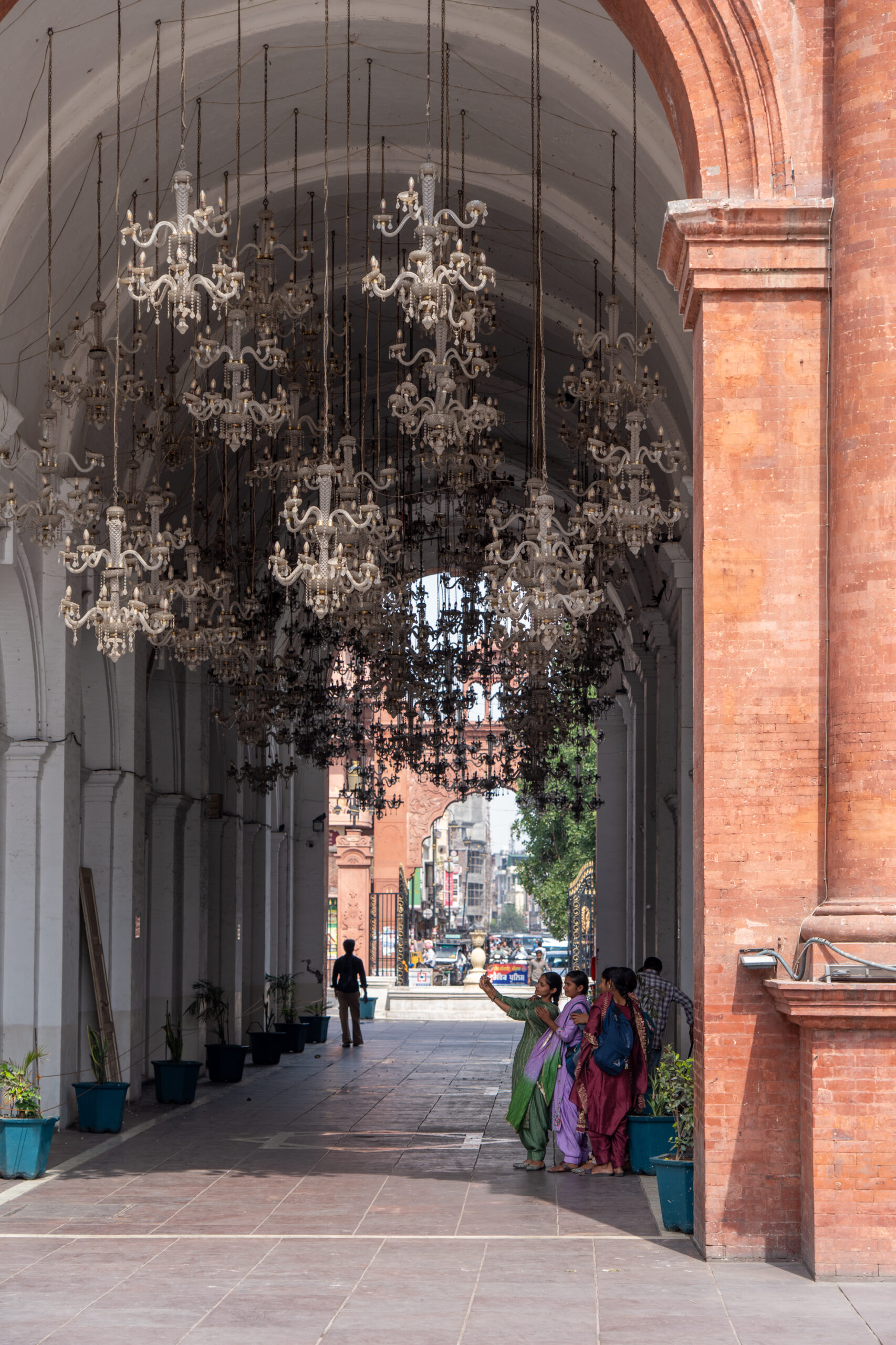
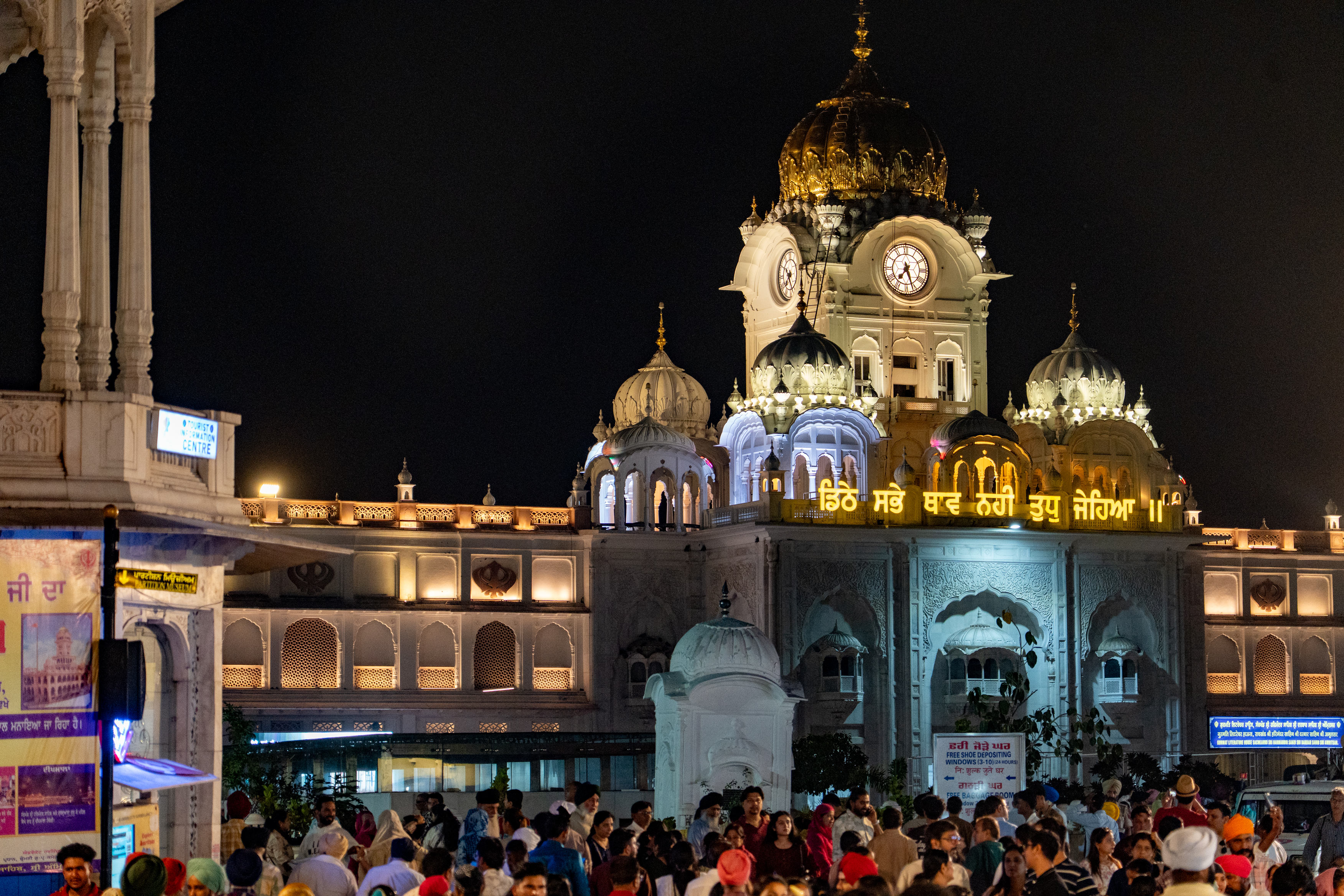
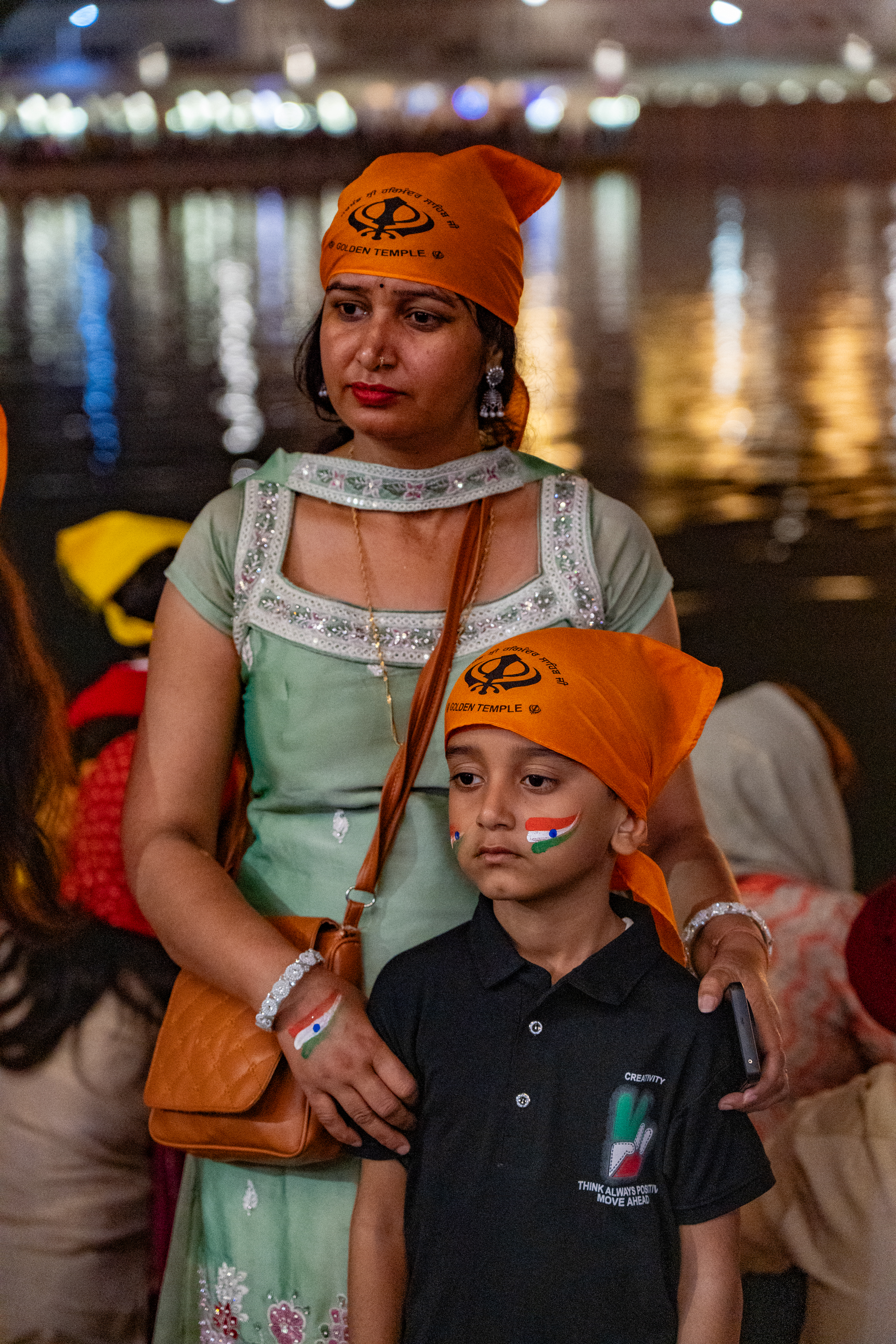
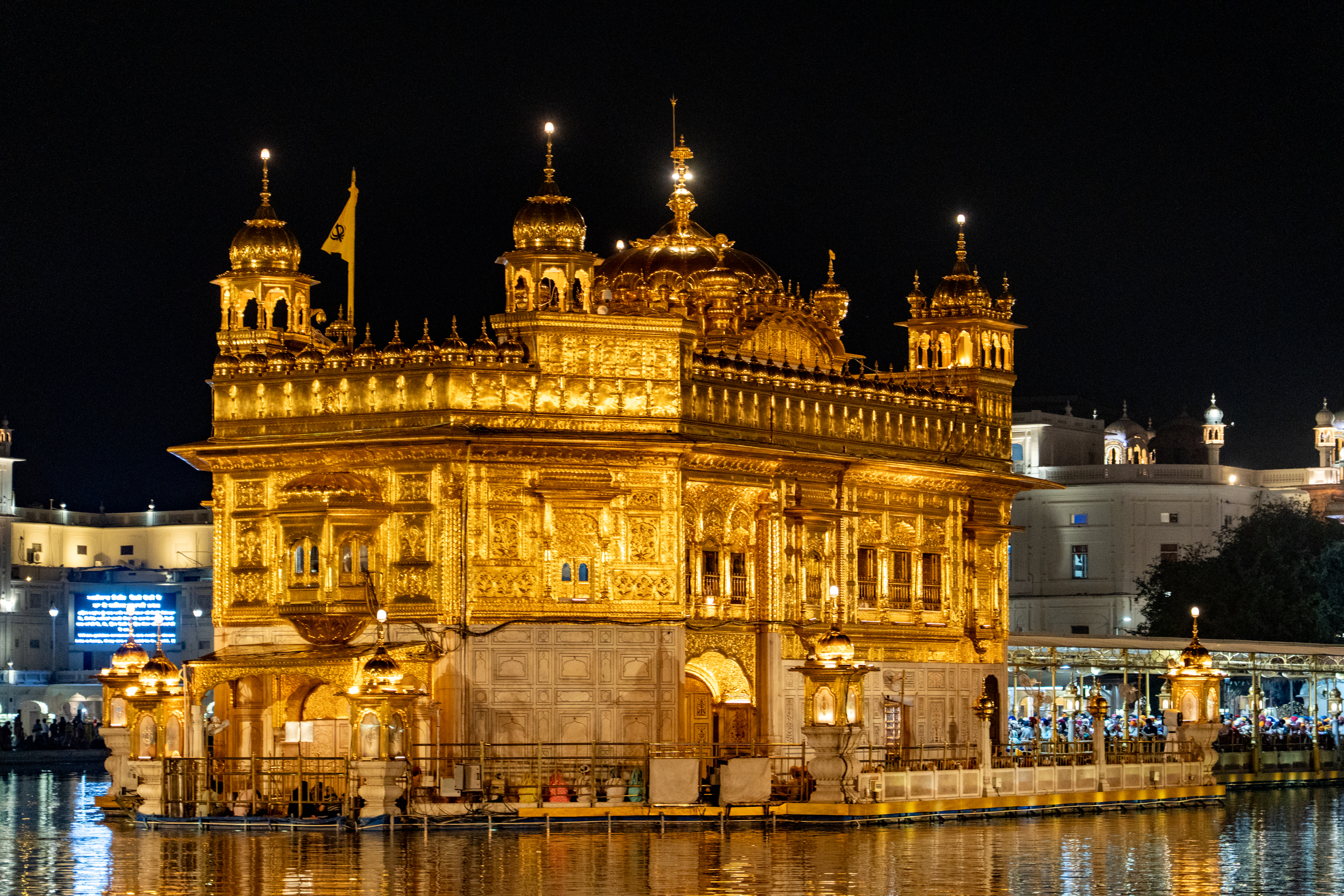
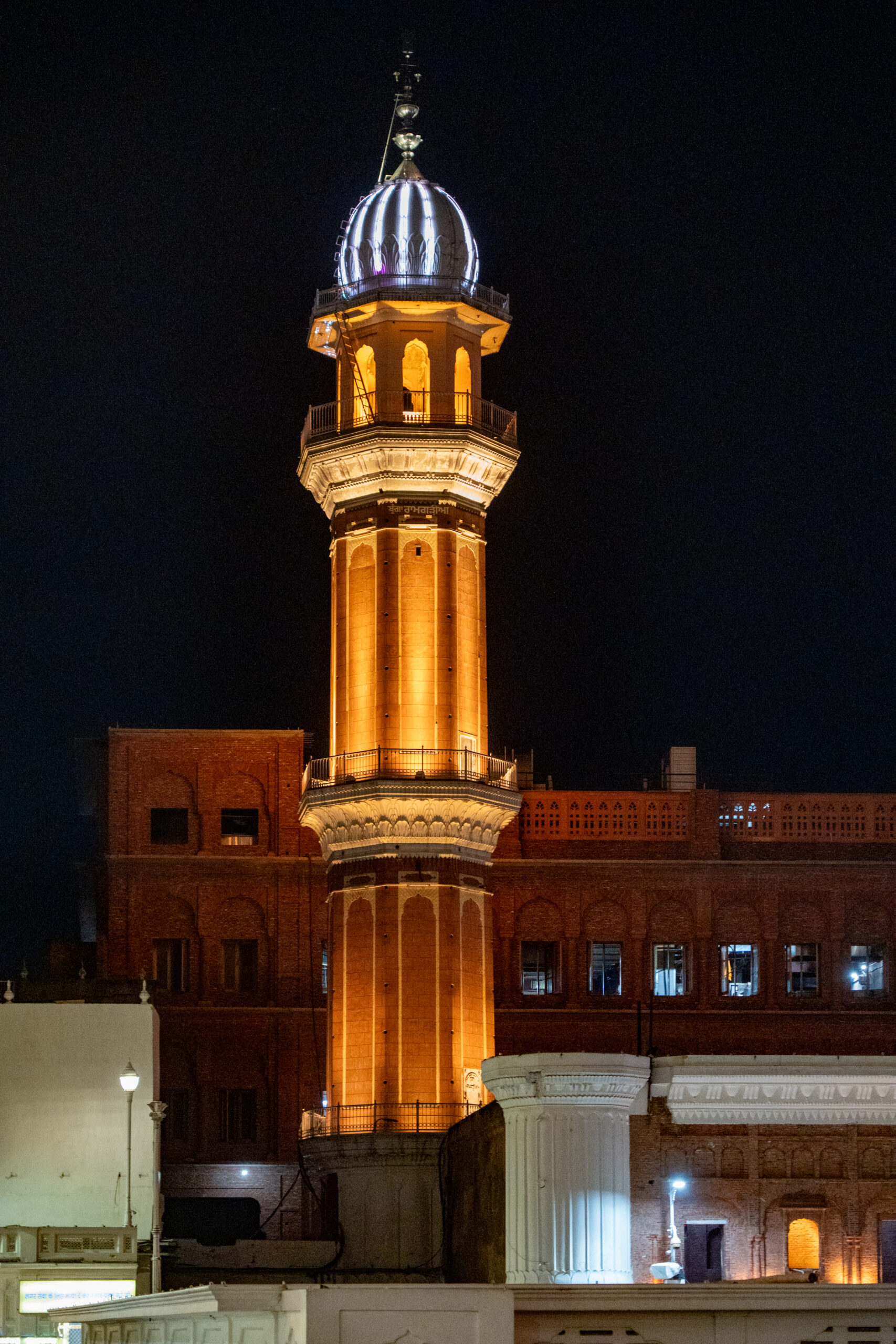
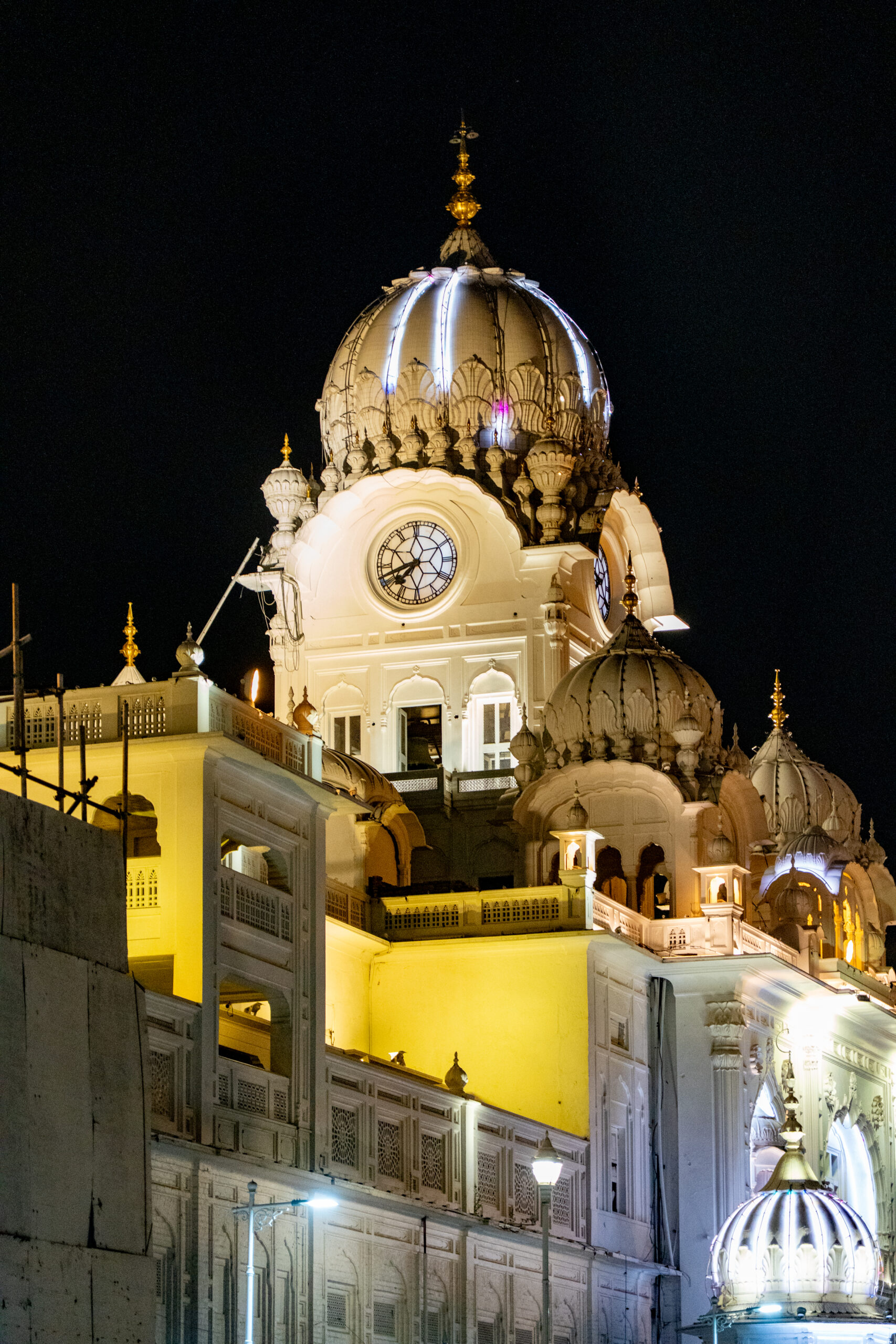
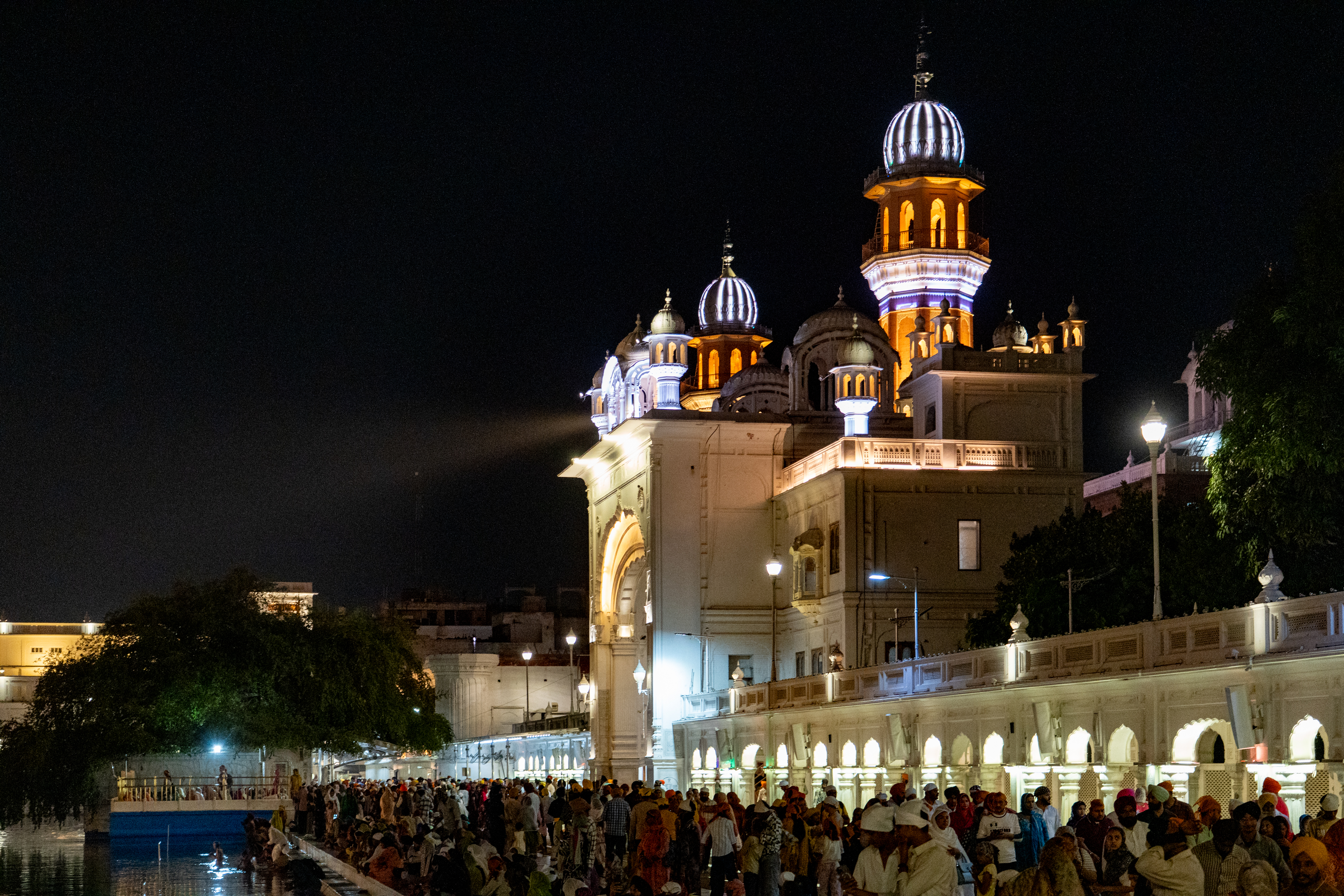
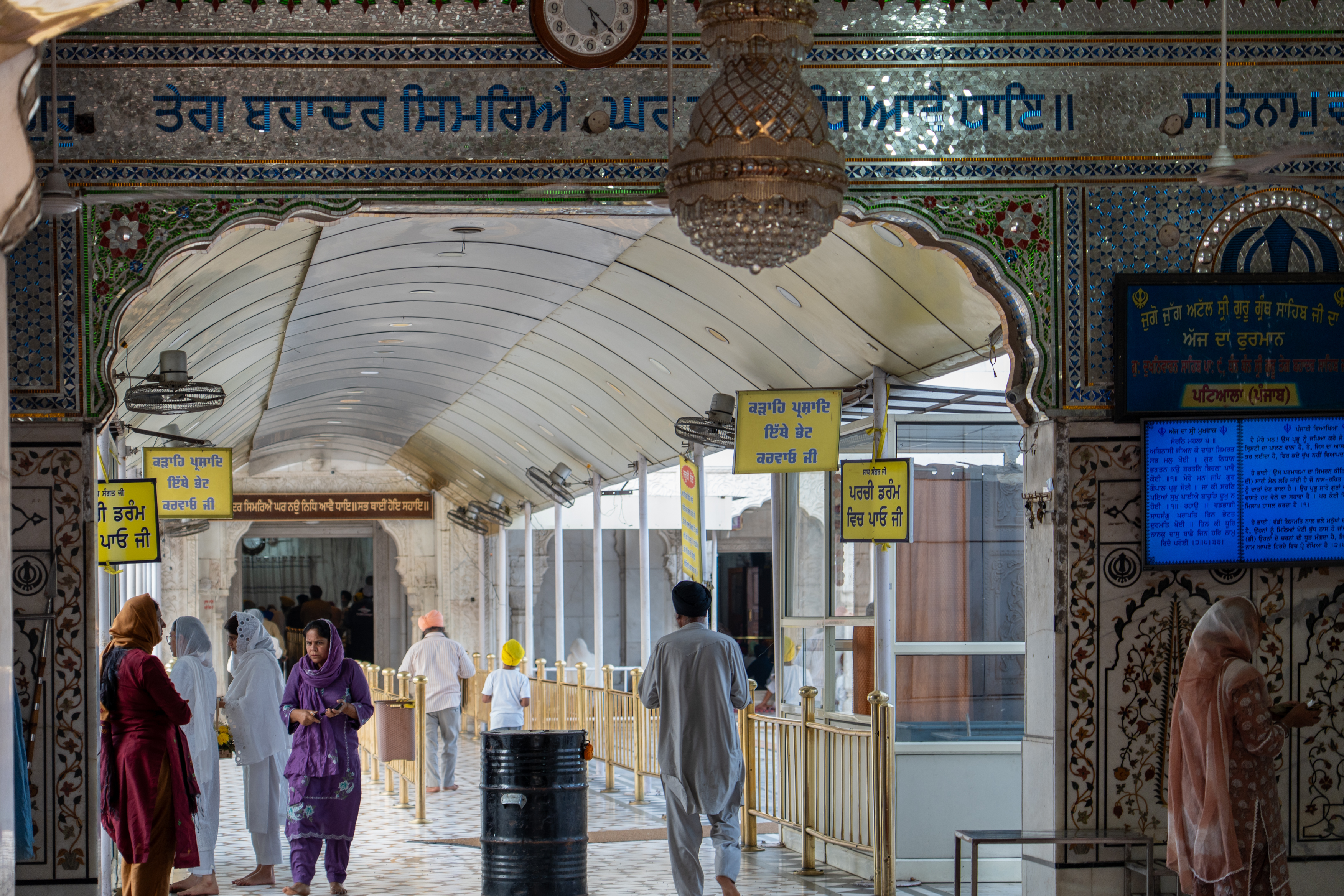
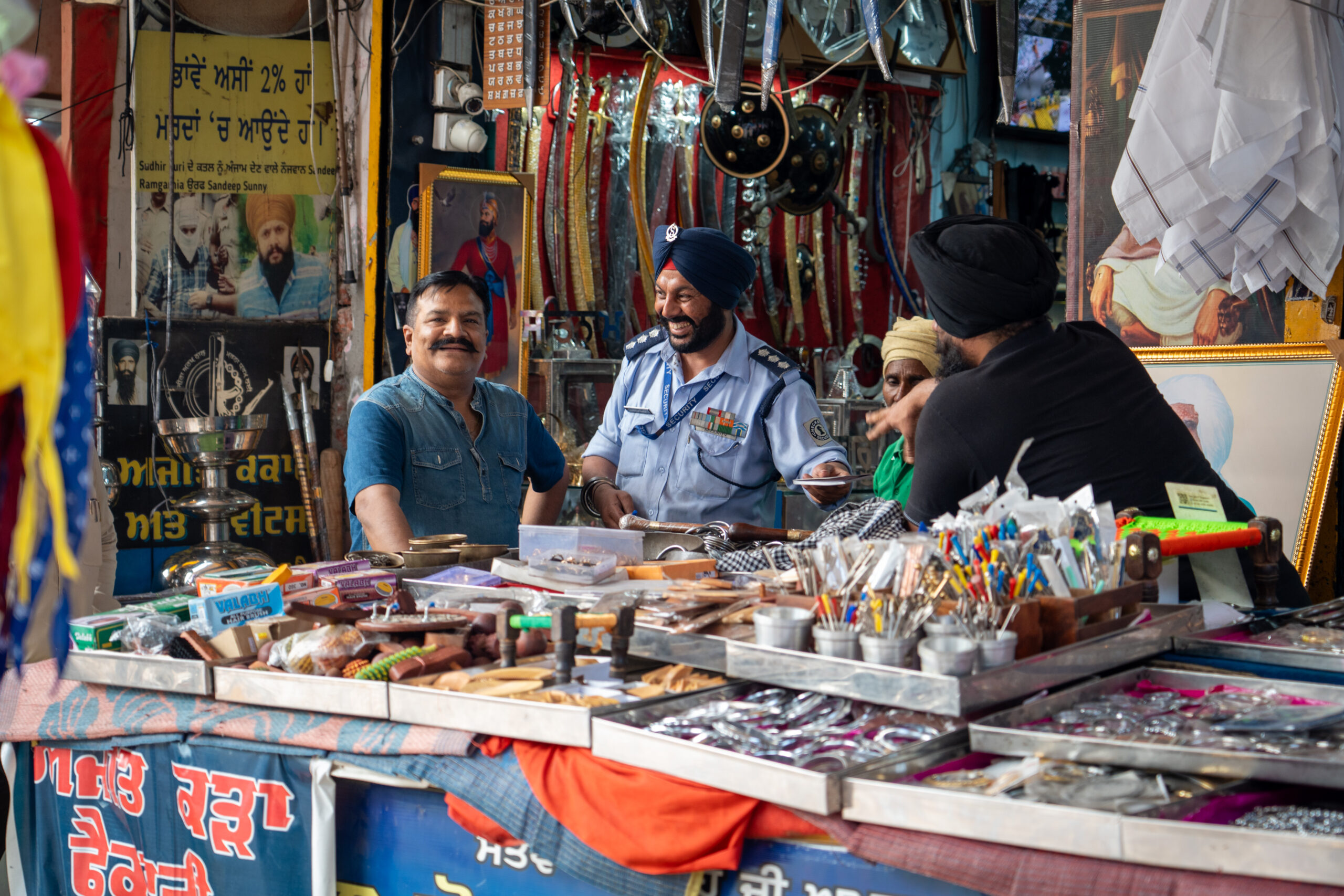
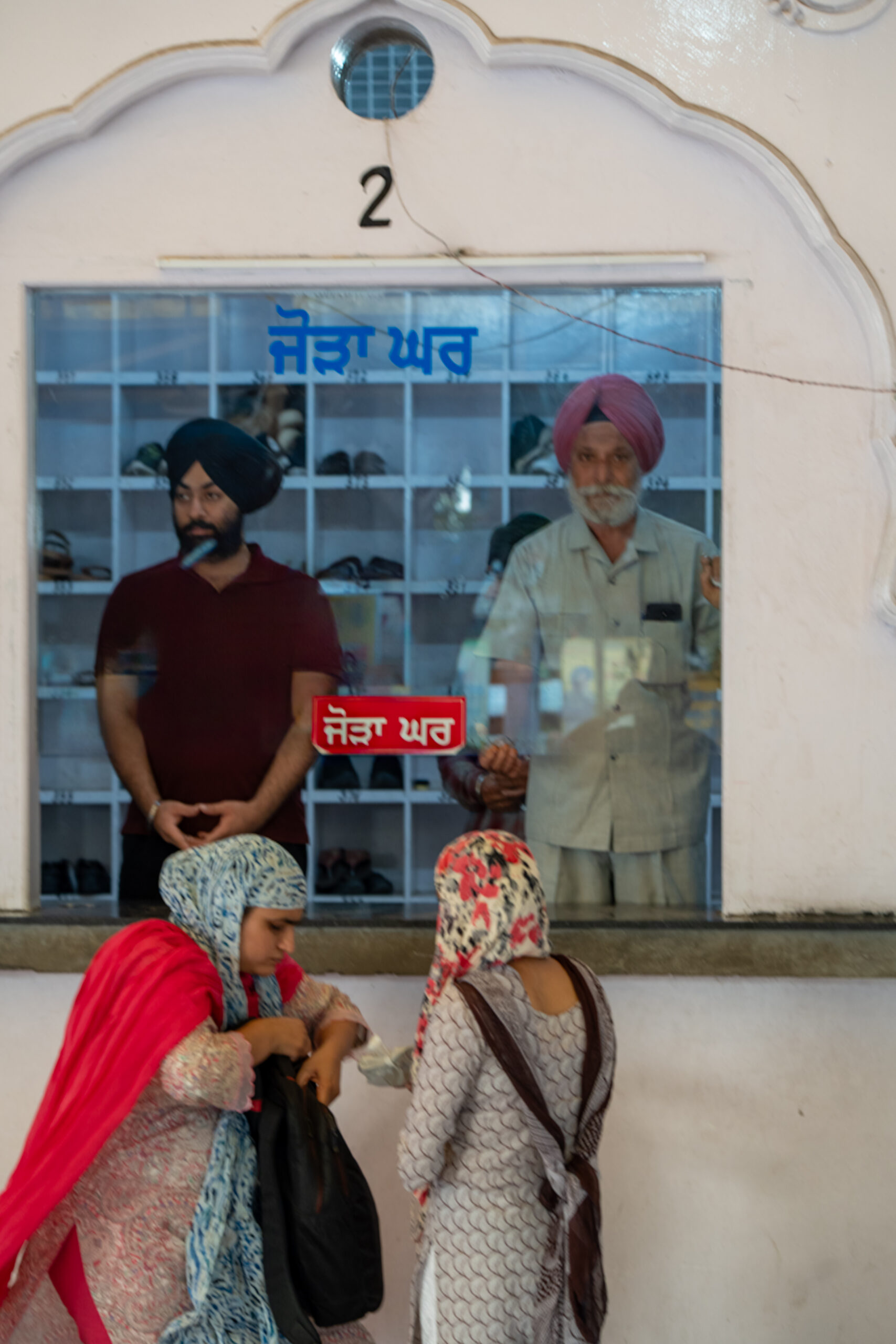
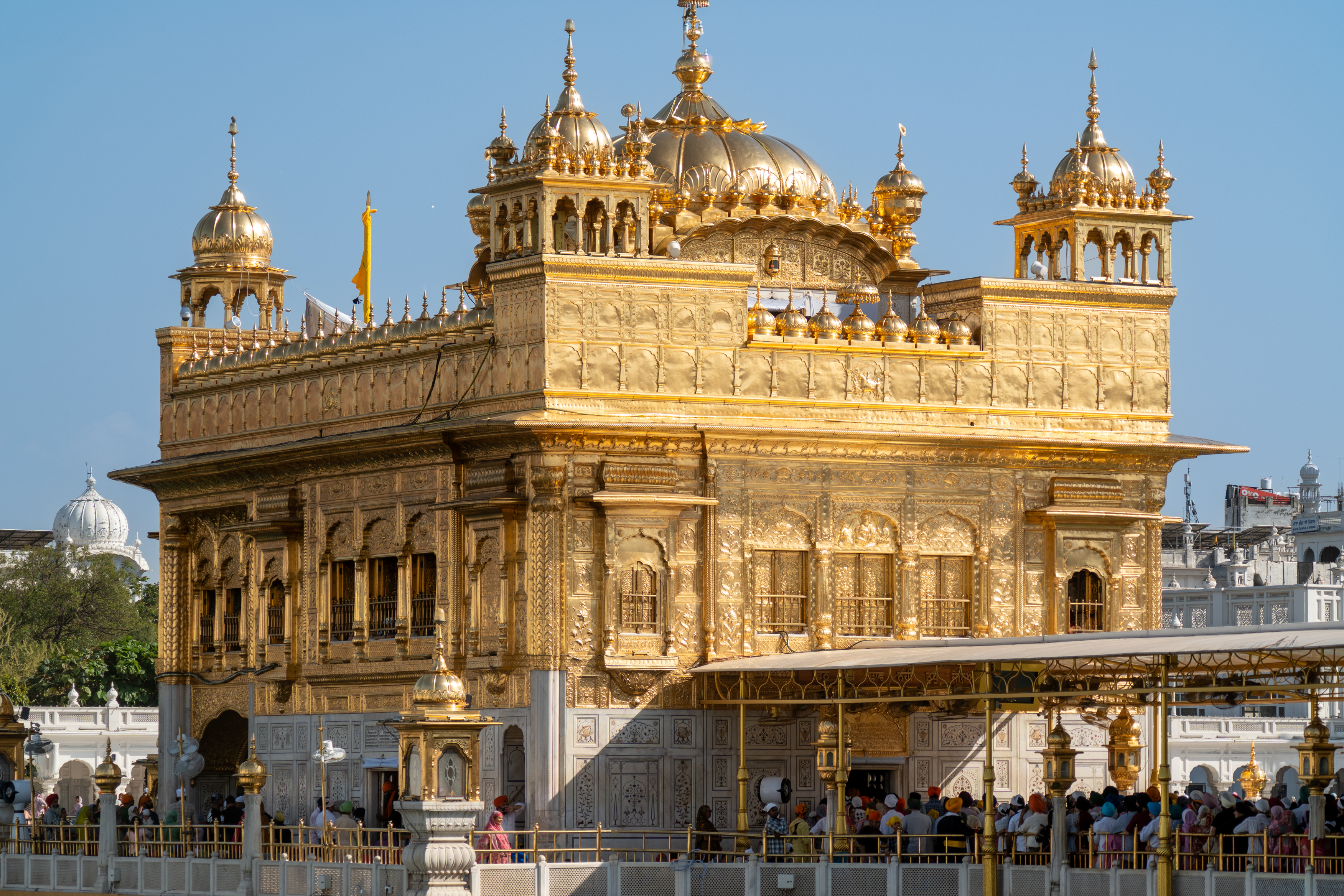
With Amritsar’s most famous landmark, the Golden Temple only three walking minutes away I could not resist starting my exploration there. Leaving the hotel, I noticed the difference with McLeod Ganj immediately. It was much warmer, much more crowded, more noisy and definitely more colourful. Soon I recognized the bazar surrounding the temple and after I left my shoes at one of the designated depots and covered my head with the bandana I just bought, I made my way to the Temple.

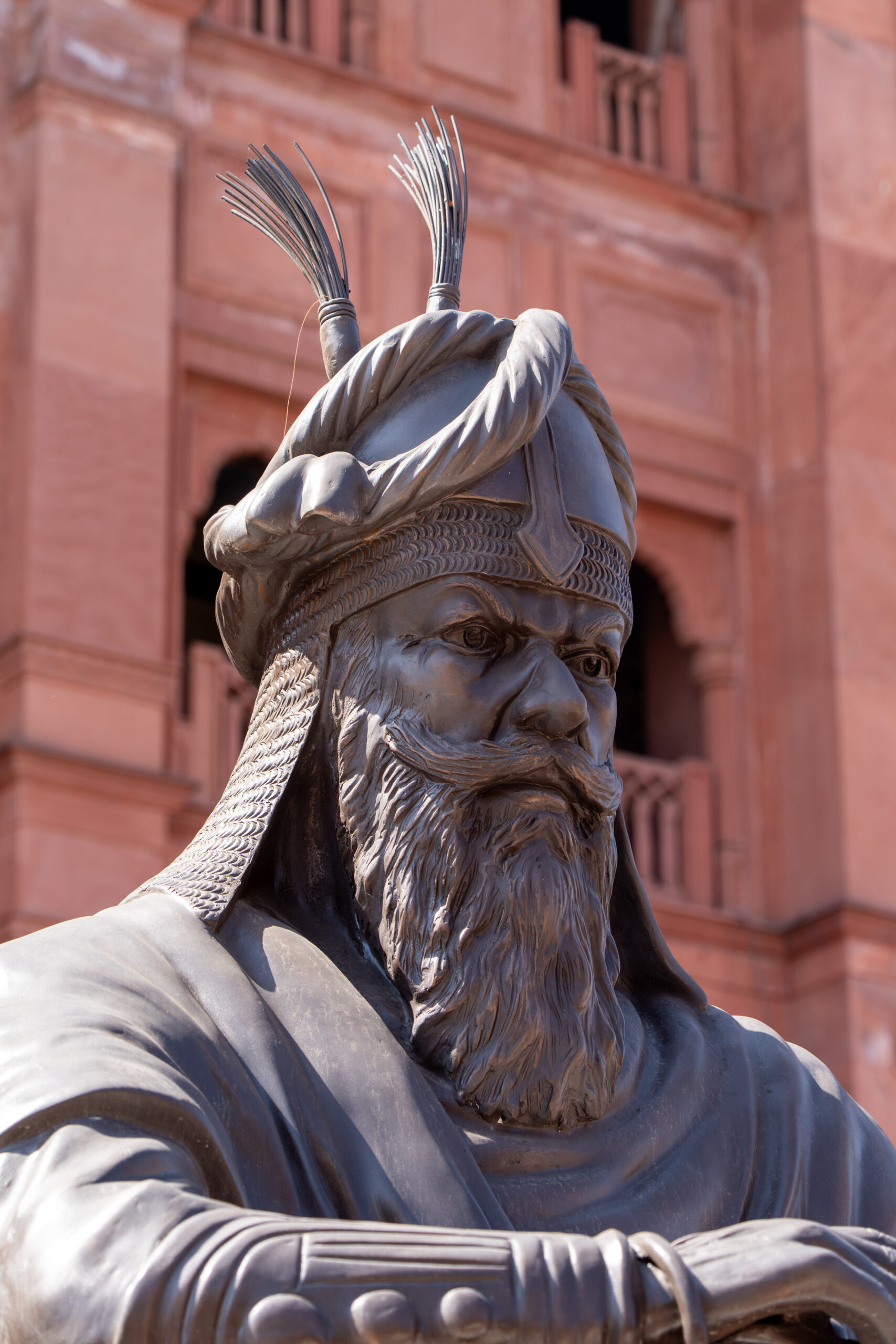
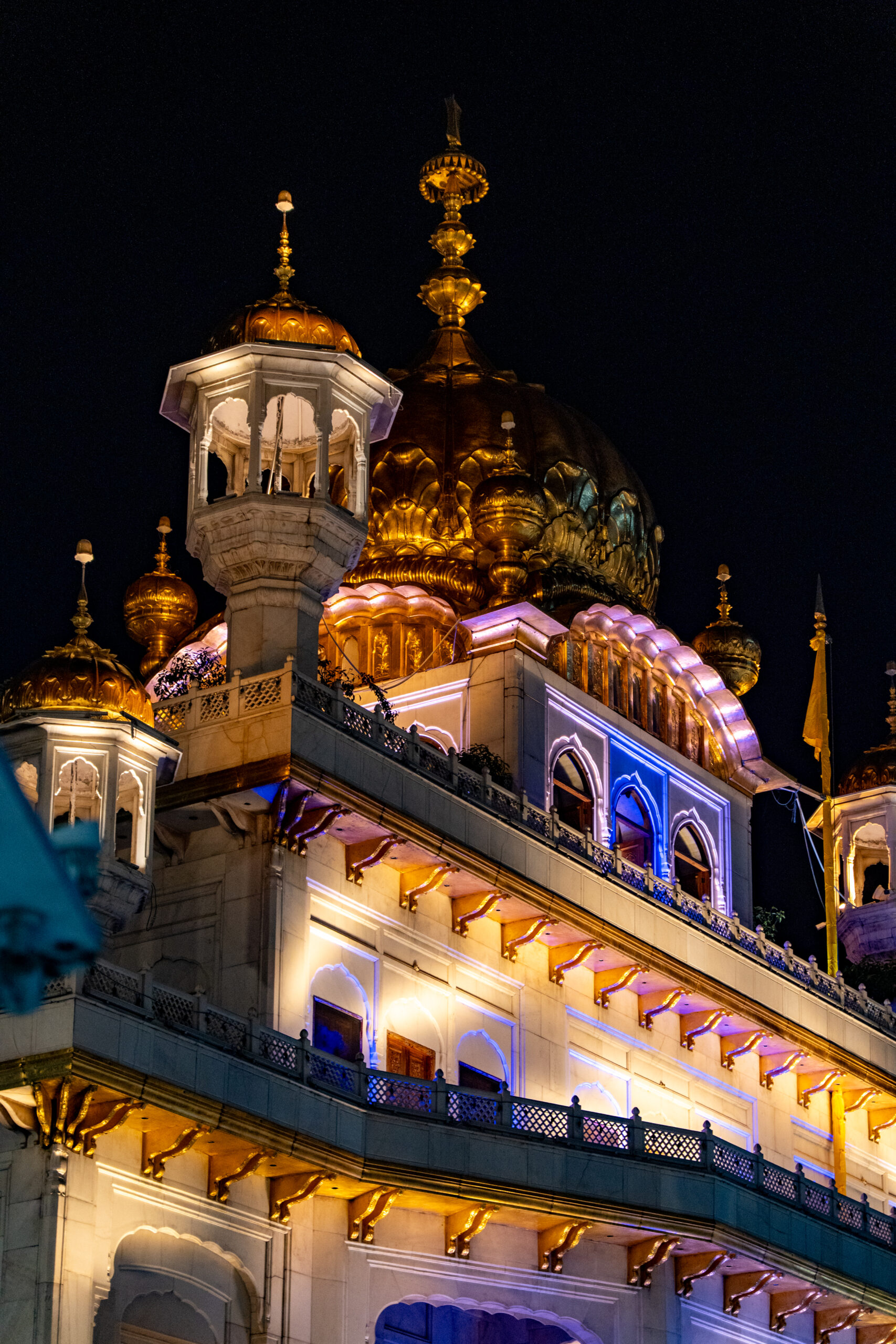
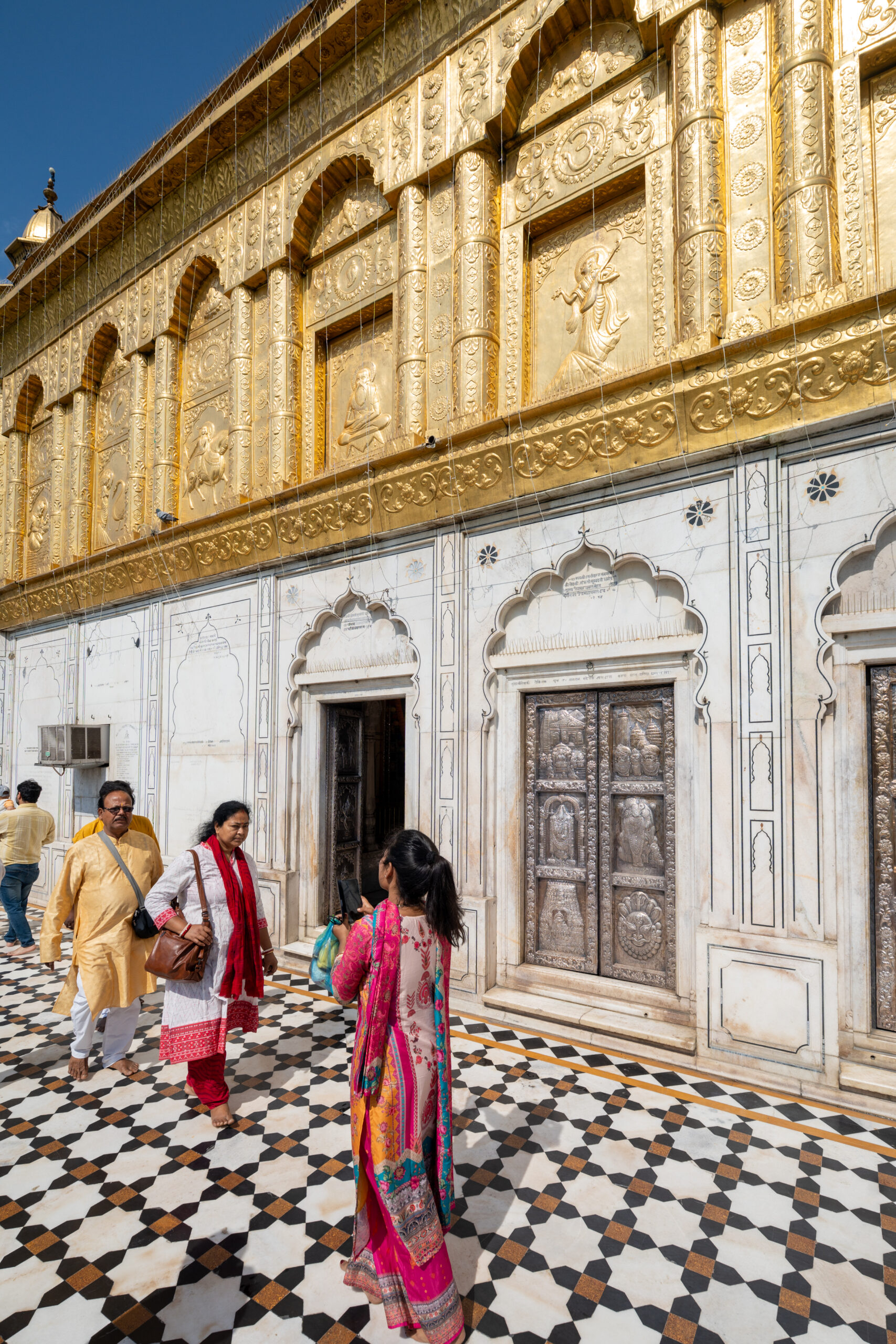
It is also known as Harmandir Sahib, and is the holiest shrine of Sikhism. Surrounded by the sacred Amrit Sarovar, it is famous for its golden structure and peaceful atmosphere. Built in the 16th century by Guru Ram Das and completed by Guru Arjan, it symbolizes equality and welcomes people of all religions.

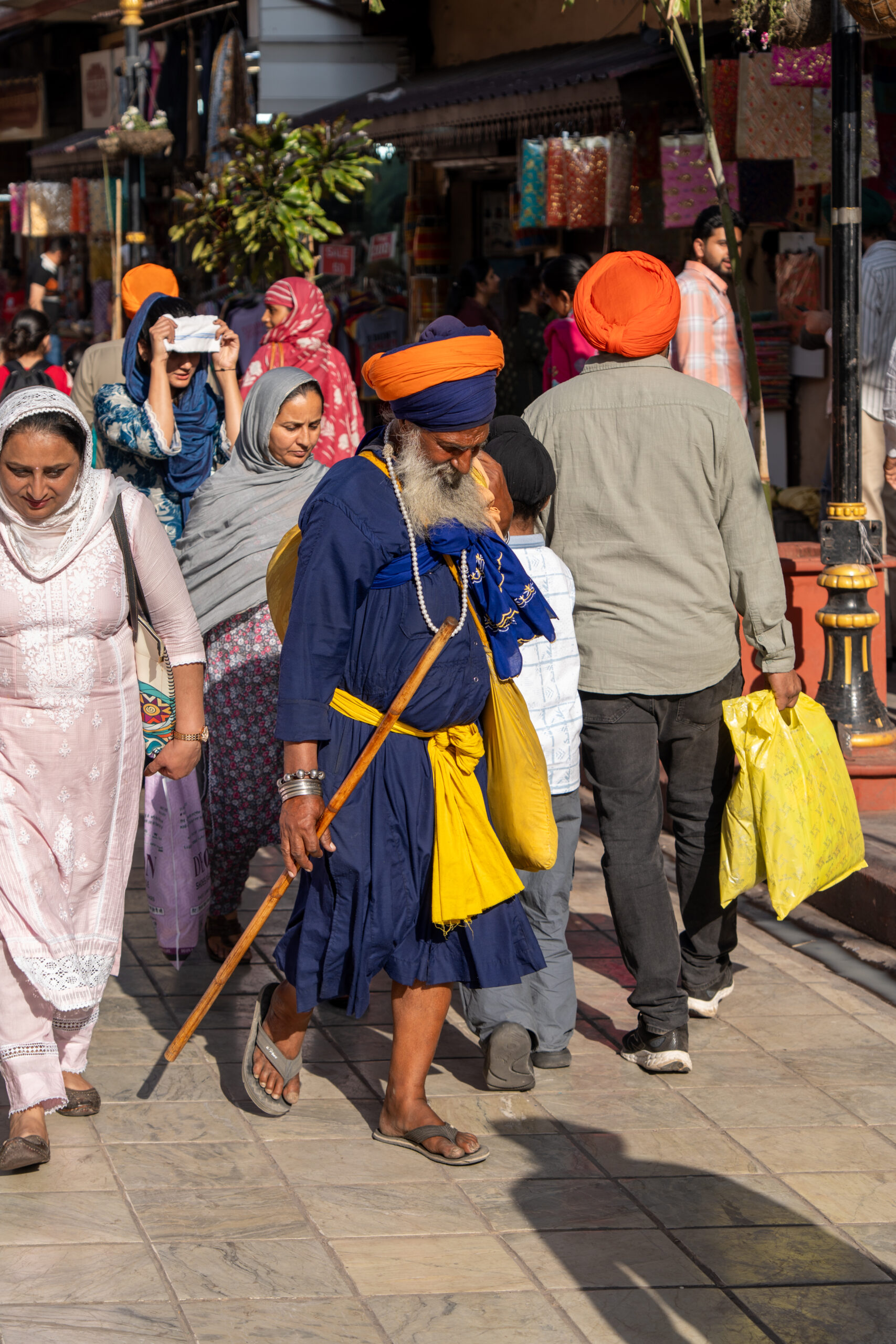
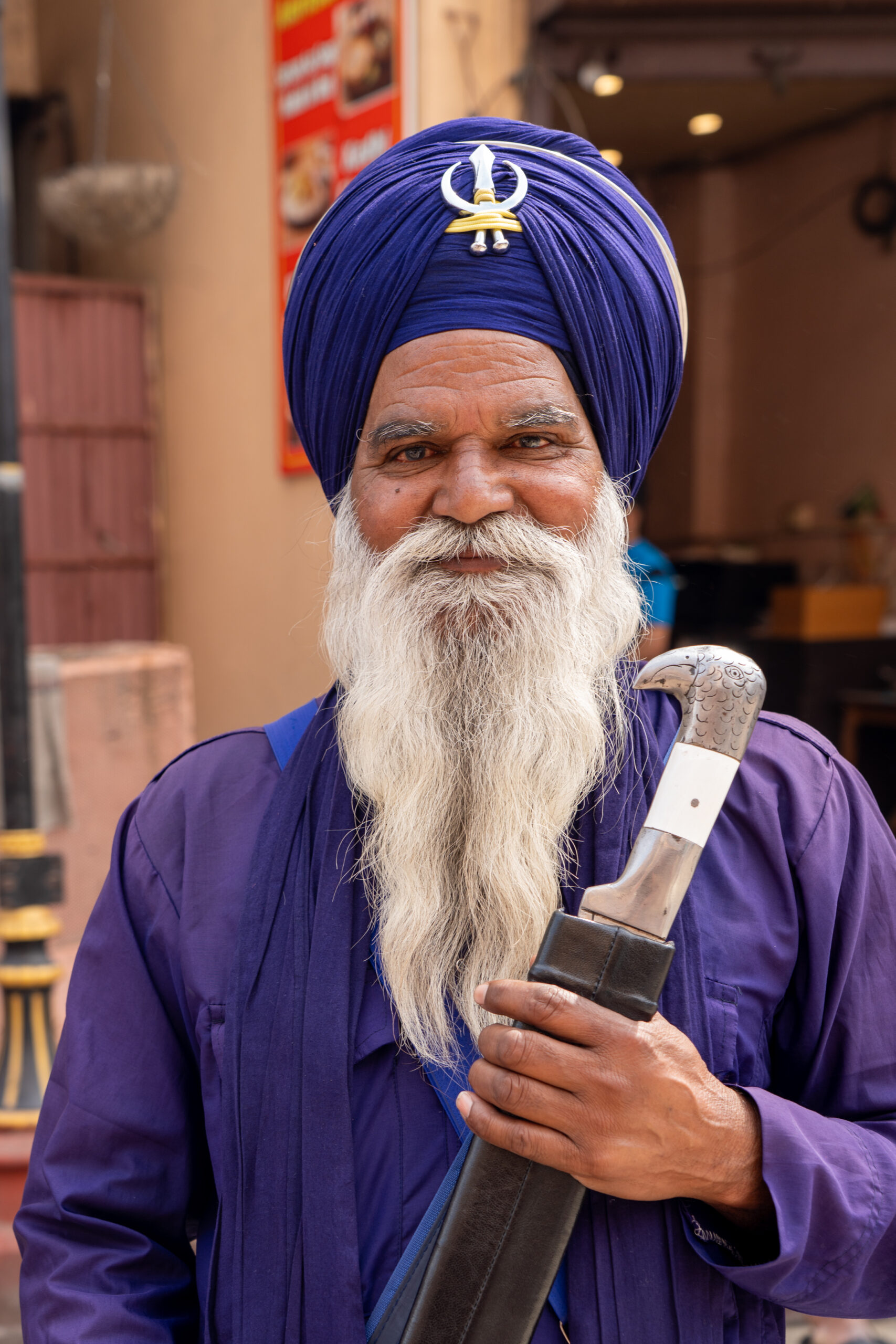
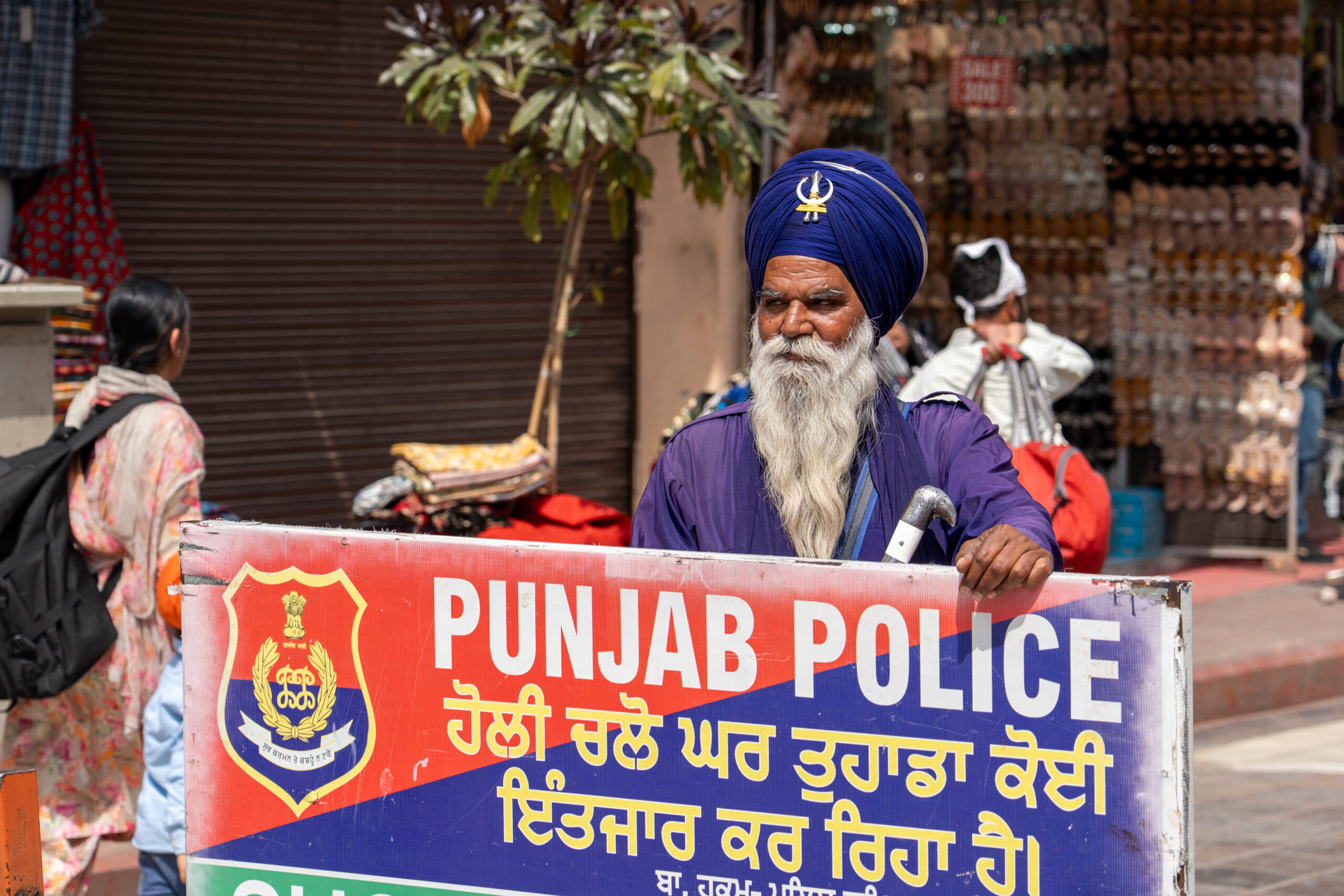
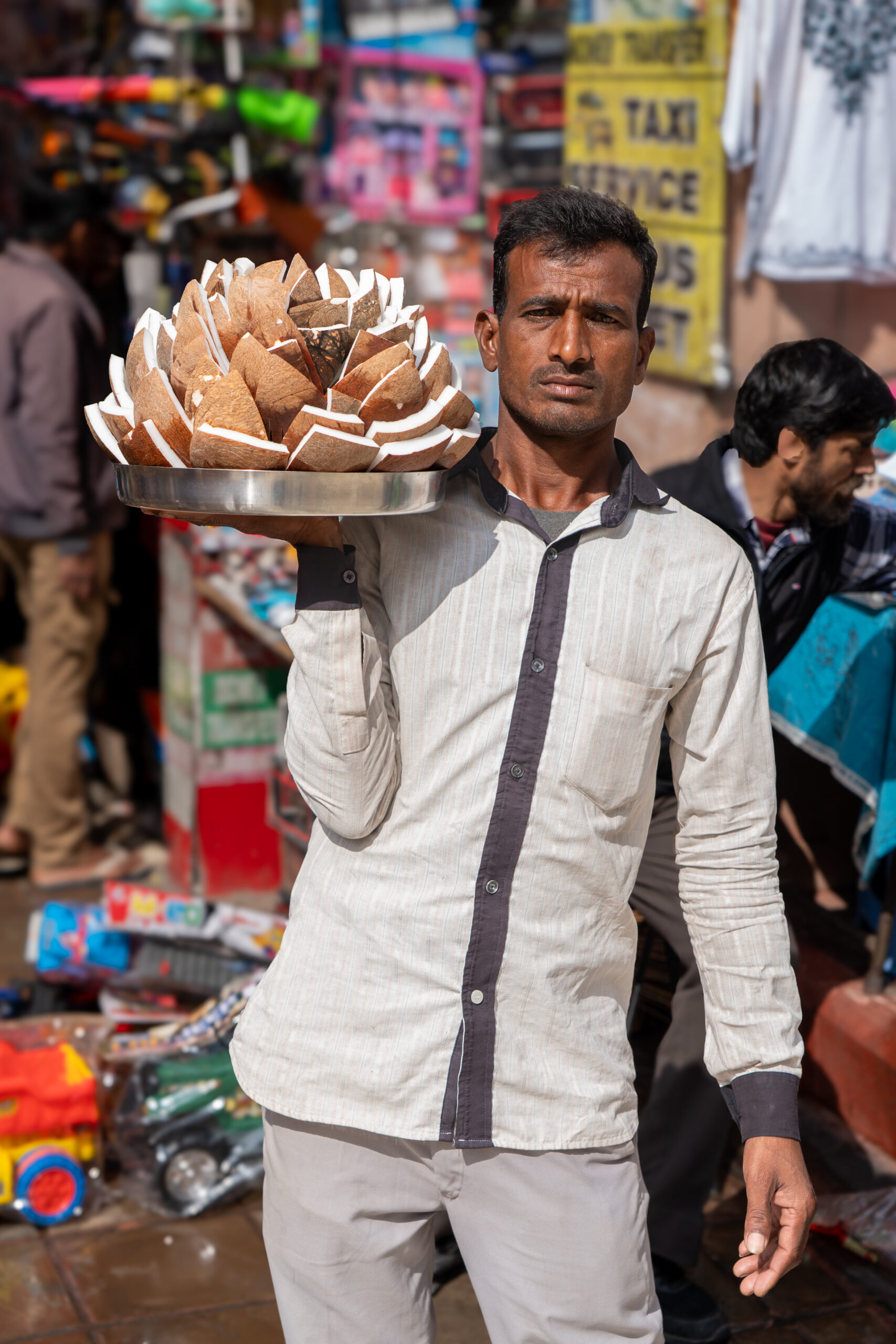
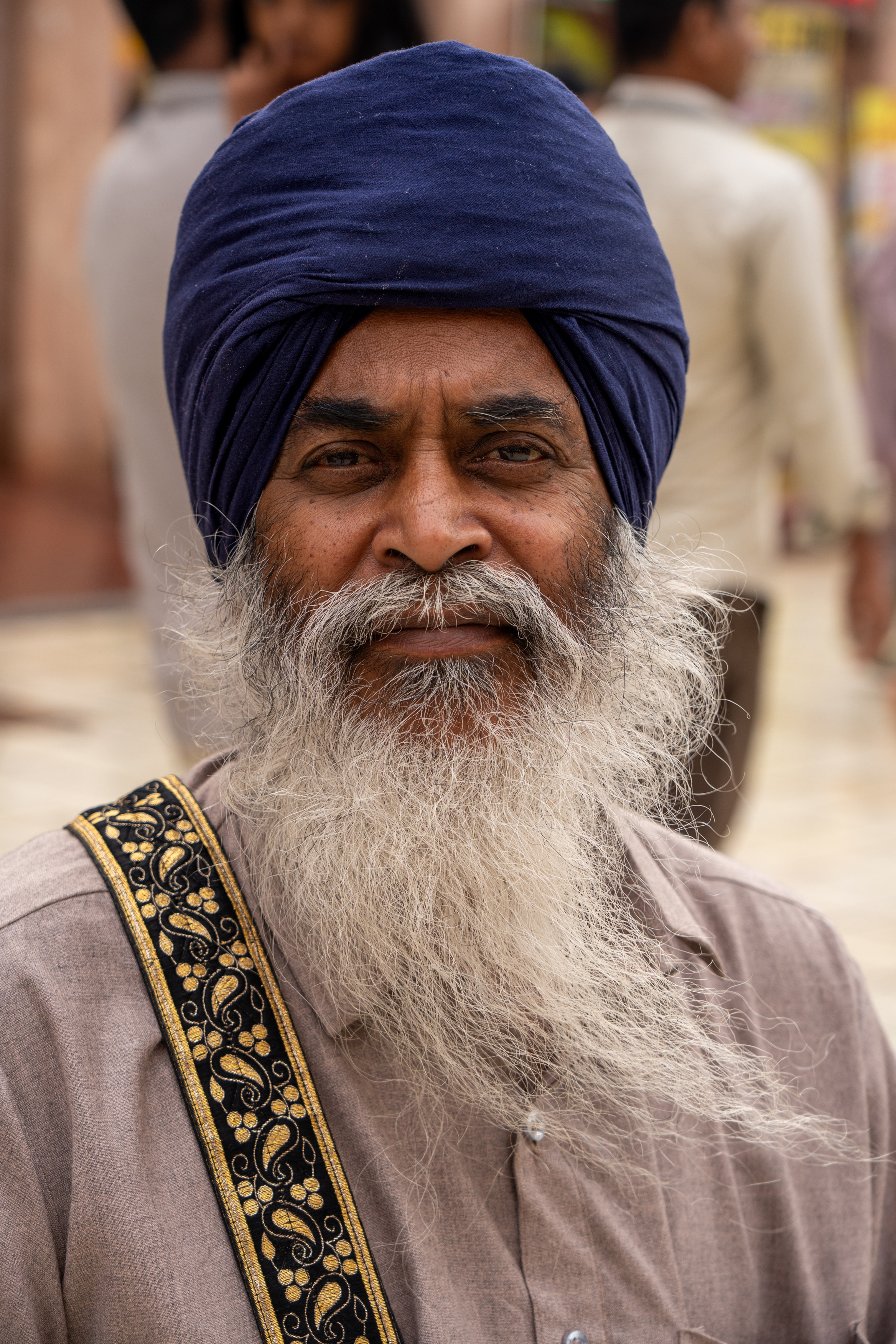
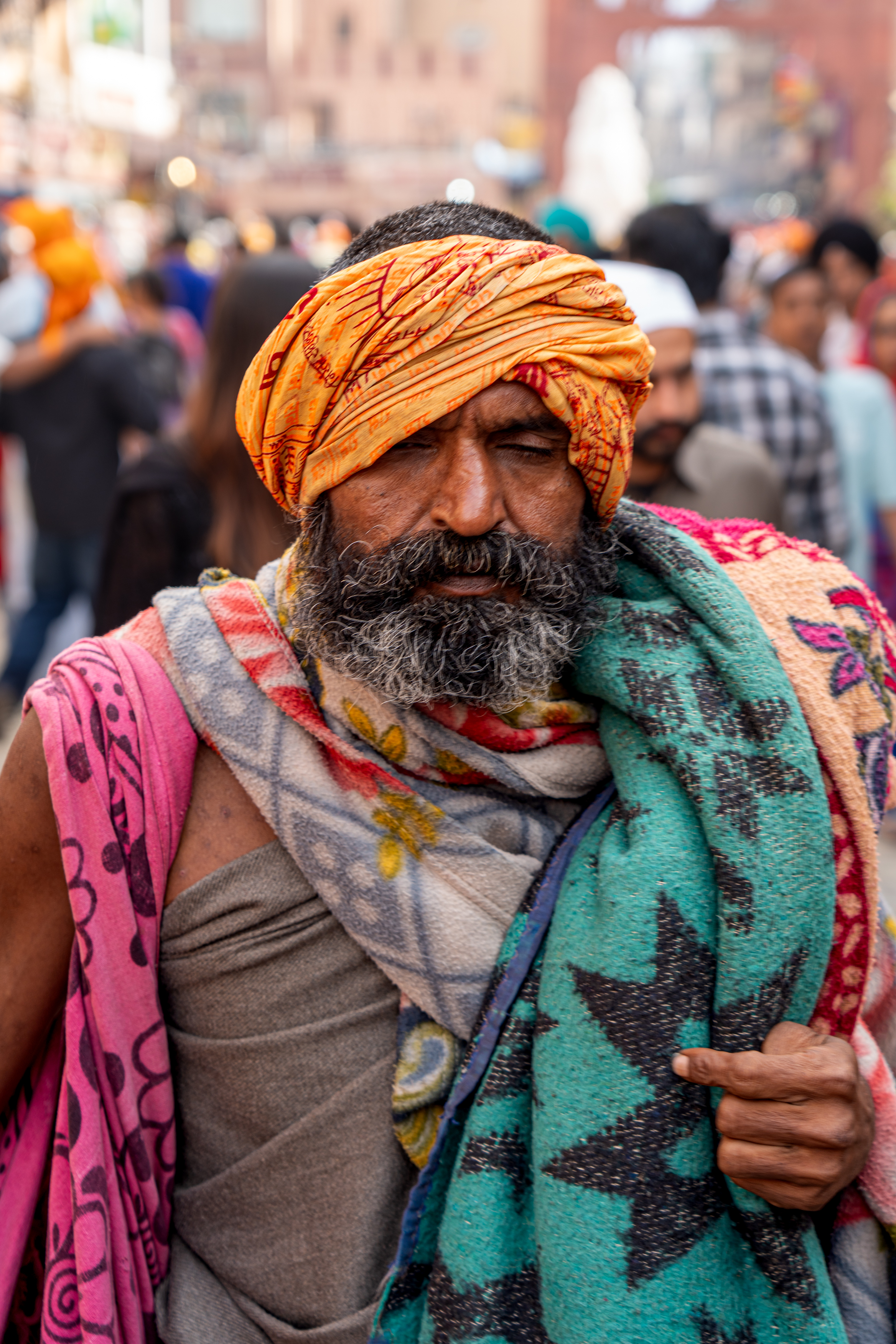
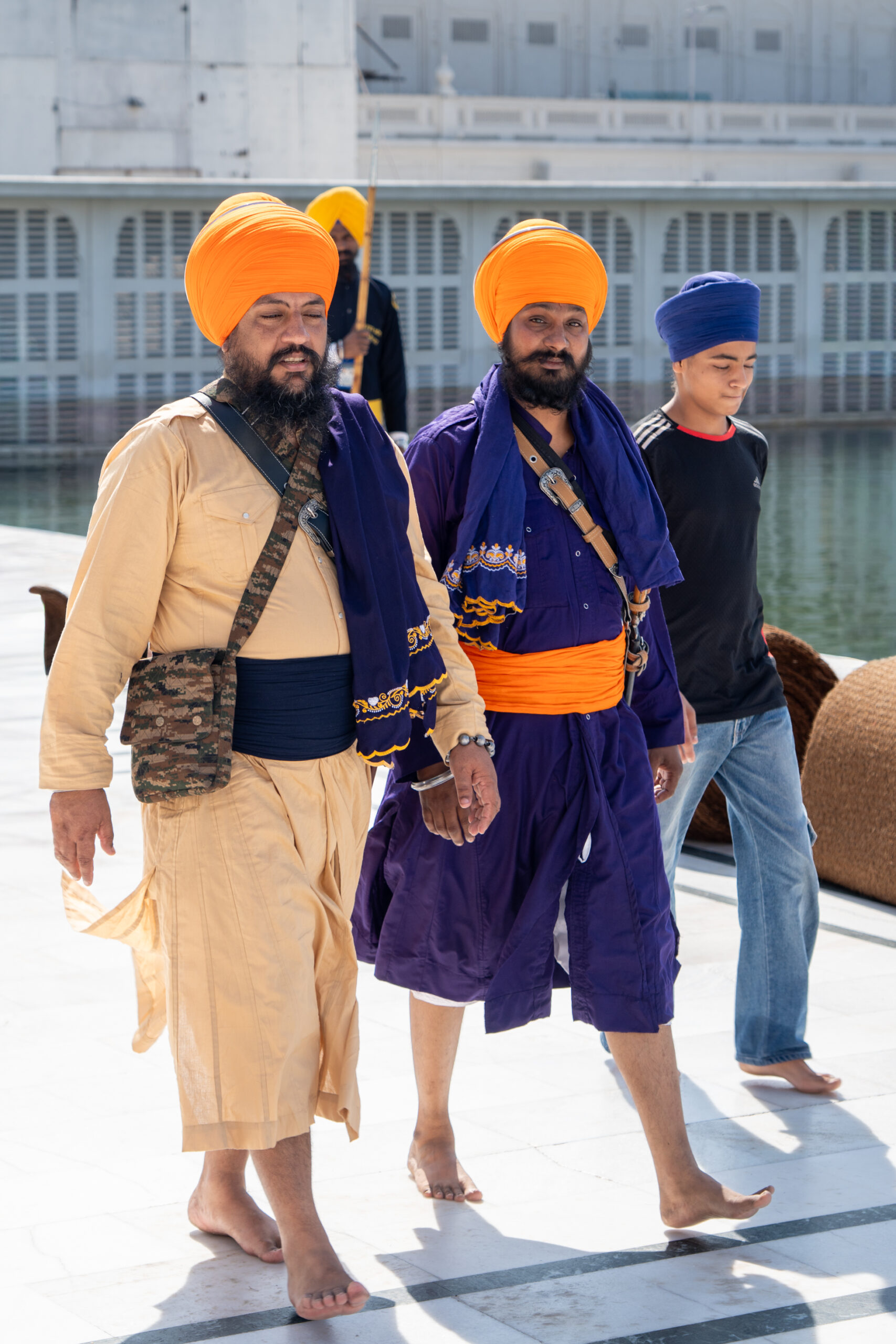
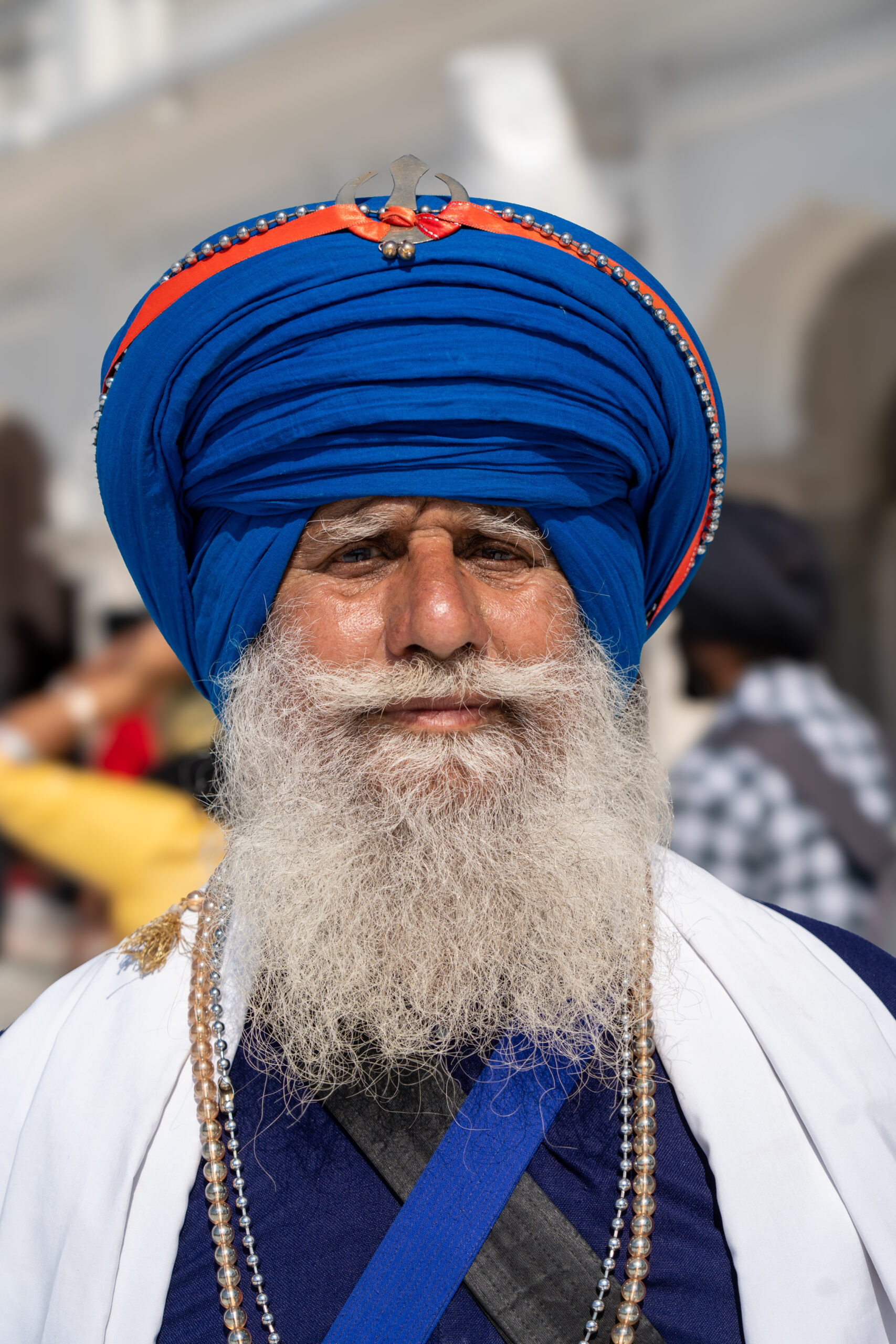
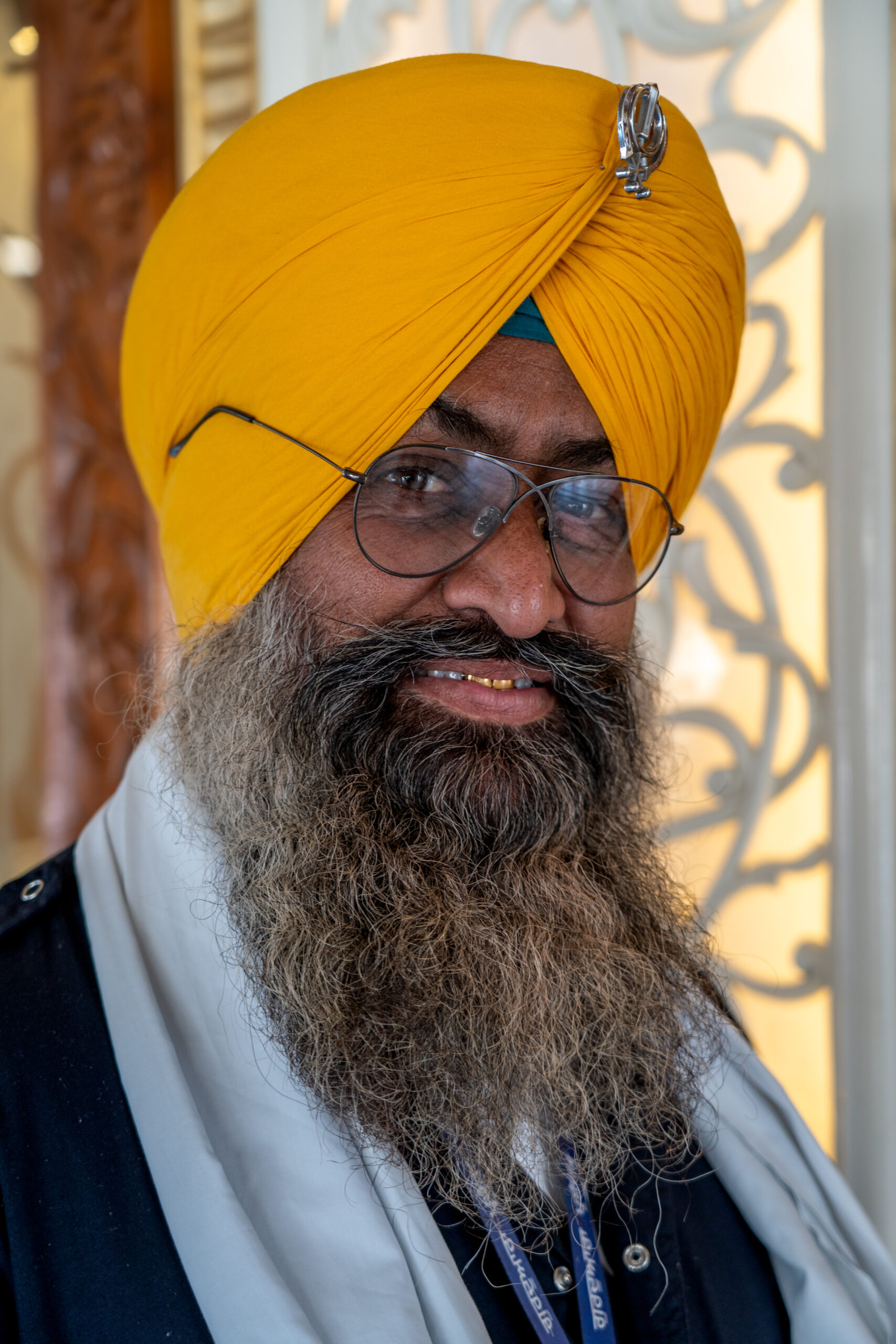
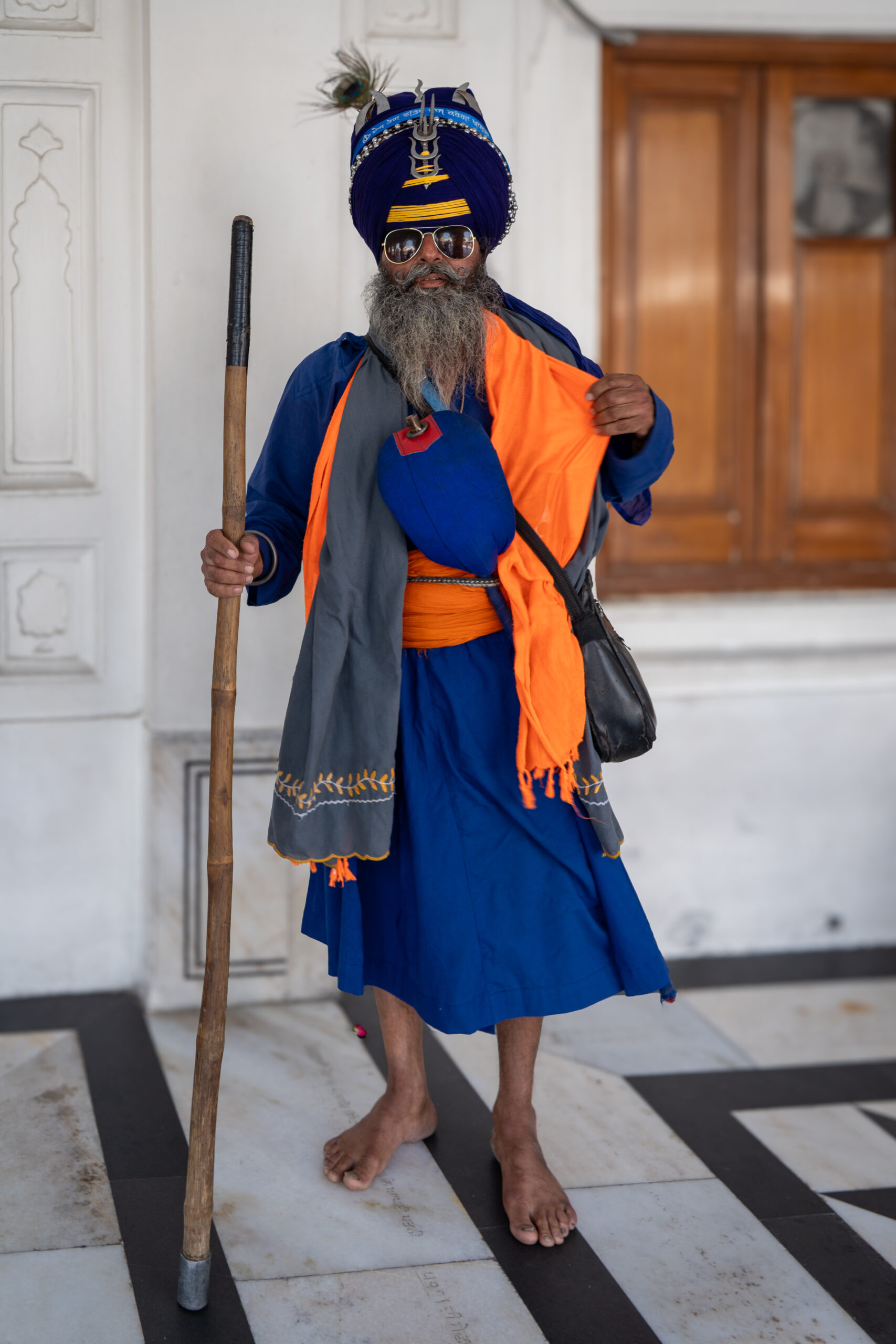
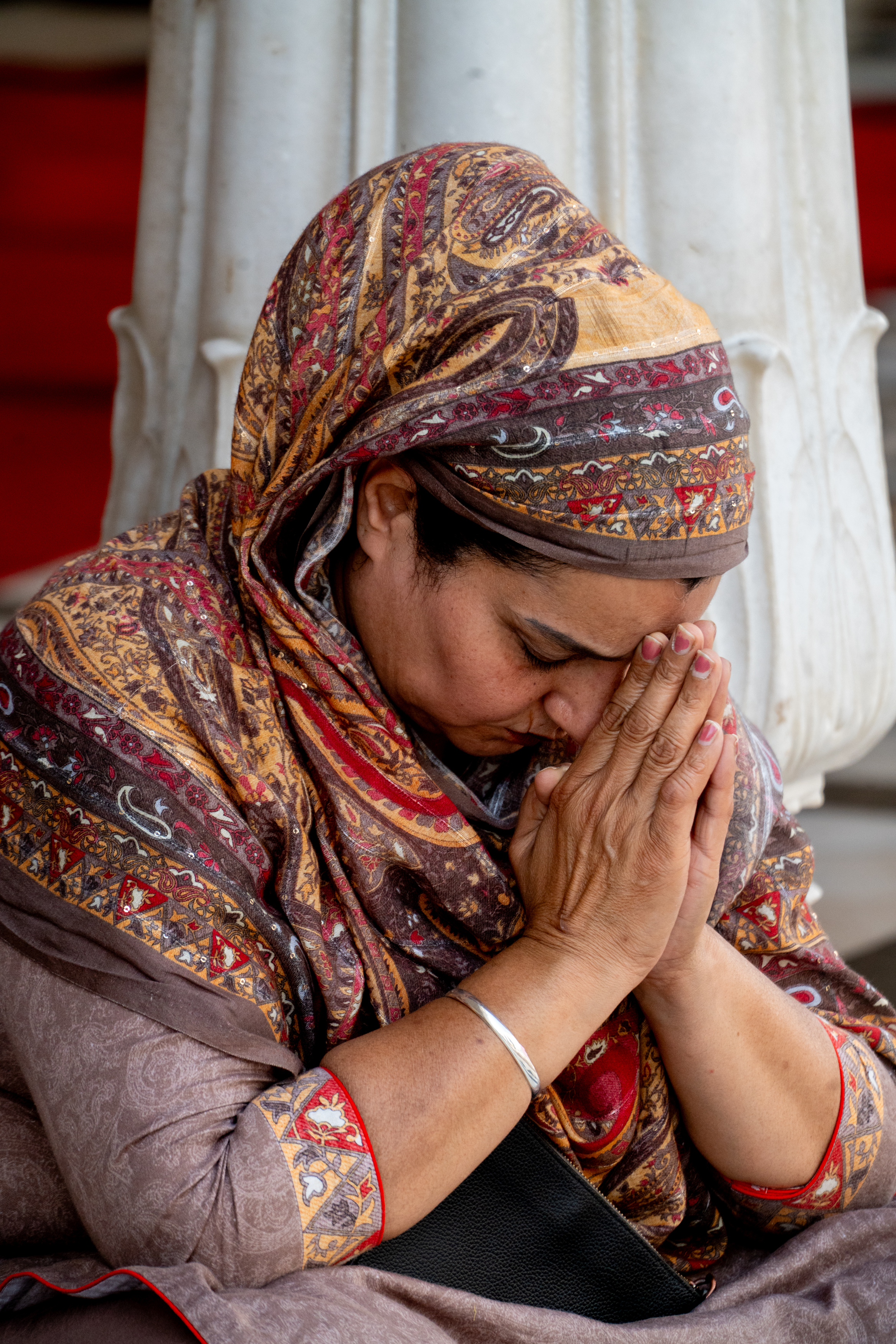
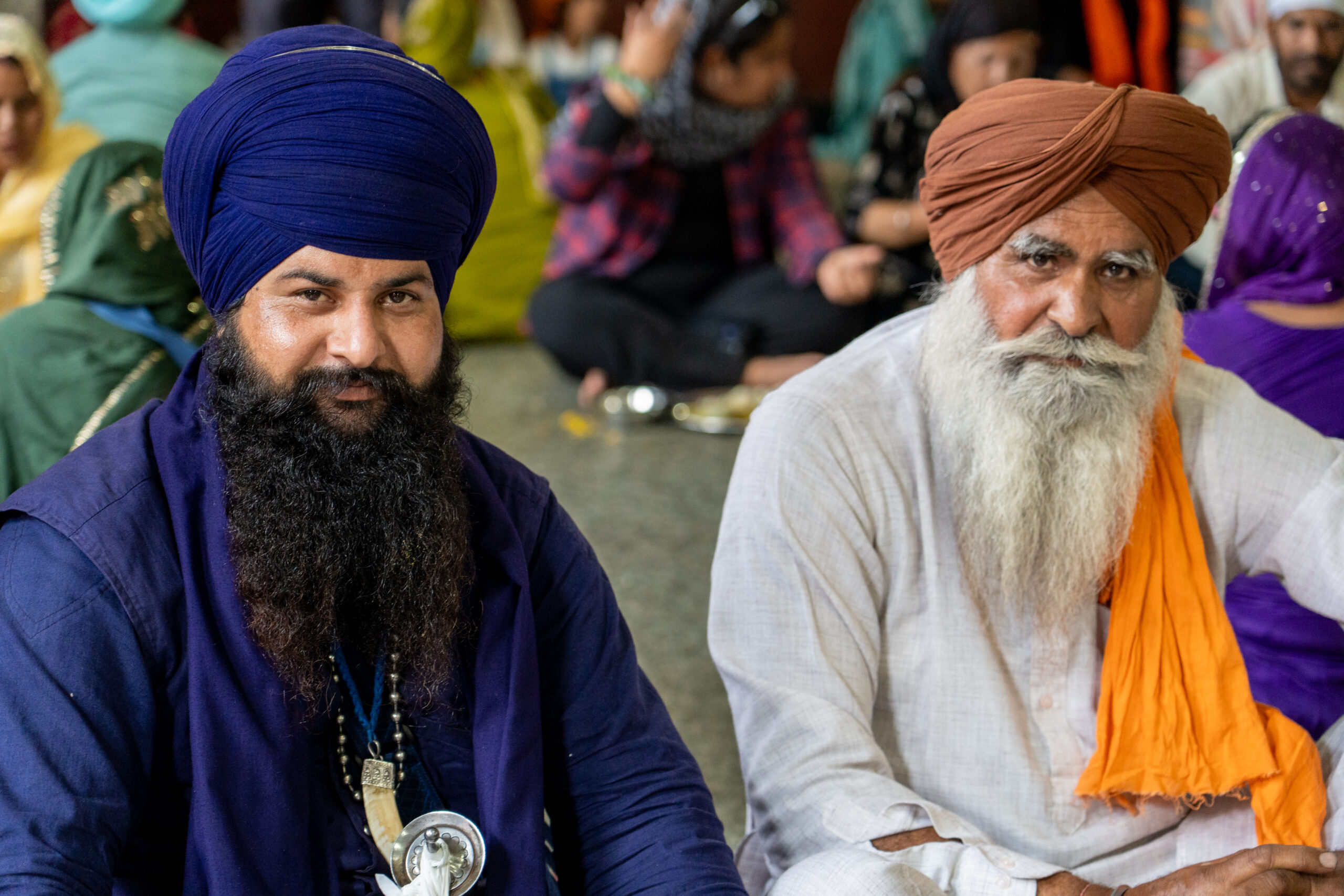
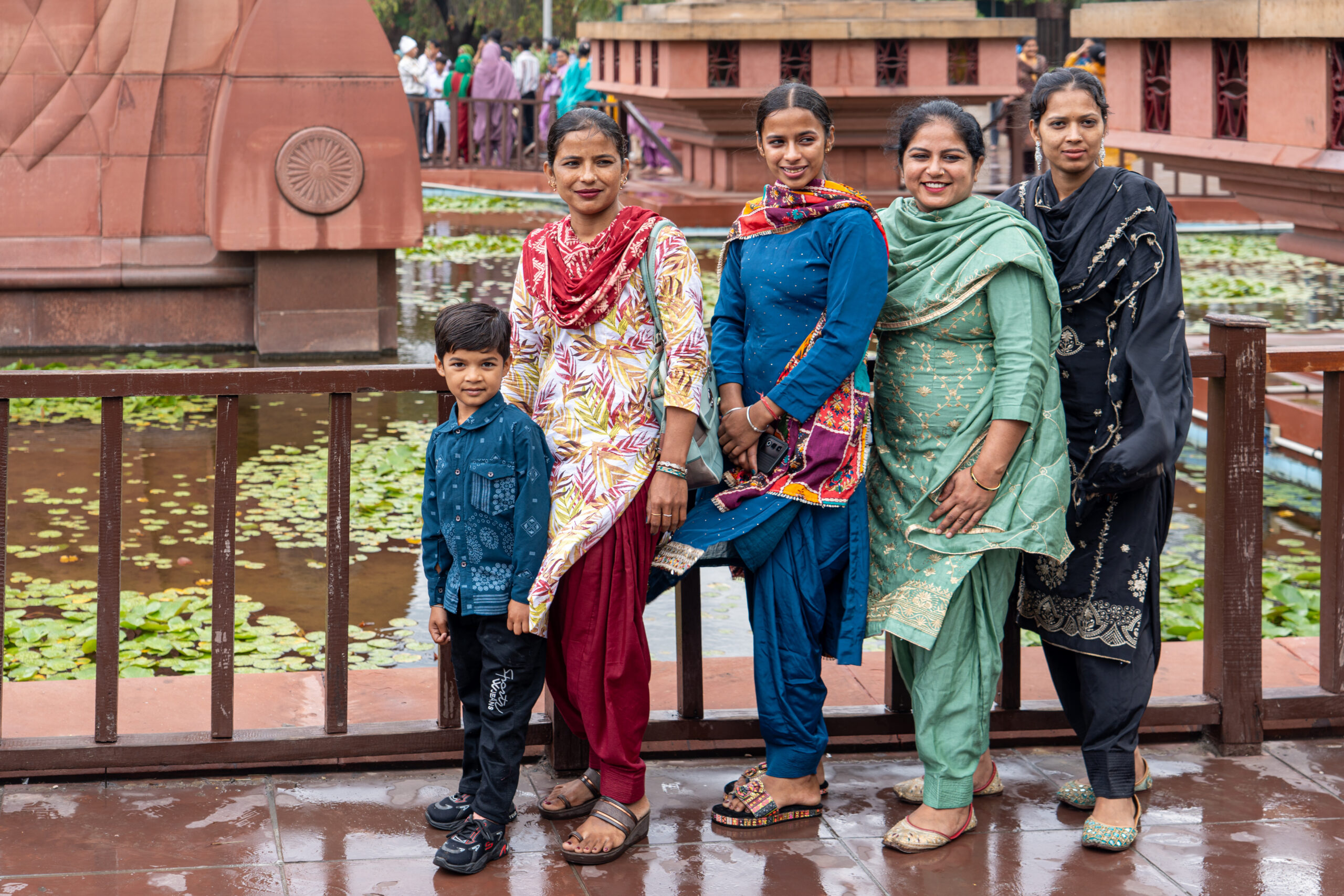
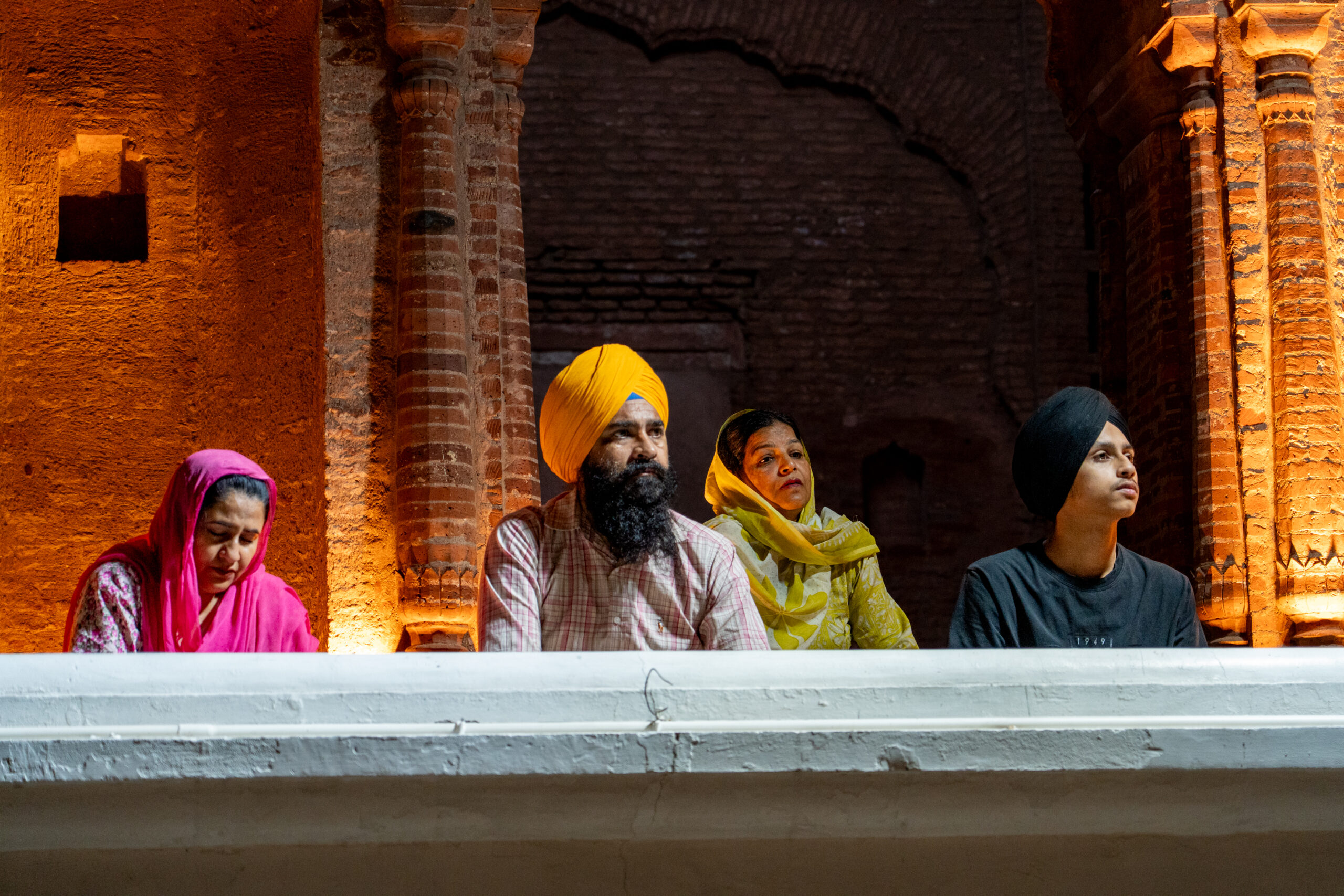
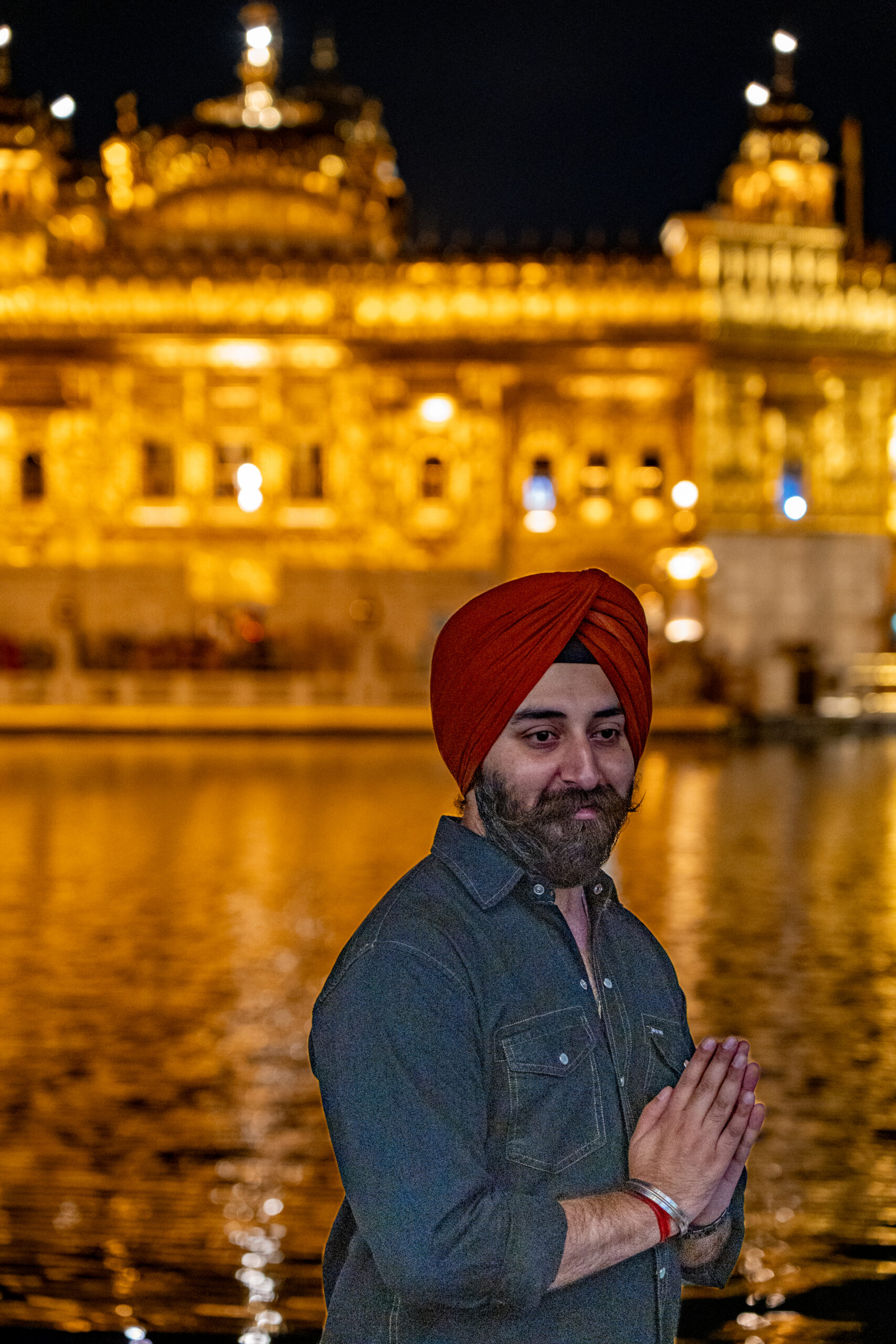
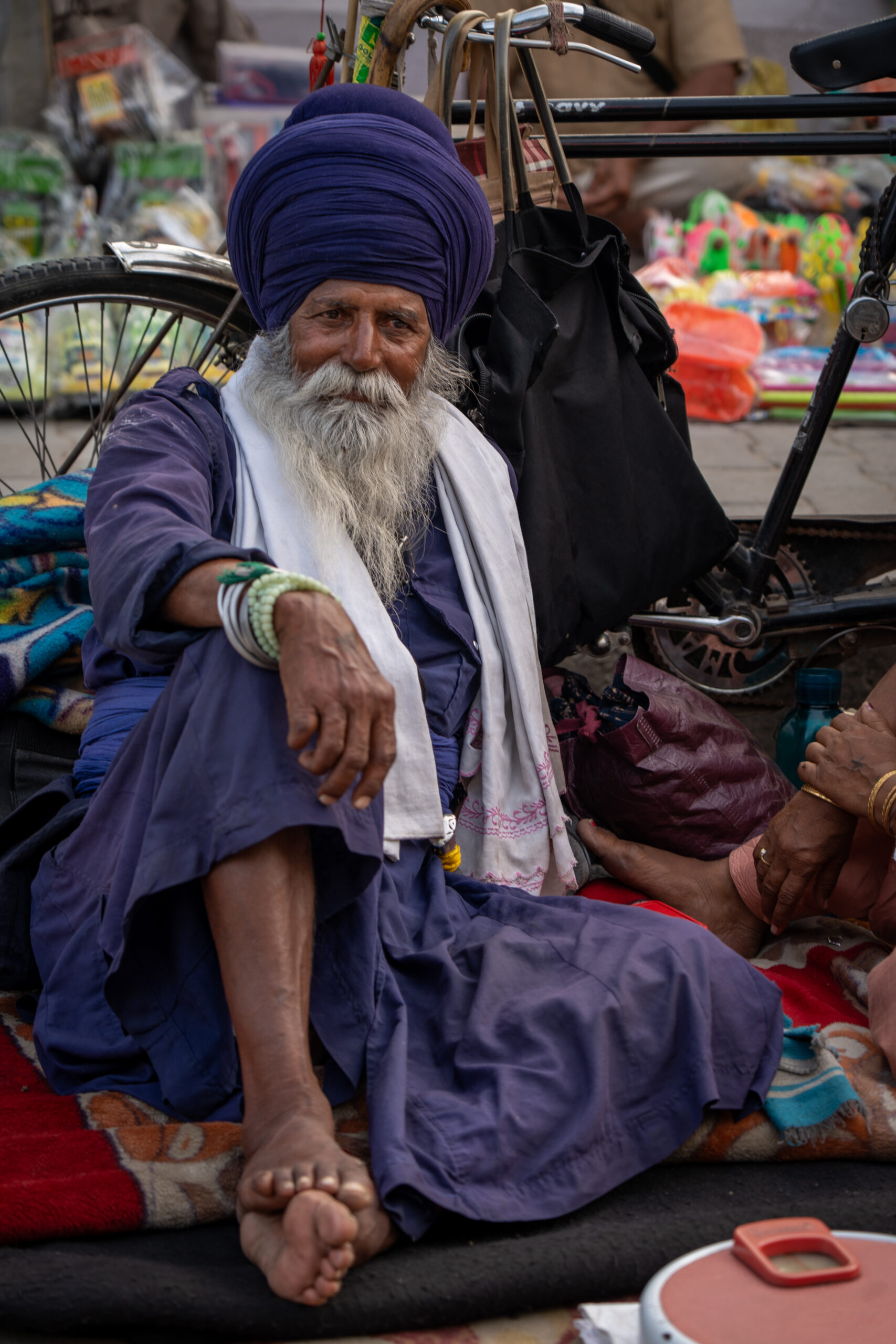
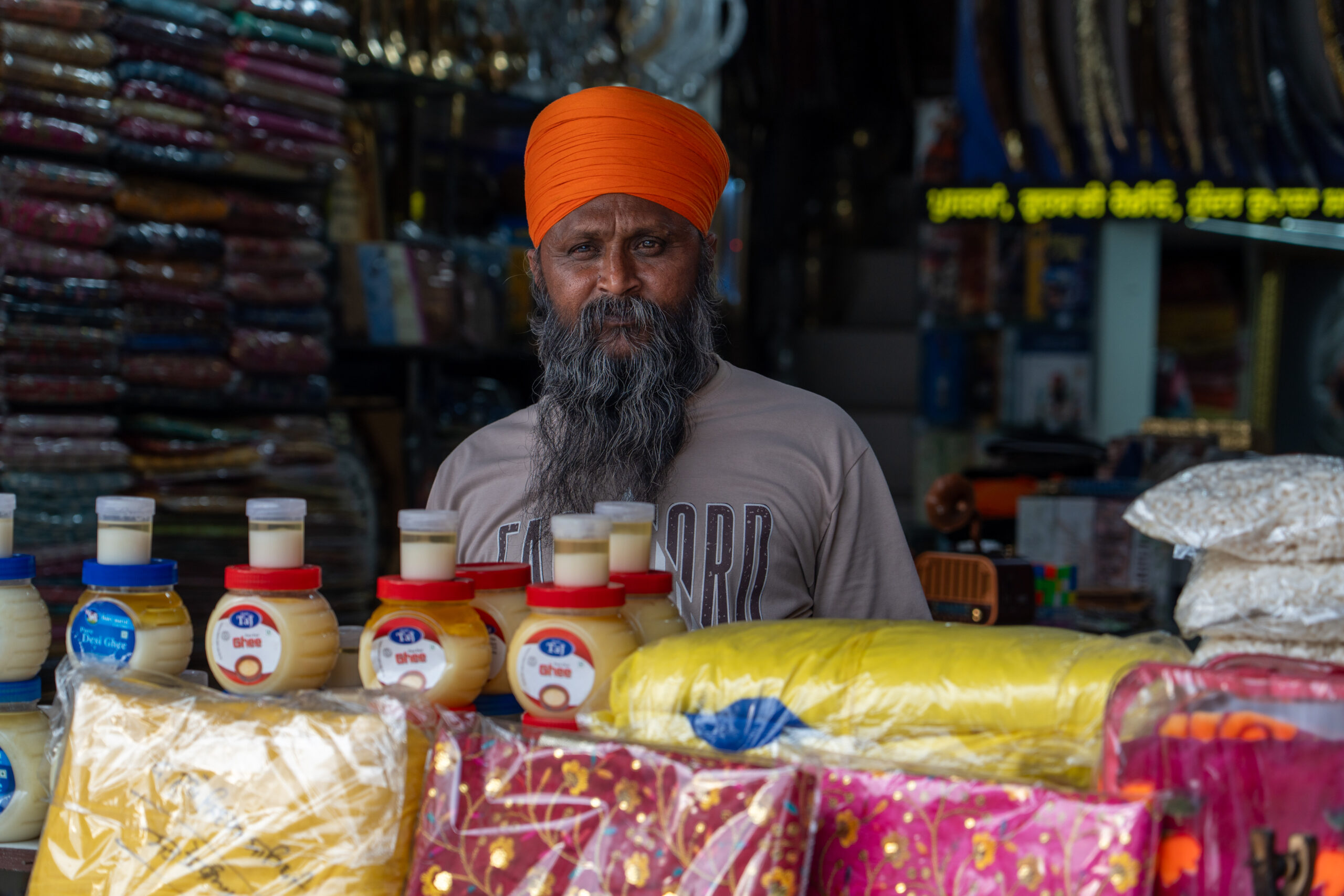
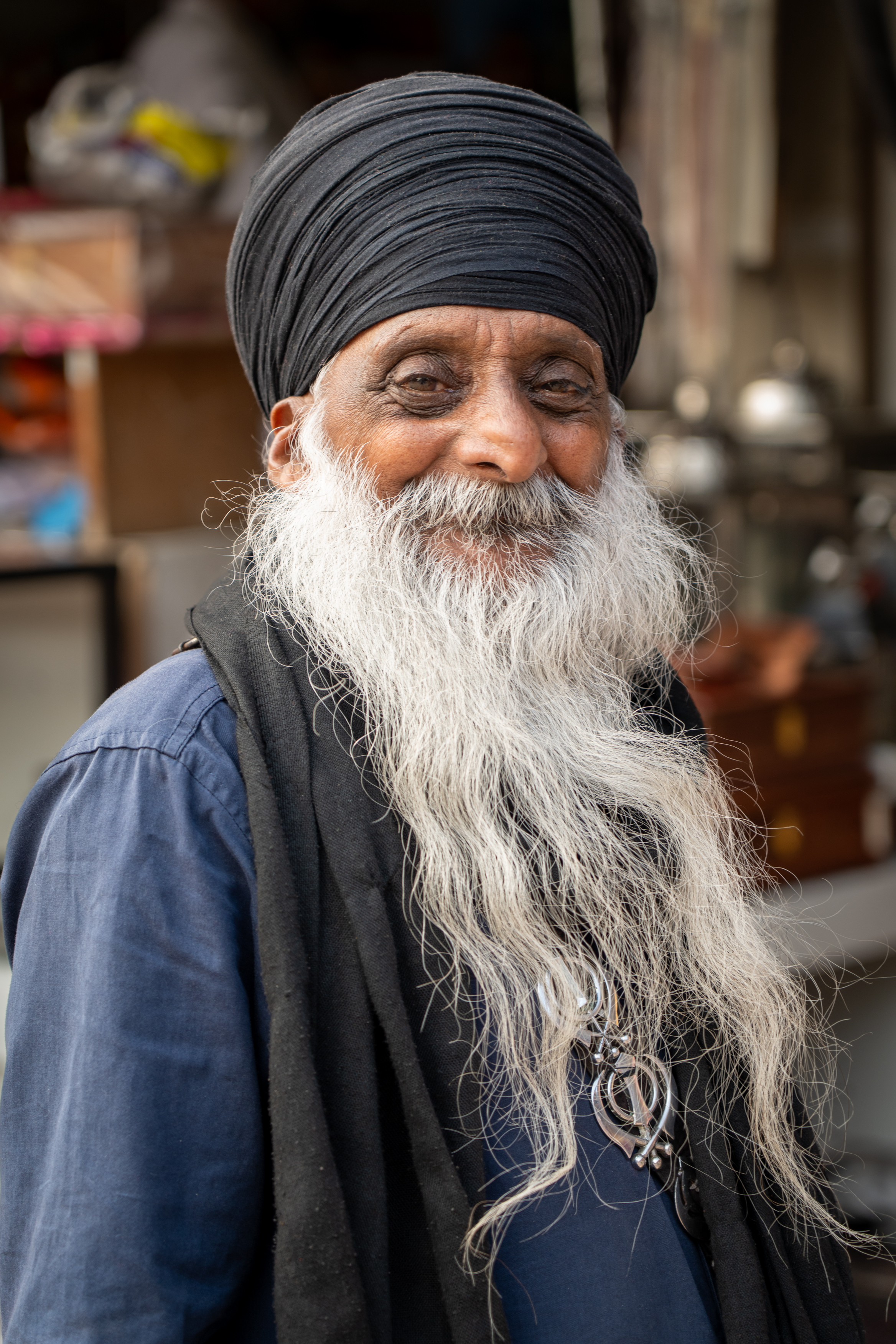
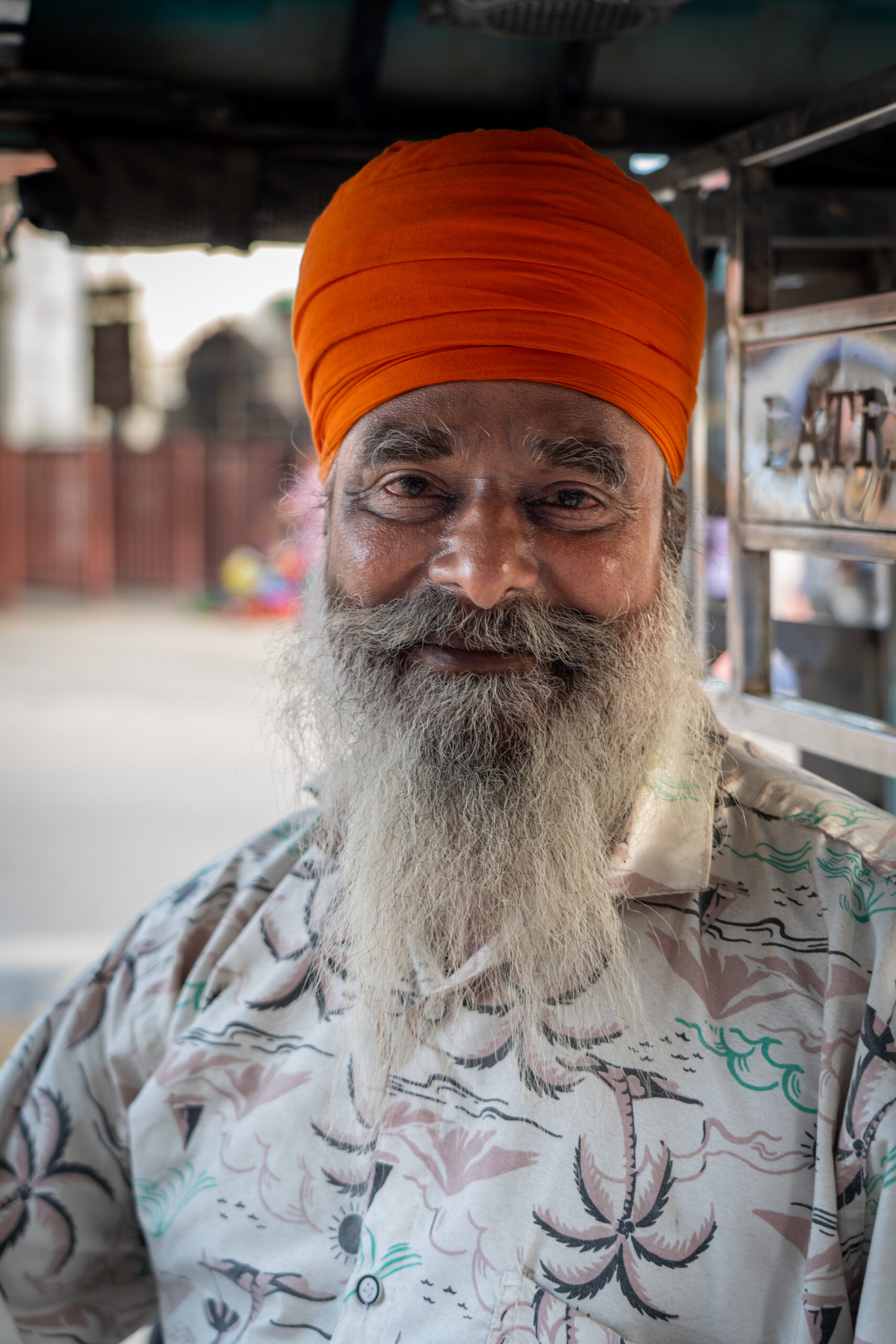
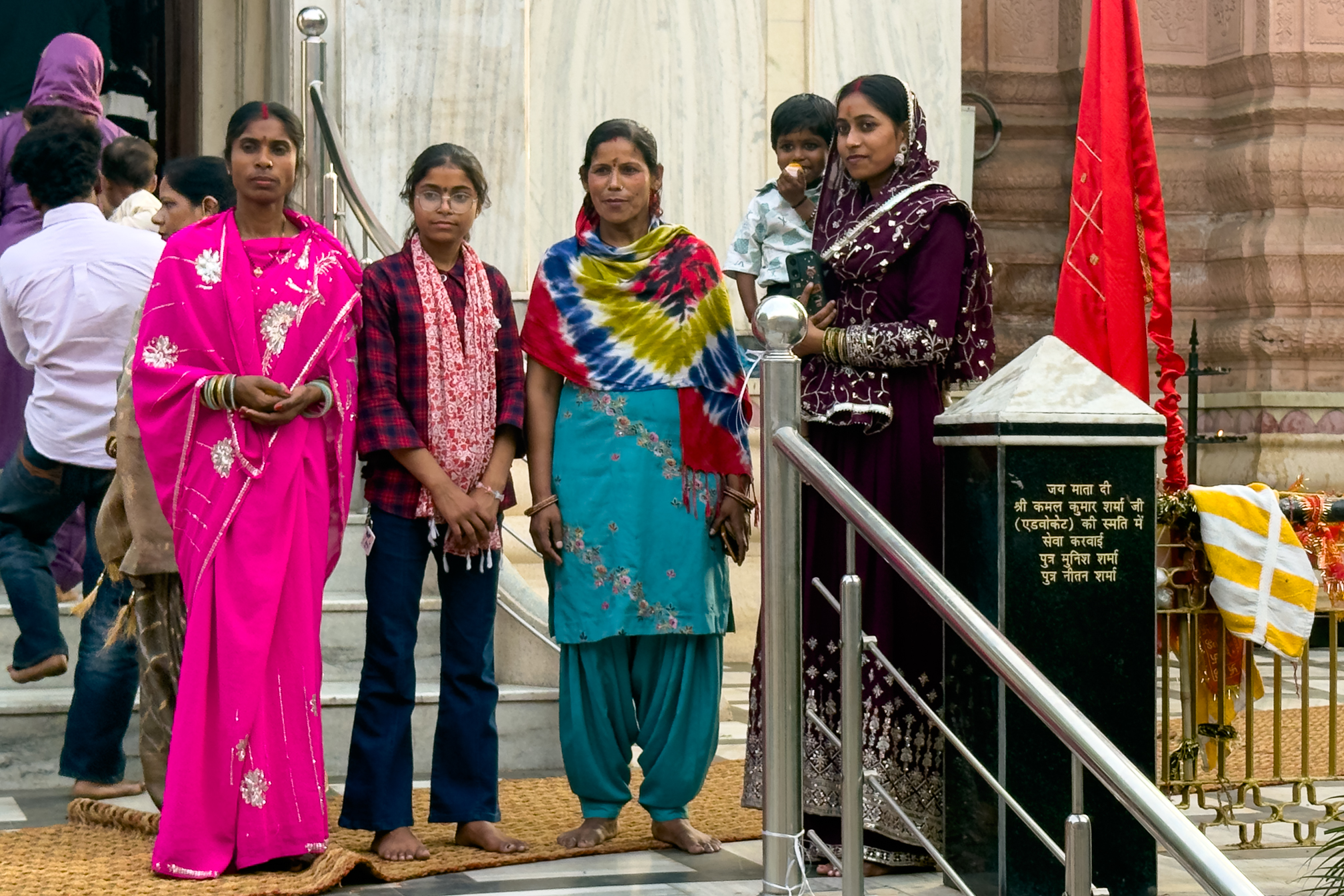
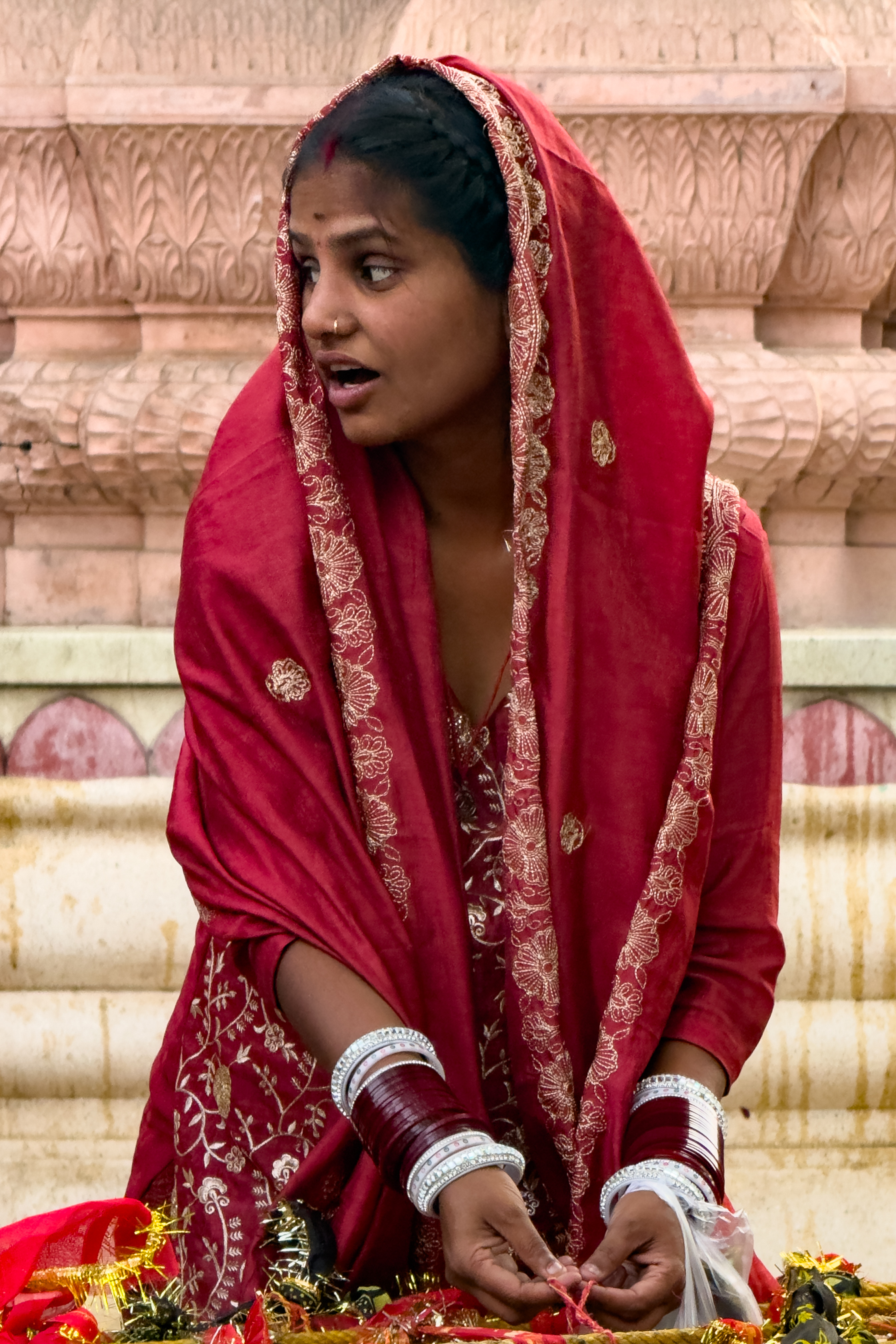
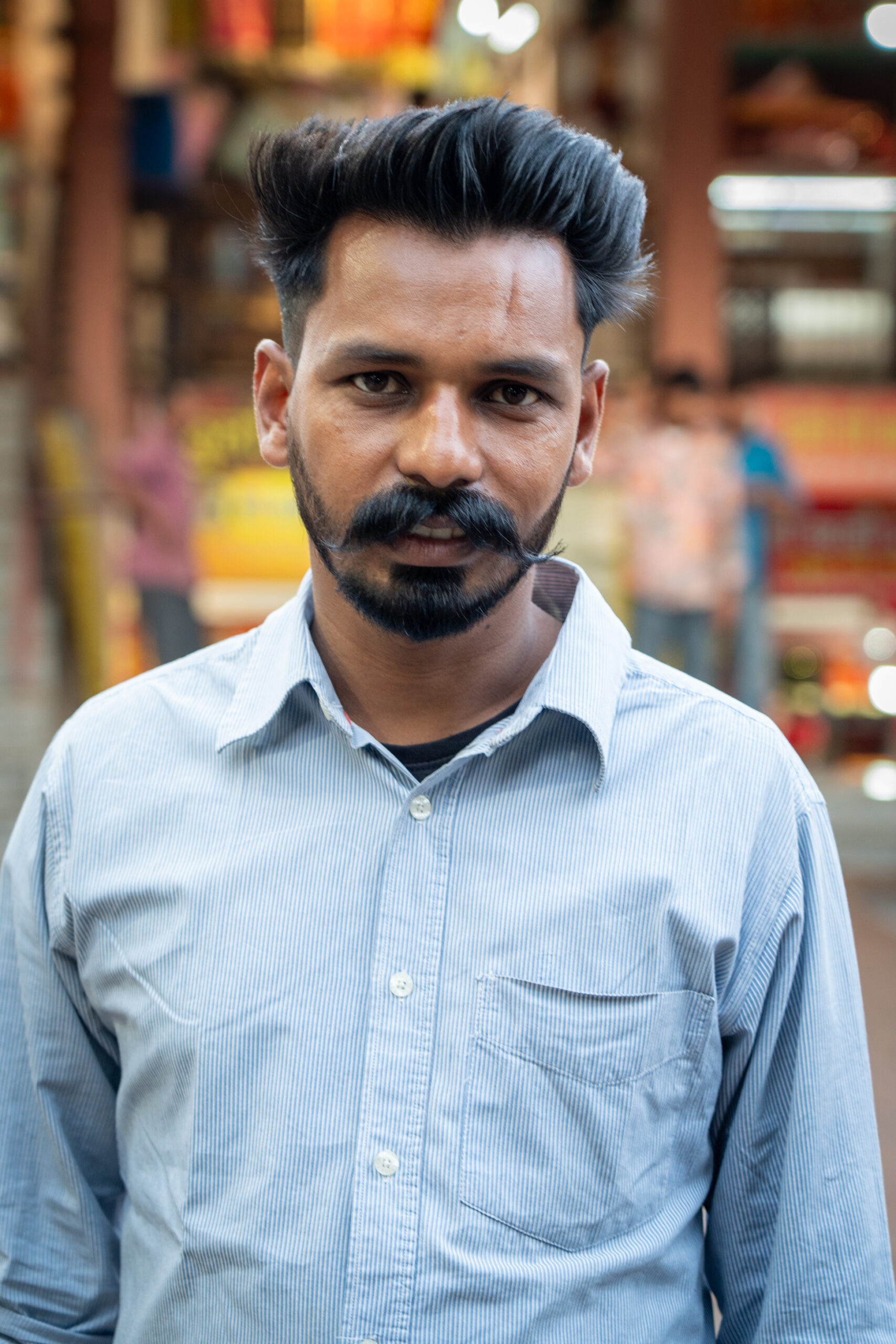
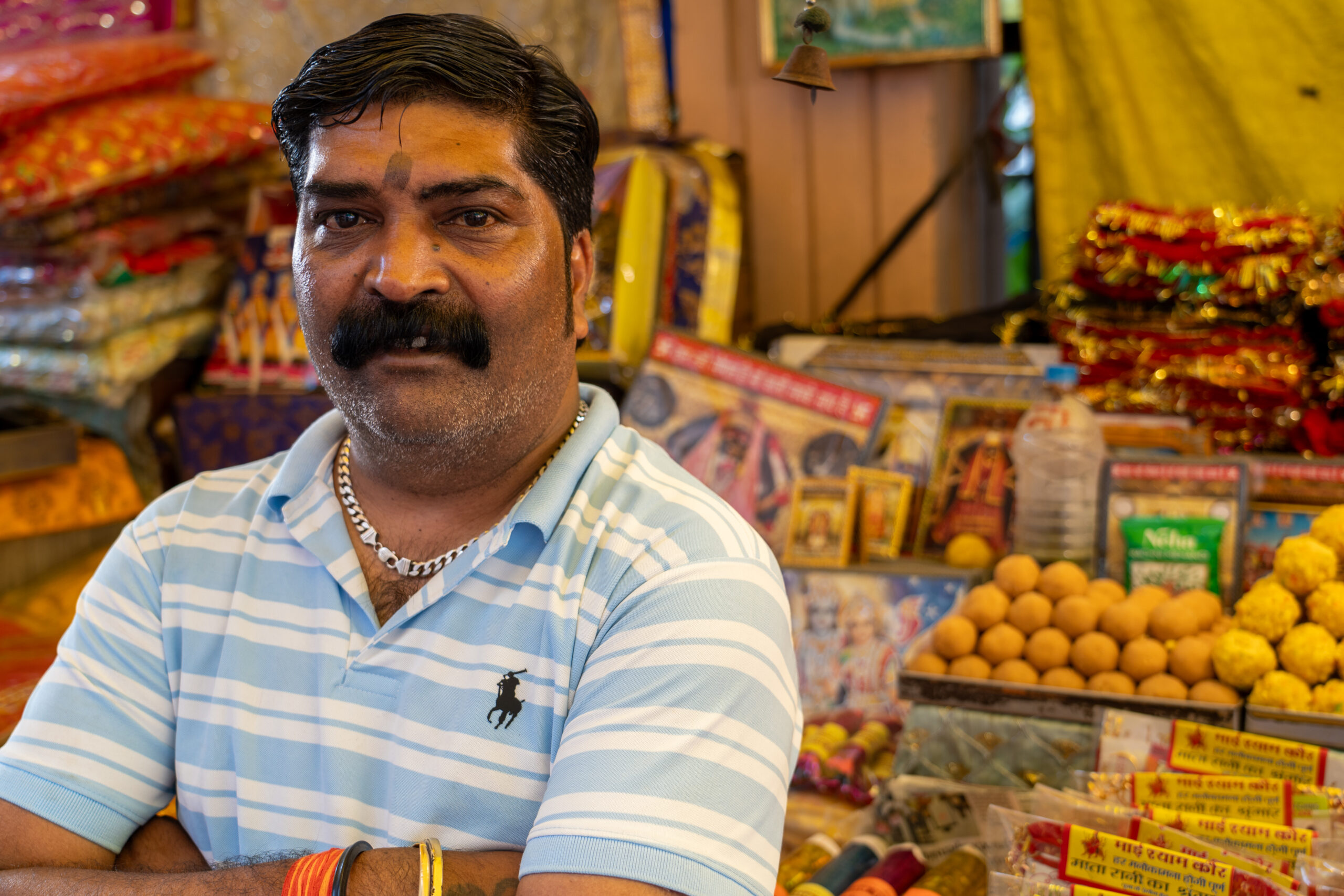
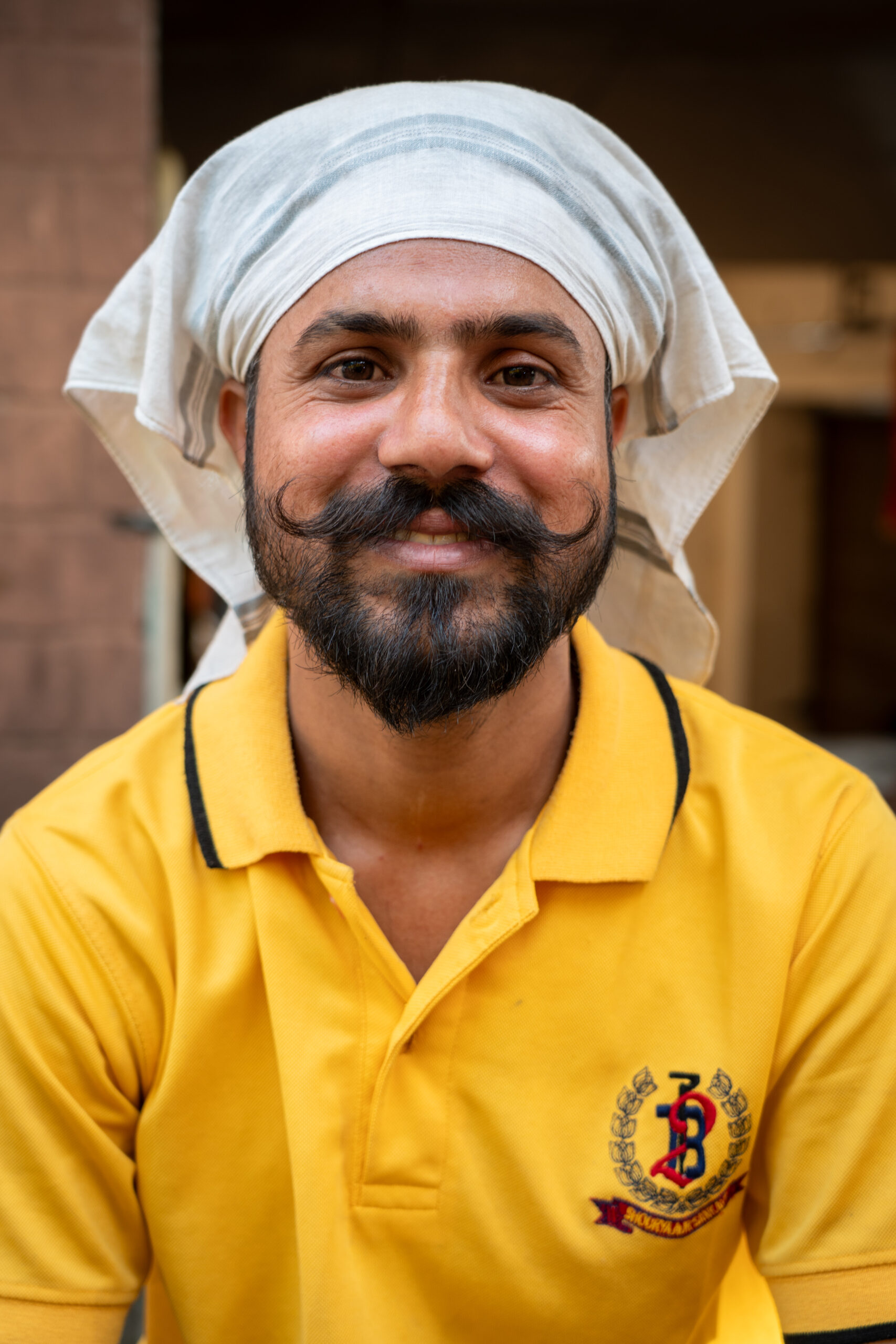
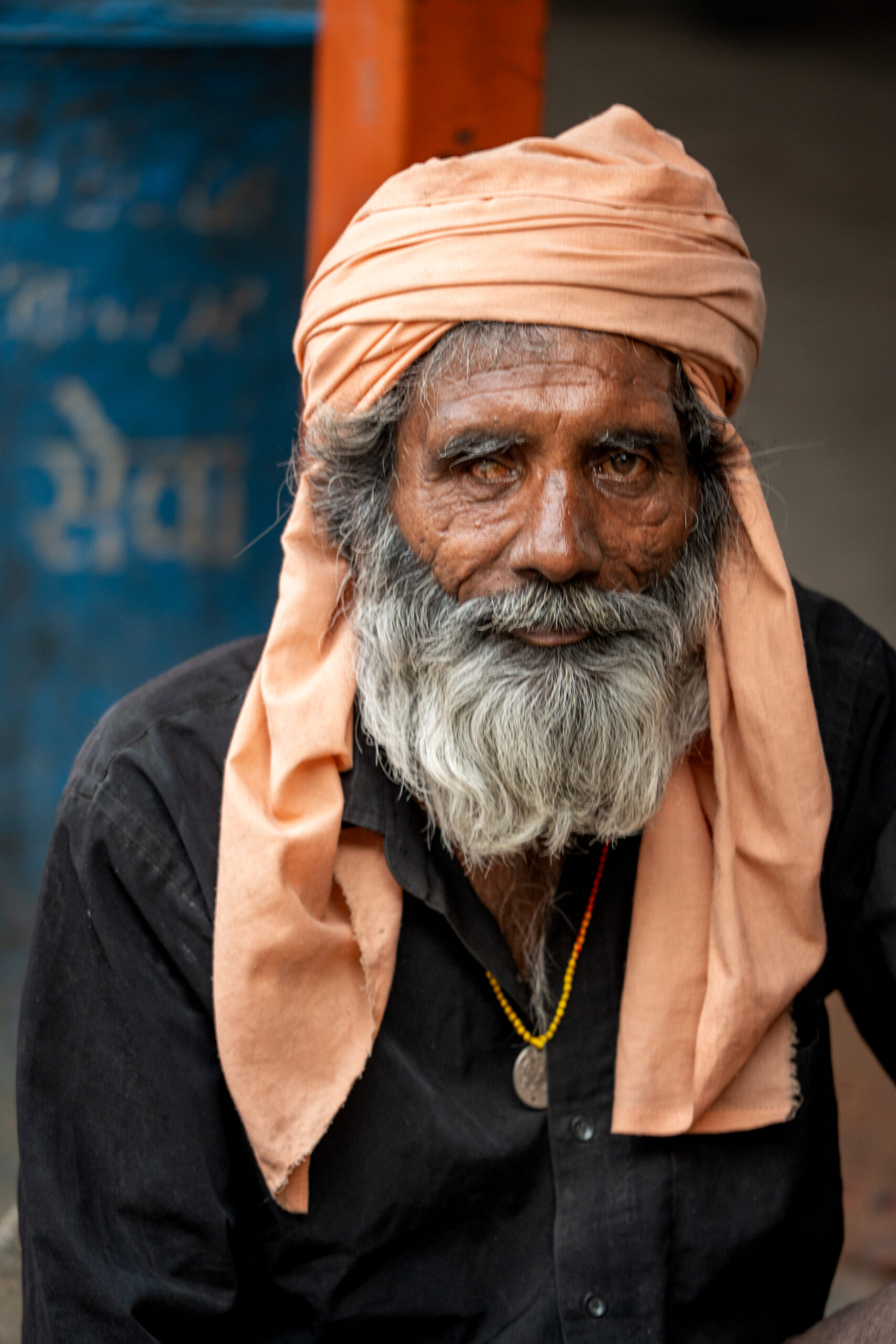
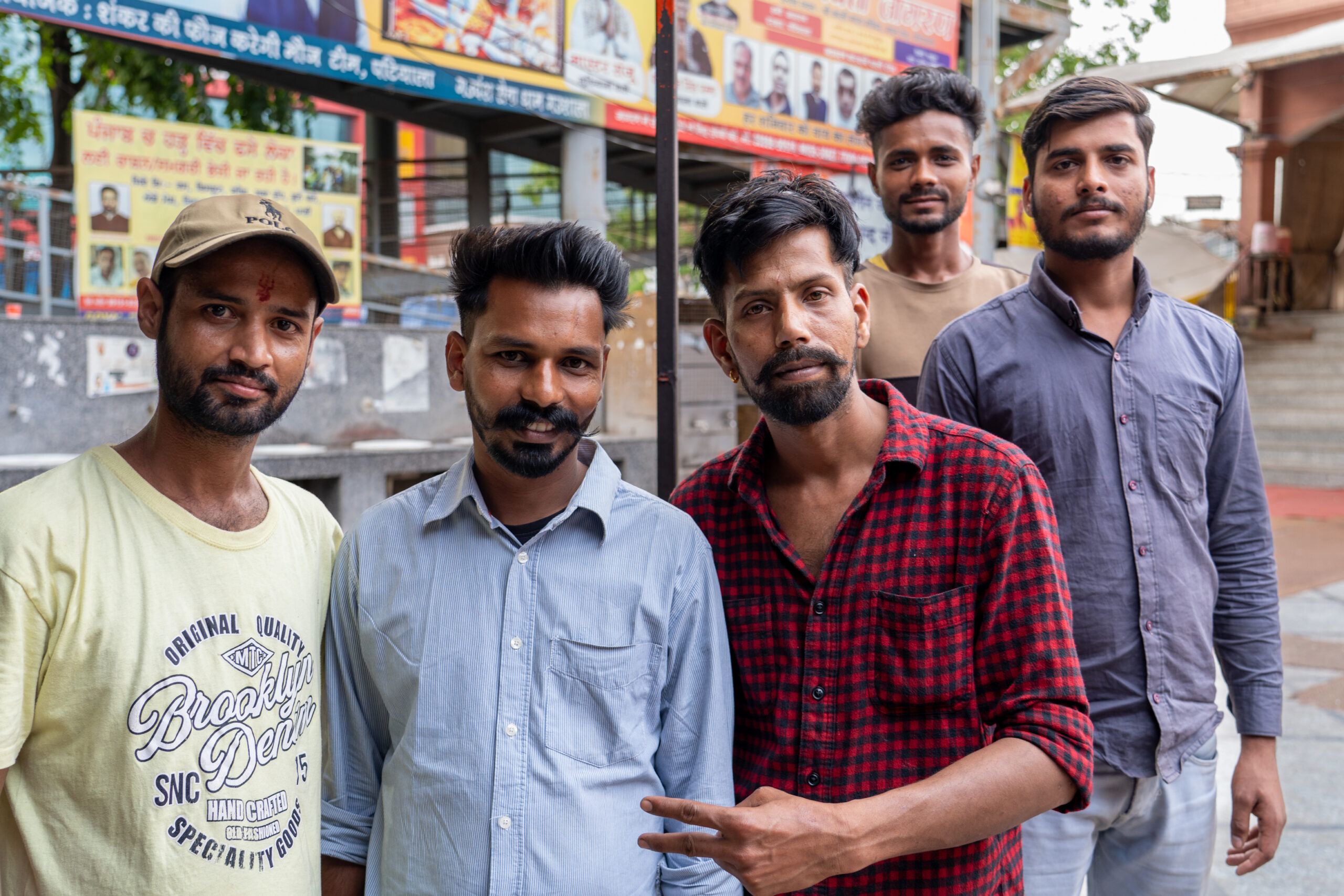
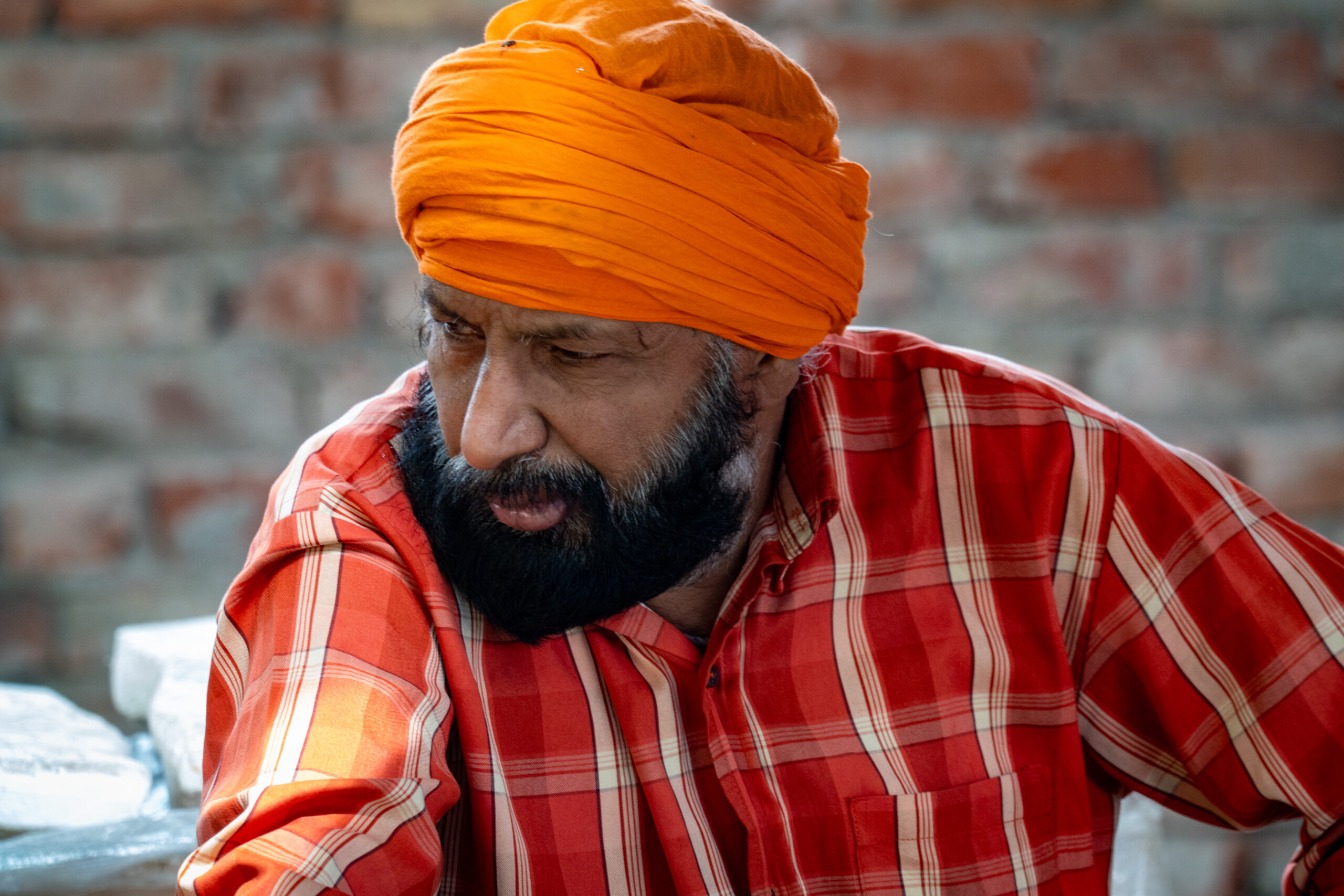
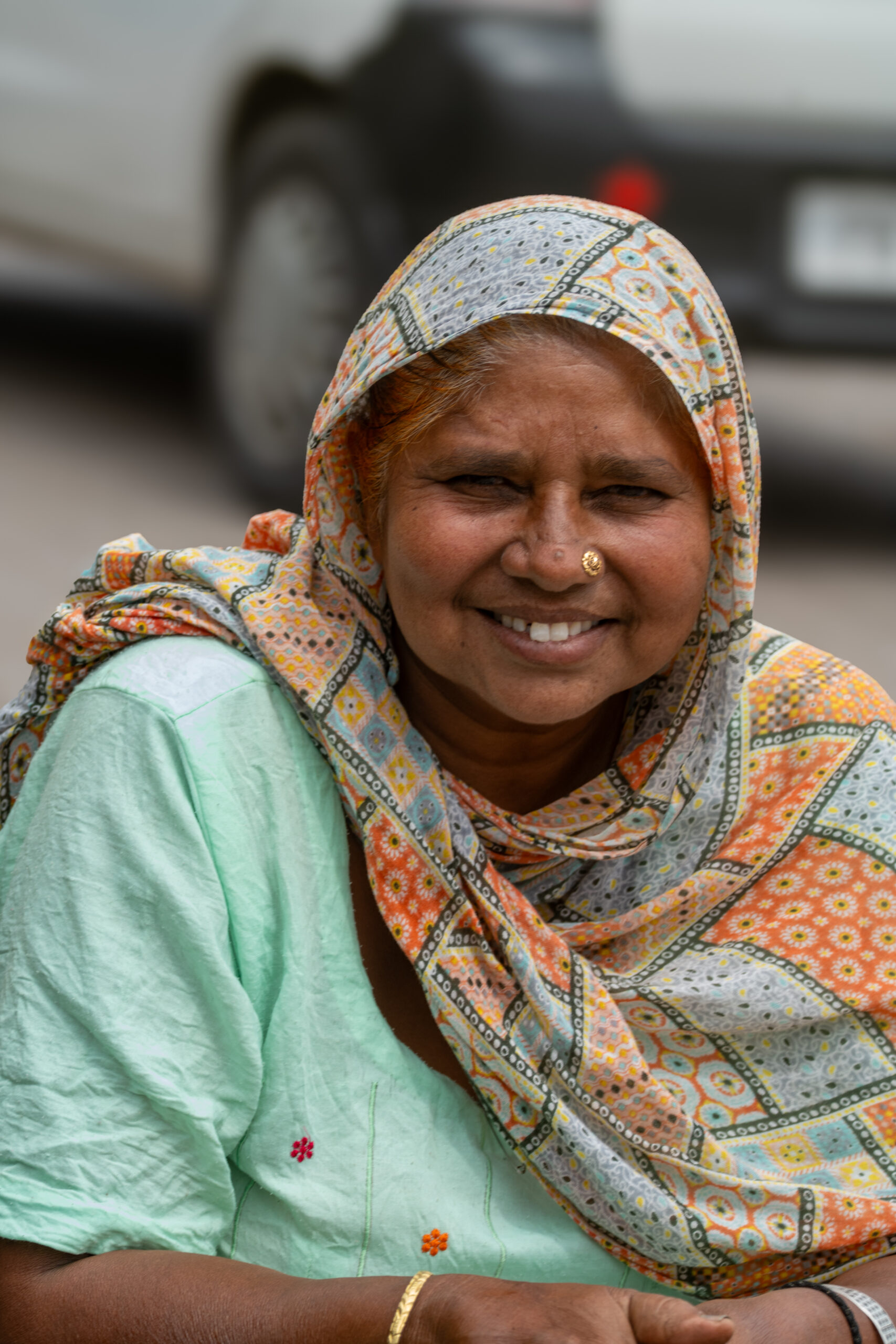
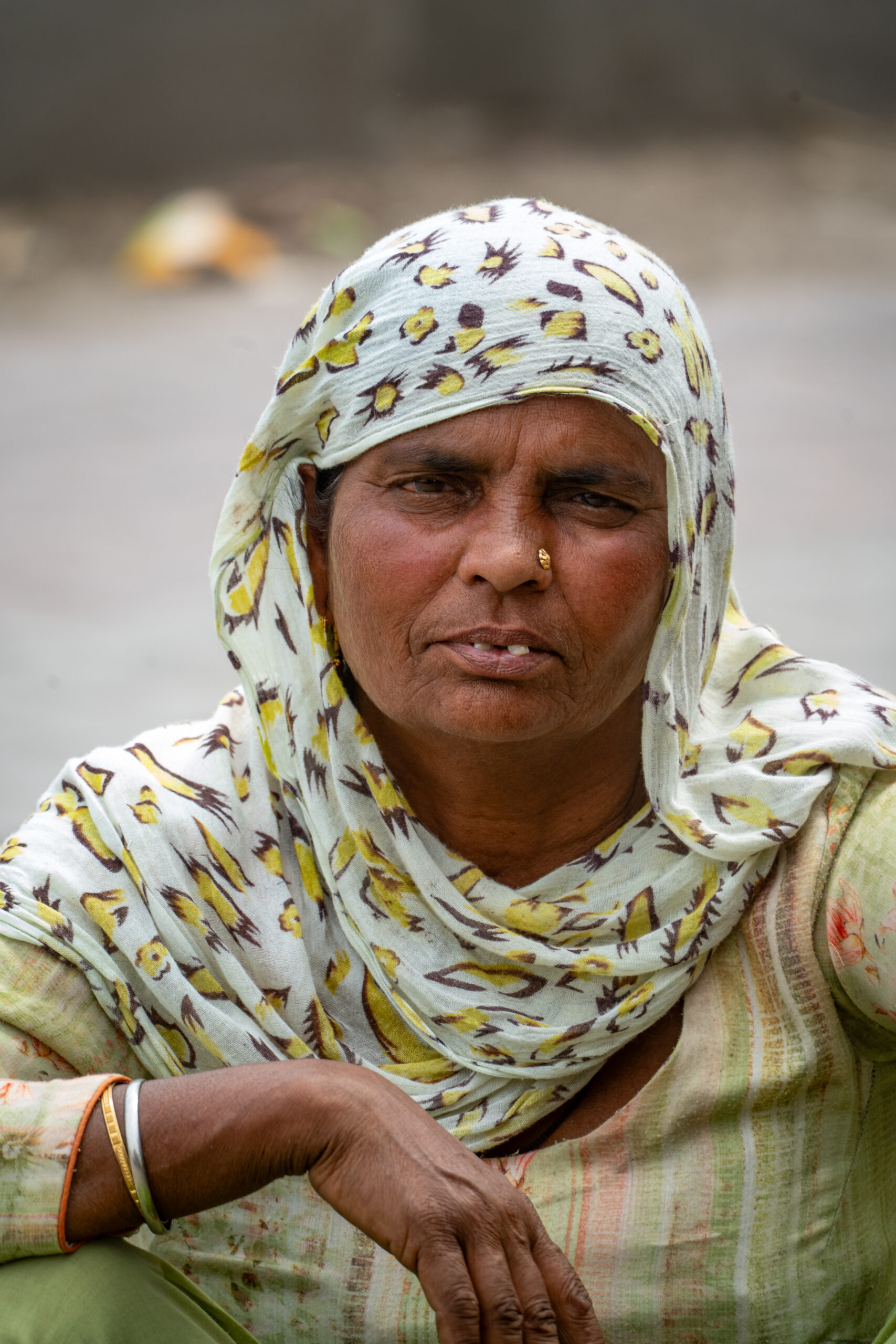
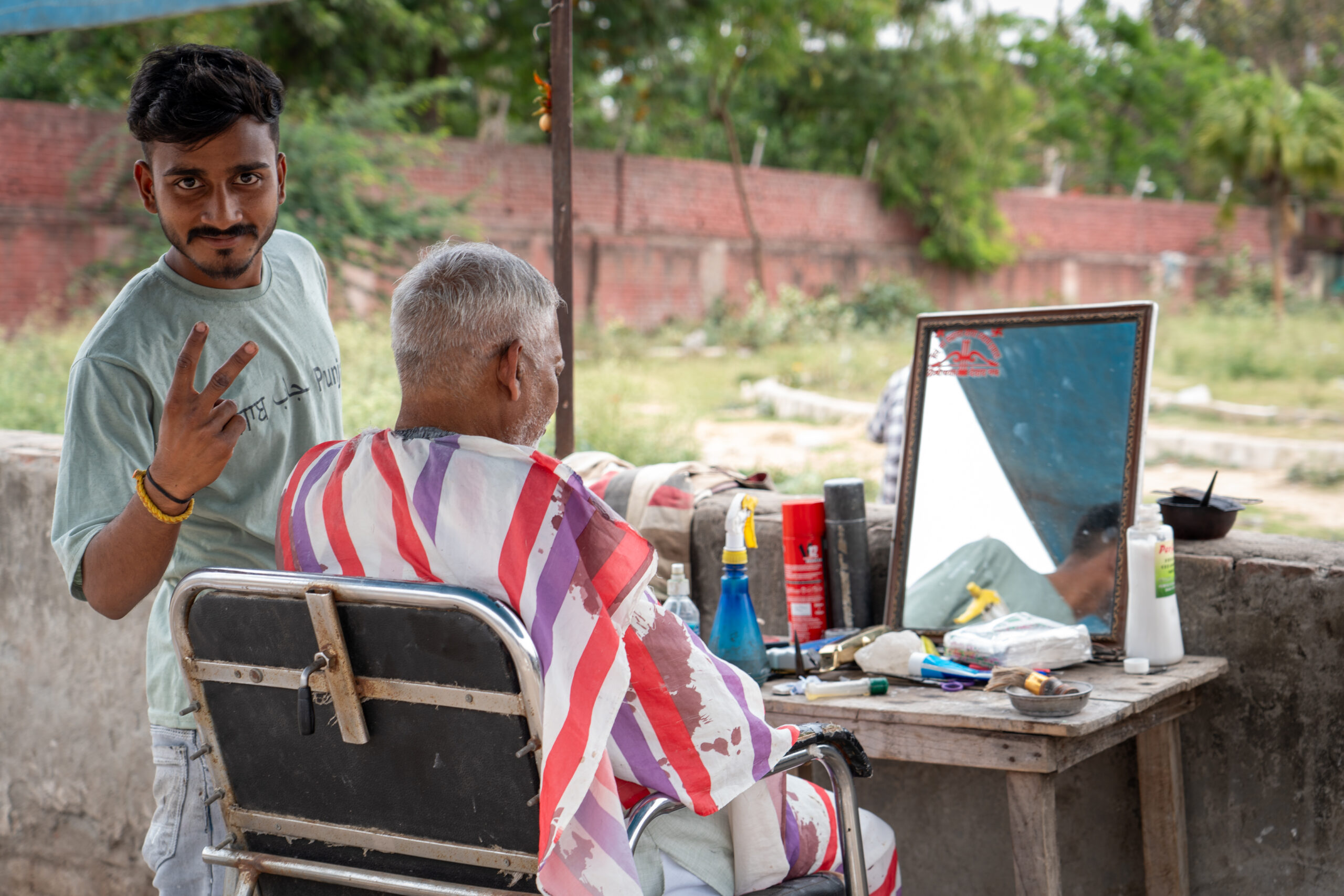
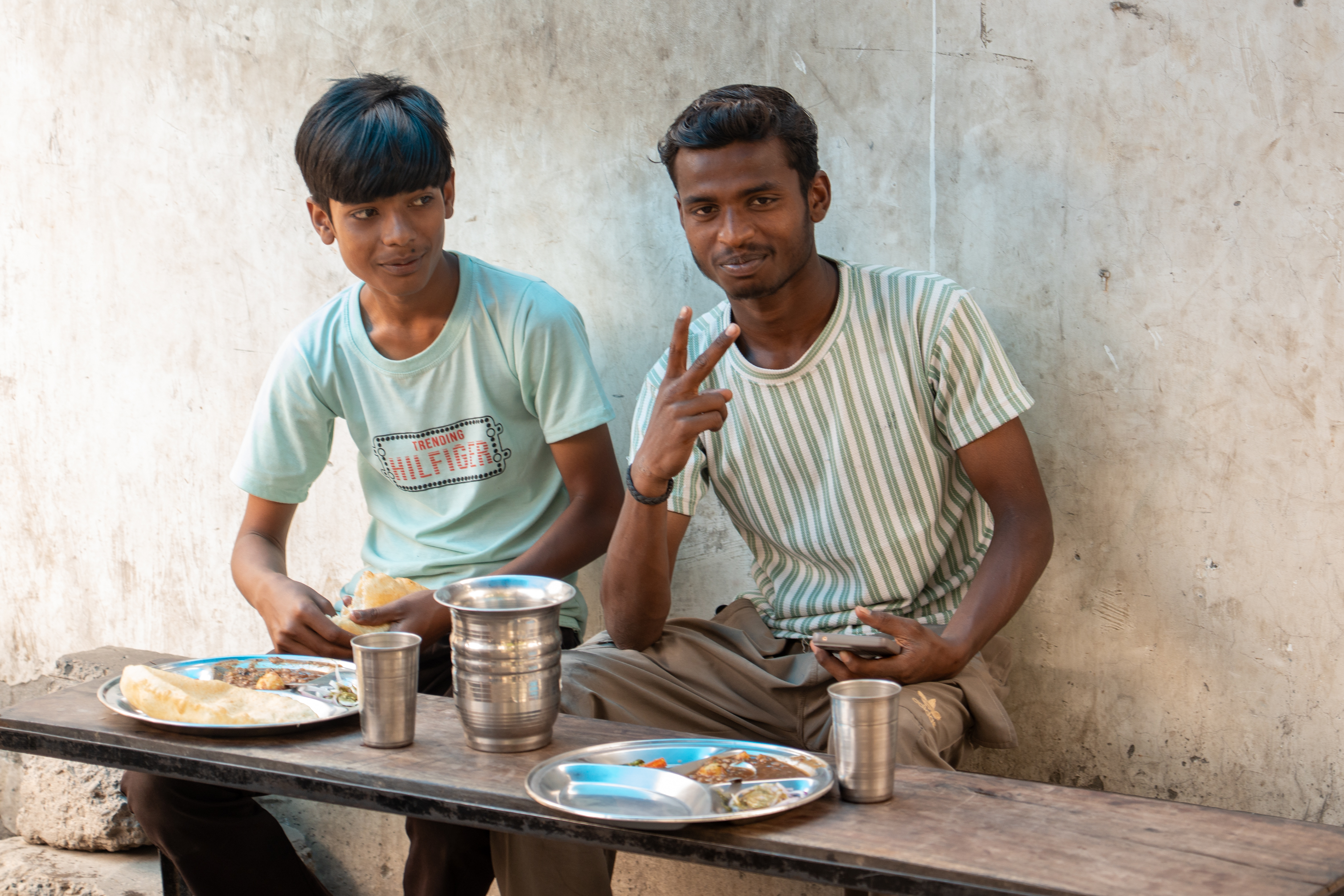
I cannot recall a place where people are more eager to go on a photo or being so friendly. At times I was even approached to come along for a photoshoot. As impressive as the whole place was it was the atmosphere and the people that really made it extraordinary.

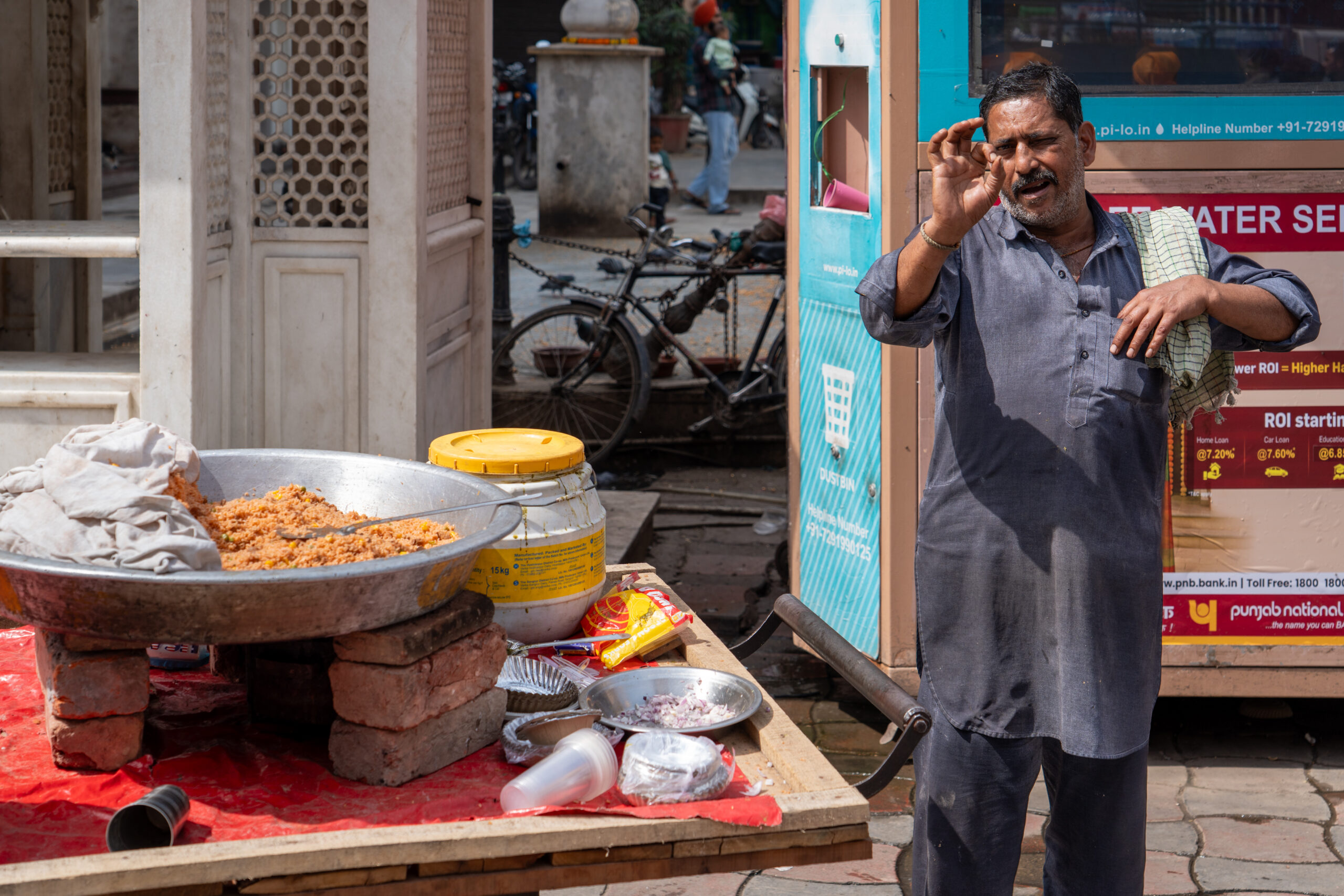
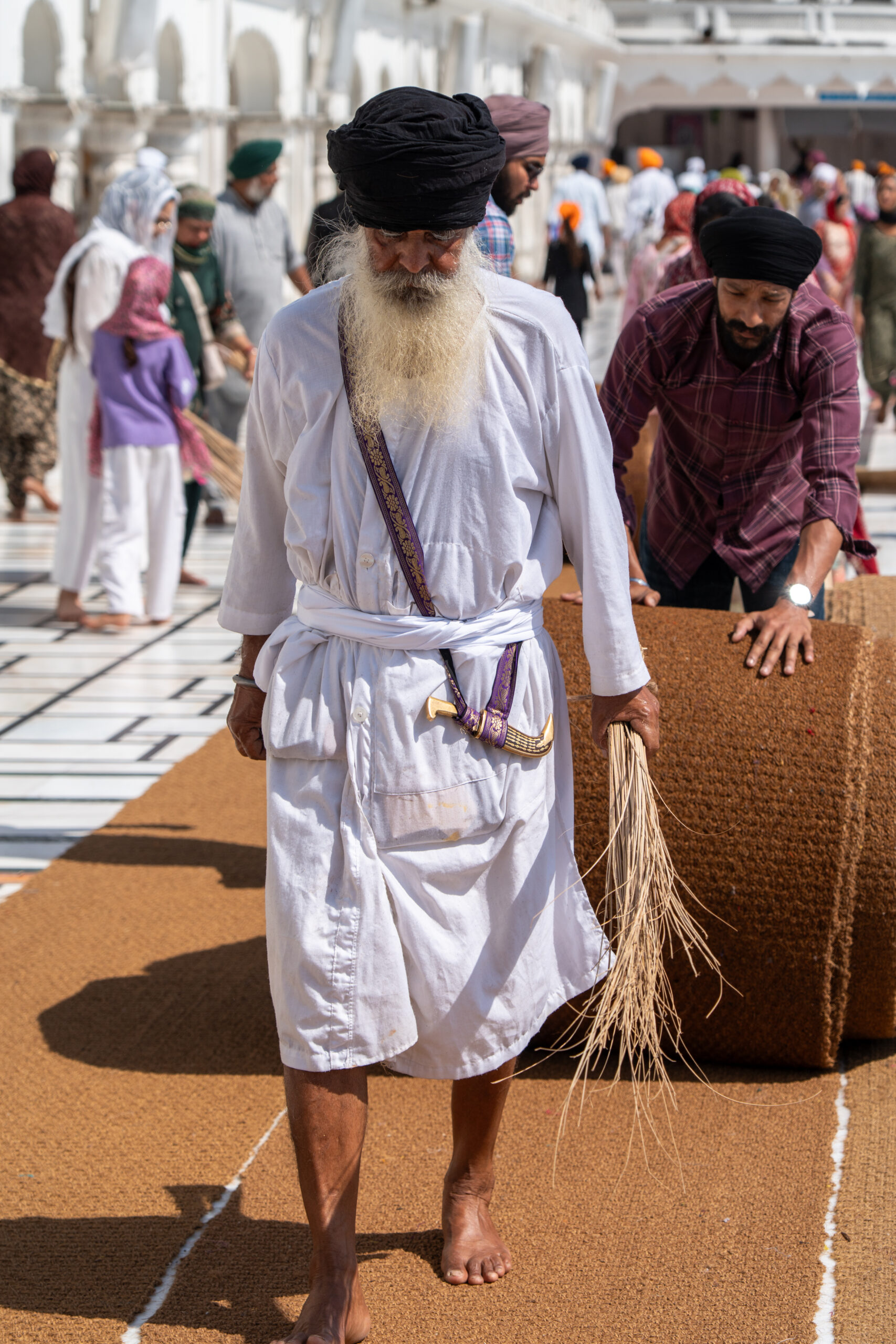
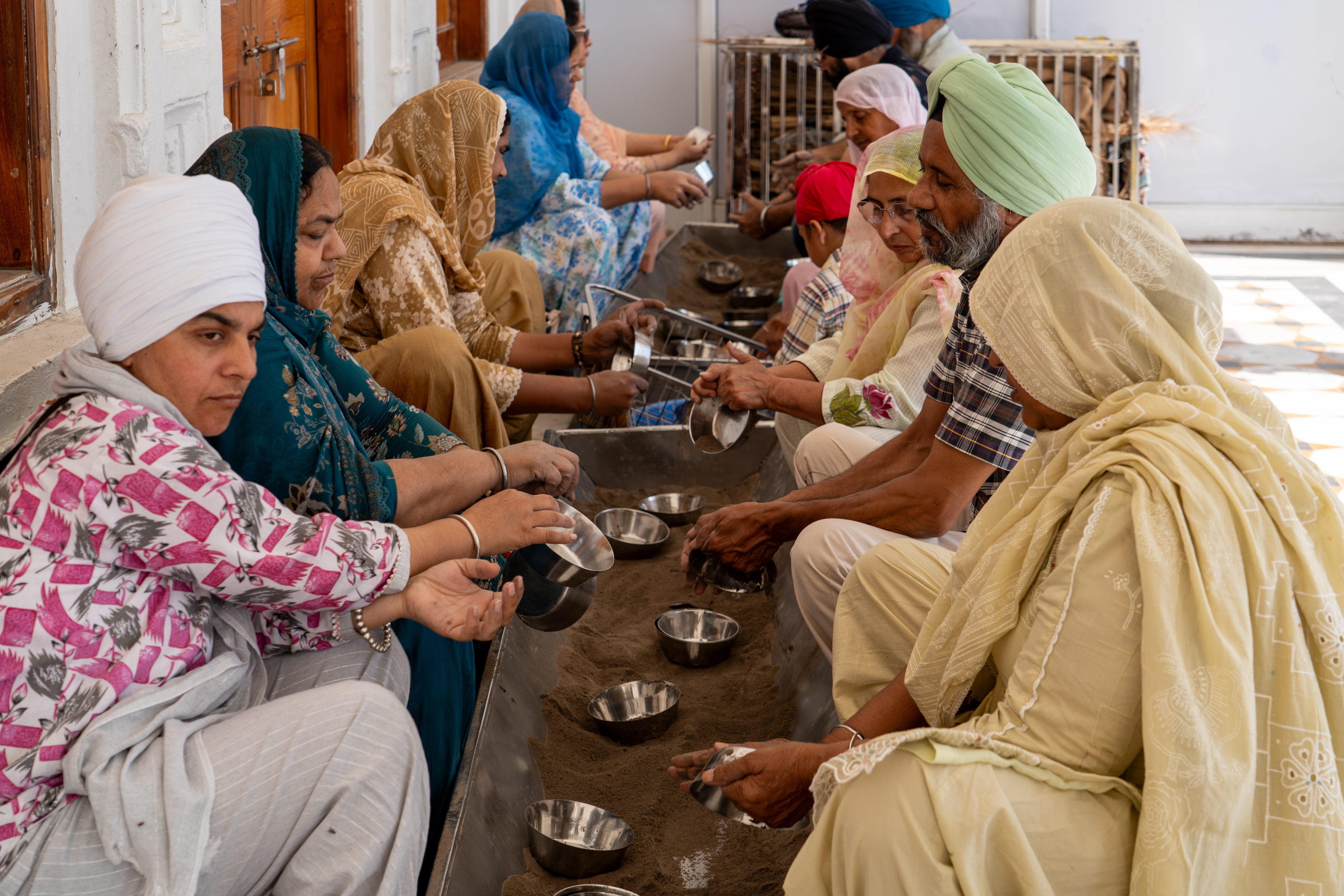
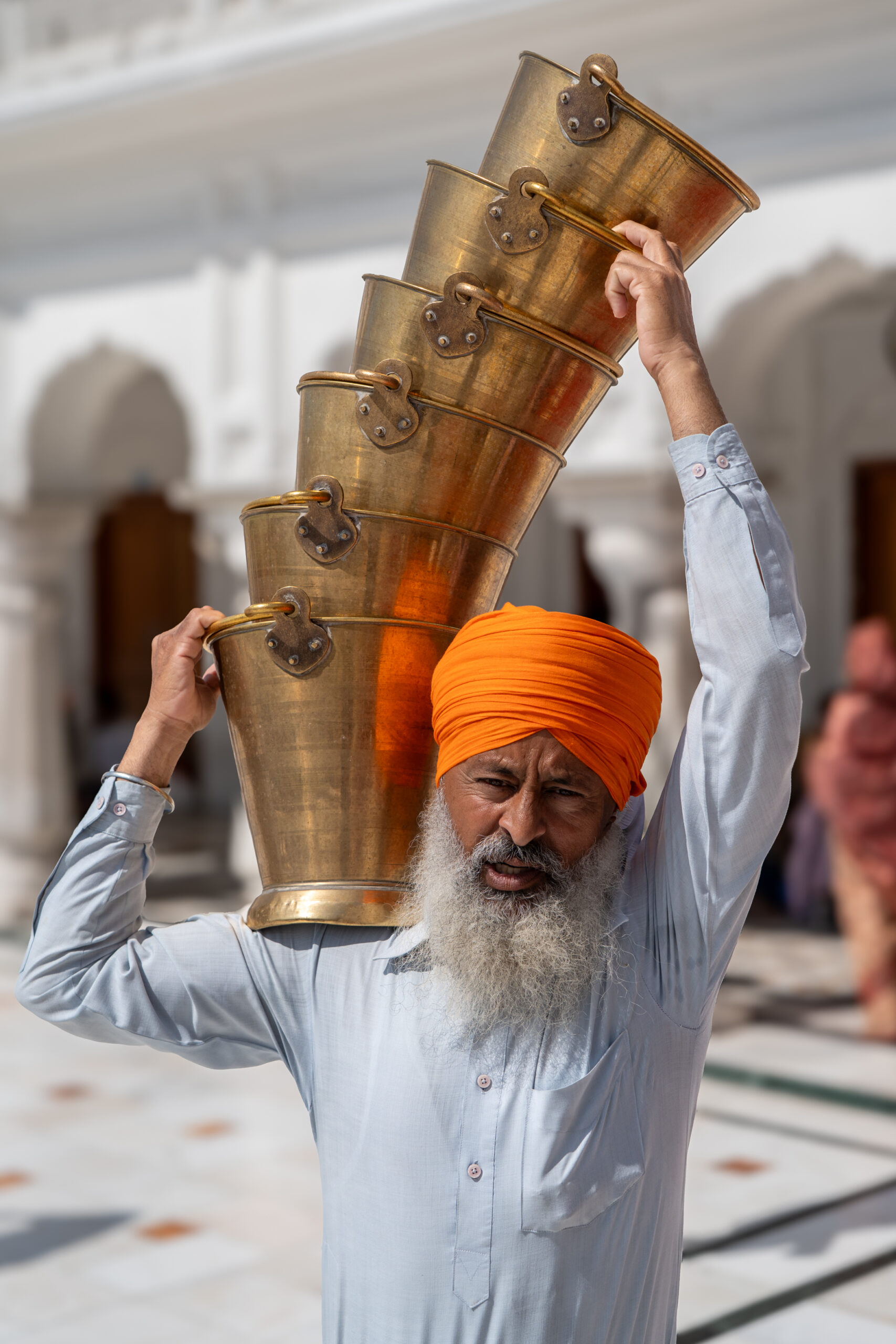
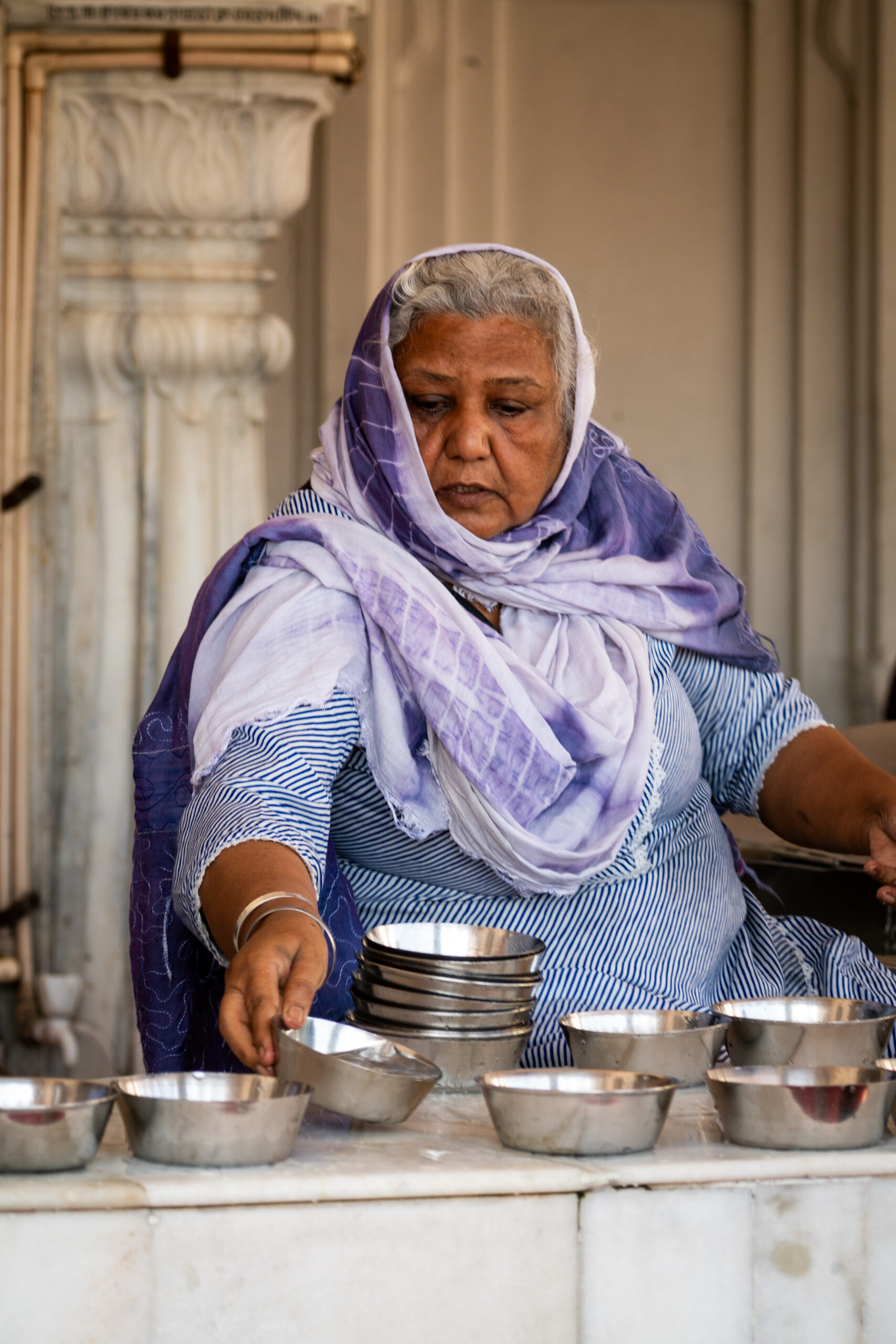
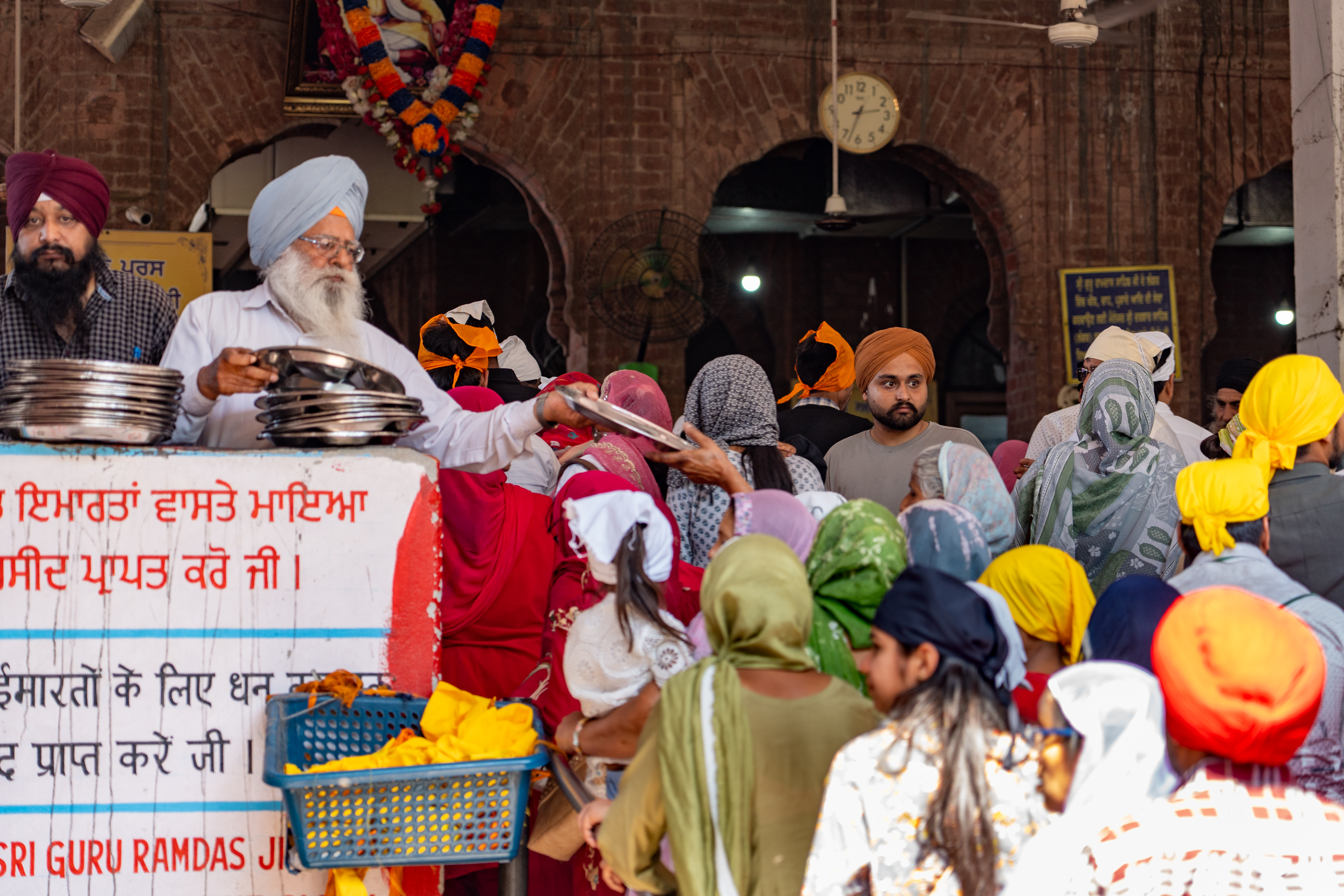
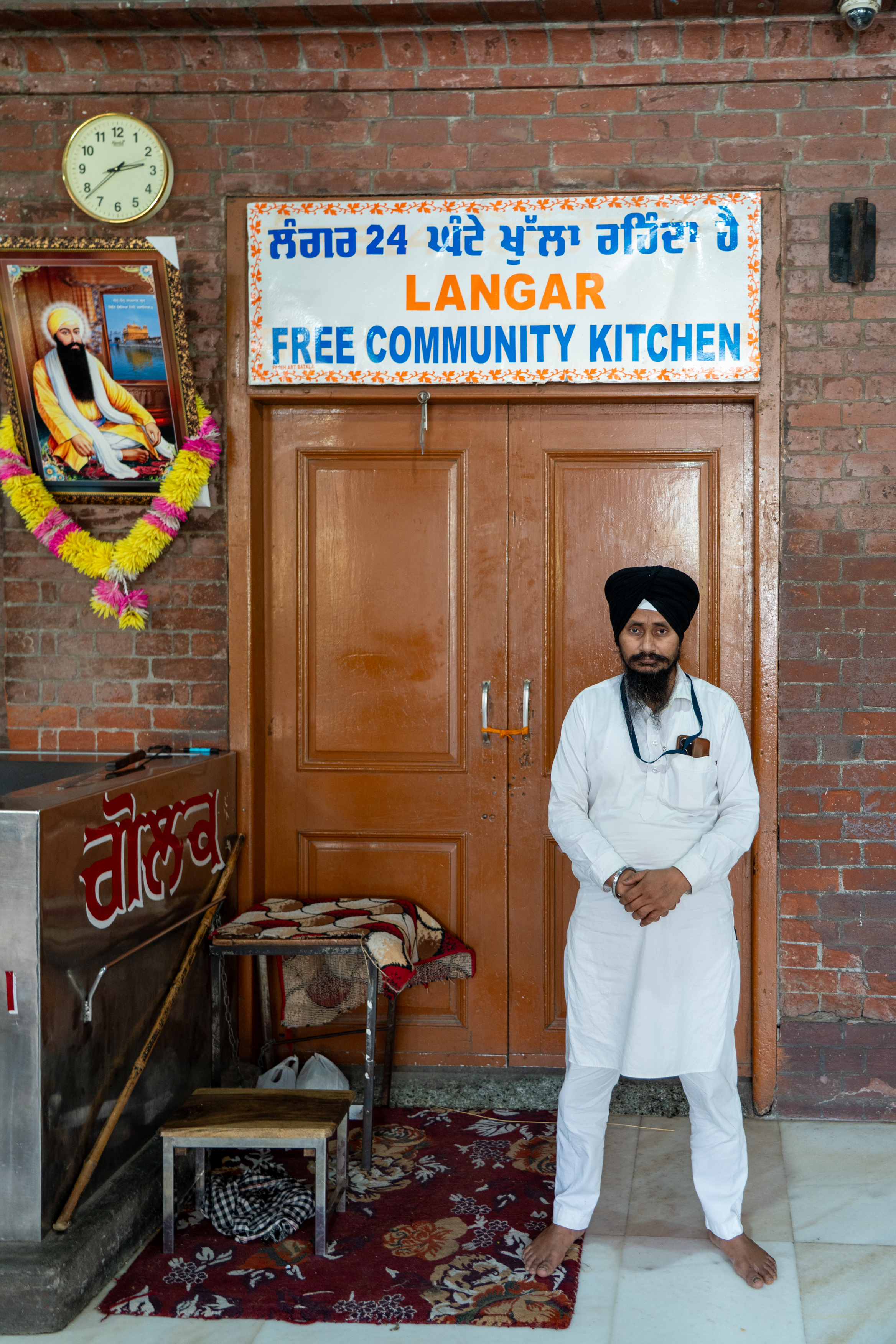
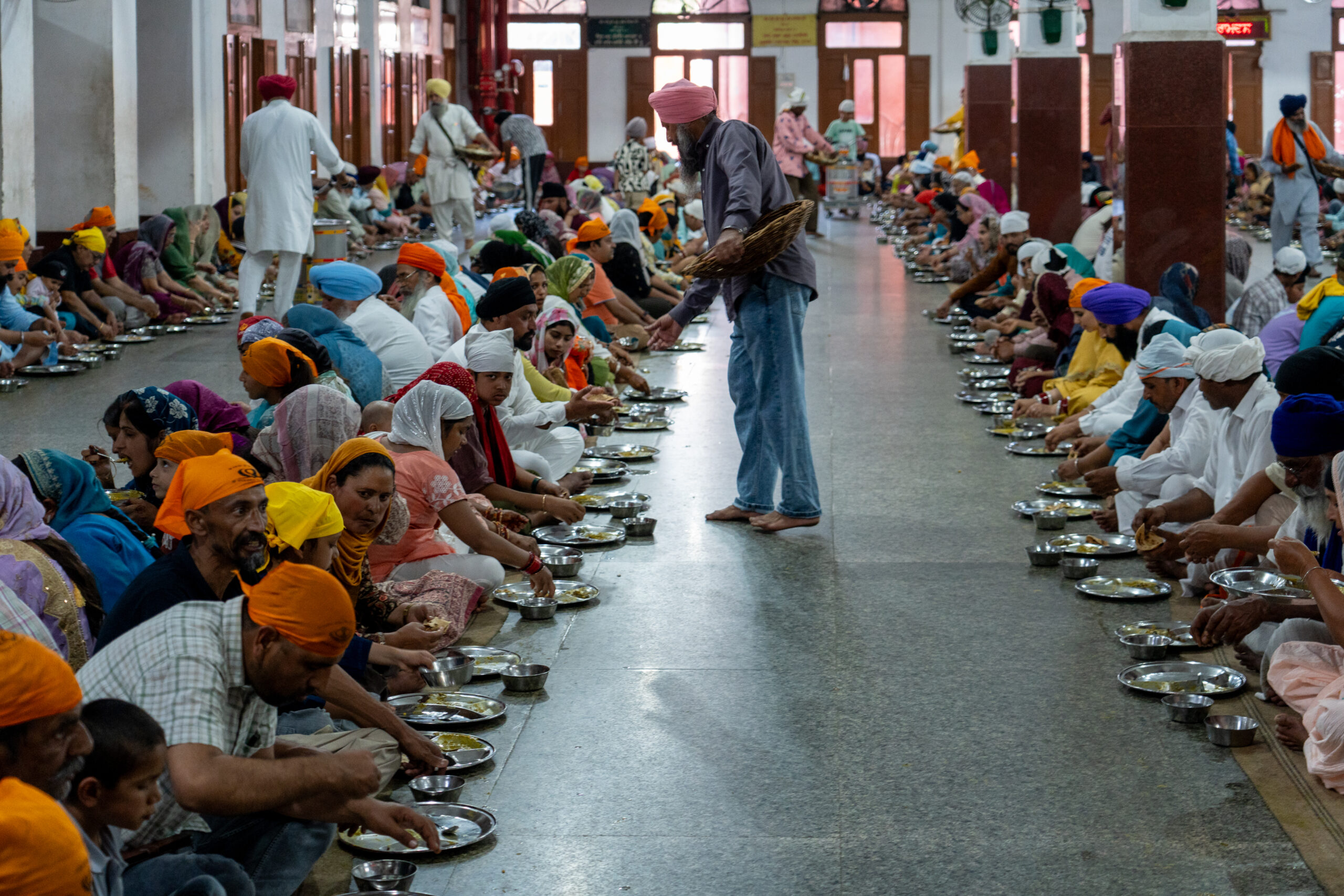
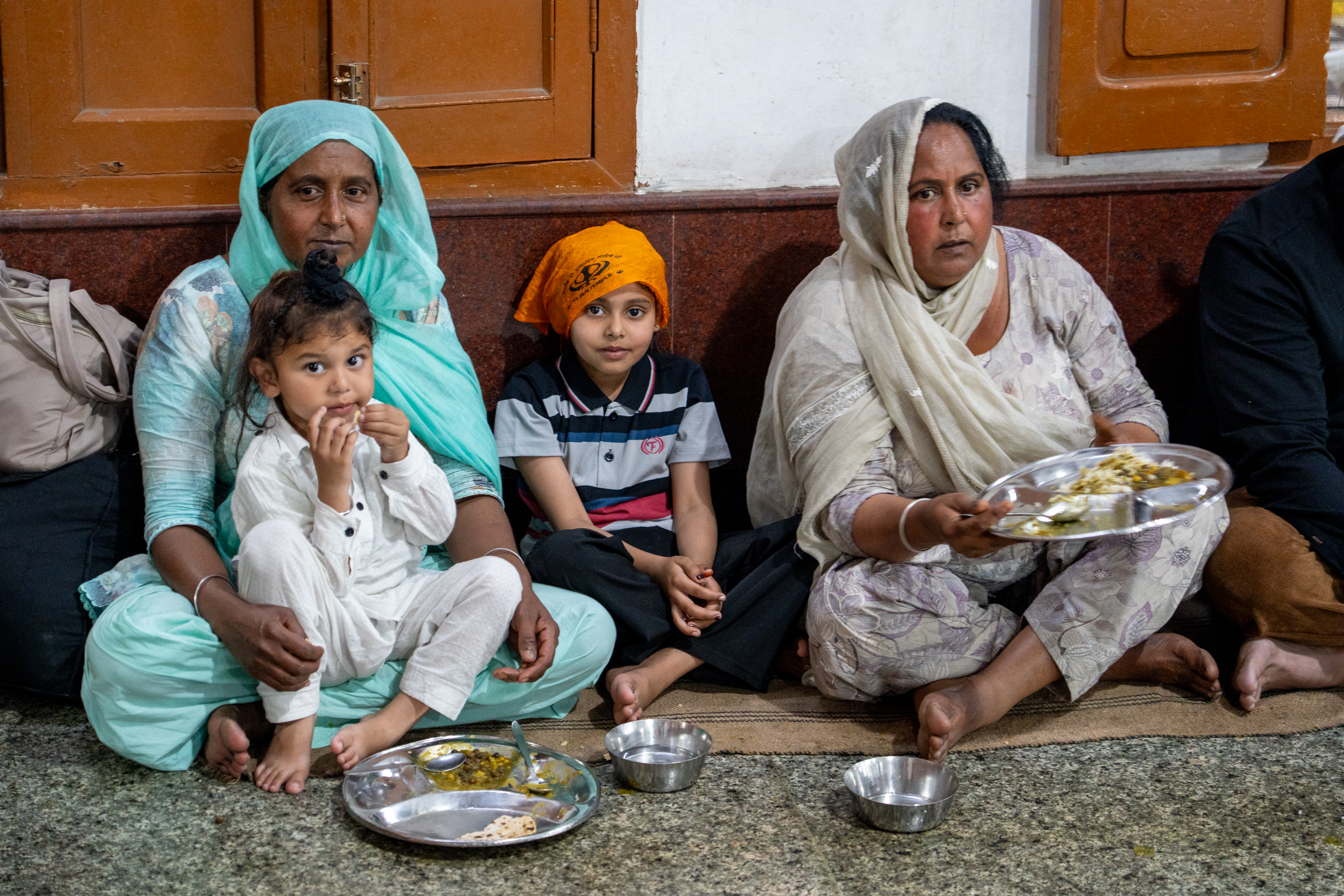
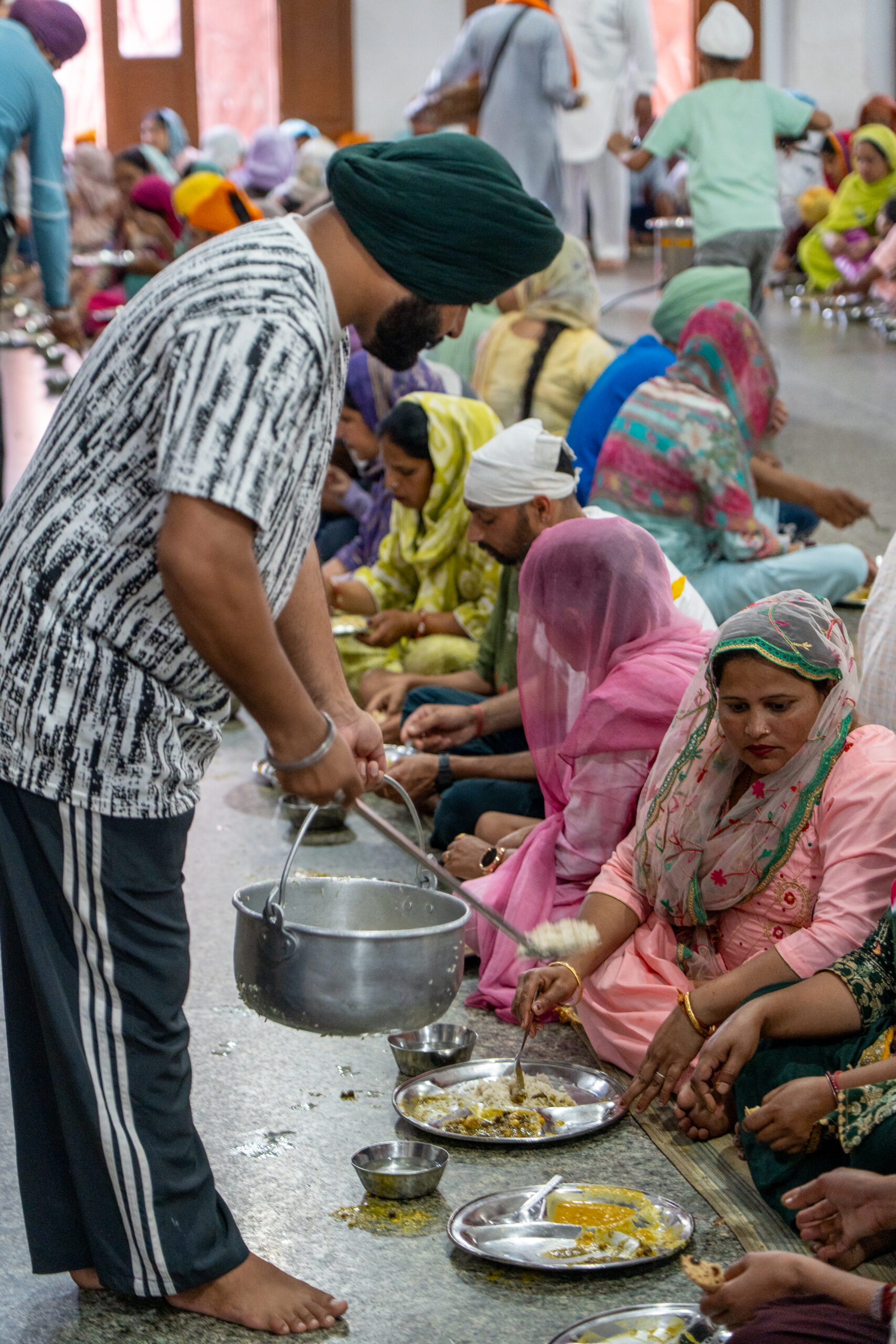
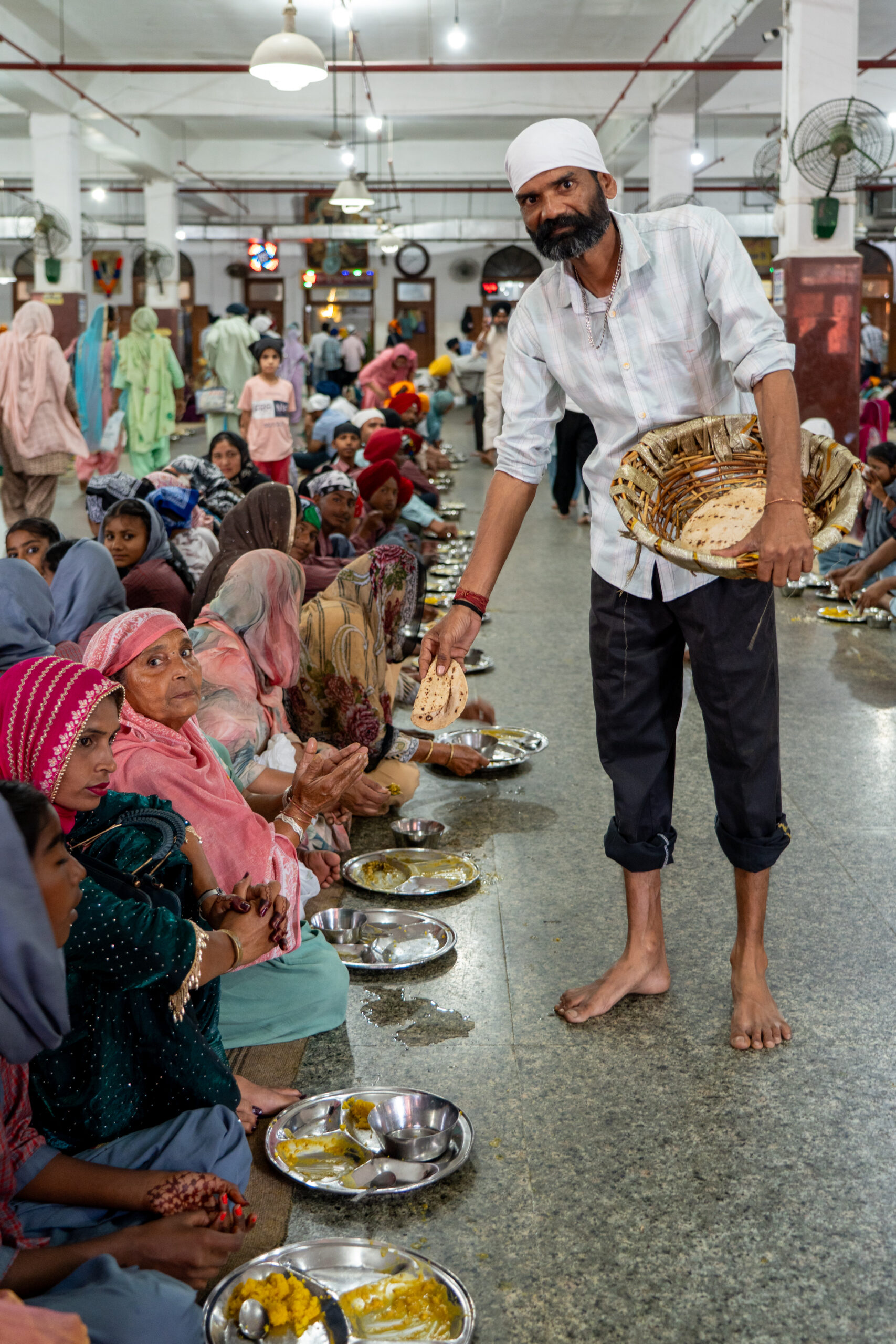
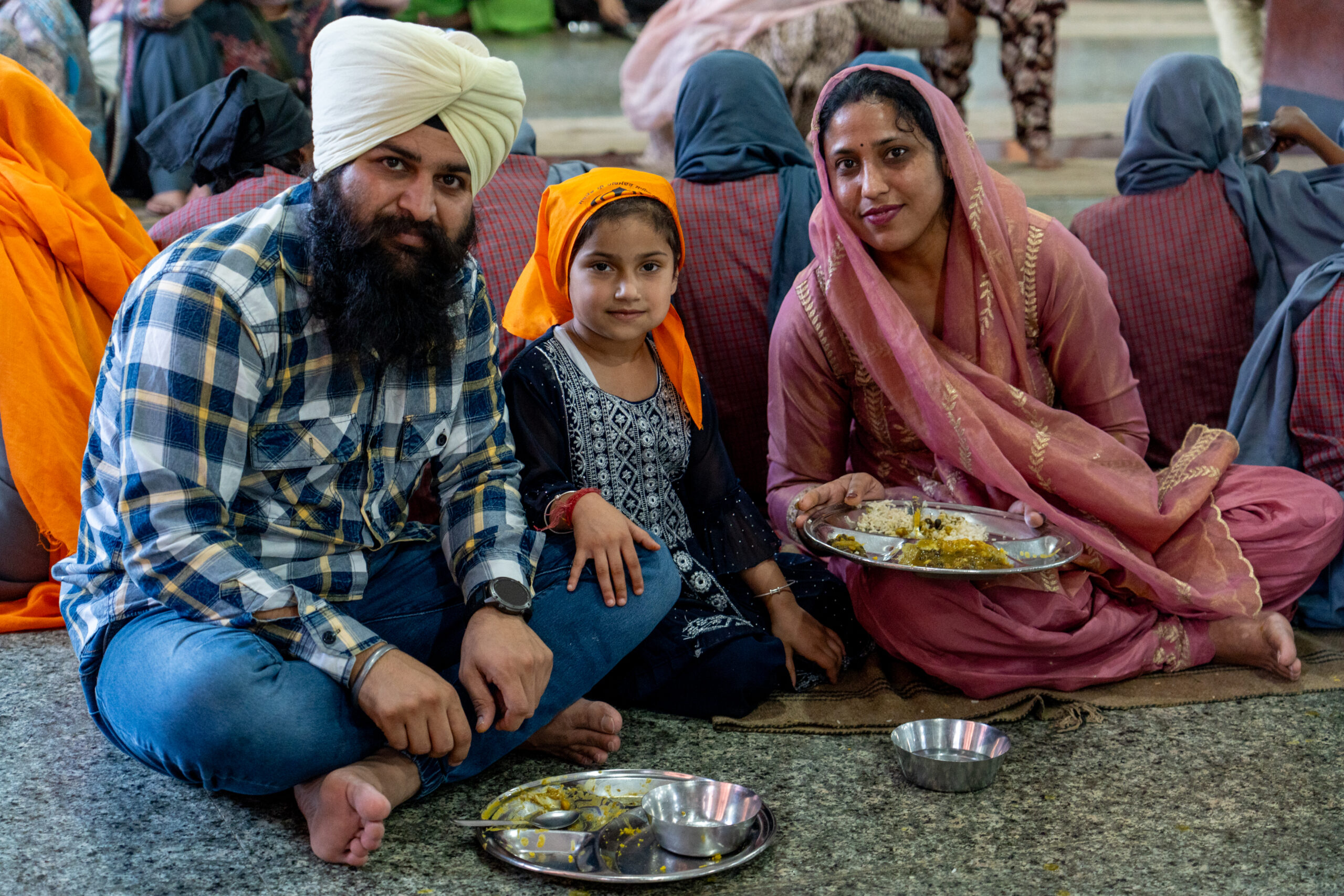
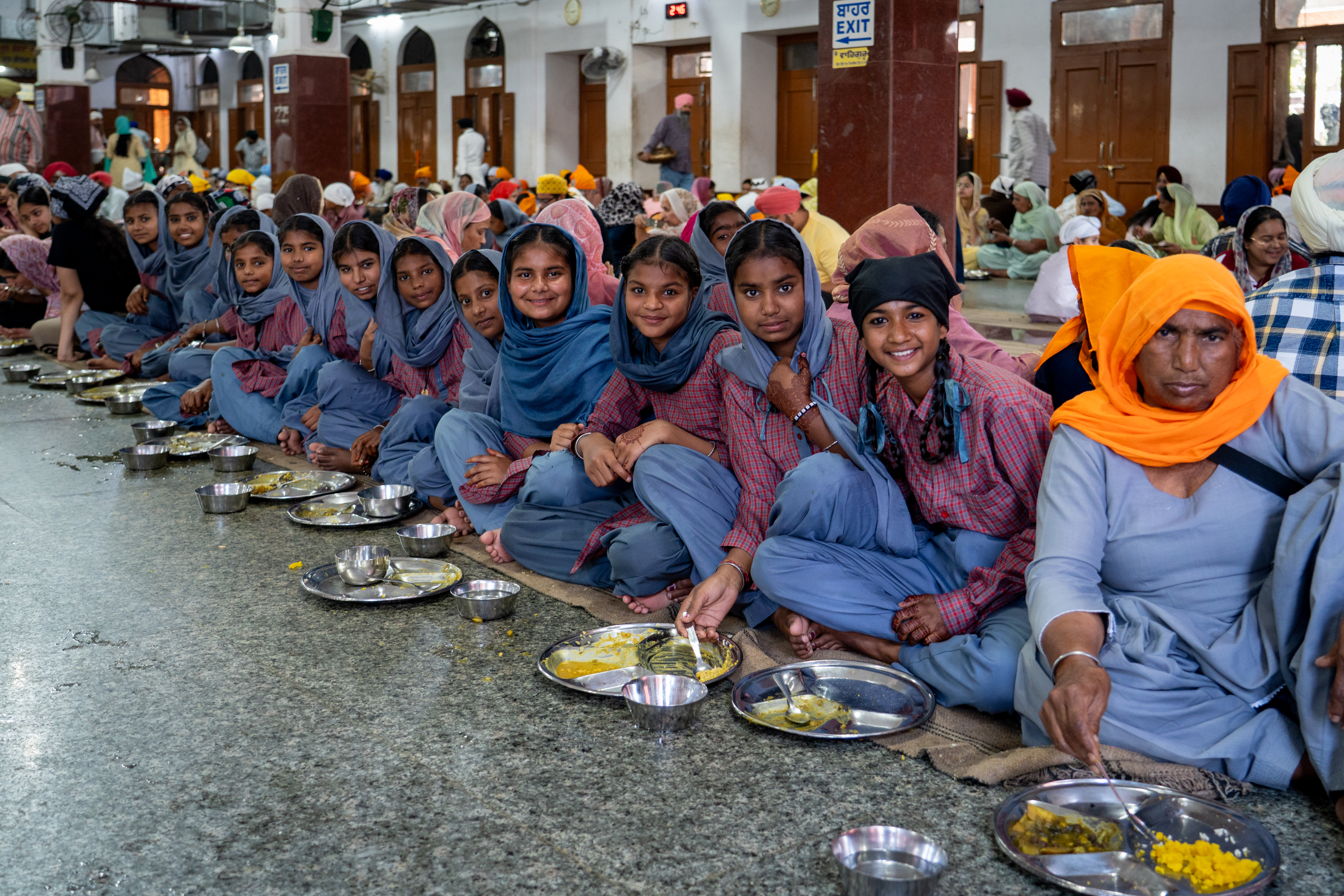
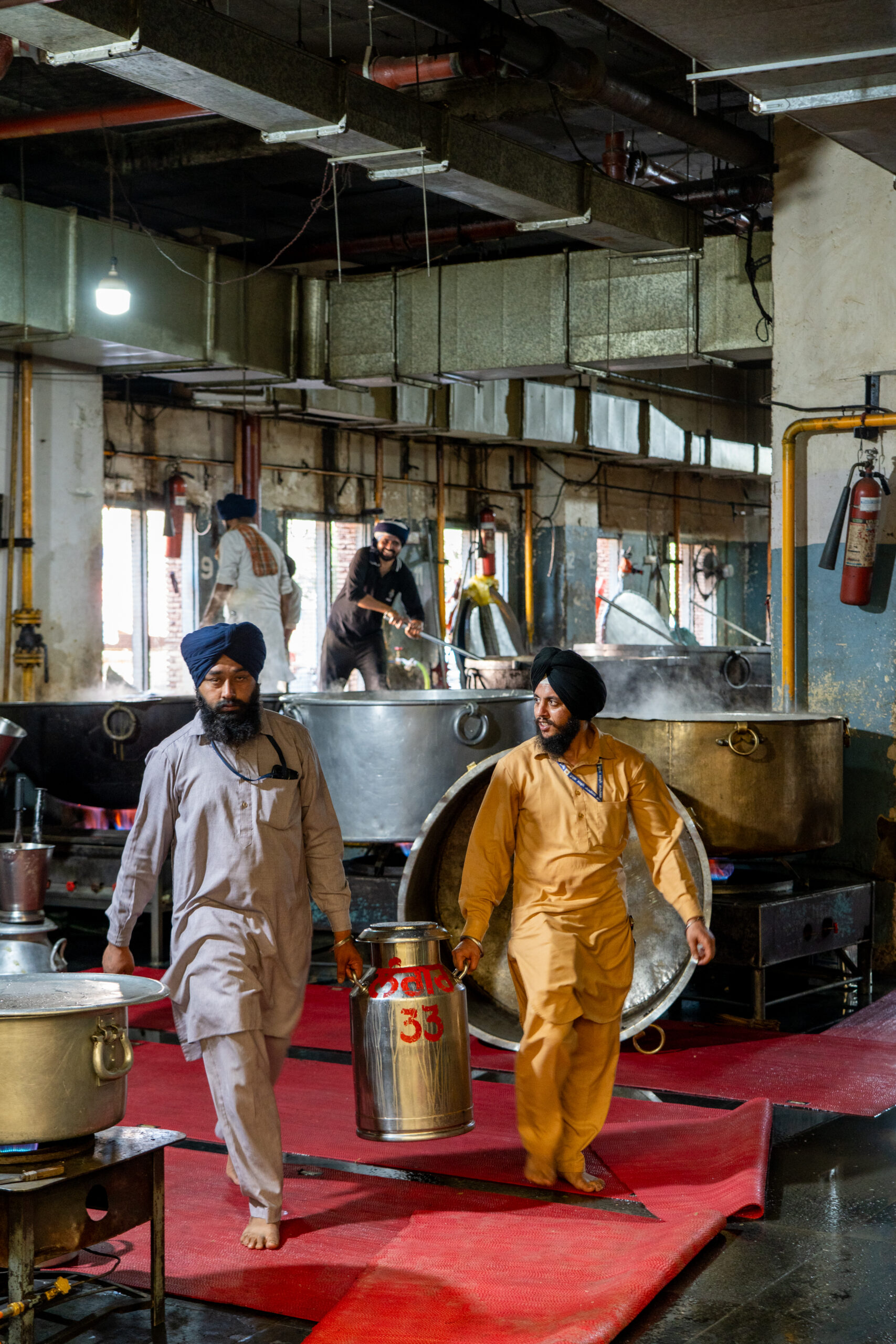
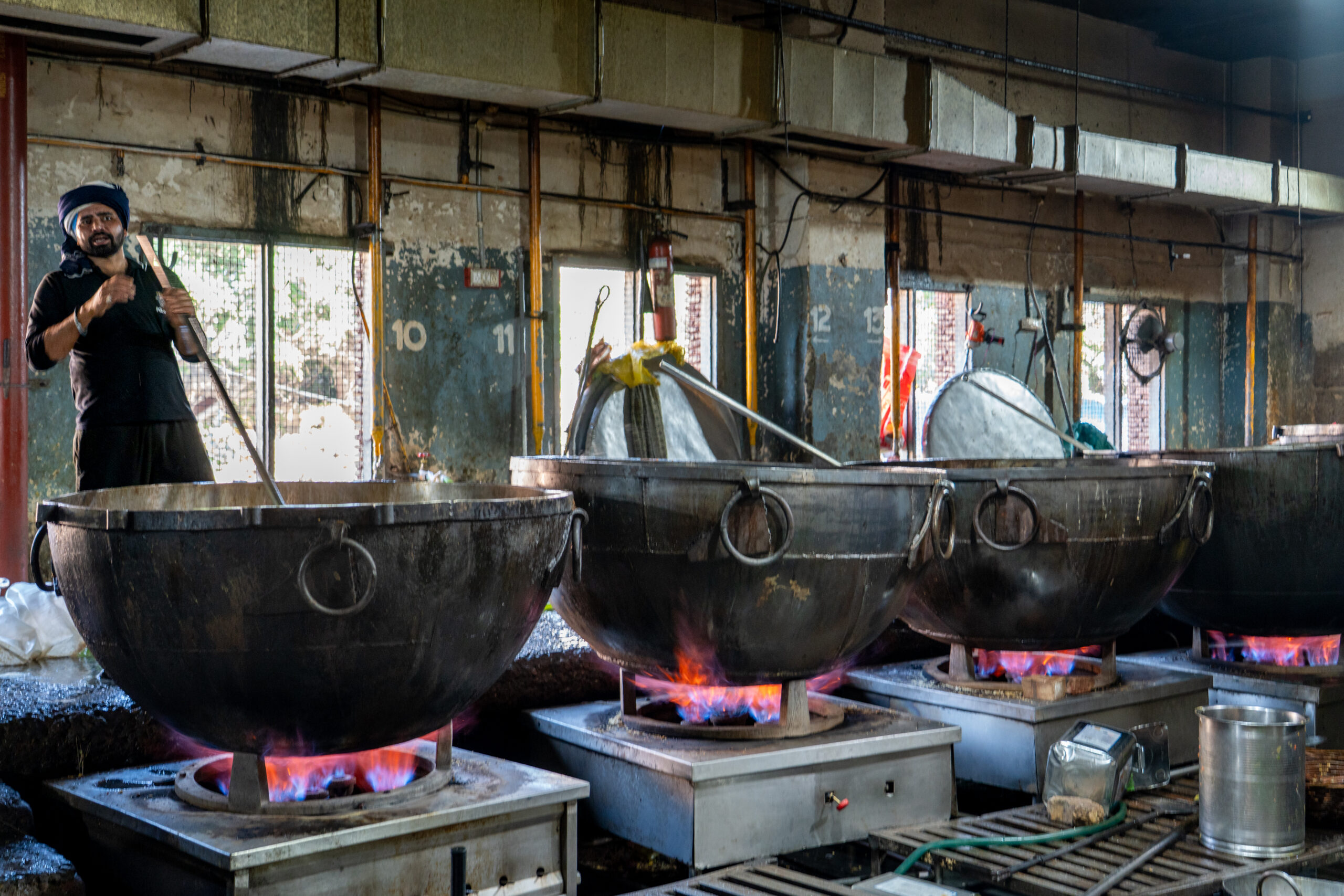
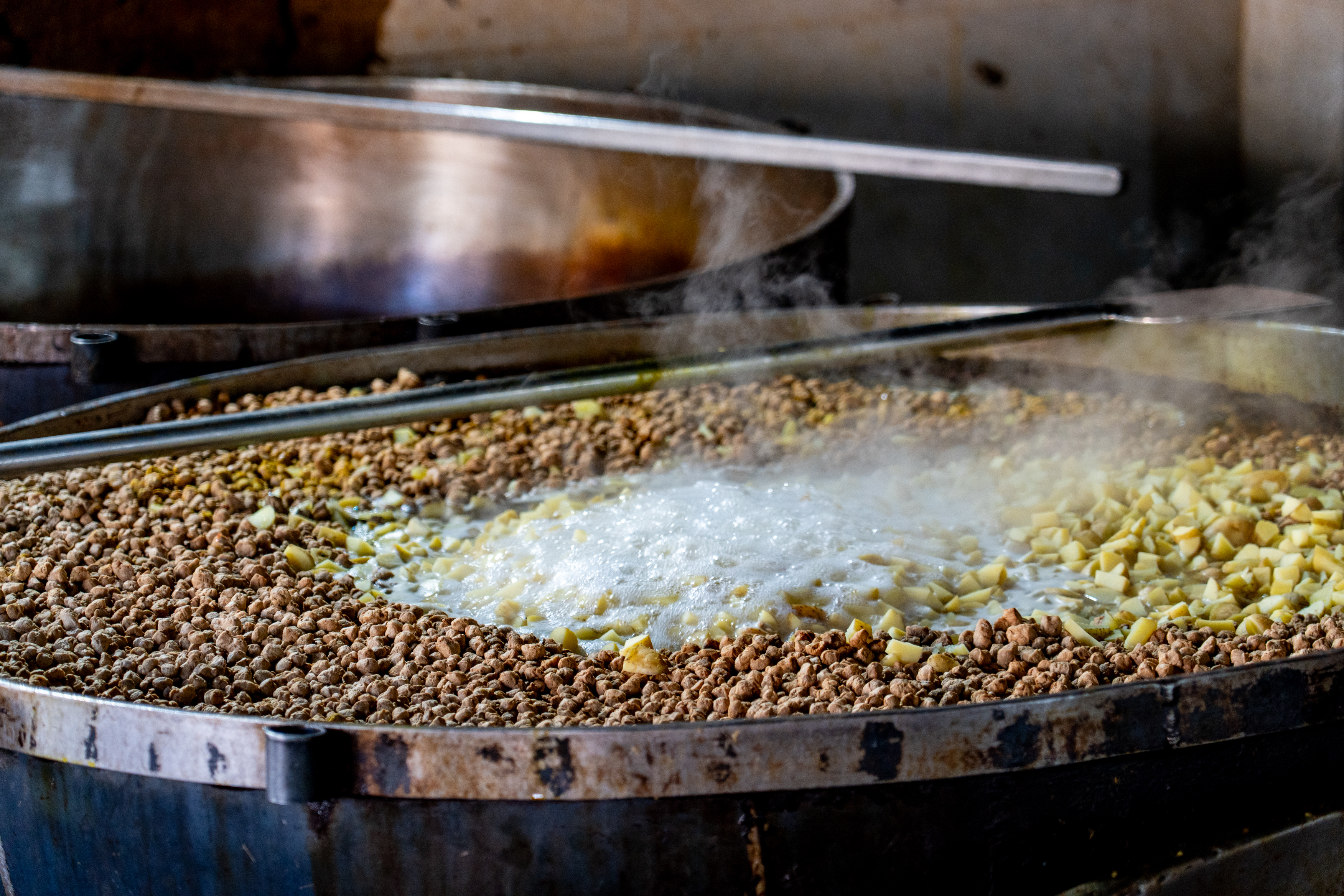
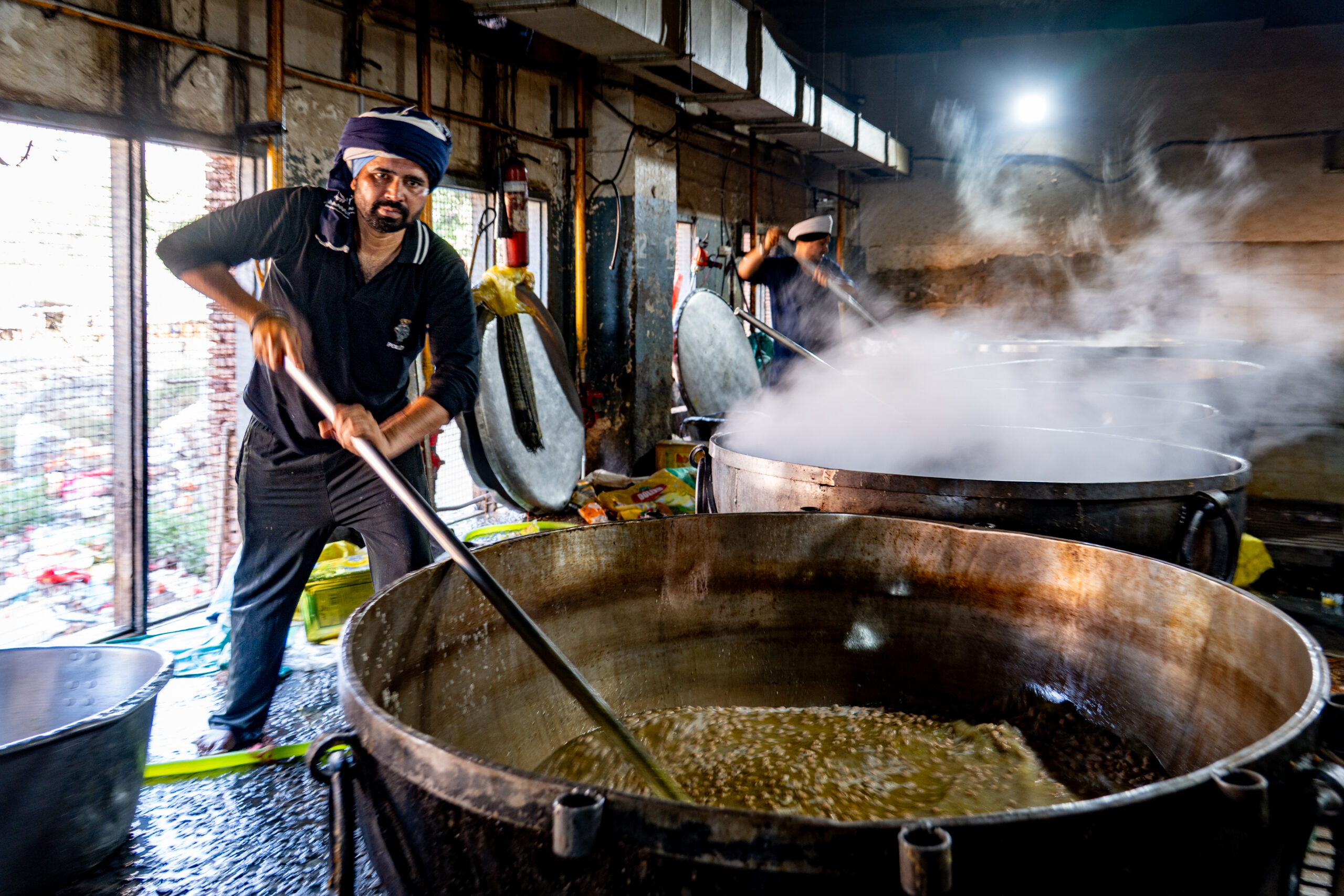
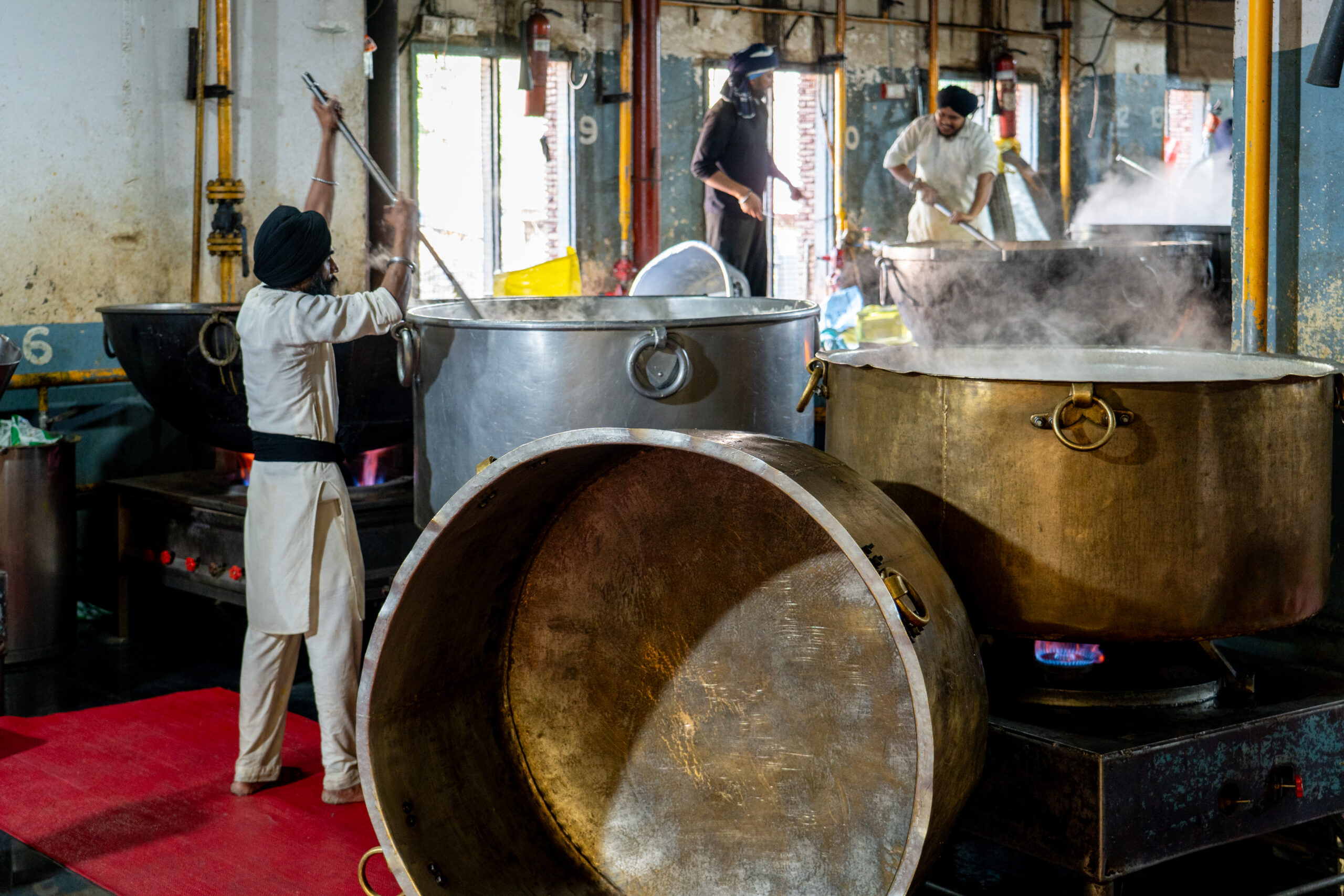
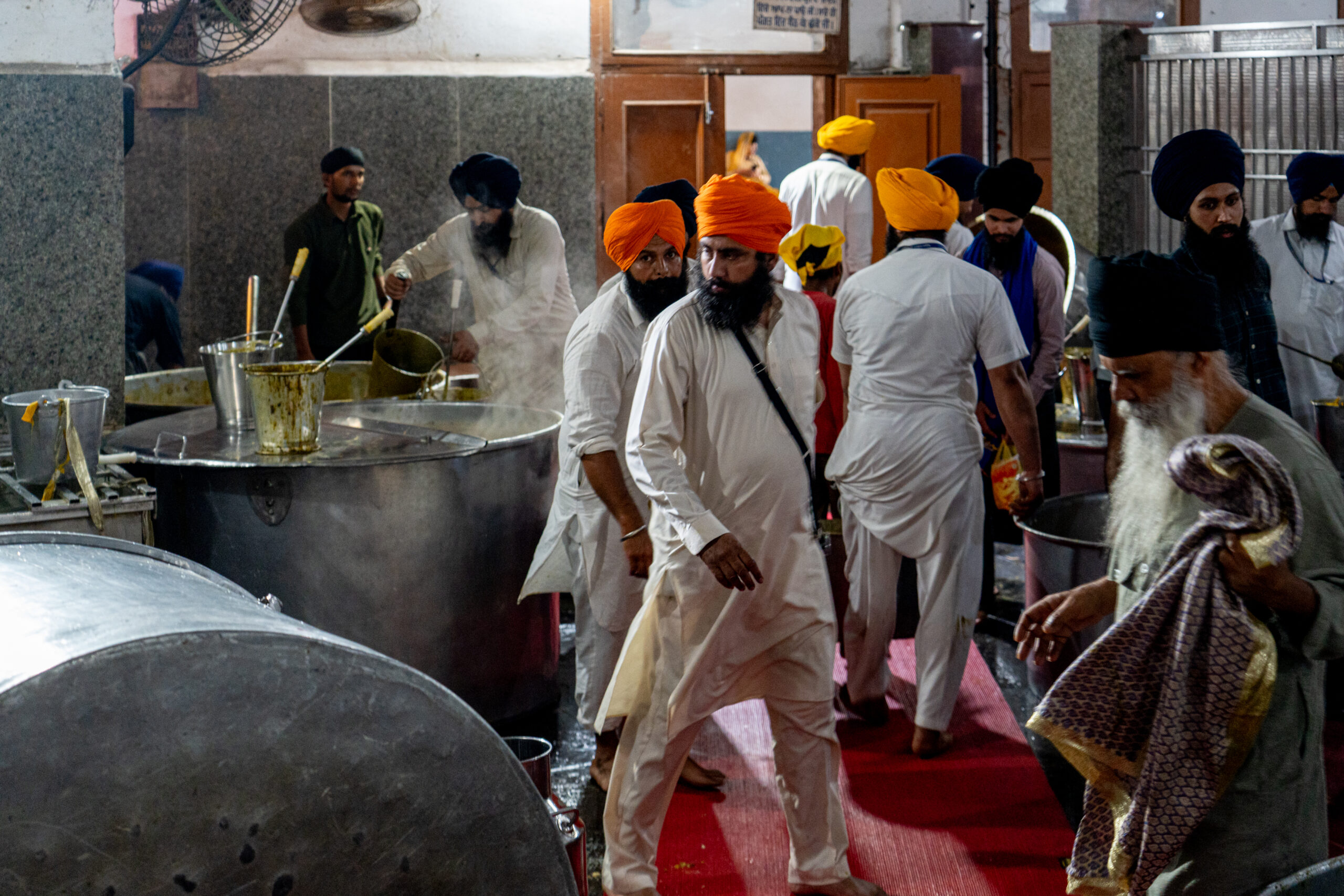
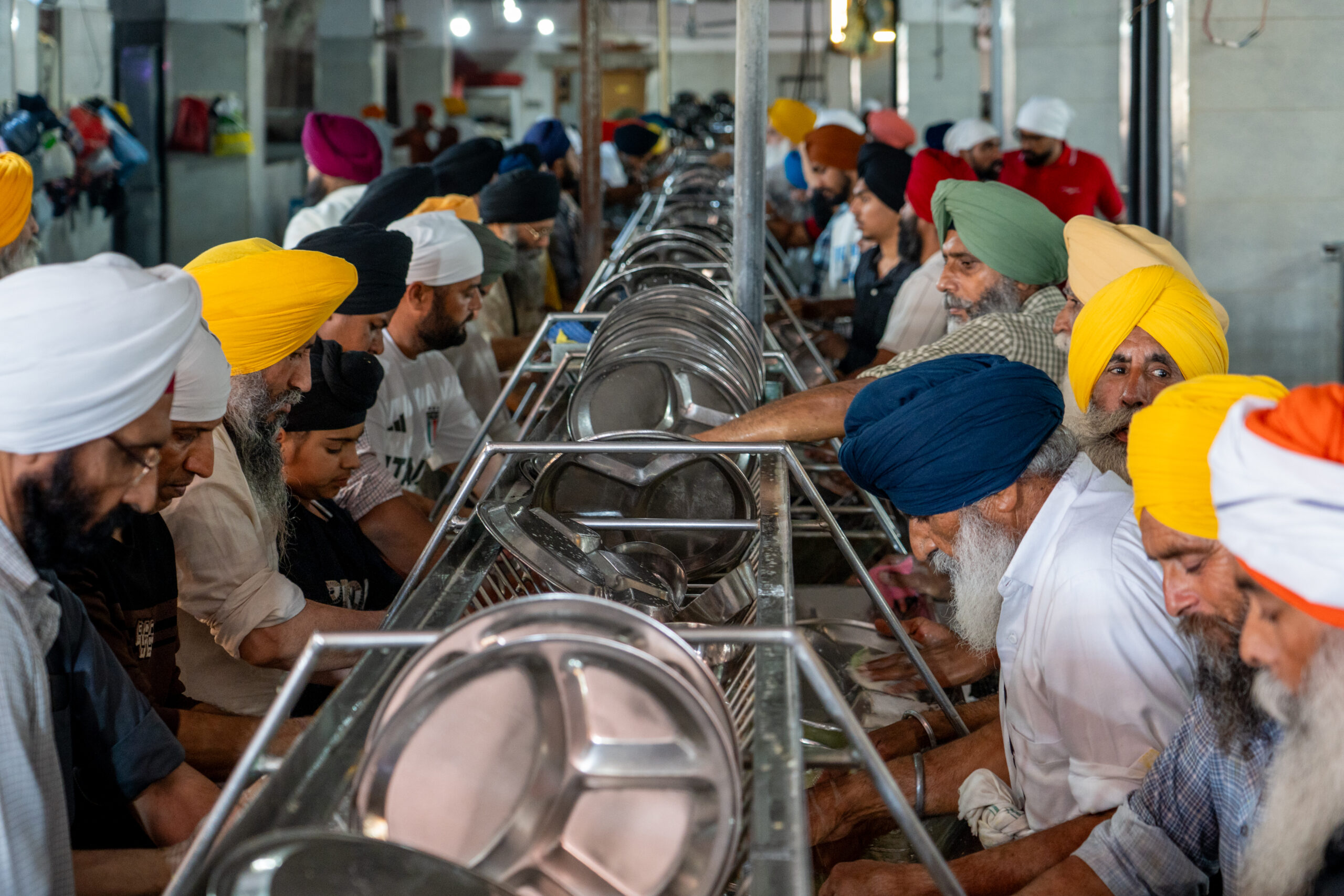
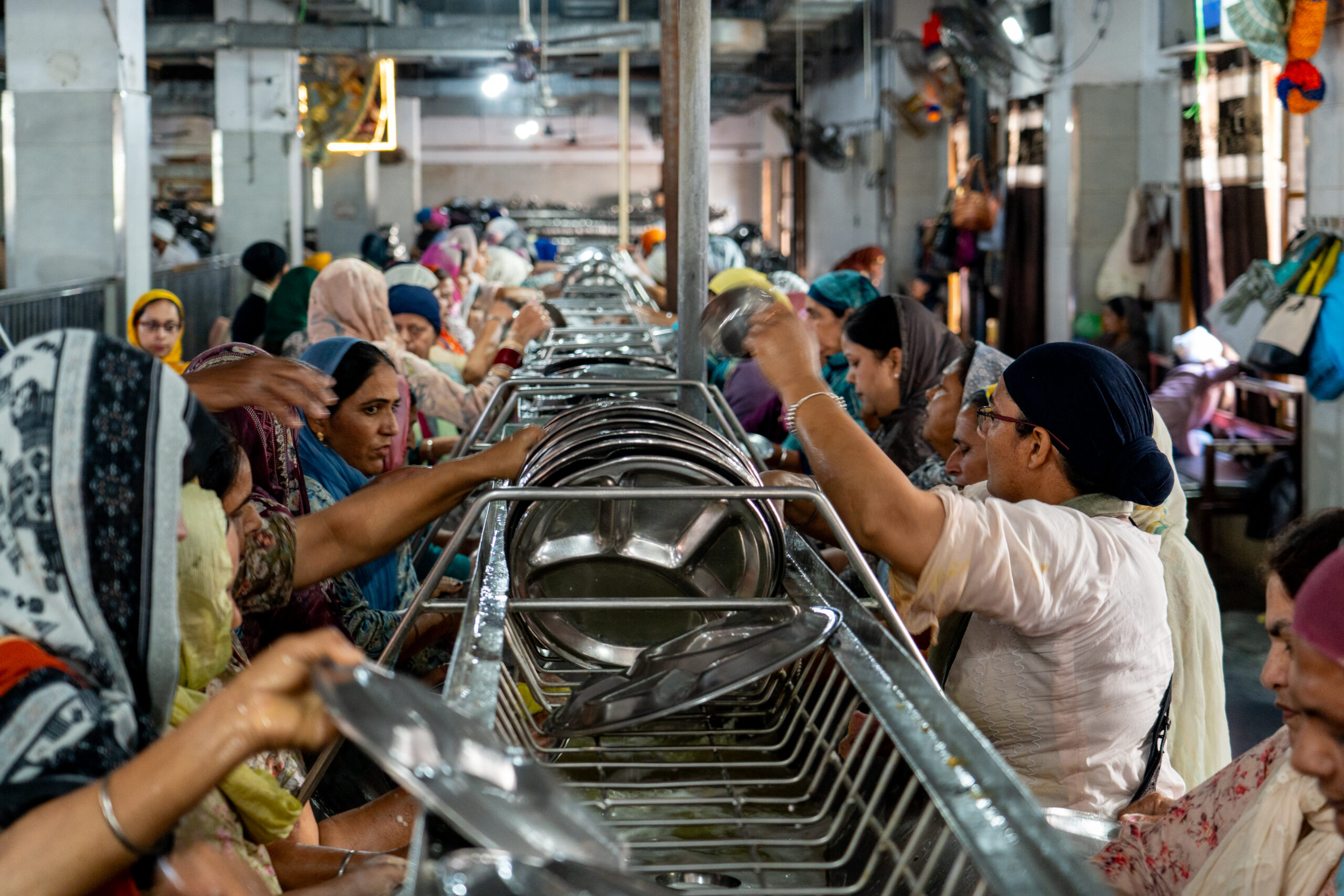
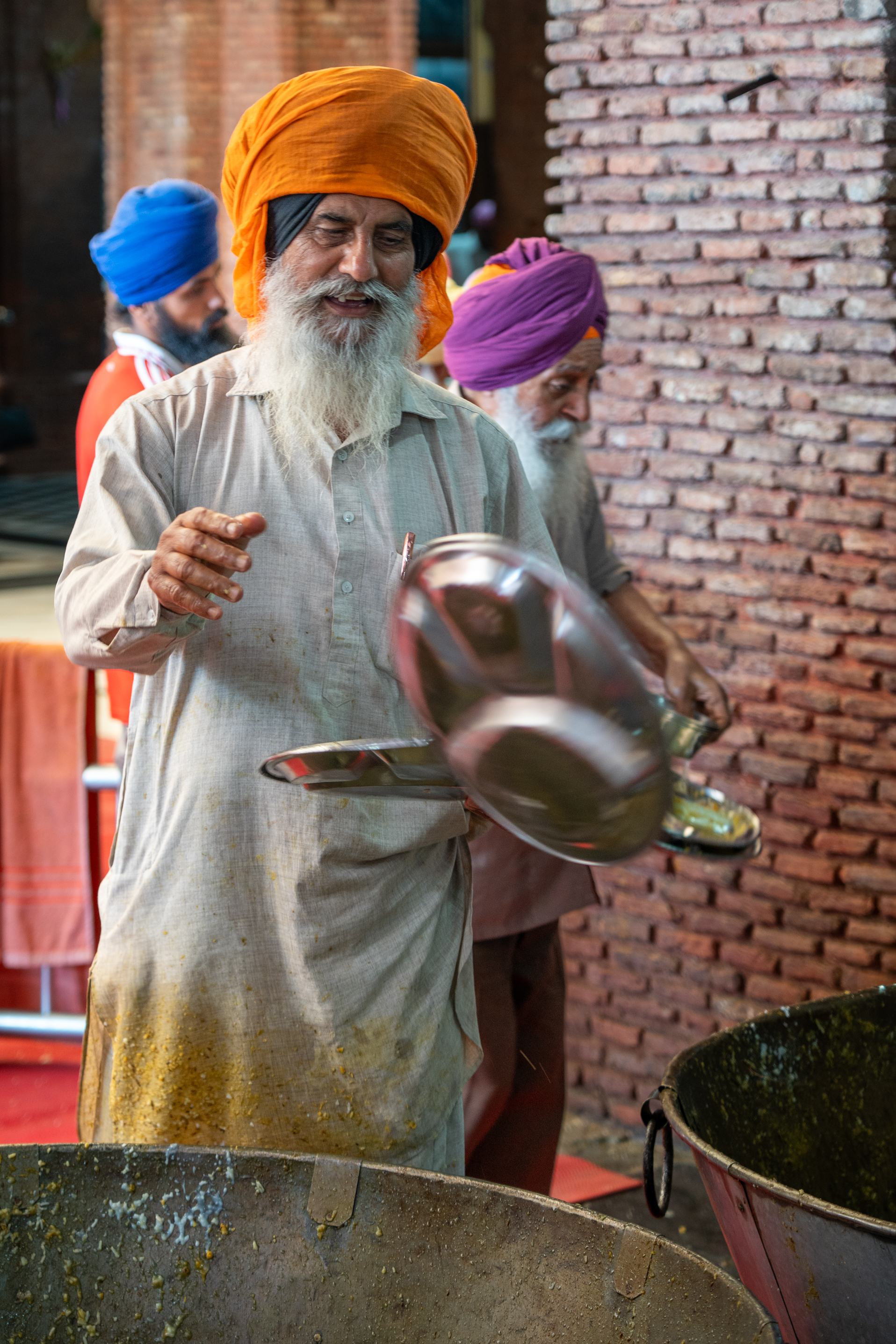
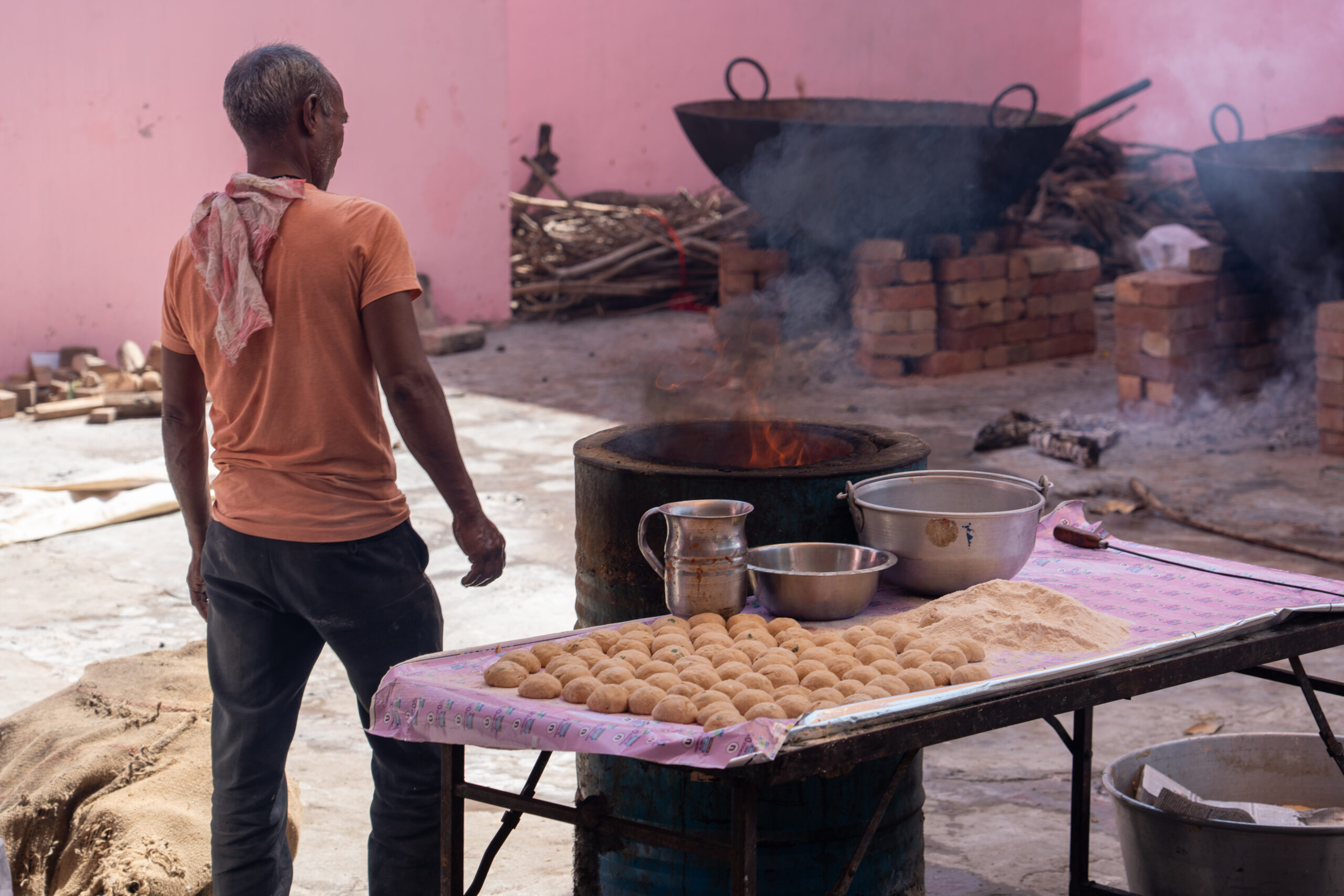
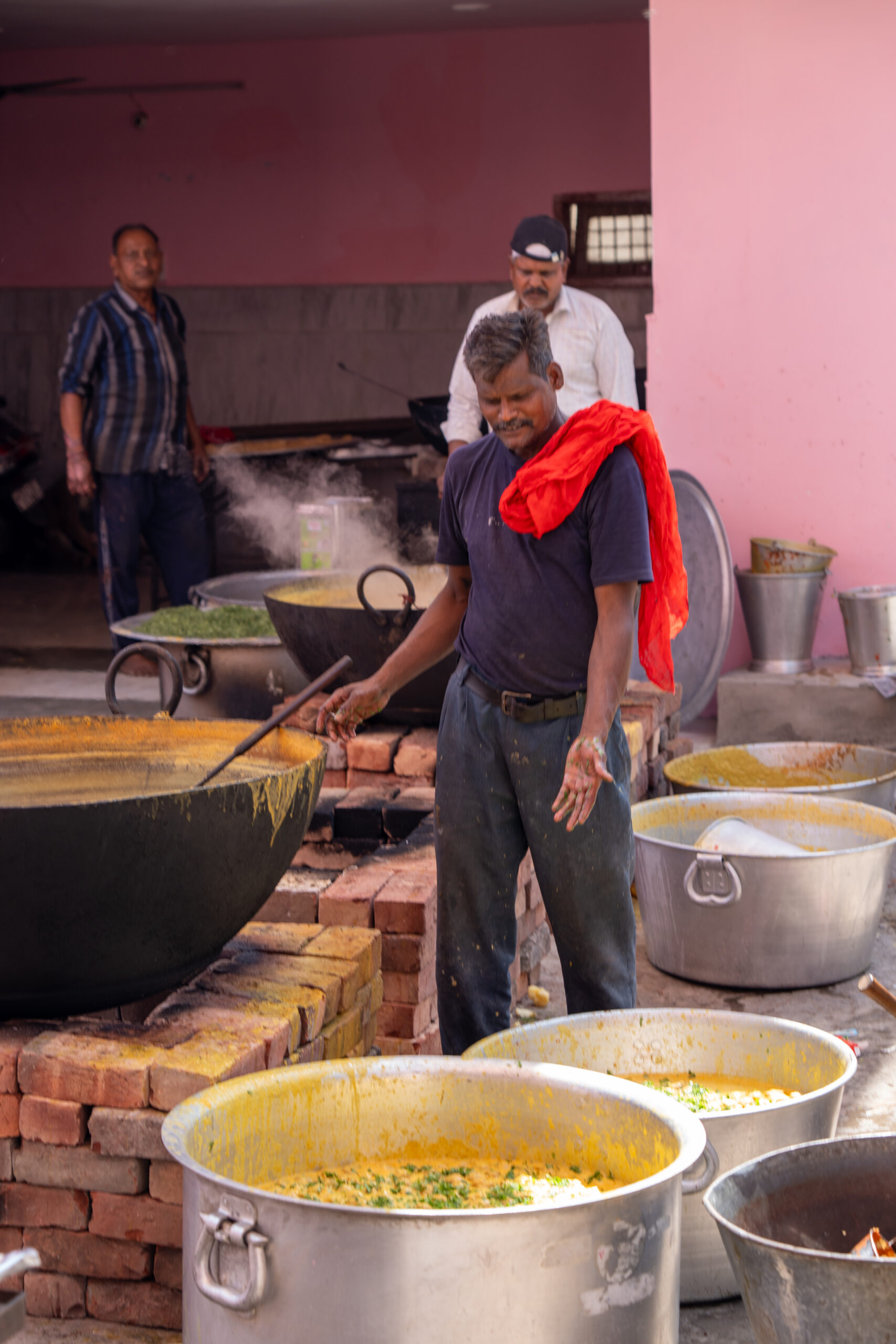
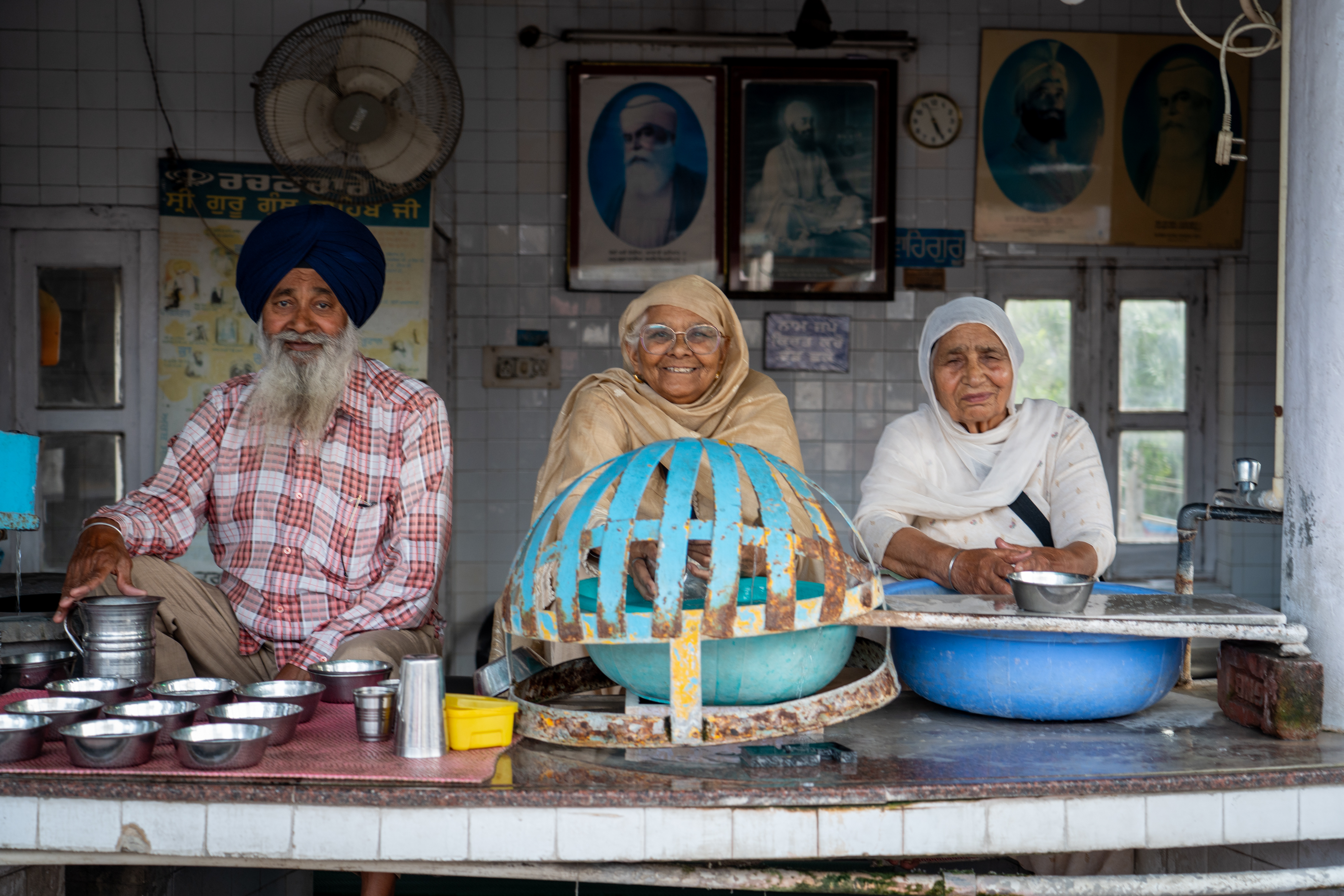
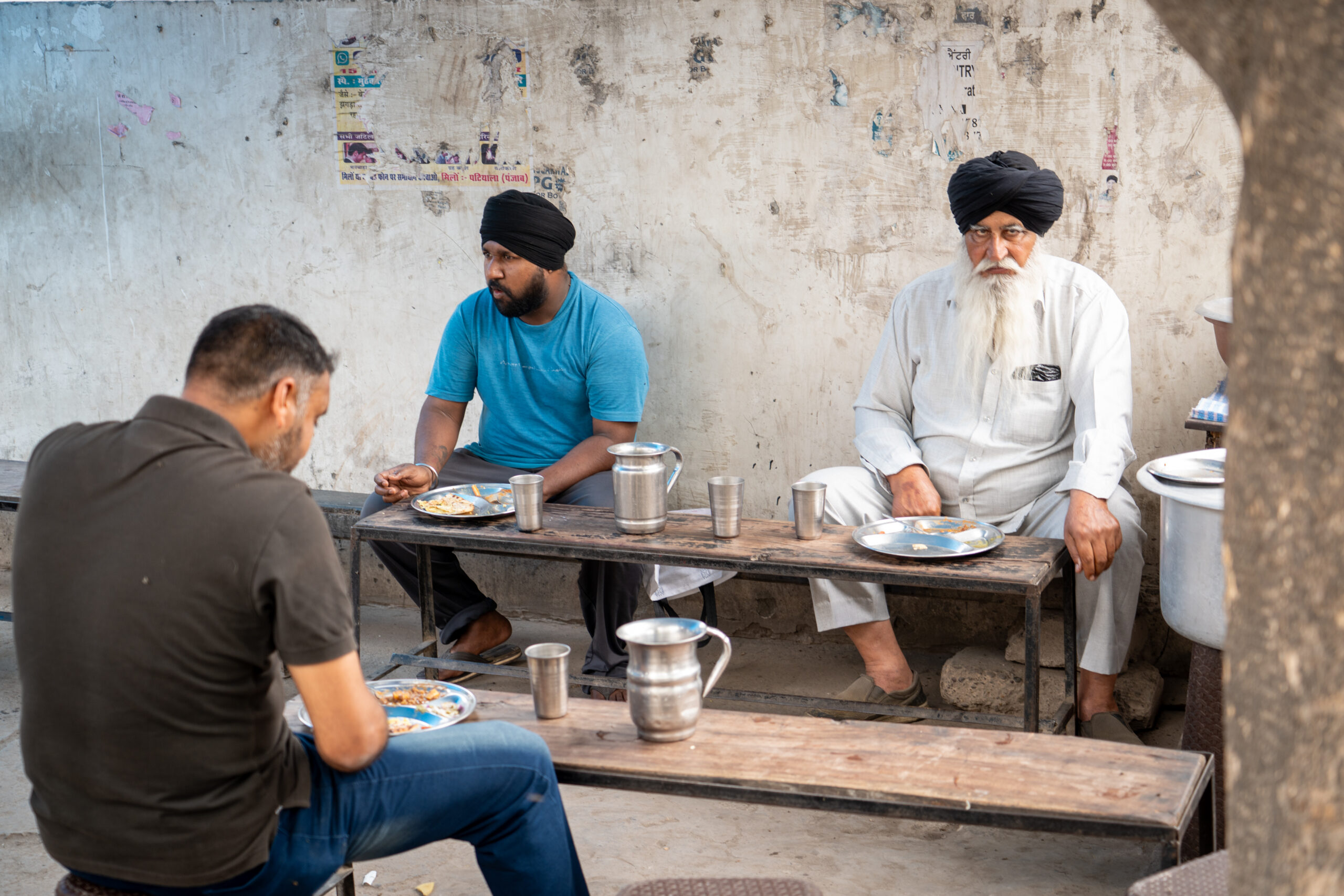
A unique feature of the temple is its massive food hall, known as the Langar, the world’s largest free community kitchen, which serves simple vegetarian meals like dal, roti, rice, and kheer to around 50,000 to 100,000 people every day, with everyone sitting together on the floor as equals and being served by volunteers. This time I was lucky enough to discover the massive kitchen and was invited in by the super friendly staff. It was simply magic.

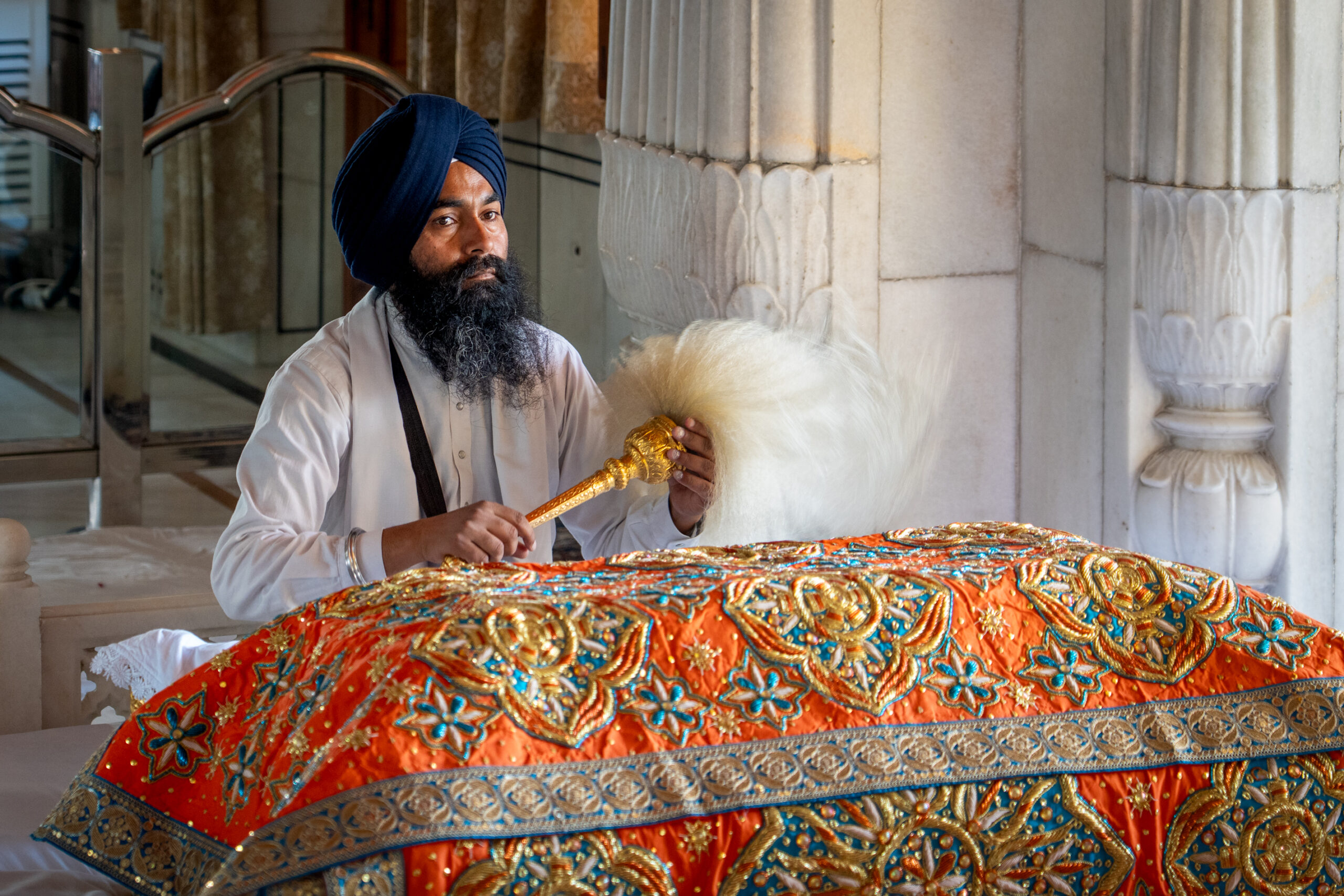
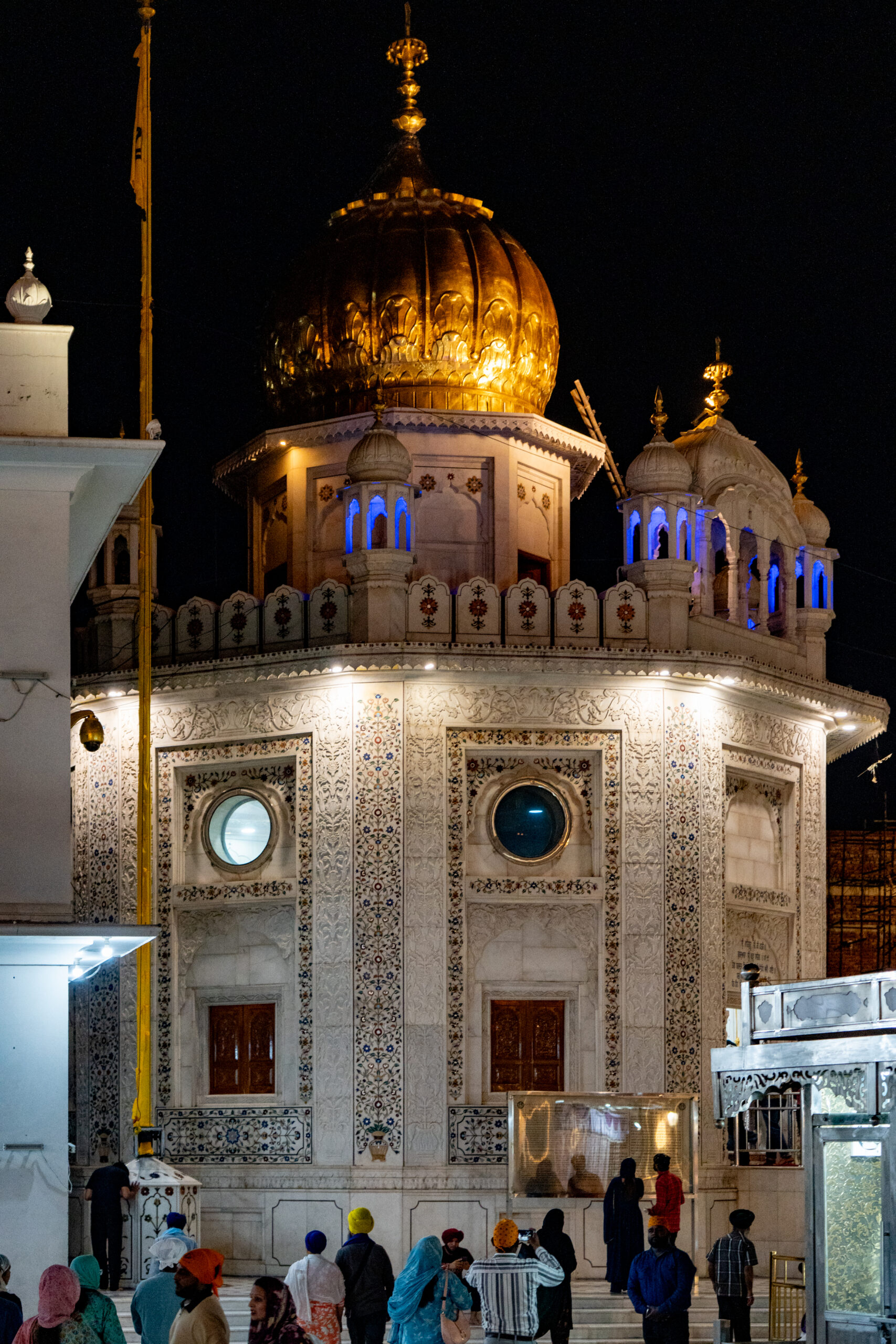
I hang around for a while and visited some more shrines where I was allowed to make pictures but only with respect for the holy men reciting the scripts.

With a big smile on my face, I left the temple and went on a short walkabout in the old city center. Then I took a tuk tuk to the Brewmaster Microbrewery for a well-deserved beer and a bite to eat. Satisfied I returned to my hotel. As I was familiar with most of the places in Amritsar there was no reason to rush but my trip through Punjab could not have started better than today. A new chapter had begun…

I woke up after a good night of sleep, looking forward to another exciting day. Pretty soon however I realized things were not the same… I got a visitor! Delhi belly, a truly unwanted and inconvenient travel companion. Was it the temperature change, had I eaten something wrong or do I have to blame the water I had drunk yesterday at the temple…

Whatever was the cause it was just some kind of unfamiliar bacteria rather than anything truly dangerous causing the discomfort. I felt no panic and I just accepted it. The only thing to be done was a quick adjustment of plans.

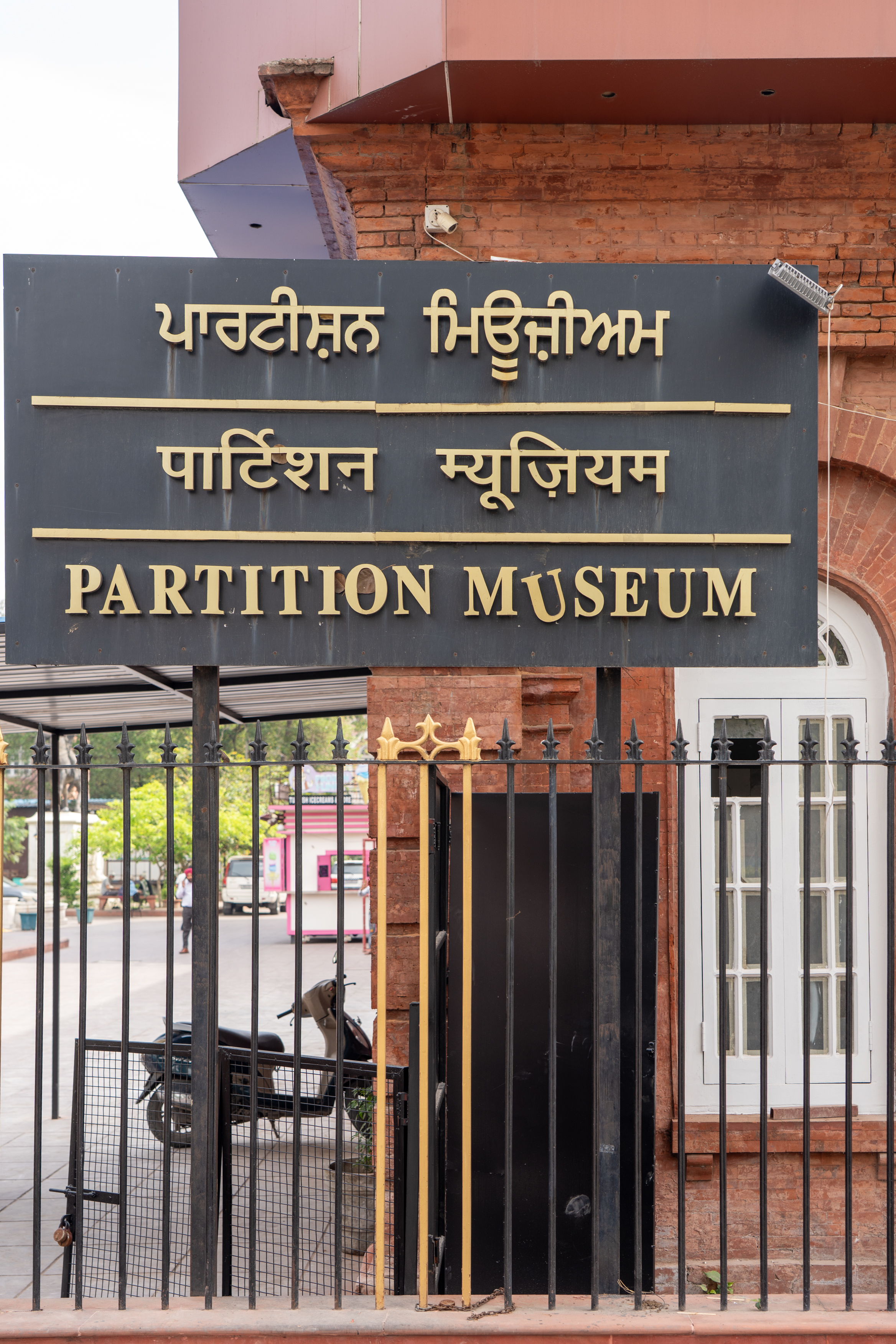
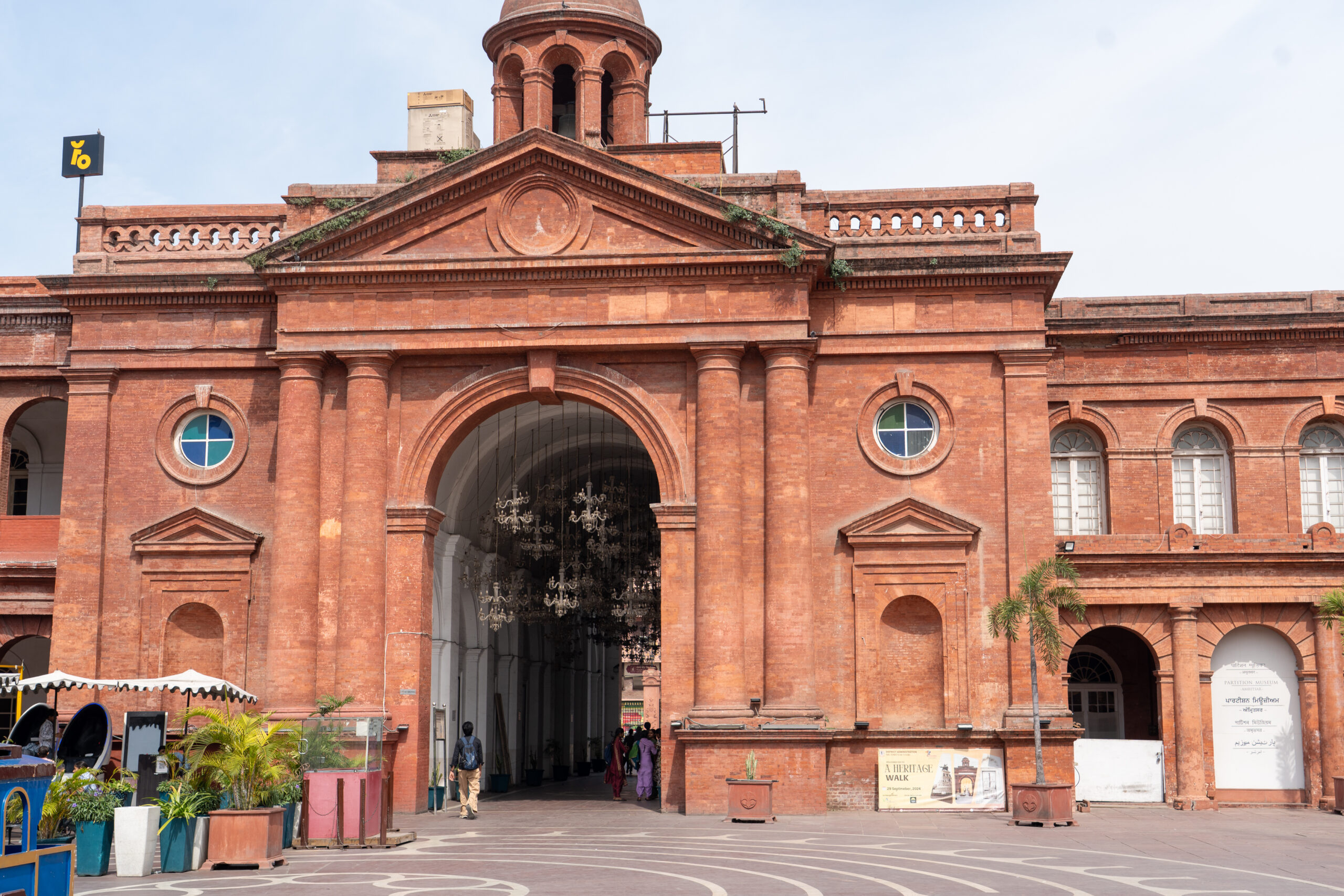
After two hours or so my belly seemed to calm down so I went out for a stroll. I had planned to go to the partition museum although I knew it wasn’t going to be a pleasant visit.

The Partition Museum documents the events and impact of the Partition of India through personal stories, archival materials, and historical records. It houses galleries with photographs, letters, official documents, and oral testimonies from survivors, illustrating the large-scale migration and violence that accompanied the division of India and Pakistan in 1947.

The museum is organized chronologically, covering pre-partition unity, the political decisions leading to partition, the mass displacement of over 14 million people, and its long-term consequences. It serves as an educational and memorial space, preserving firsthand accounts to help visitors understand the scale, complexity, and human cost of the event.

Like after 2018 I left the museum upset but still believed that in order to understand India I needed to have seen it once again. Unfortunately, also my belly did not appreciate what I had just seen and experienced, fortunately there was a Starbucks nearby which was a guarantee for a decent and clean washroom.

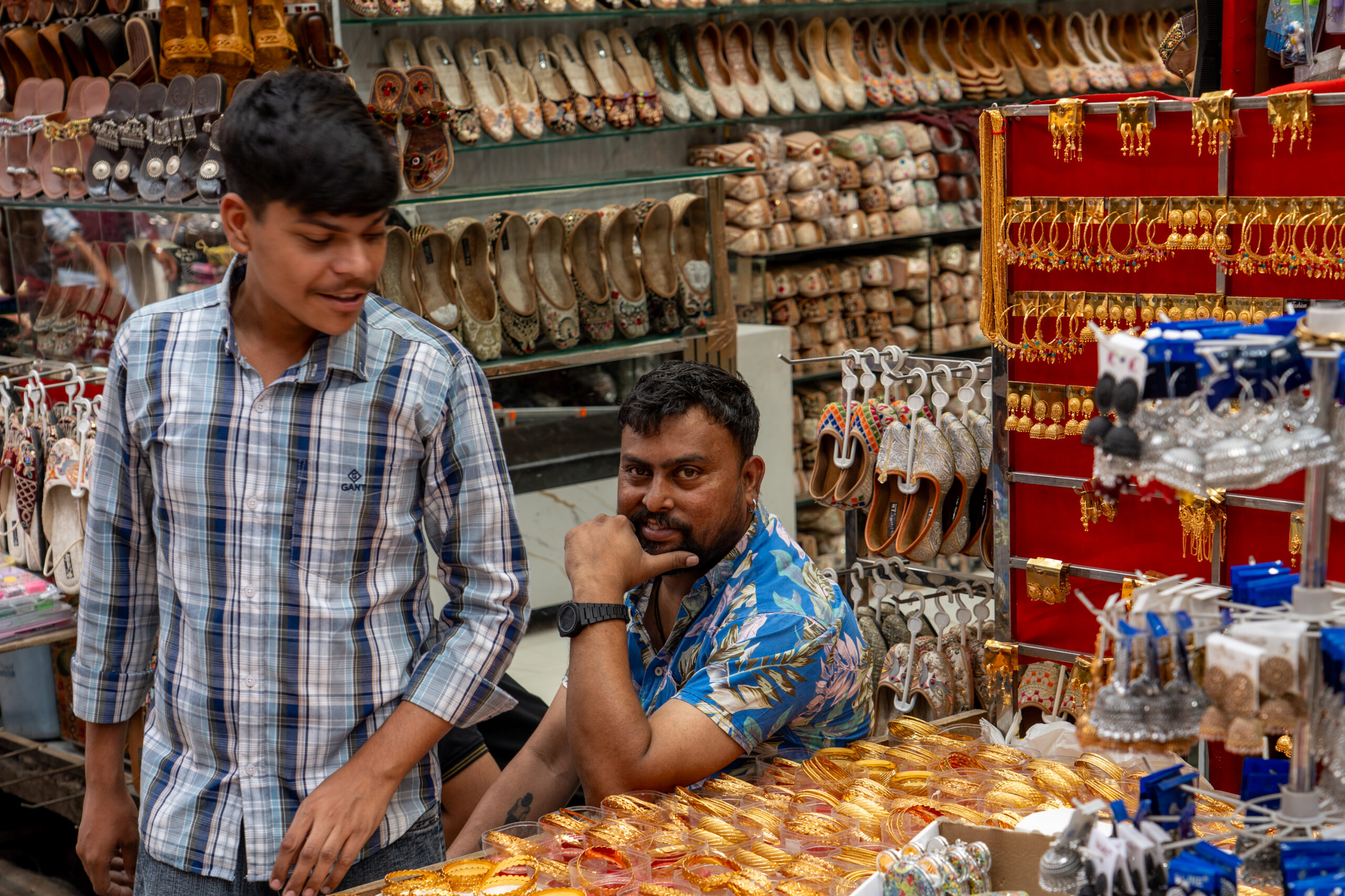
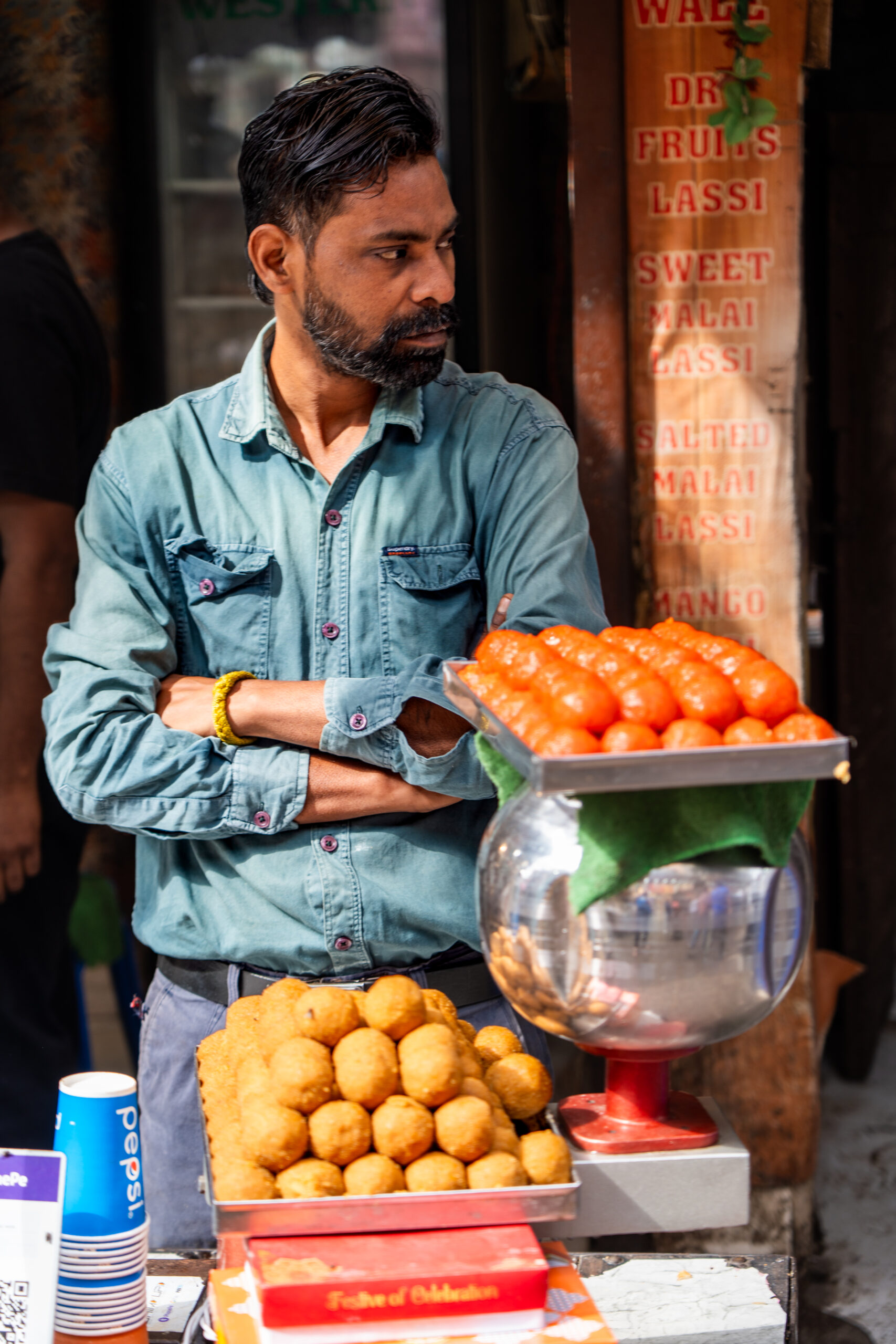
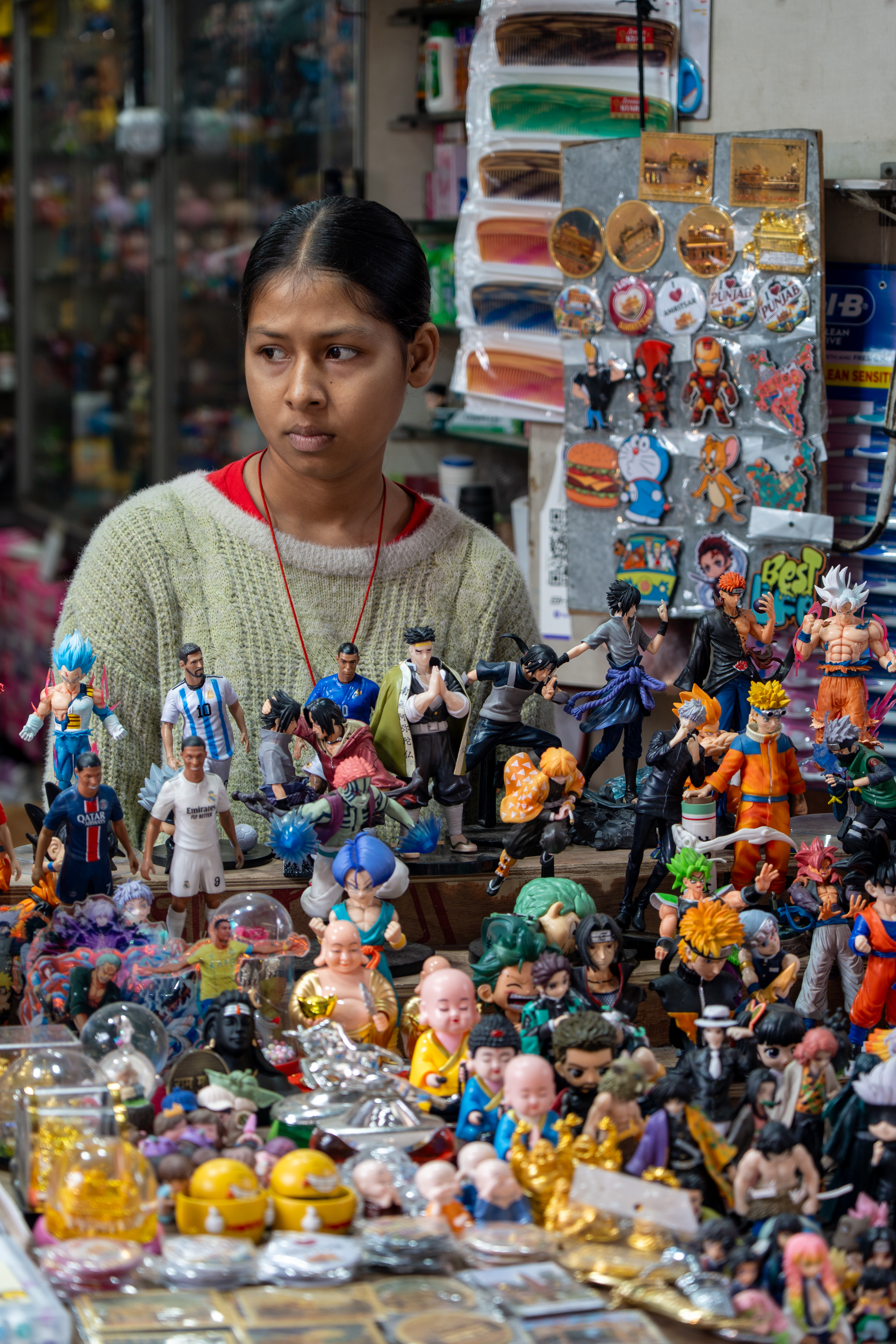
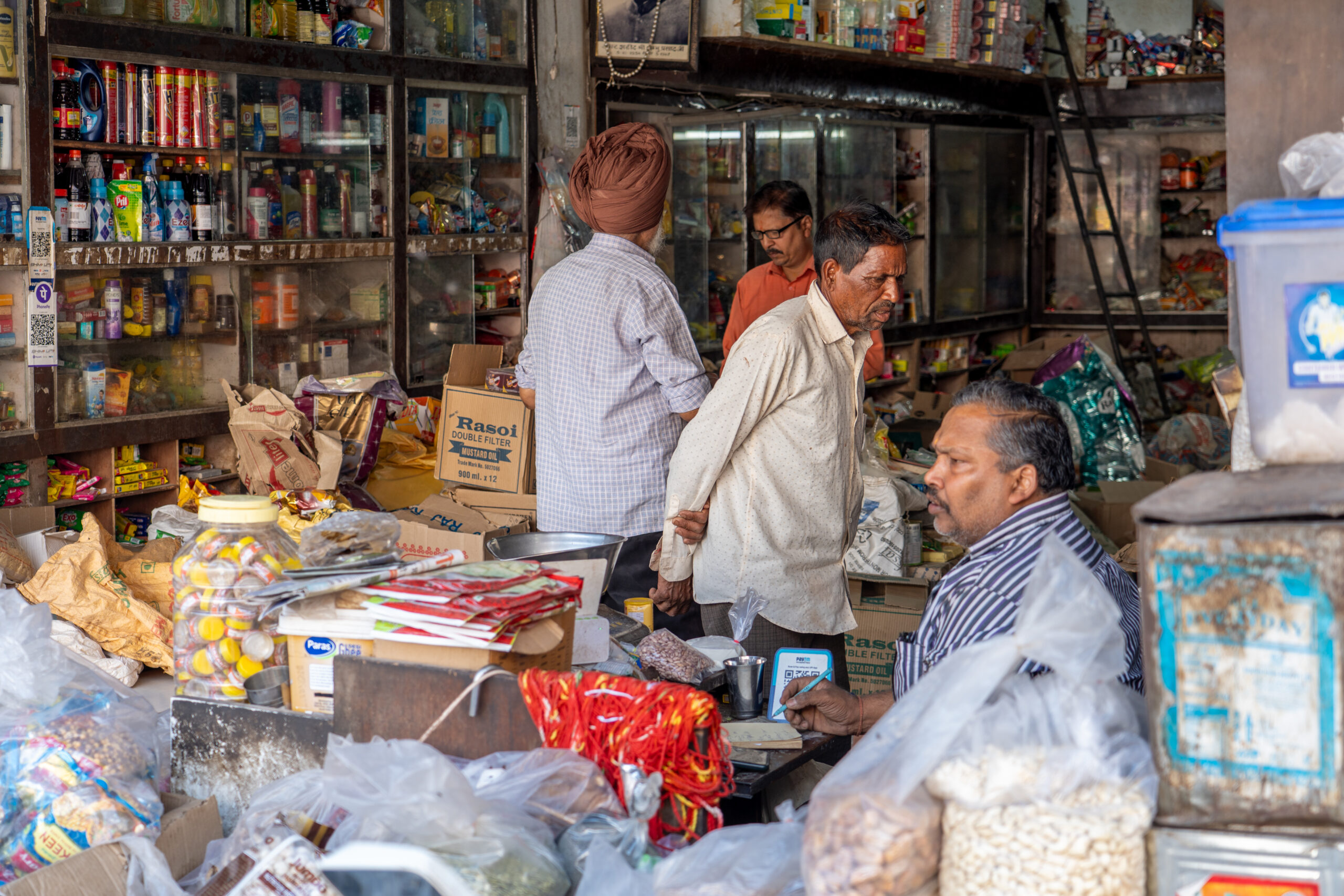
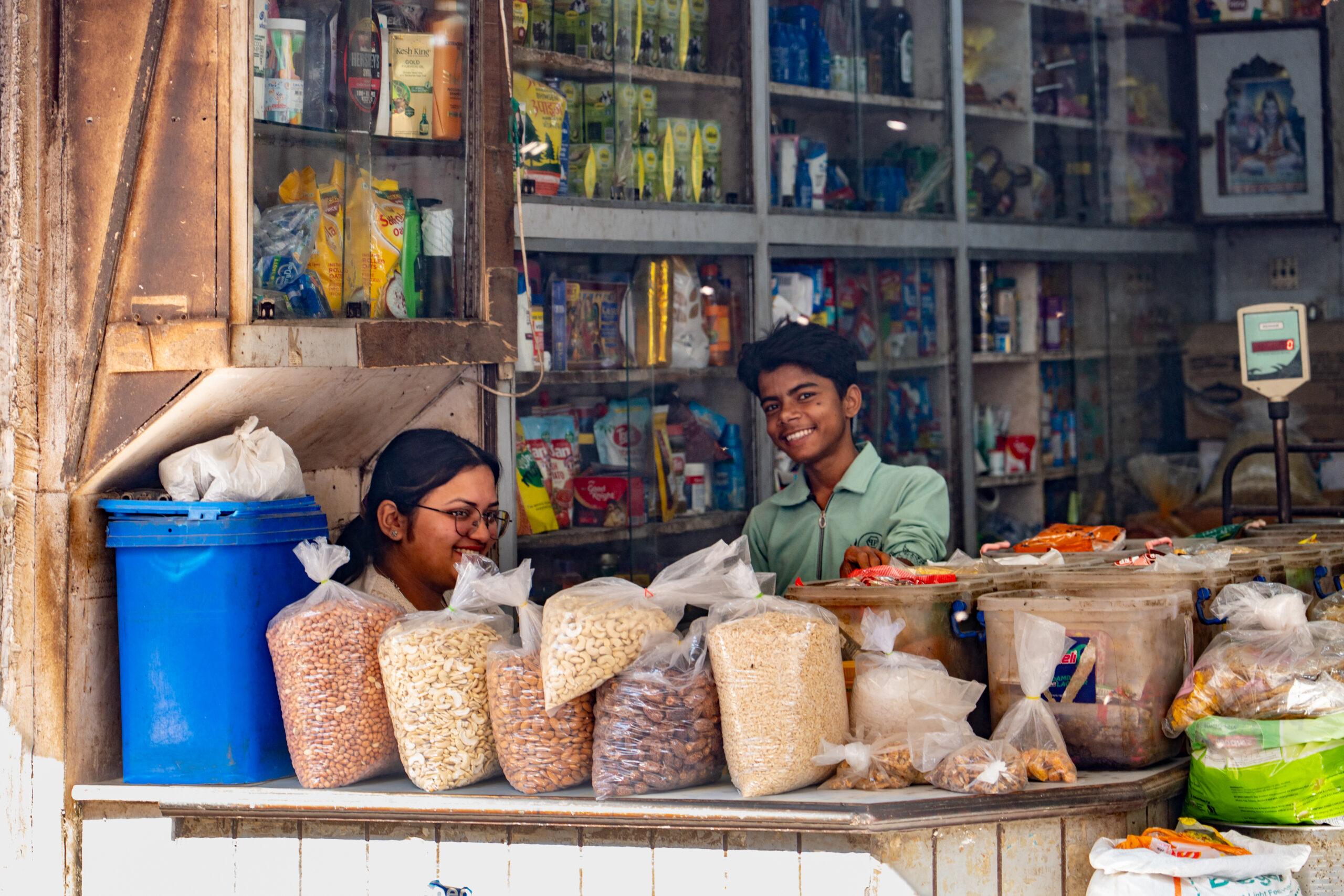
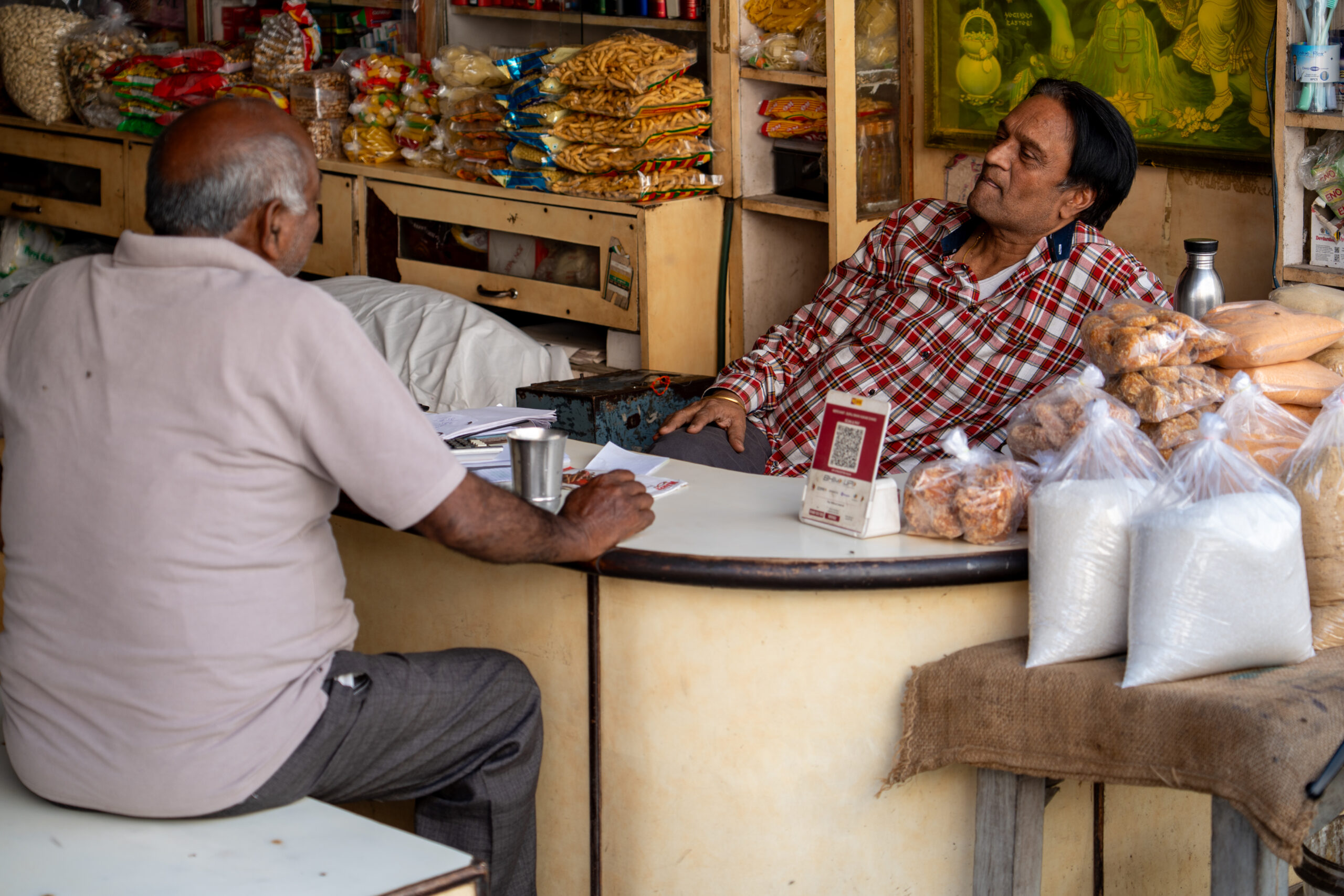
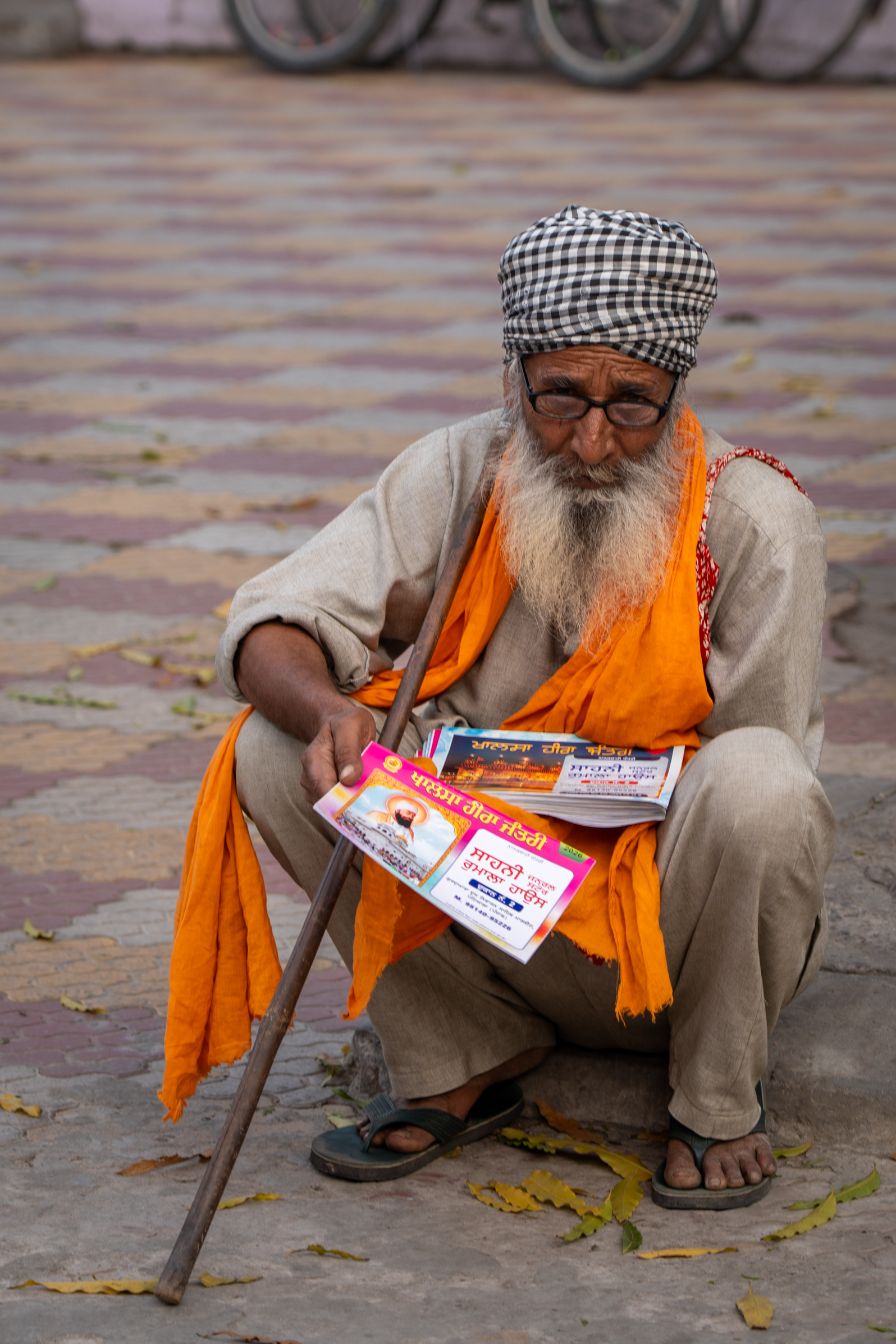
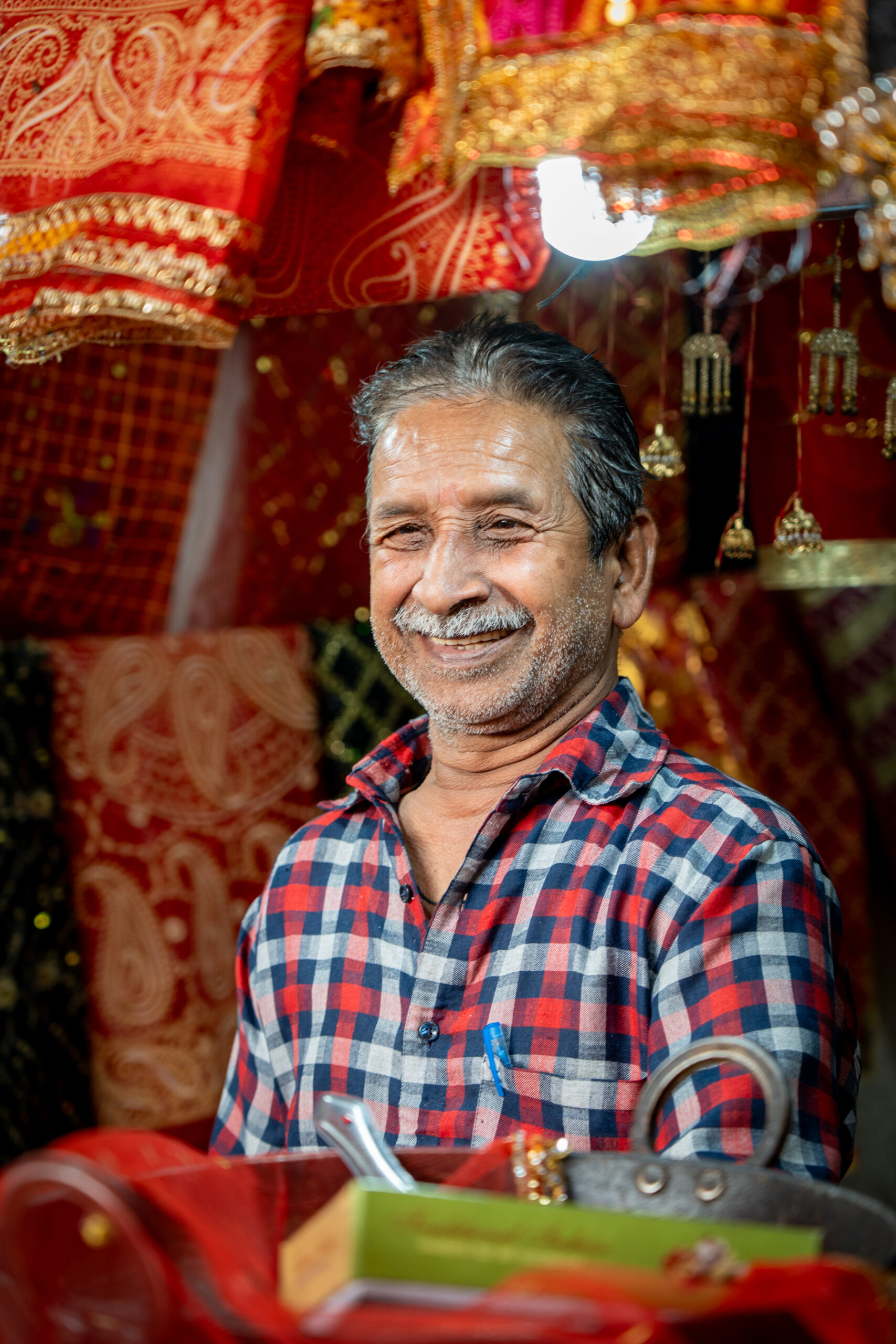
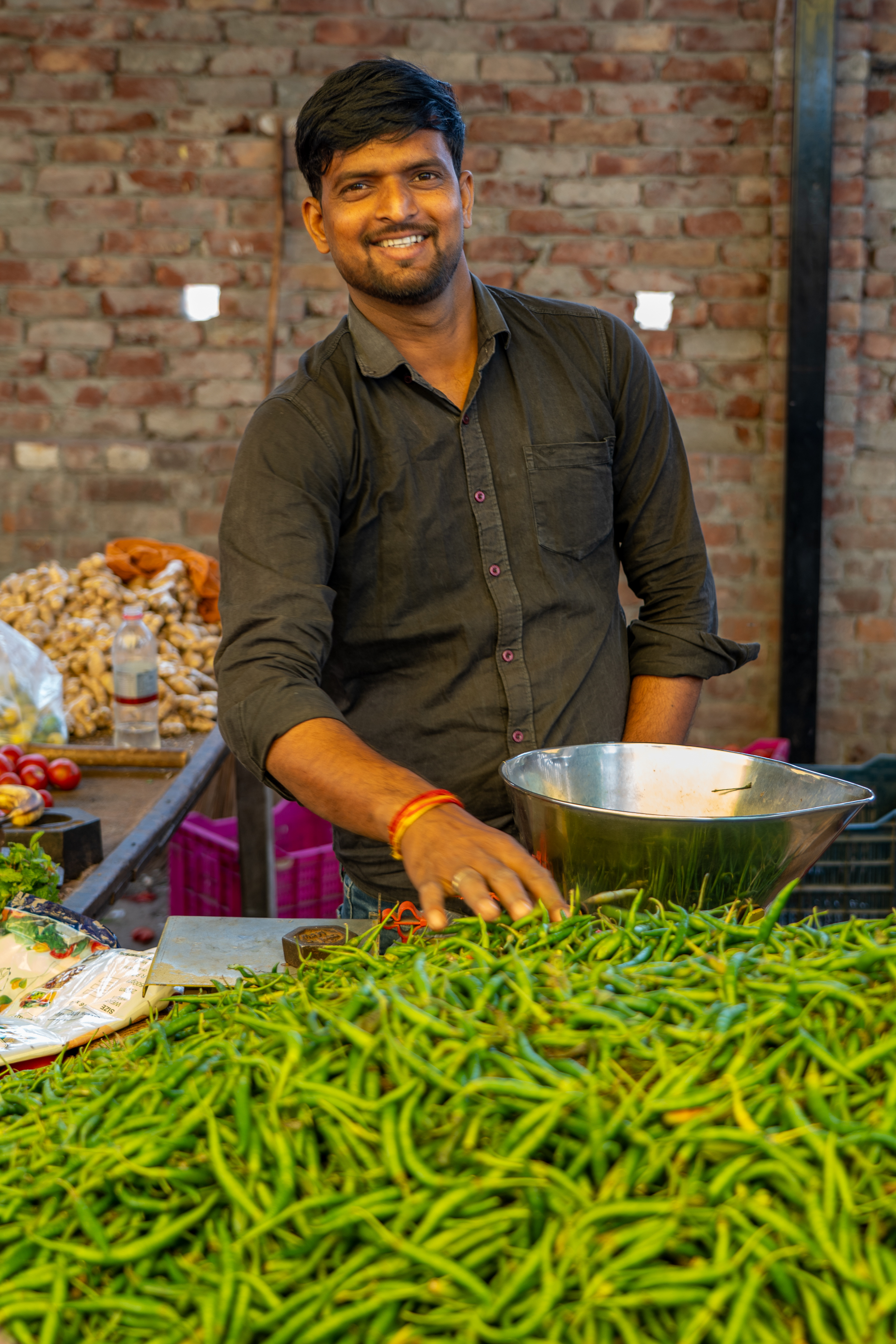
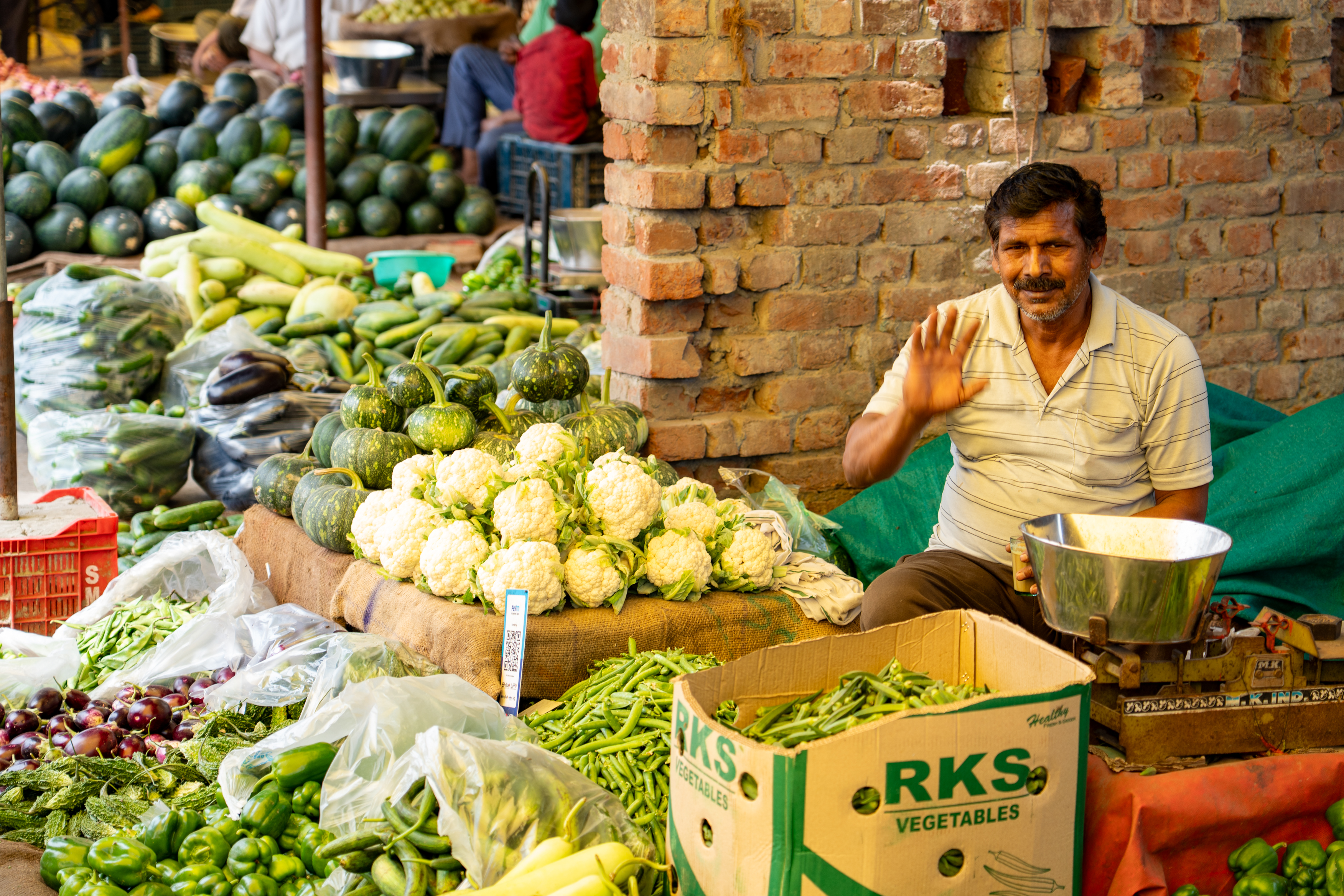
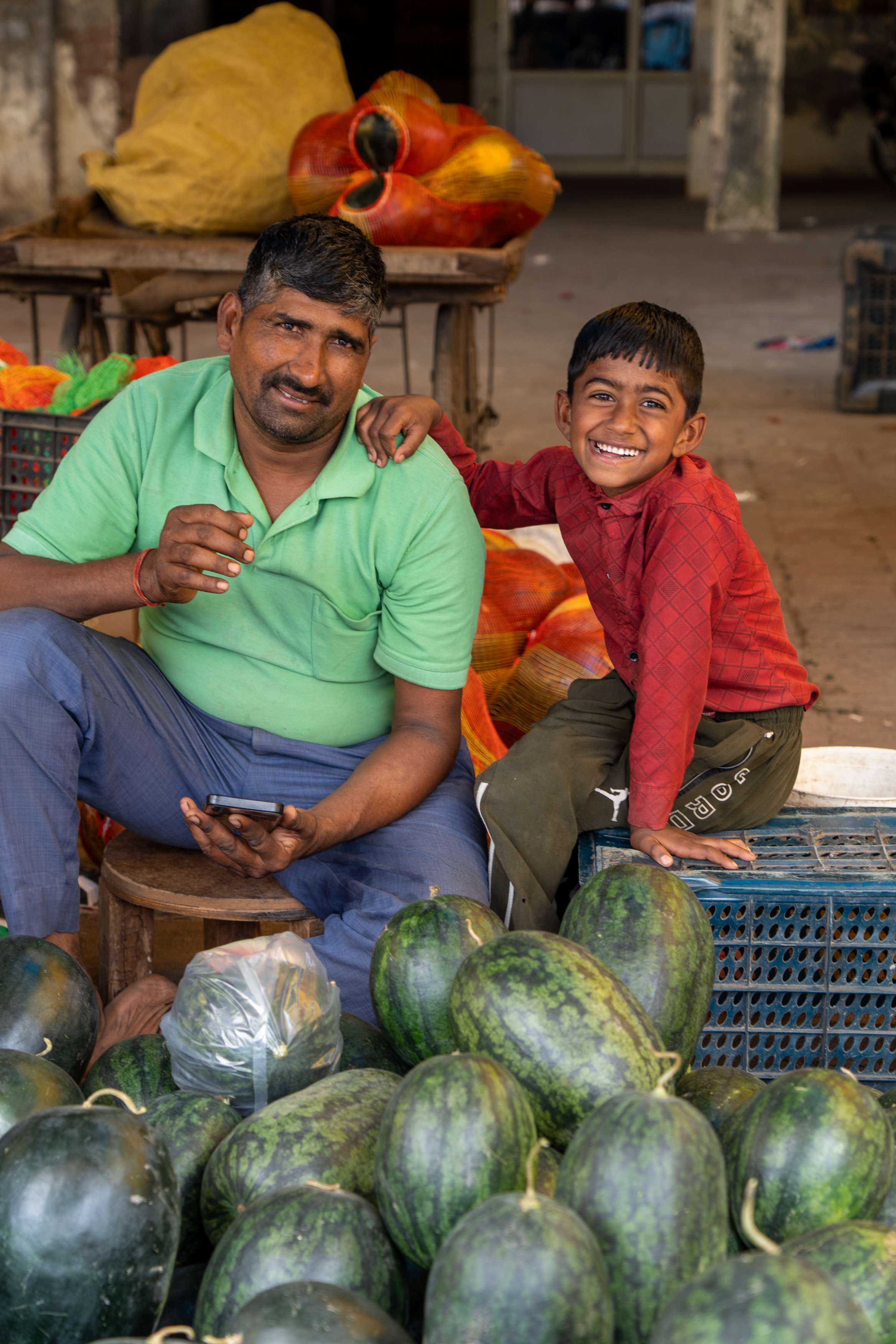
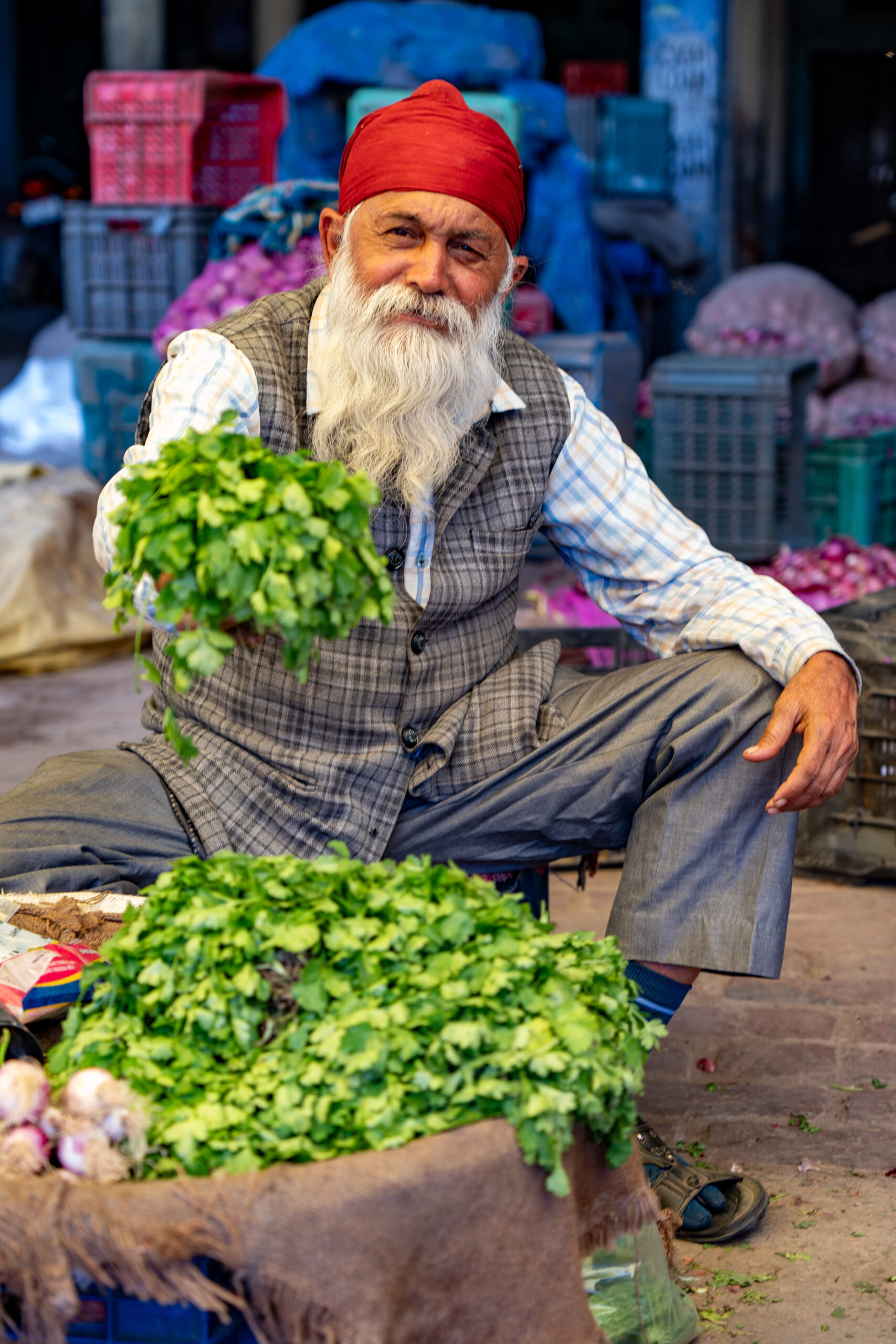
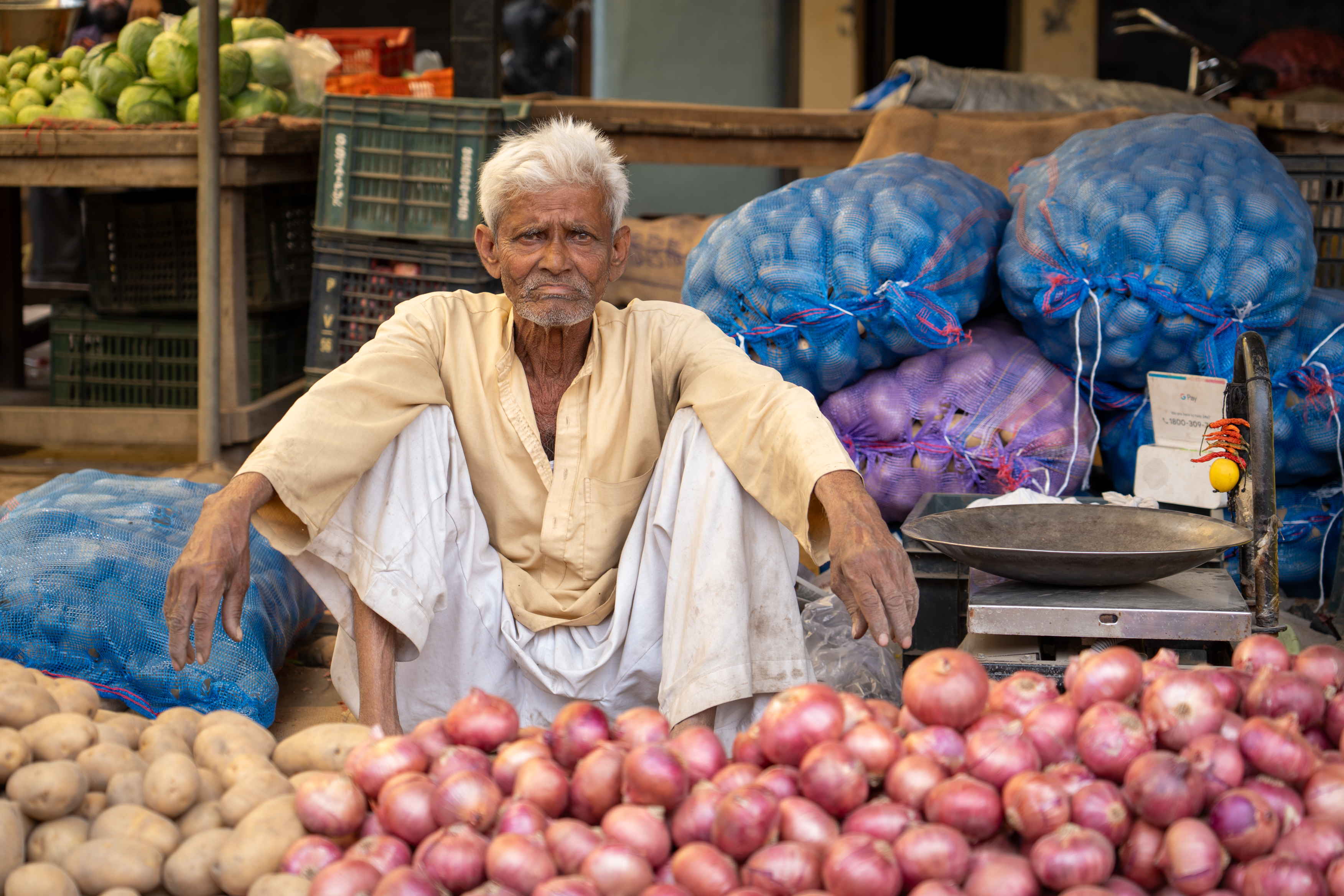
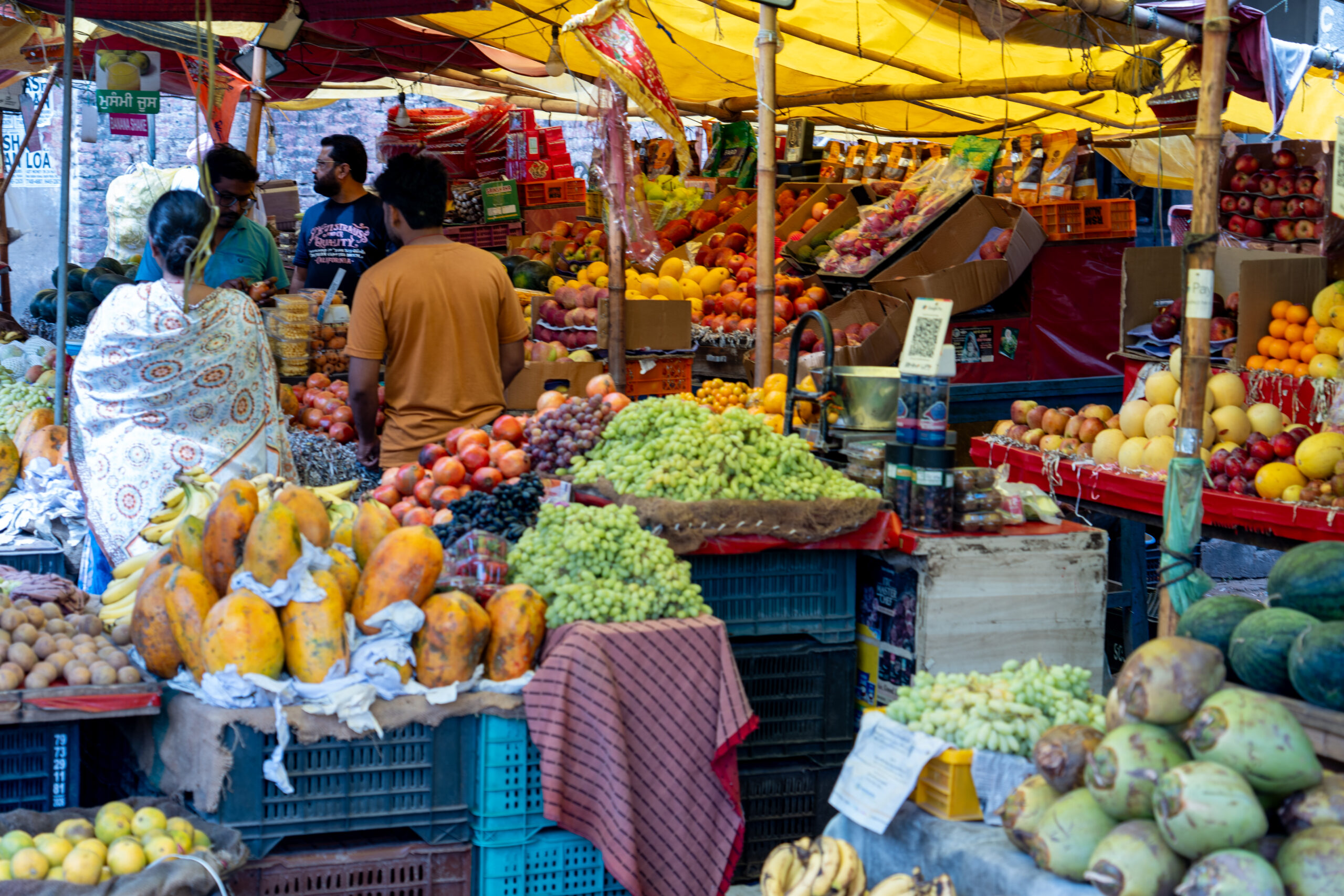
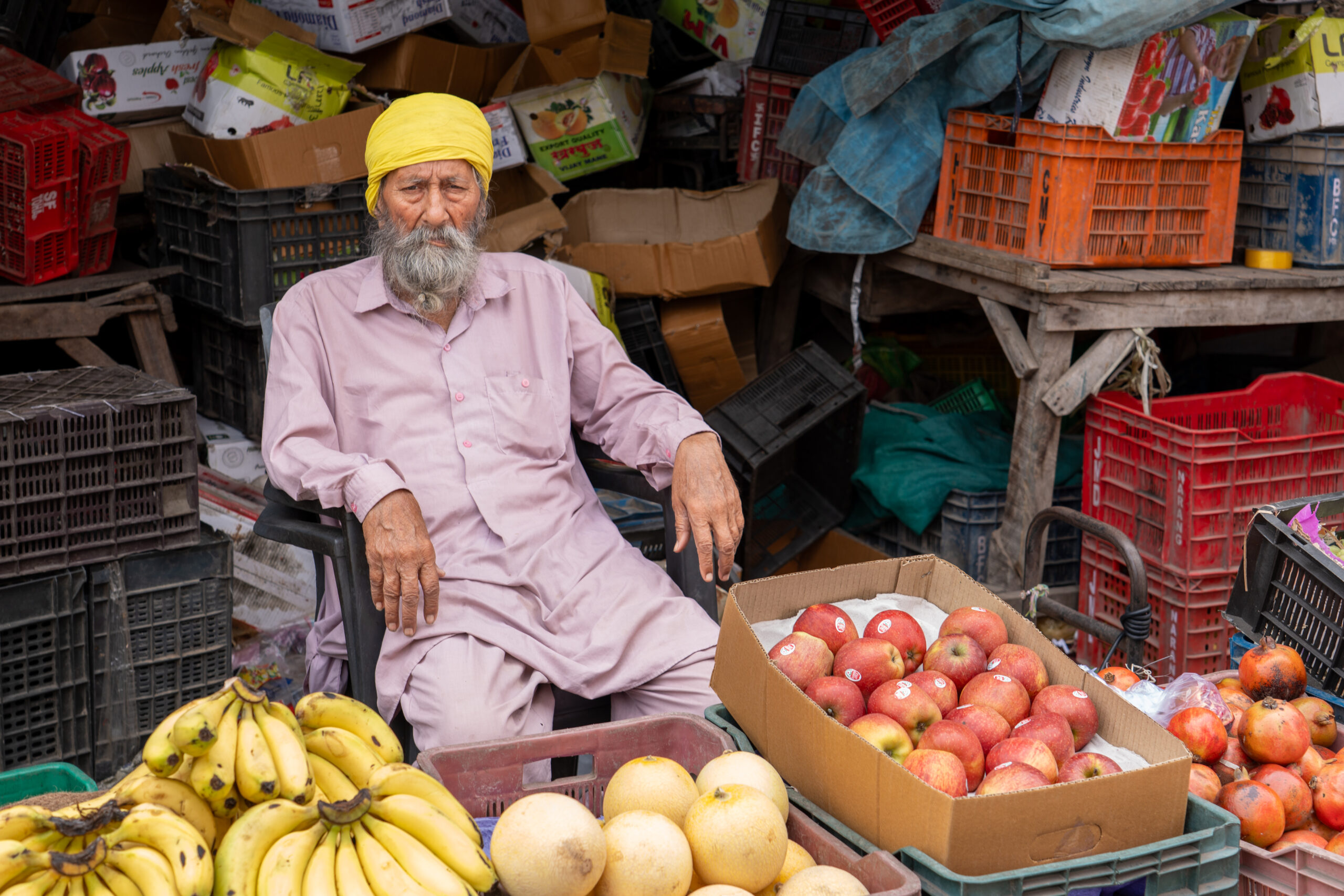
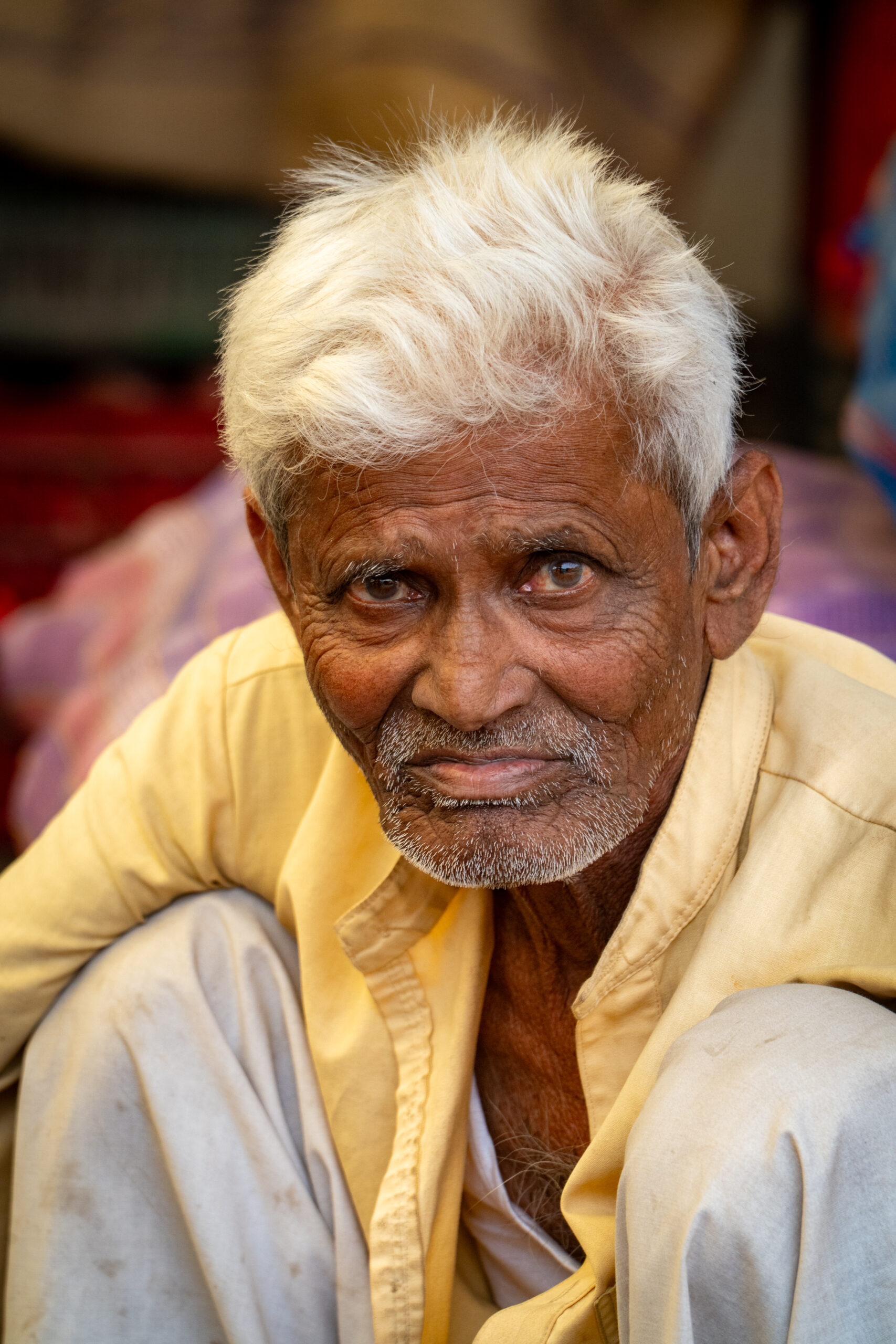
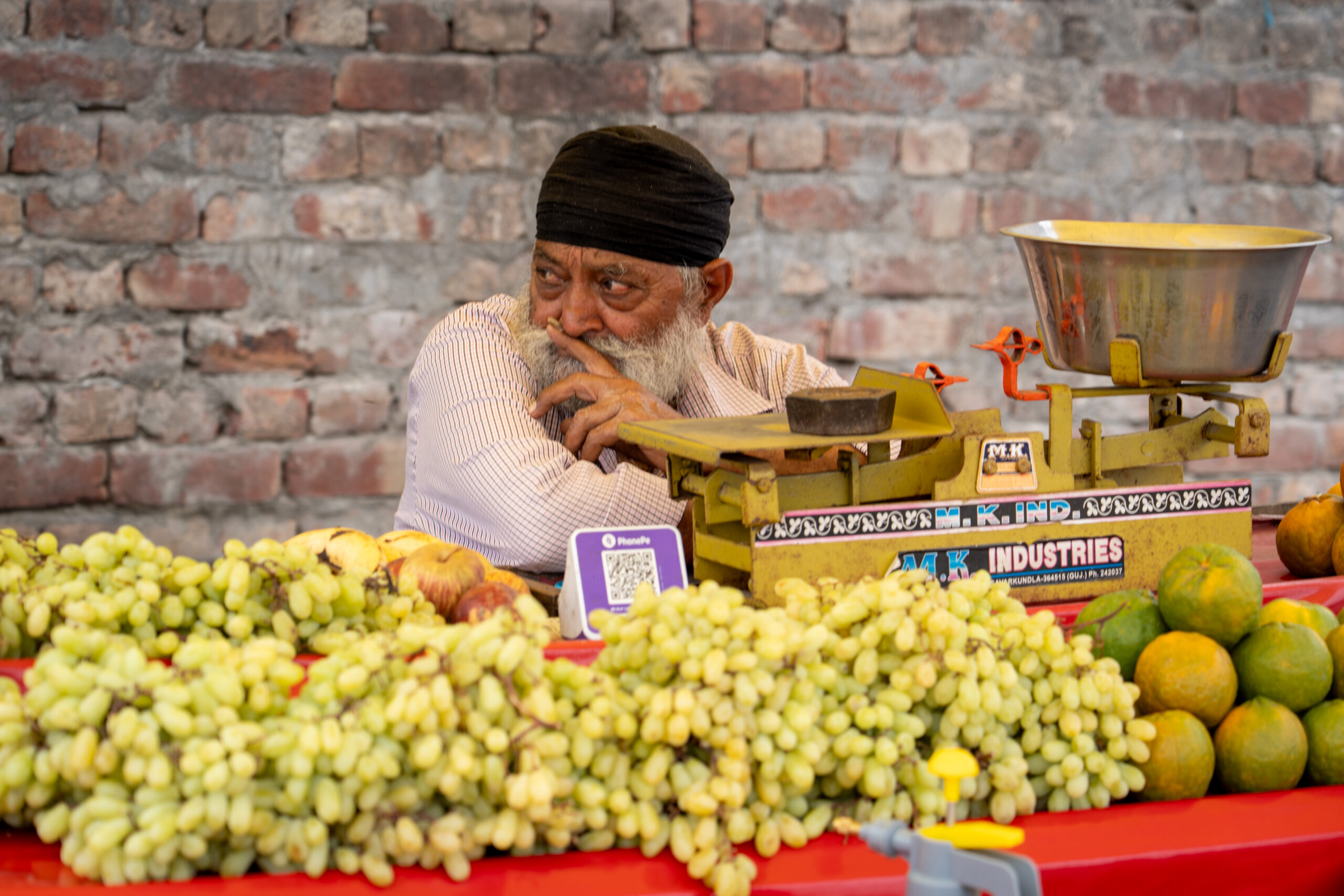
After an extended break, when I thought it was safe to go, I strolled at ease through the bazar and enjoyed many friendly encounters with the locals.

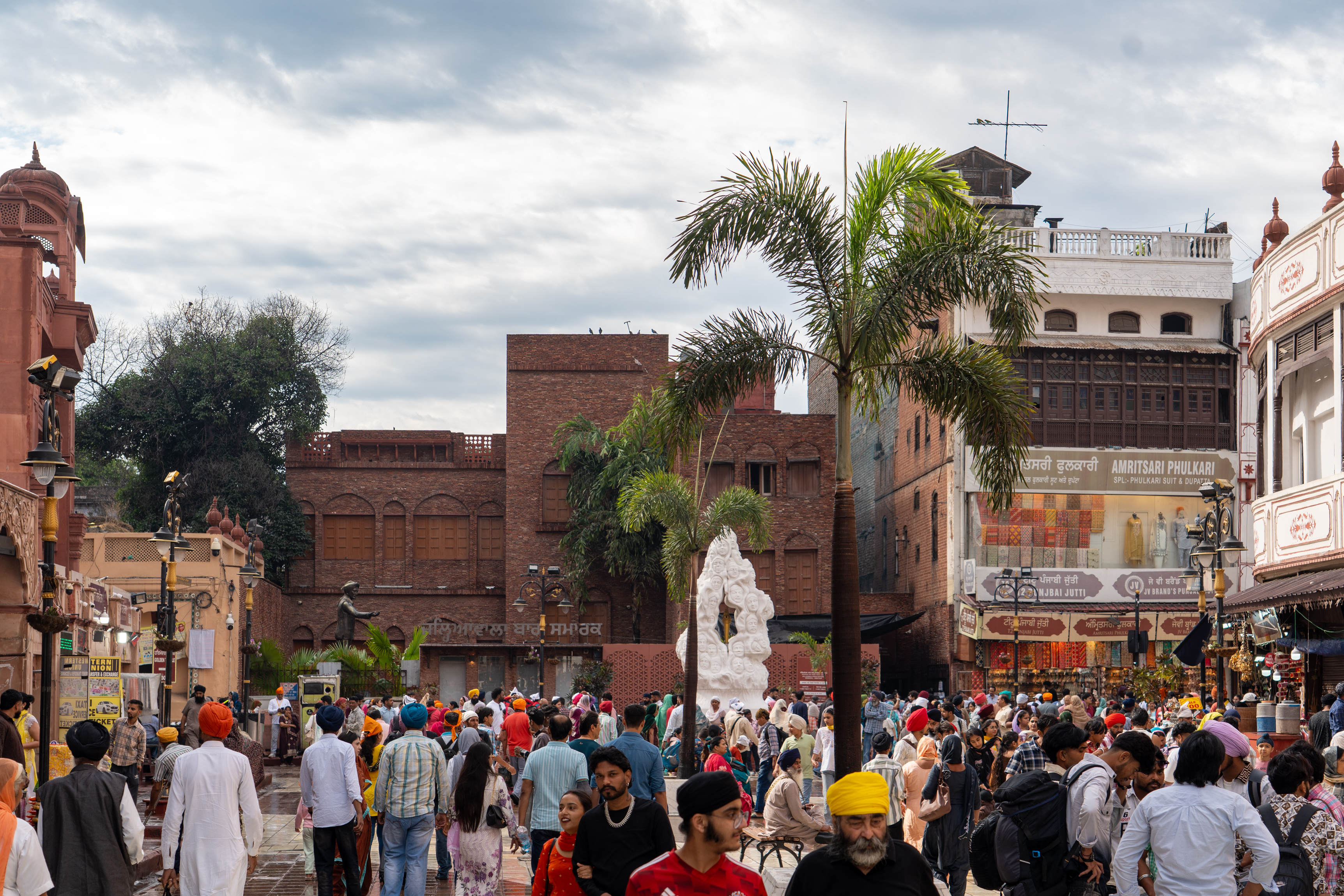
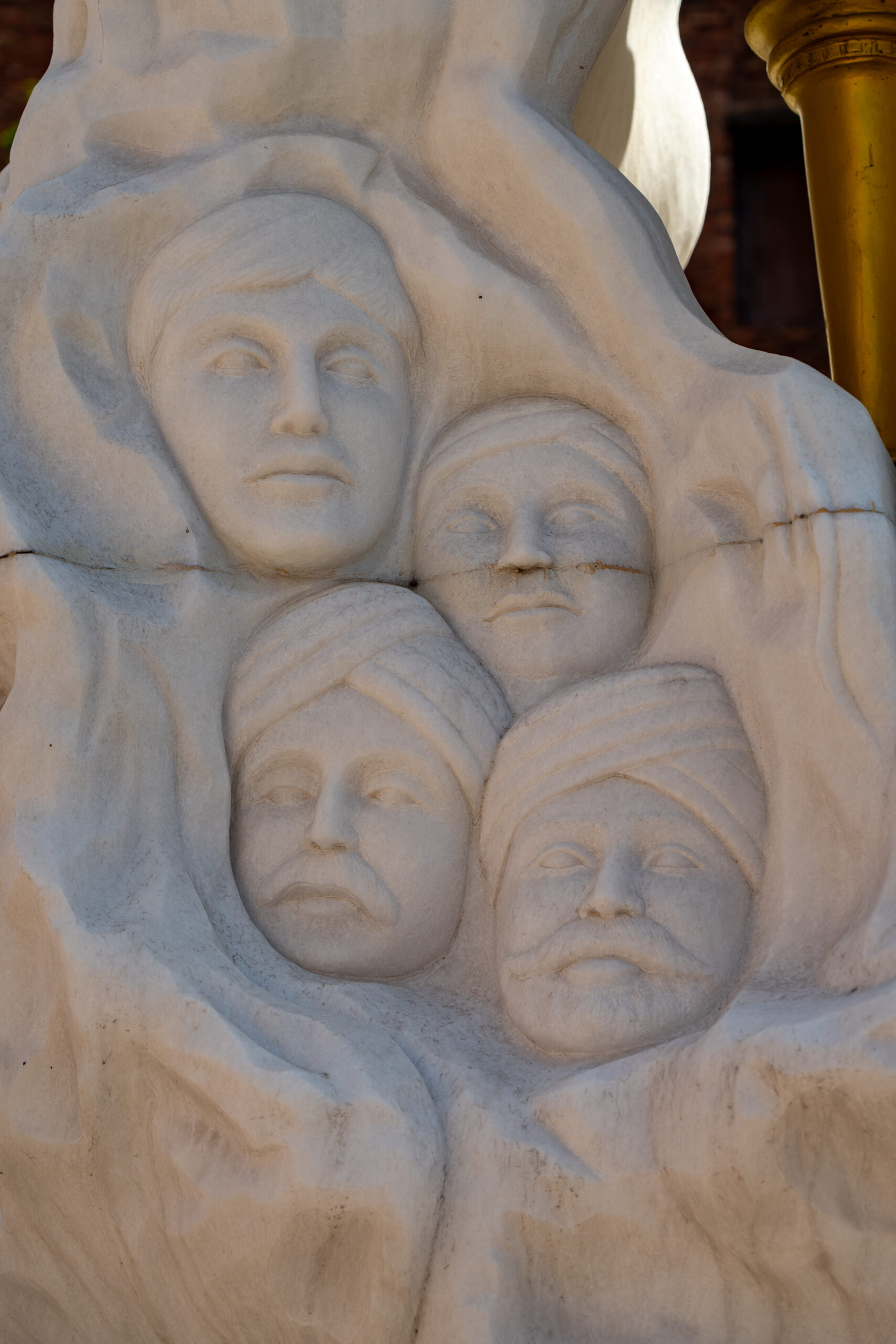
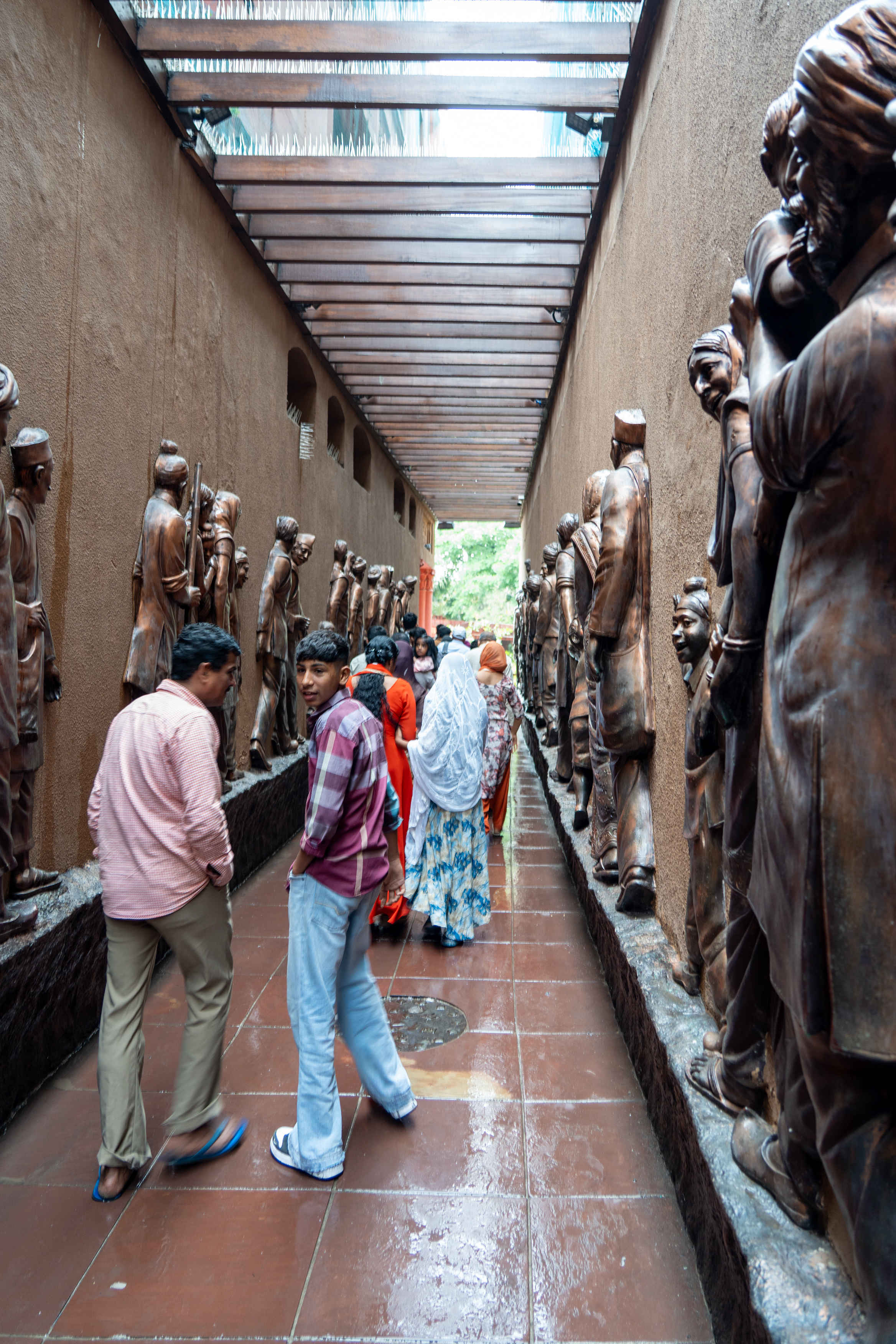
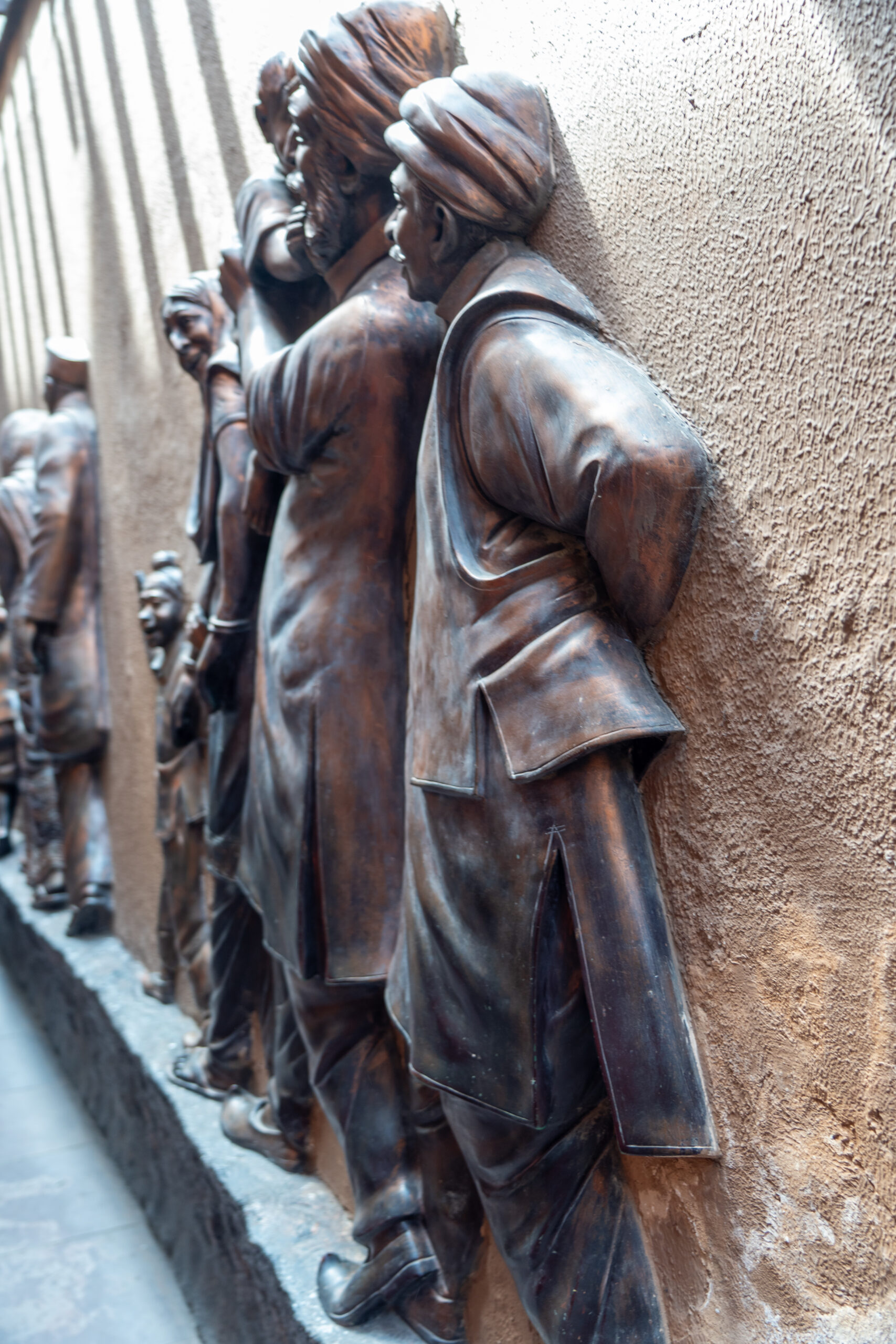
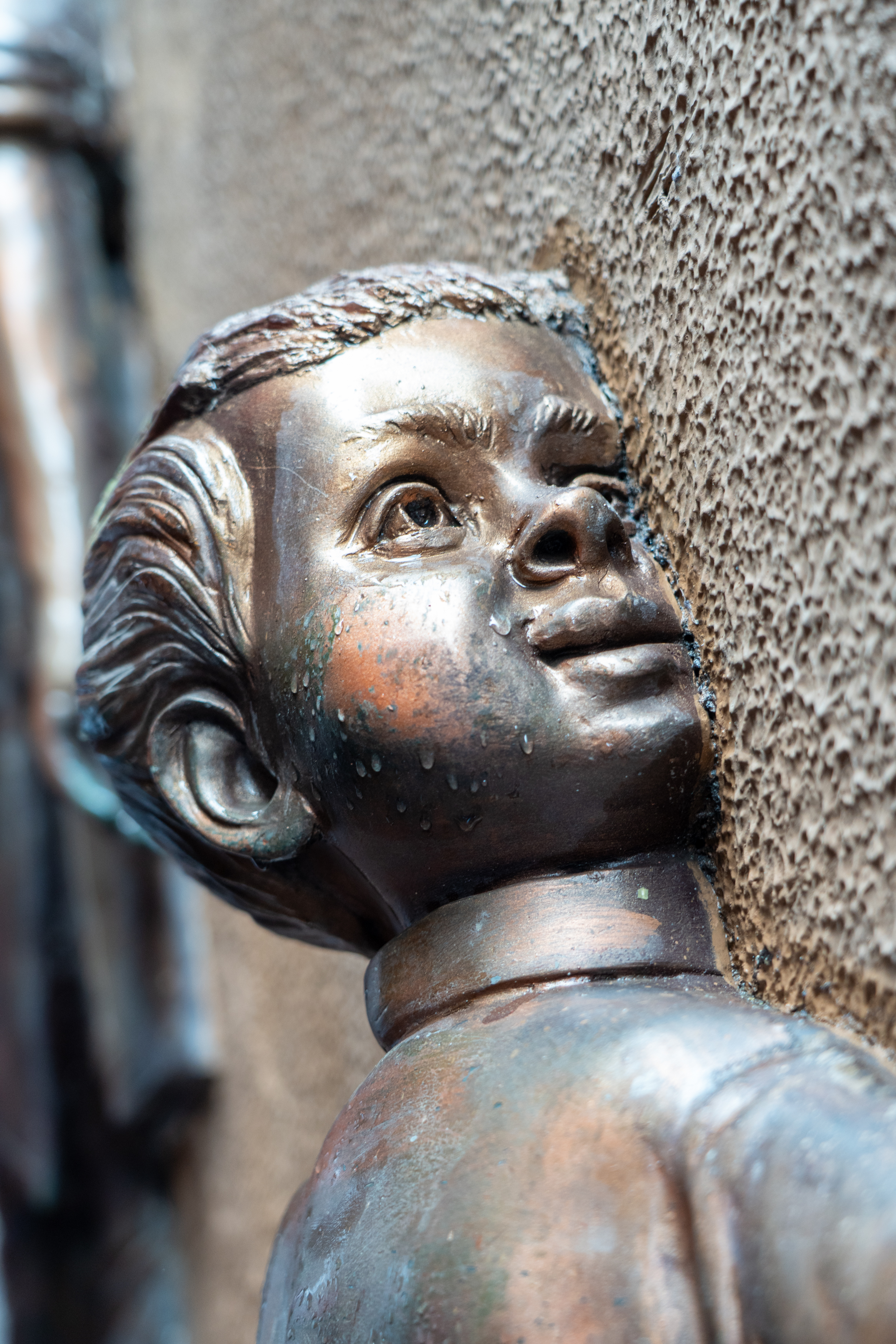
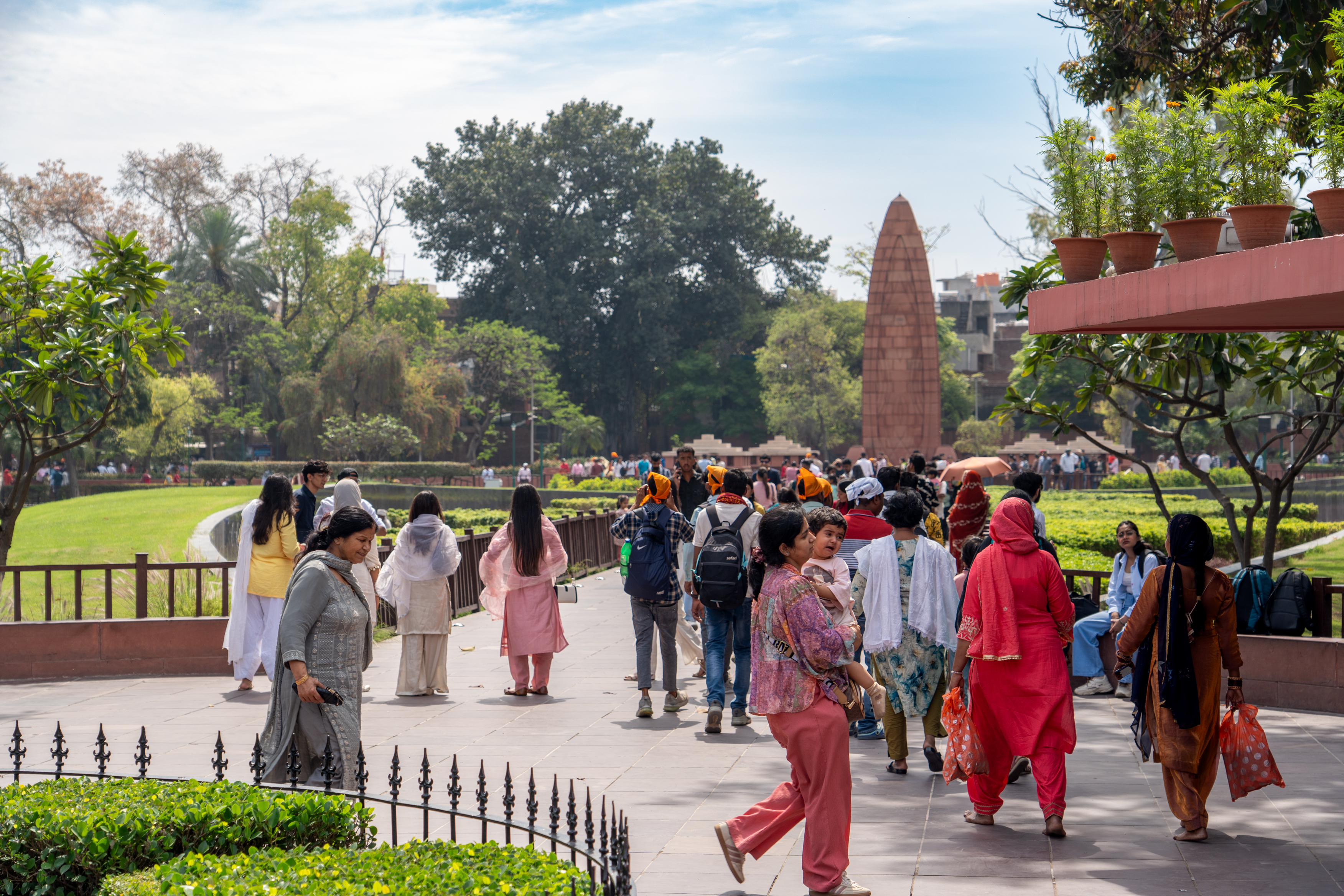
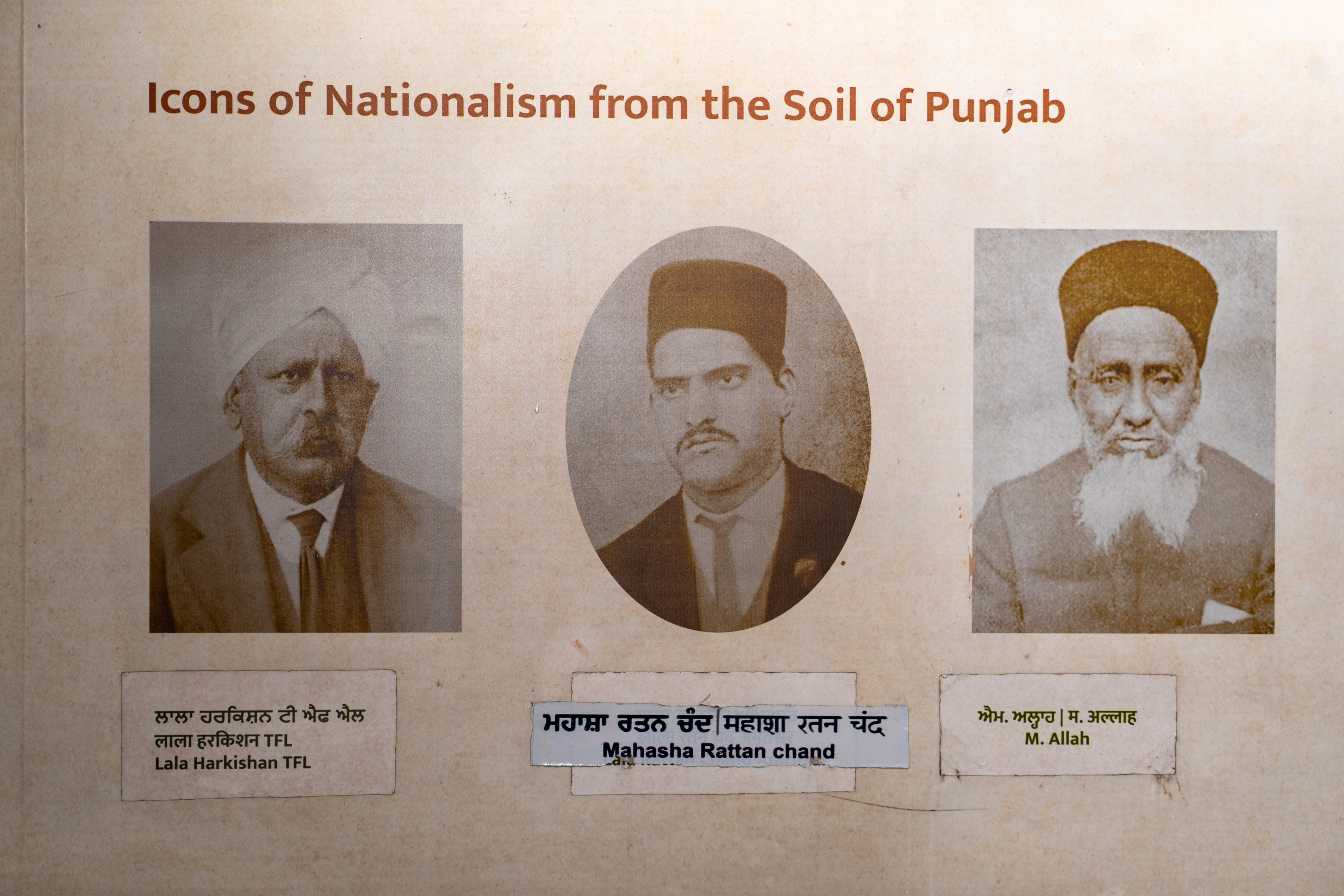
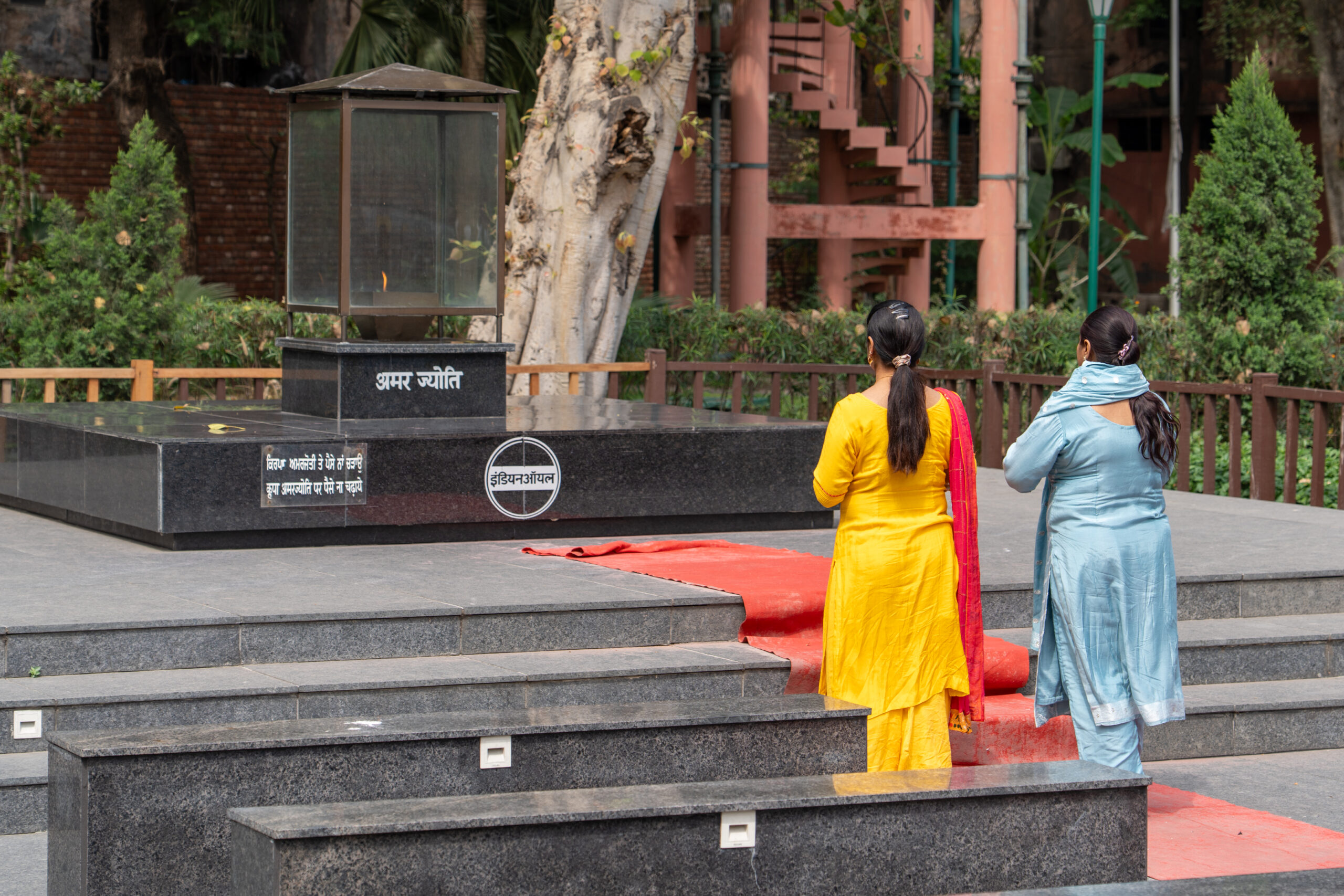
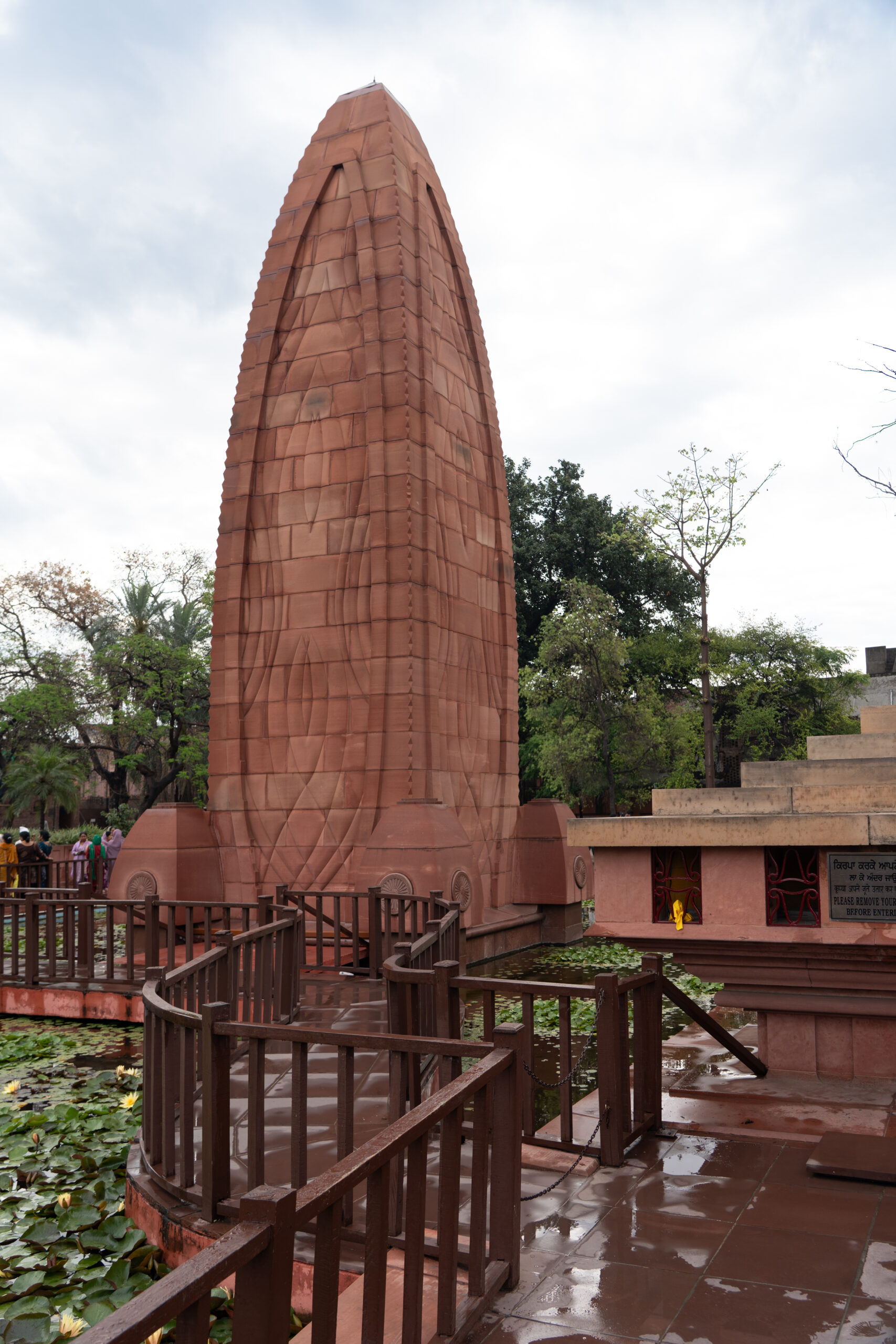
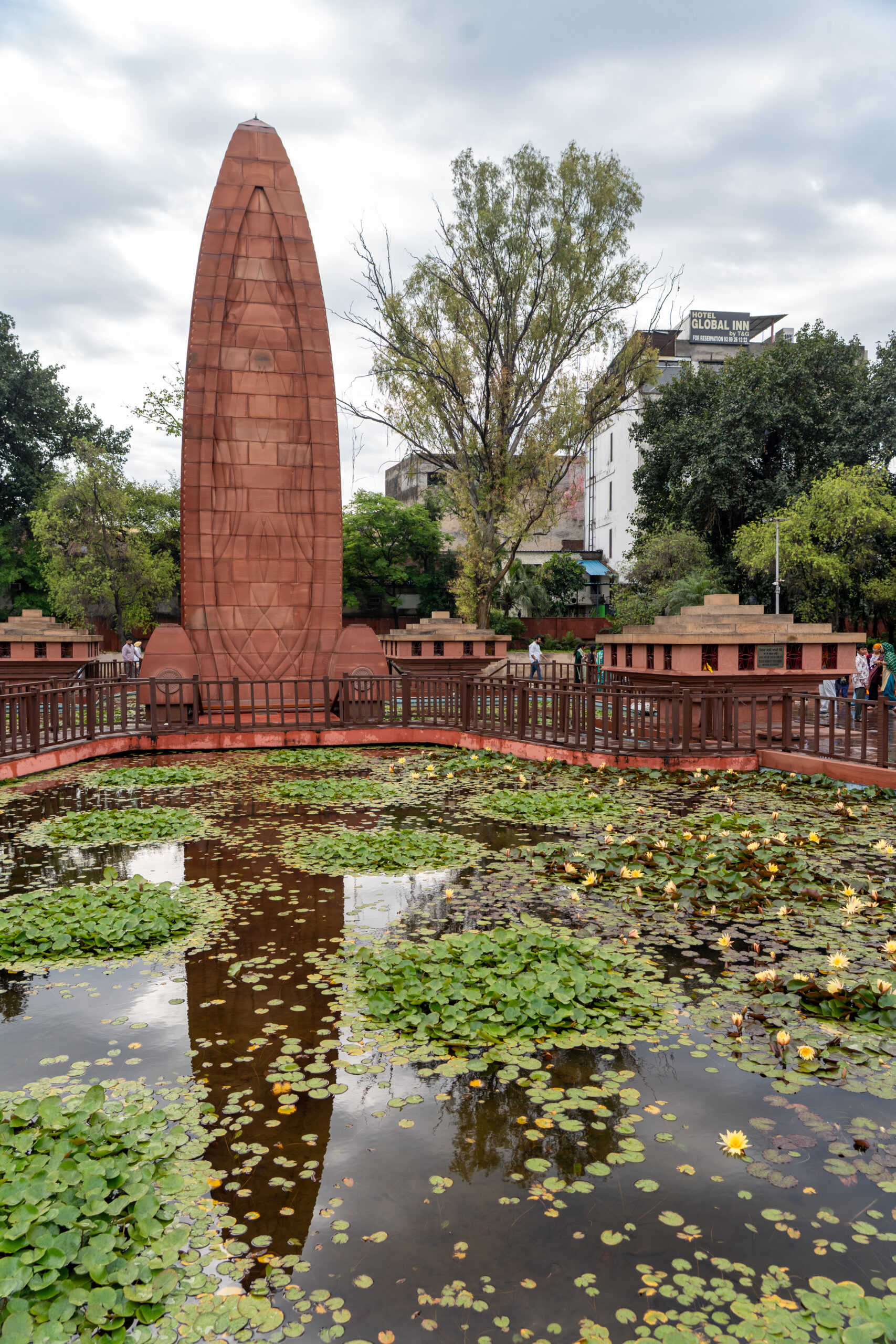
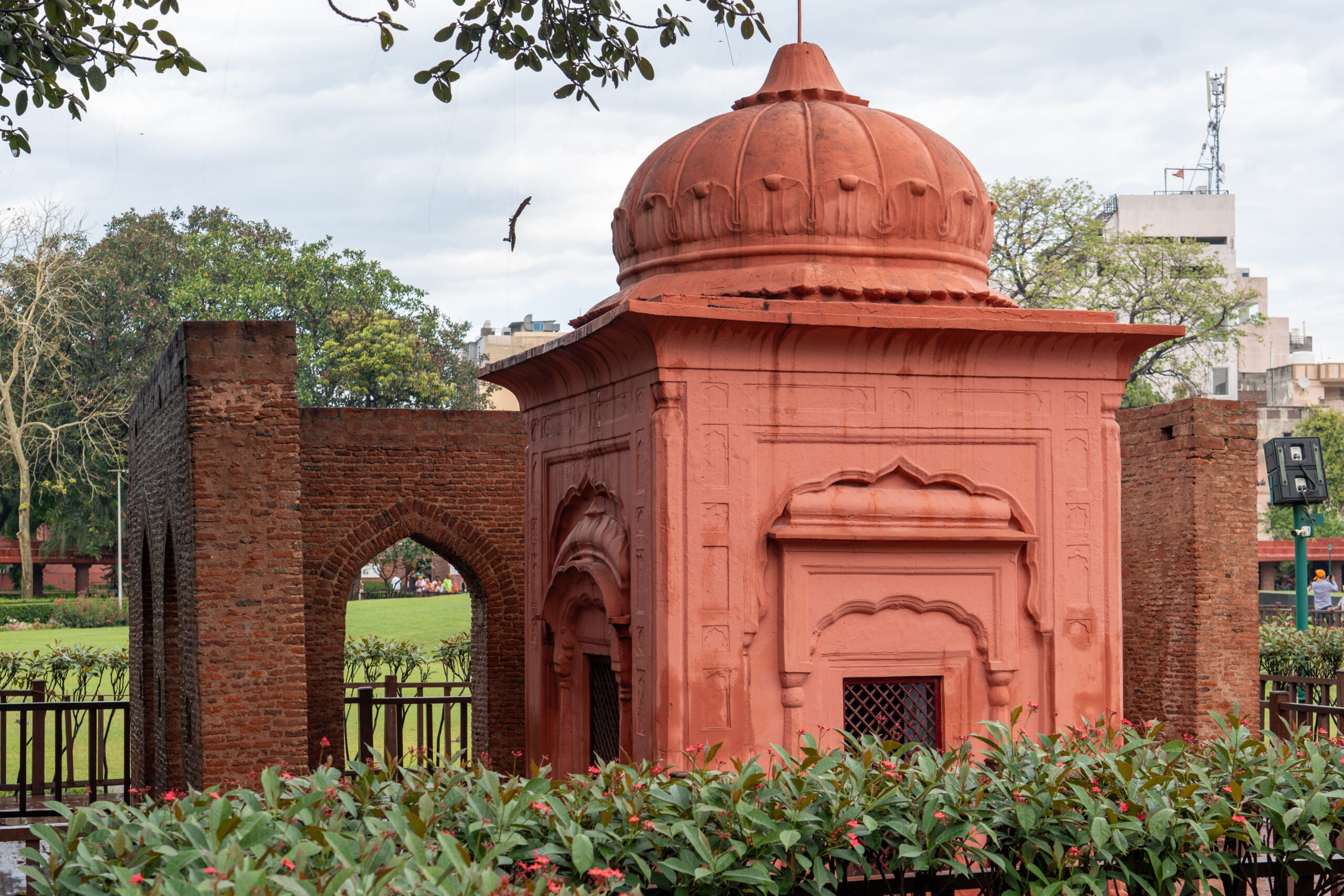
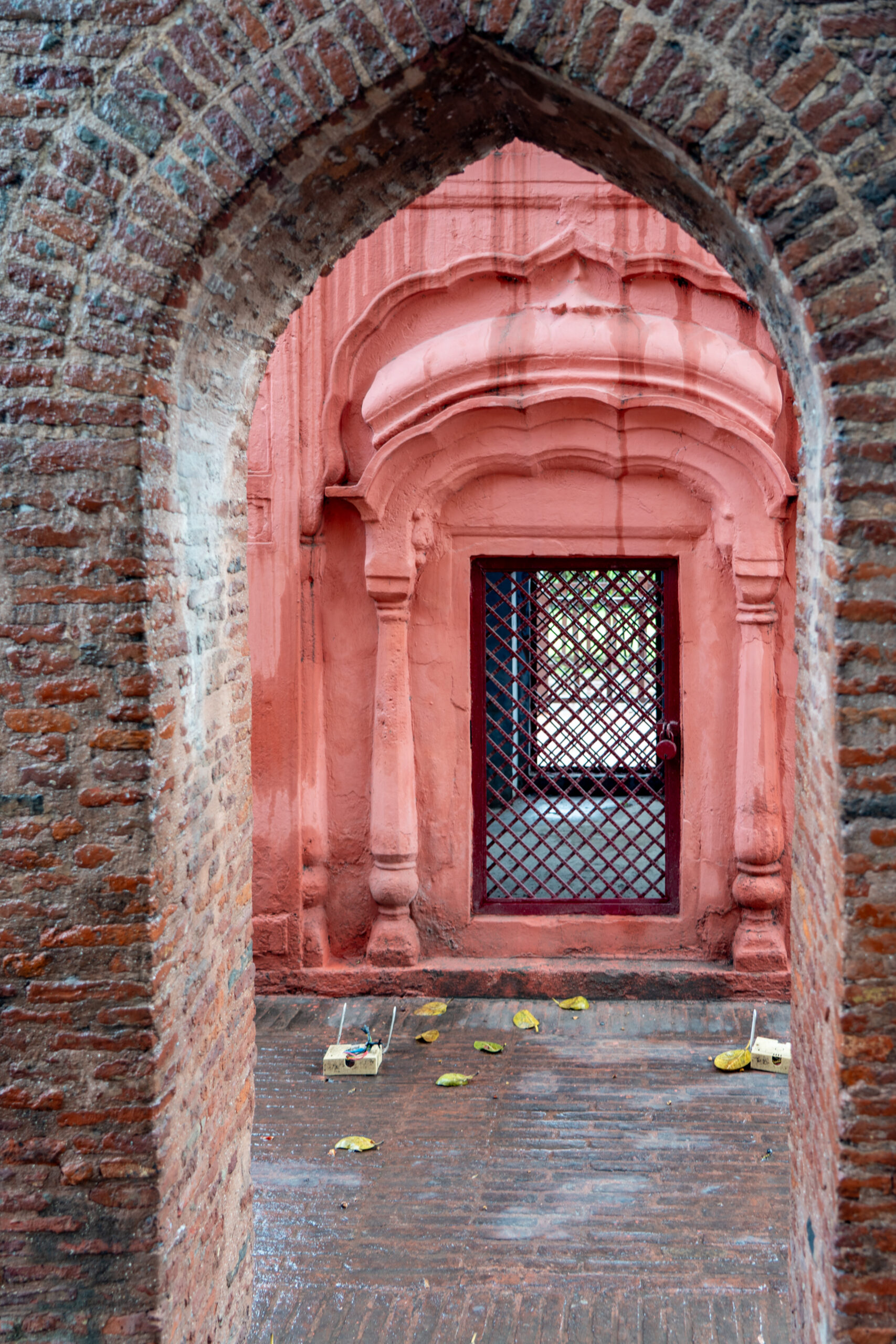
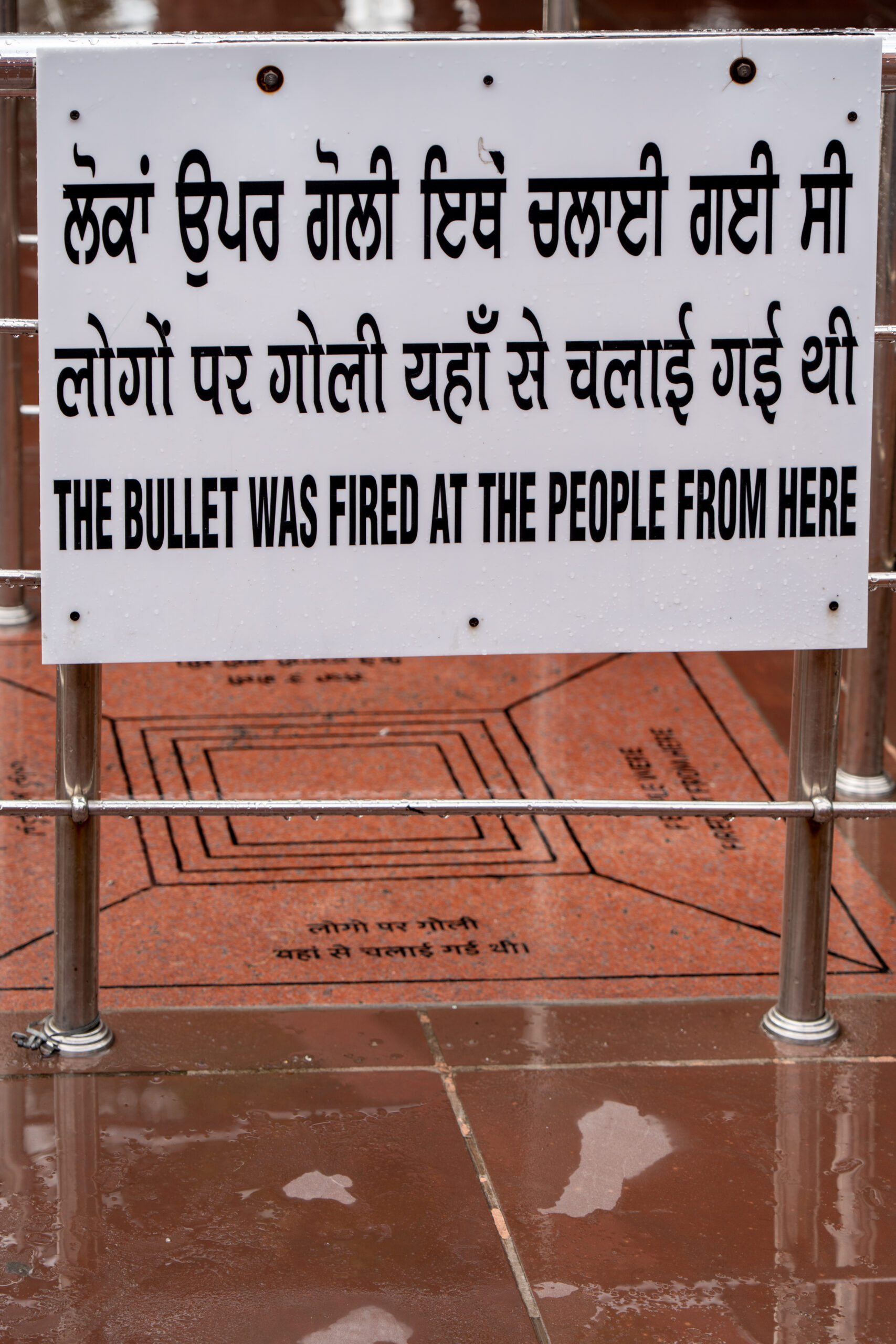
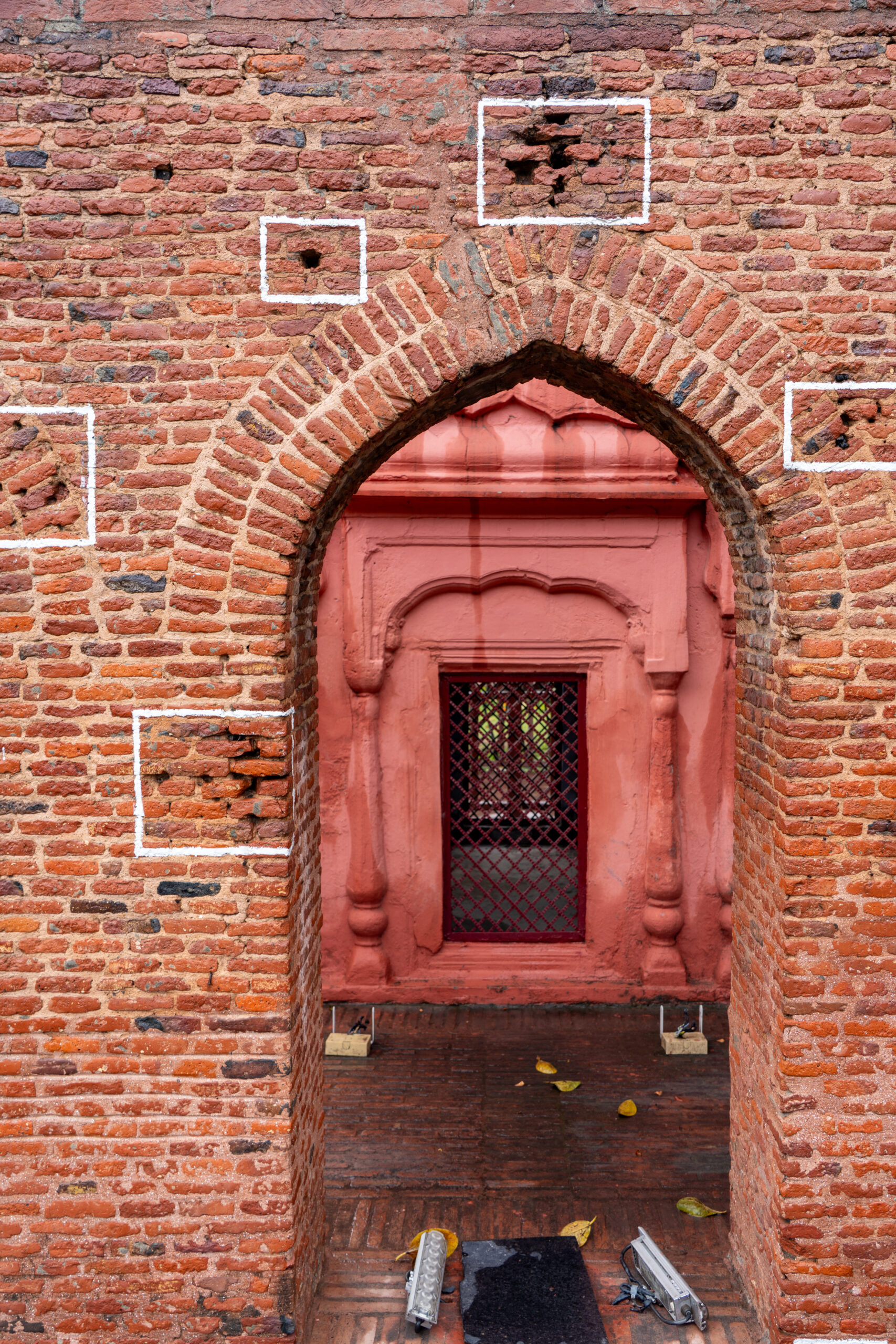
Next stop was Jallianwala Bagh, the site of one of the most tragic incidents in India’s colonial history. On April 13, 1919, during the Jallianwala Bagh massacre, British troops under General Reginald Dyer opened fire on a large, unarmed gathering of civilians who had assembled peacefully. With the exits blocked, hundreds were killed and many more injured in a matter of minutes.

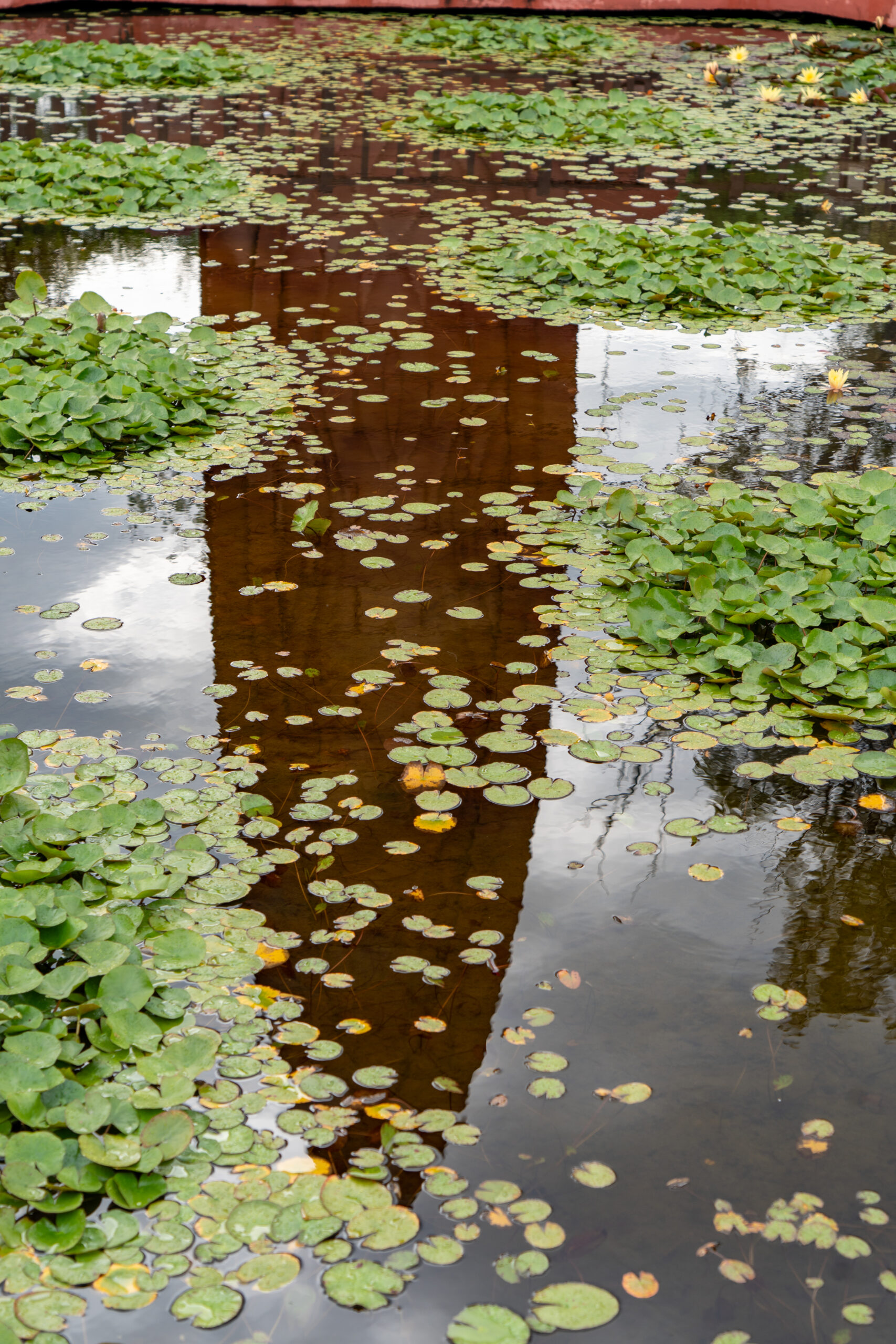
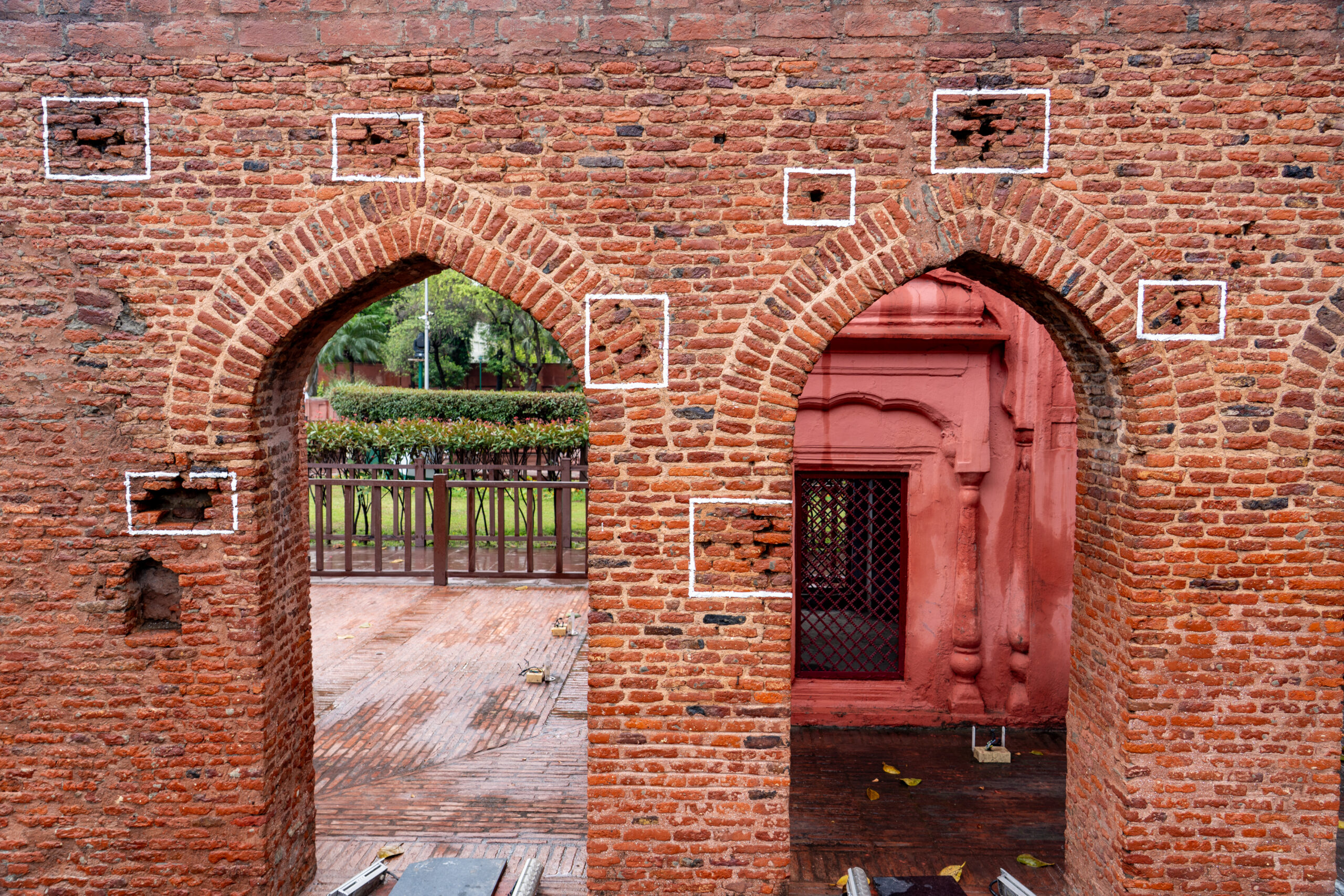
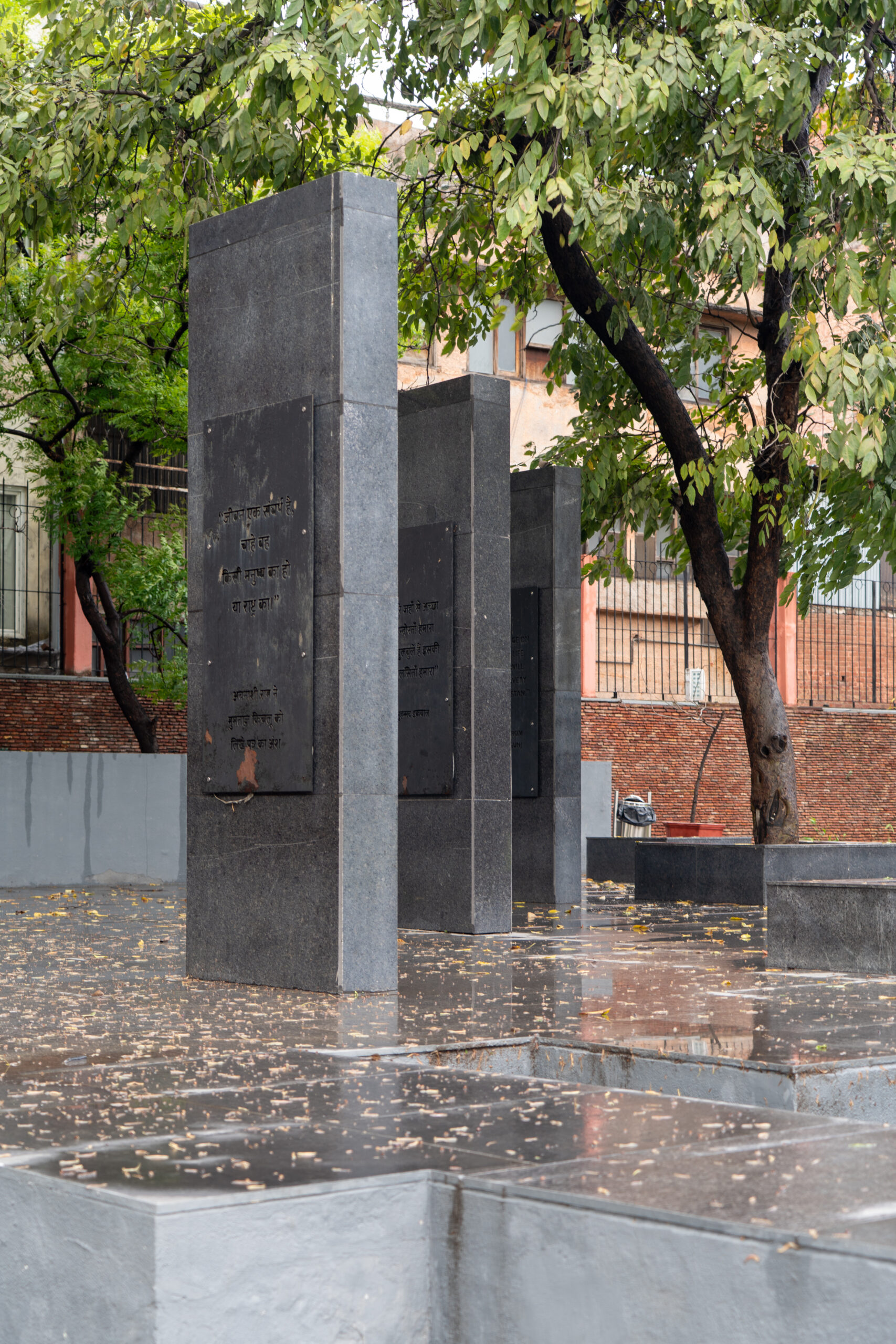
Today, the garden stands as a memorial, preserving bullet marks on its walls and the Martyrs’ Well, where people jumped to escape the gunfire—serving as a powerful reminder of the brutality of colonial rule and the sacrifices made during India’s struggle for independence.

Not according to plan, I did not have the opportunity to watch the garden completely as my belly started to play up again. I wanted to return to my hotel but had to make a stop at a fancy restaurant for a drink and… oh well.

Back at the hotel I slept for a couple of hours and relaxed. Late afternoon I felt like it was over but by now I felt weak because all the fluids I lost. Time to open a package of O.R.S.

Delhi belly, an uninvited guest but somehow it seems unavoidable in India. No panic, no drama, the only thing I could do was stay at my room and wait till the inconvenience was over. And so, I did…

Sometimes Delhi belly can be a true nuisance and take quite long to recover from, but in my case, I felt much better after a long deep sleep. Outside It was raining though, a good excuse to take things easy.

When the rain stopped, I returned to Jallianwala Bagh to finish my visit that was so rudely aborted yesterday. There were not so many people around yet and I loved the more or less tranquil atmosphere, knowing the place was the location of one of the worst massacres in British Indian History.

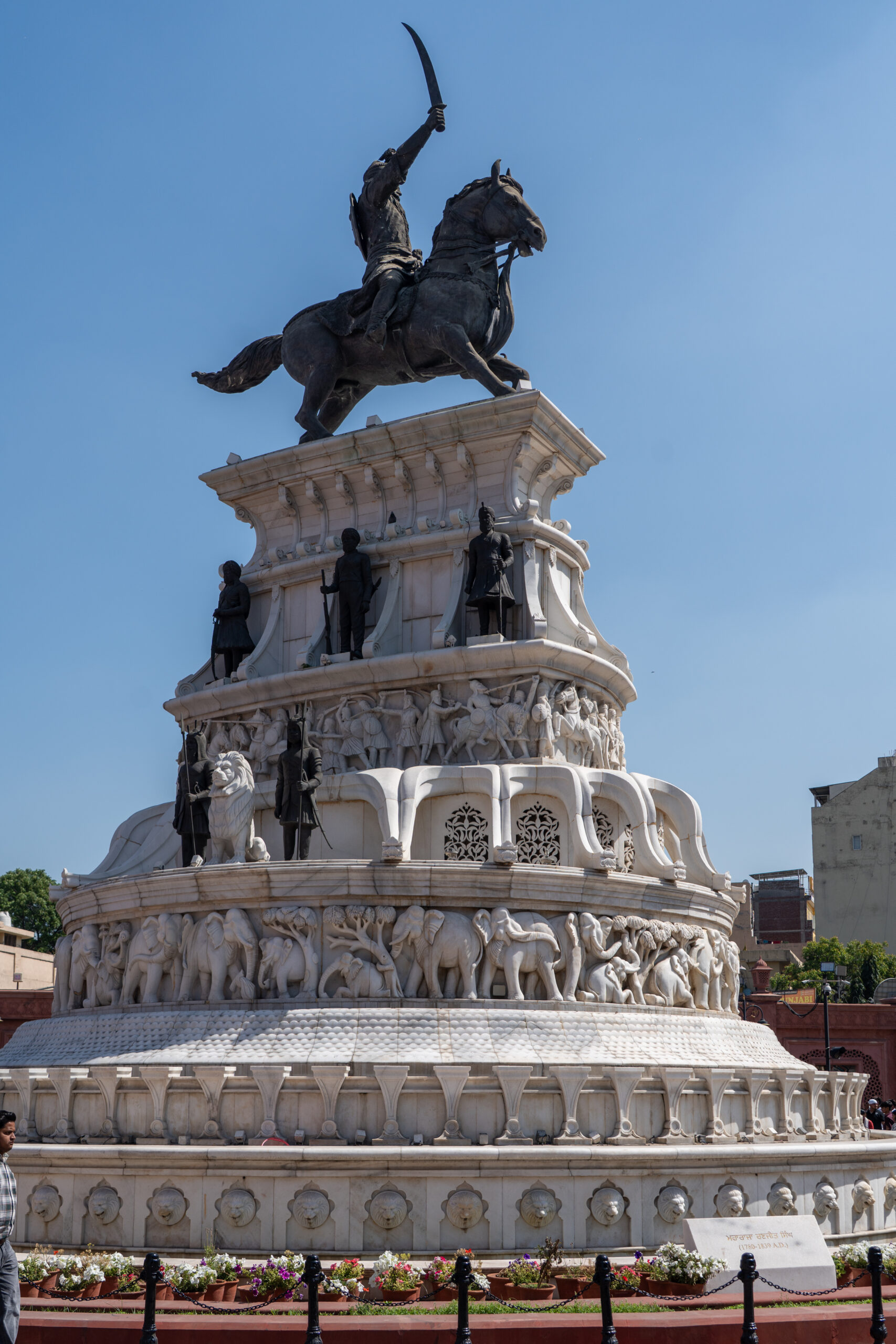
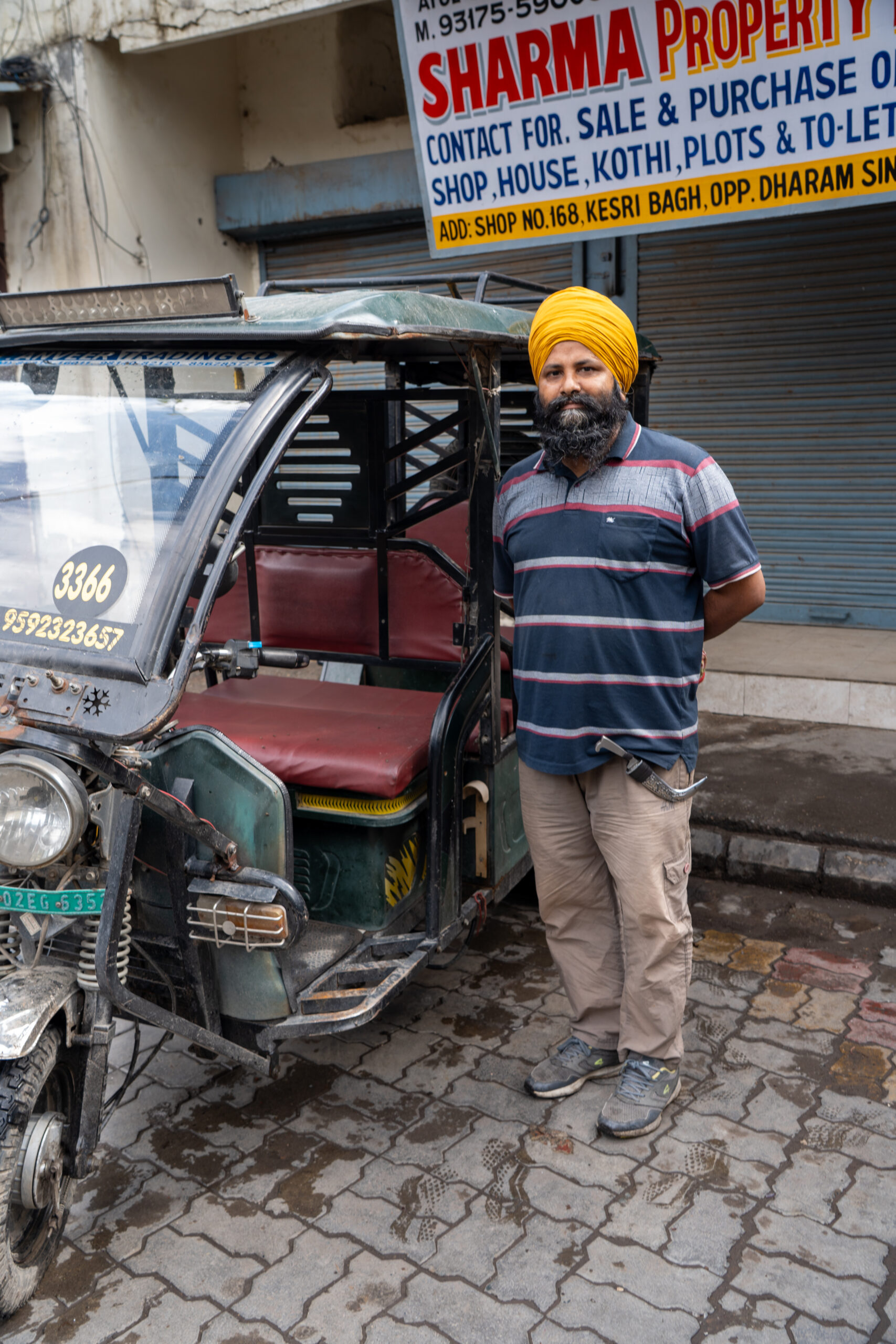
As there are plenty of tuk tuk drivers available it did not take me long before I found one (actually he found me) for a ride to two places I wanted to see which were located slightly outside the old city center.

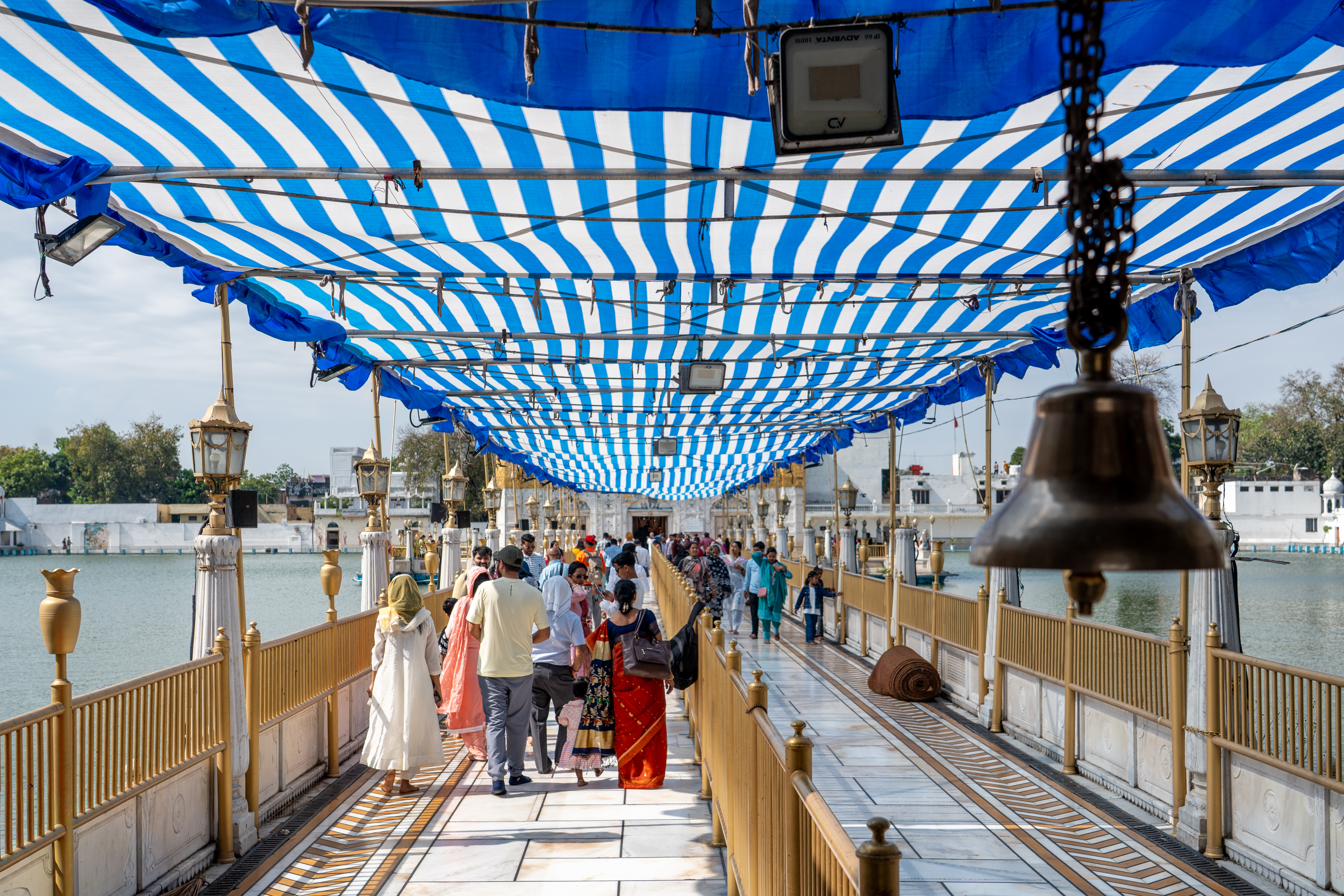
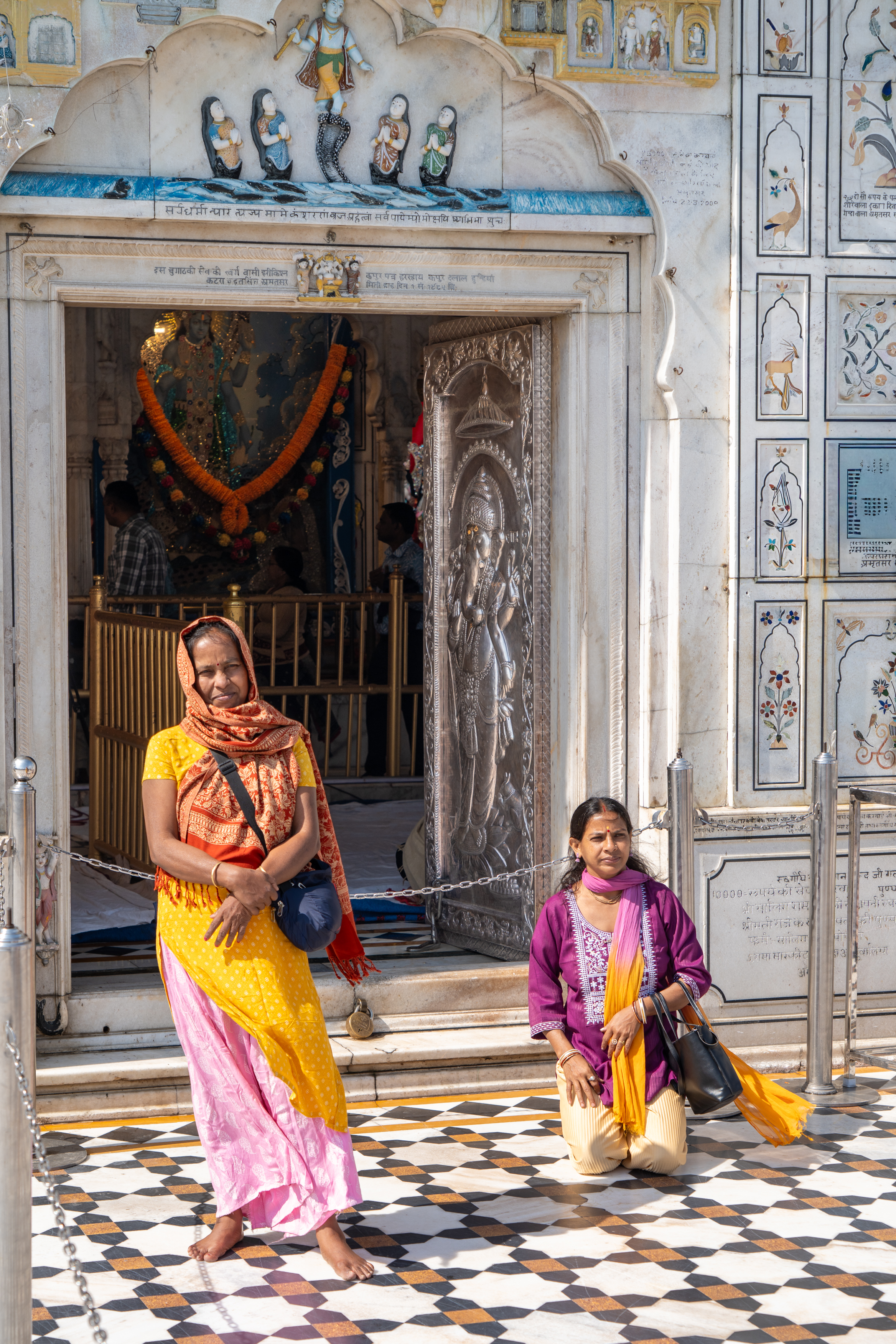
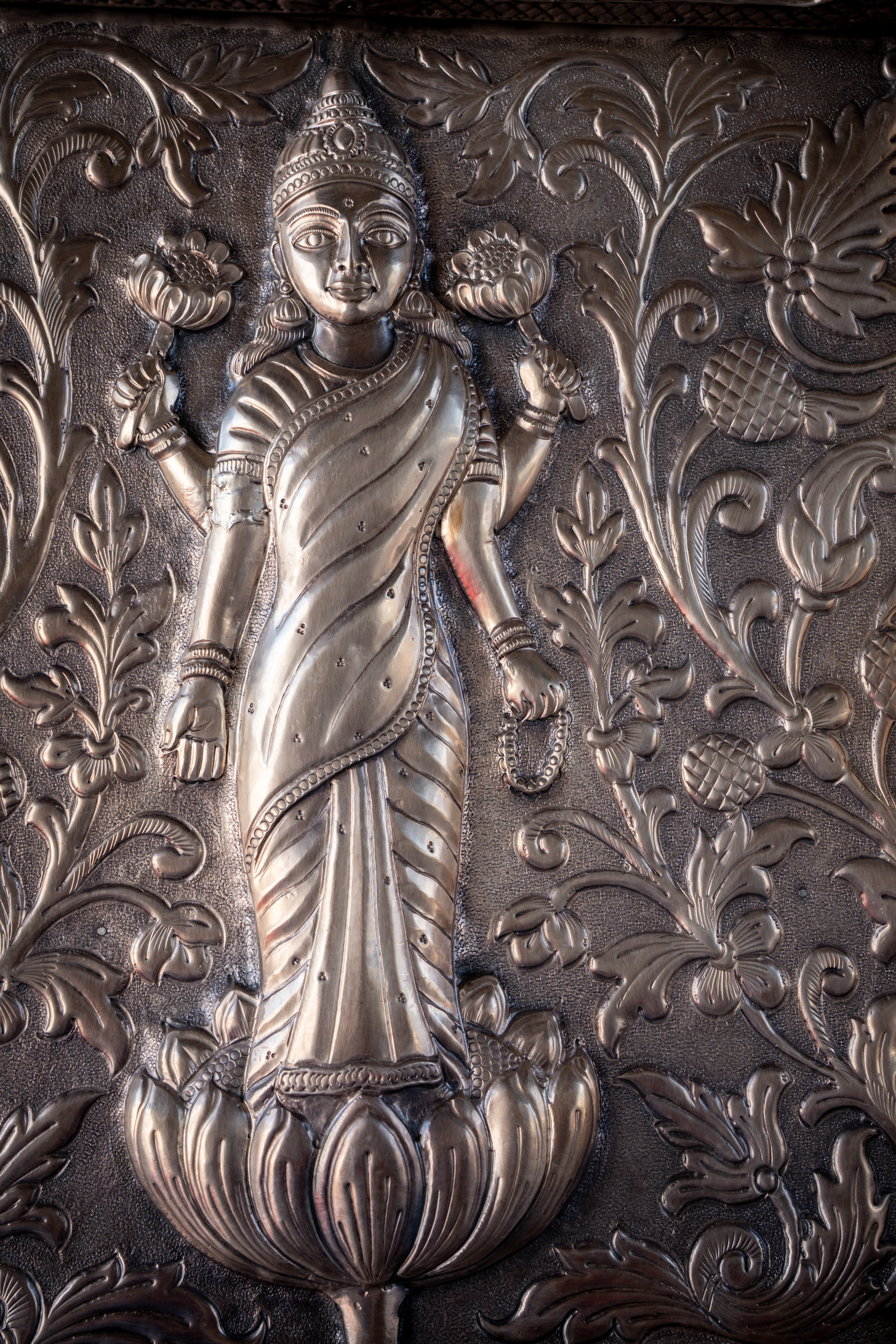
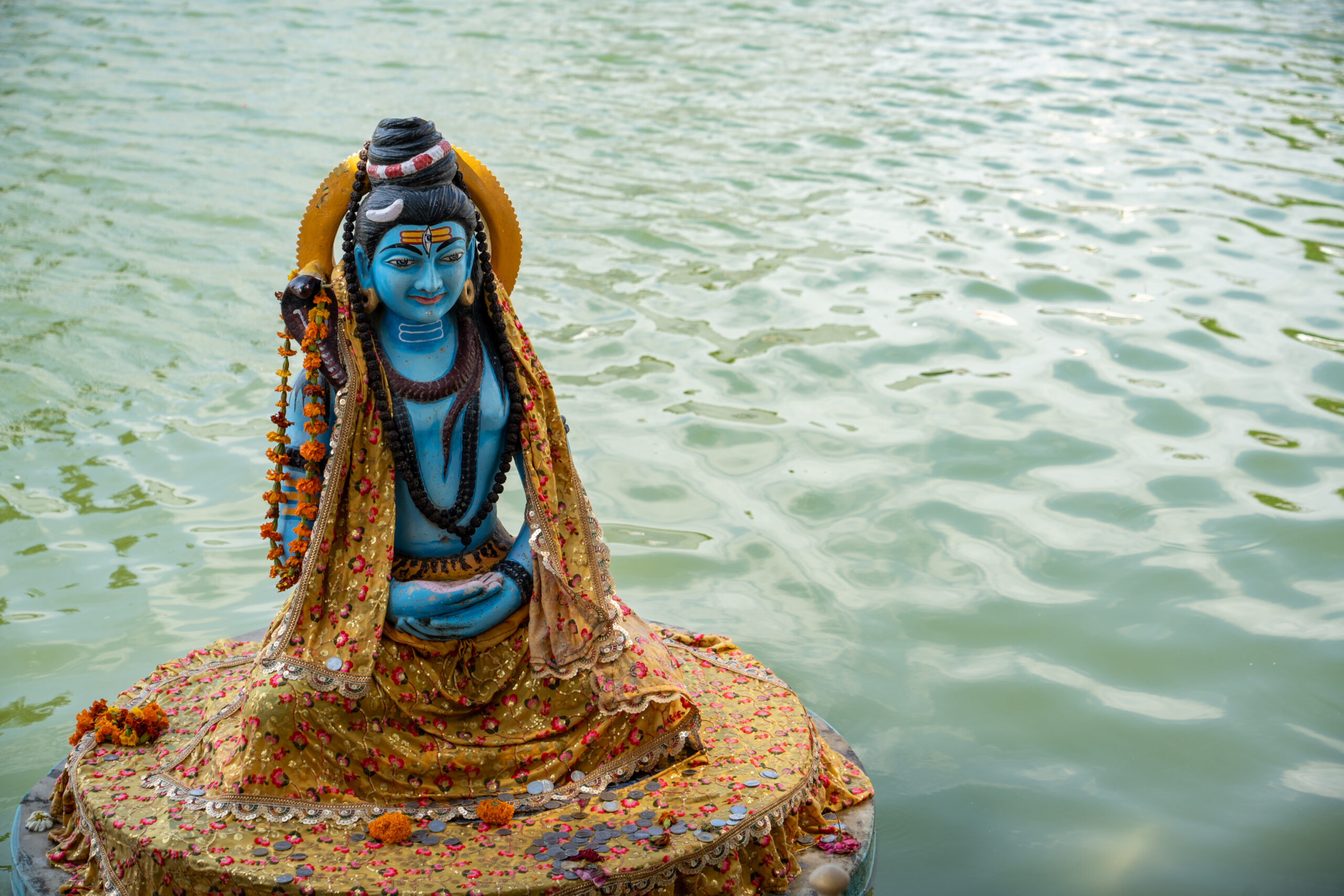
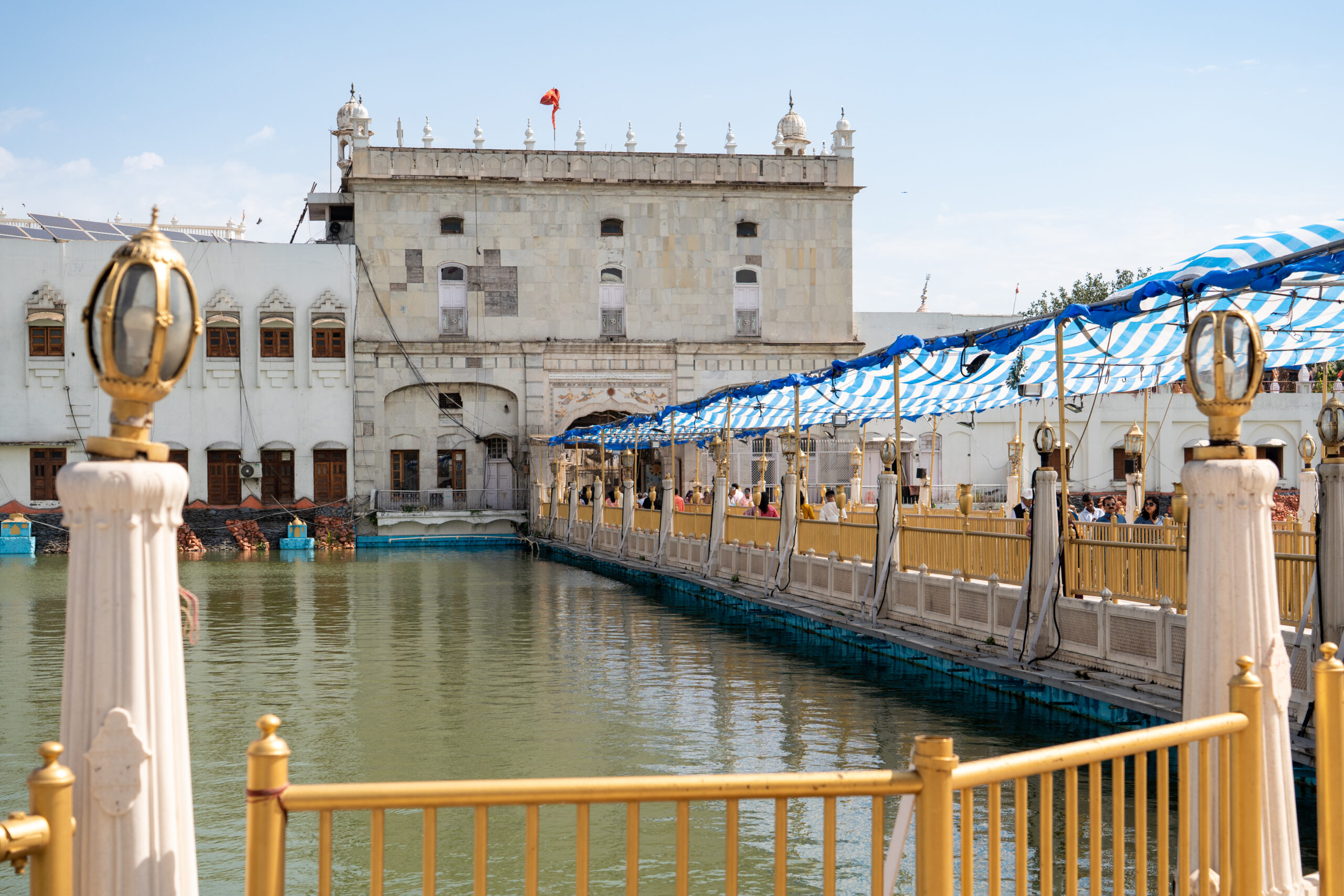
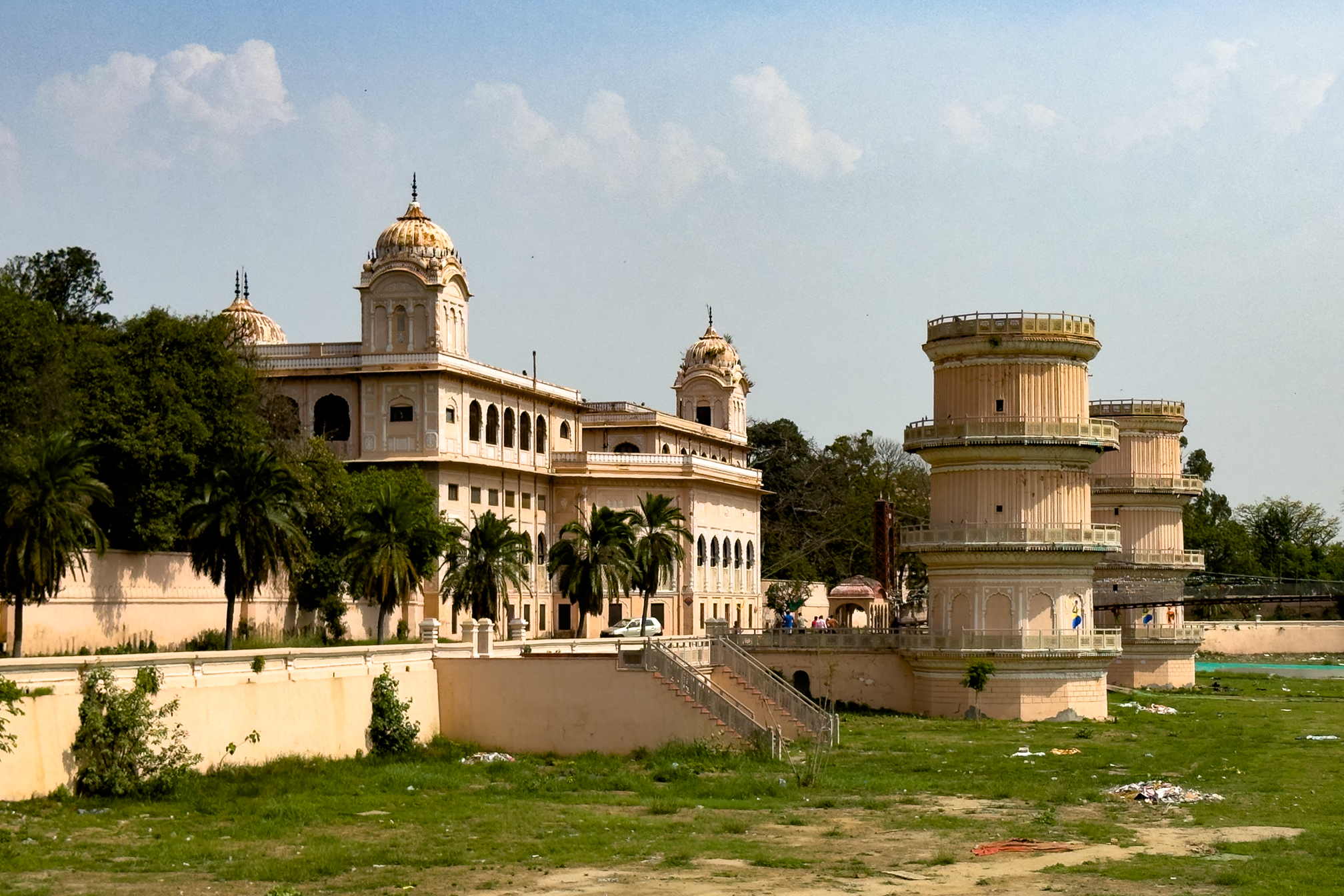
The first stop was Shri Durgiana Temple, also known as Durgiana Tirath, a prominent Hindu temple dedicated mainly to Goddess Durga, along with shrines to Lakshmi and Vishnu. Built in the early 20th century, it closely resembles the Golden Temple in architecture, as it stands in the middle of a sacred water tank (sarovar) and is connected by a bridge, with a beautiful gold-plated dome. It was a beautiful place and so quieter than the golden temple.

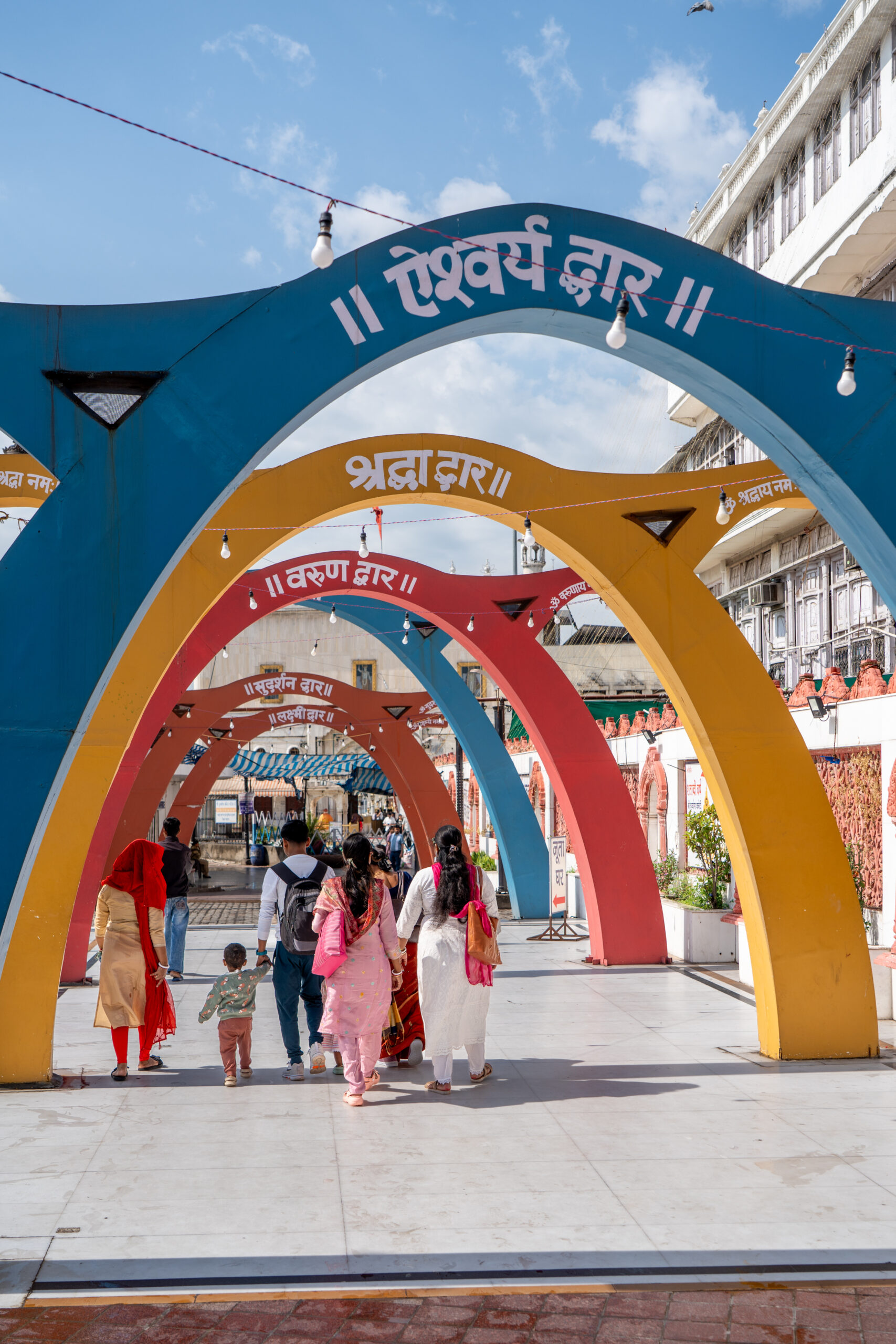
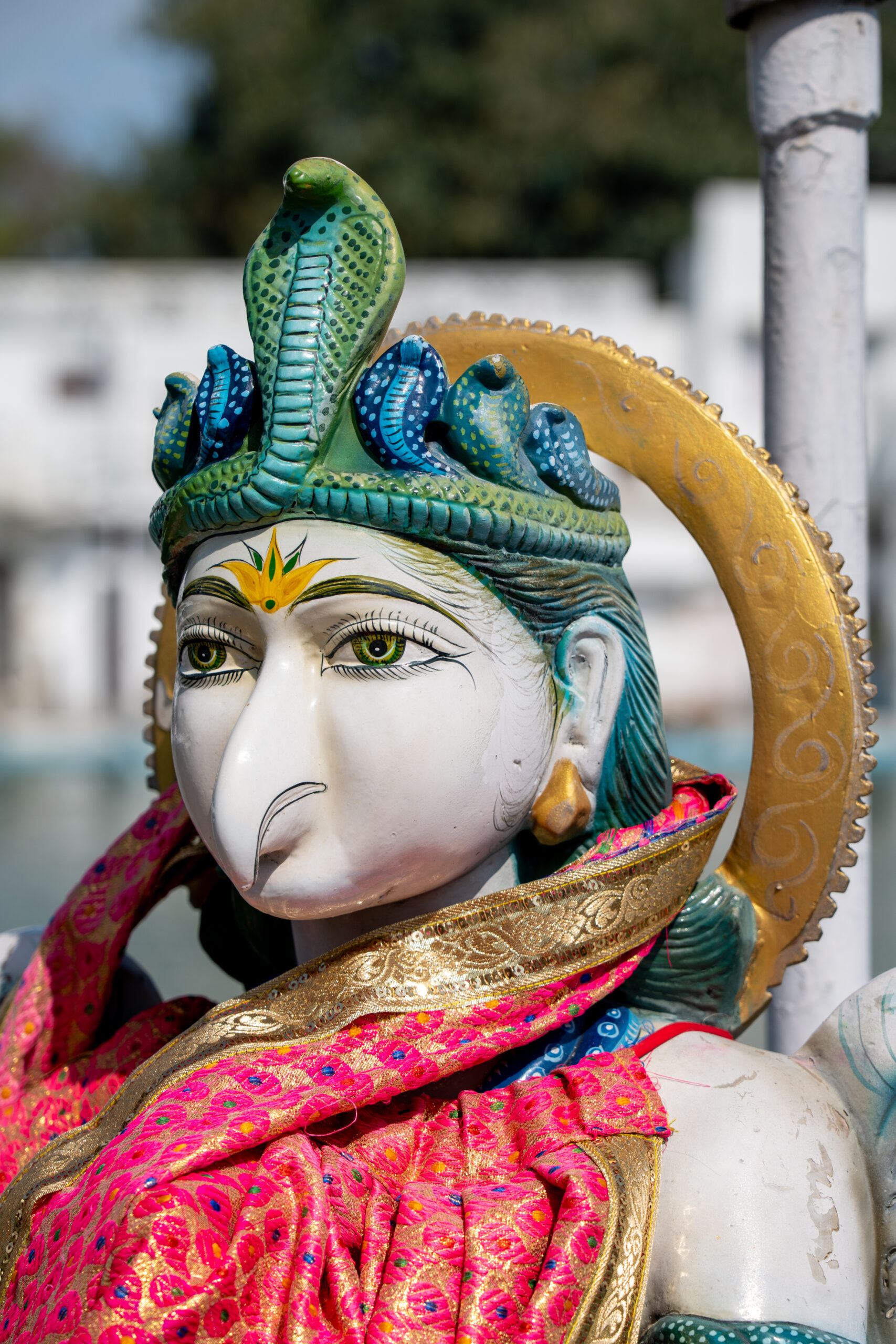
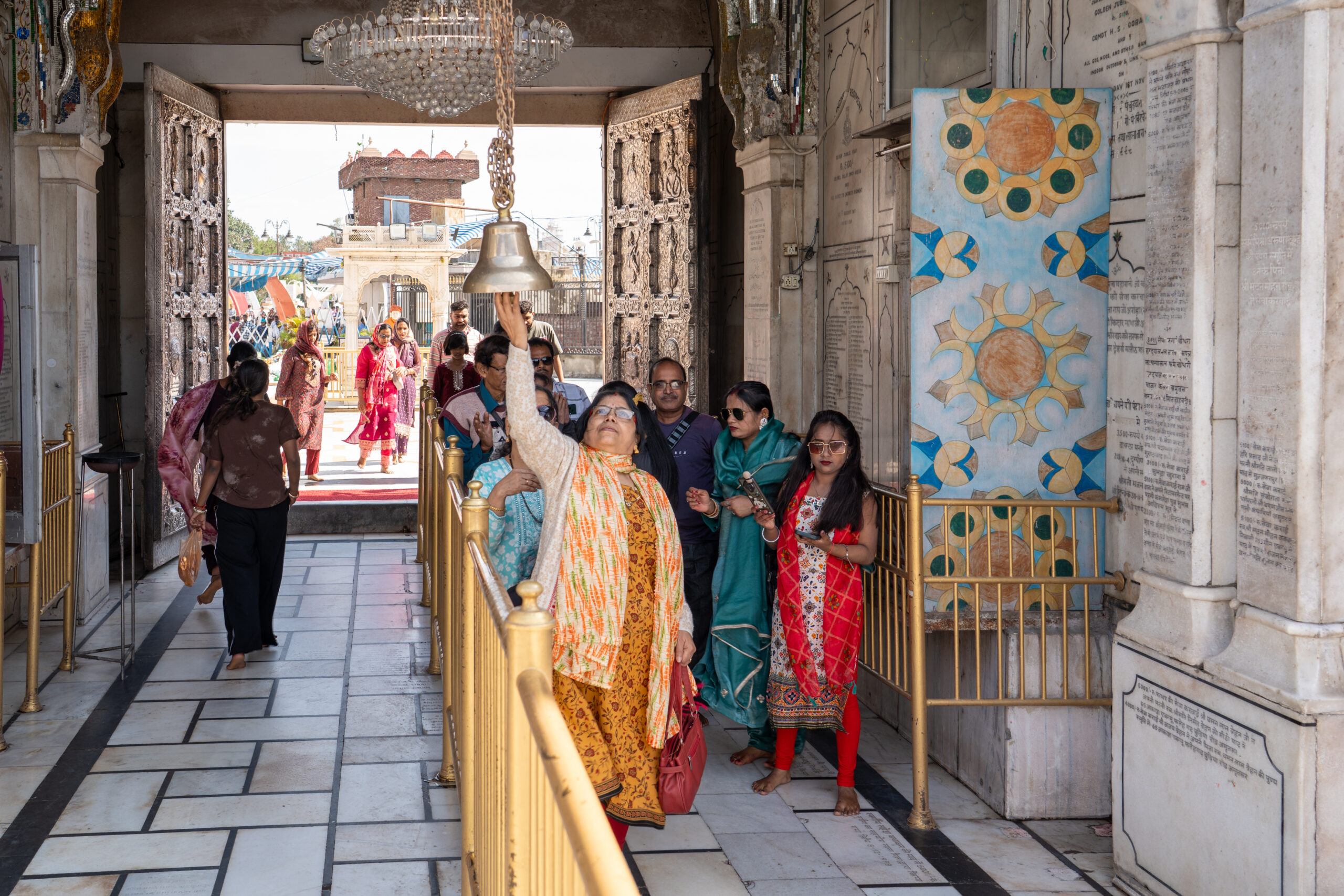
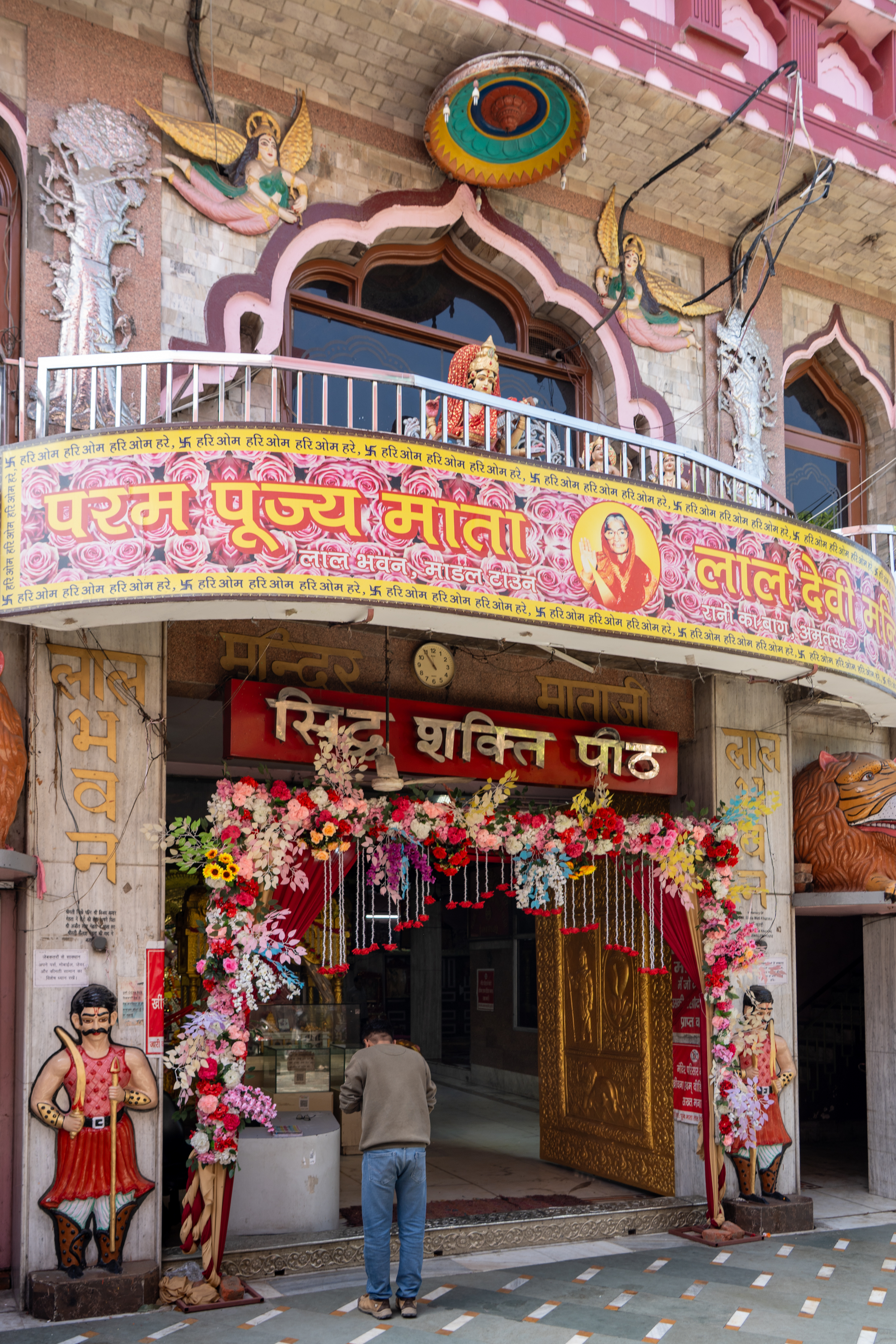
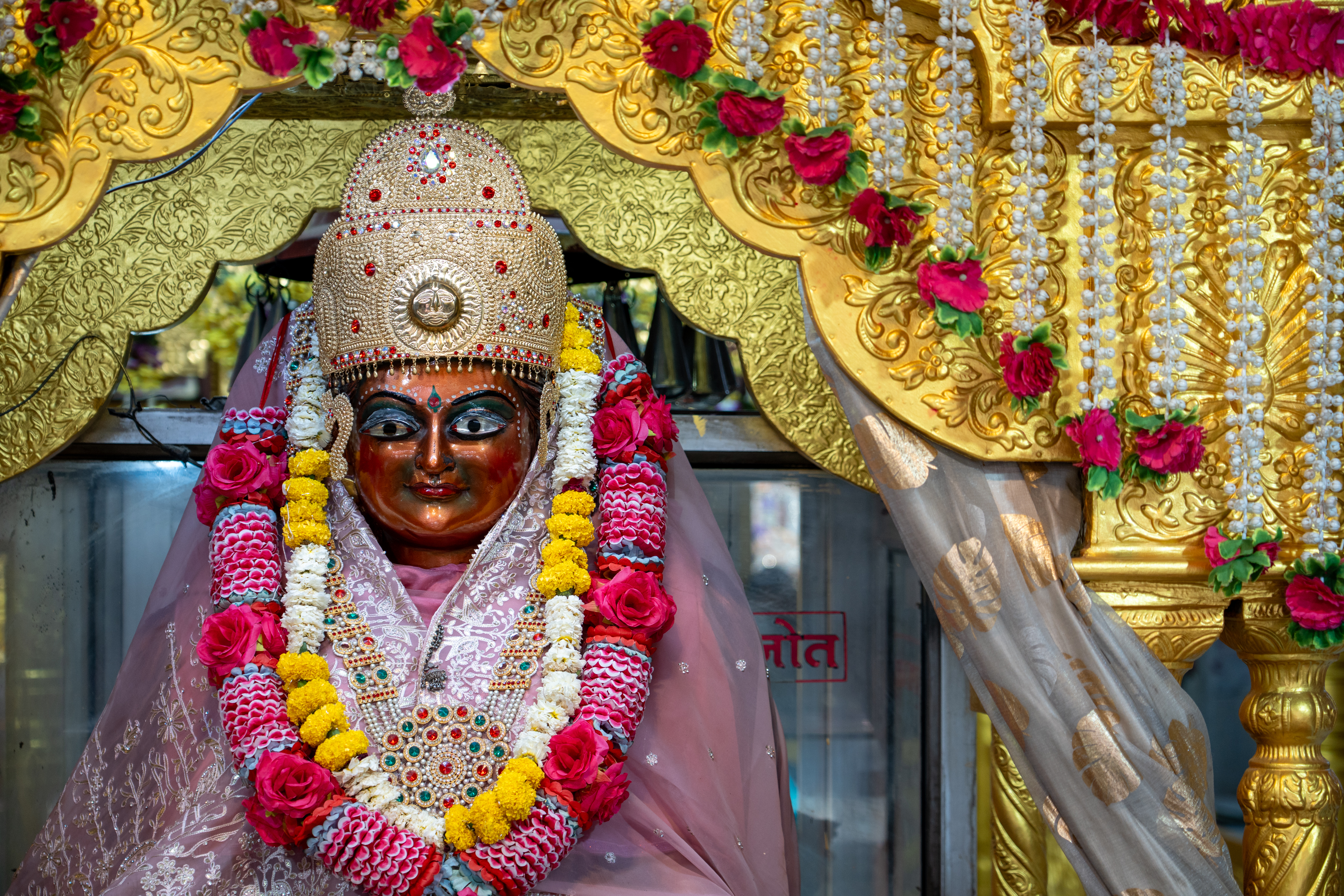
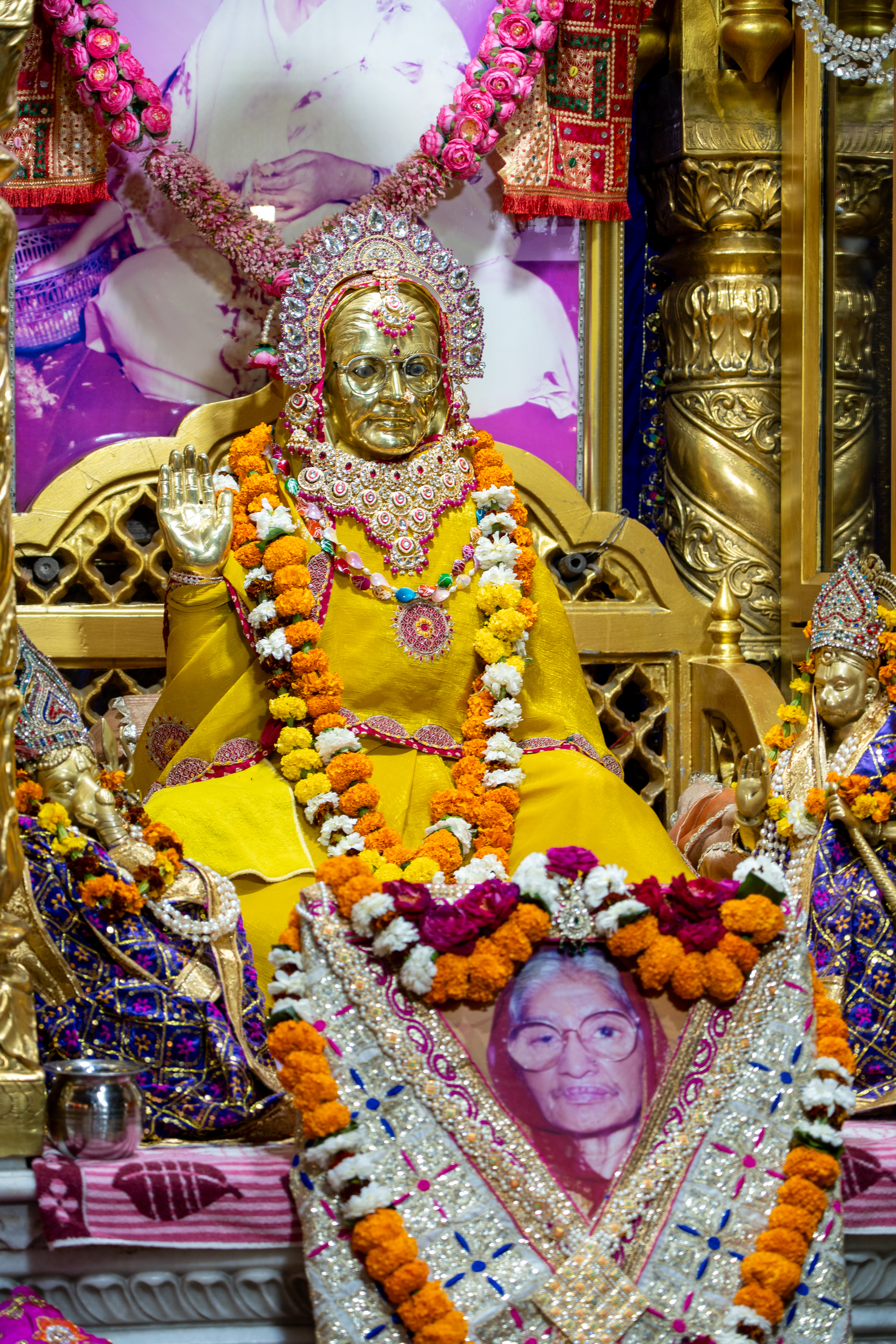
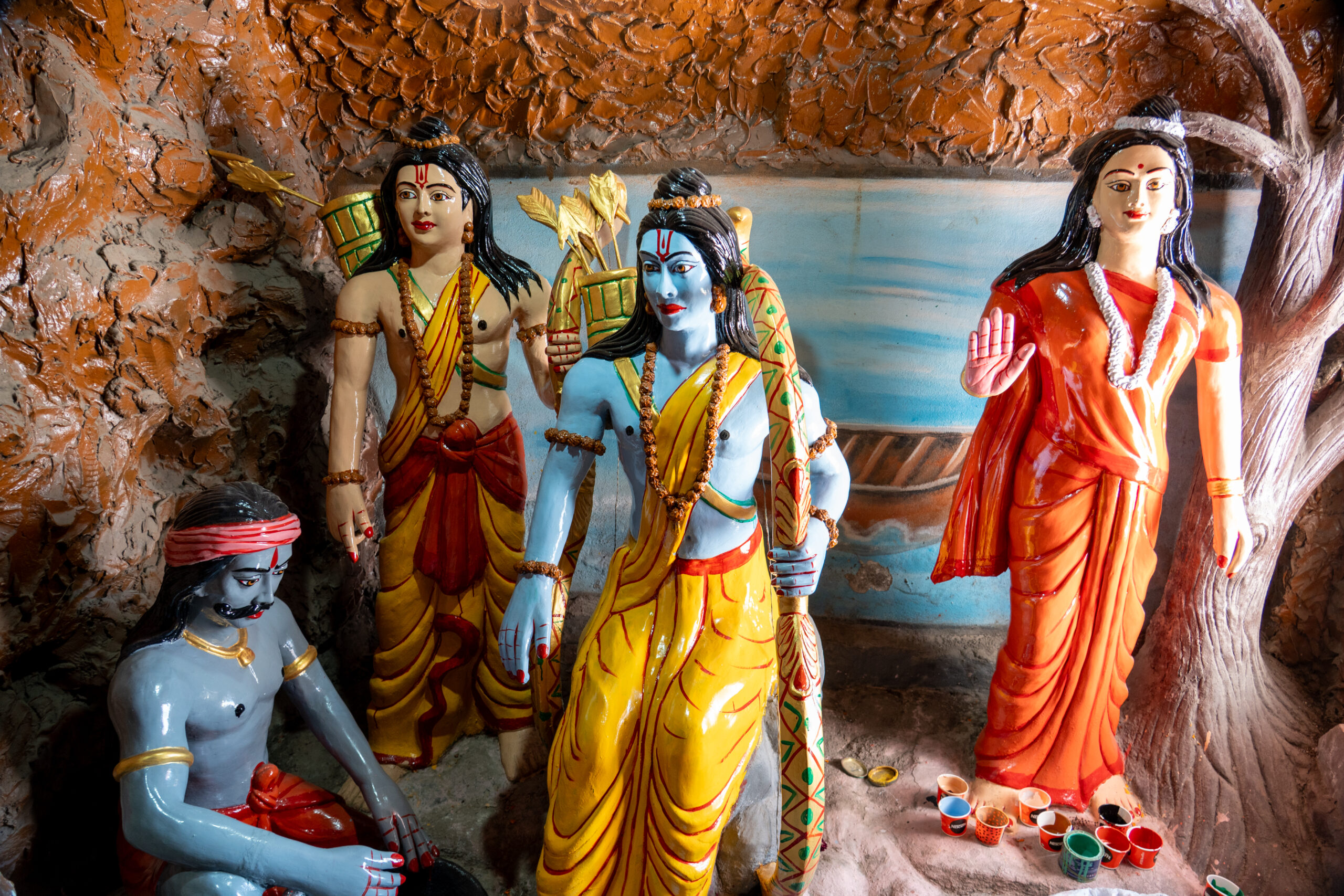
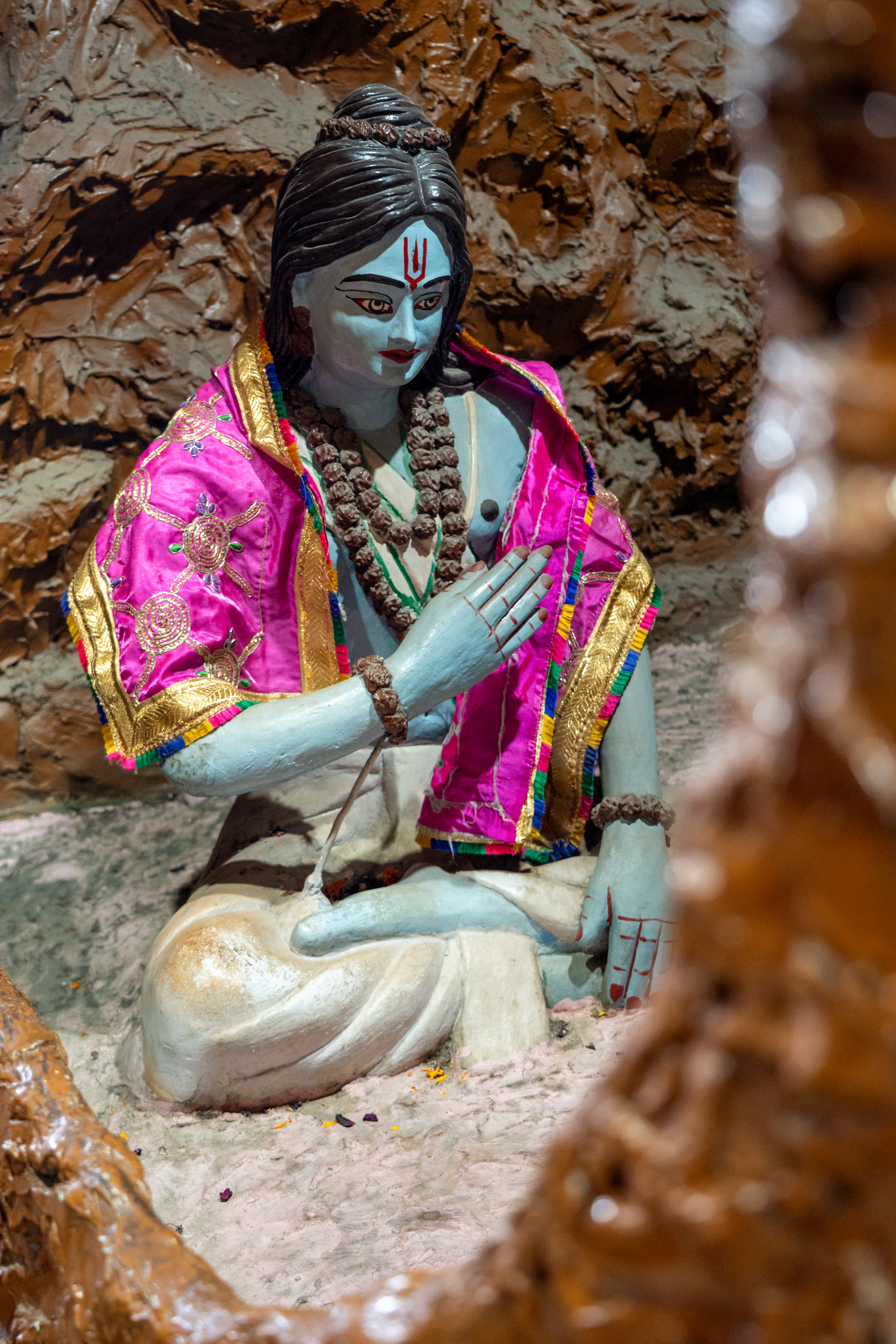
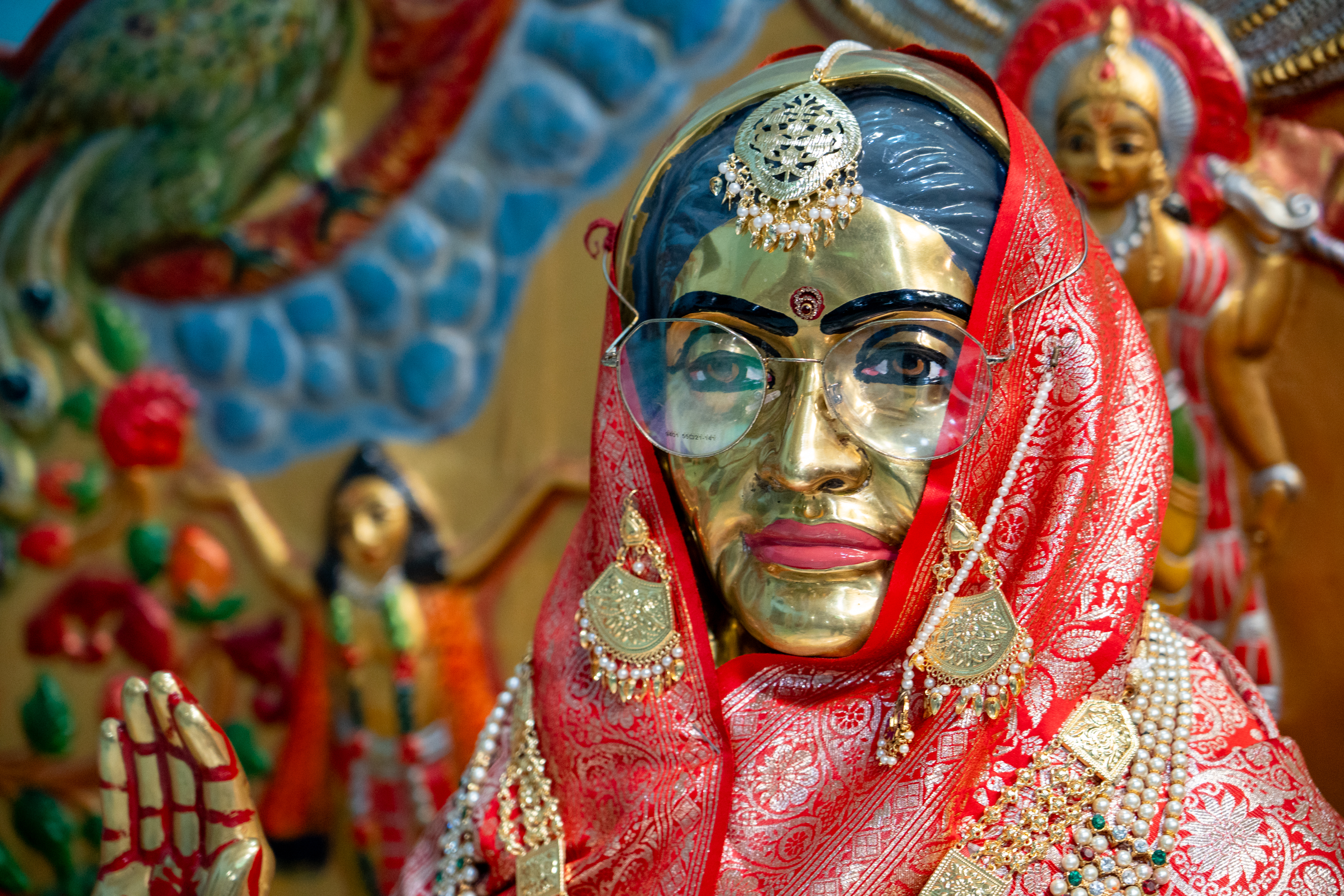
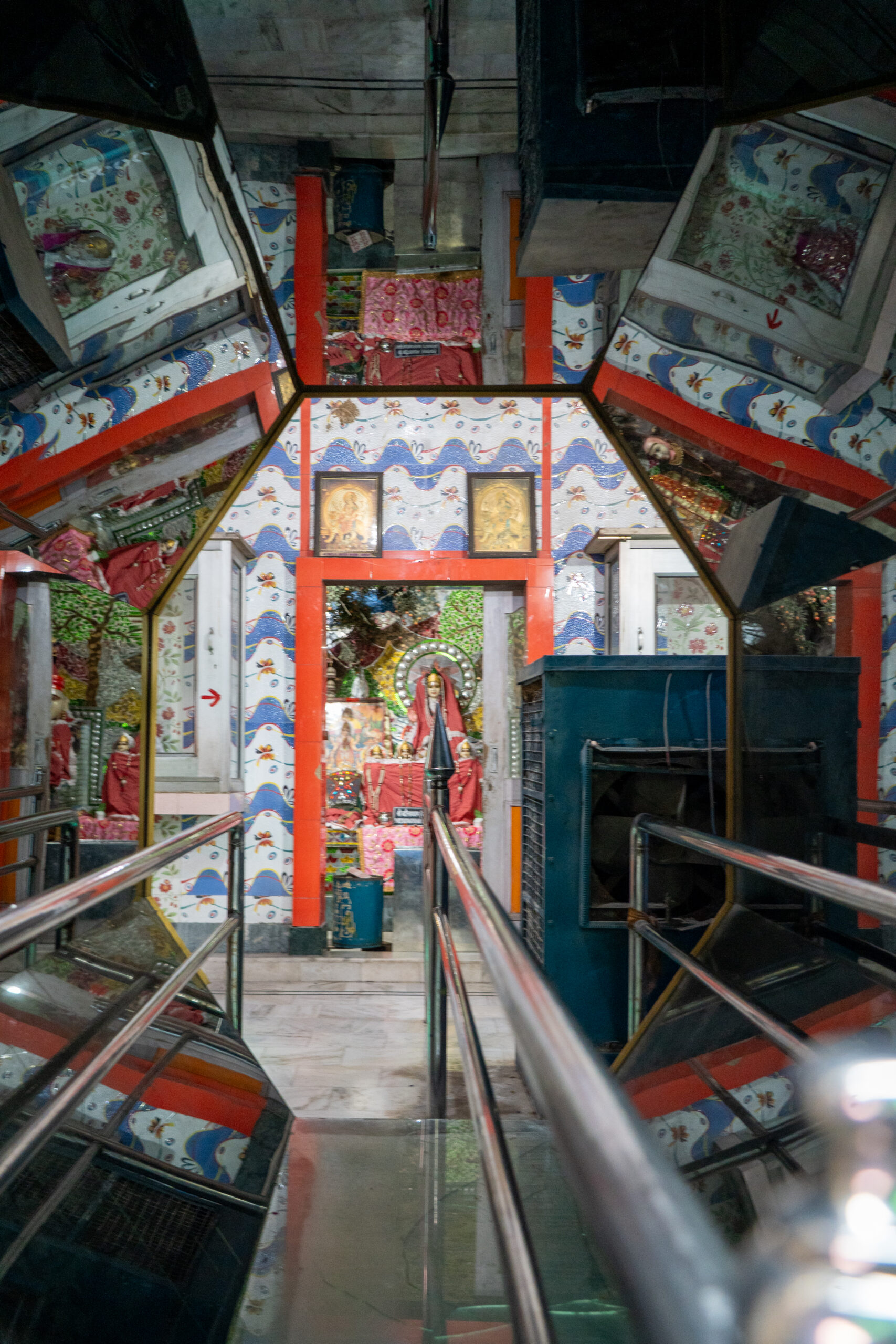
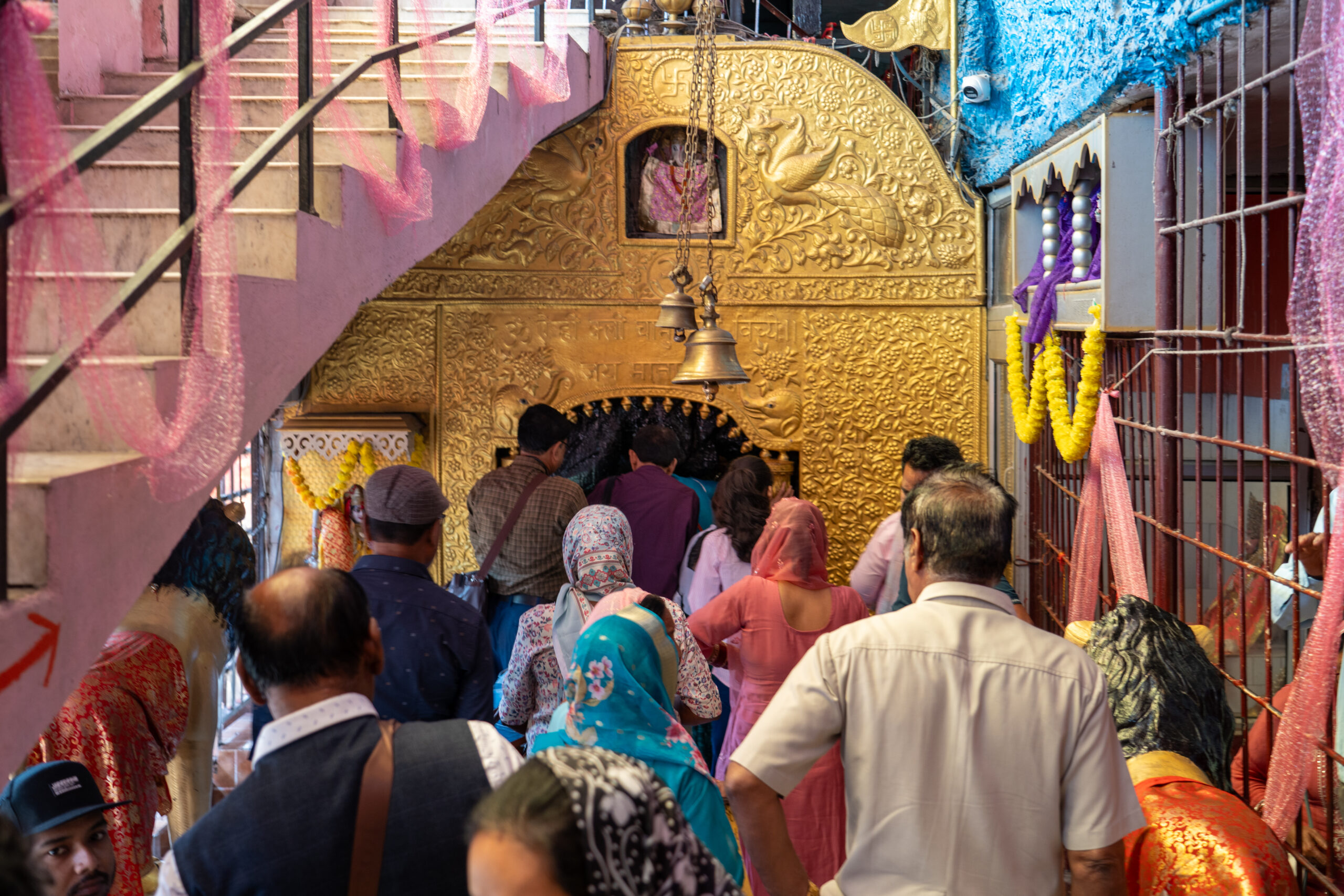
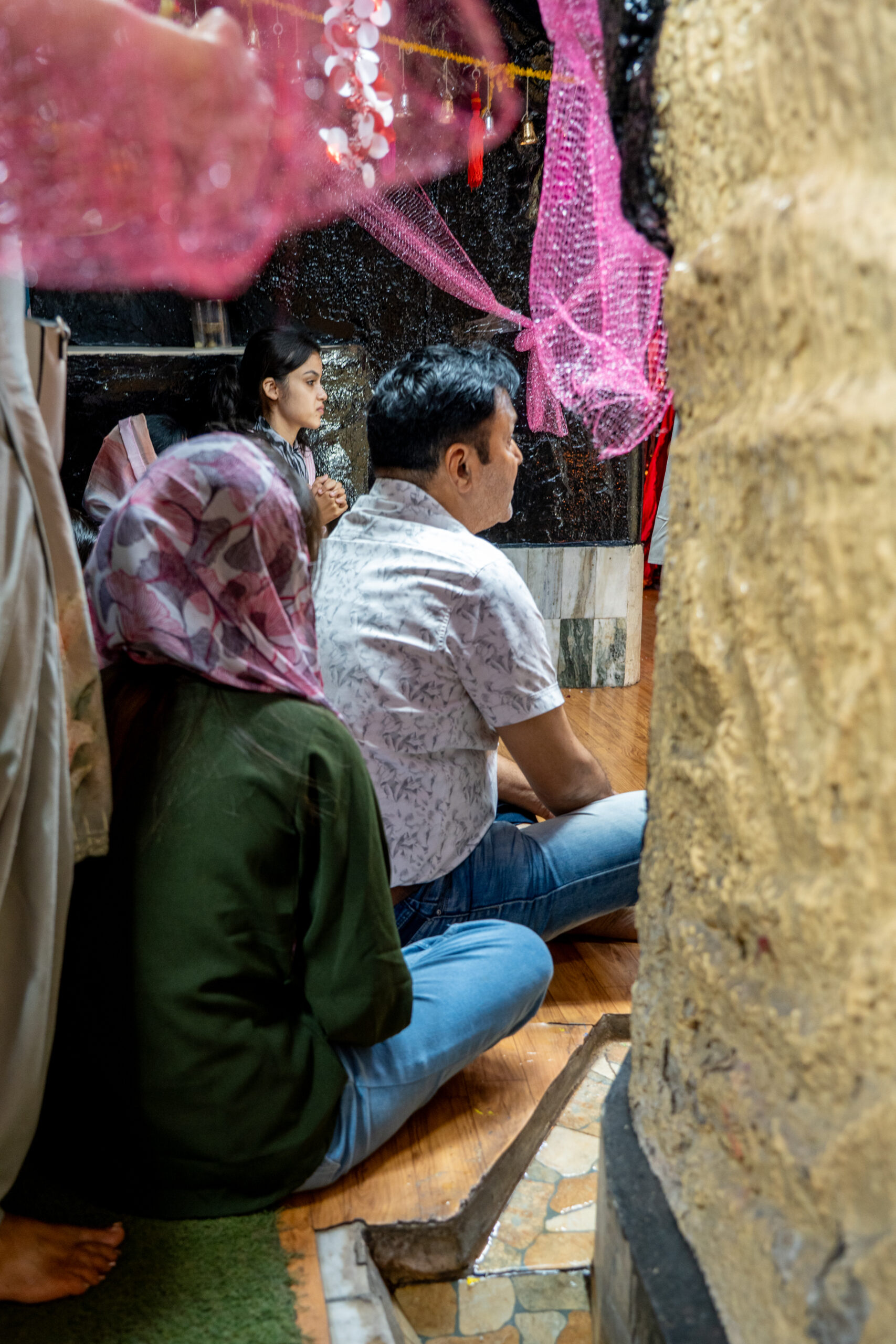
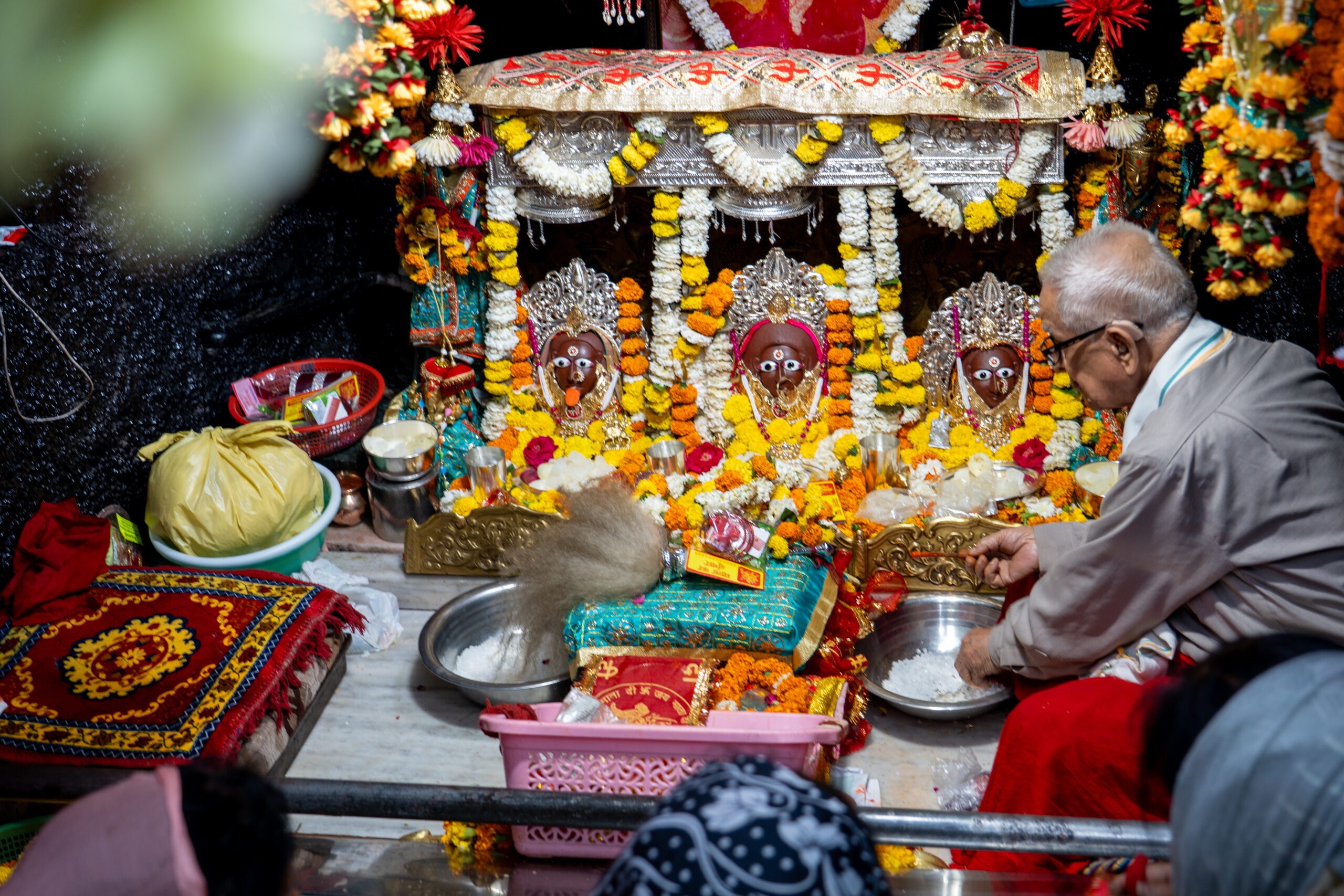
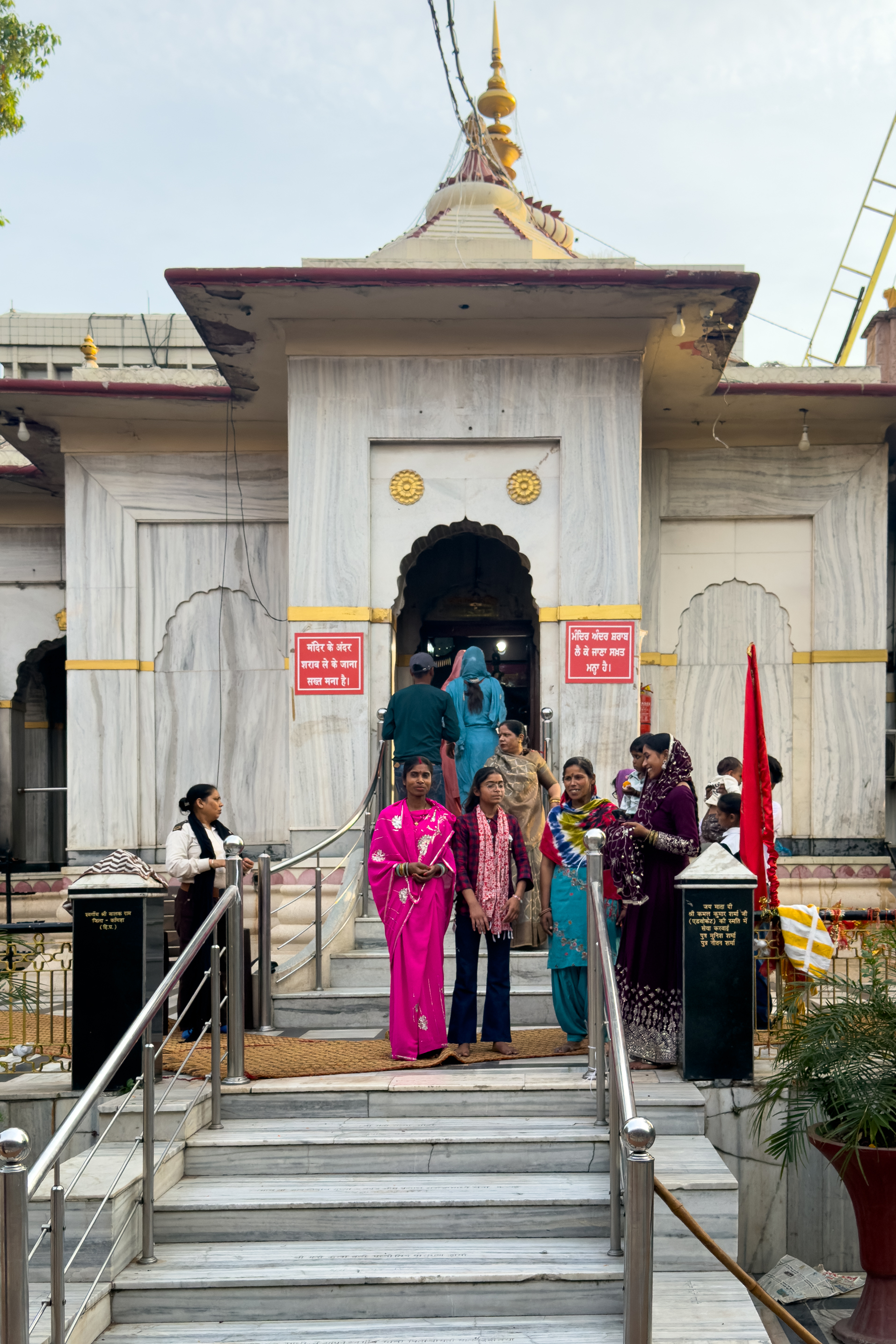
When I was finished my driver was already waiting for me to bring me to the next place, Mandir Mata Lal devi, a unique Hindu temple, dedicated to the female saint Lal Devi. This temple is known for its cave-like interior passages, narrow tunnels, and colorful, maze-like design that devotees walk through as part of their spiritual journey. The temple holds special significance for women, especially those praying for fertility and family well-being. Its vibrant idols, mirrored walls, and symbolic structures create a mystical atmosphere, making it both a religious and visually fascinating place for visitors and pilgrims alike.
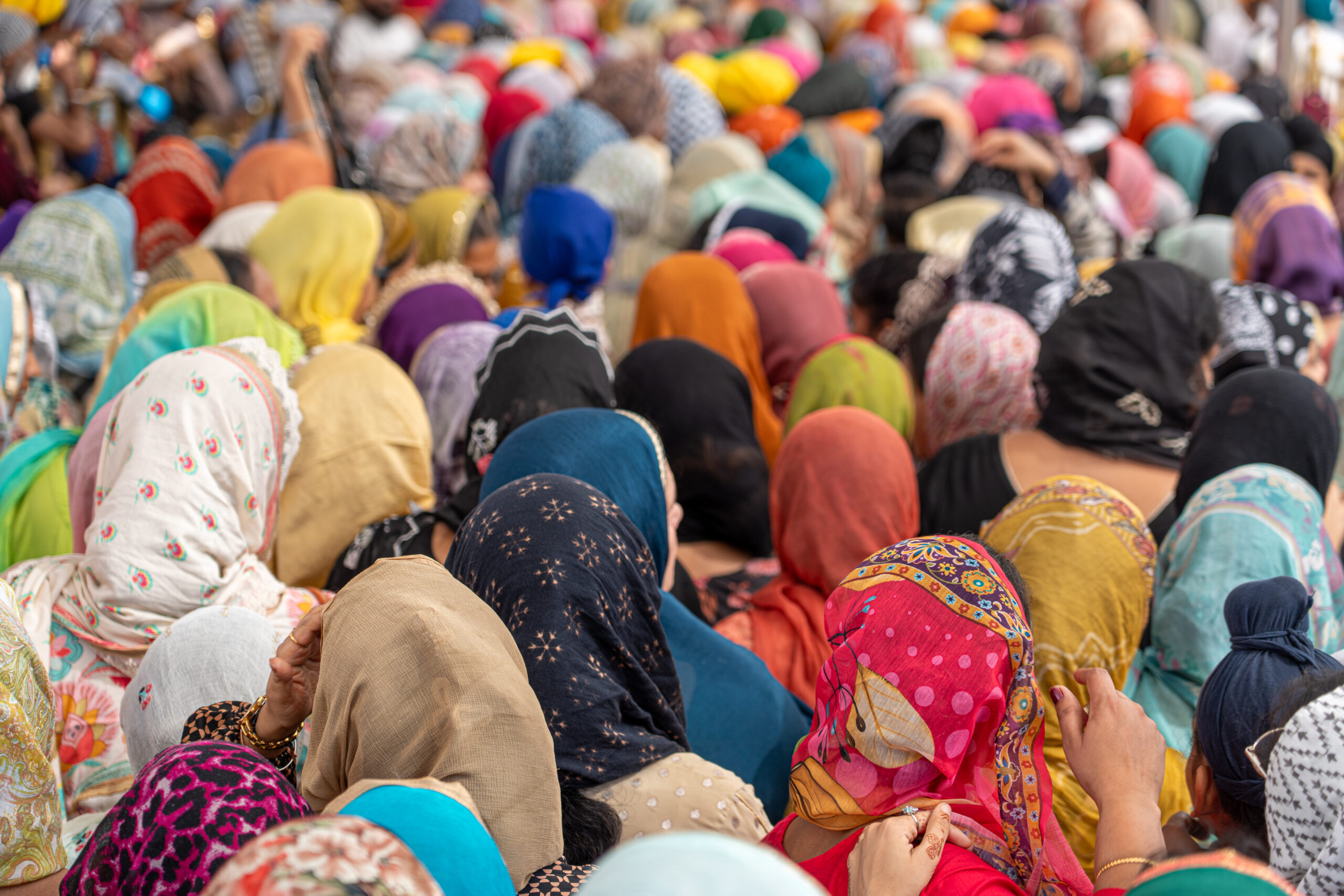
And fascinating it was, definitely one of the most bizarre temples I have ever visited although I’m not sure bizarre is the appropriate word for this fascinating place. At time I had to take of my camera bag to crawl through the narrow tunnels, at other times I saw myself reflected in the glass mosaic covering the walls. At the end I arrived in the big prayer hall where a ceremony was taking place, something that I really enjoyed.

My driver brought me back to the old center where I had a bite to eat and returned to my hotel. In spite of yesterday’s nuisance, I have seen everything in Amritsar I wanted to see, however…. There is still the grand final coming up but that’s for my next post.

Later in the afternoon I took a taxi to bring me to Attari for something extraordinary special.

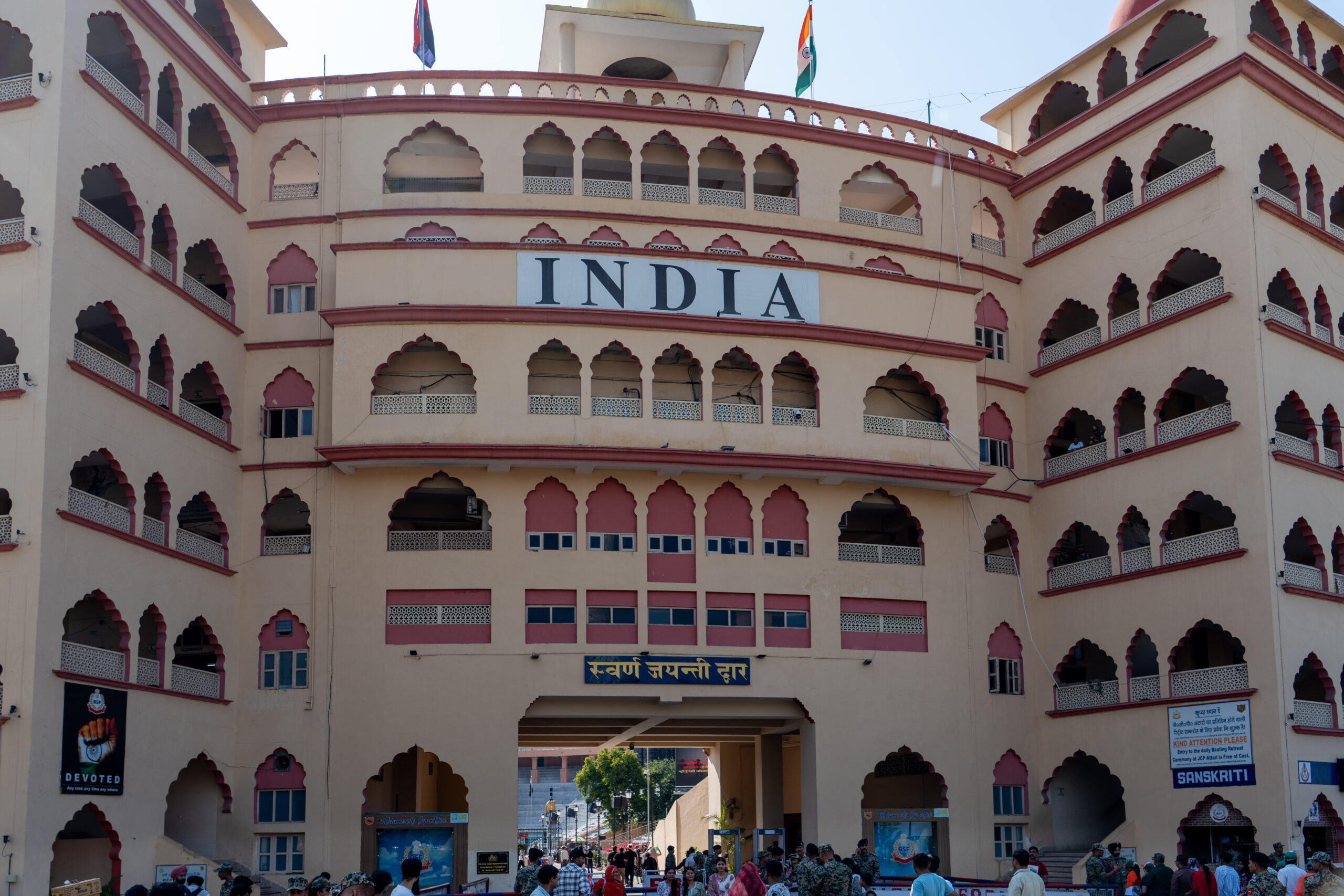
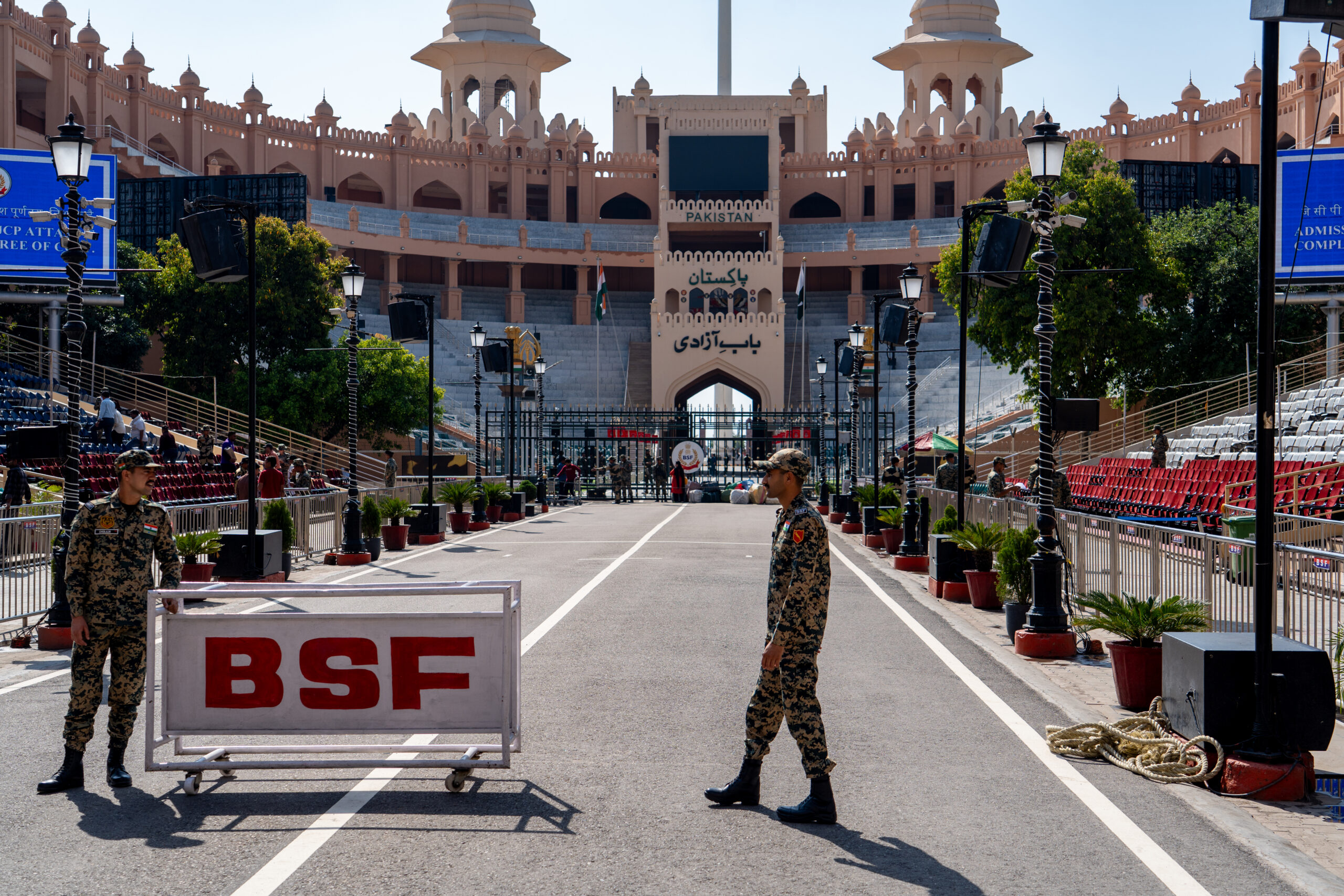
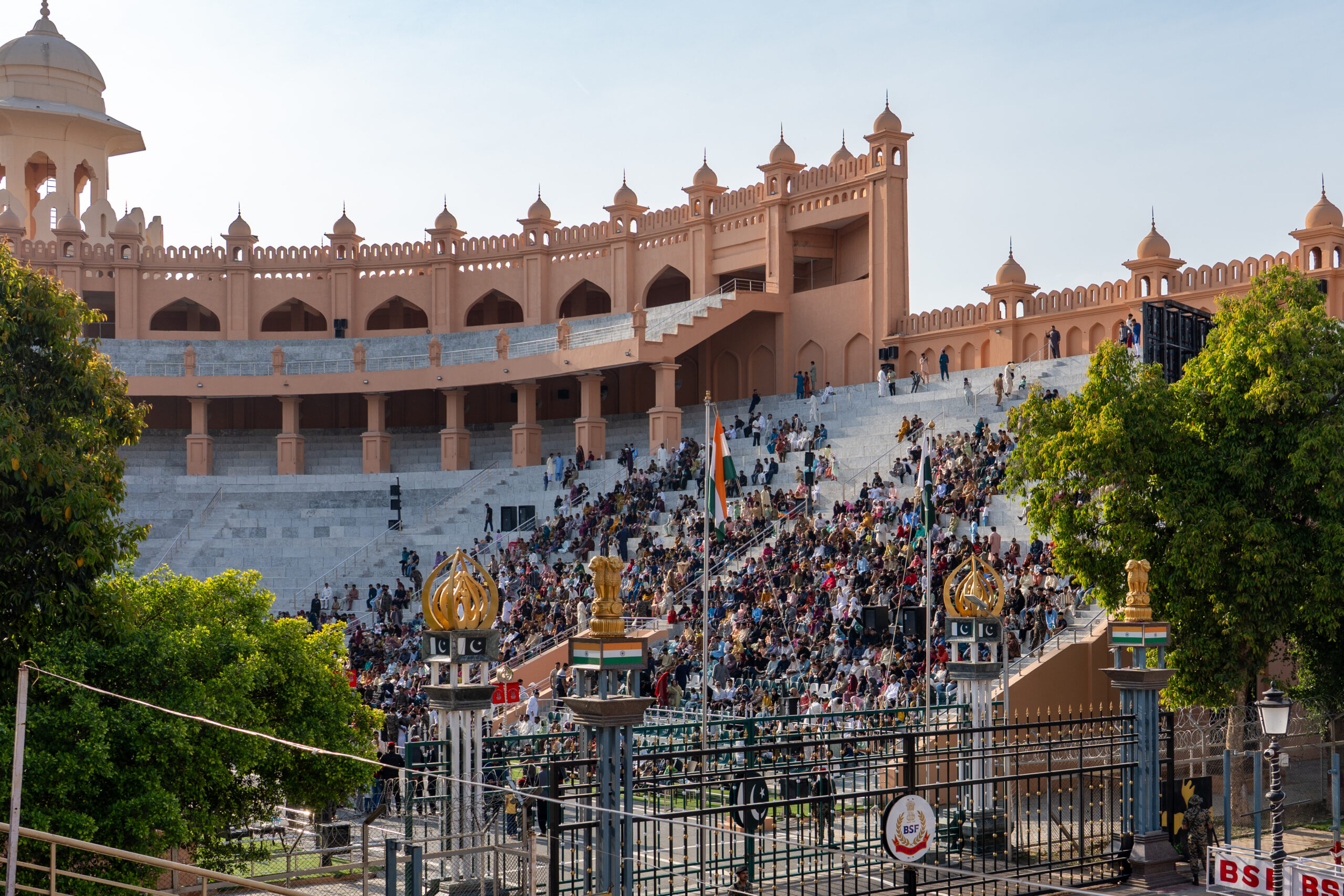
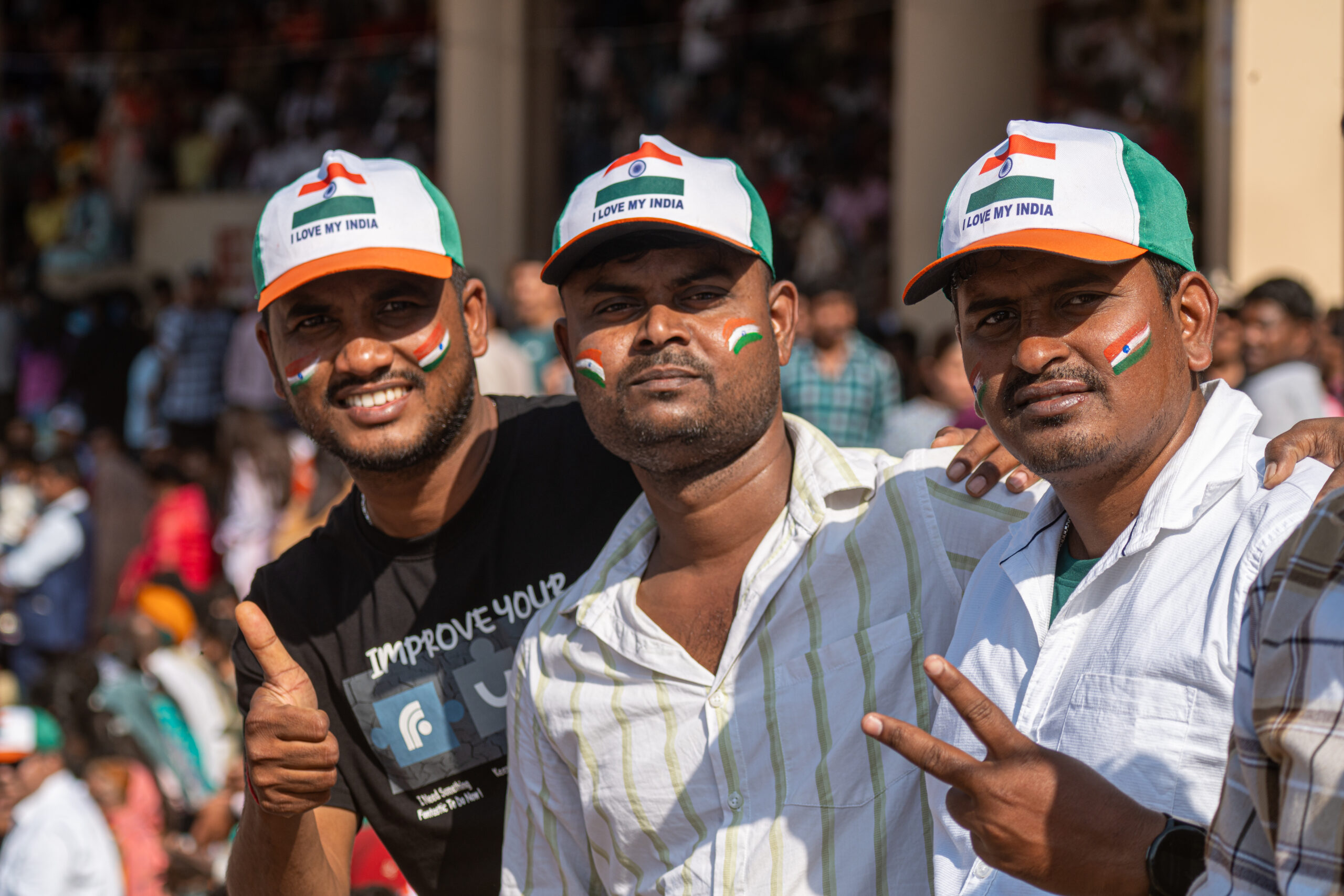
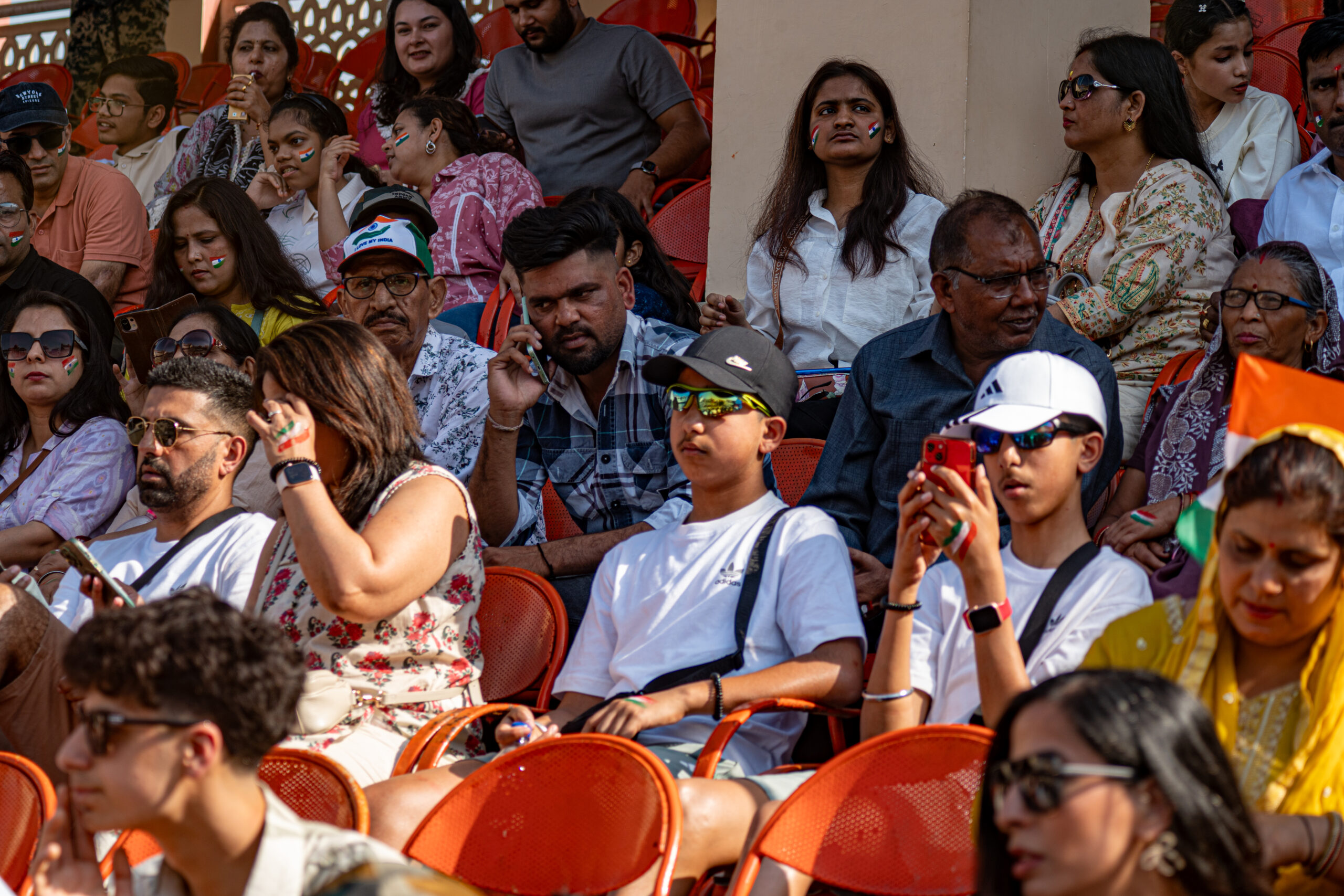
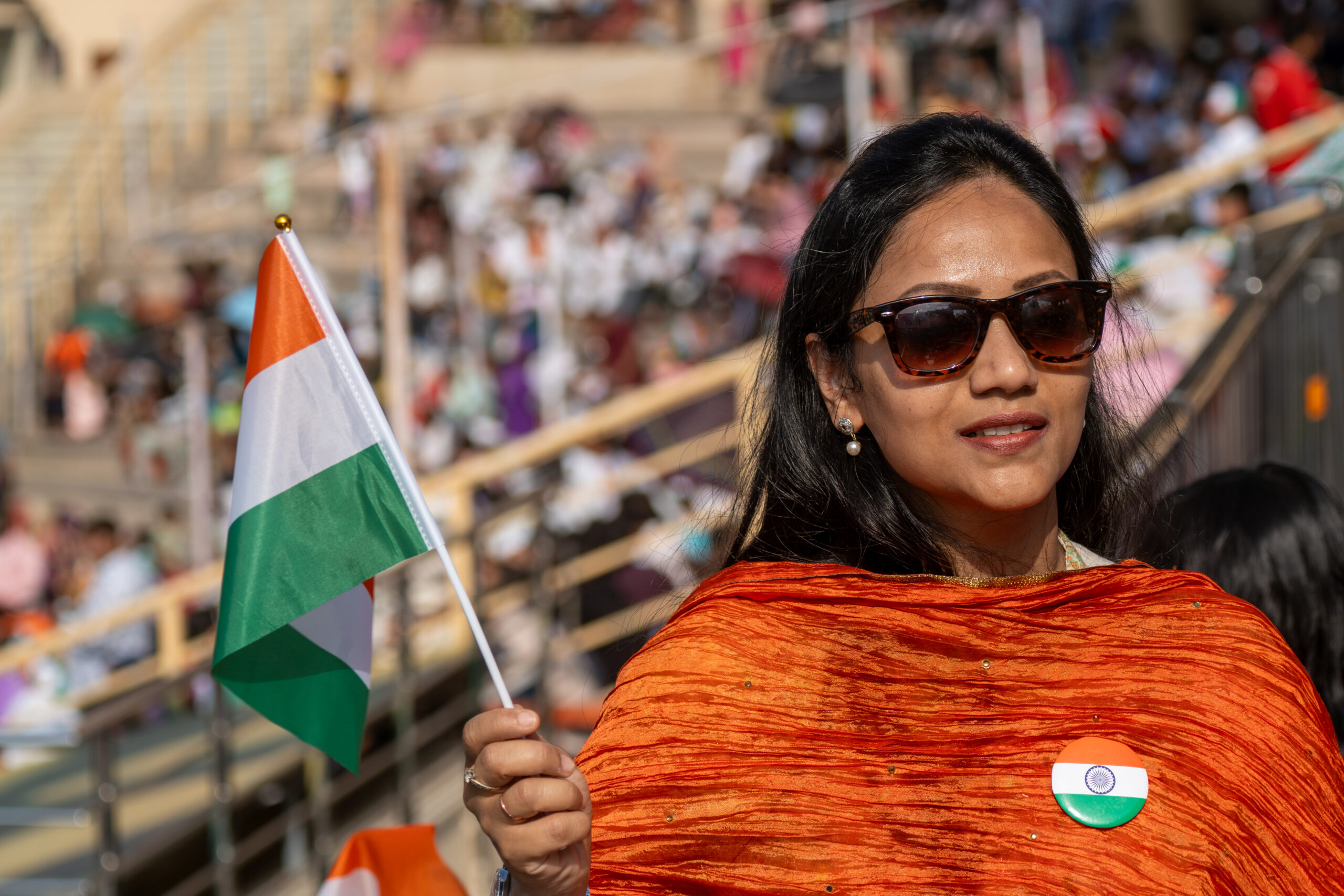
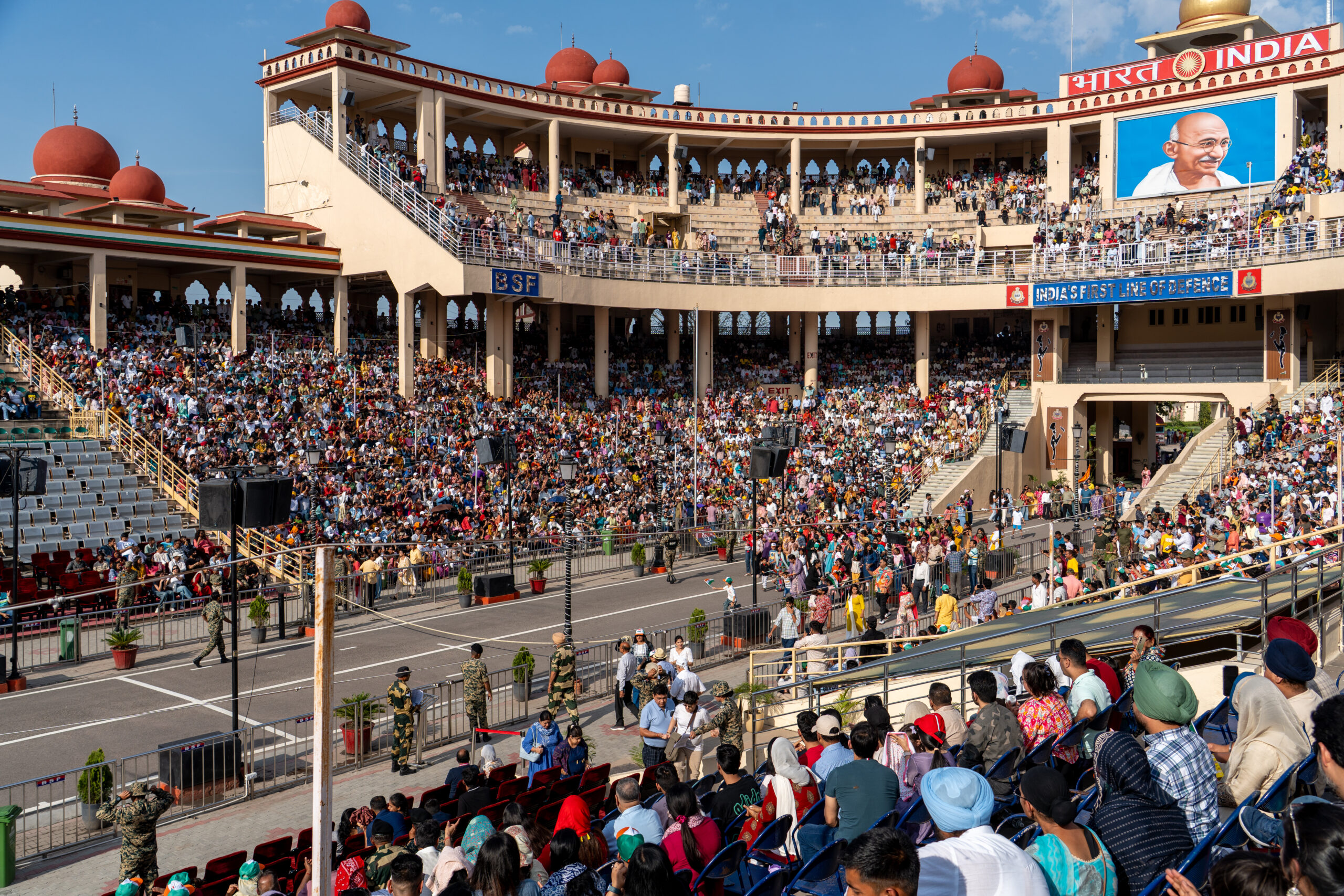
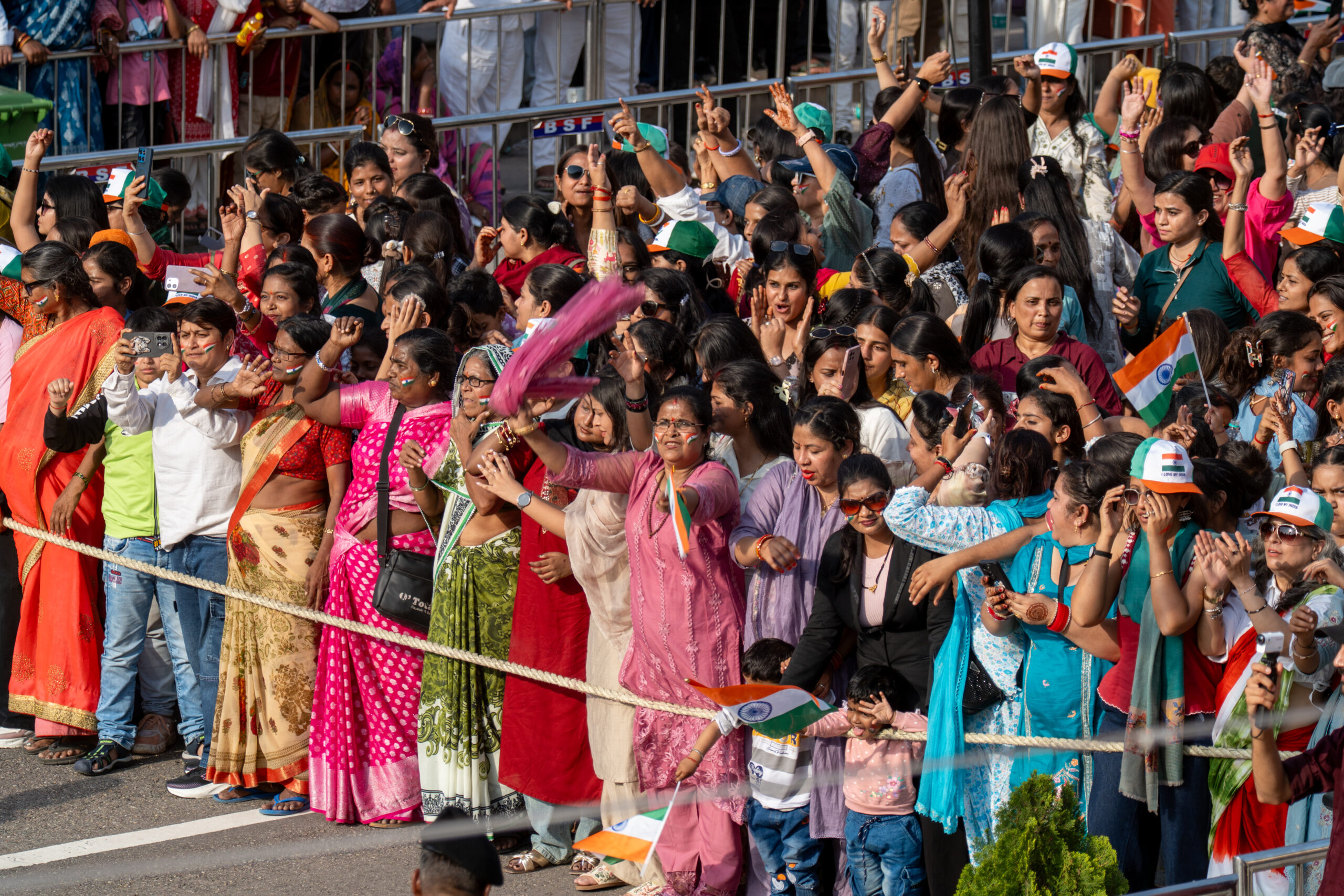
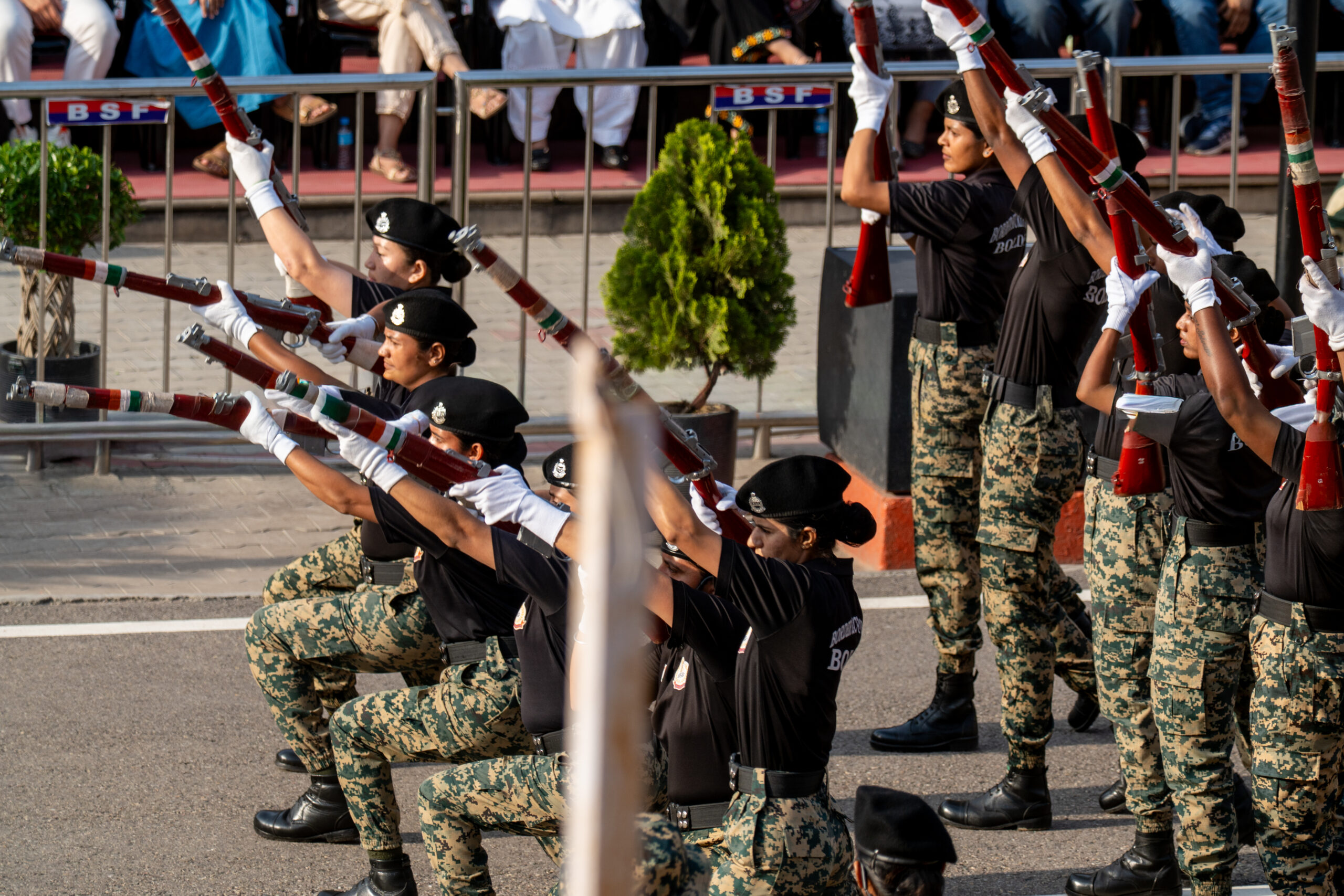
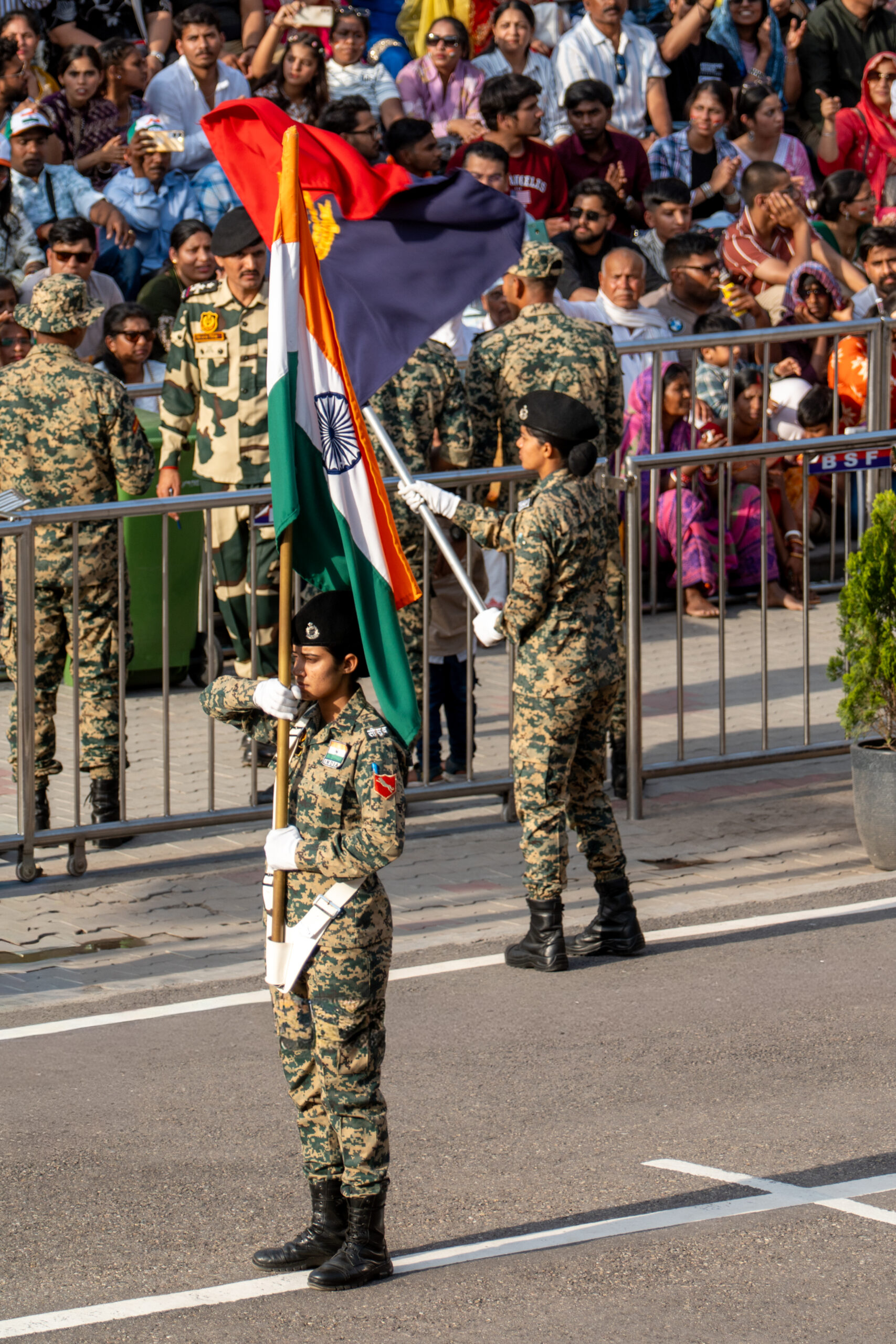
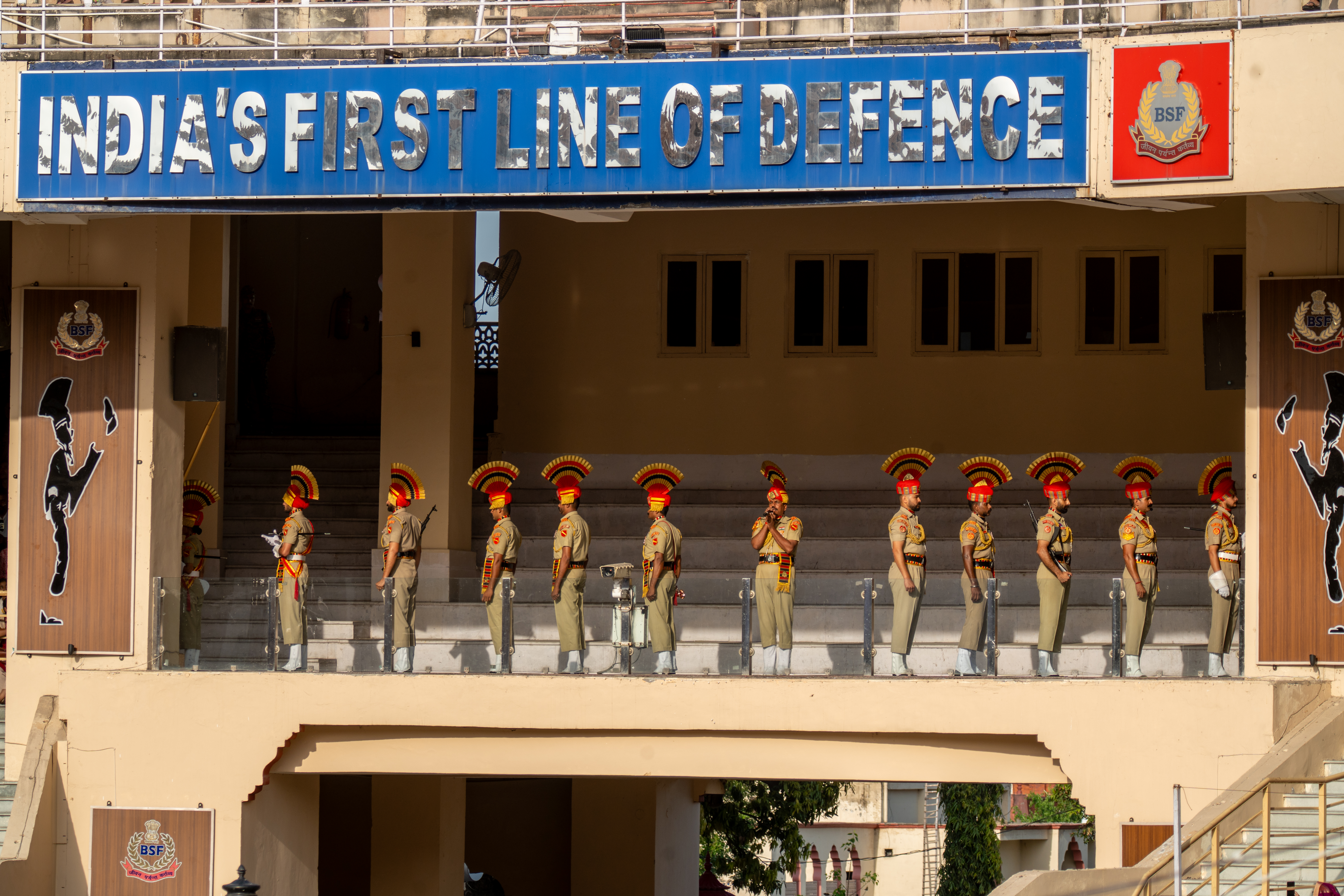
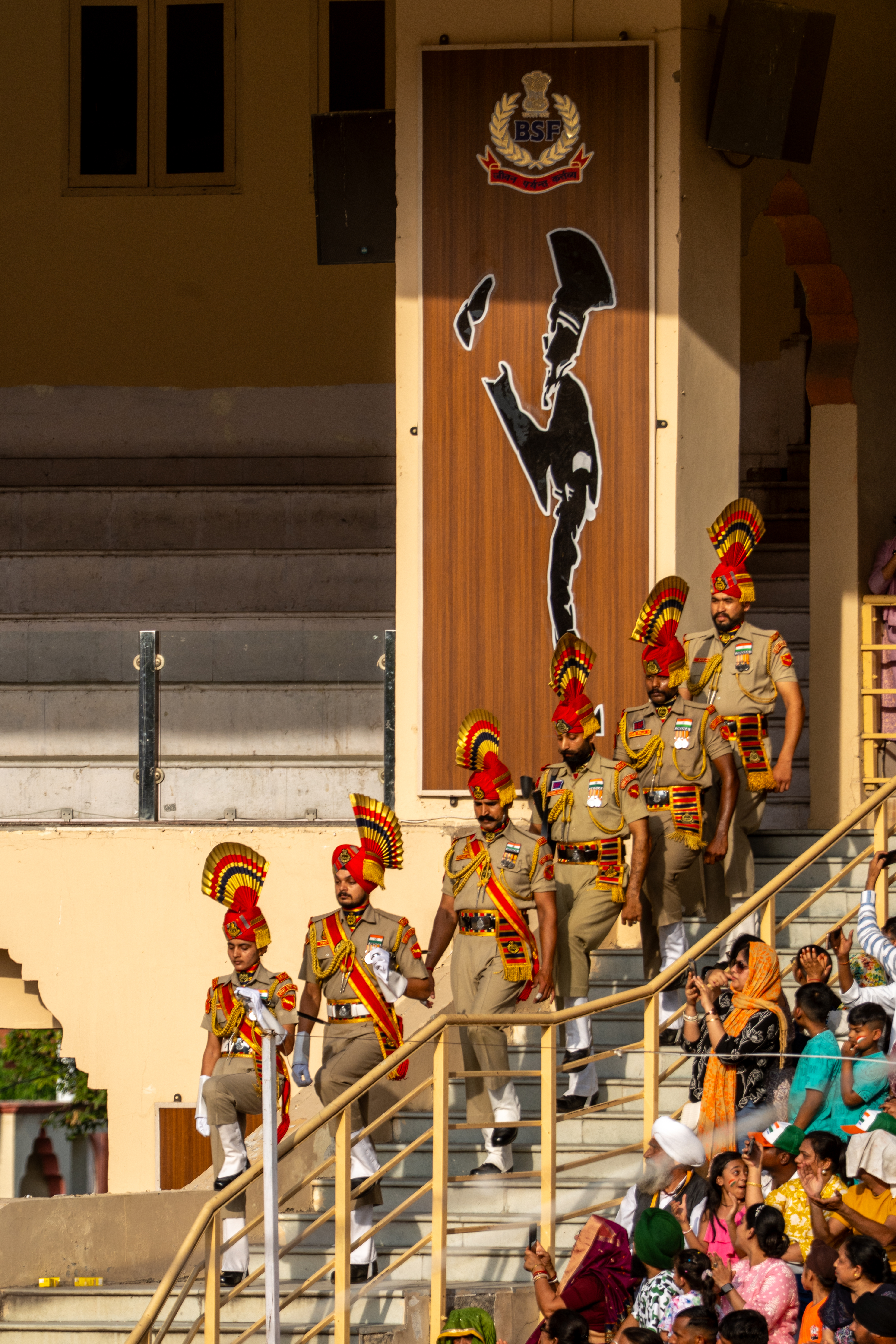
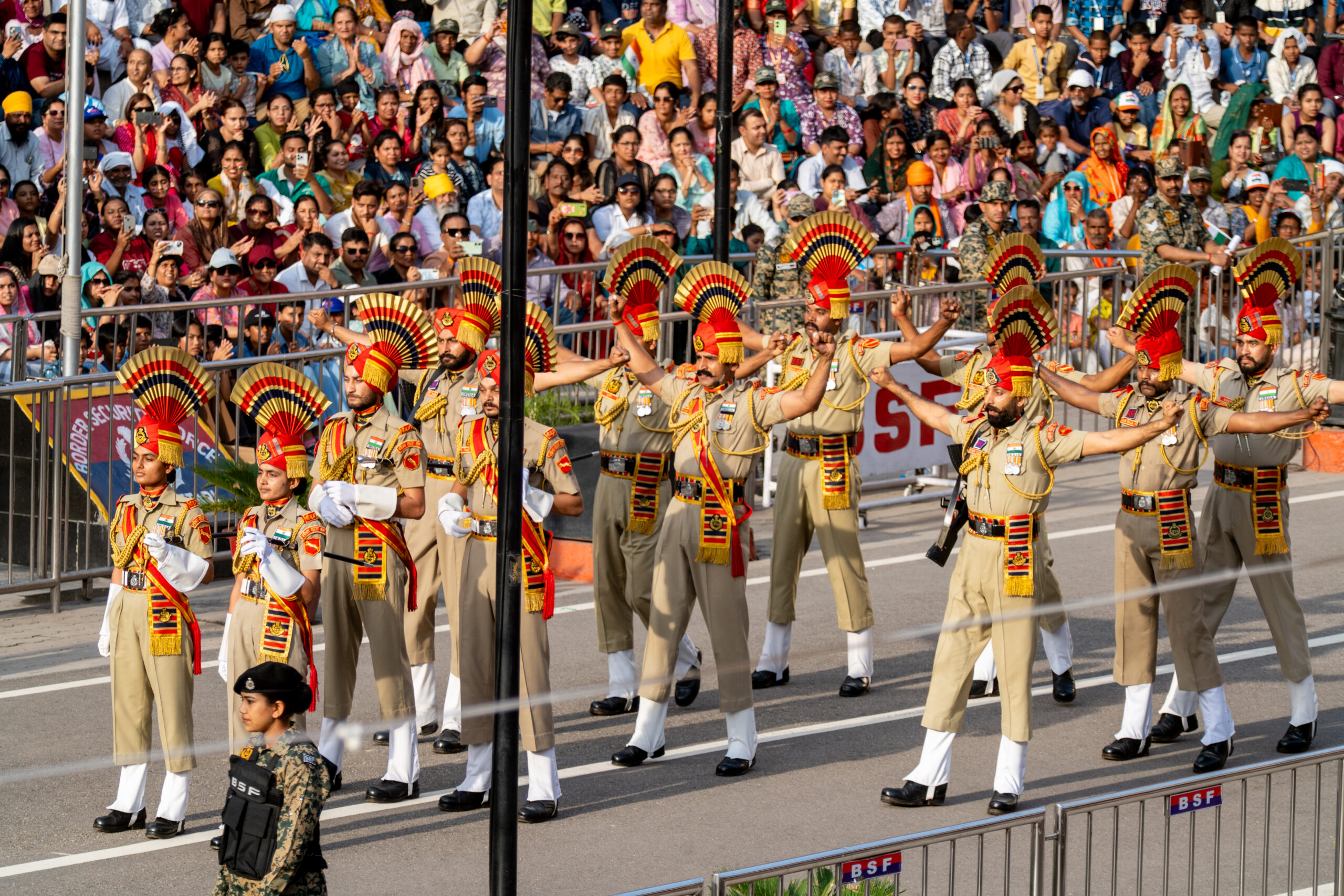
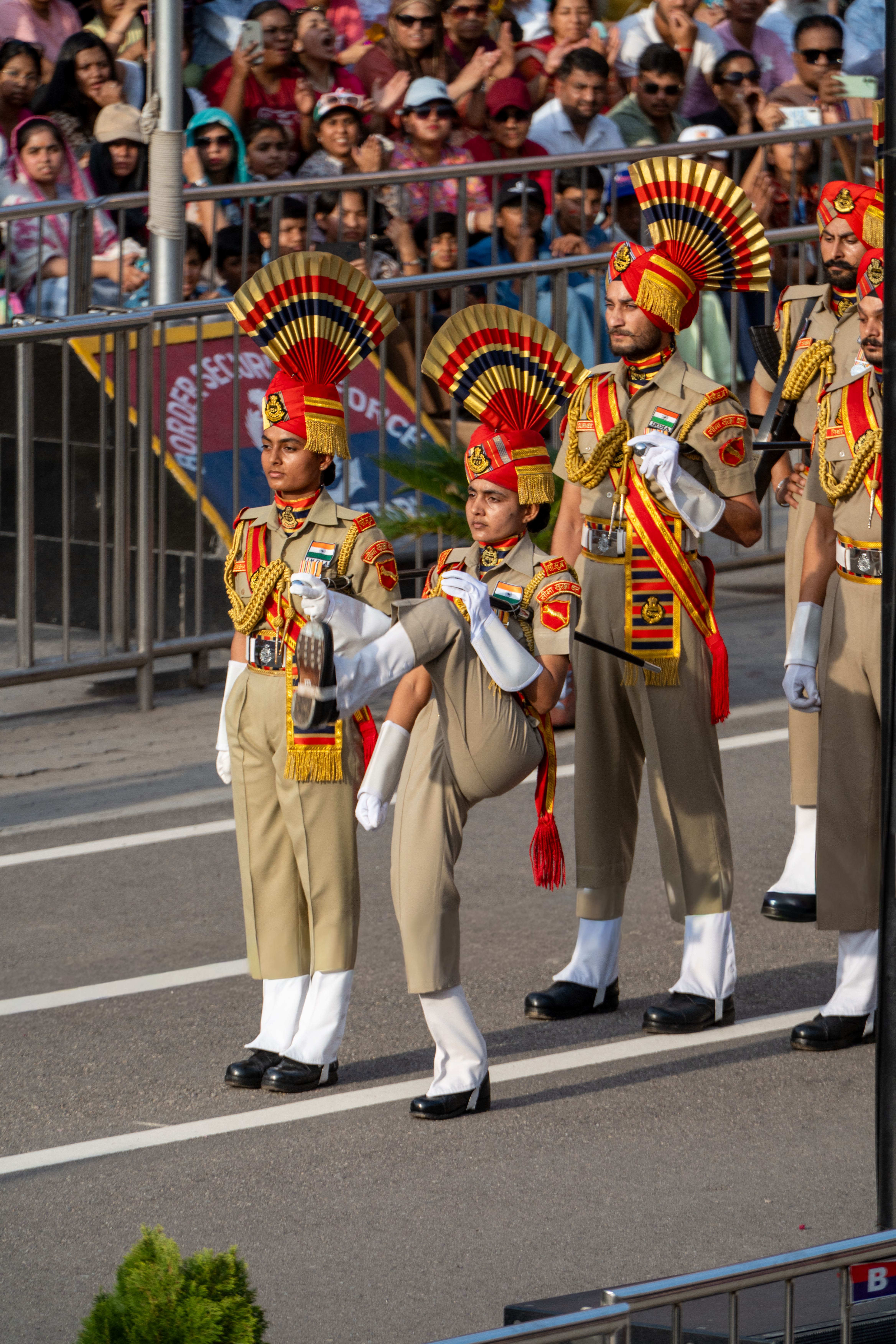
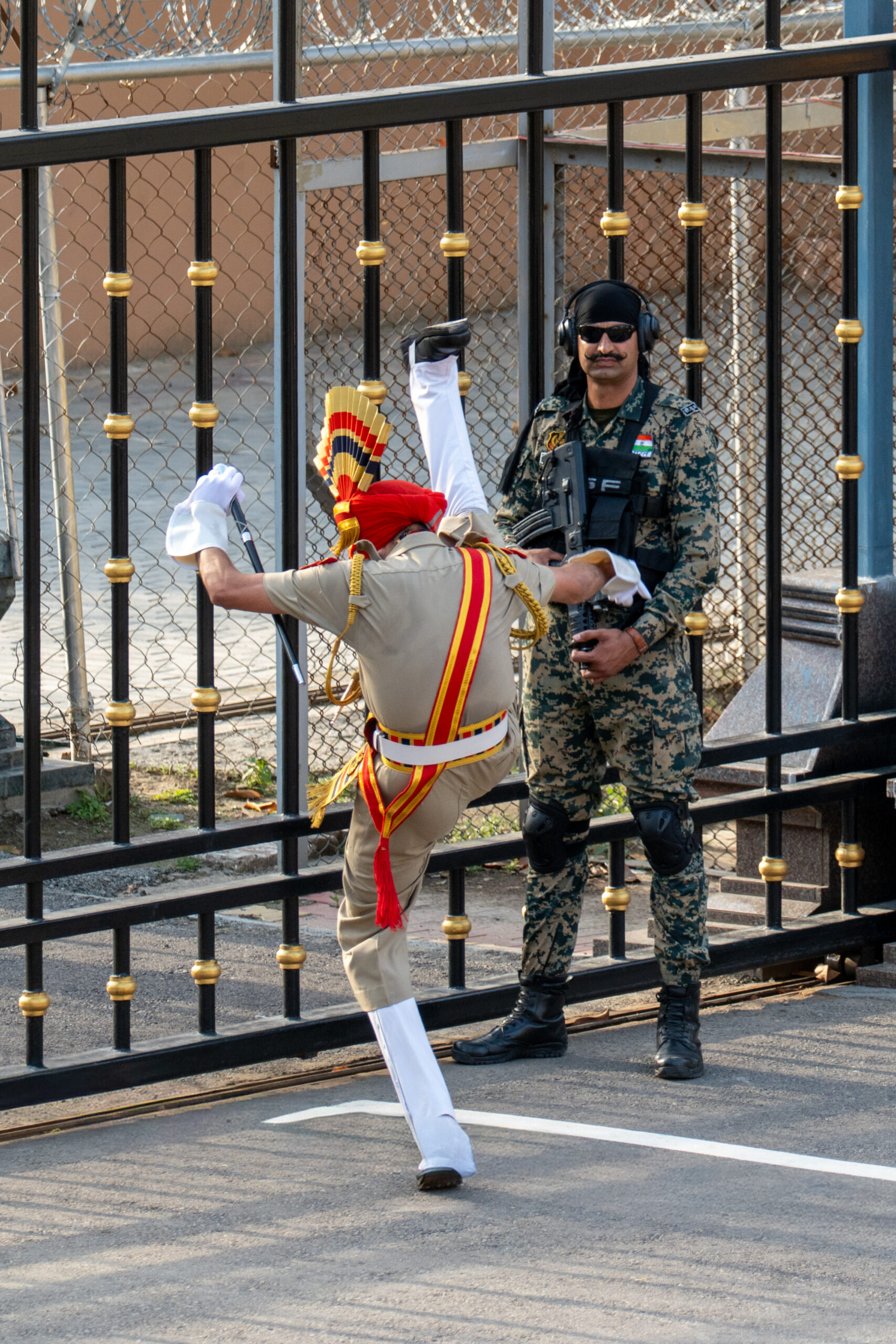
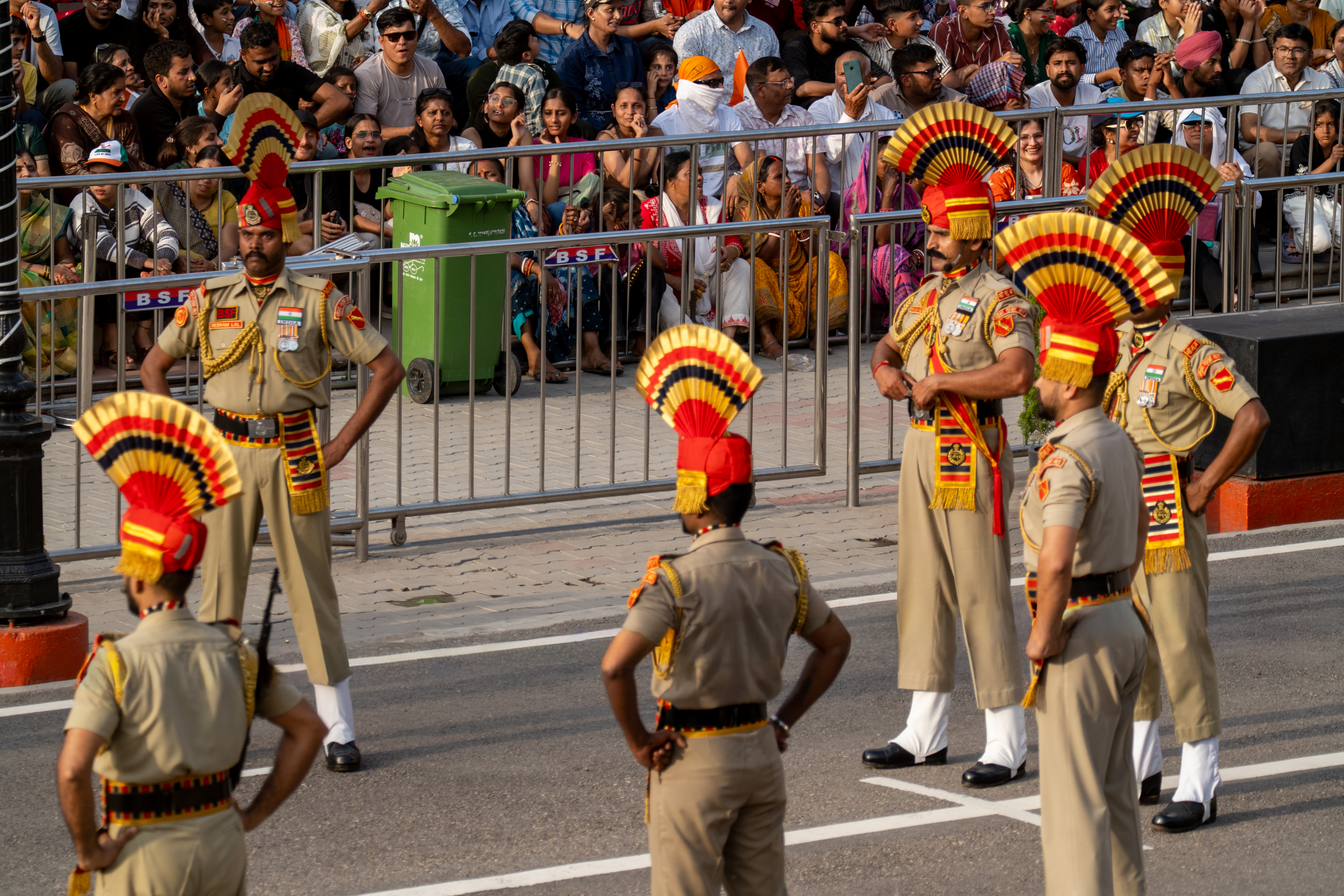
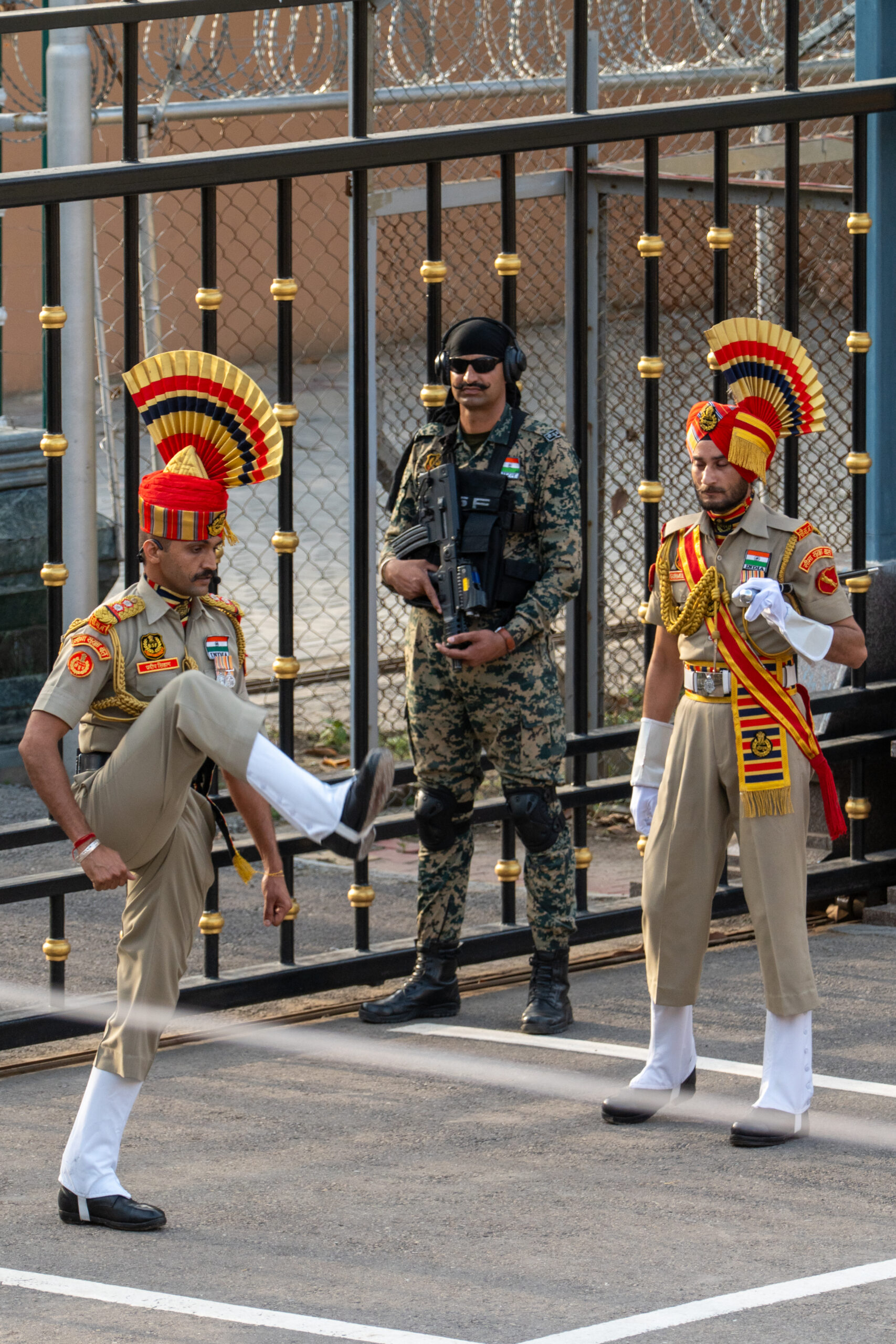
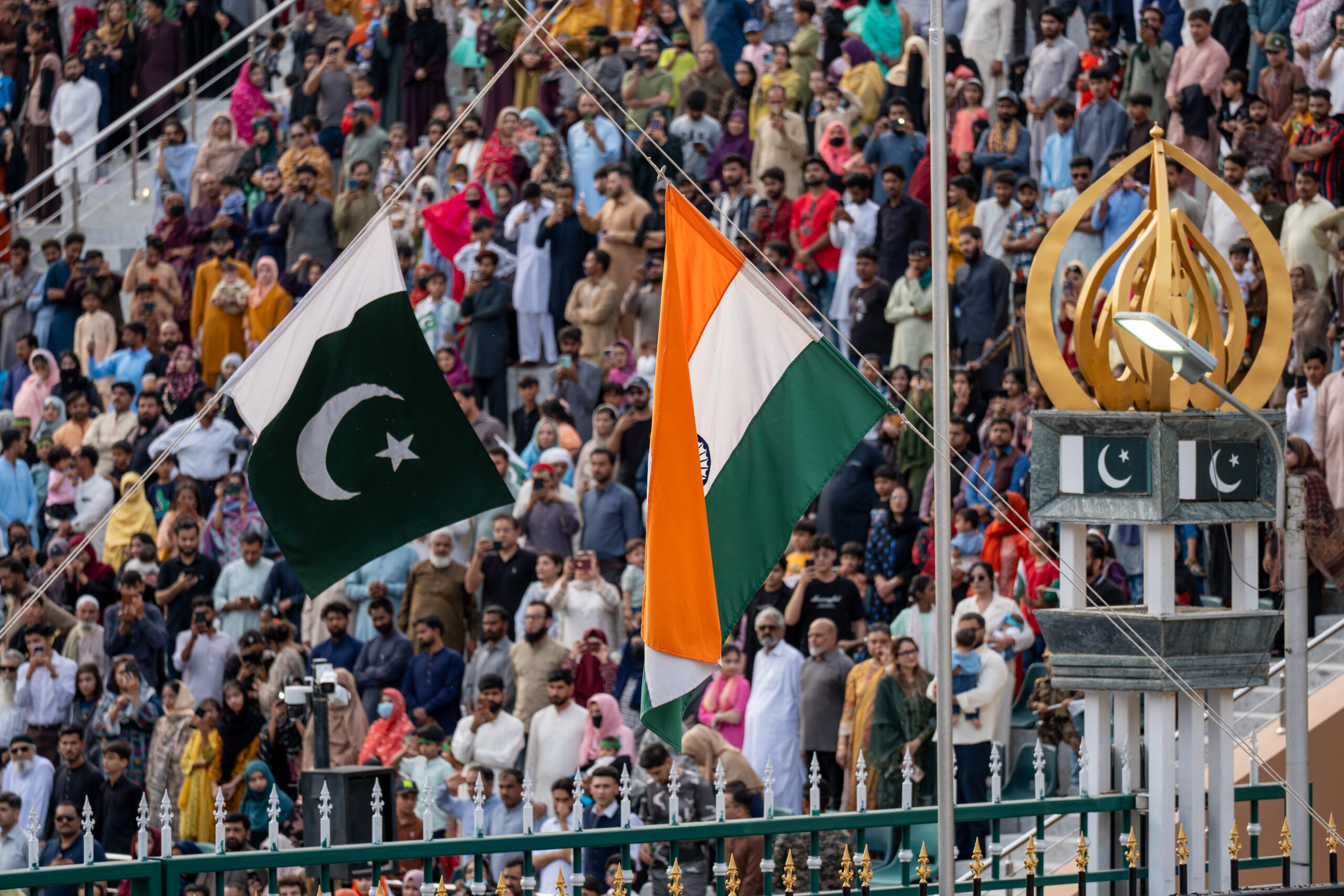
The Wagah Border Ceremony, a daily military ritual held at the border between India and Pakistan, near Amritsar and Lahore. Conducted every evening before sunset, it features soldiers from India’s Border Security Force and Pakistan’s Pakistan Rangers performing a dramatic and highly synchronized display of marching, high kicks, and bold gestures that symbolize the rivalry between the two nations. The atmosphere is lively and patriotic, with crowds cheering, waving flags, and chanting slogans on both sides. The ceremony culminates in the simultaneous lowering of the national flags, followed by a brief handshake between the soldiers and the closing of the border gates, representing a mix of competition, discipline, and mutual respect.

It did not take long before I was drawn in the electric atmosphere, like my visit in 2018 It was absolutely brilliant and something absolutely unique in this world.

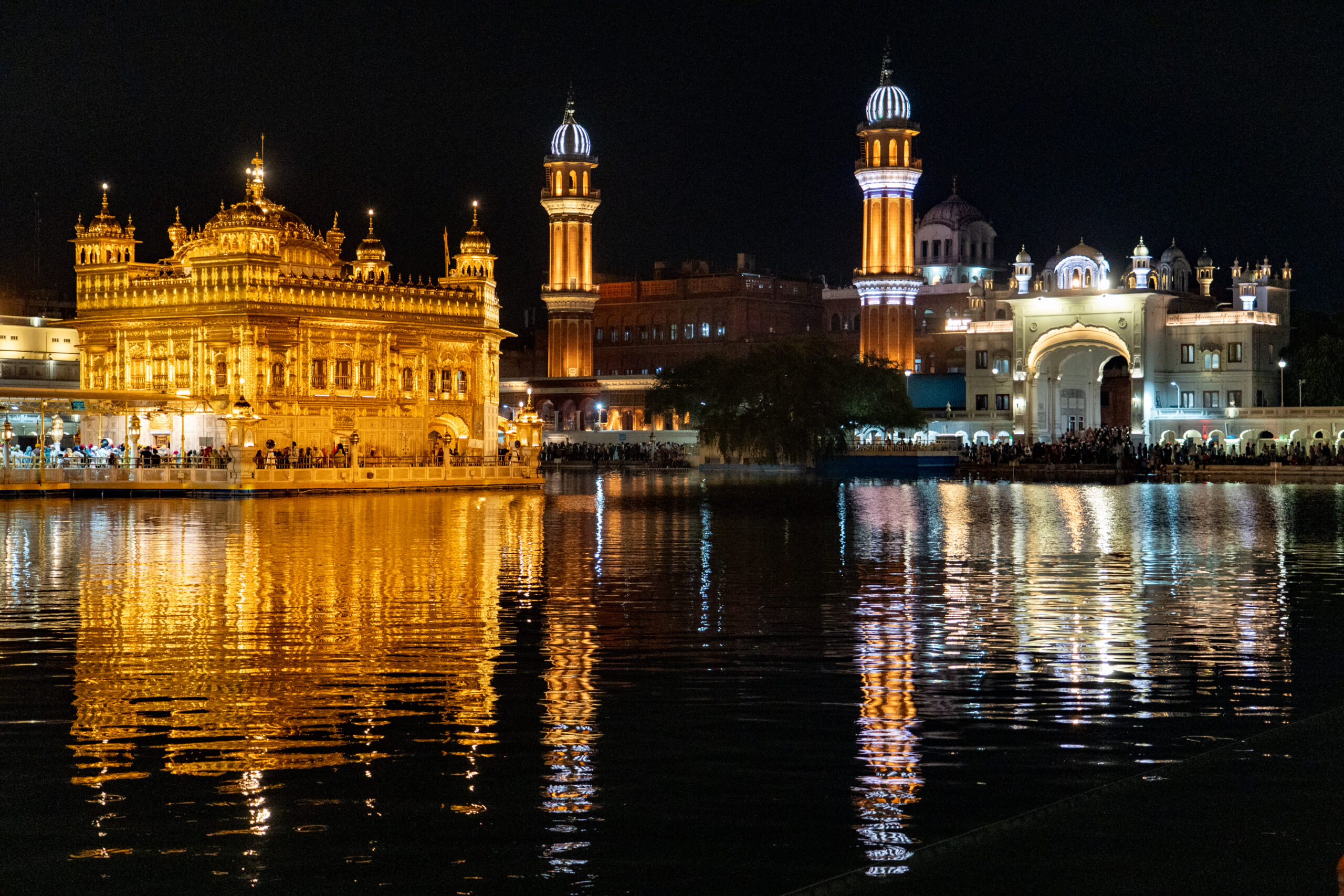
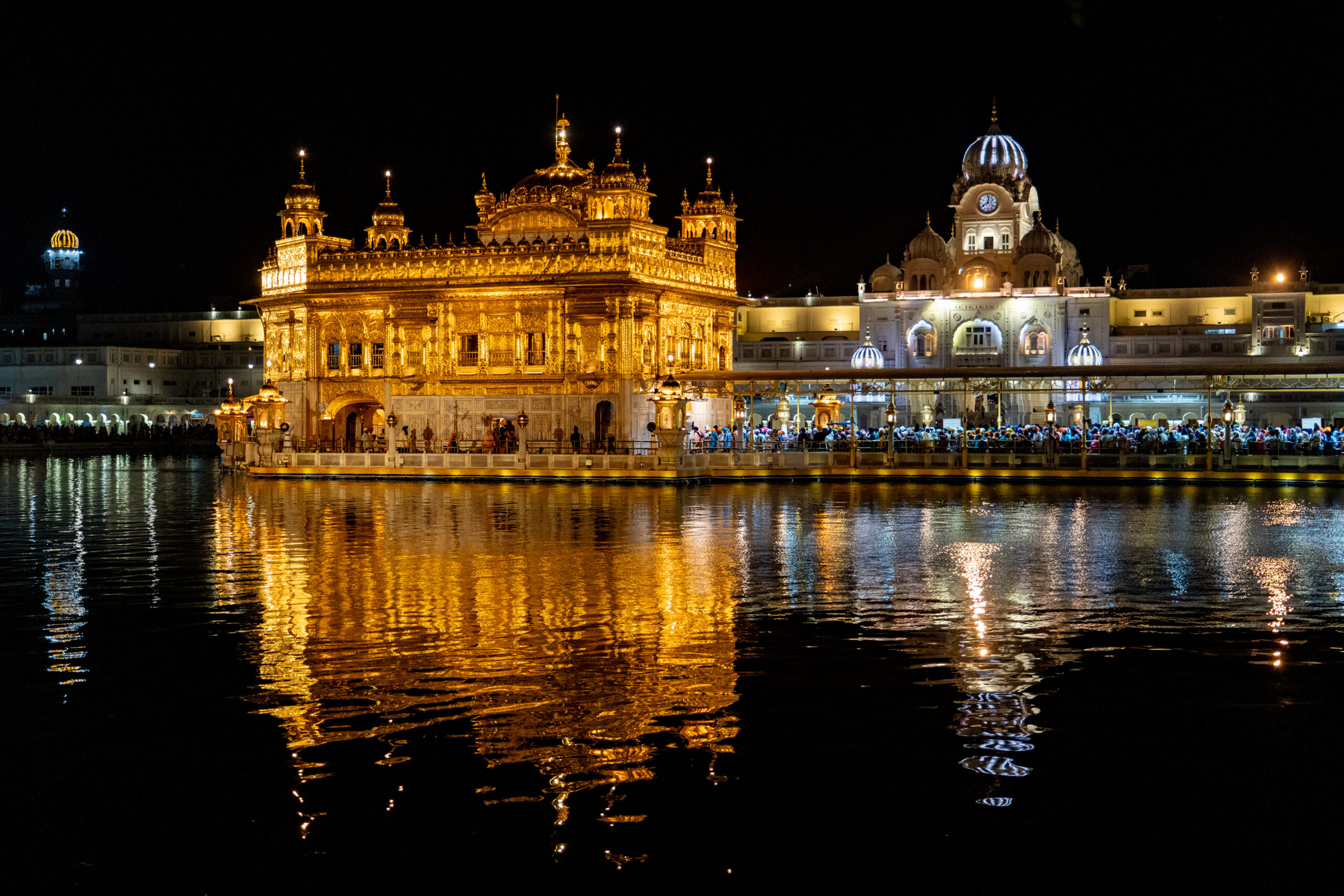
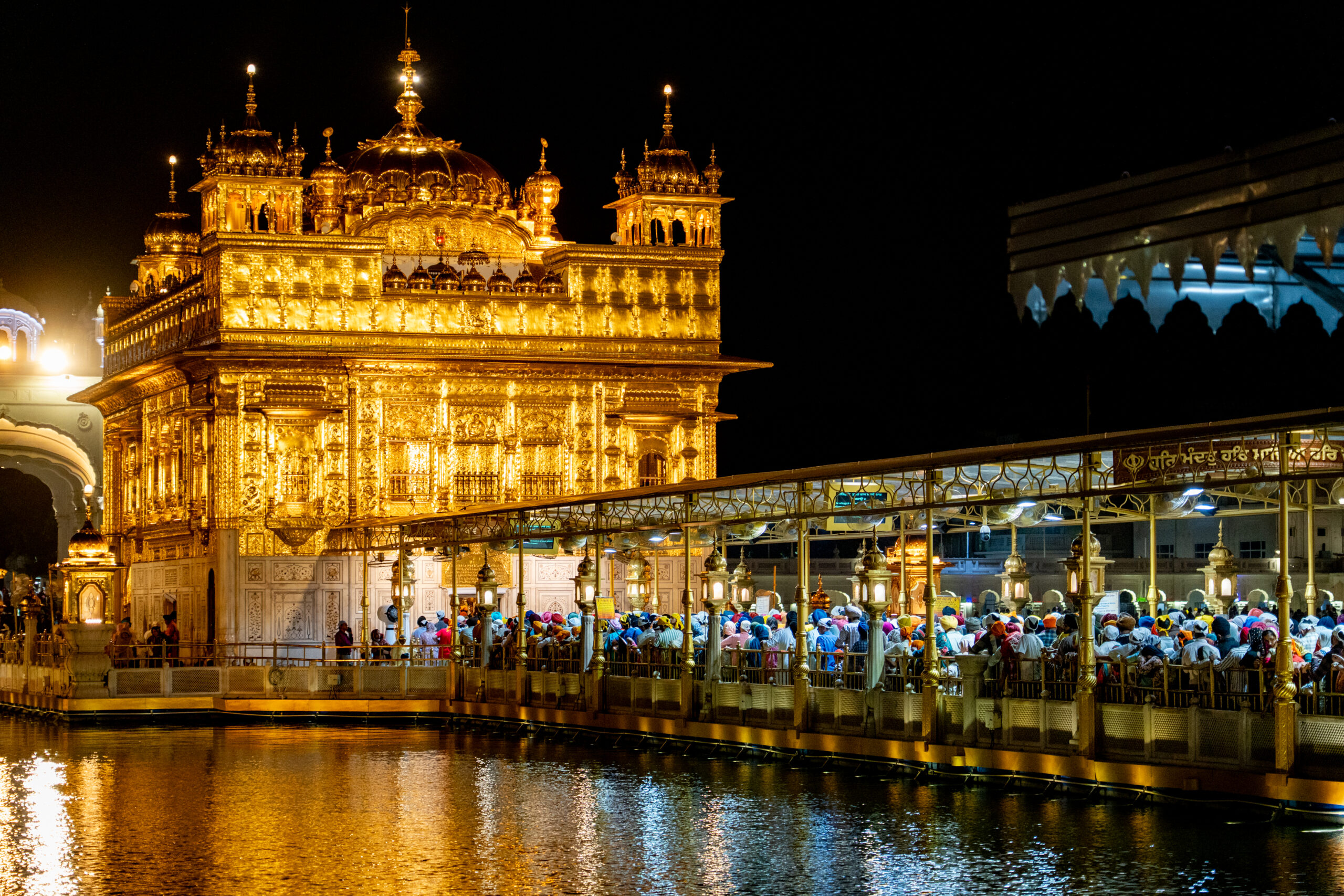
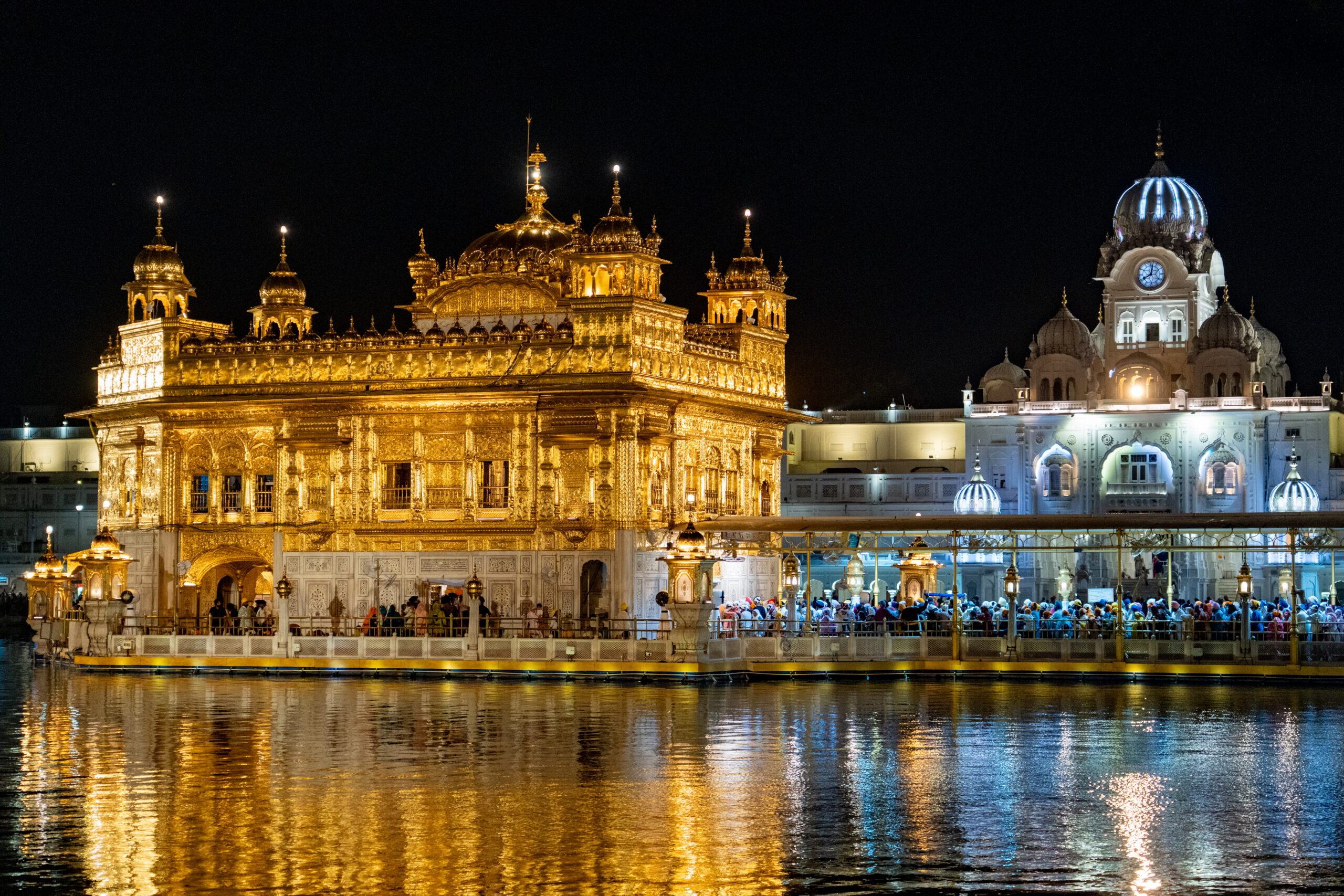
Back at my hotel I packed my camera bag on final time, a final visit to the Golden Temple at night. As I started my visit to Amritsar over here it was only appropriate to finish it the way.
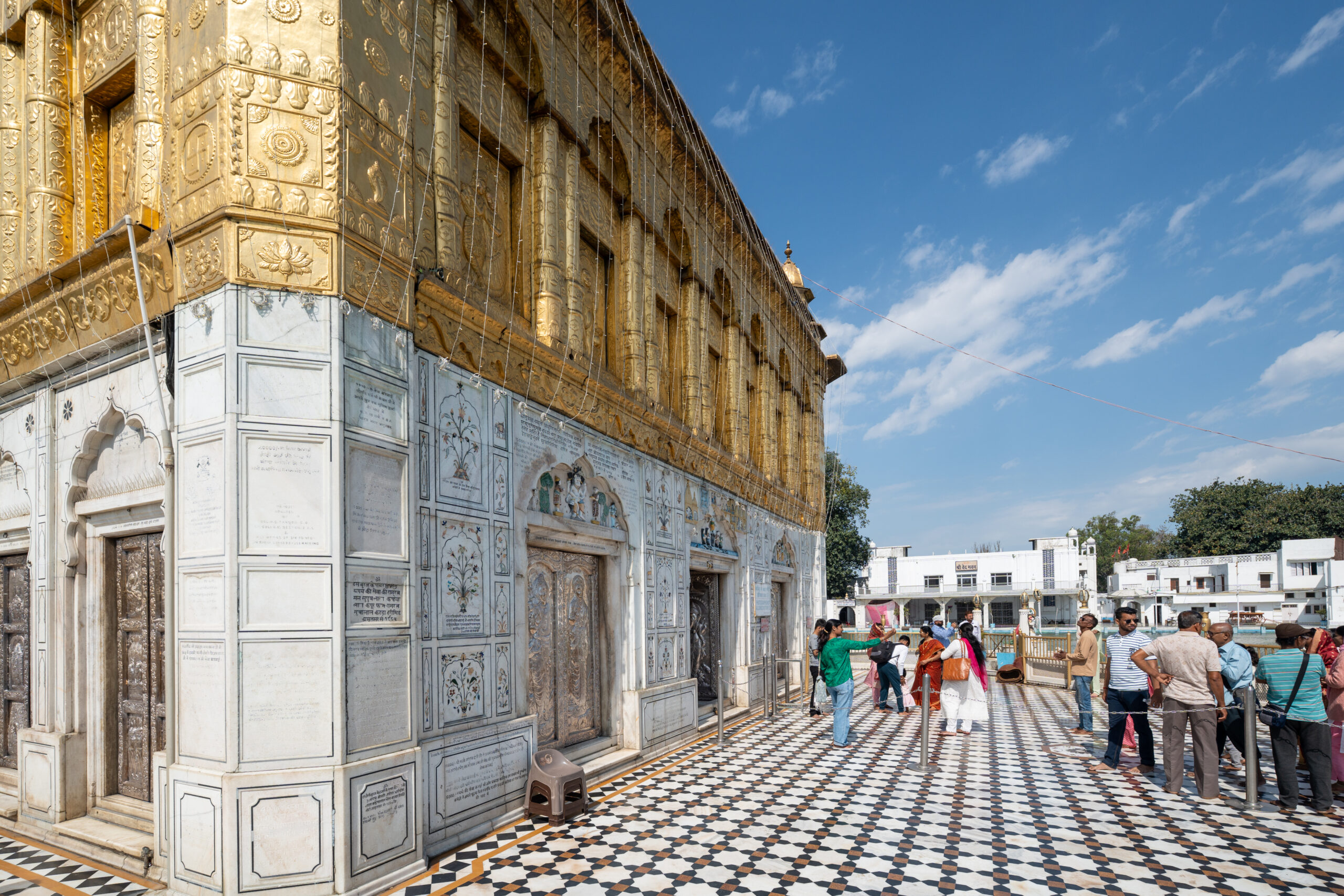
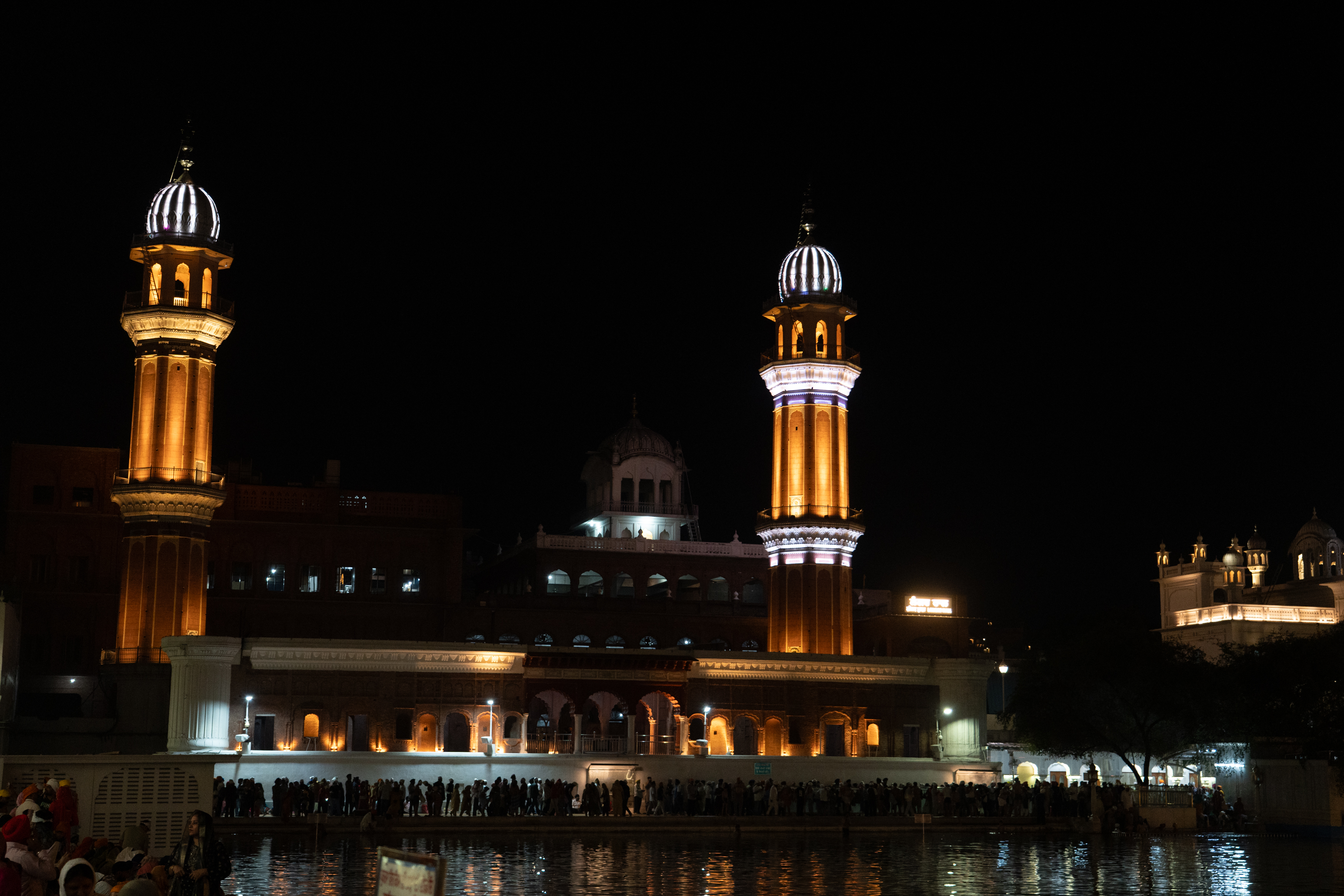
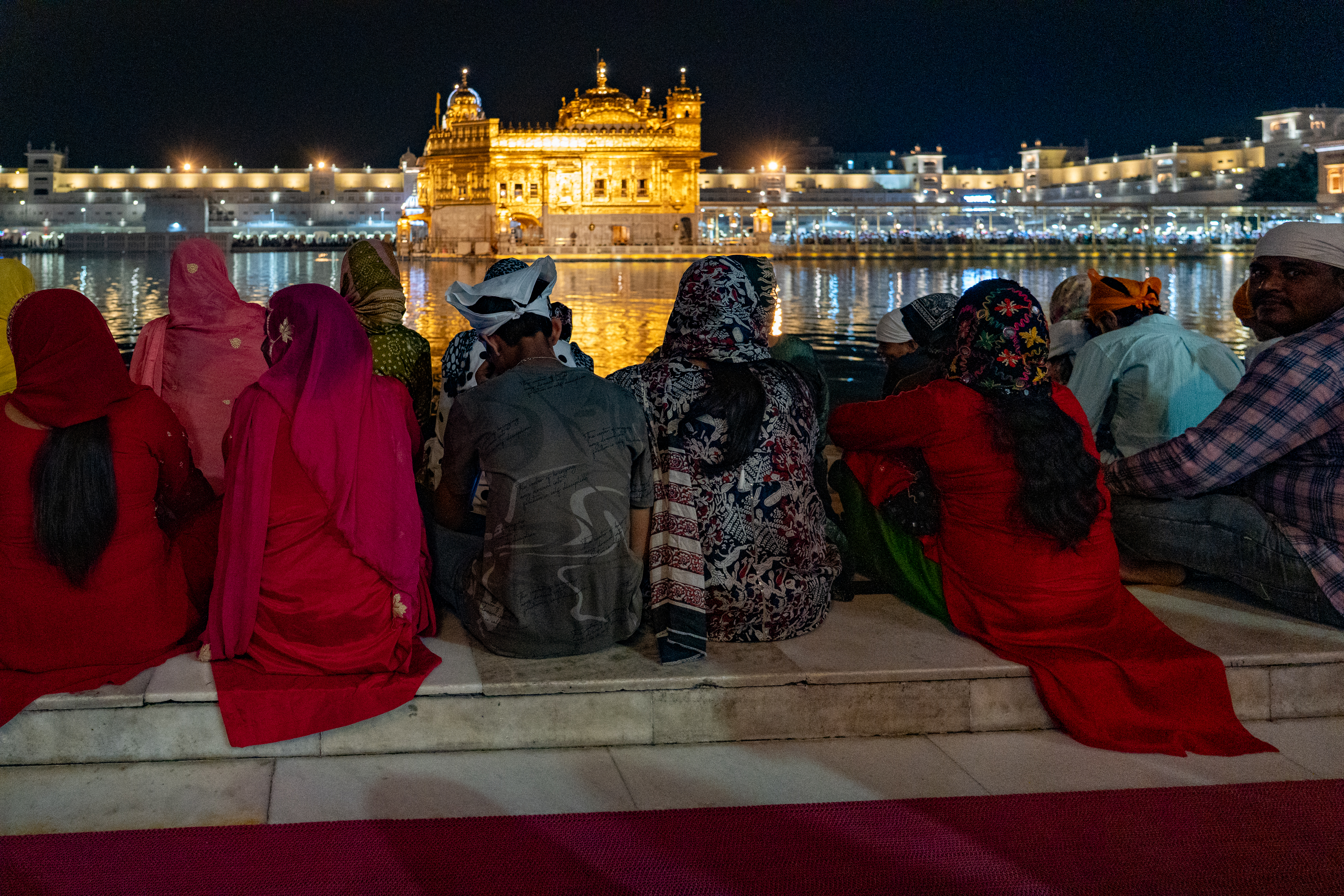
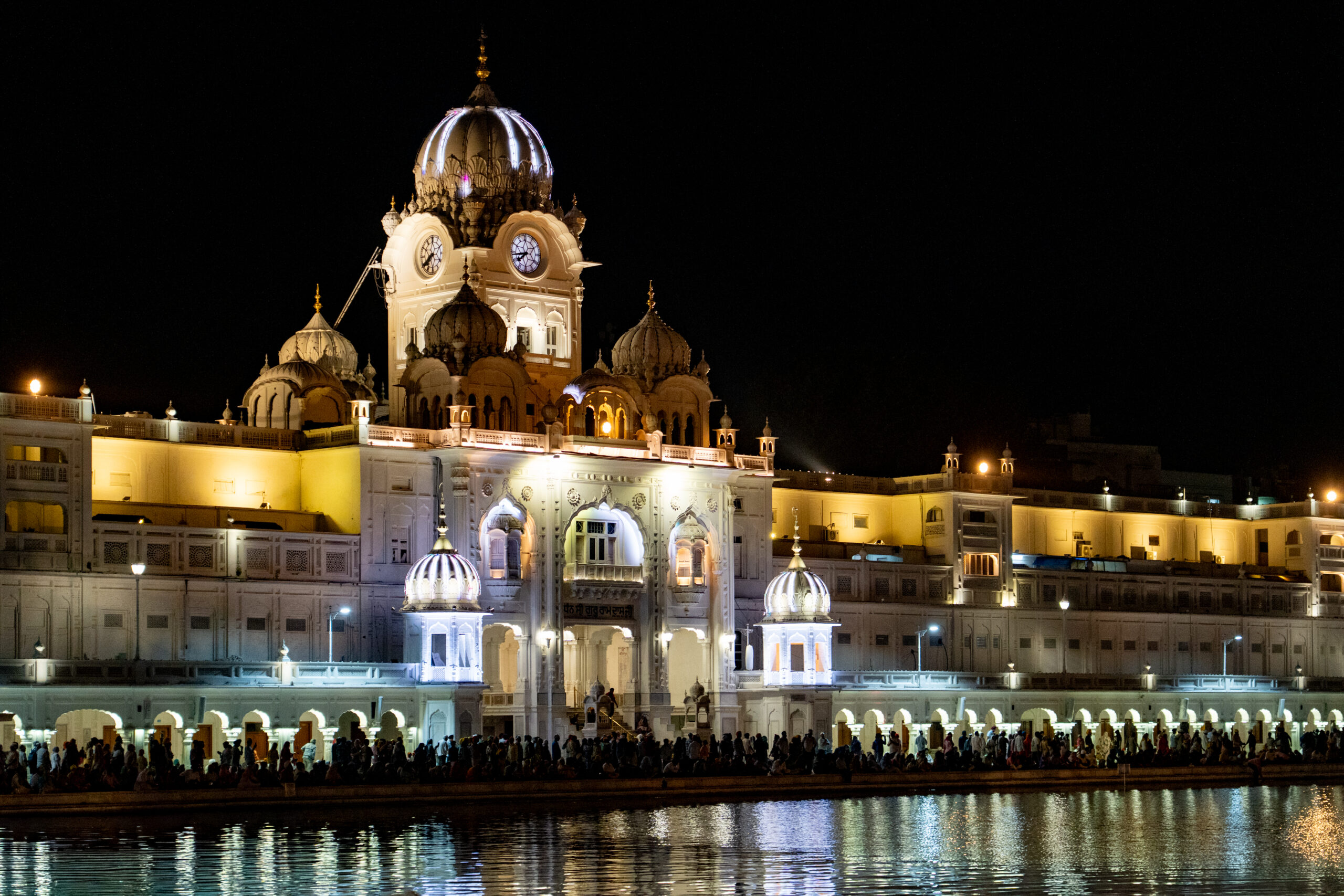
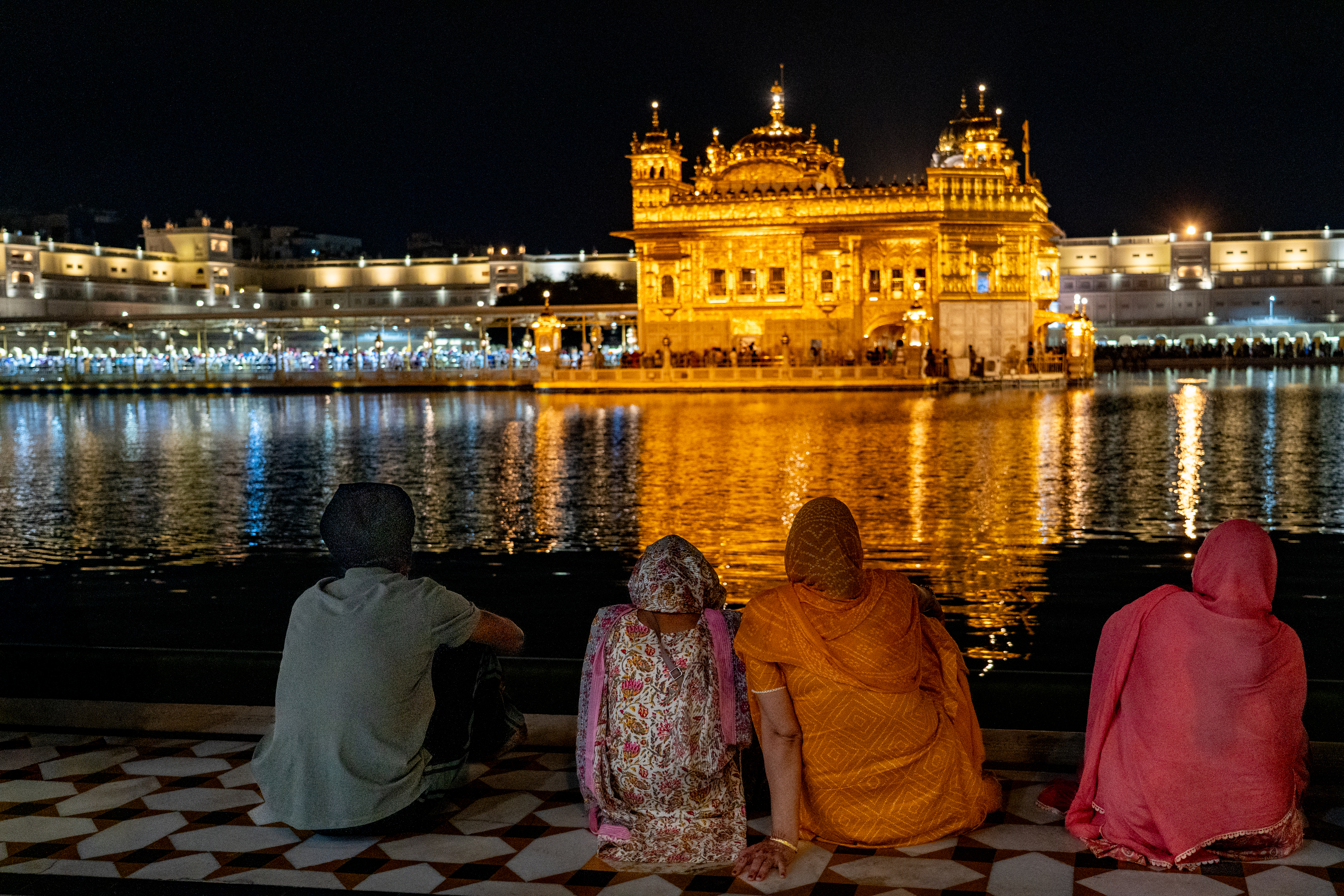
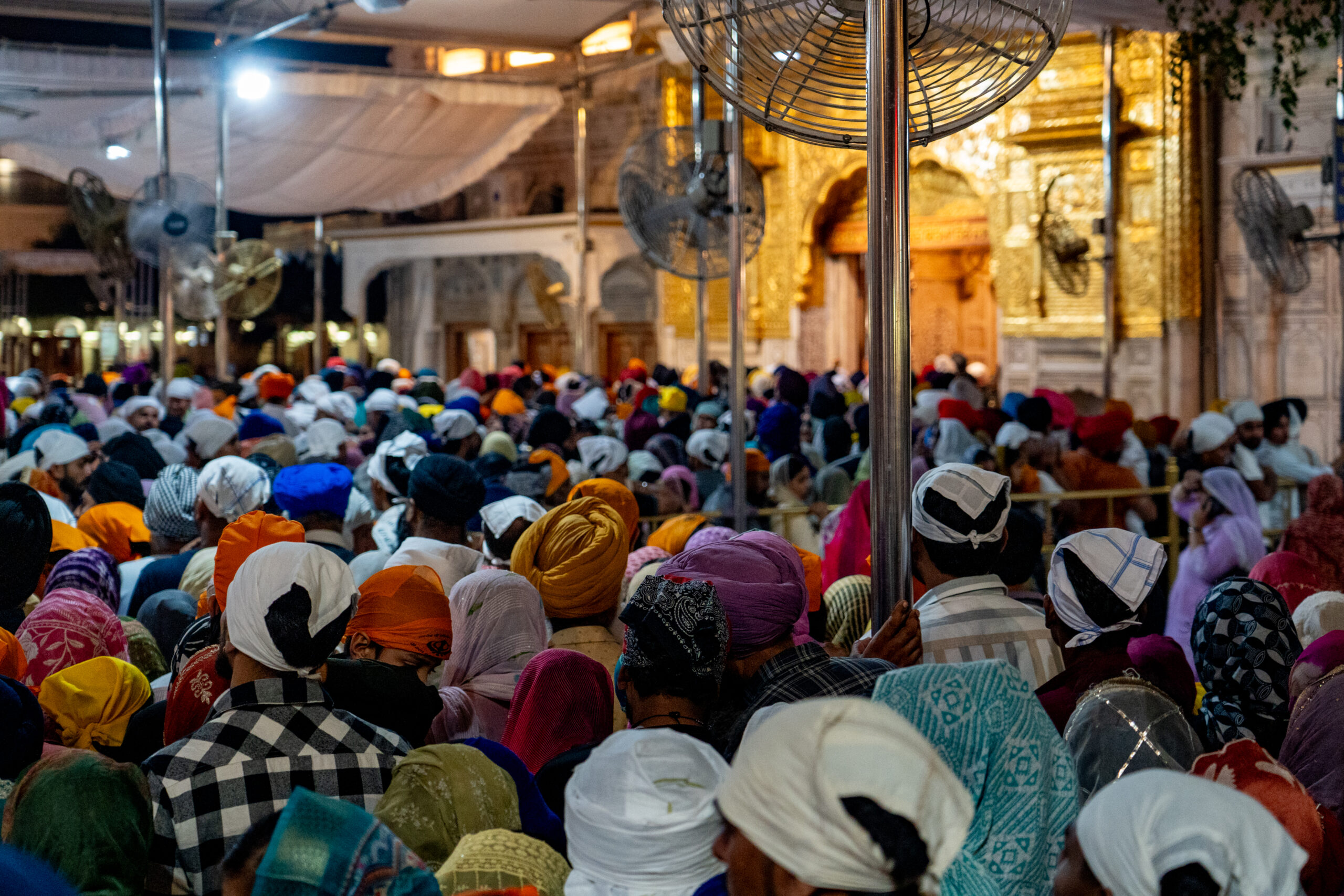
The atmosphere of the Golden Temple at night is even more spiritual than at daytime, and deeply mesmerizing. In the darkness the temple glows with golden lights, its reflection shimmered beautifully in the sacred Amrit Sarovar. The gentle sound of kirtan (devotional hymns) filled the air, creating a calming and meditative environment. Devotees walked slowly around the marble pathway, many sitting quietly in prayer or contemplation. The cool night breeze, combined with the soft lighting and continuous chanting, gave a feeling of peace and connection beyond the everyday world. Despite it was extremely crowded, the place felt serene and harmonious, making the nighttime experience especially magical and spiritually uplifting. I could not have thought of a better way t finish my visit to Amritsar then this place, it was magic, pure magic.
To celebrate the fantastic day, I took a tuk tuk to the Brew Master for a well-deserved beer. Tomorrow I’ll be on my way to a new location, for more adventures.

The alarm went off next morning at 7:00 but I did not feel like waking up, unfortunately there was no other way as new adventures were waiting. Uber makes things really easy in India, minutes after I booked it, I was on my way to the railway station. There I boarded a train to the next destination, Jalandhar. There communication with the tuk tuk drivers was a bit difficult but once again Uber was a quick fix.

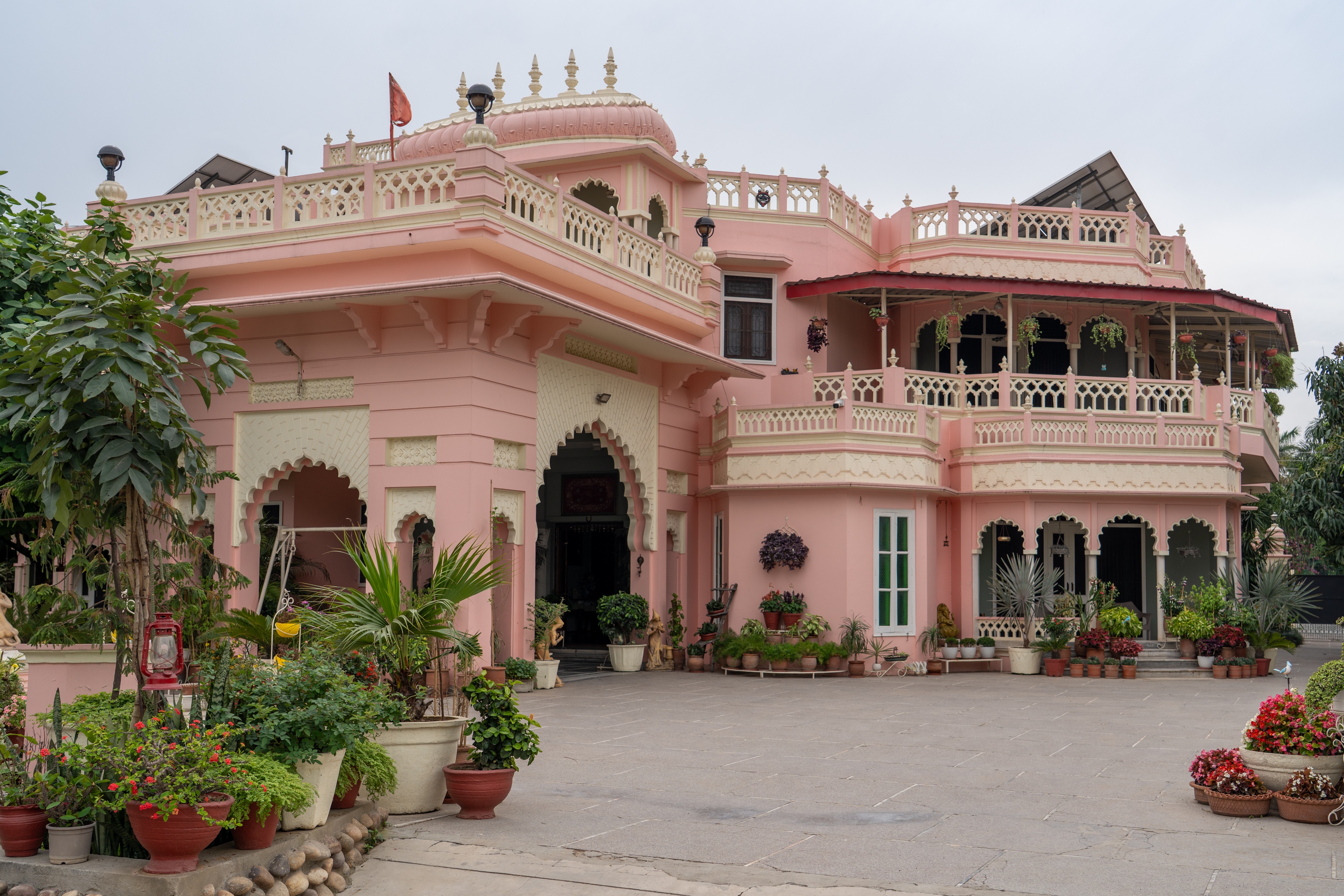
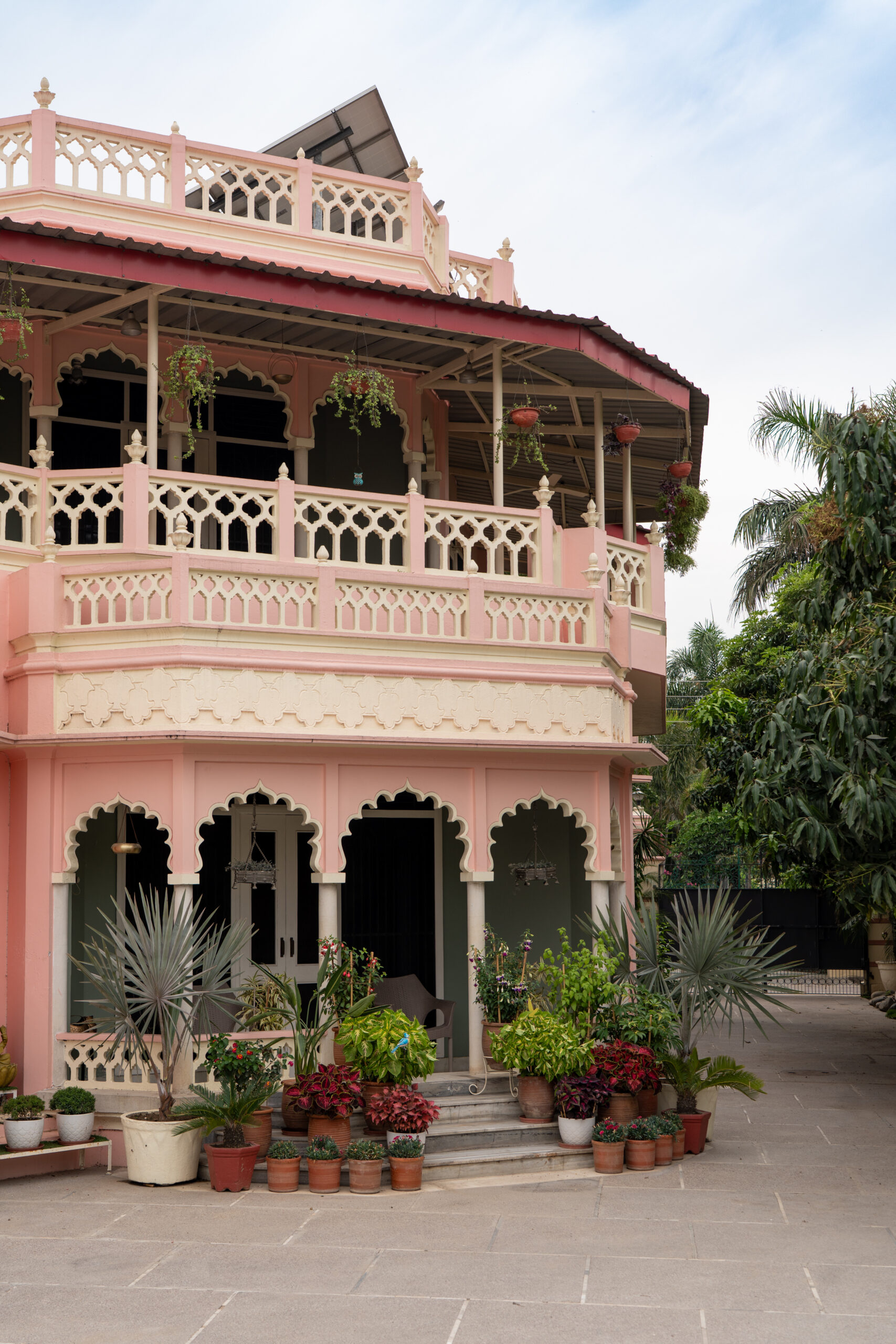
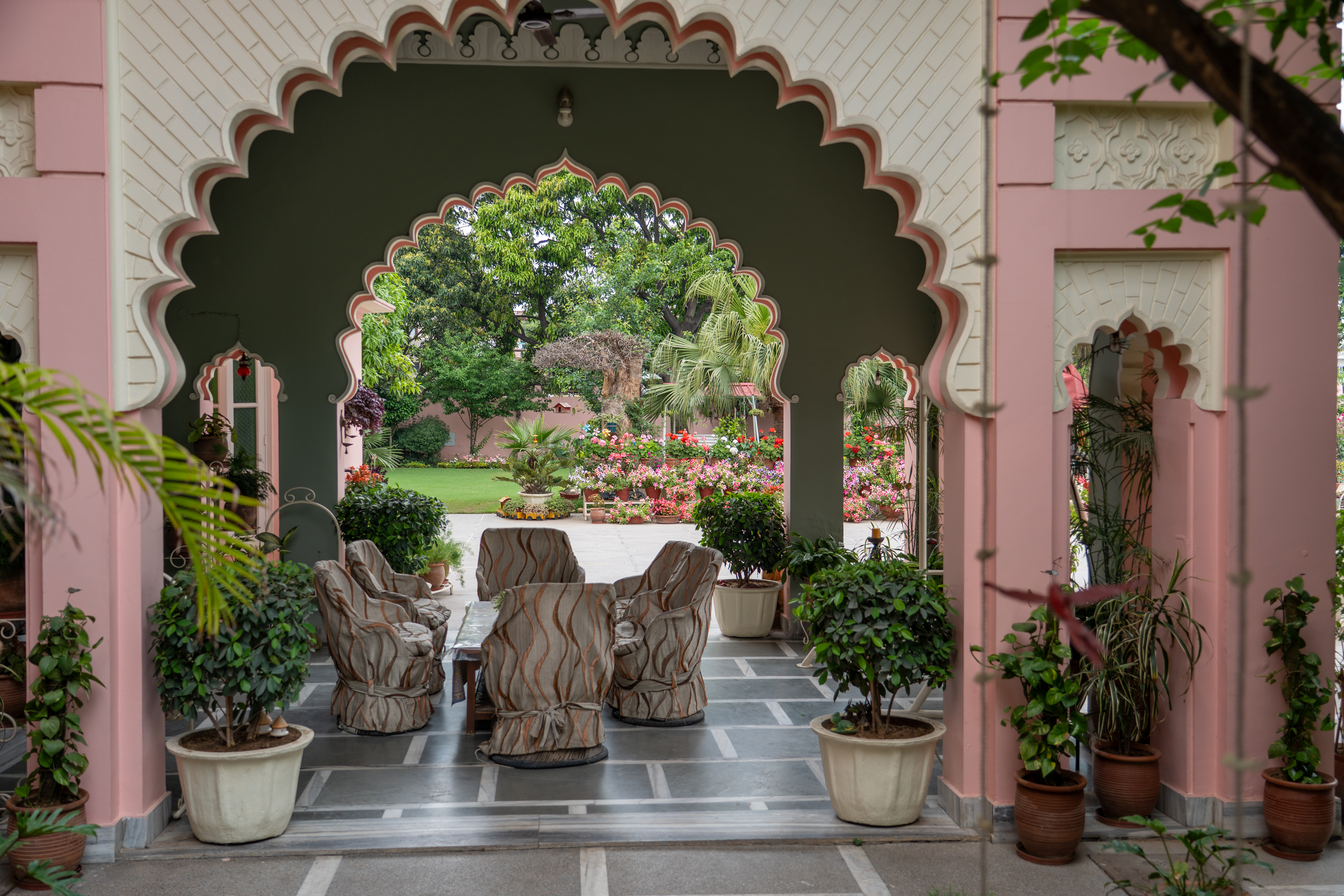
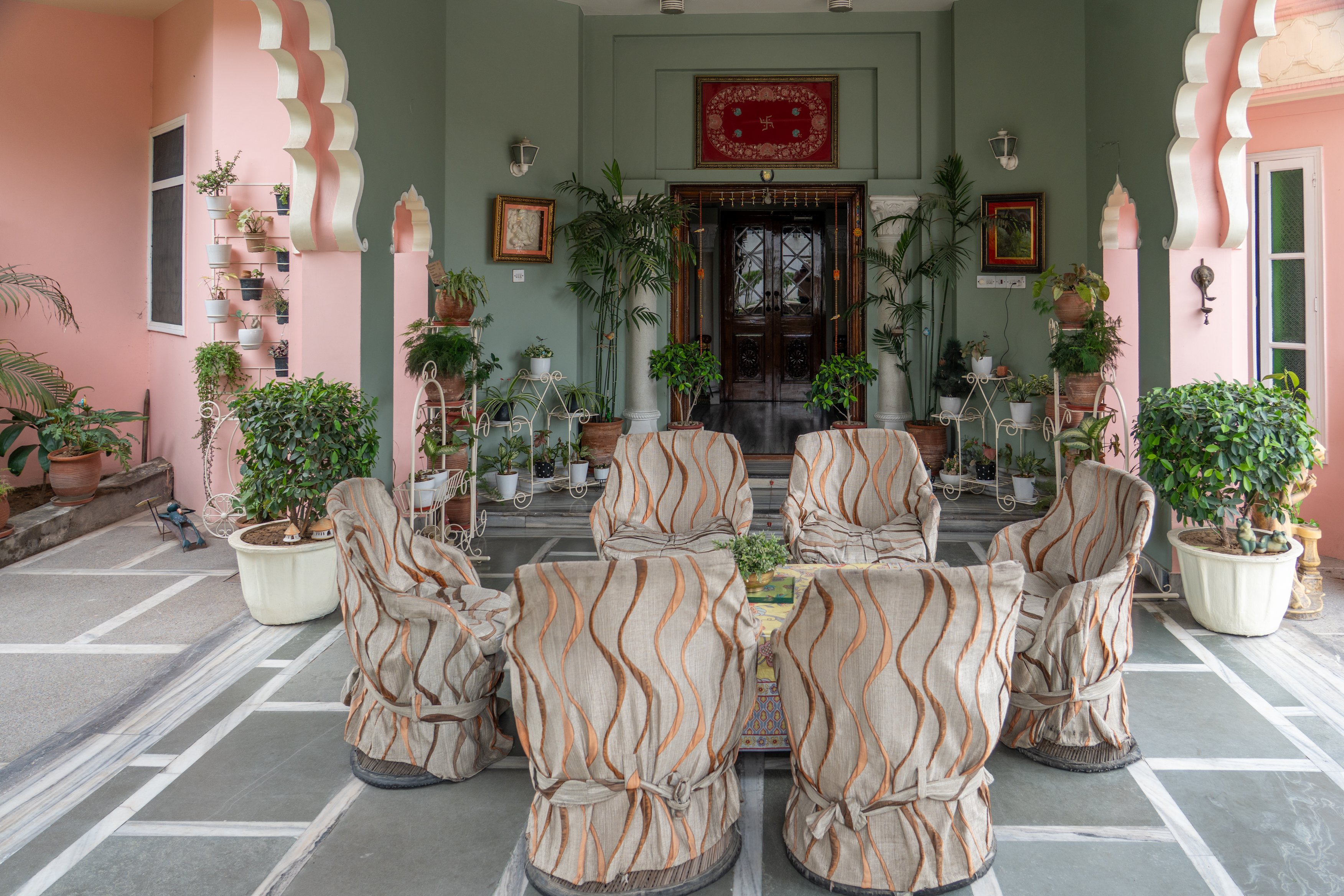
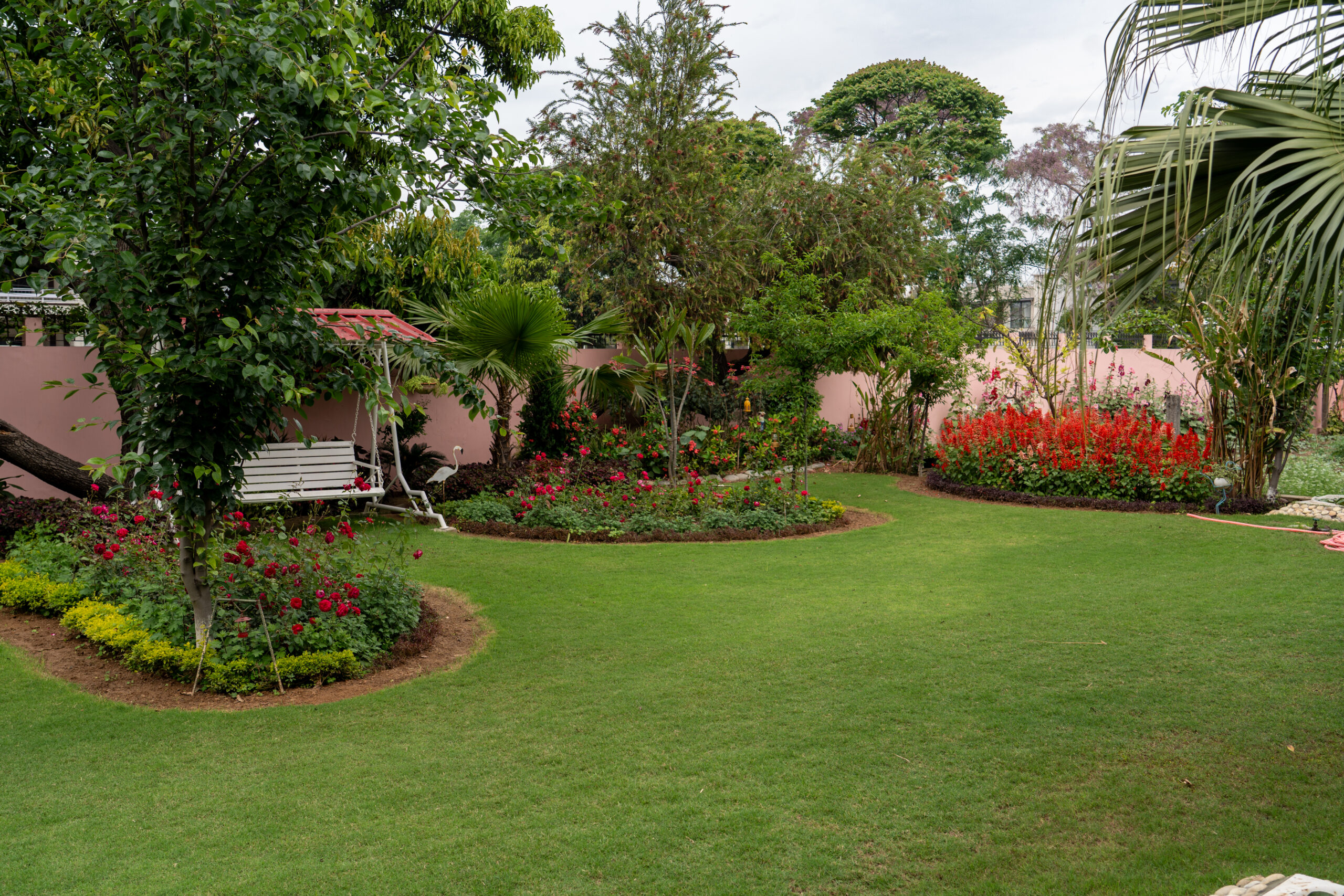
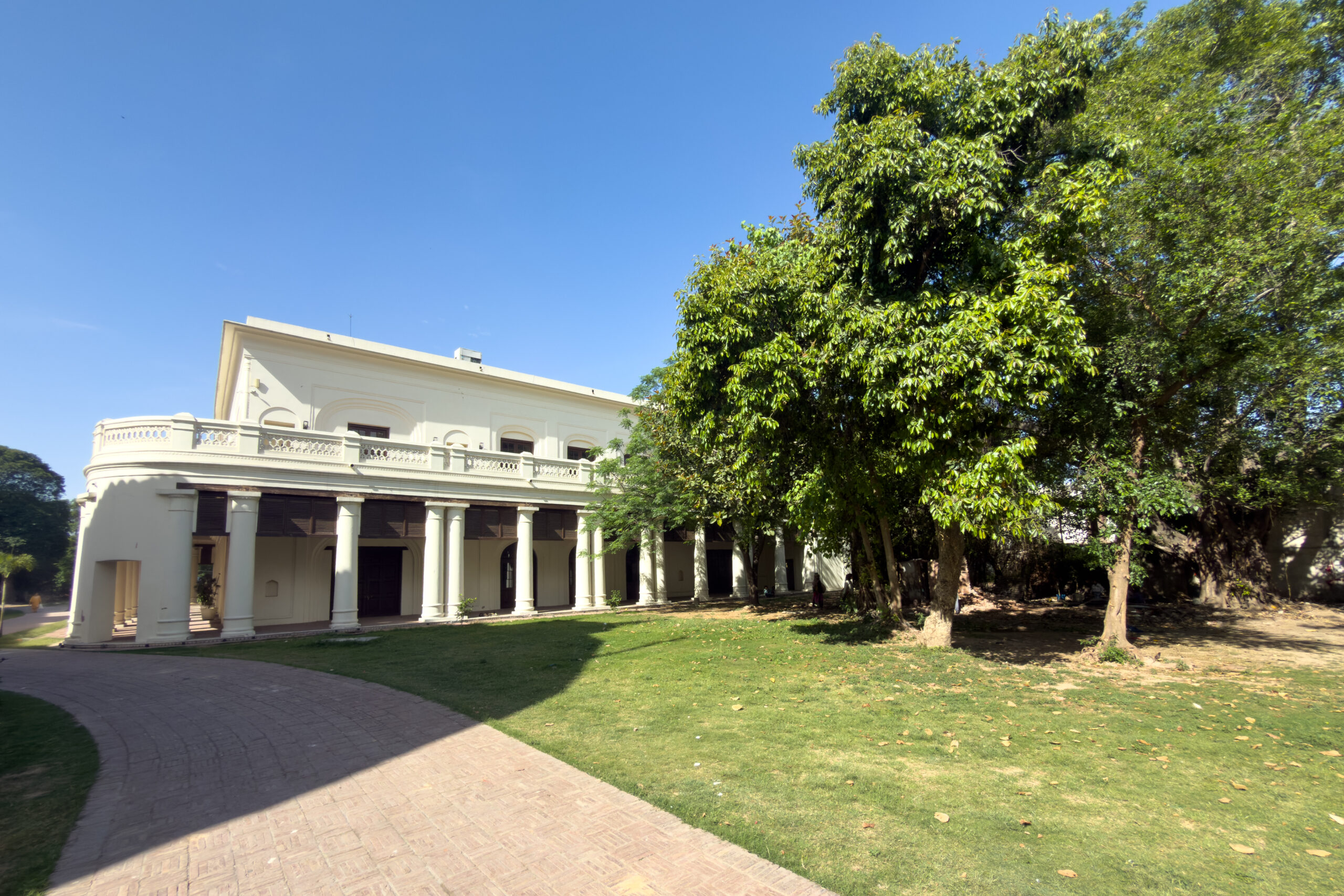
My accommodation, Savrupson Heritage Homestay is a heritage bungalow that was originally built as a spacious private family residence reflecting traditional North Indian haveli-style architecture. The house features large rooms, verandas, antique furnishings, and landscaped gardens typical of older elite homes in Punjab. Over time, the owners chose to preserve the property’s historic character and opened it to travelers as a small heritage homestay, allowing guests to experience traditional Punjabi hospitality while staying in an authentic family home. Today, it operates as a family-run guesthouse where the original architecture, décor, and lifestyle elements have been maintained to give visitors a glimpse of the region’s cultural and domestic heritage.

I had seen pictures of the place on the booking site but reality still blew me away. Away from the center of town, it was very quiet and peaceful and I was welcomed wholeheartedly by the owner. My suite was fabulous and luxurious, a place to feel really well, an extraordinary stay indeed. I decided to relax for the remainder of the day and read a bit in my book in the tranquil garden. Time to relax….

In the evening I was treated on a fabulous Punjabi home cooked meal. What better way to indulge in the food and culture of Punjab.

Travelling off the beaten path comes both with challenges and surprises, travel options become much more restricted and difficult to arrange. But that issue was sorted out by Dinesh, my host who arranged a taxi for me to the neighboring town of Kapurthala.

After a delicious Indian breakfast my driver picked me up. His English wasn’t good so communication was an issue, but there was google maps to assist us (how have we ever travelled without it) so I only had to enter the destinations to get to the right place.

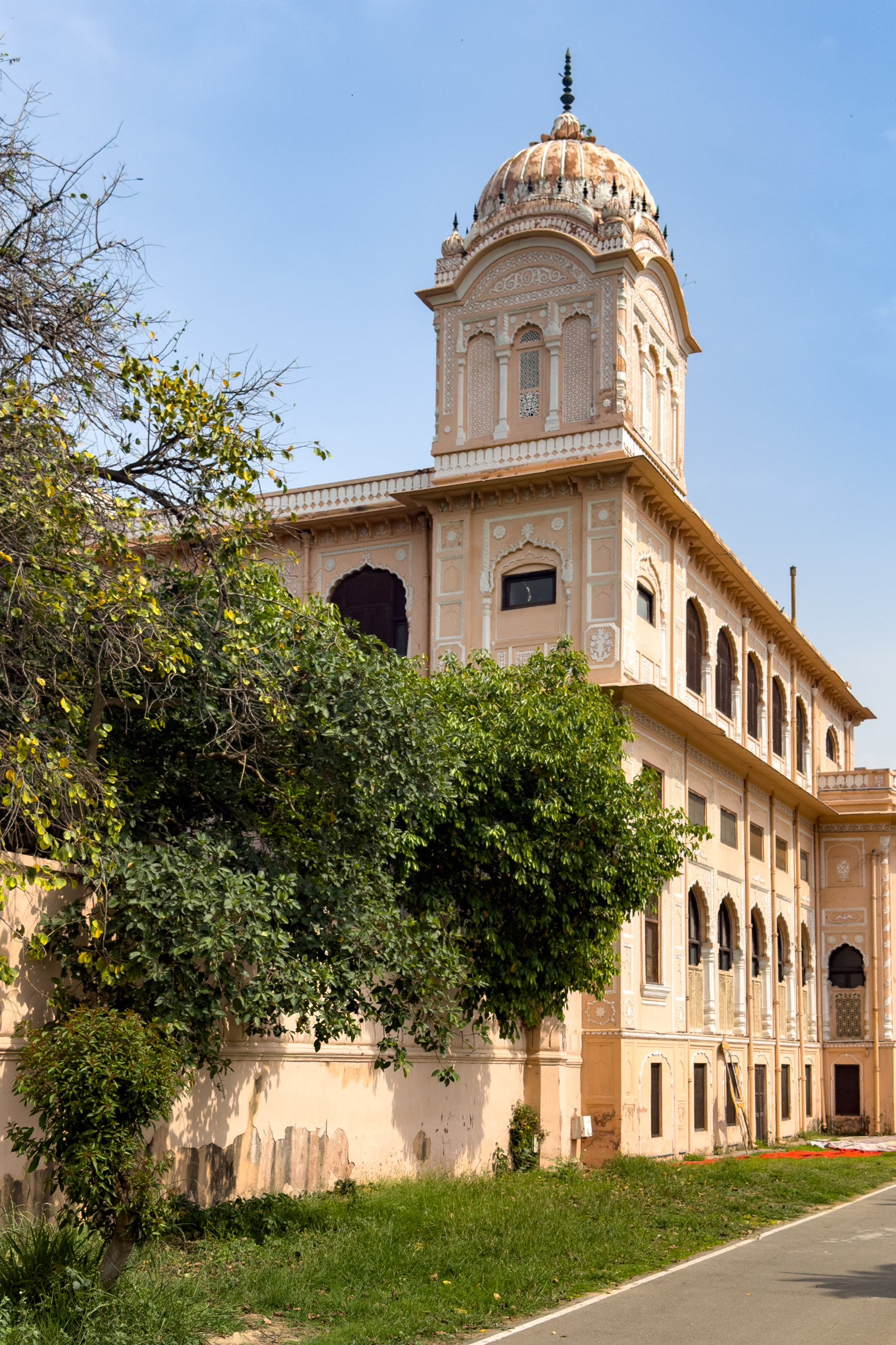
Our first stop was Jagatjit Palace, a grand historic palace built in the early 20th century by Maharaja Jagatjit Singh, the ruler of Kapurthala. Designed in a French–Indo architectural style inspired by the Palace of Versailles. The palace features elegant domes, arches, and richly decorated interiors and stands as one of the most beautiful examples of royal architecture in Punjab.

Nowadays, it houses Sainik School Kapurthala, a military academy and understandably (but also disappointingly) my visit ended at the gate without having seen a glimpse of it.

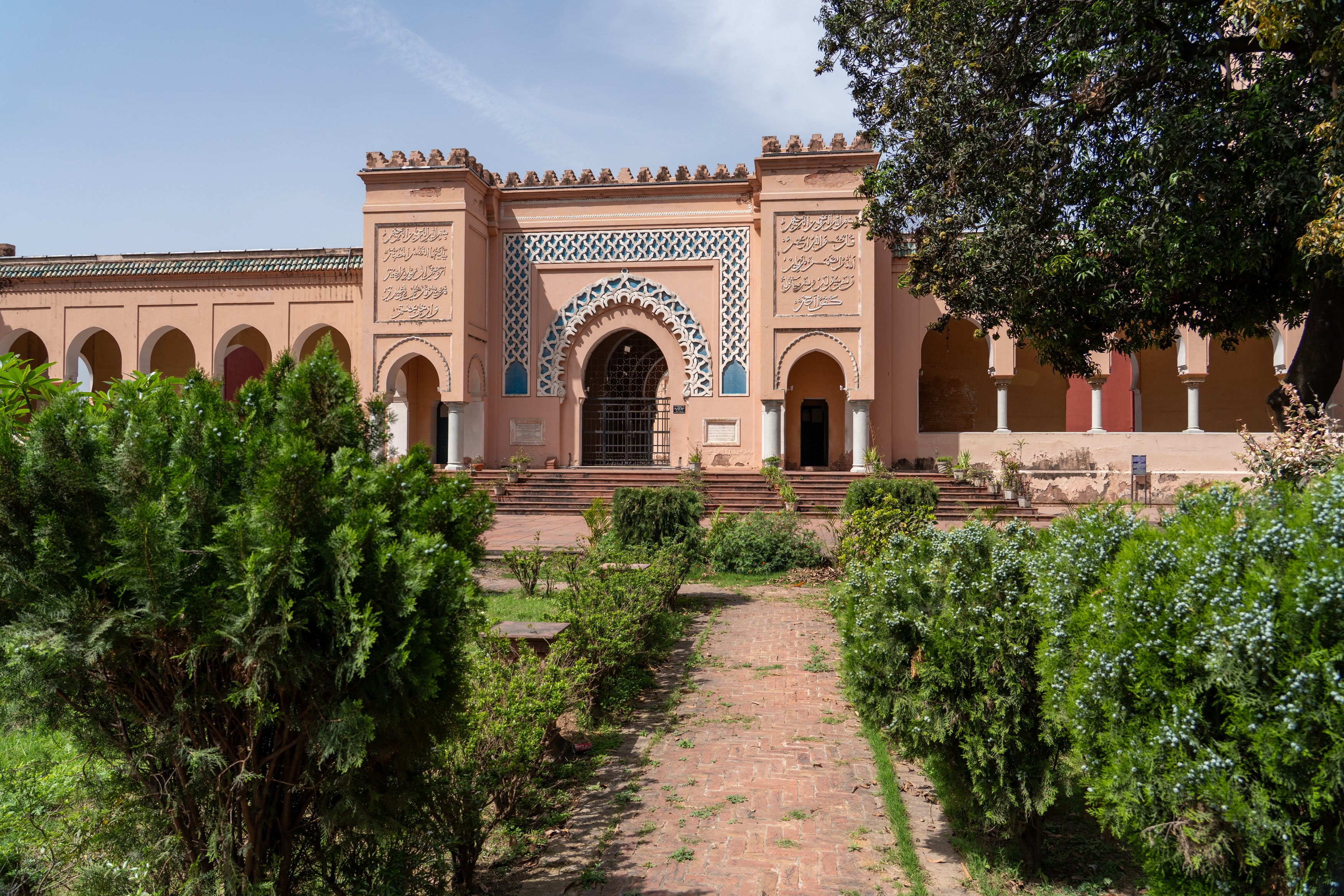
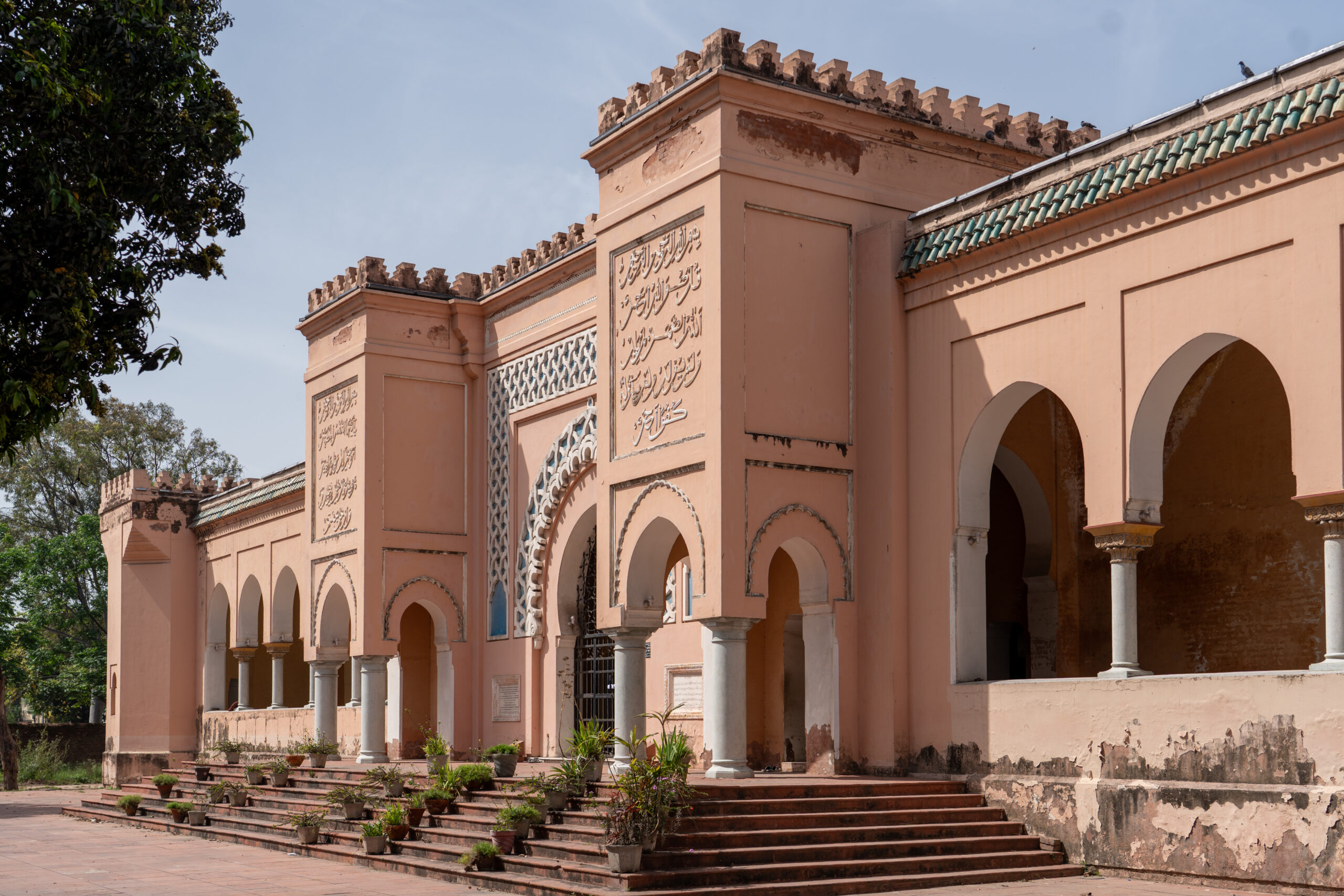
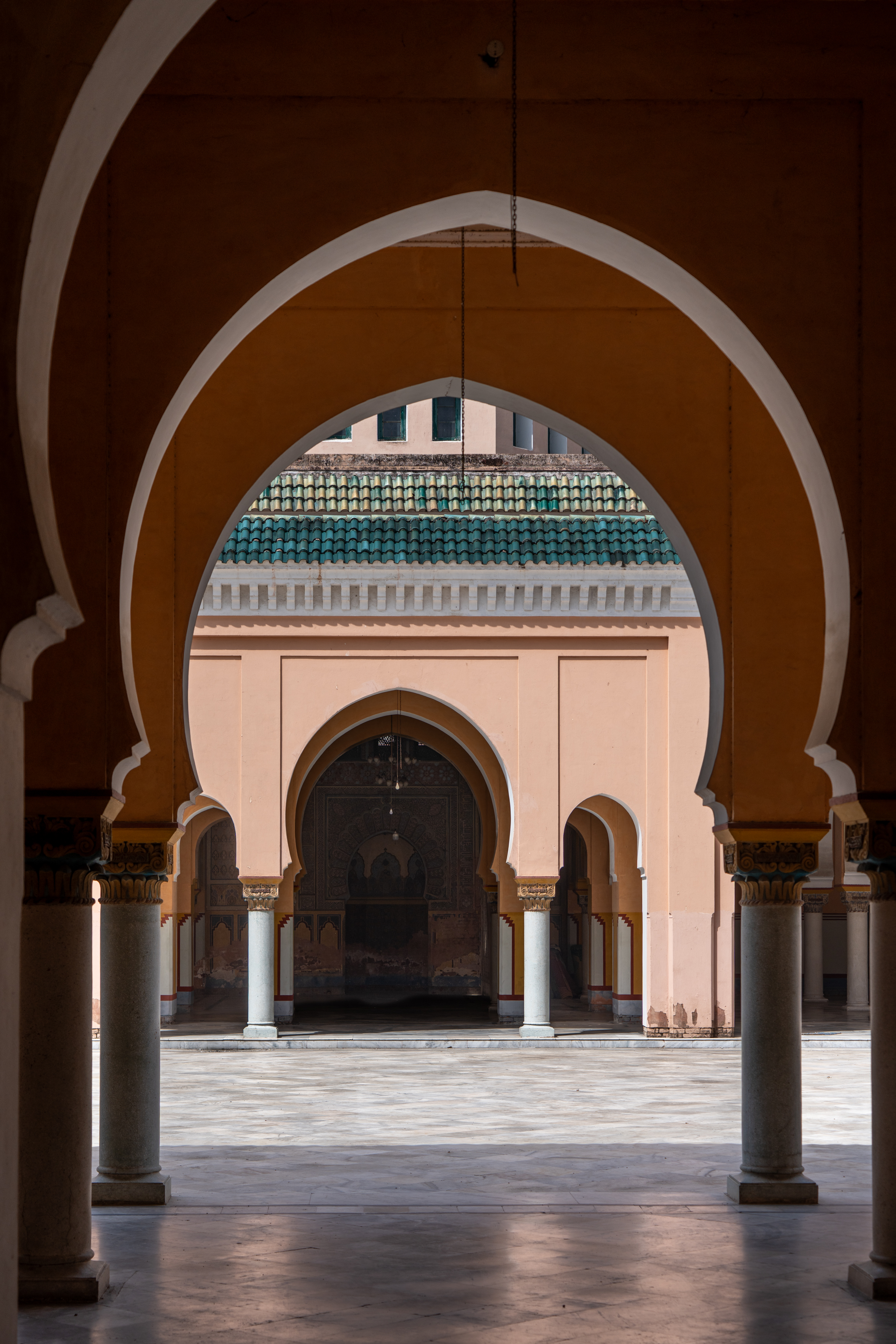
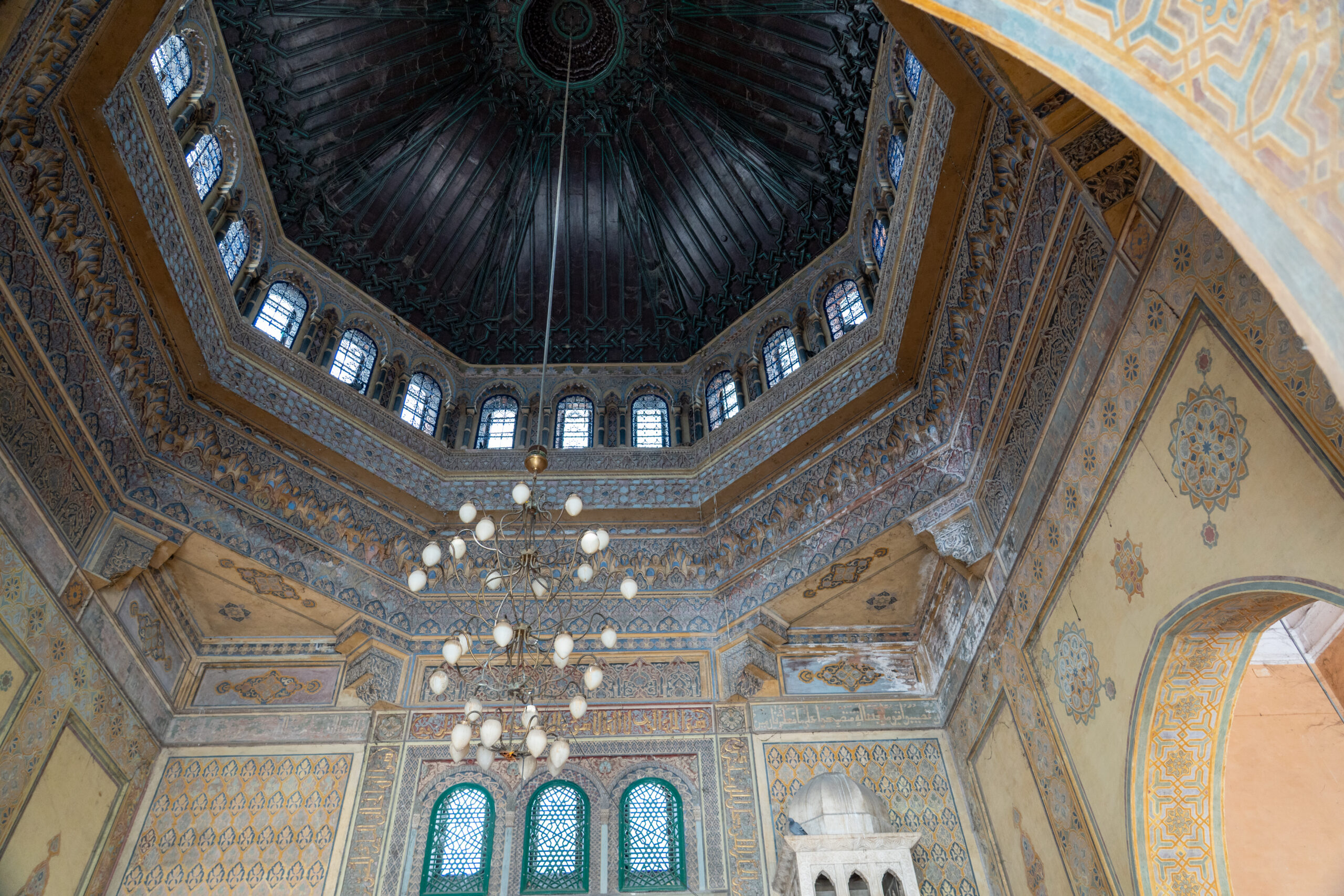
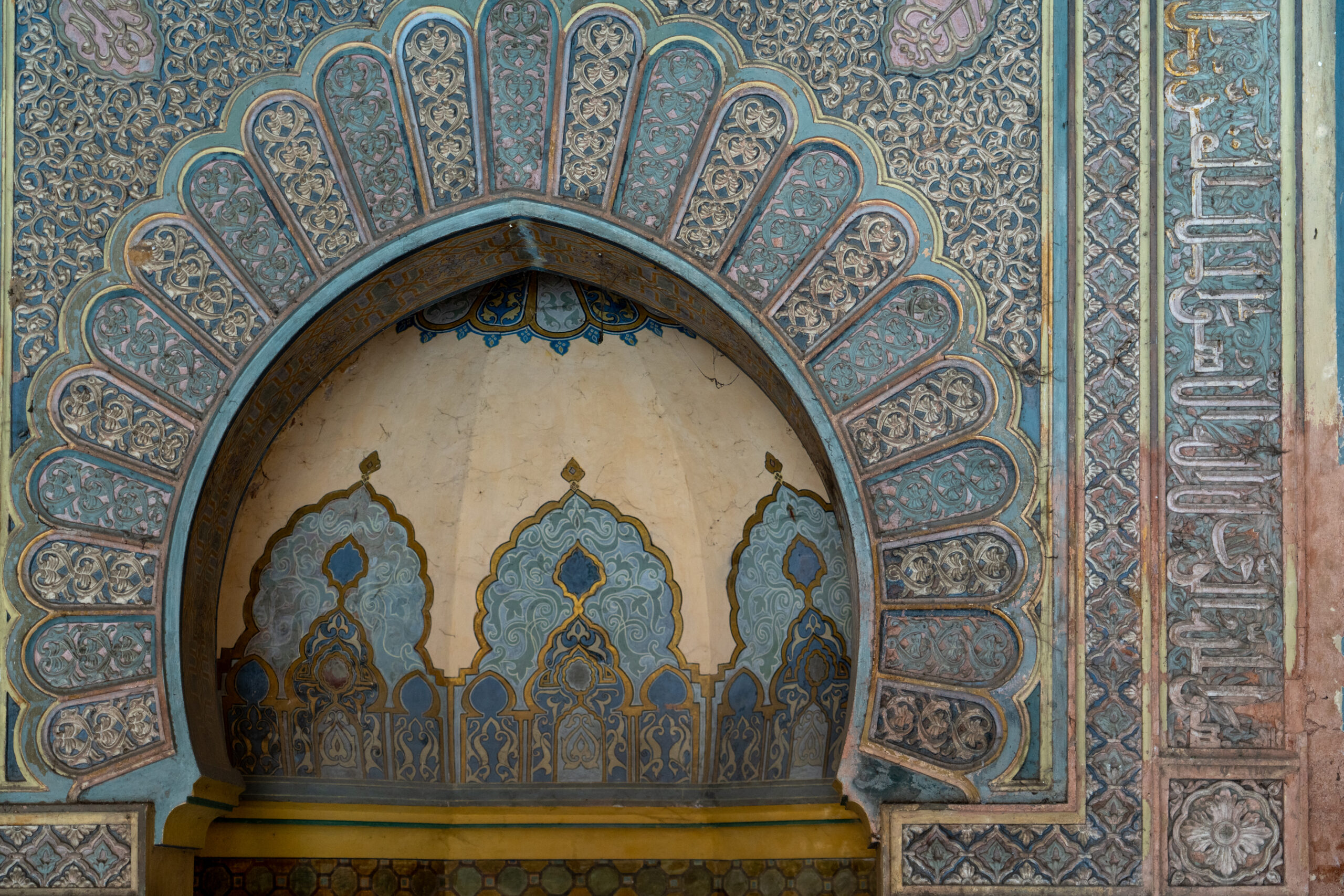
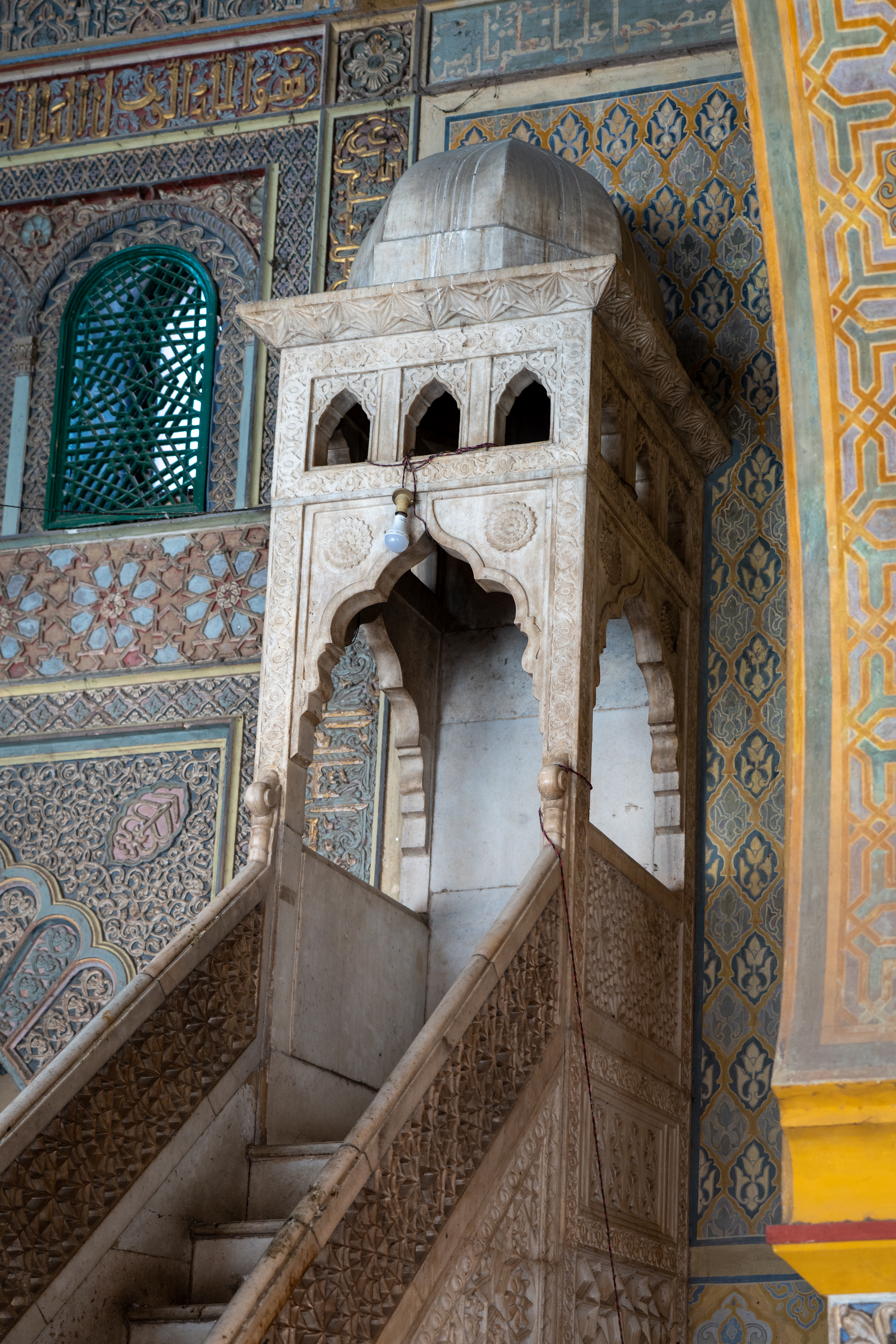
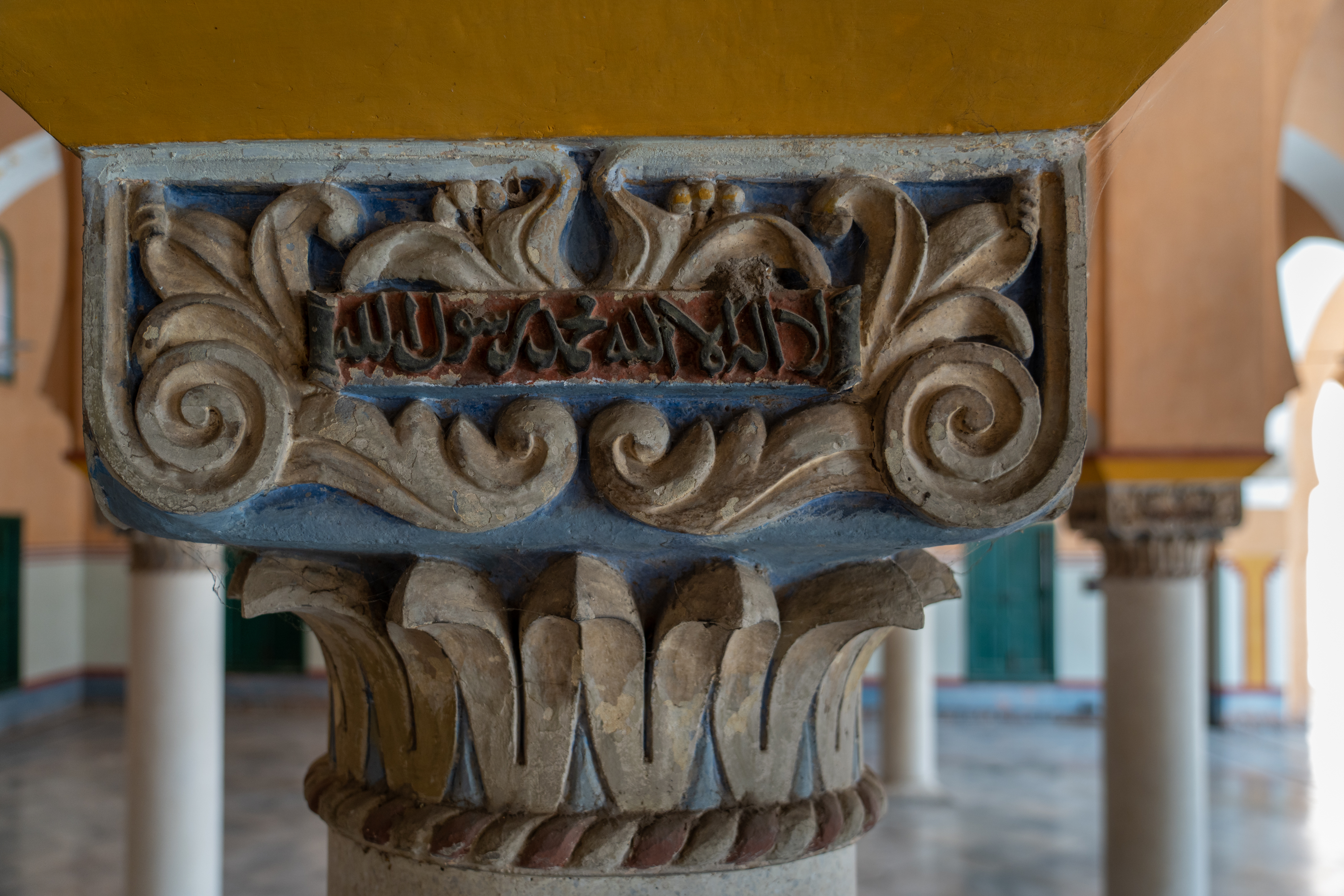
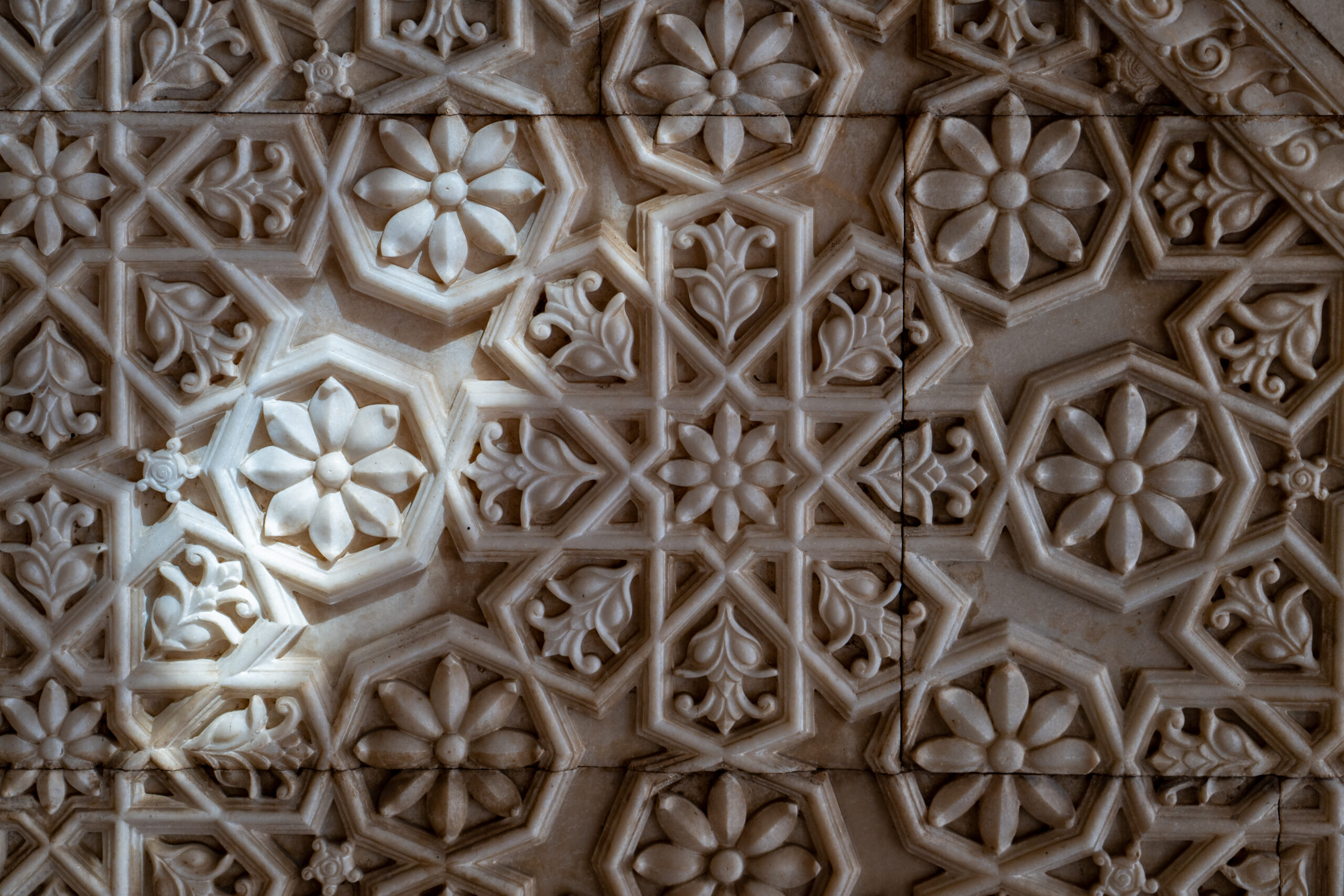
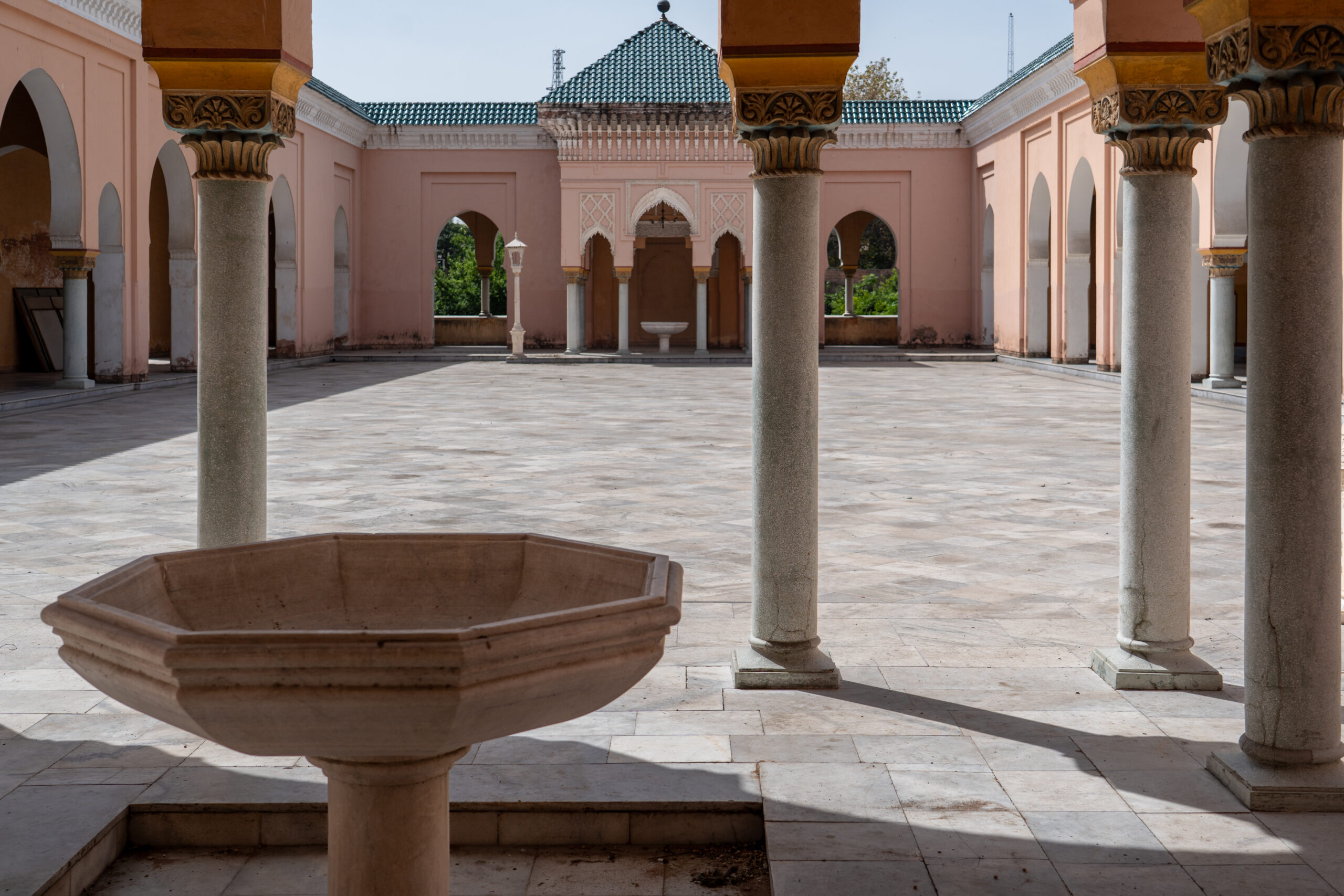
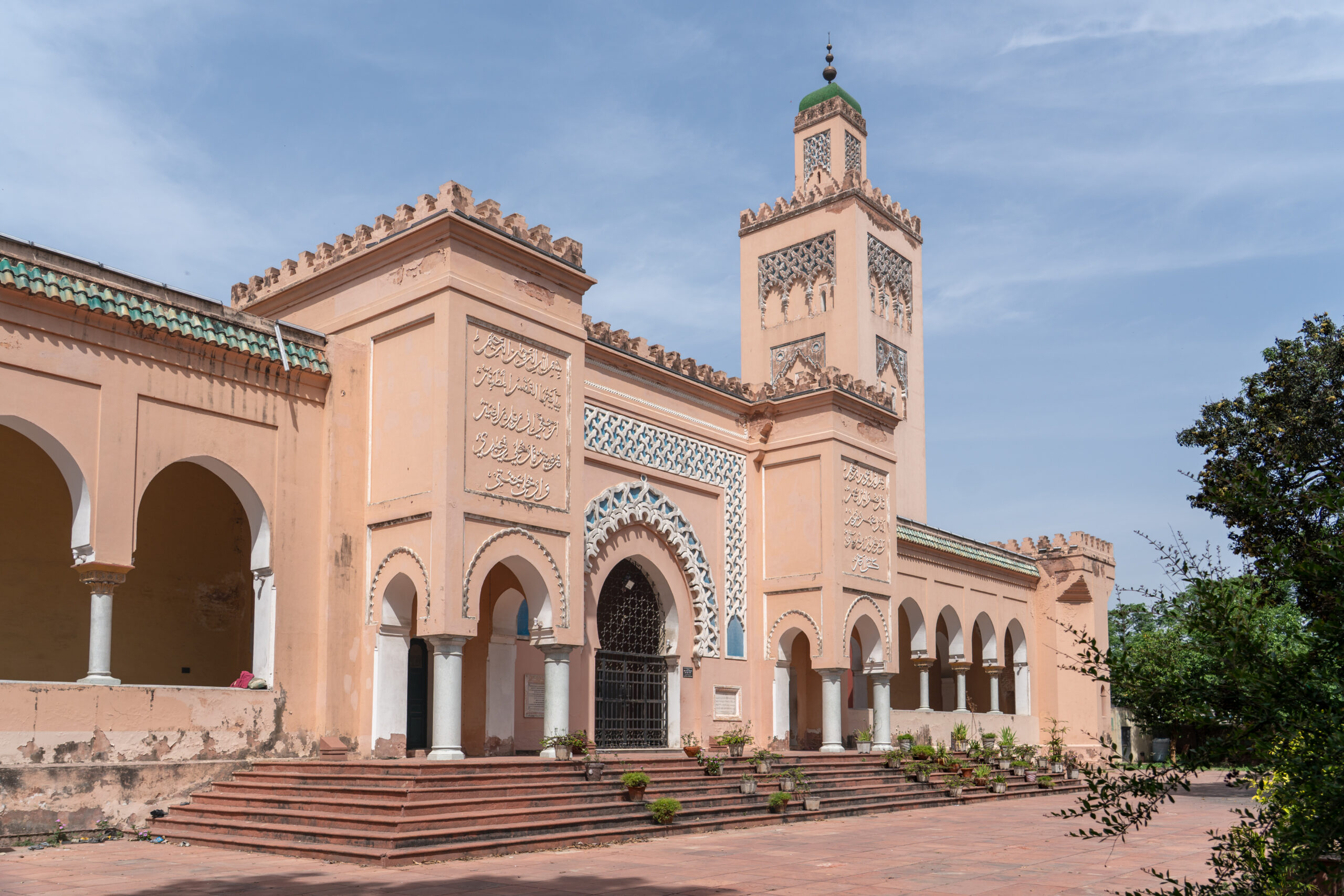
So, I entered destination nr.2 in google maps and we were off to the Moorish Mosque, a beautiful mosque built in 1930 by Maharaja Jagatjit Singh of Kapurthala. Its design is inspired by the famous Great Mosque of Marrakesh and reflects a striking Moorish architectural style with elegant arches, domes, and intricate decorations. The mosque is one of the most unique landmarks in Kapurthala and represents the city’s rich cultural and architectural heritage. 

On arrival I found the gate locked but it was opened wide enough to get through into the small garden in front of it. I got a glimpse of the exterior but all entrances were firmly locked. But by luck a group of Indian tourists arrived with the gatekeeper and I was invited to join them. I wasn’t sure whether the mosque was still in use or not as it made a desolate impression in need of some tender loving care. Still, I was glad to have been able to see the interior.

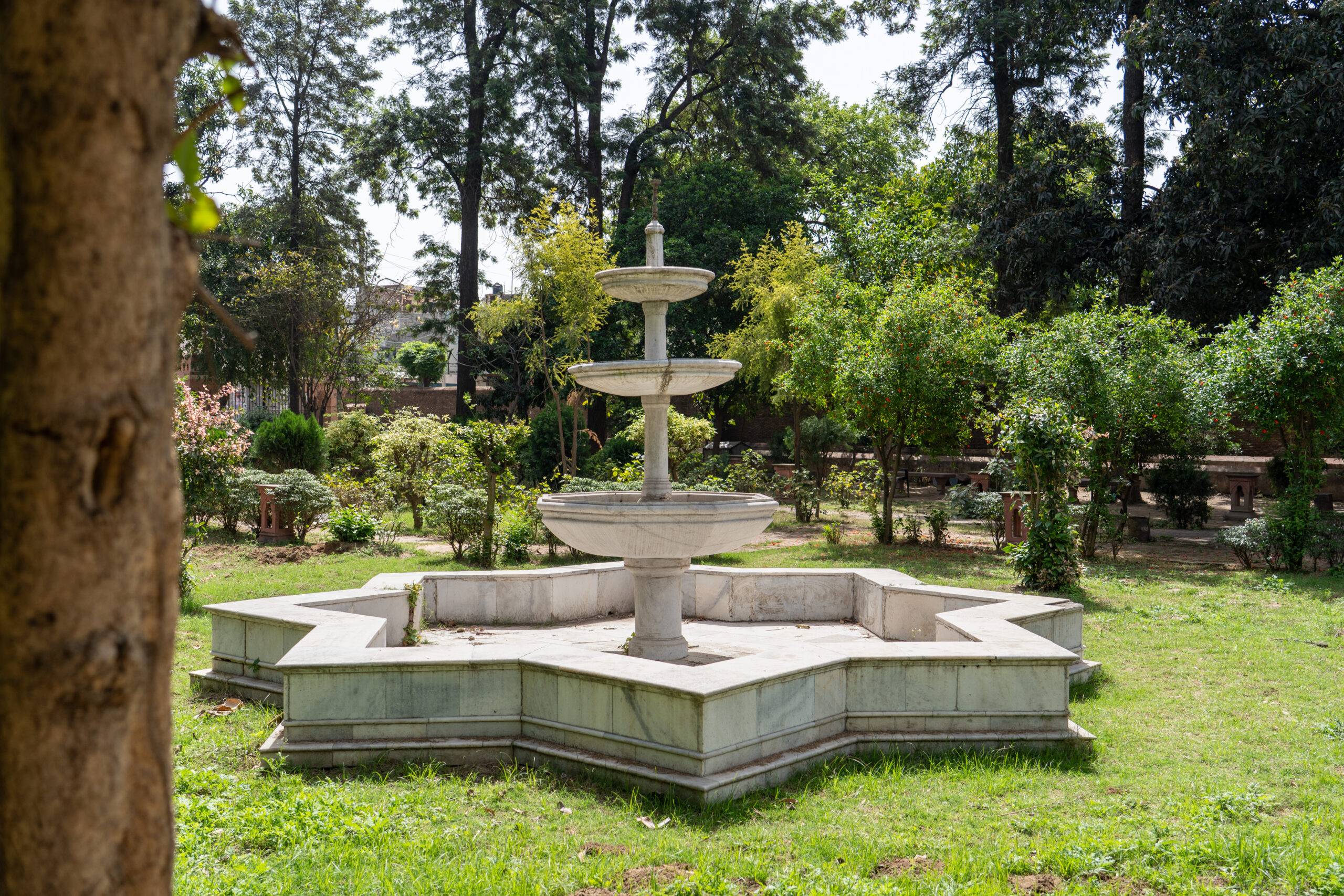
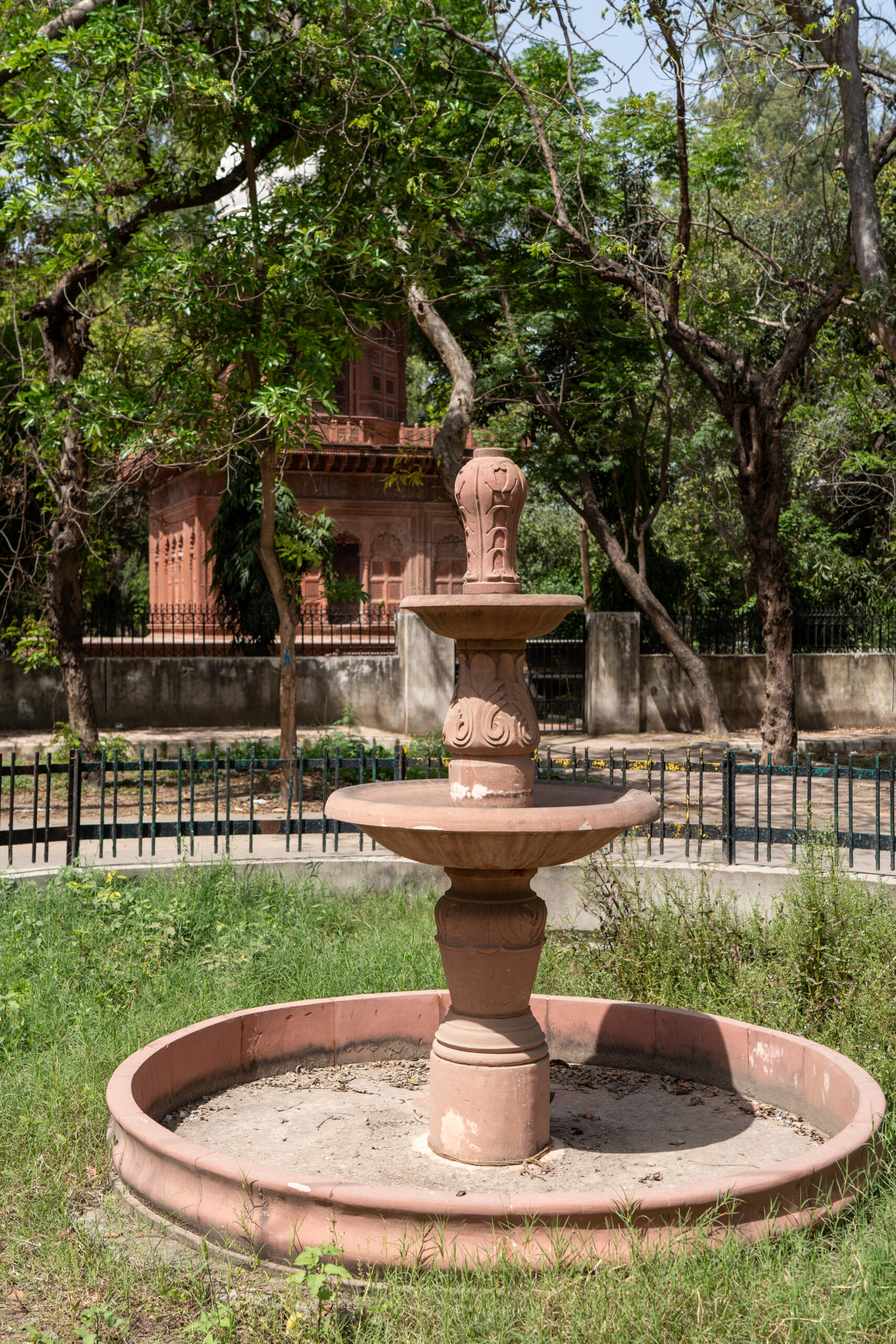
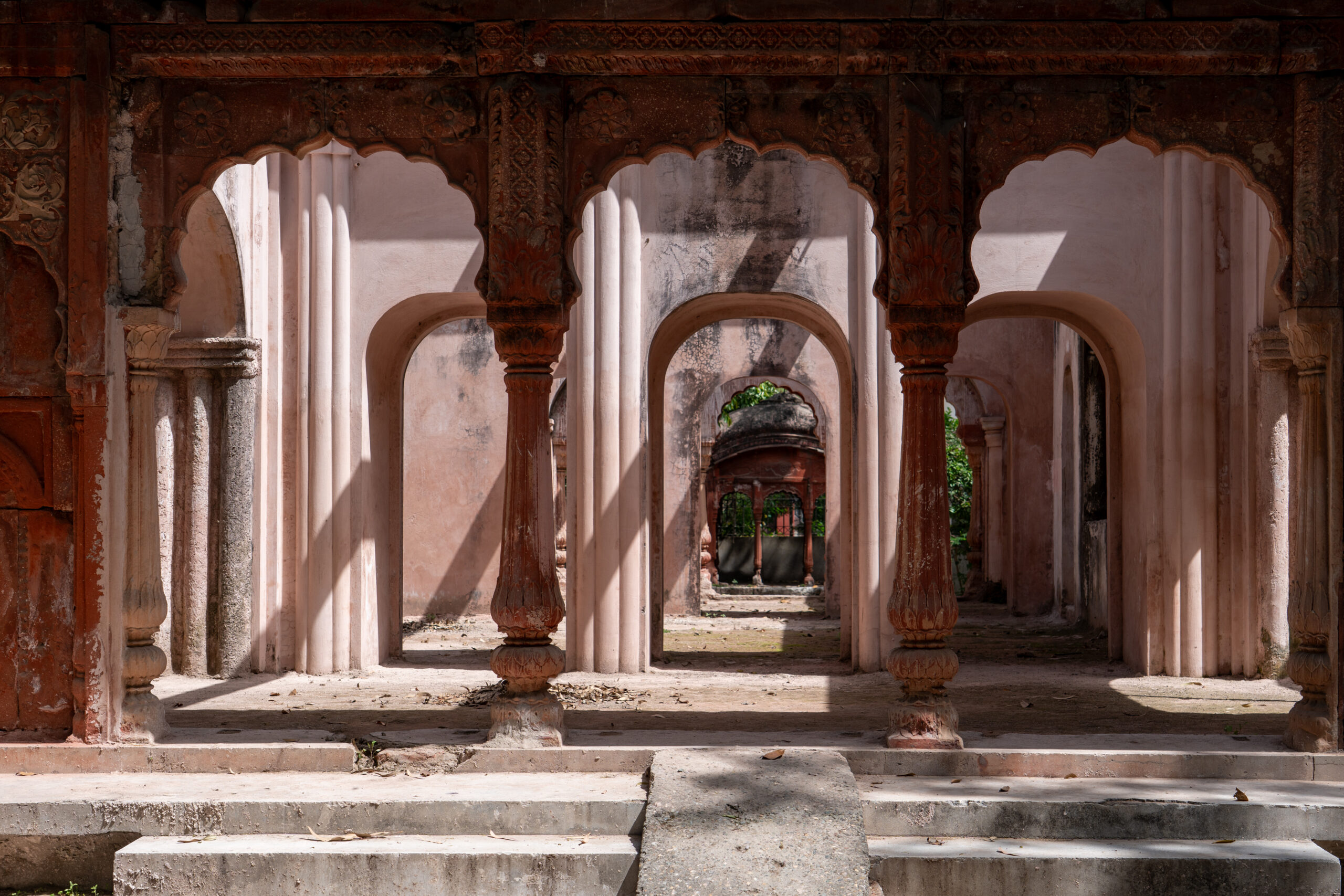
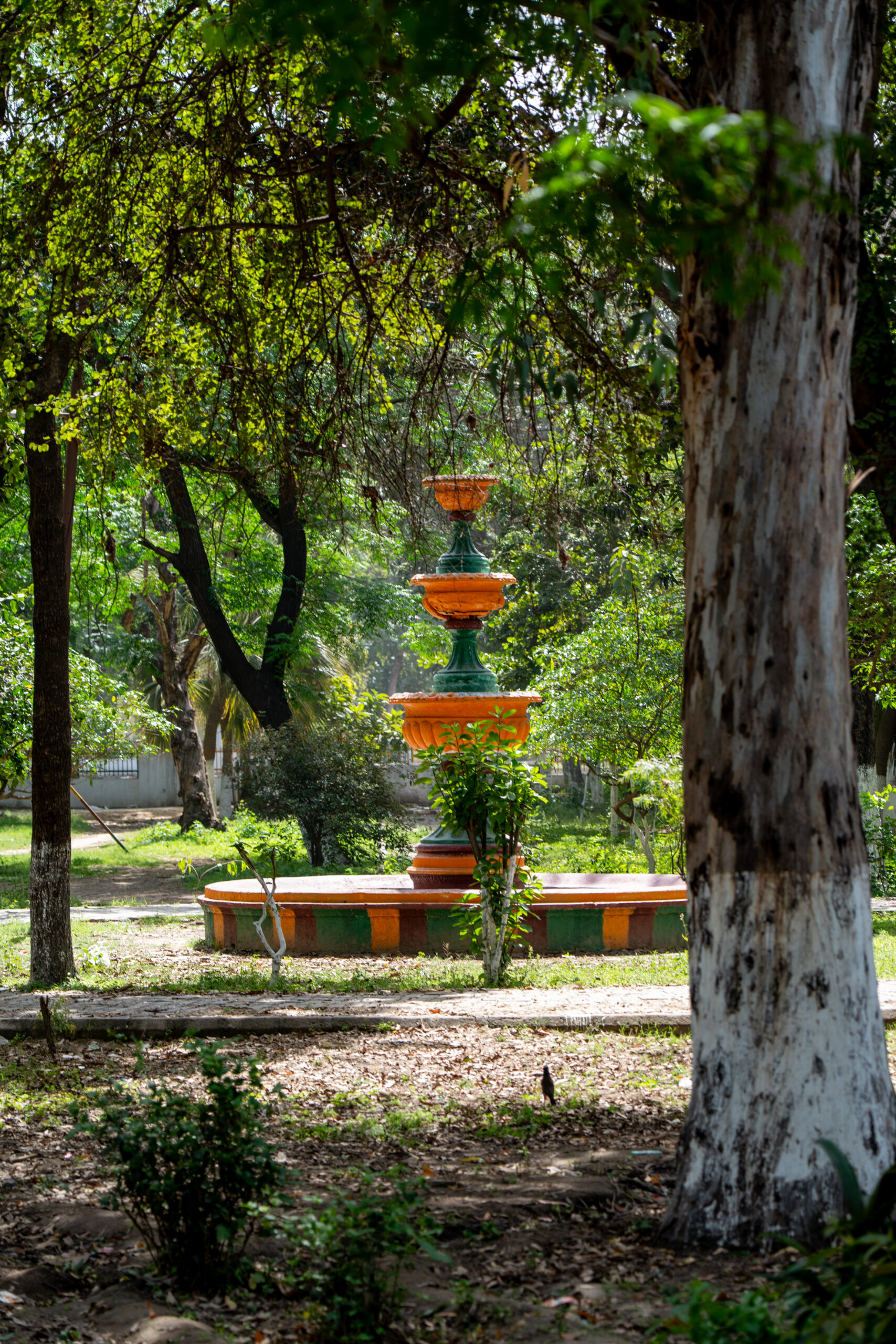
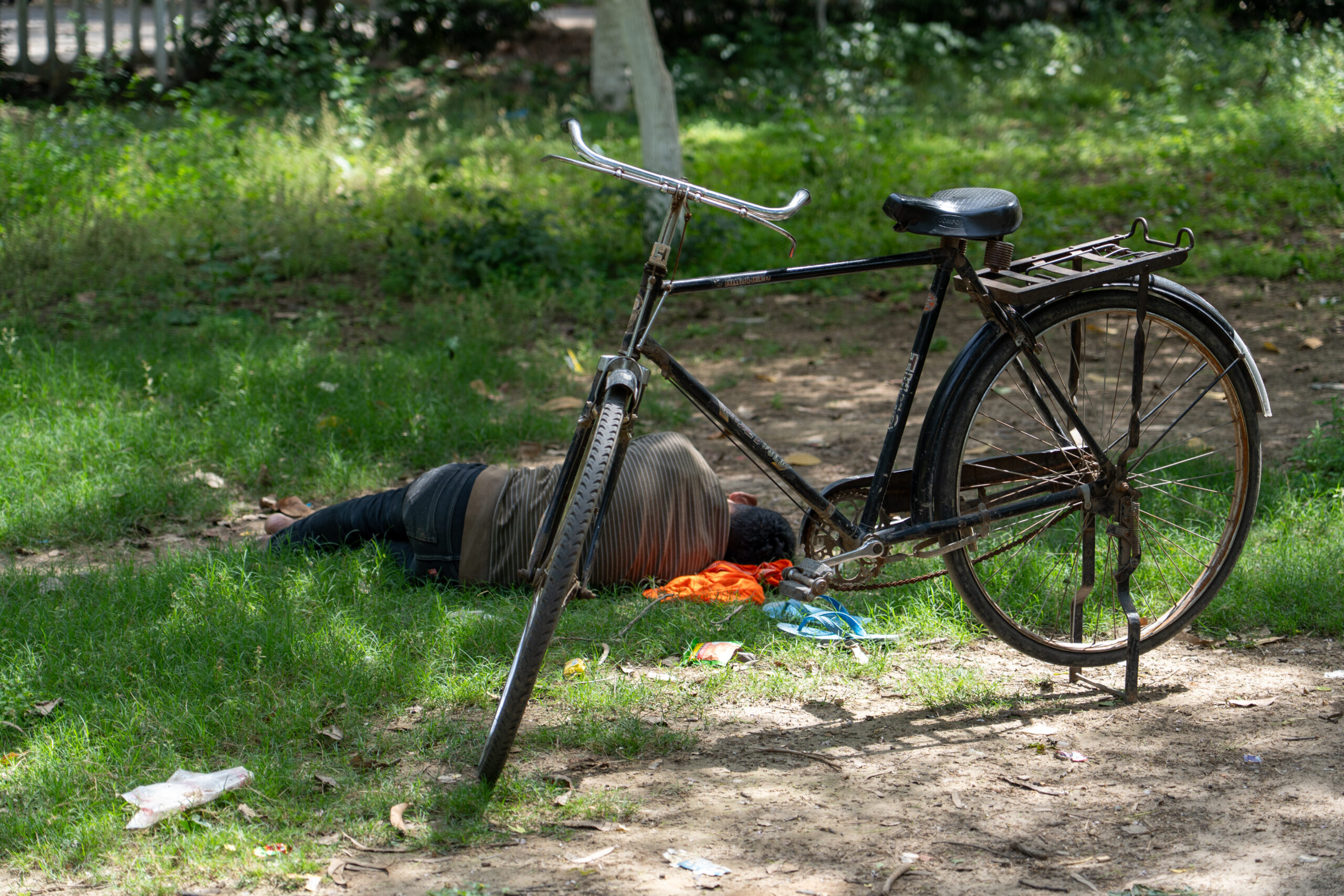
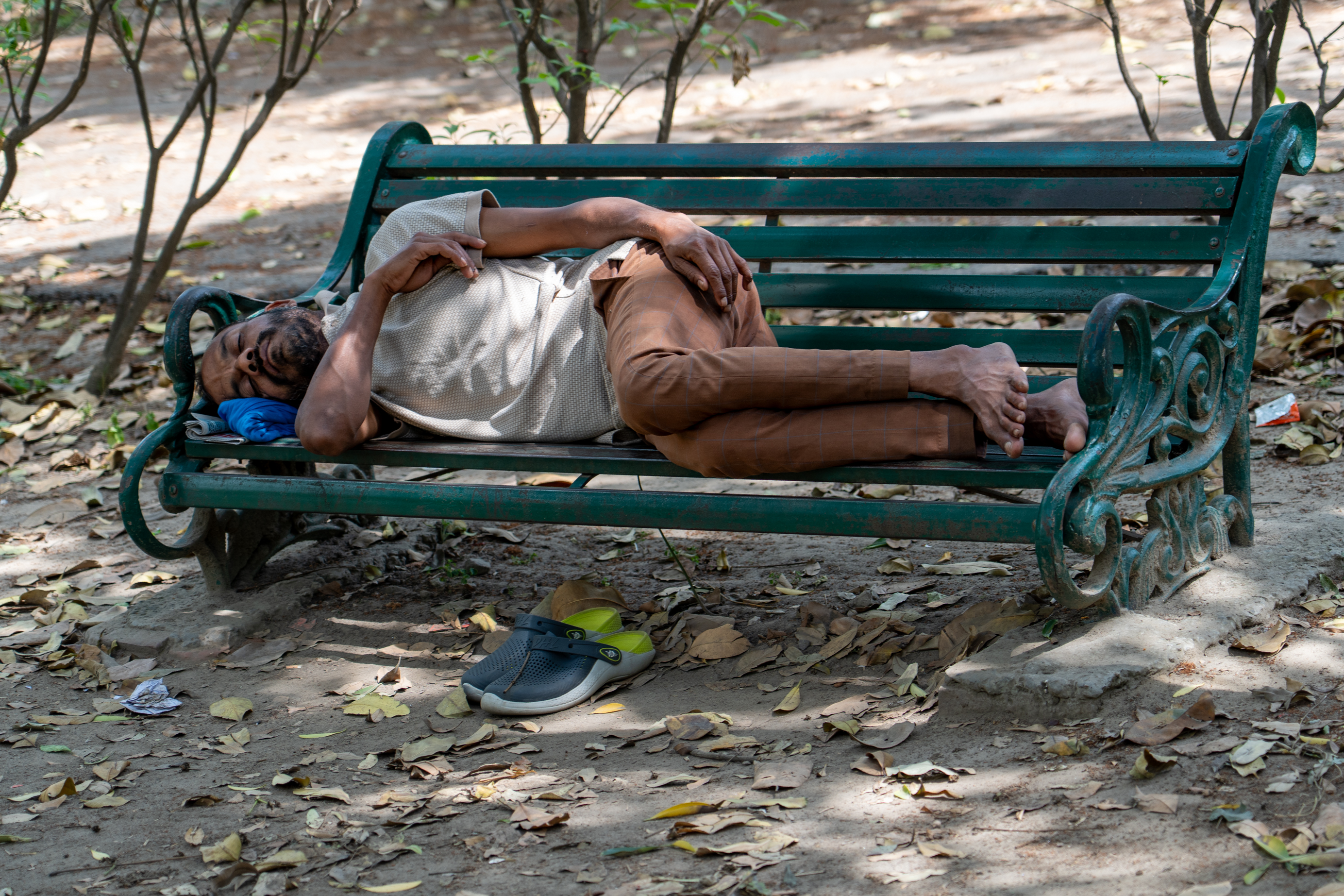
The third stop was at Shalimar Gardens, advertised as a historic garden built during the reign of Maharaja Jagatjit Singh. Designed in a Mughal-inspired style, the garden featured symmetrical layouts, pathways, fountains. It was a nice and relaxing stop, good for a short stroll but also here some tender loving care would be adequate. It was nice thought to see youngsters playing cricket and others just sleeping on the lawn. There were some buildings on the premises but with description only in Hindi I did not understand what it was about.

At this way the day tour was going at a much higher pace than originally planned, but I could see the humor of it and thoroughly enjoyed to see parts of India not visited by a lot of other westerners.

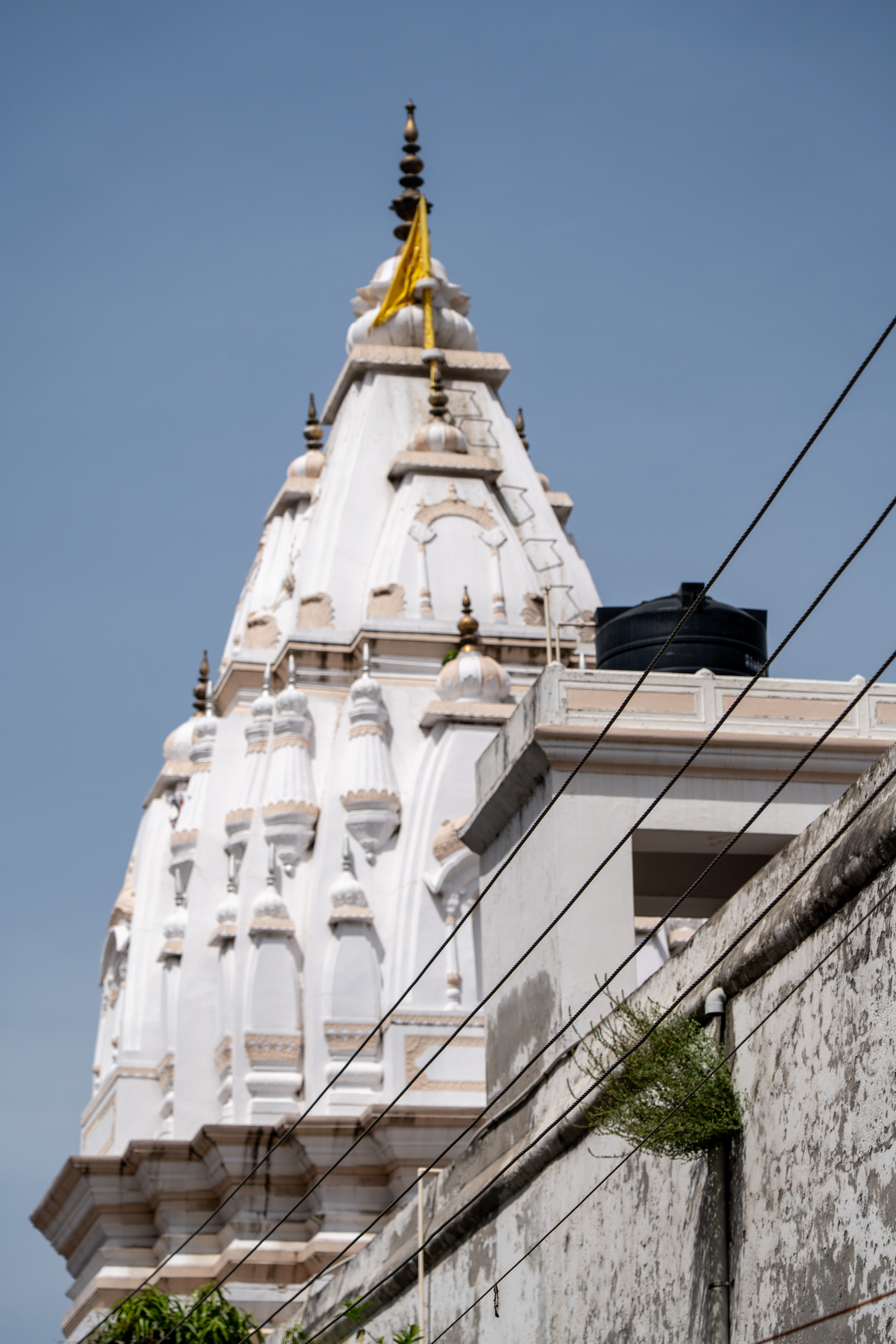
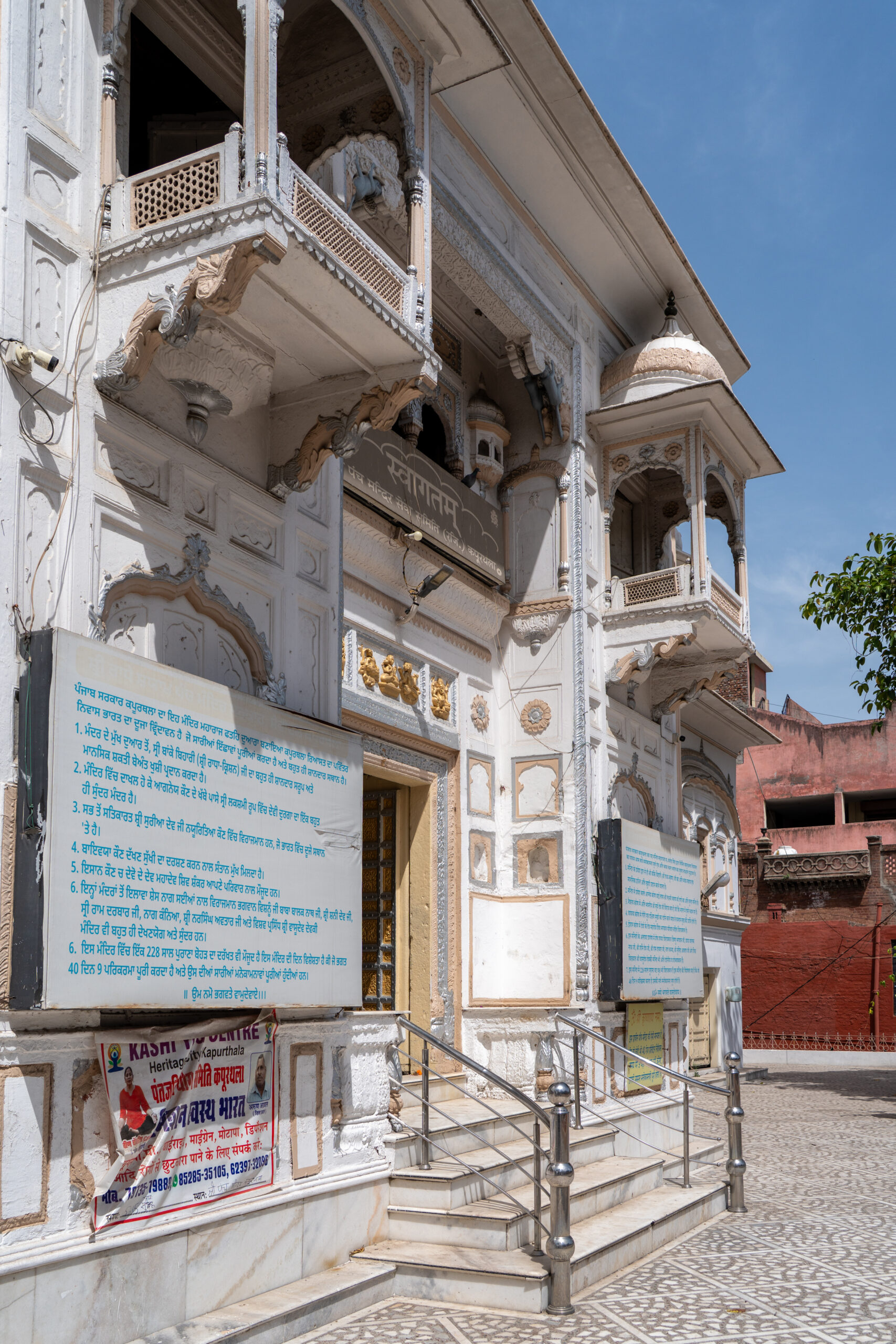
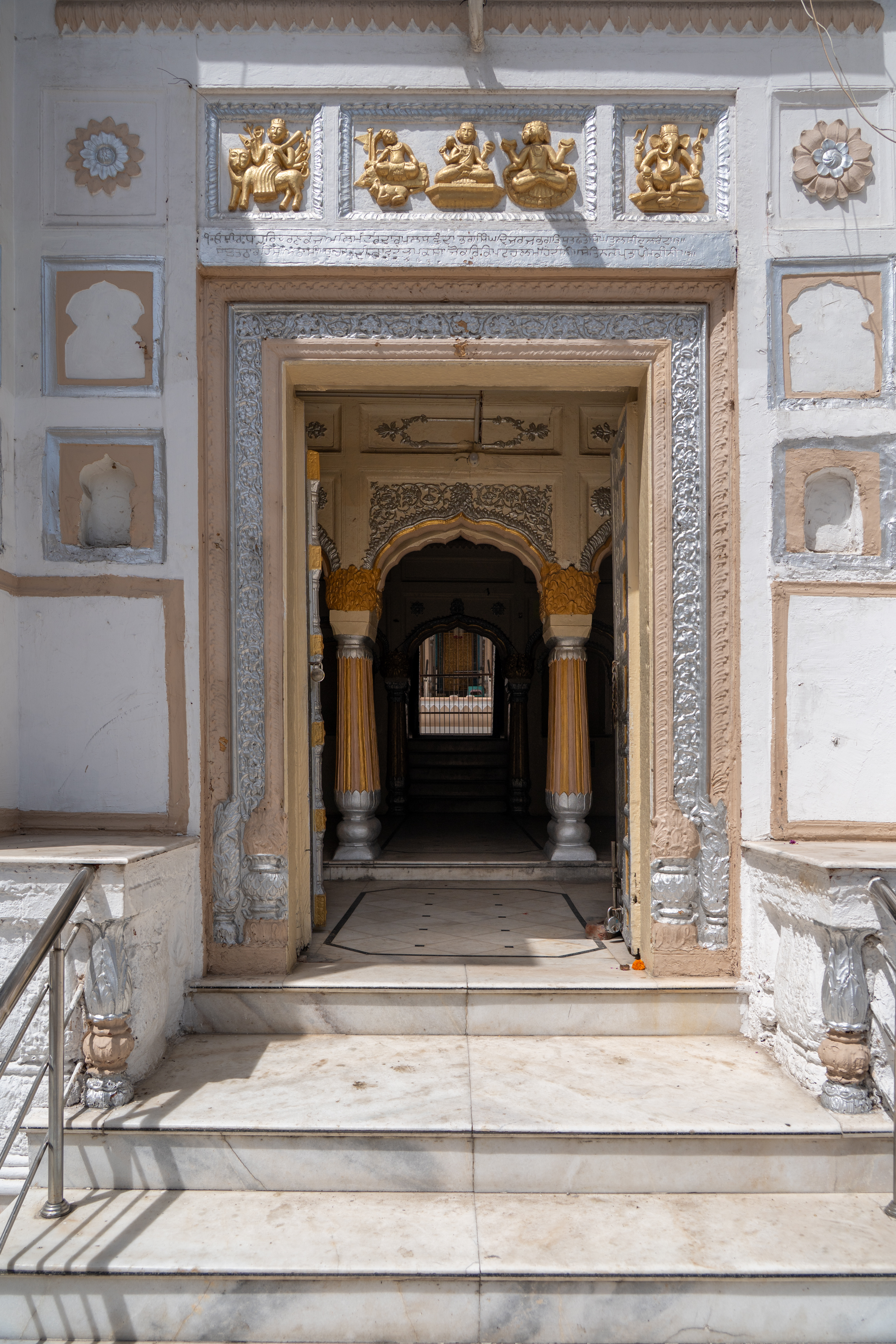
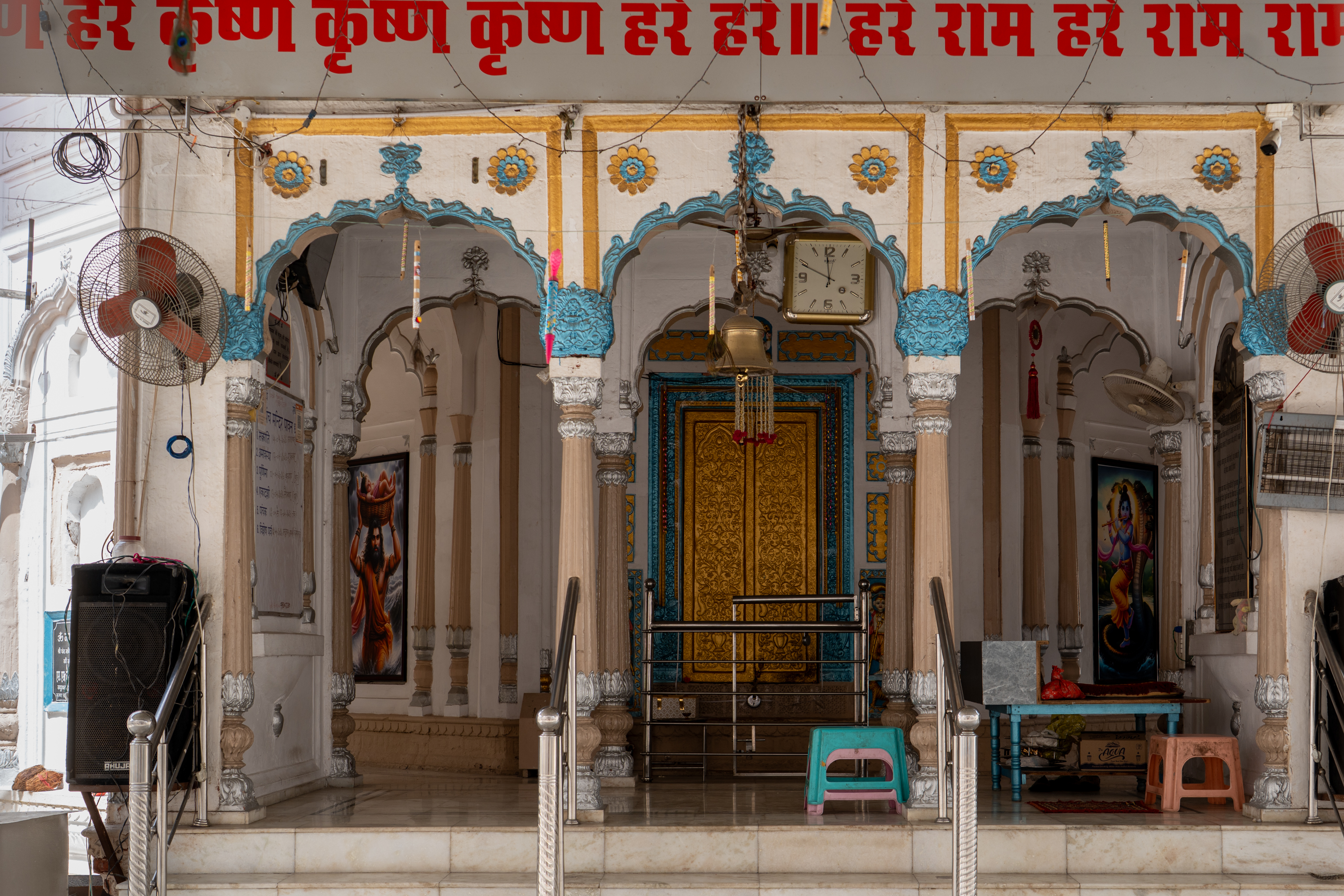
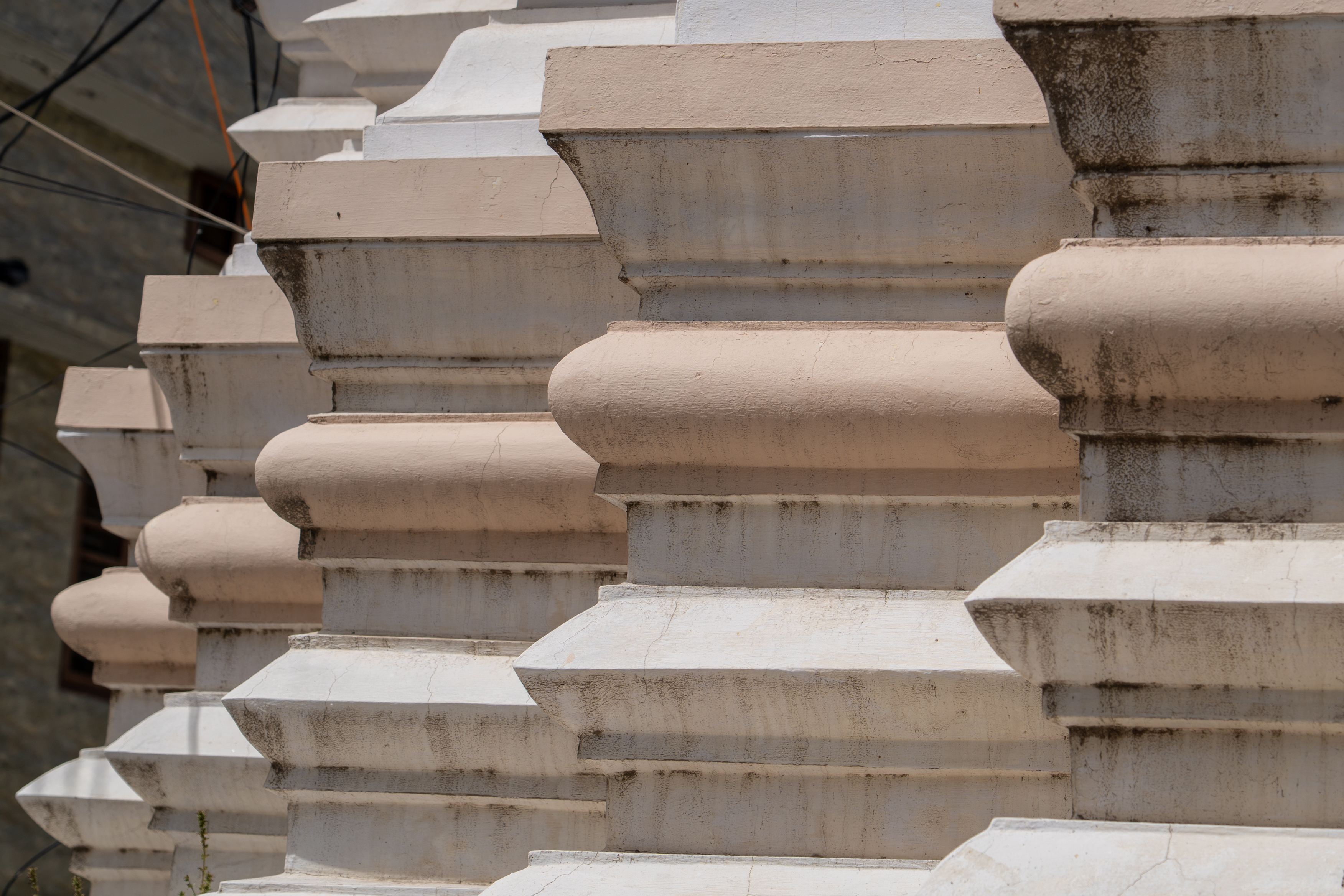
The next stop was not far away, the Panch Mandir in Kapurthala, which is a renowned, pristine white Hindu temple complex dedicated to multiple deities. It is celebrated for its unique architecture, which features five interlinked shrines allowing devotees to view all idols from the entrance. That would have ben the case if the gate was opened but I was told that would happen at 5pm, a time I was not willing to wait for.

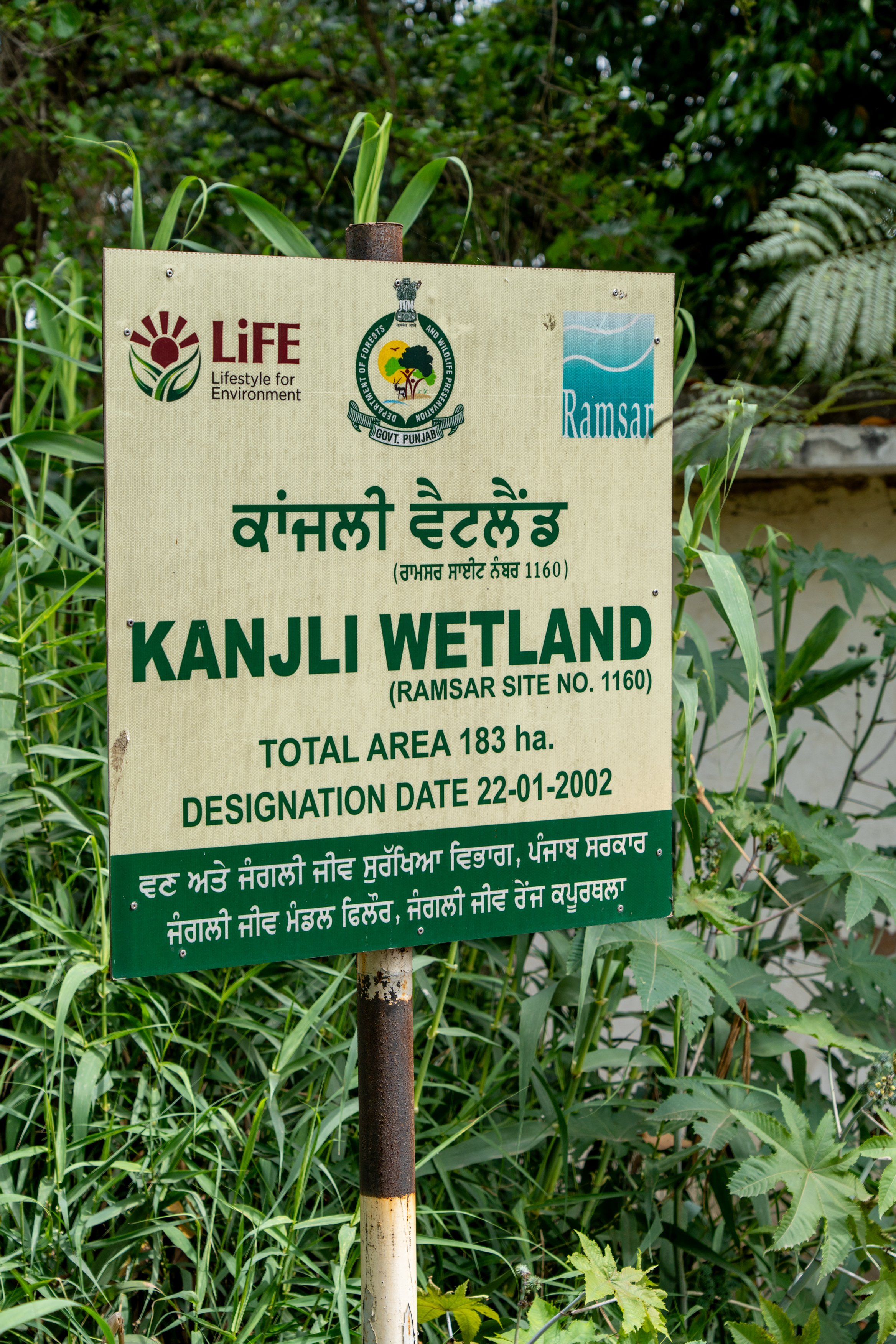
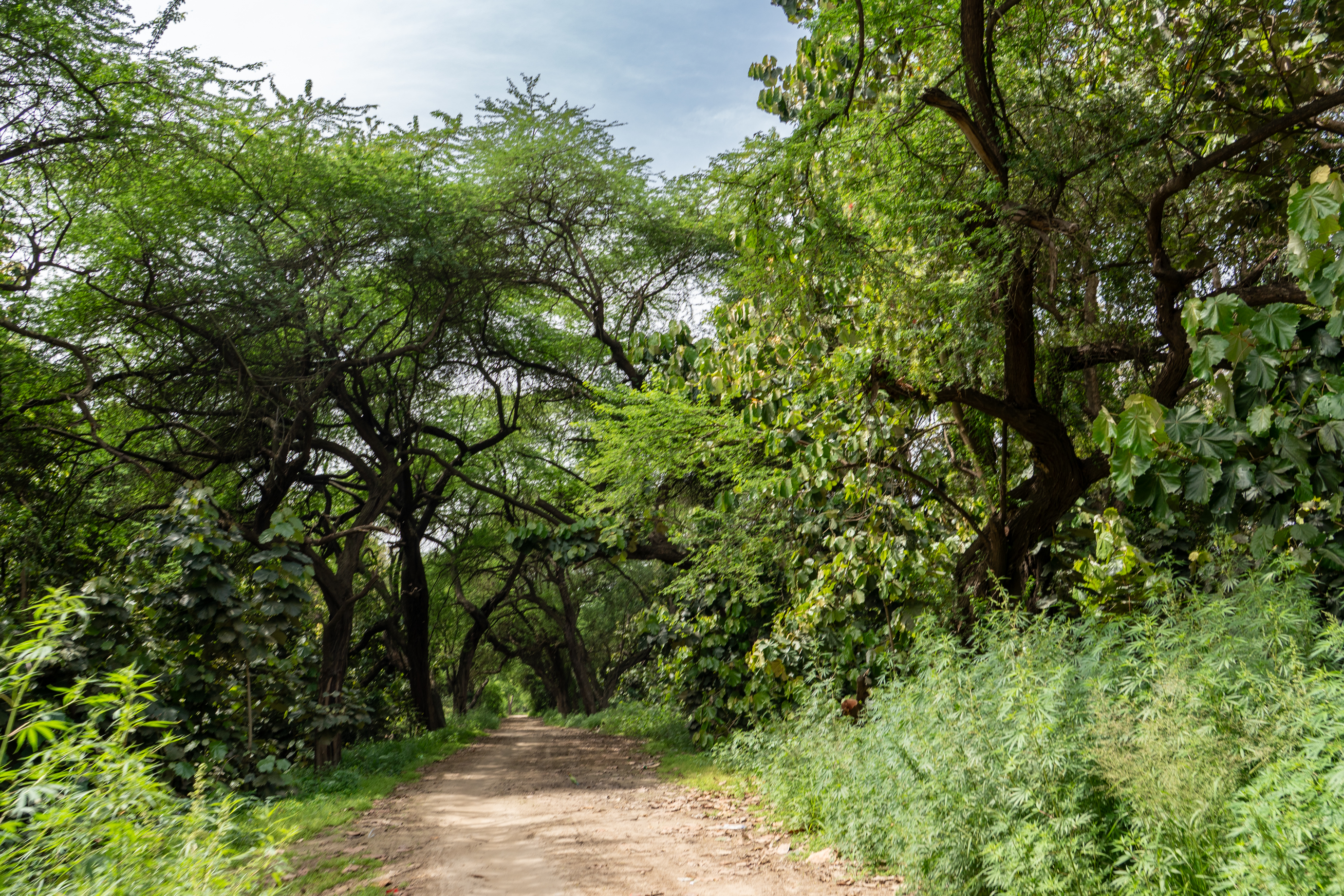
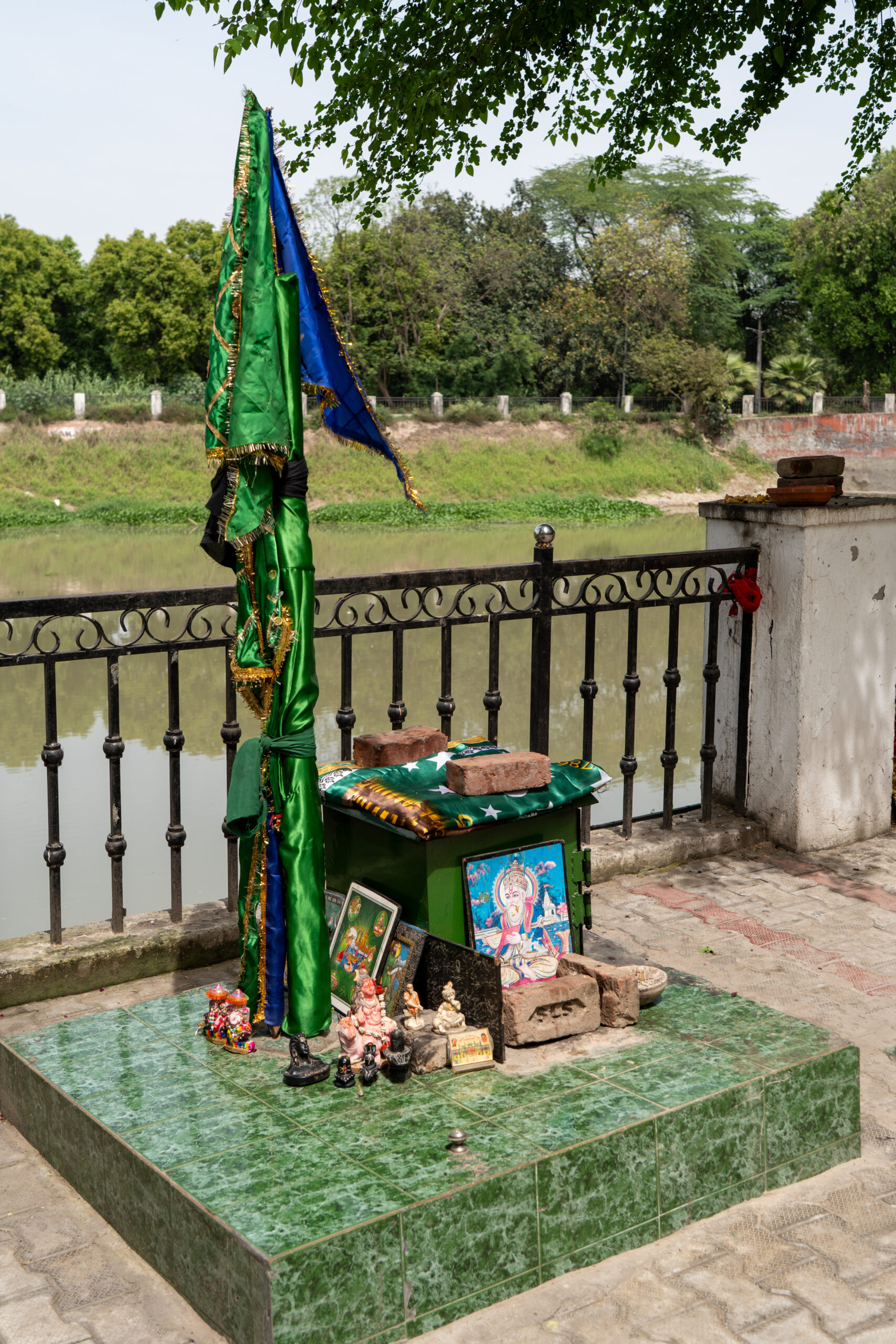
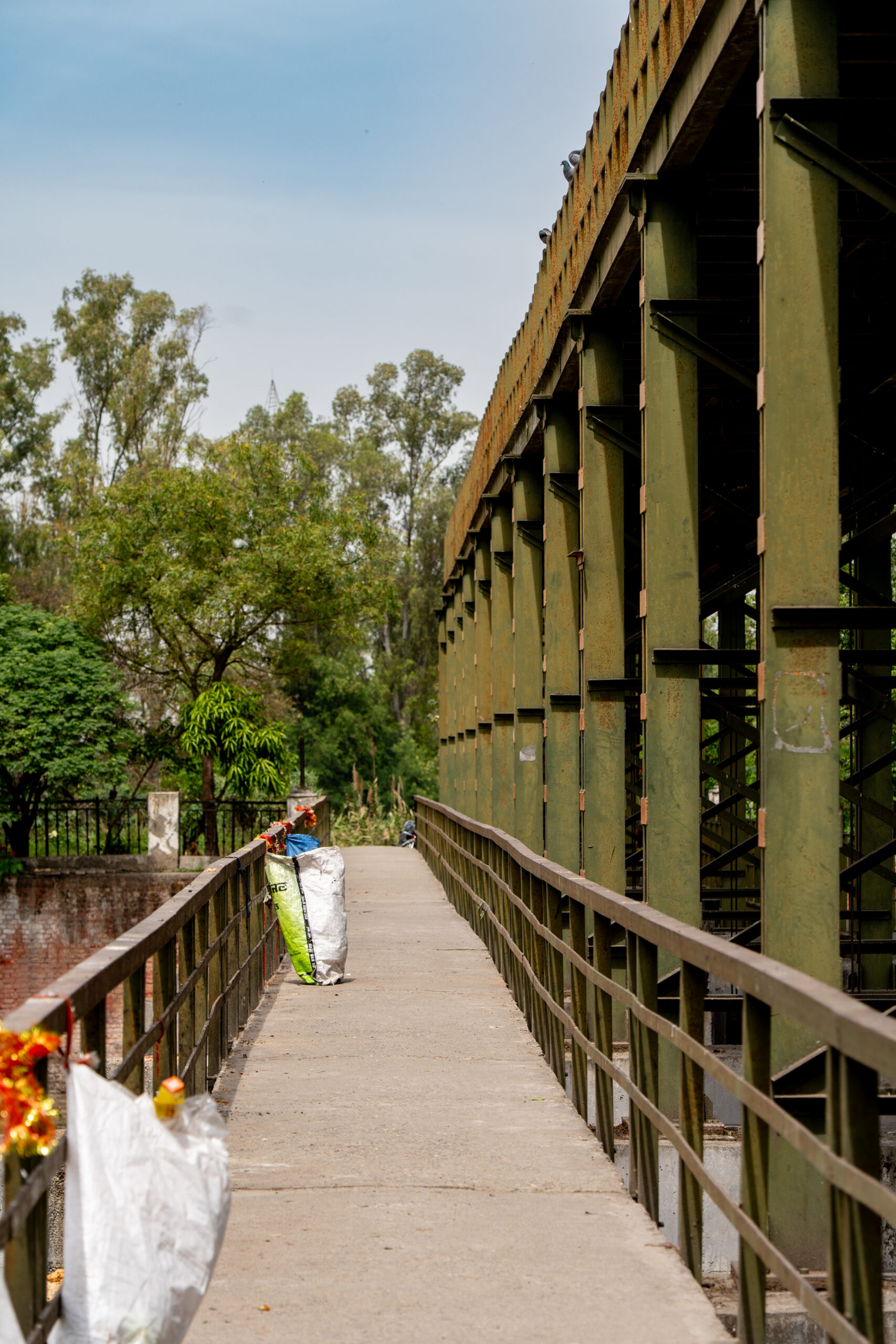
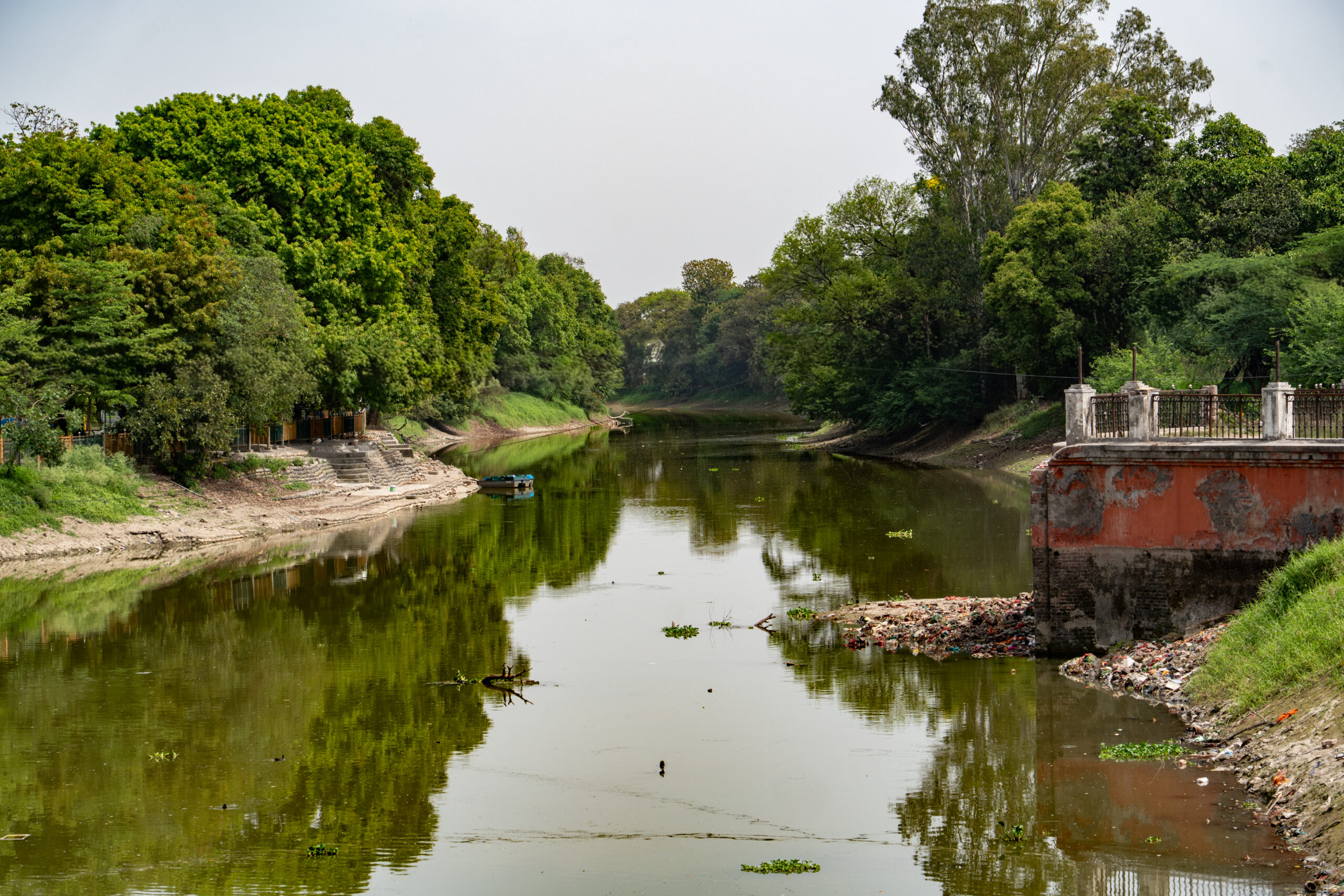
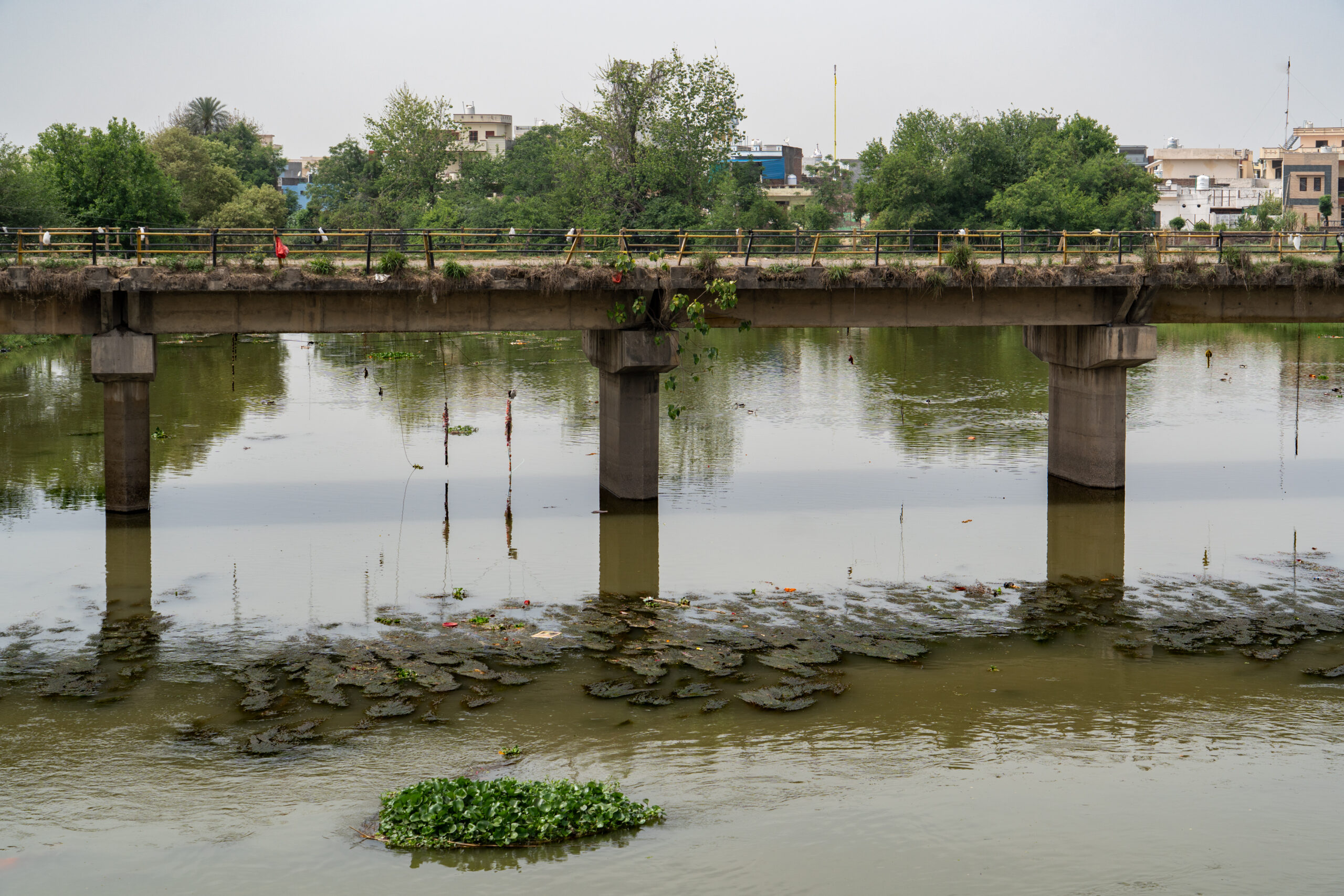
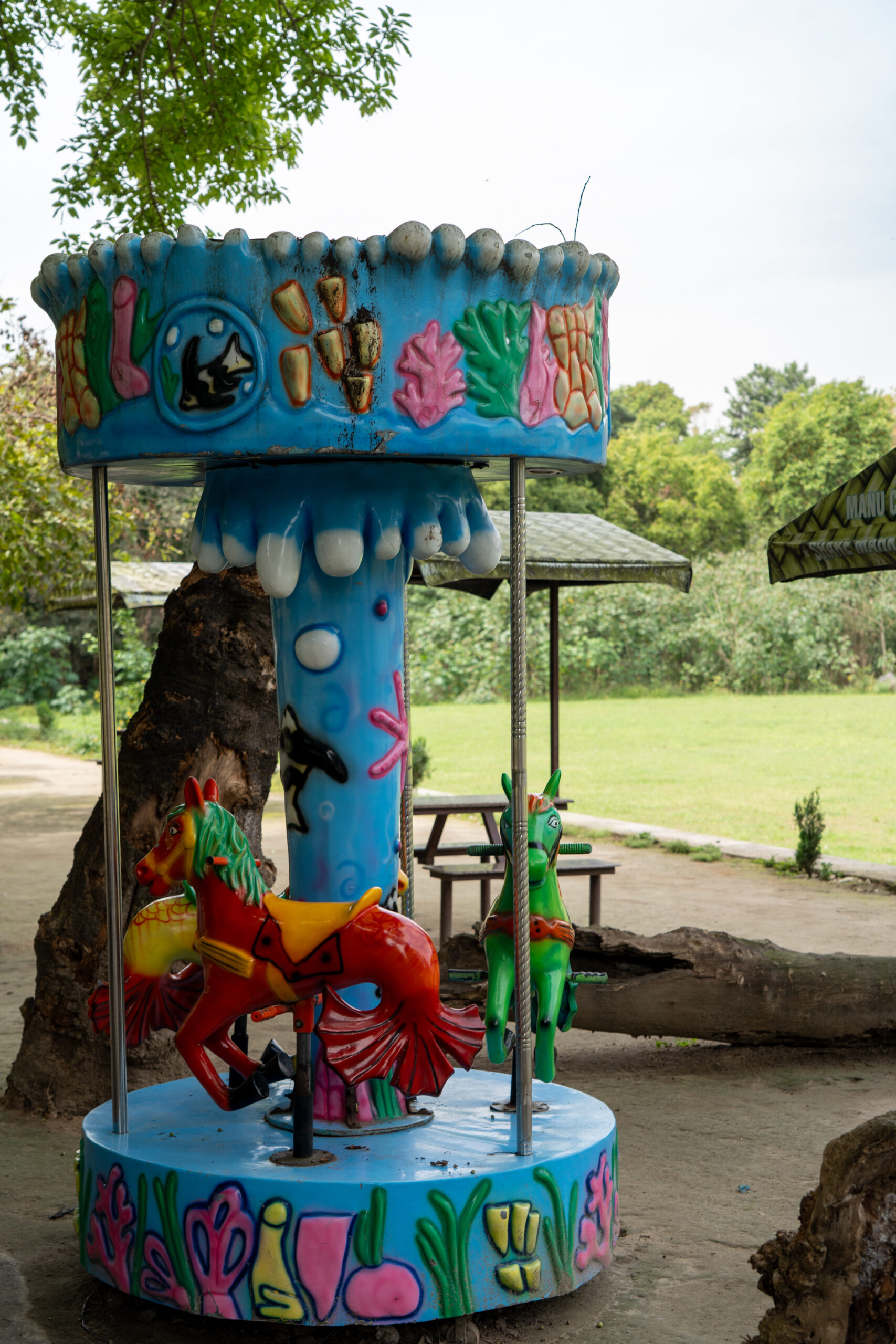
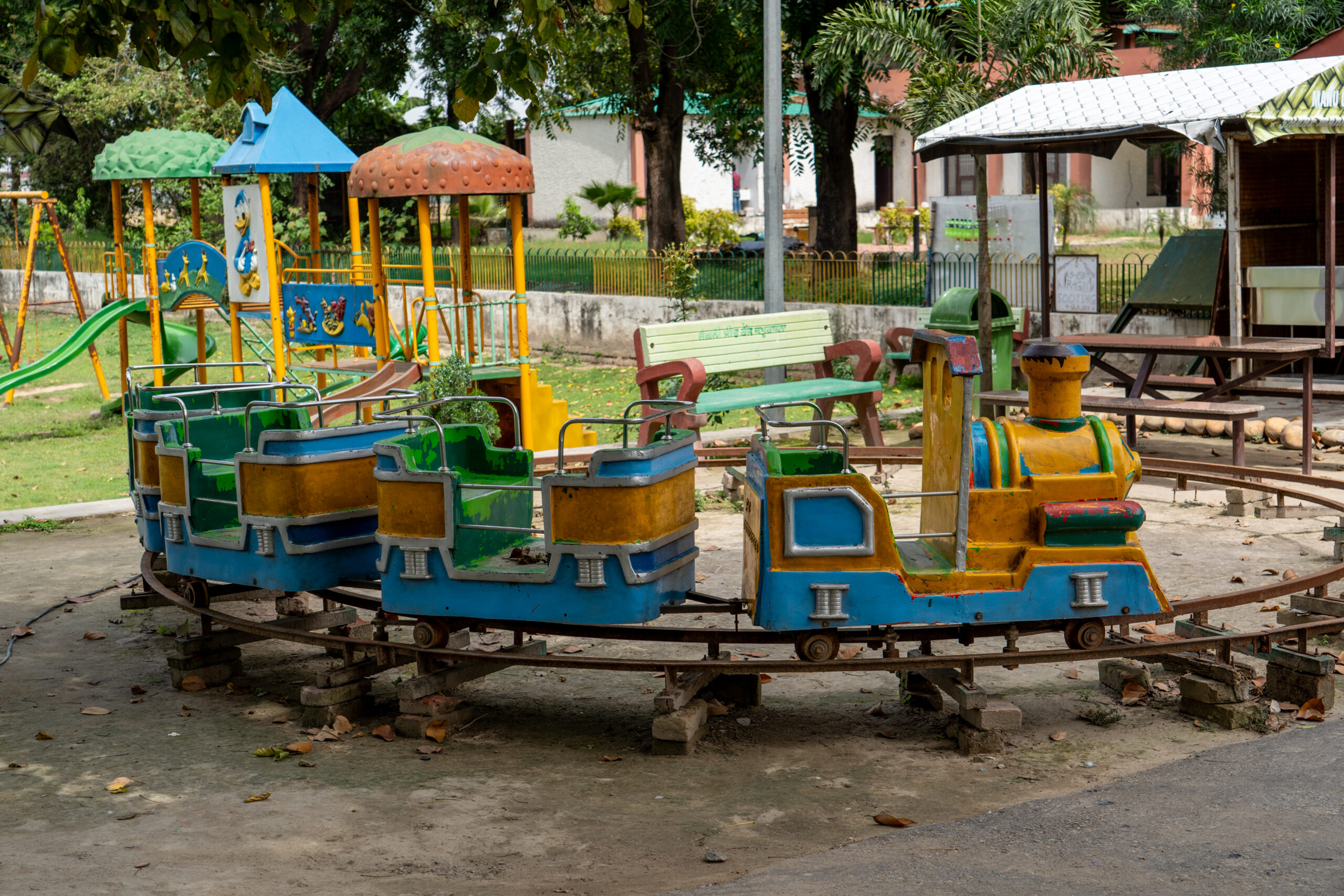
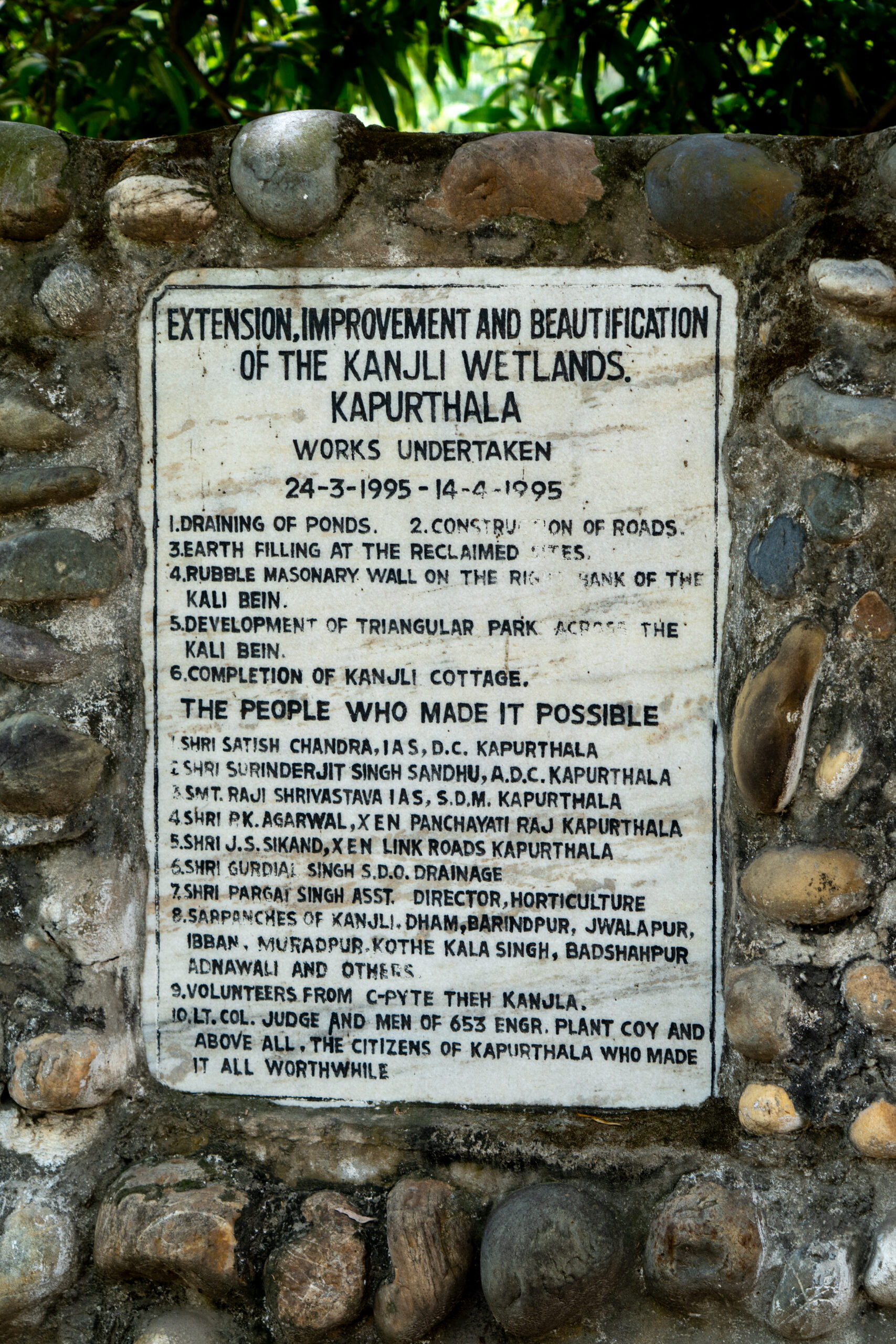
Back in the car my driver gave me his phone again so I entered the final destination… Kanjli Wetland, a man-made freshwater ecosystem created in 1870 by constructing headworks on the Kali Bein River. It was crucial for biodiversity, hosting diverse fauna, flora, and migratory birds. Once it used to be a popular picnic spot with a small park with attractions for children, it now faces environmental stress and looked tired.

I asked my driver to bring me back to my homestay so I could enjoy the remainder of the day in that beautiful environment. So, did it mean the day had been a waste of time? On the contrary, I did love the places we went to and the way they were not accessible, or maintained in true Indian fashion. The consequences of going off the beaten path where things are less organized then at more touristically spots. Another side of my beloved India.

Today was another travel day so the alarm was set early. Before I was even ready the room boy knocked on my door to bring the suitcase downstairs, my taxi had already arrived. Minutes later I went downstairs where I was greeted by the wife of my host and his sister-in-law. They had prepared a takeaway breakfast for me as it was too early for served breakfast. Truly hospitality in its best form.

A short taxi ride later I was dropped at the station where I had time enough to go to the correct platform. Indian trains are extremely long but nowadays it is no problem to find the right spot at the platform thanks to a dedicated app and signs at the platform. I was already at the right spot before the signs indicated the location of the coaches.

During the ride of approximately 3 hours, I enjoyed a well-prepared breakfast and listening to some of my favorite music, time went by quickly and before I realized we arrived at Rajpura a small town somewhere in the middle of nowhere. From there it was an hour Uber drive to Patiala where I would be the next few days.

My hotel was simple but clean and with very friendly staff.  Electricity was only available after 5pm but for a special guest like me they started the generators early.

I decided to go out for a bite to eat and a drink and brought my book along. As I have two full days over here there’s no need to rush things (are you noticing a pattern on this trip?). Time to relax….

Another good night of sleep, no alarm set and still I woke up in time. After a refreshing shower I booked an uber to the old city.

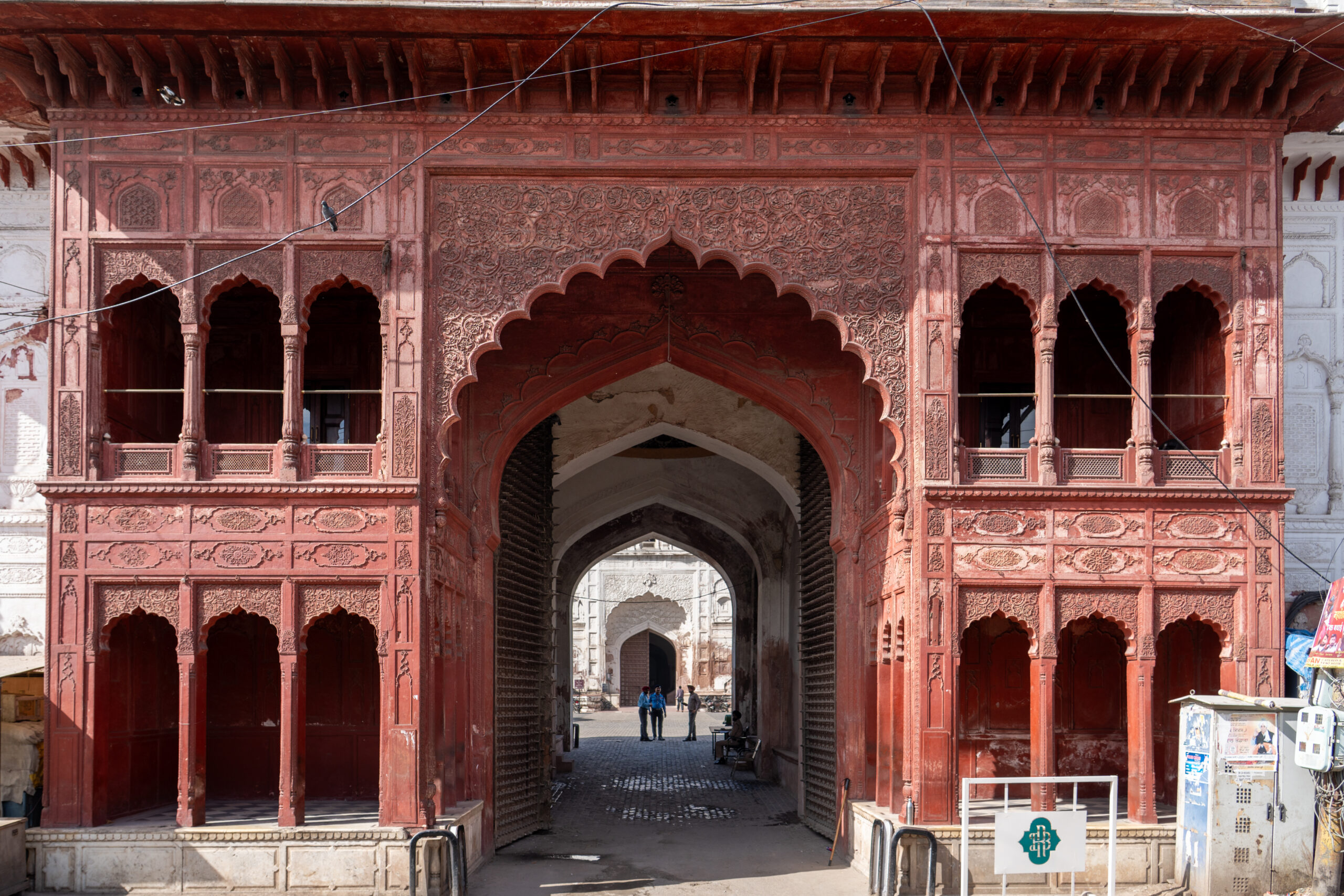
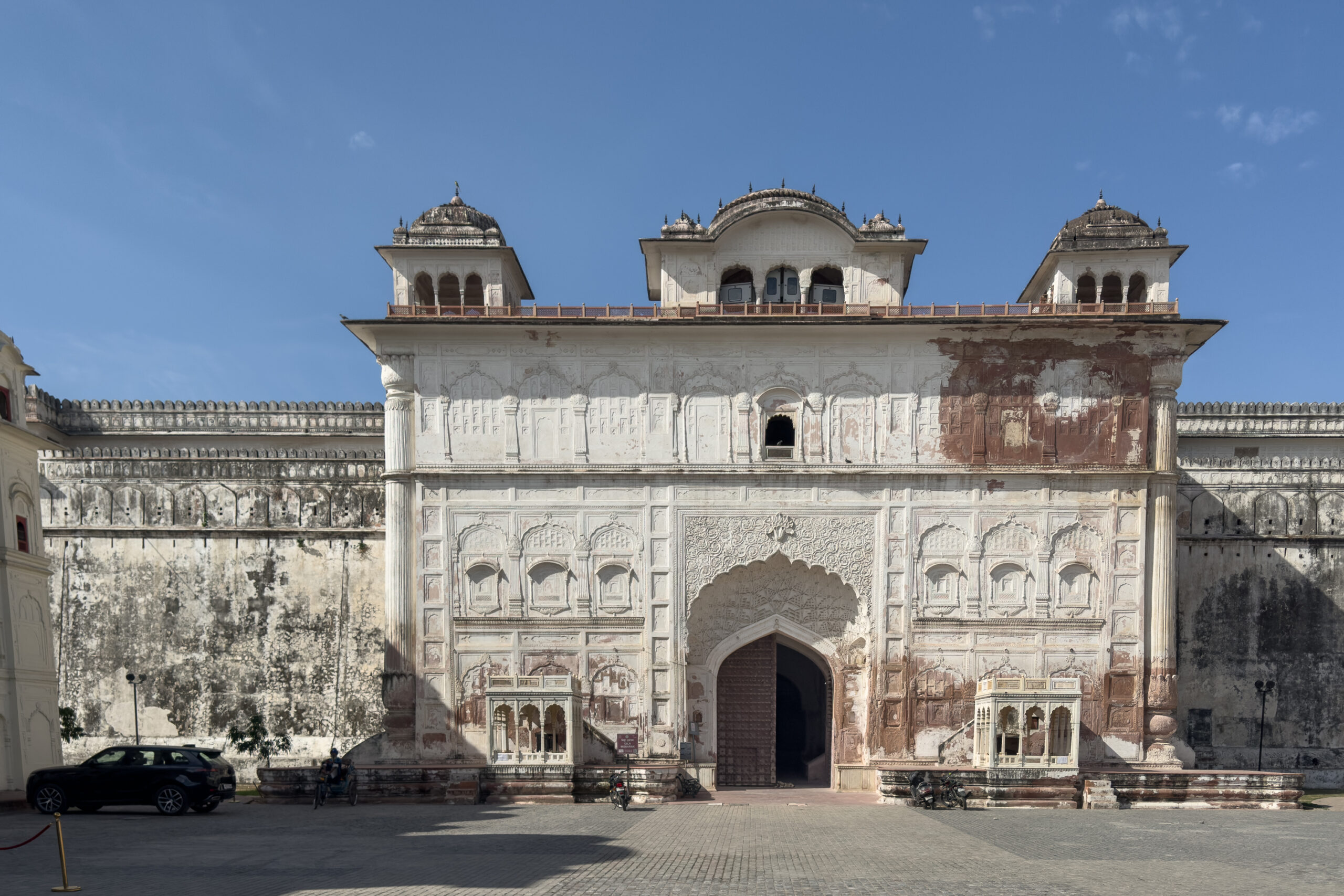
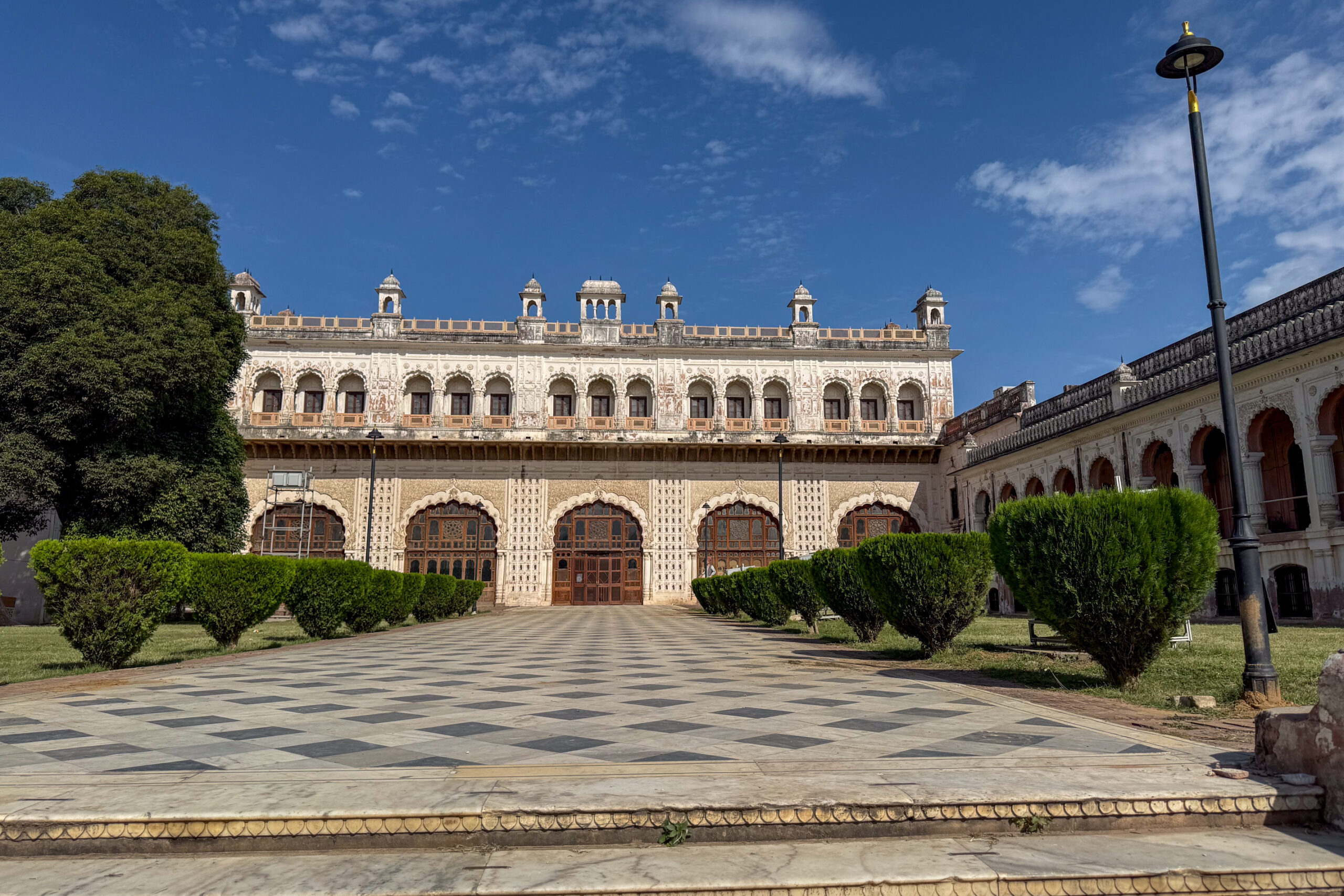
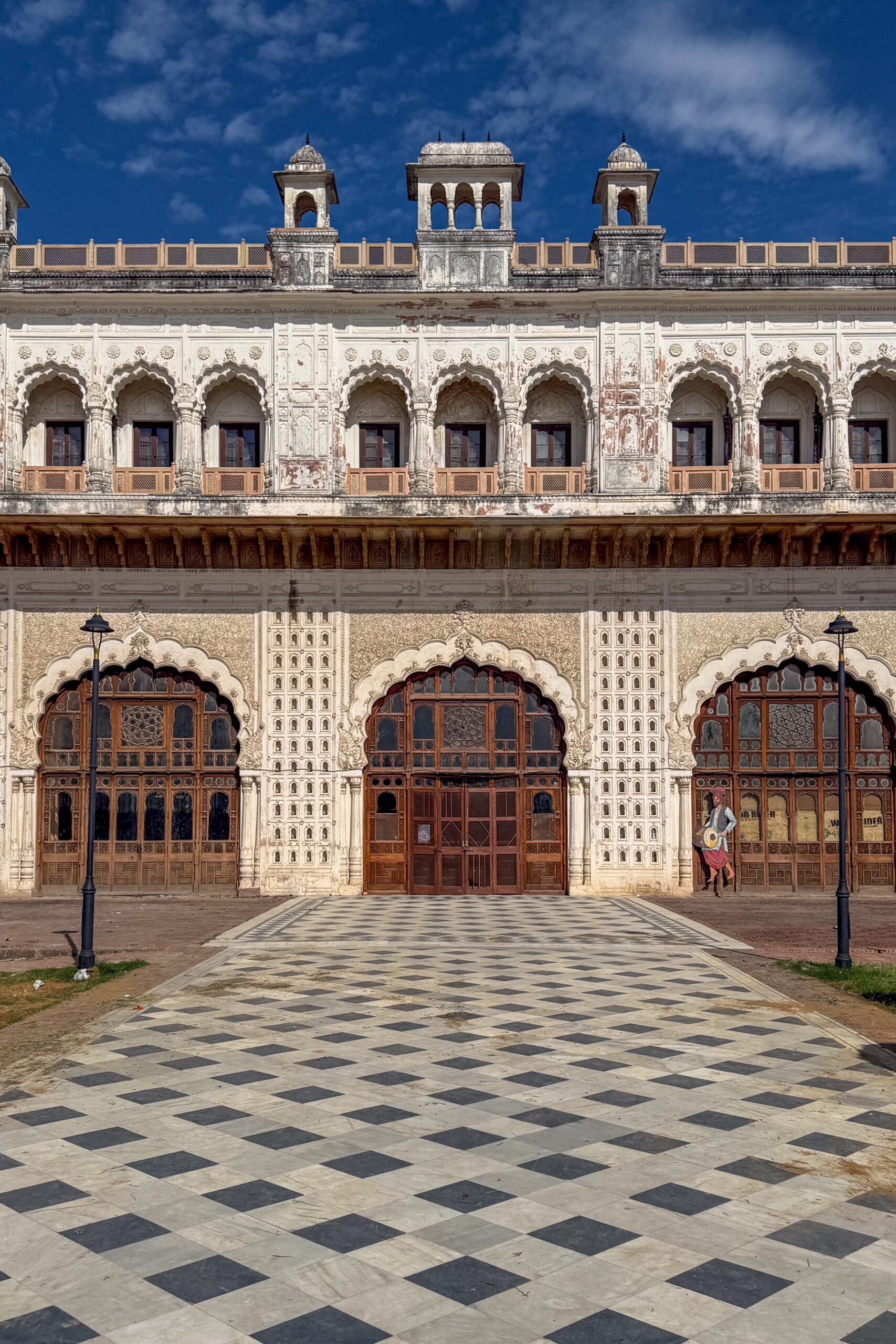
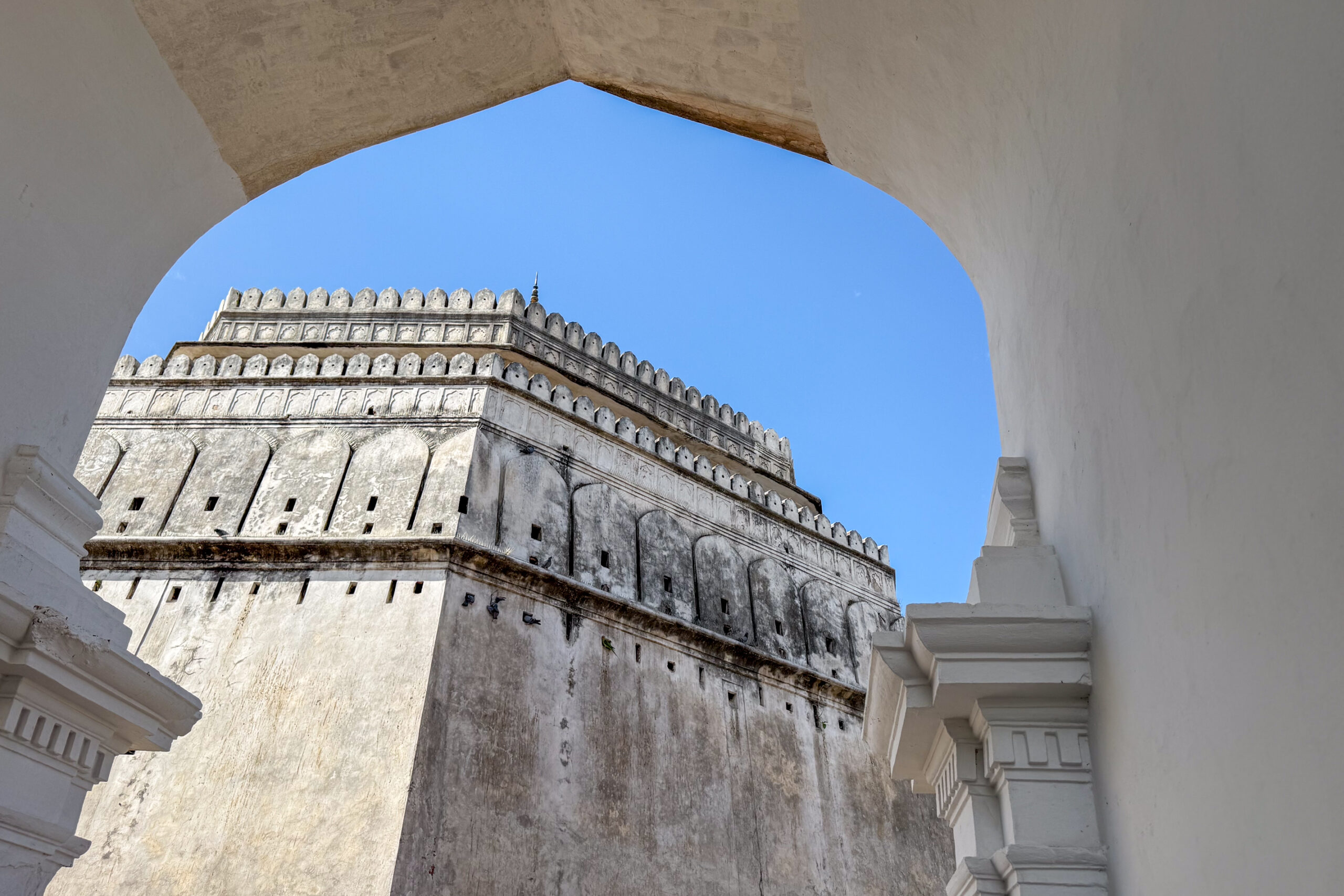
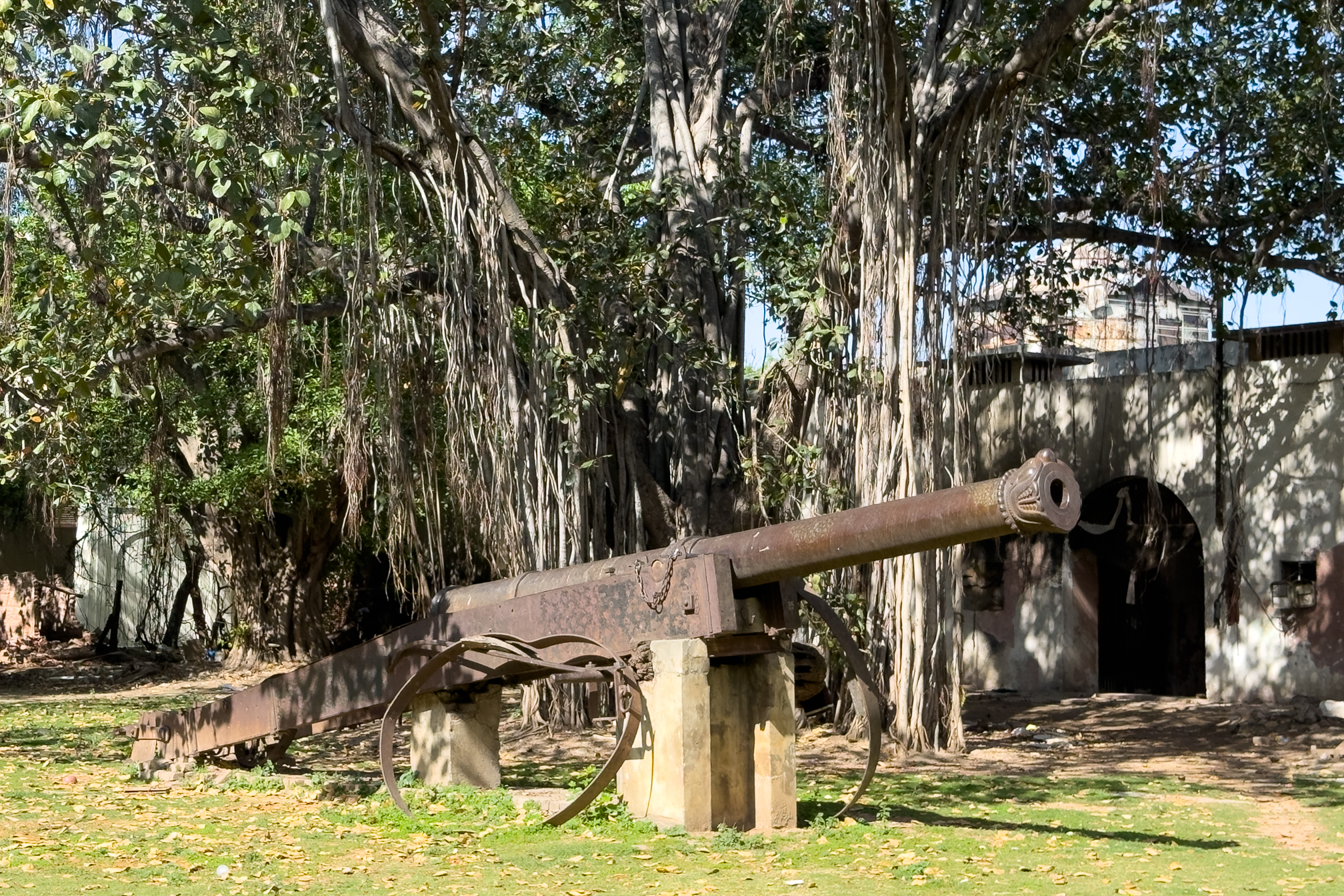
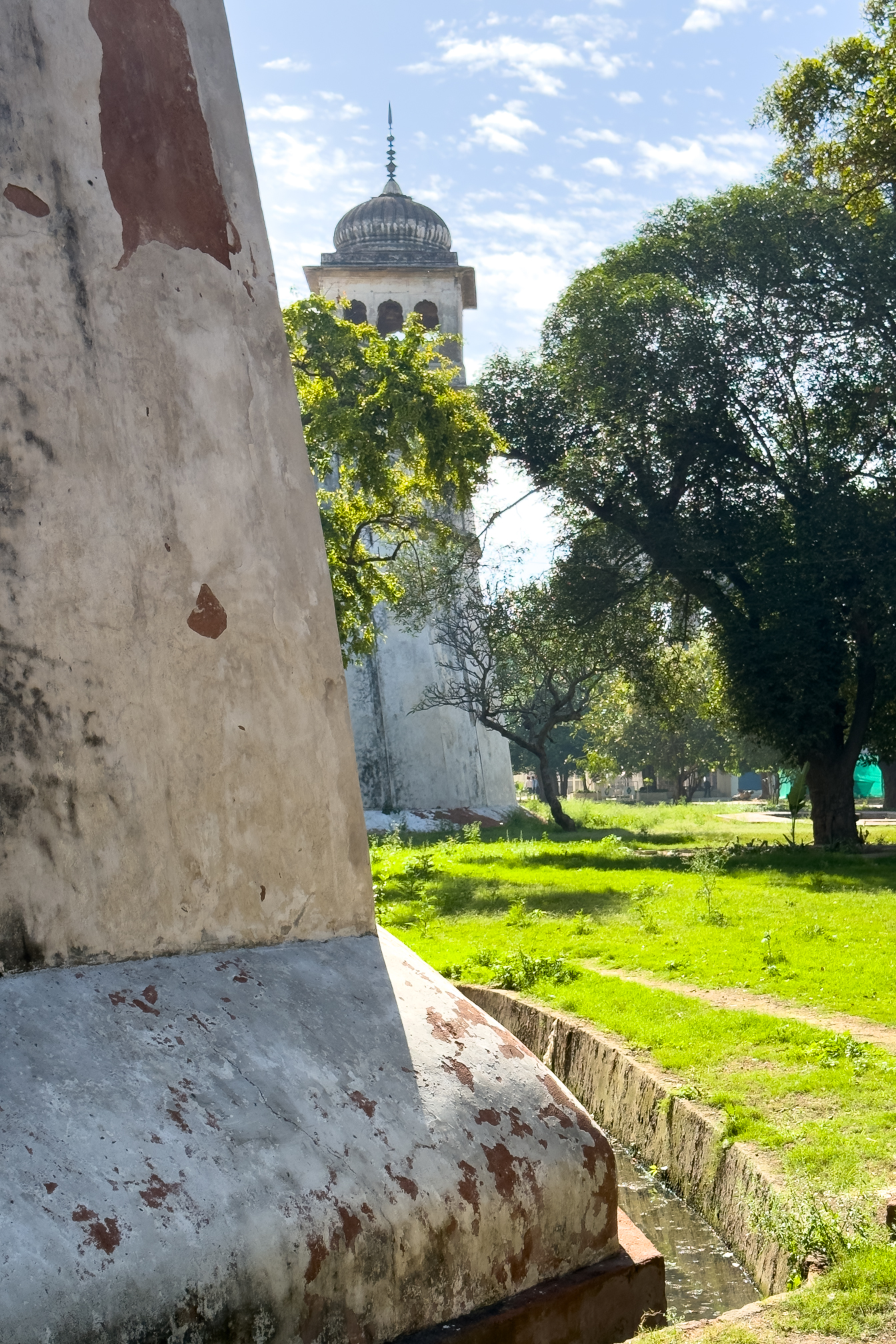
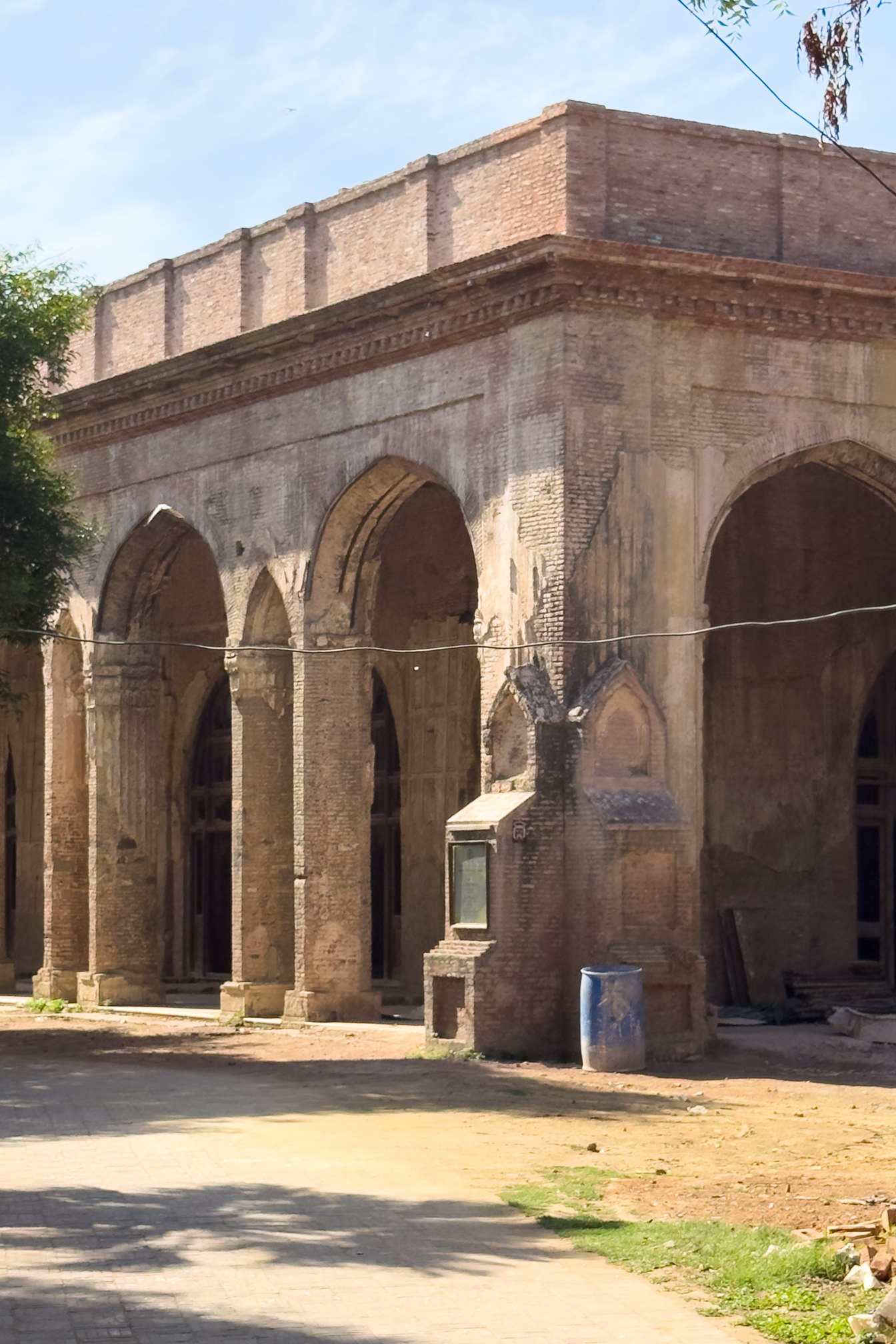
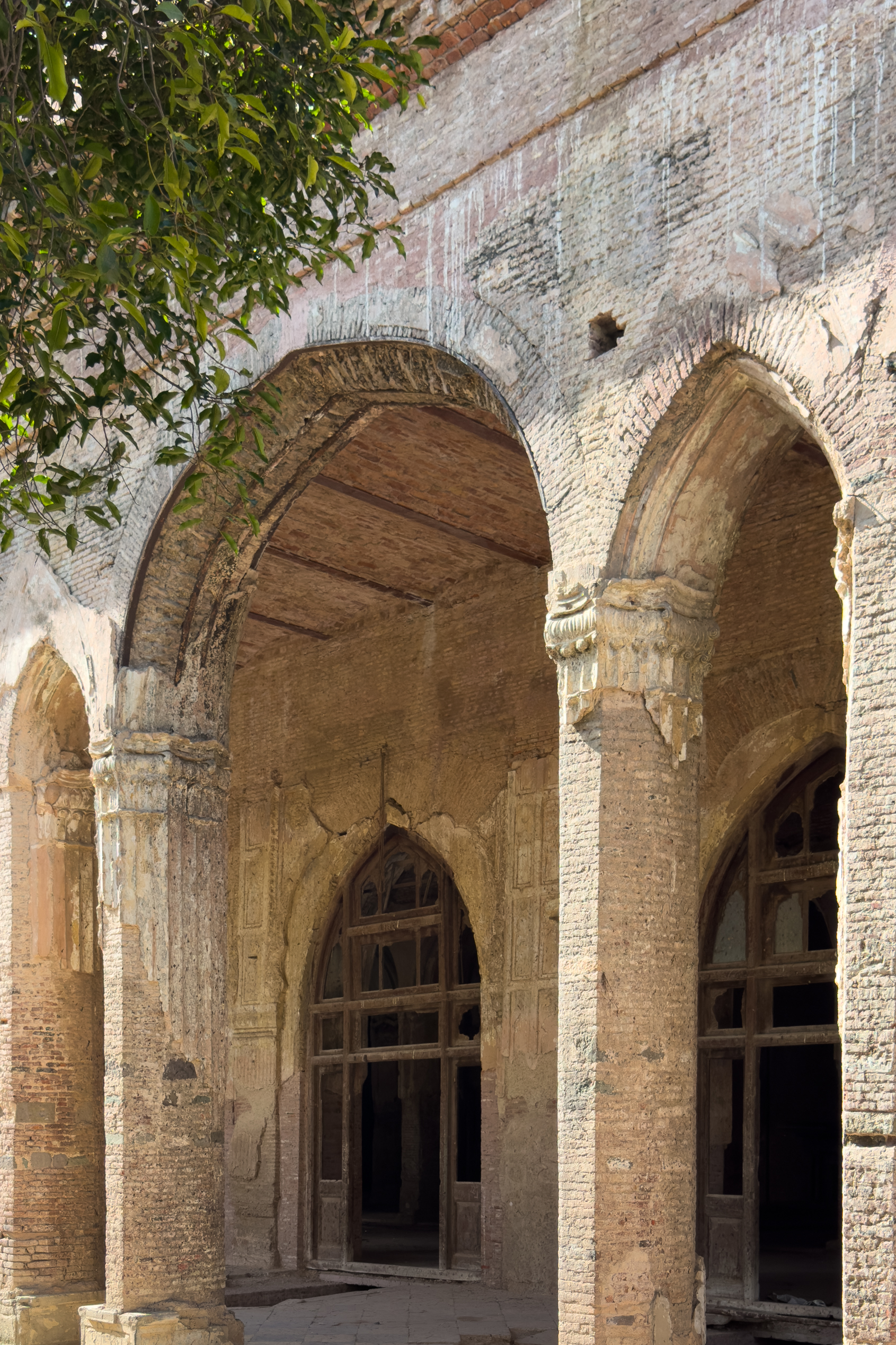
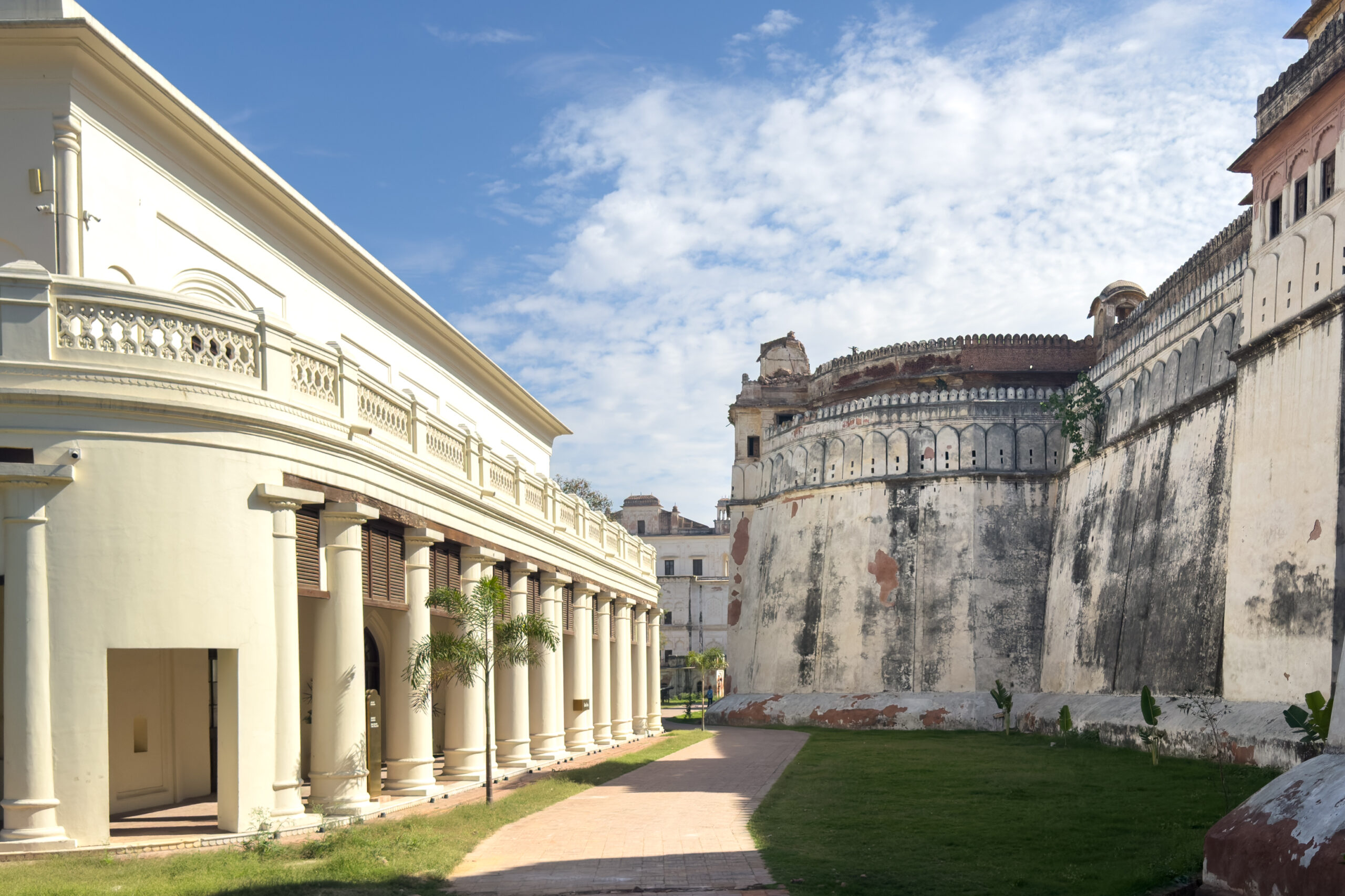
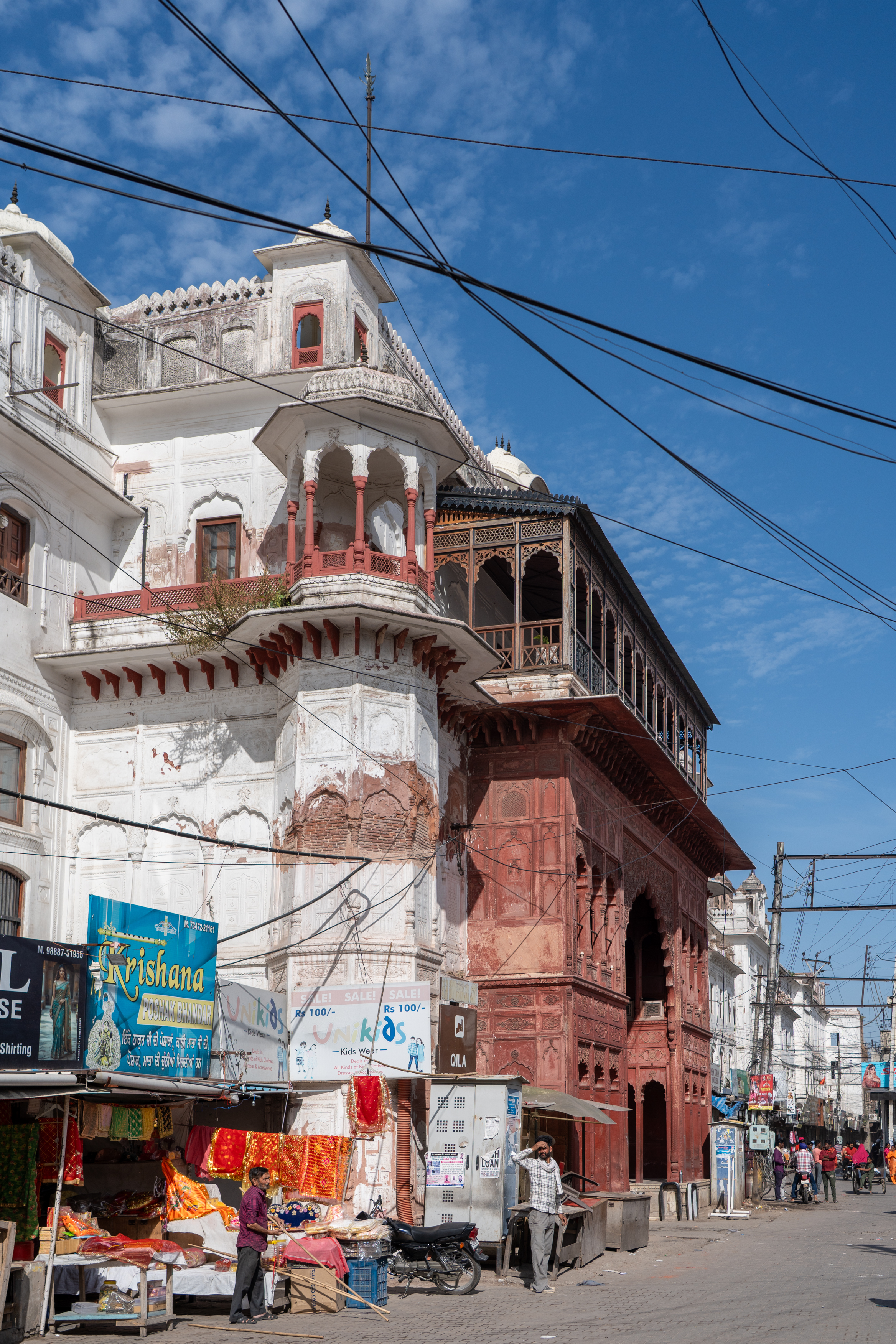
My first stop was the Qila Mubarak Fortress, a historic fort in Bathinda believed to date back over 1,800 years. It has been ruled and renovated by several dynasties, including the Rajputs, Delhi Sultans, and Mughals. The fortress is famous for its thick defensive walls, ancient architecture, and for being the place where the Mughal emperor Raziyya Sultan was once imprisoned. Today, it stands as an important symbol of Punjab’s medieval history and heritage.

On arrival I had to register with address and passport no and… no pictures with my camera were allowed, my iphone was fine though. A thing I did not really understand but I just went with the flow.

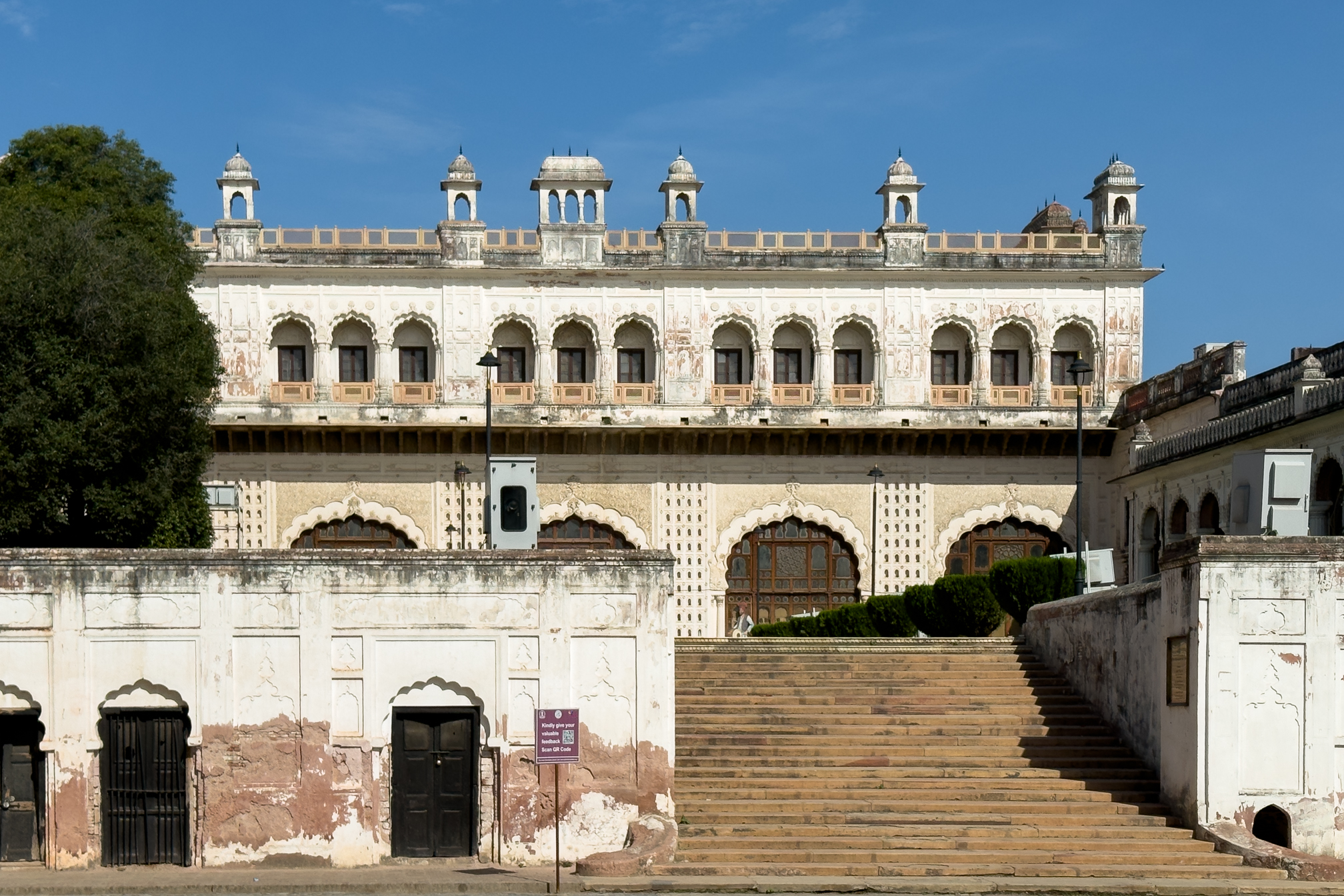
Walking through the gate I entered a huge courtyard with a luxury restaurant on the left, the fortress in front of me, and Darbar Hall, which now is a museum on the left. I was not allowed into the fortress and the museum was still closed. So, I walked around the fortress and explored the grounds instead.

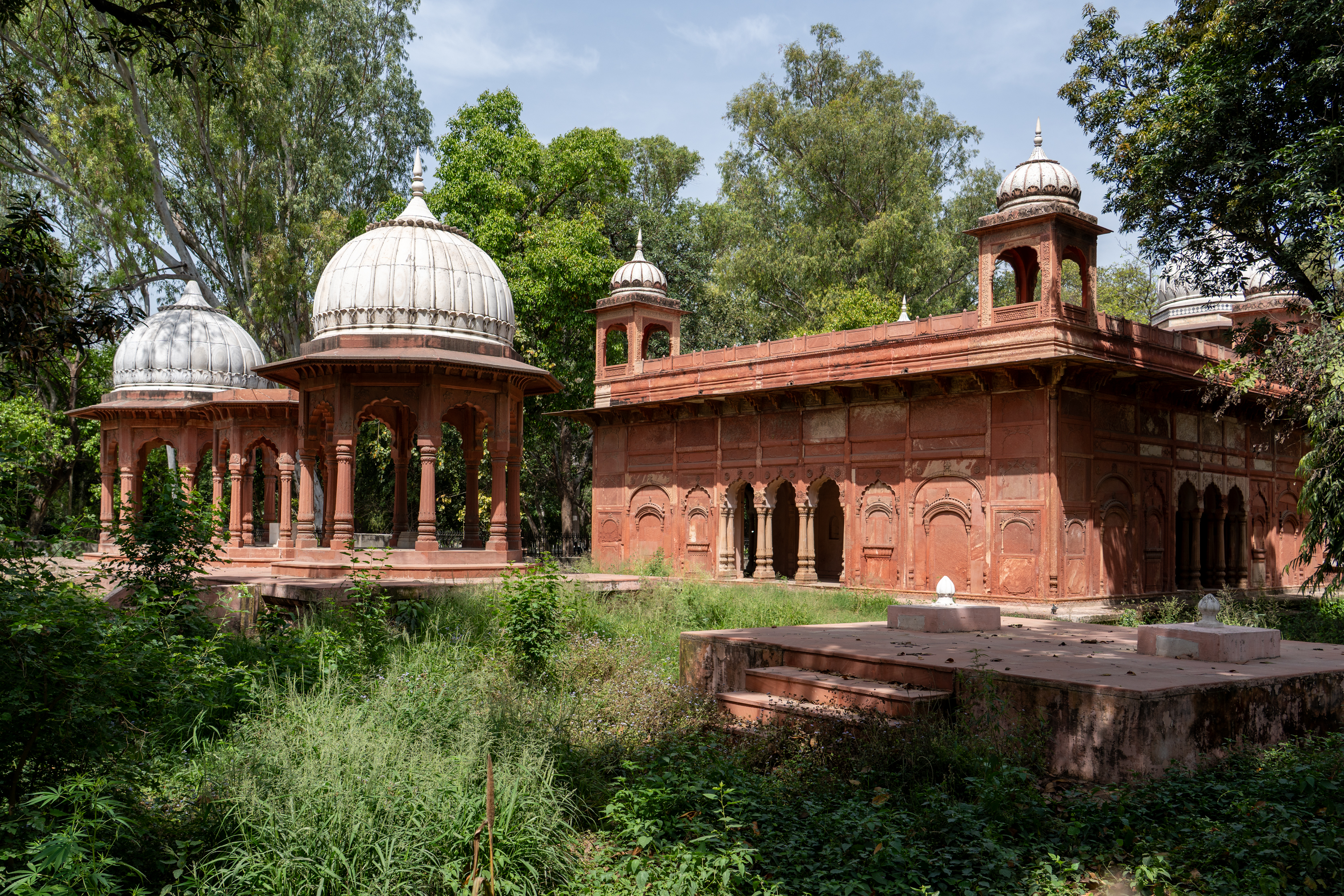
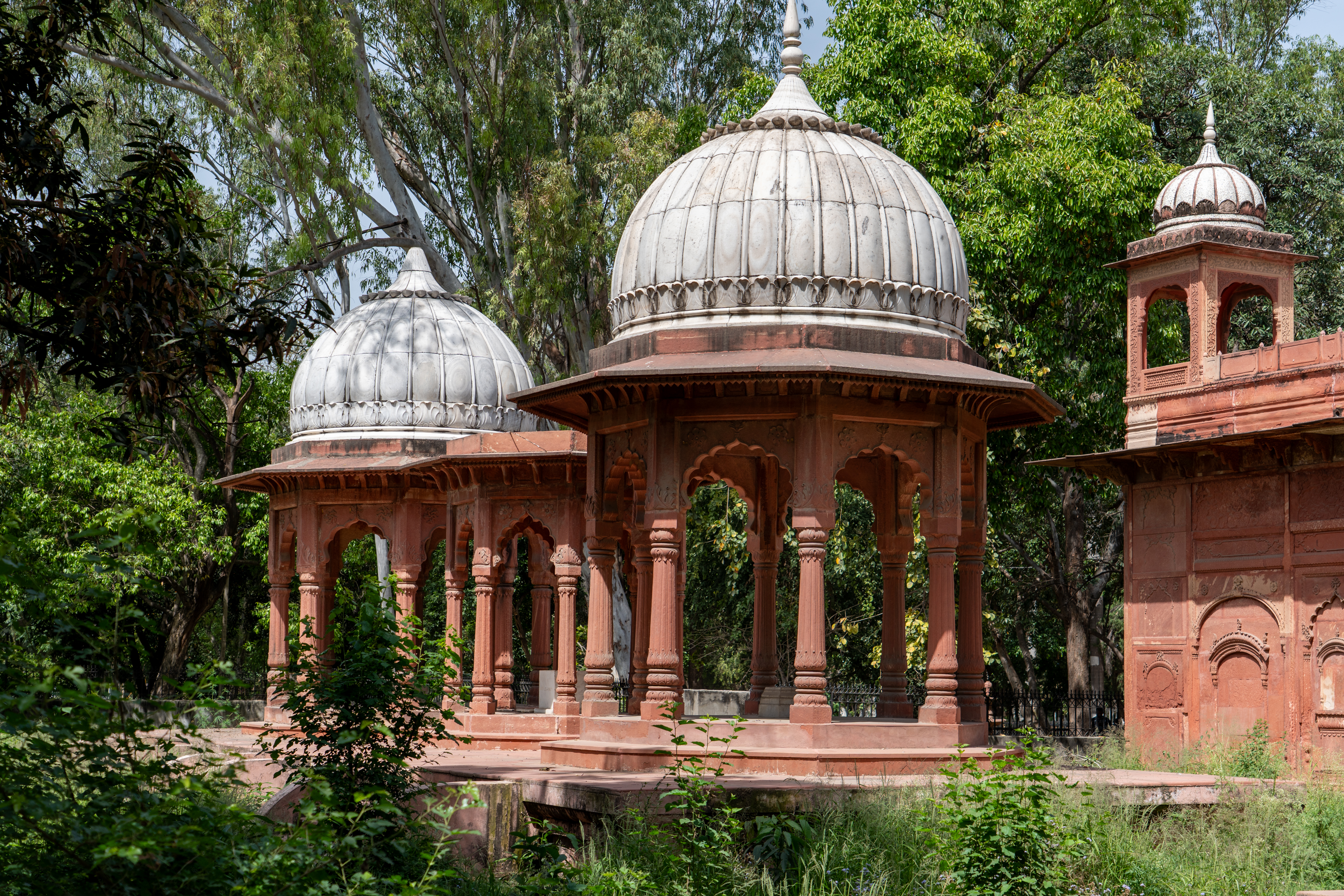
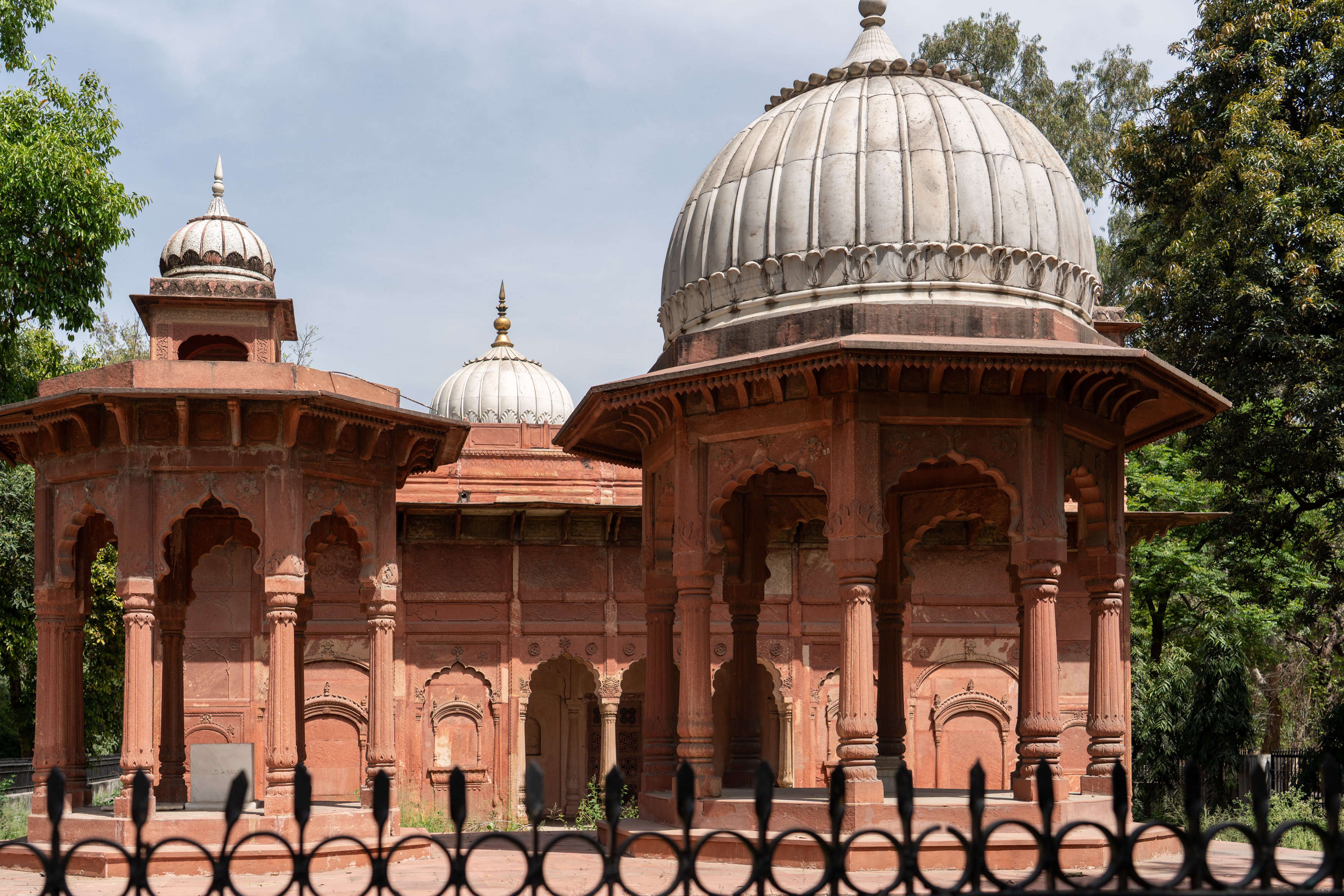
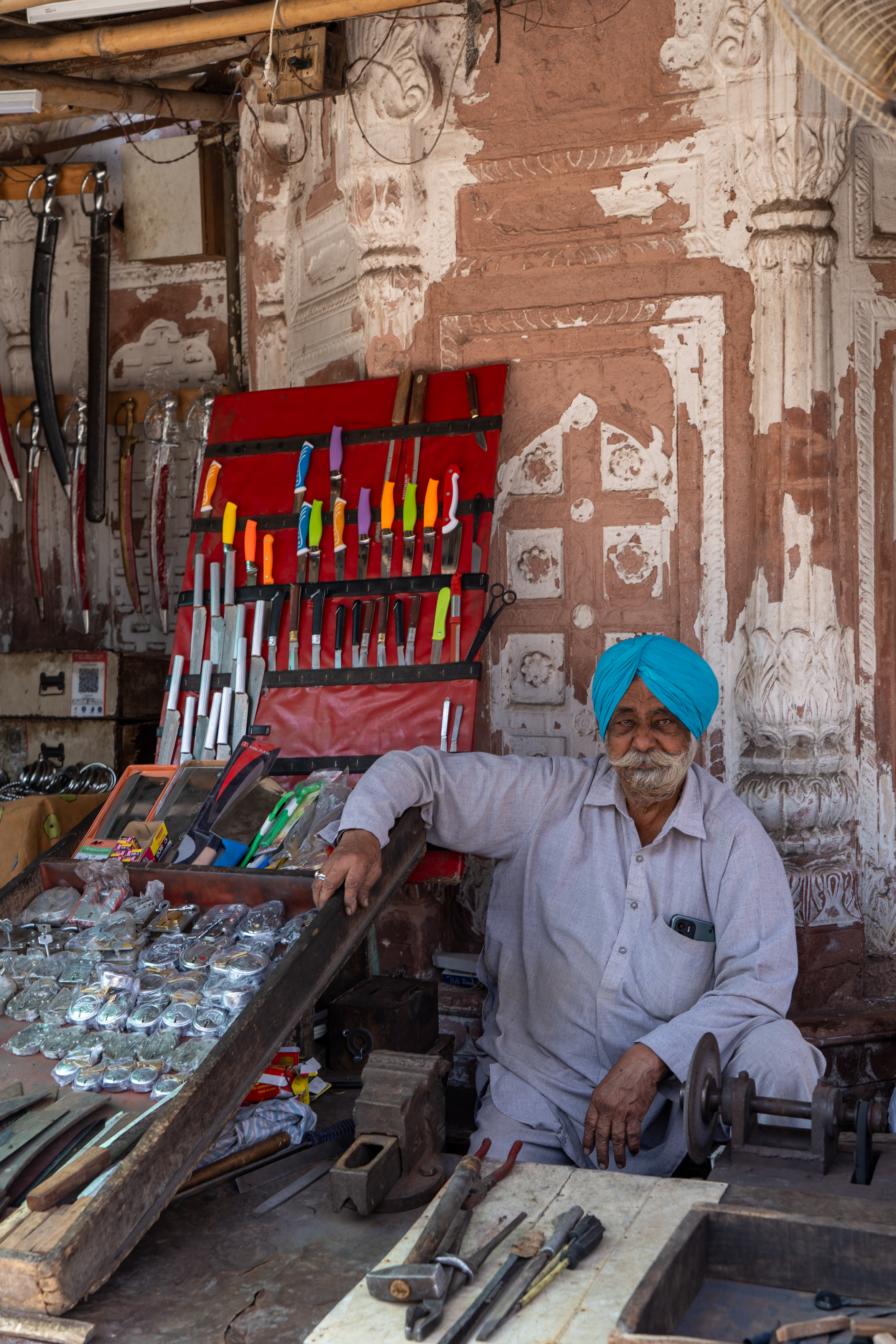
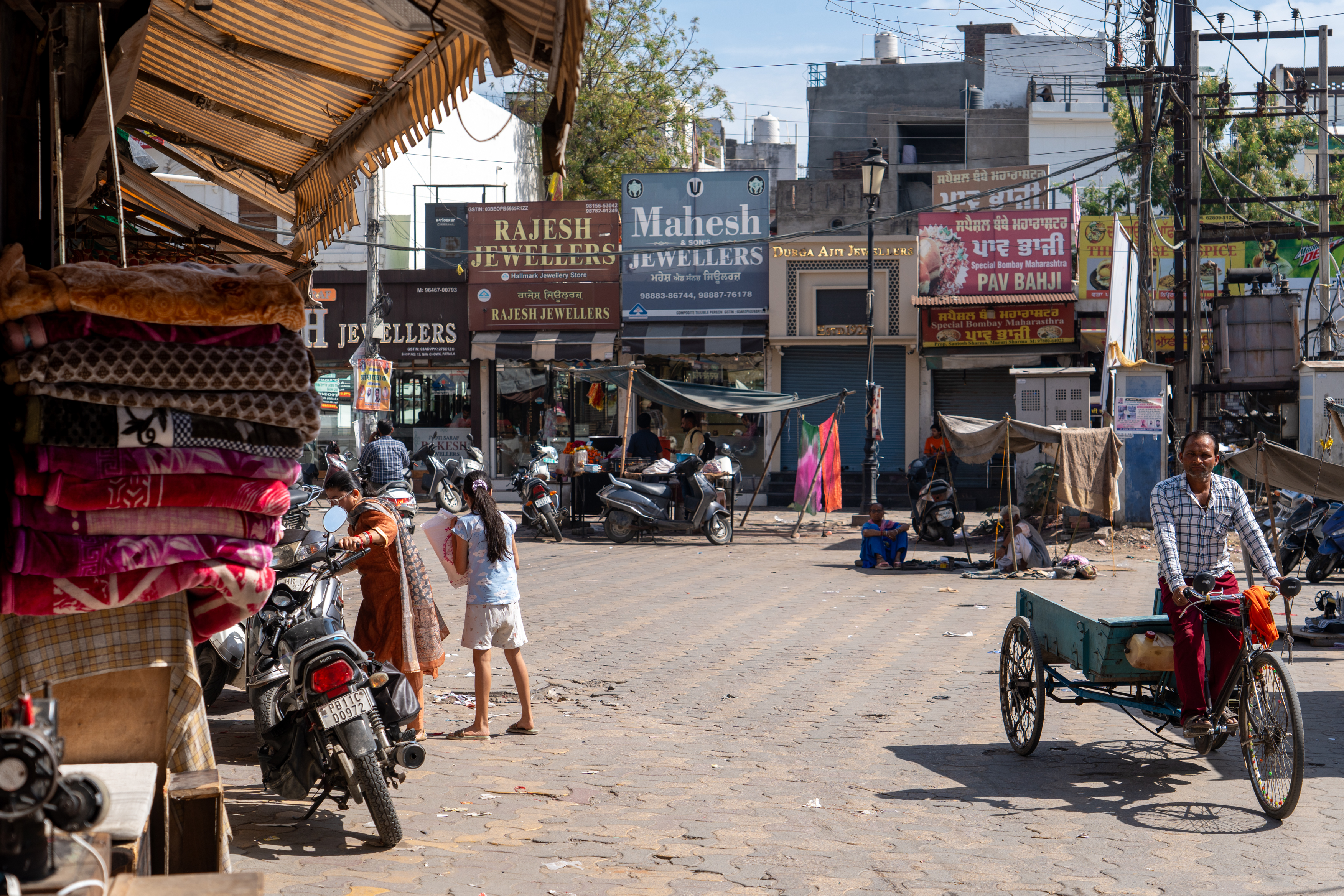
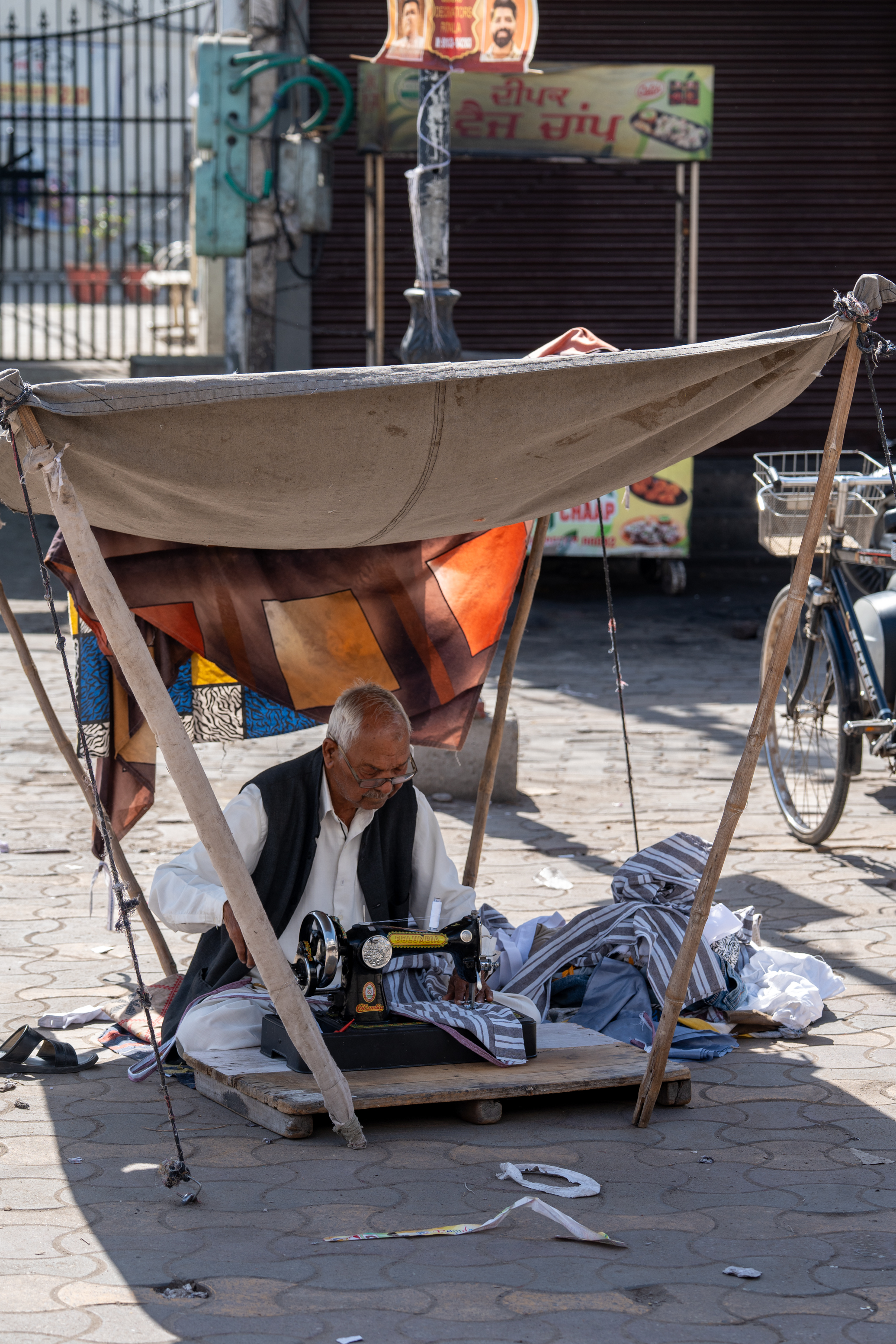
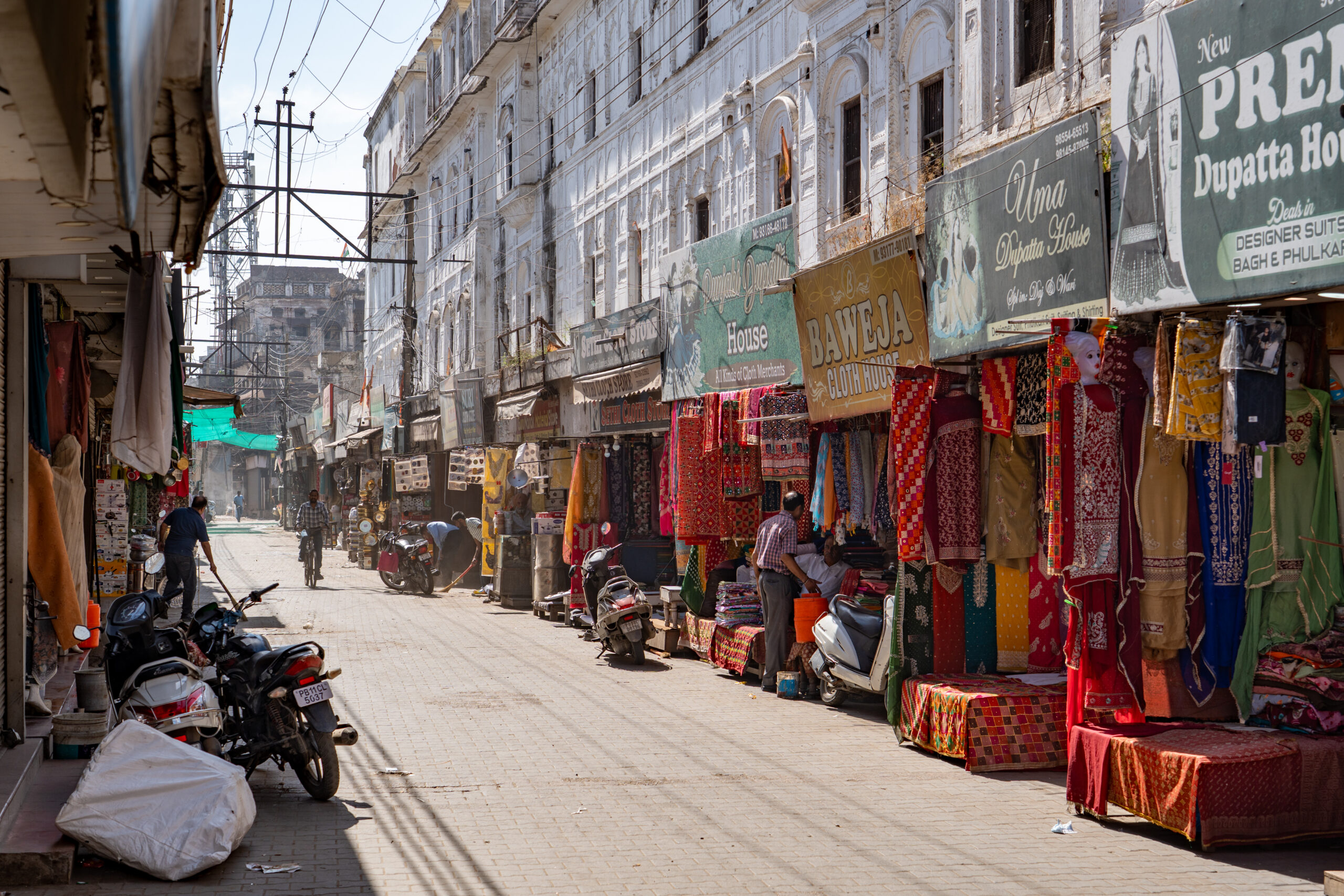
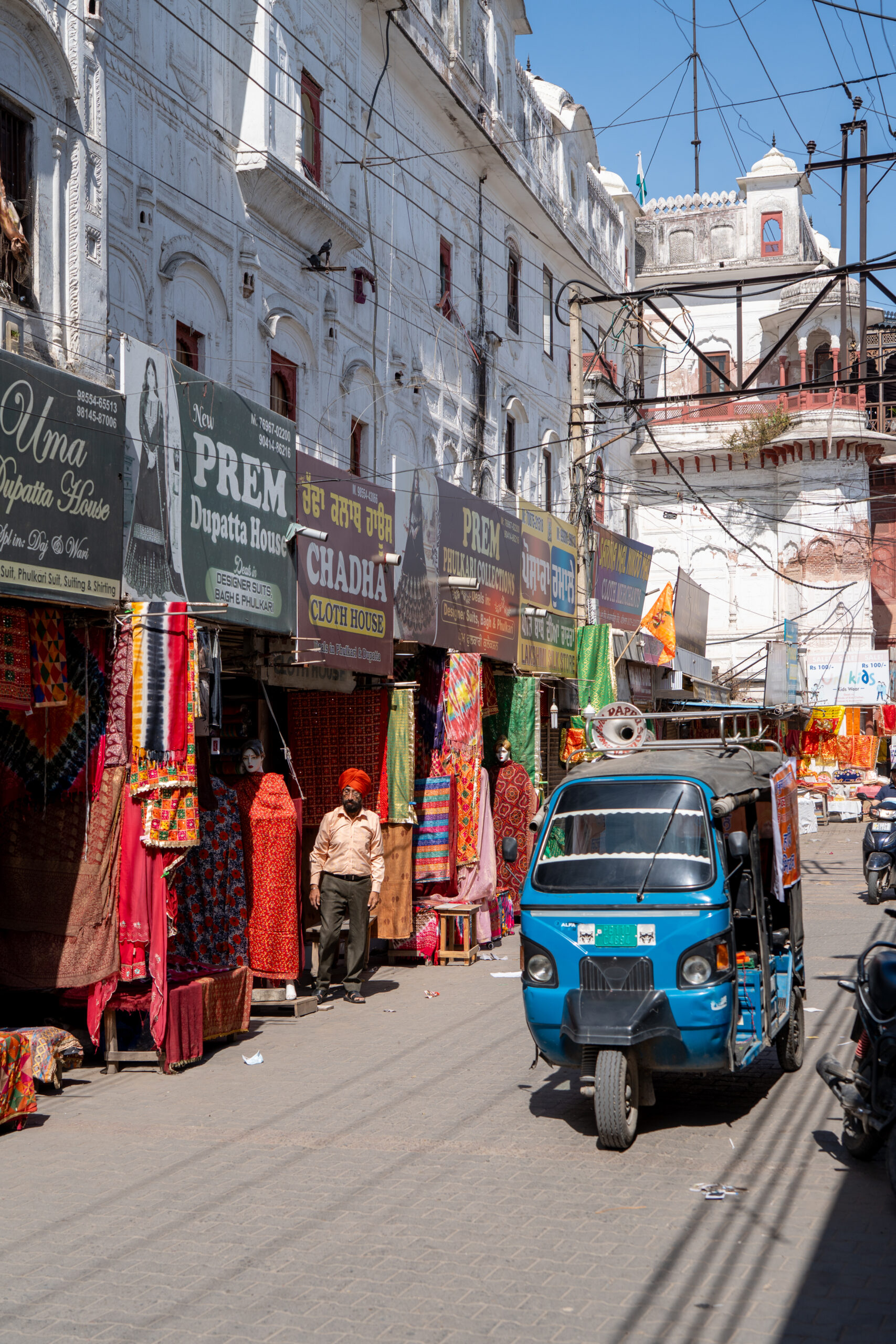
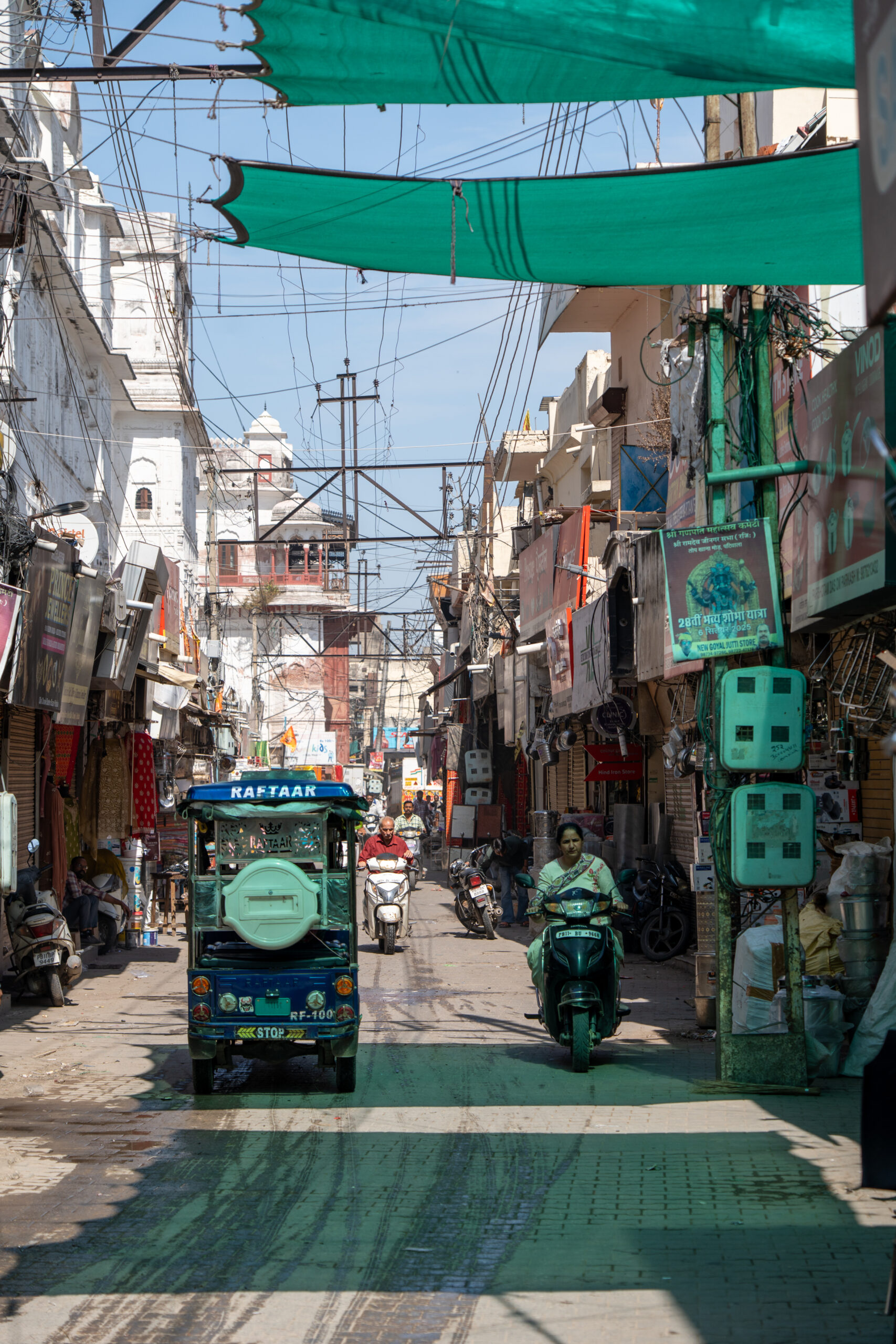
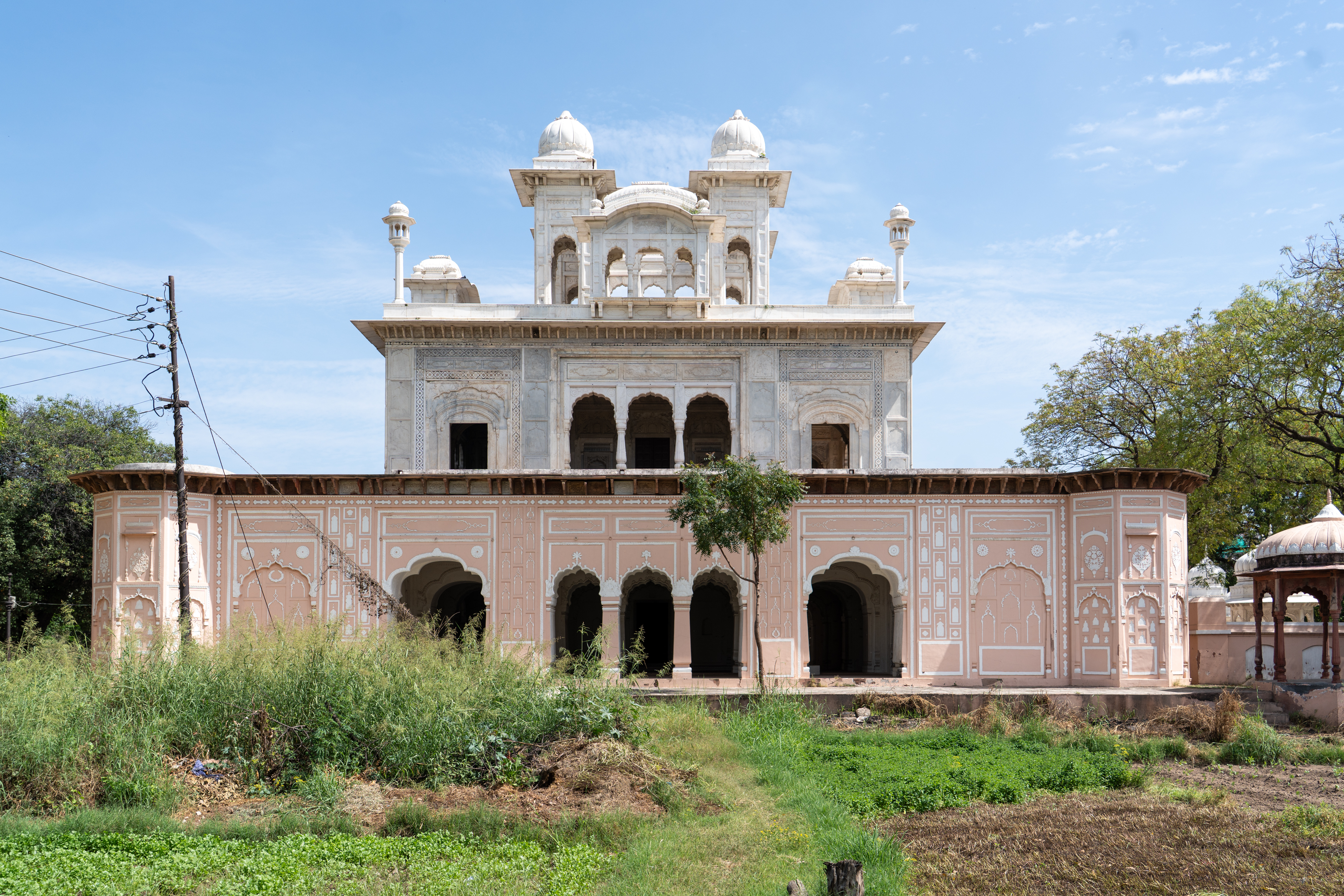
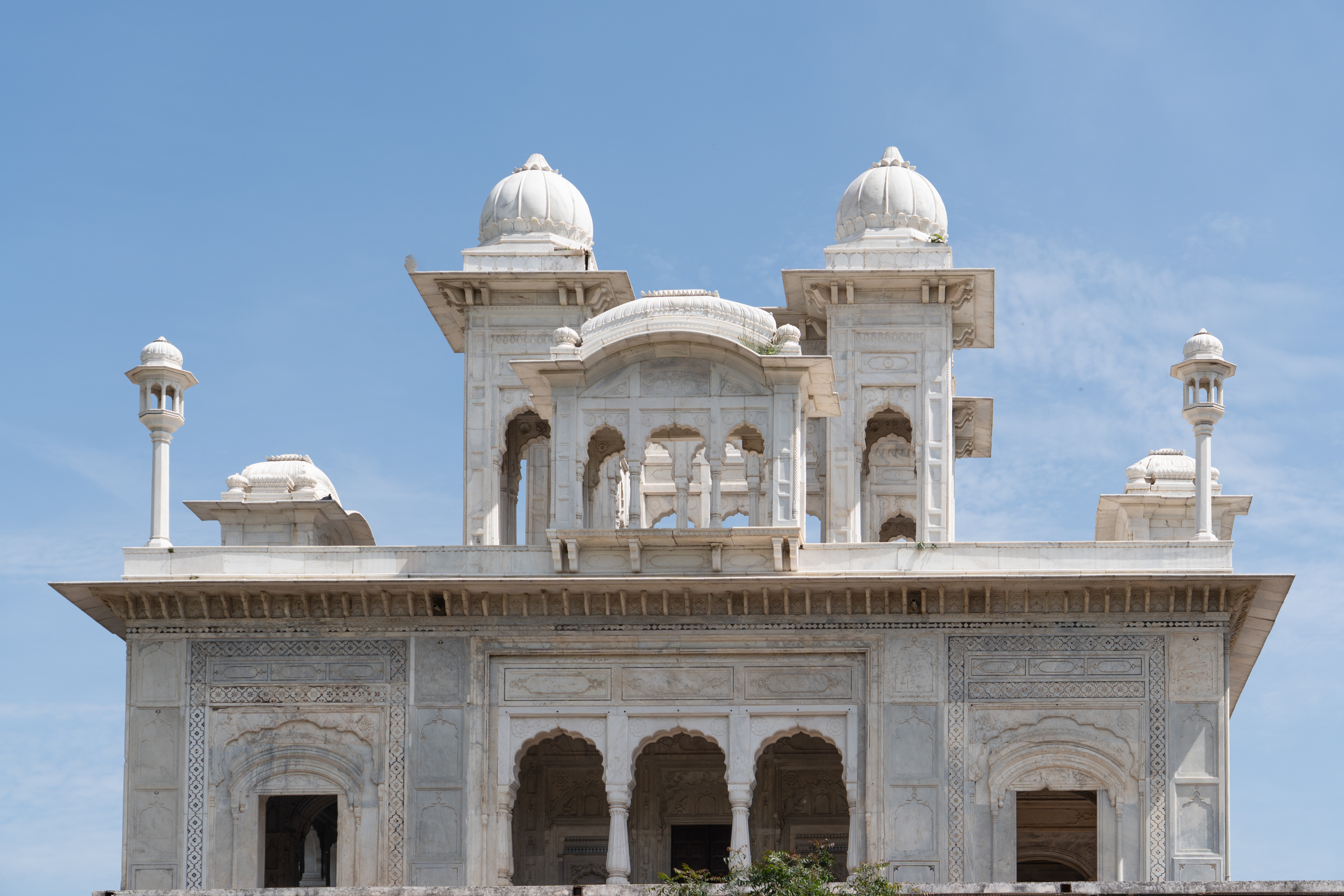
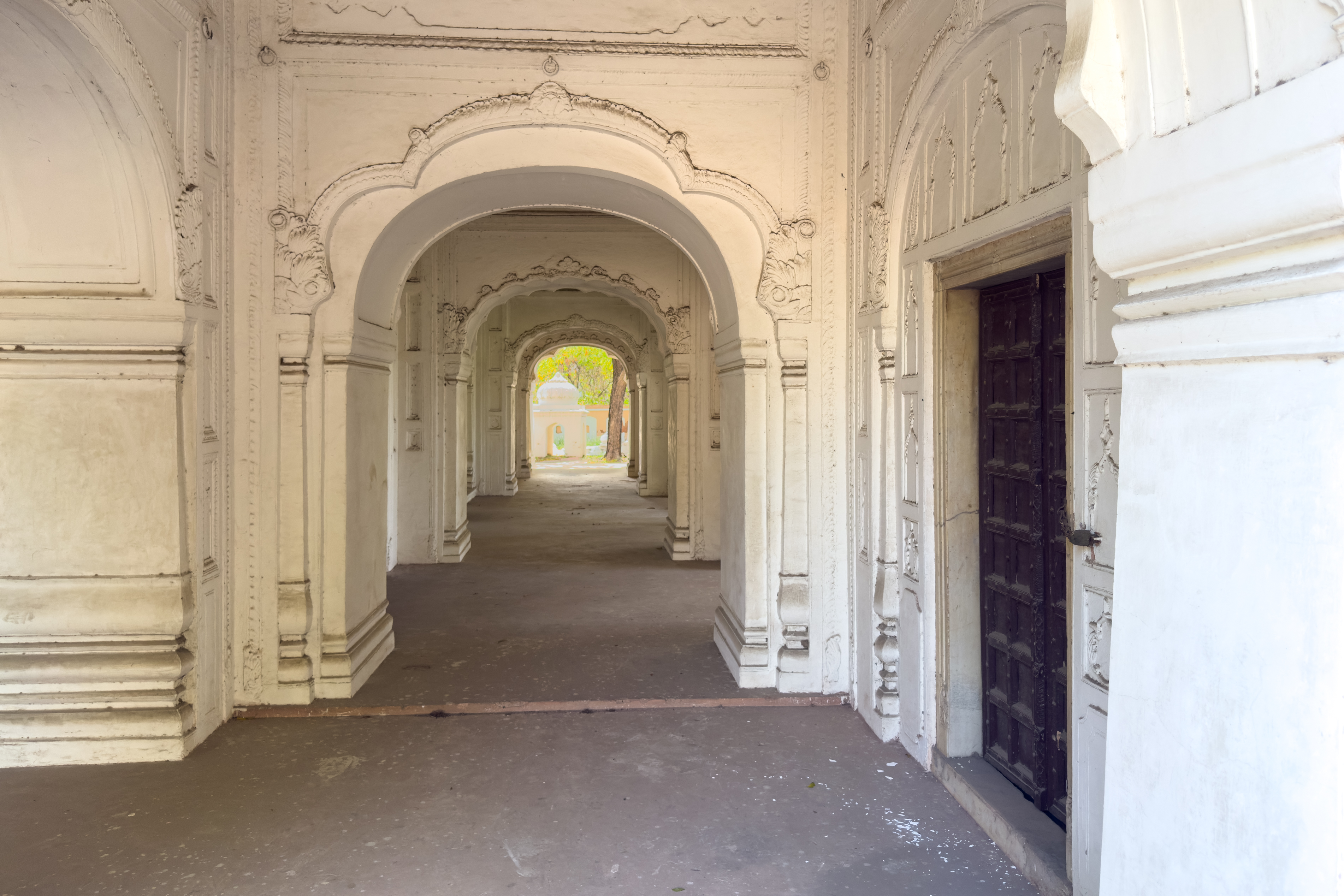
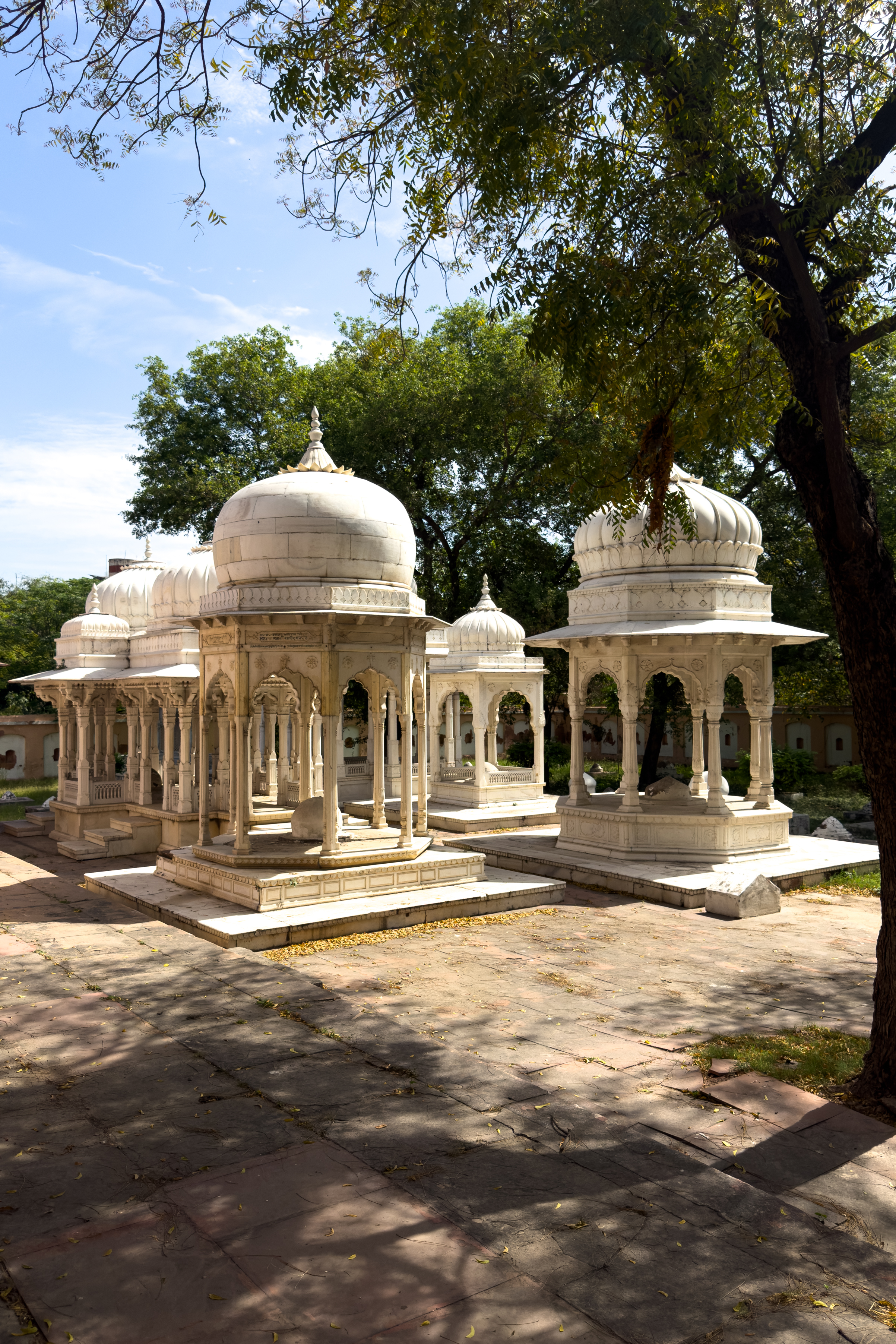
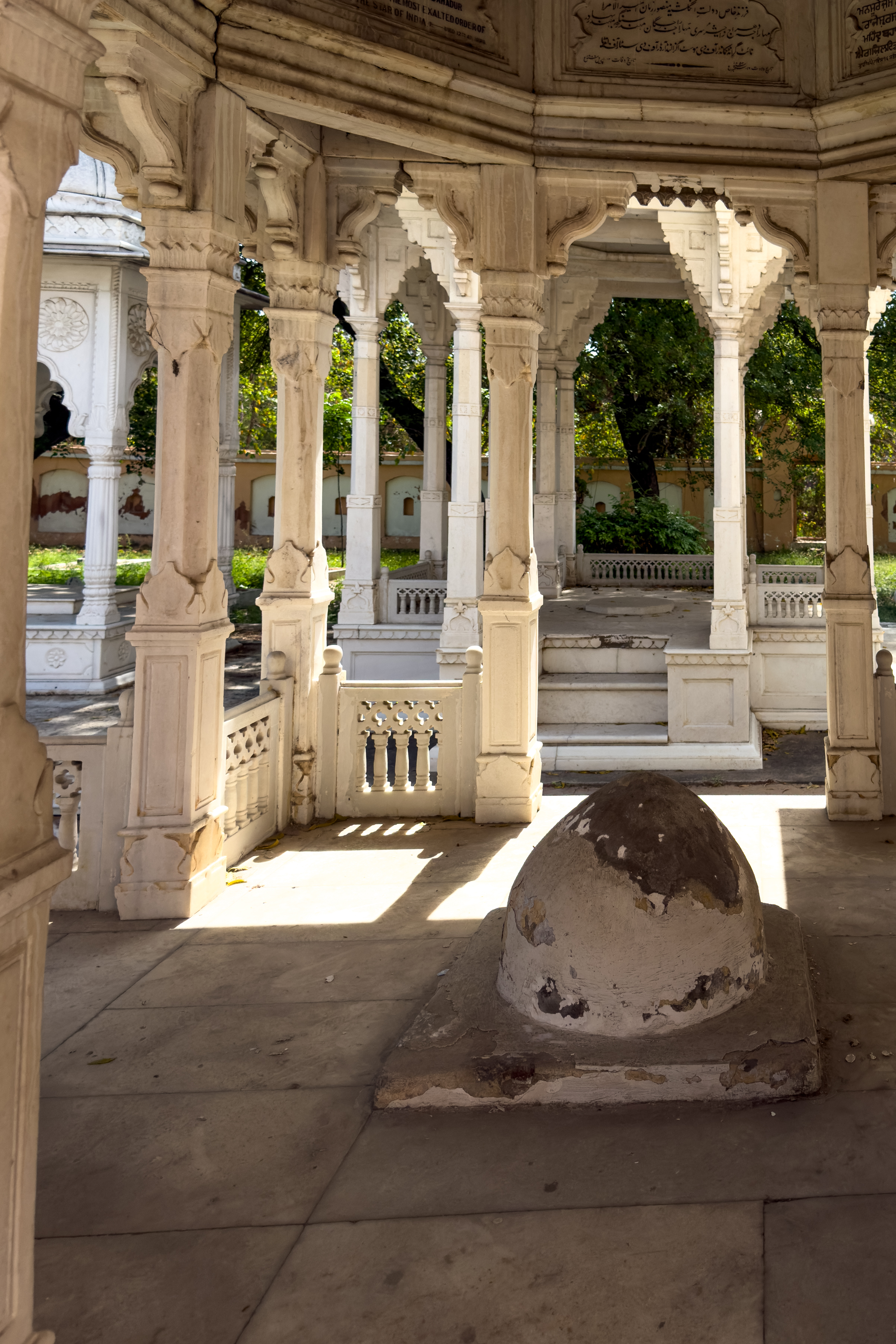
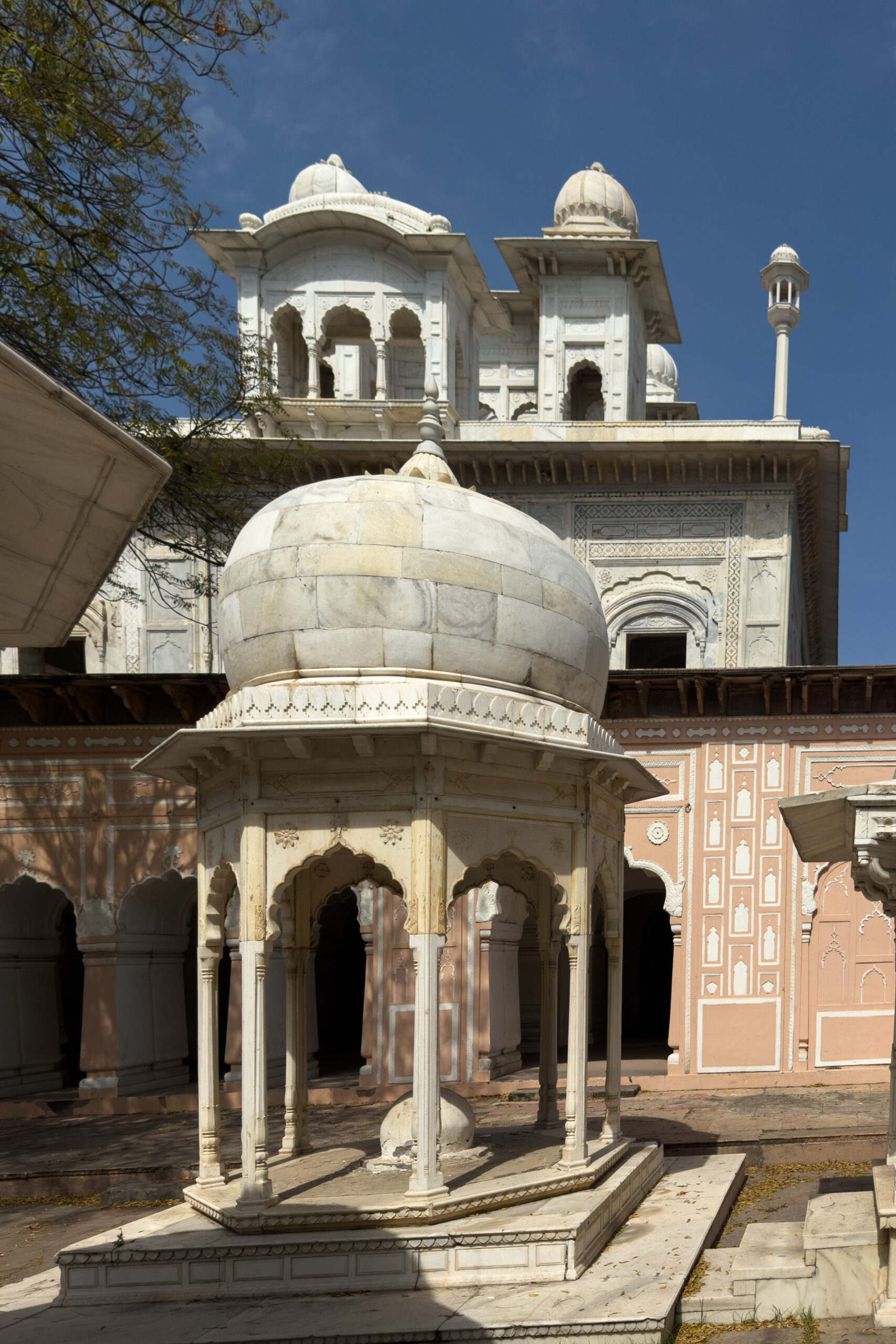
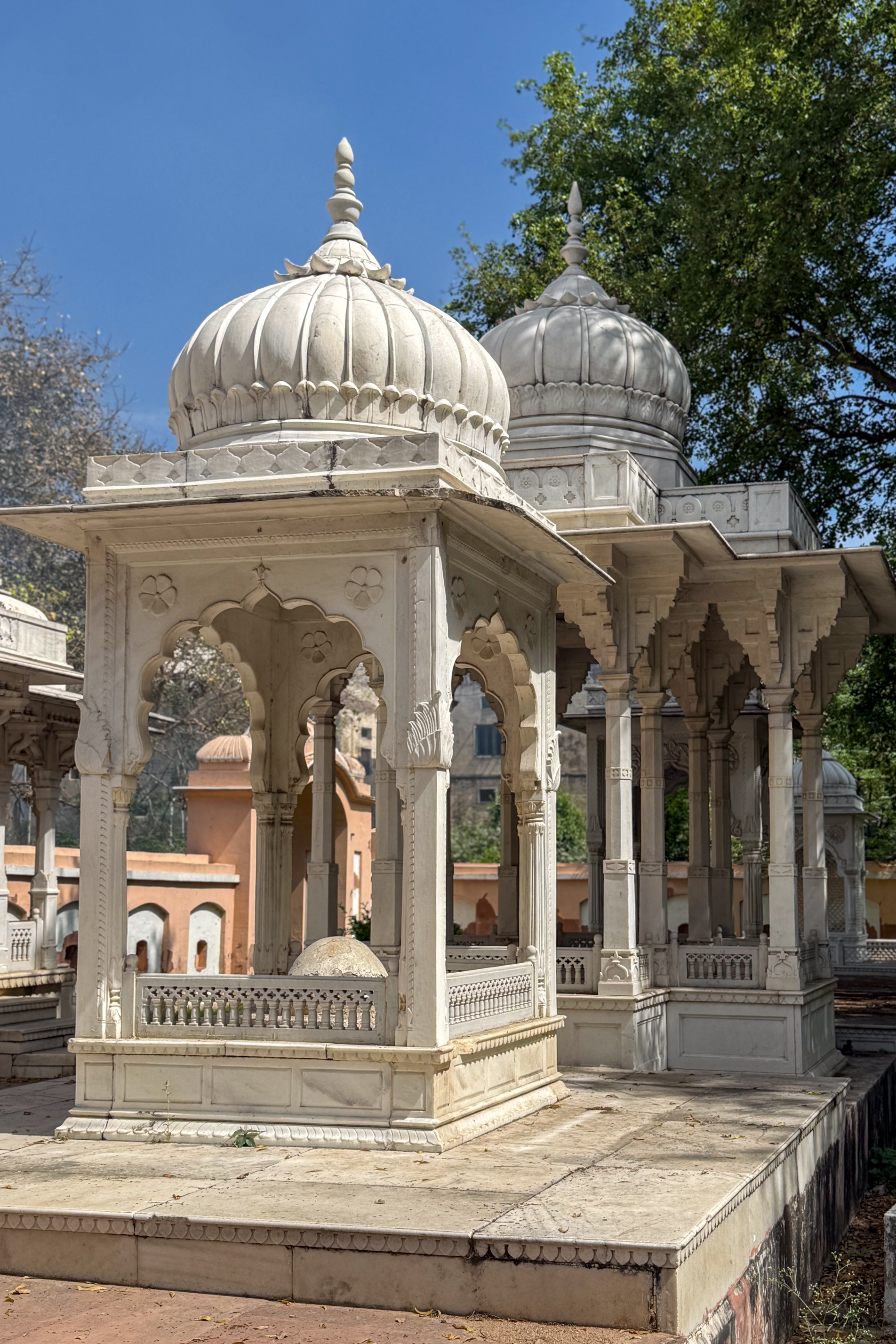
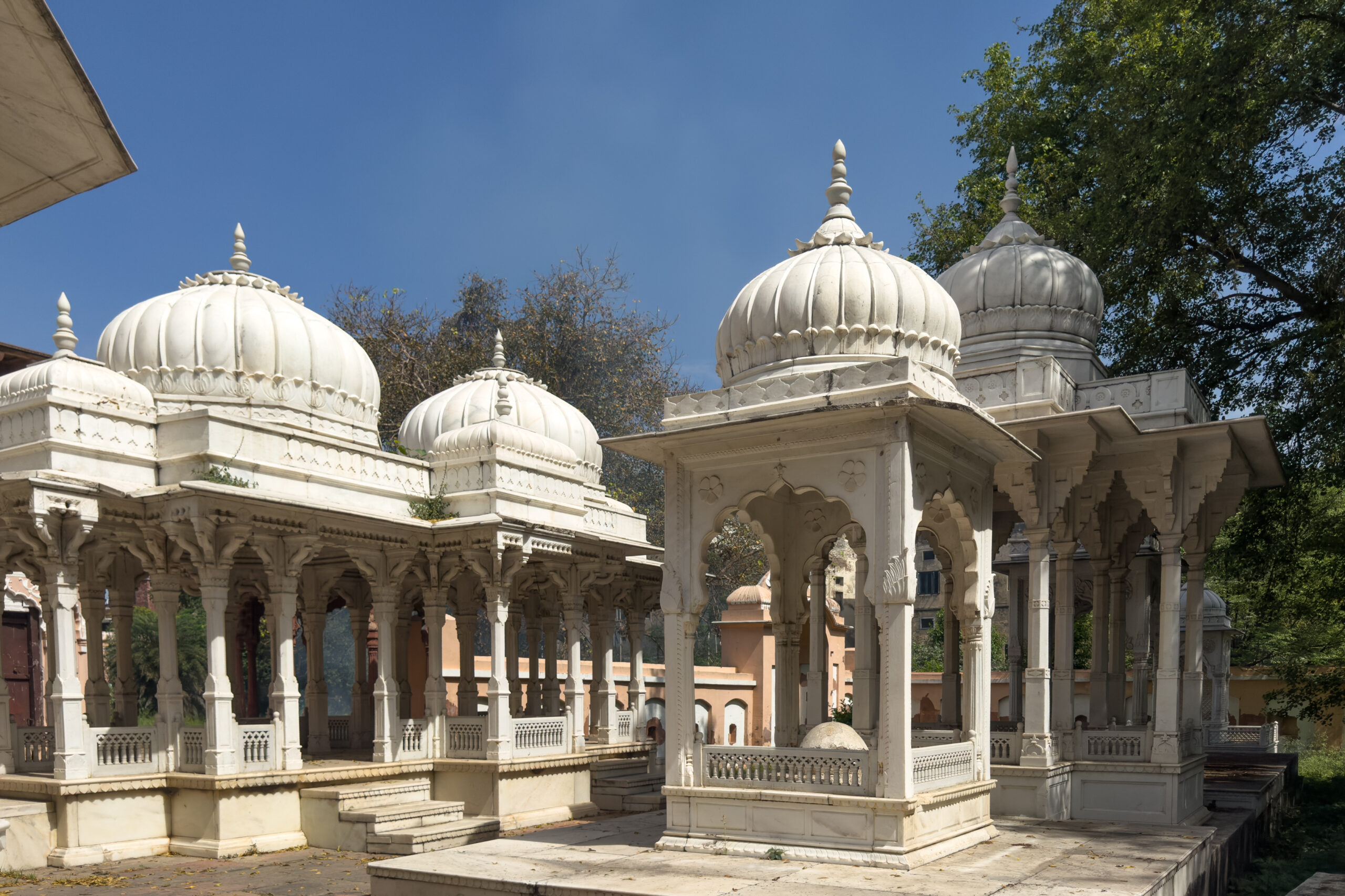
Next was a walk through the lively bazaar where, like usual, shops were ordered in clustered depending on what they were selling. Slowly I strolled towards Shahi Samadhan, a historical complex of royal cenotaphs (memorial tombs) built in memory of the rulers of the Patiala dynasty.

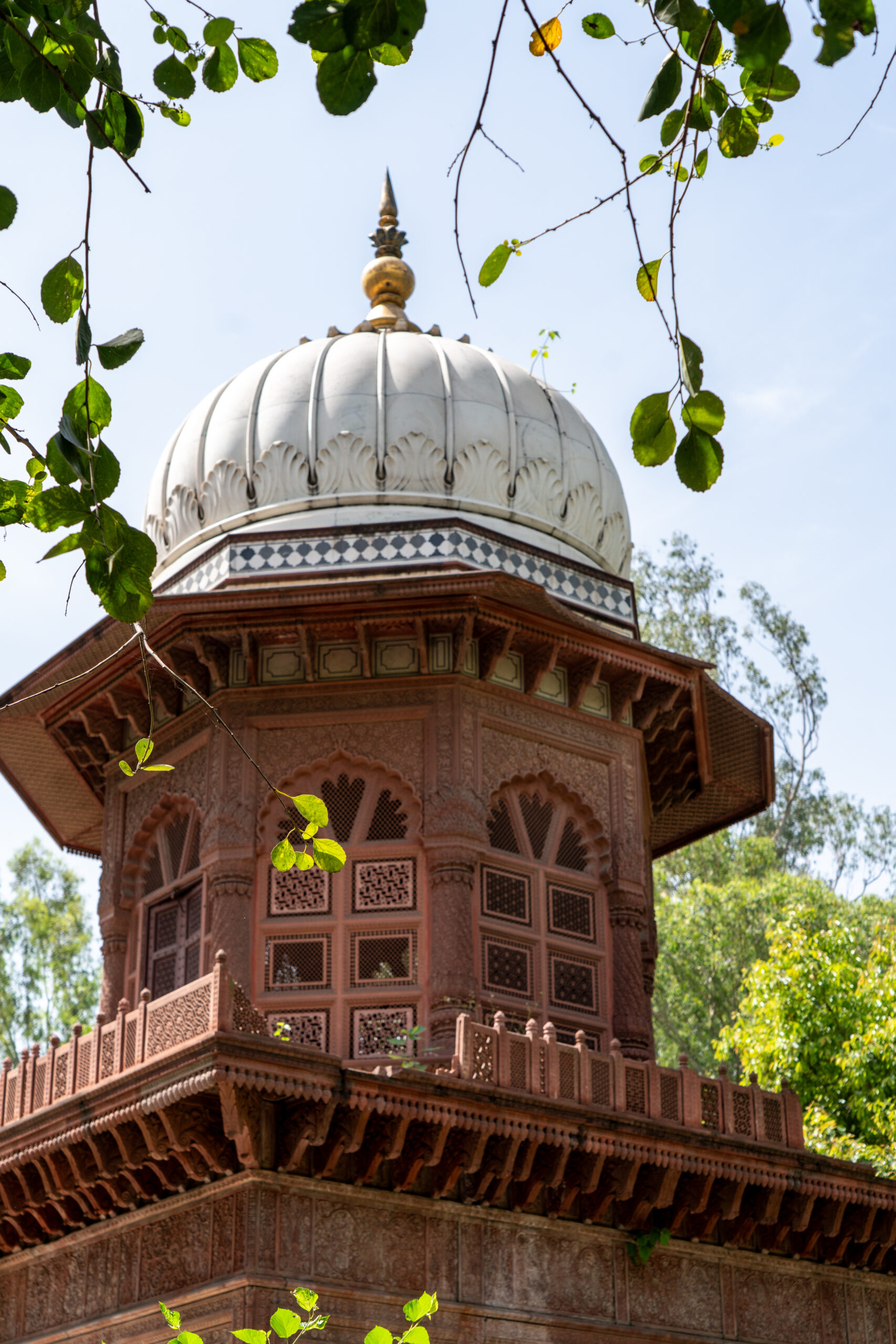
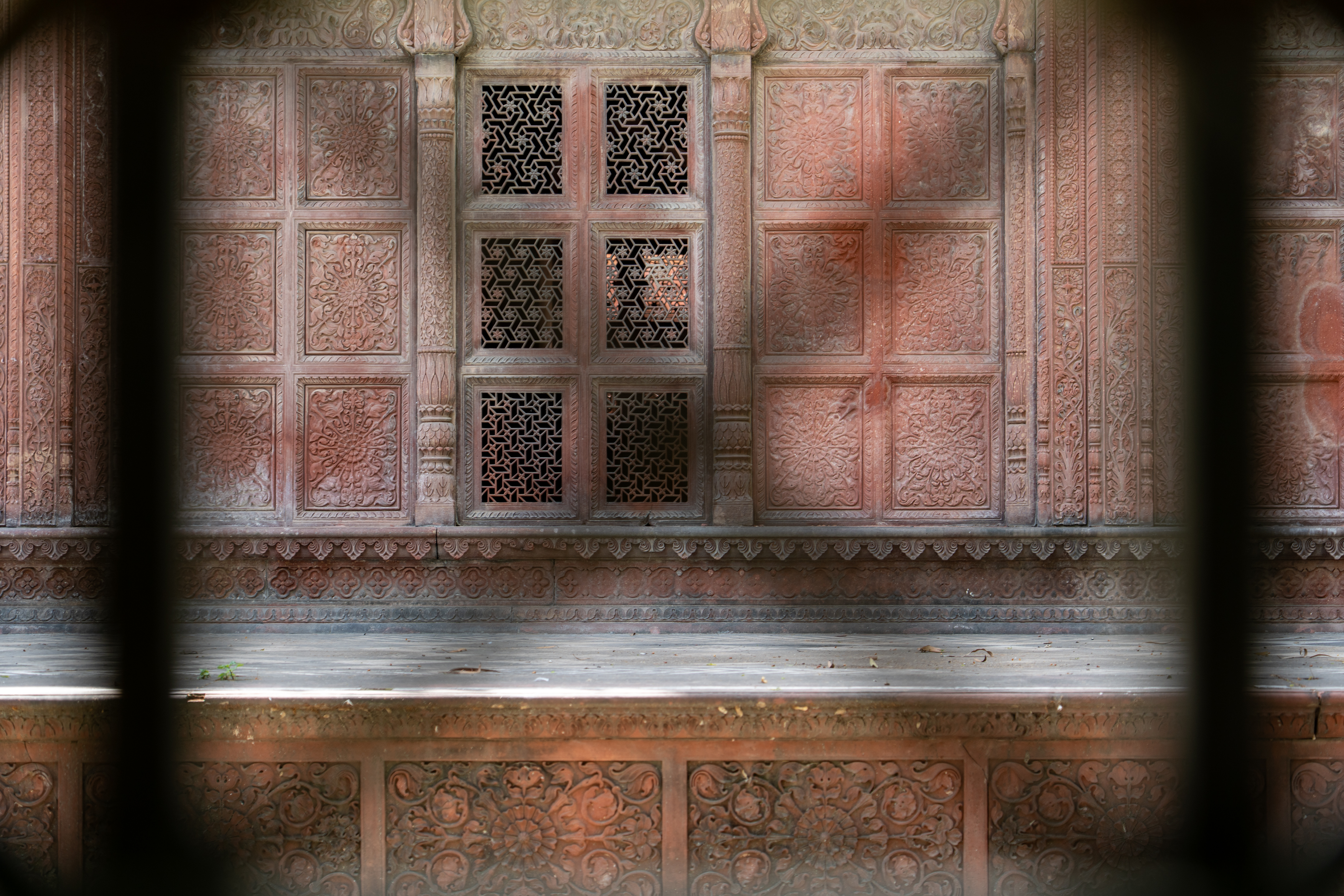
Located near Bathinda Fort, the structures featured elegant domes and traditional Sikh-Rajput architectural style. The site reflected the region’s royal heritage and serves as an important monument preserving the legacy of the Patiala rulers. It had two things in common with the nearby fort, it could use some tender loving care and, no camera allowed. It was a lovely place to spend some time and admire the architecture.

A bit further I heard loud music coming from a temple which was an invite to me to check what was going on.

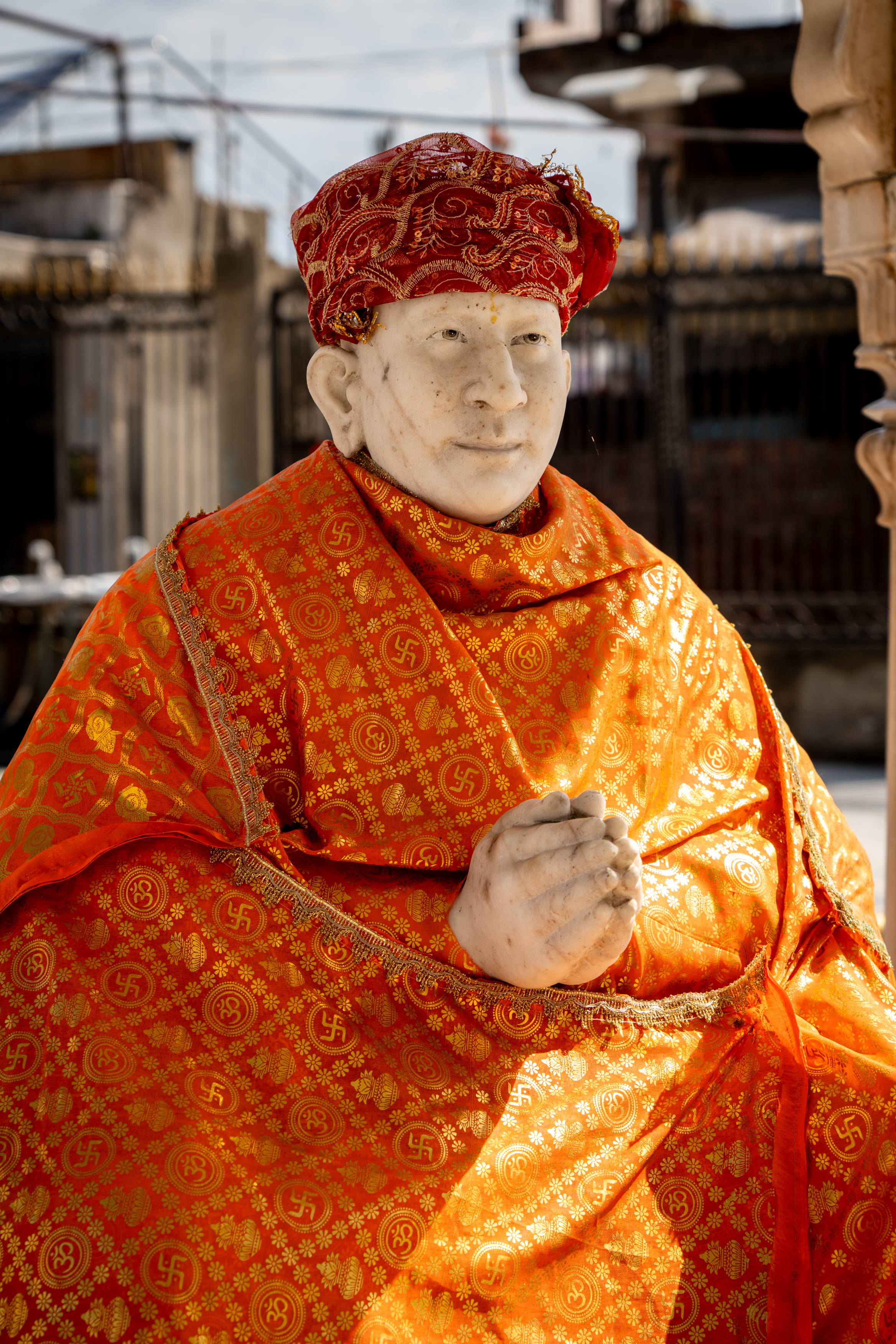
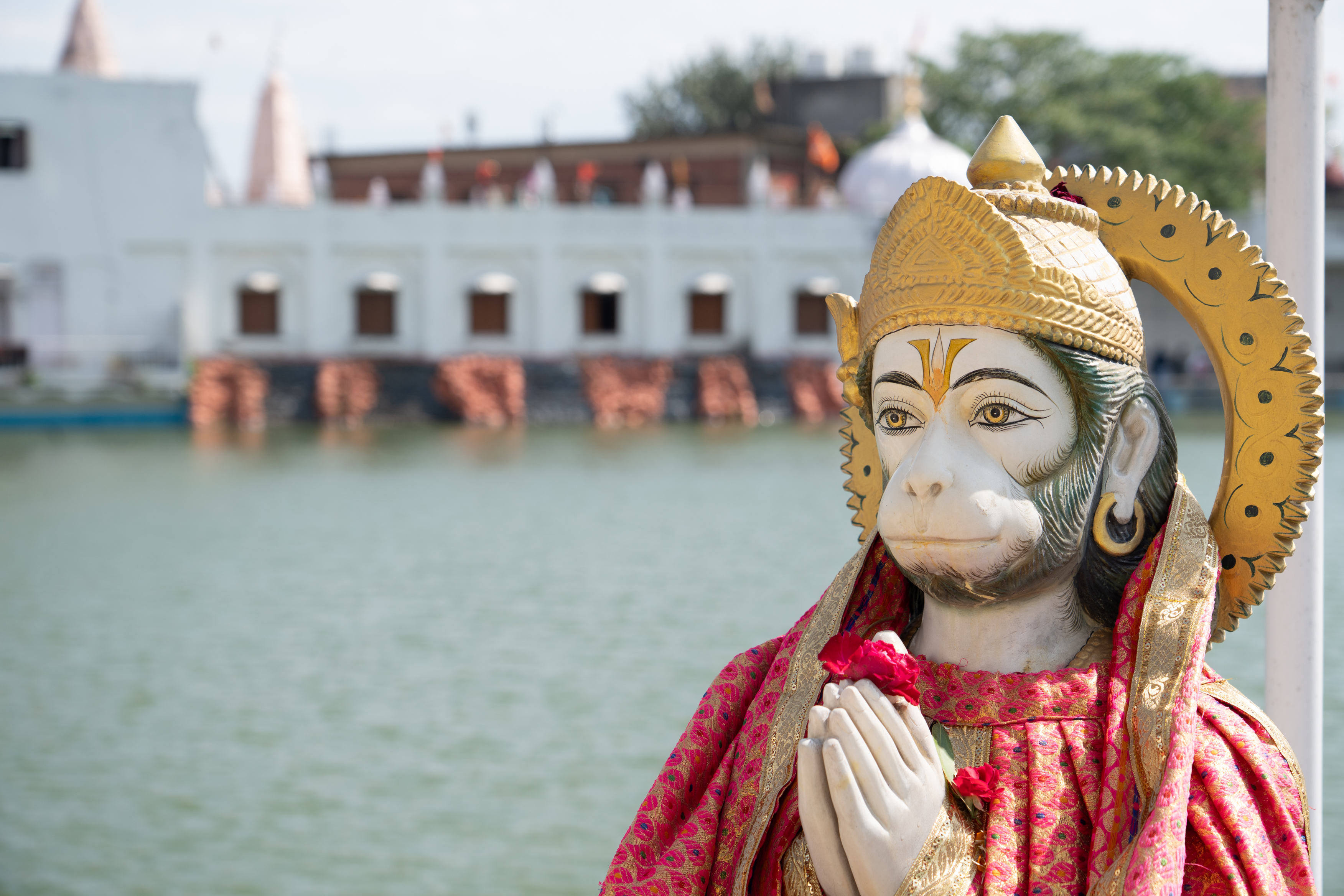
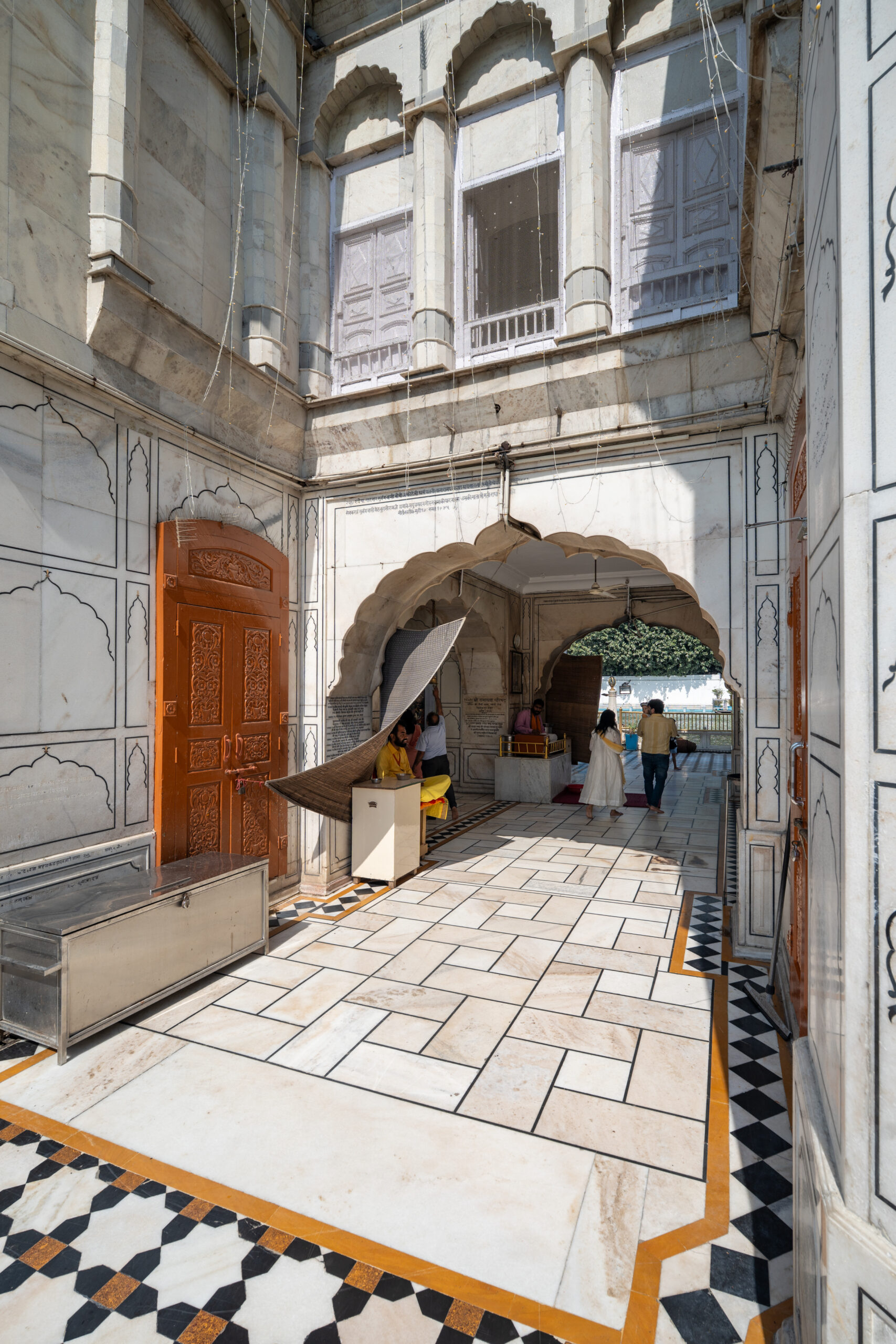
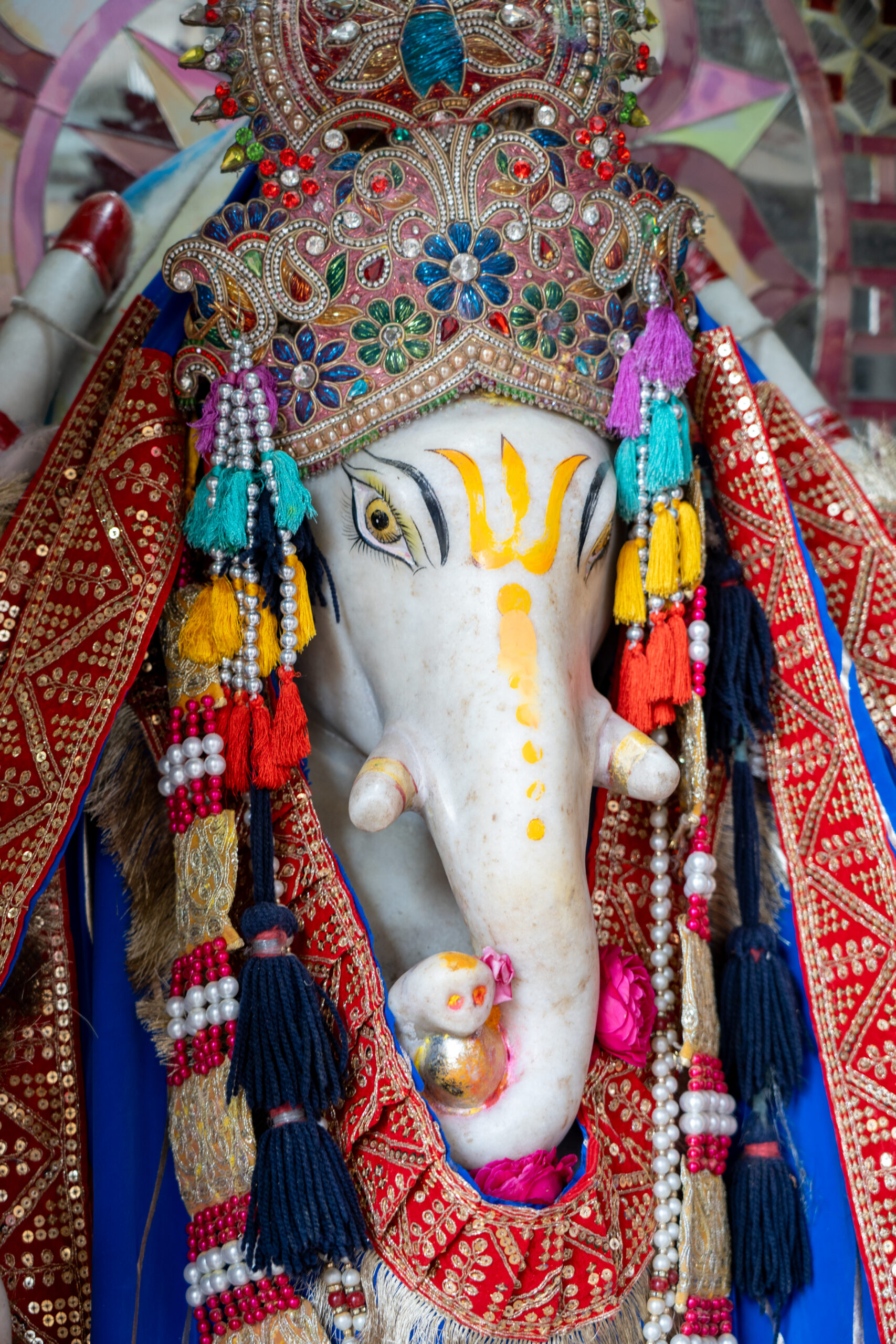
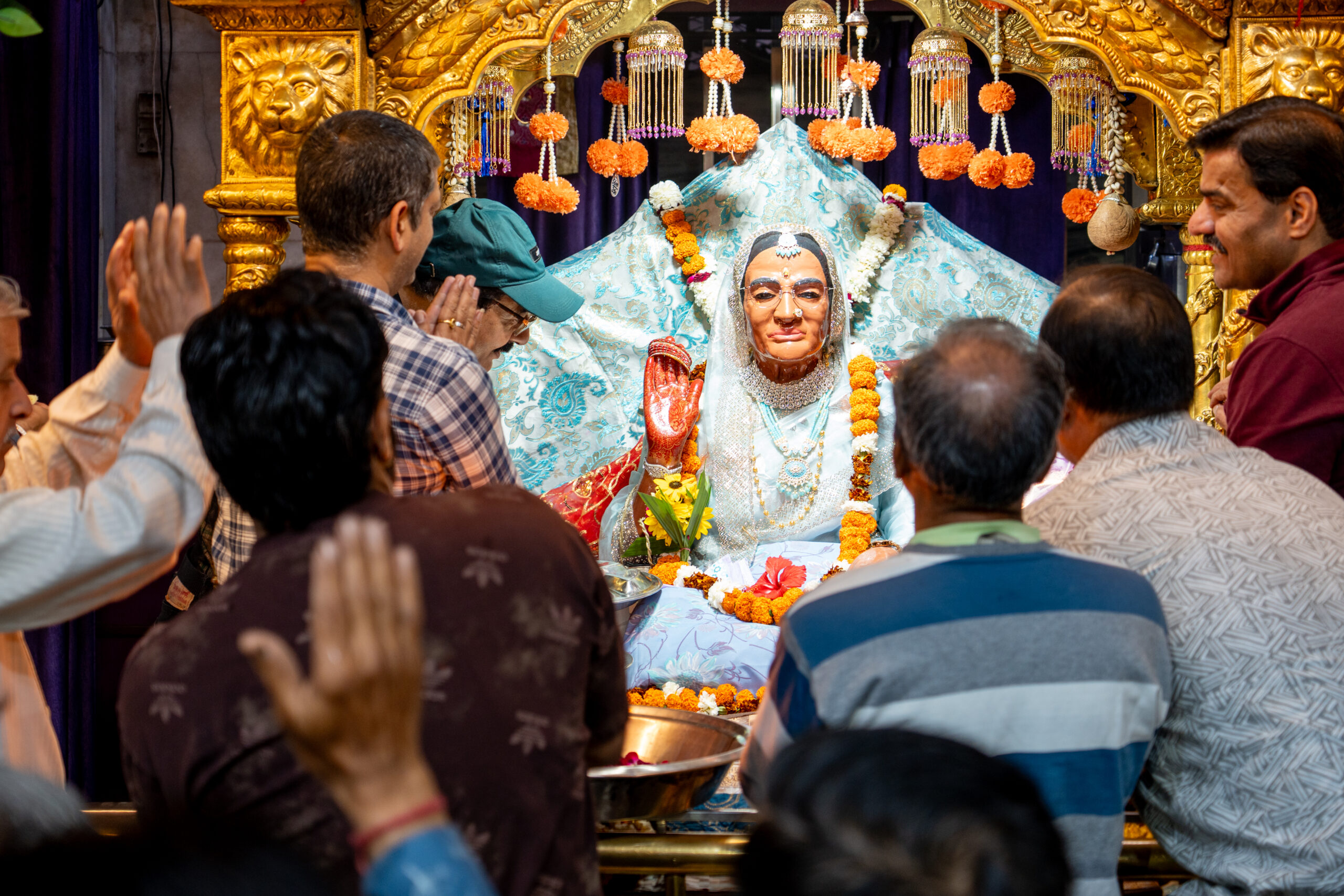
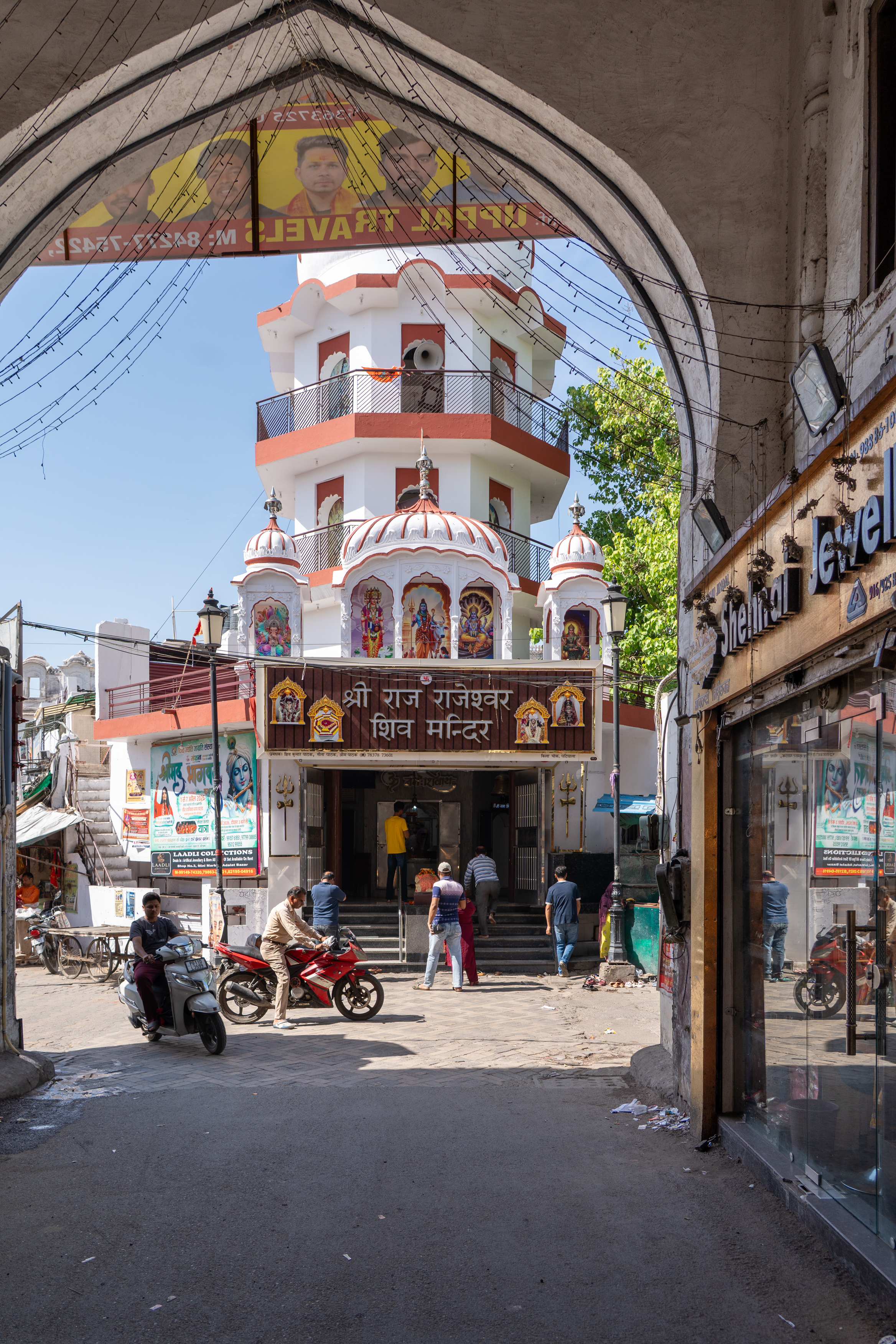
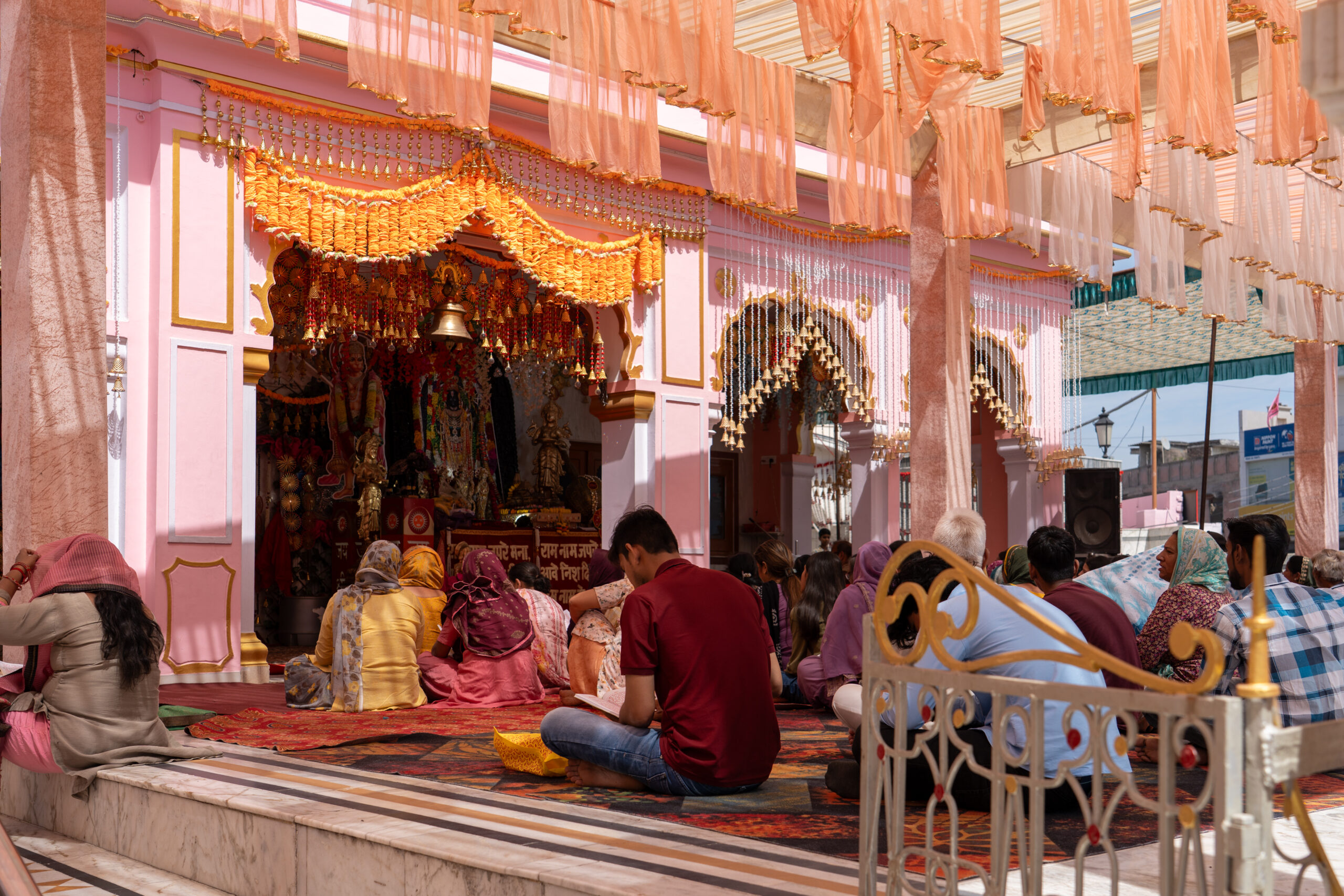
The temple was called Hanuman Mandir, a well-known Hindu temple dedicated to Hanuman, the monkey god known for strength and devotion. It is an important spiritual place in Patiala and is known for its peaceful atmosphere and religious significance.

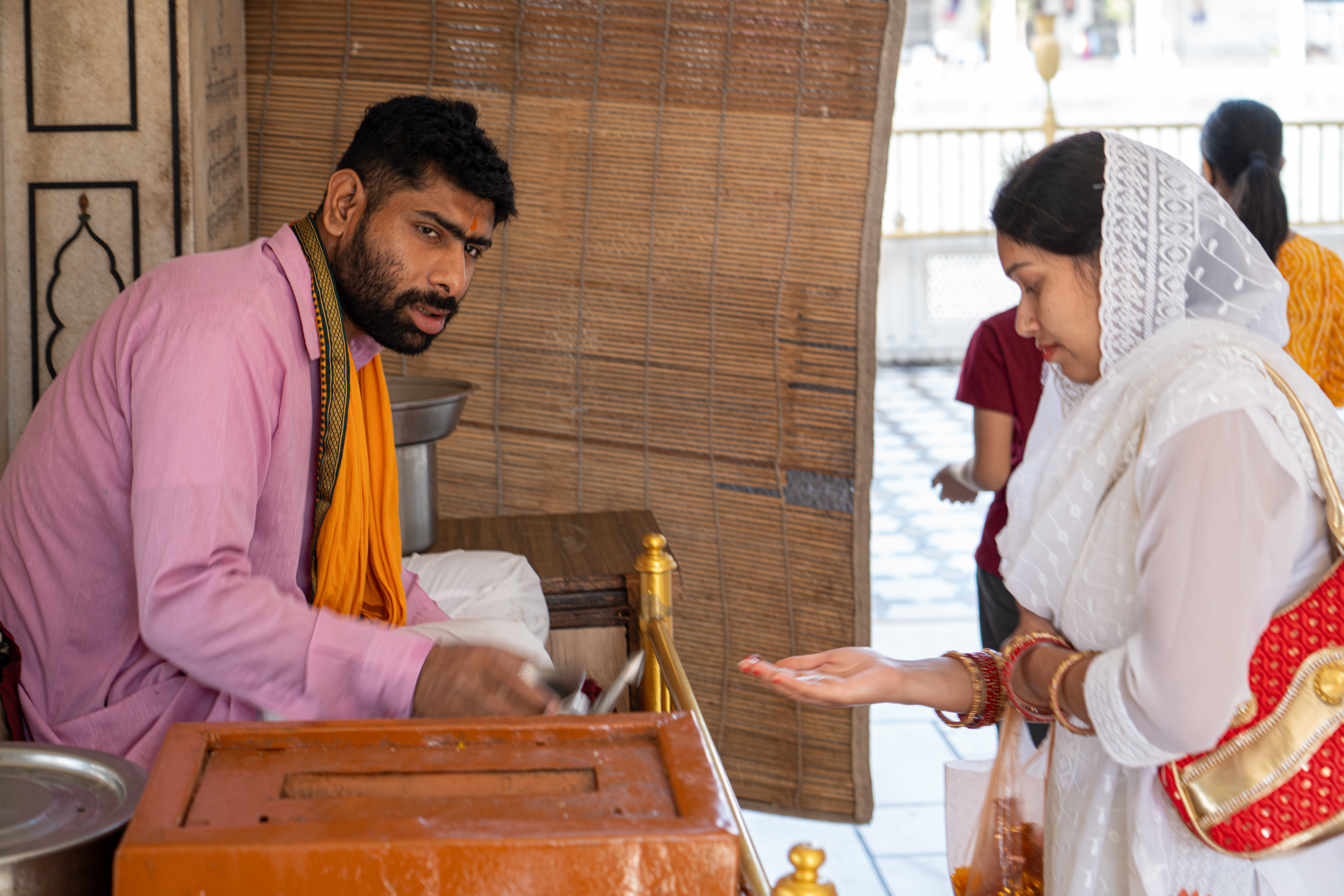
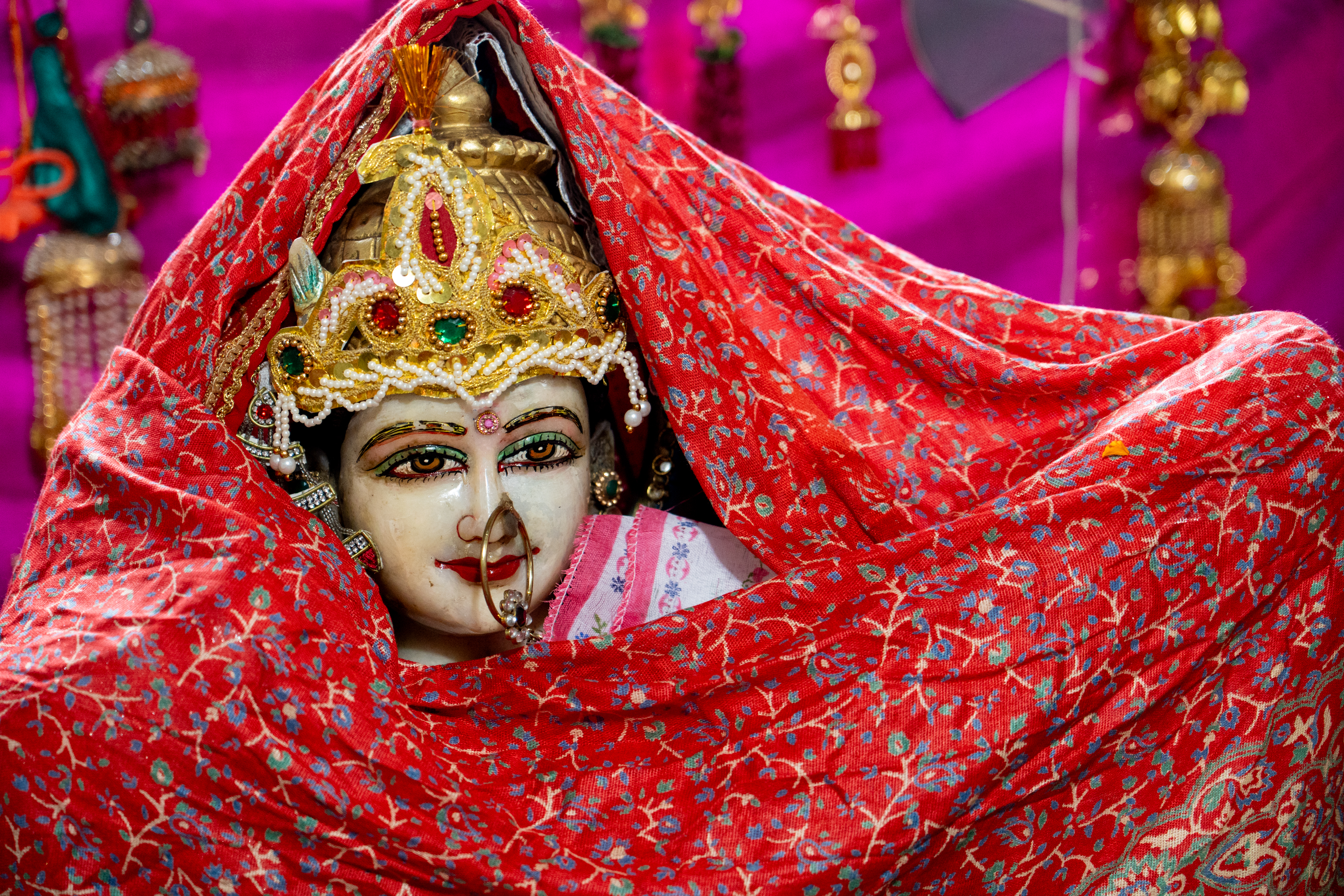
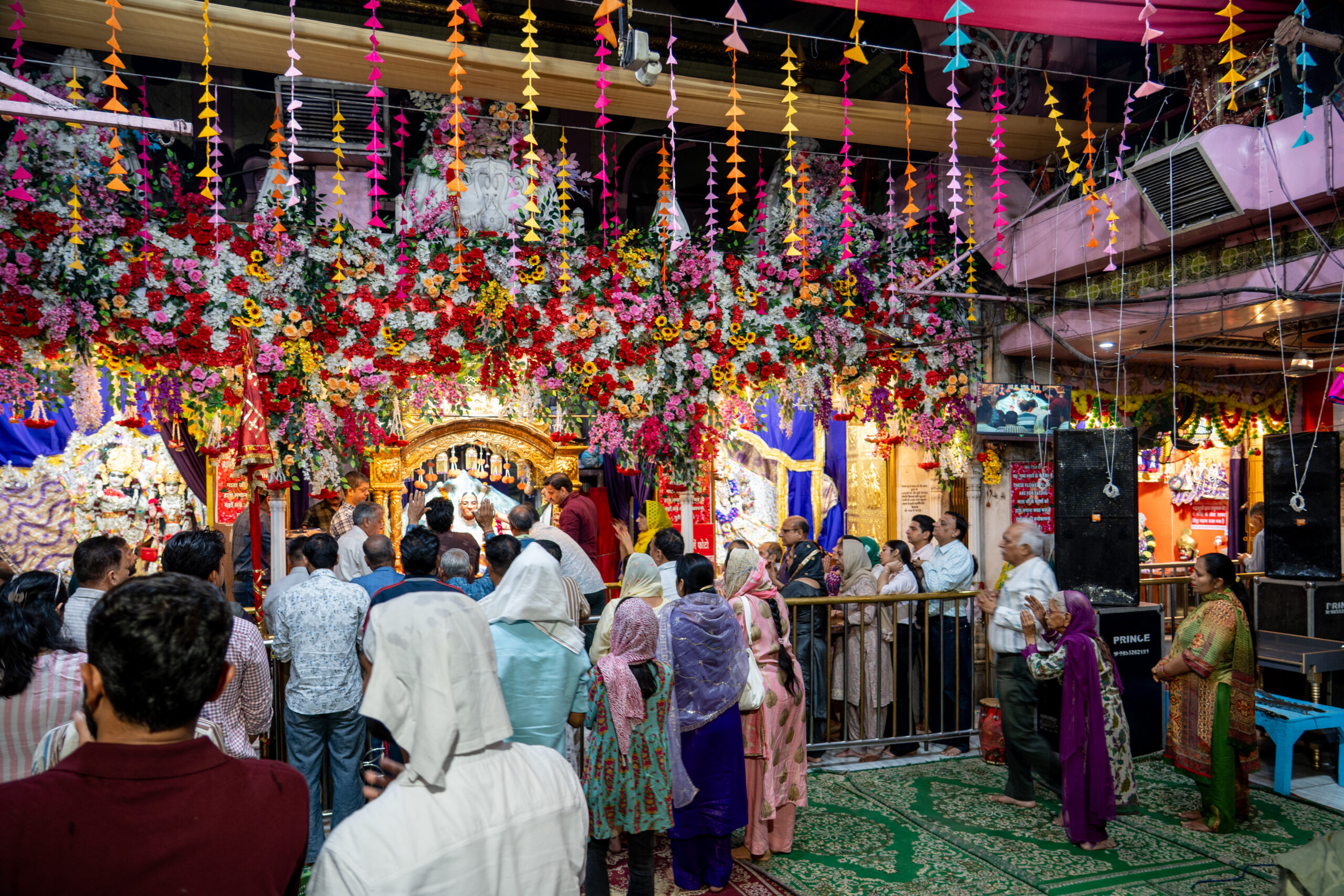
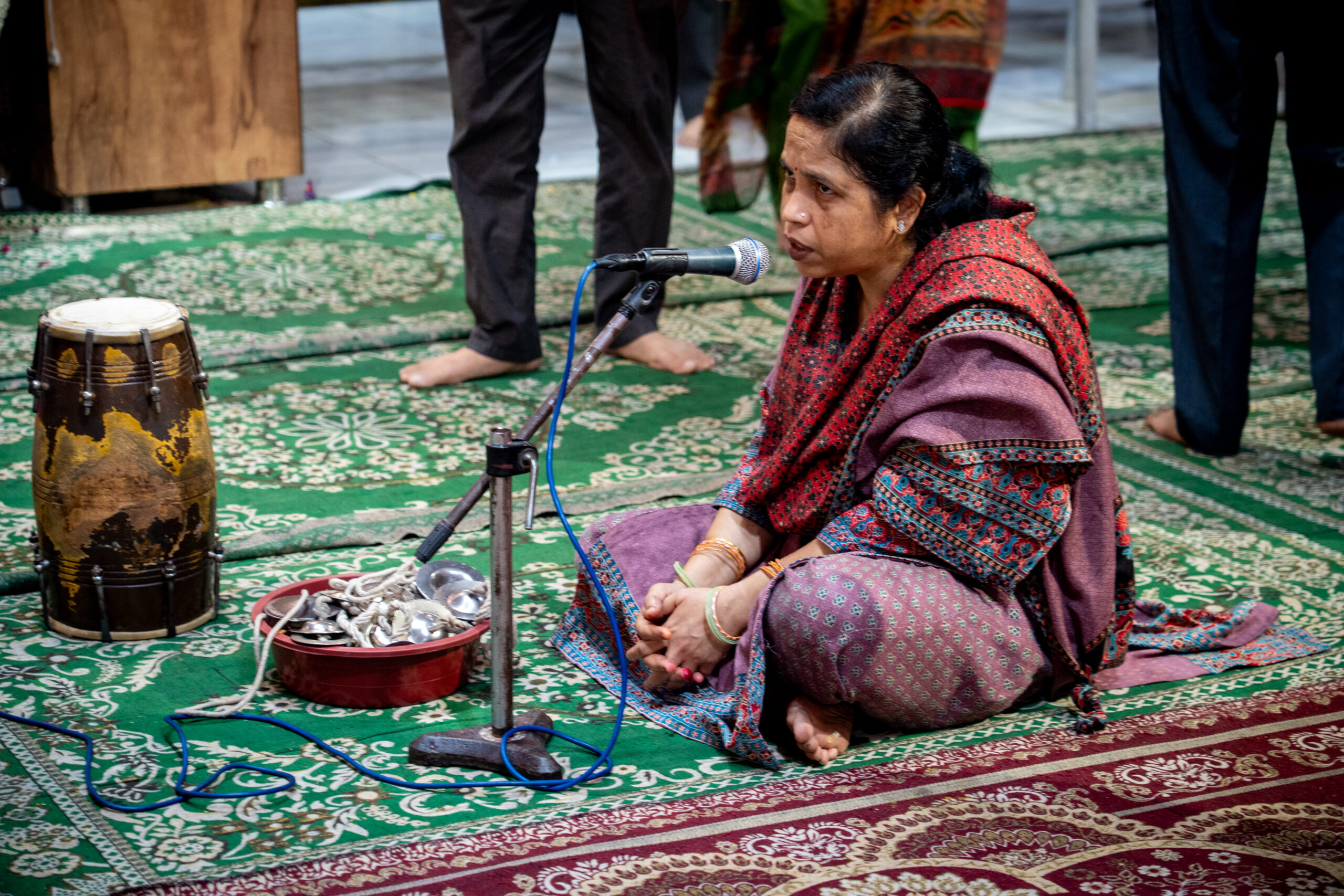
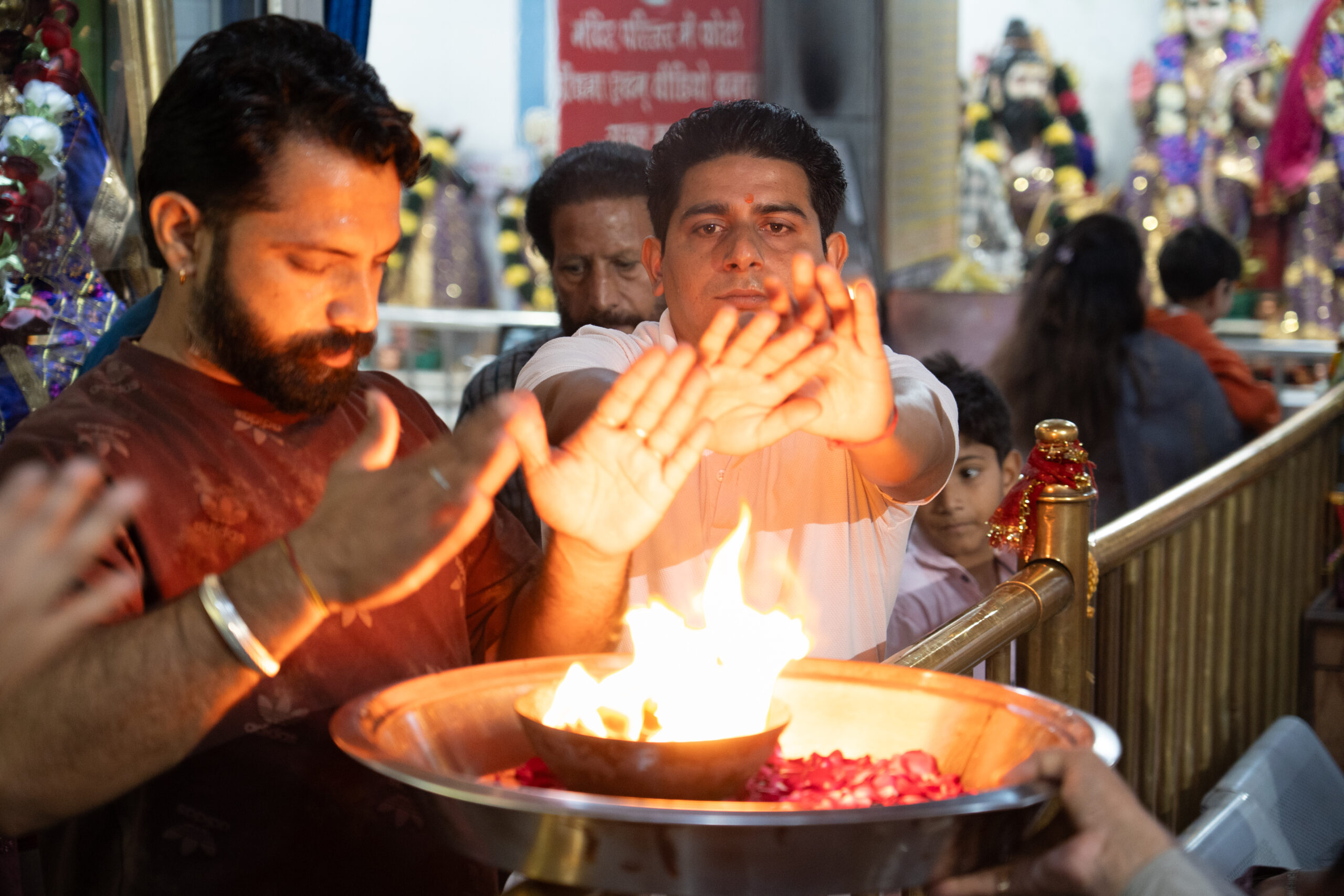
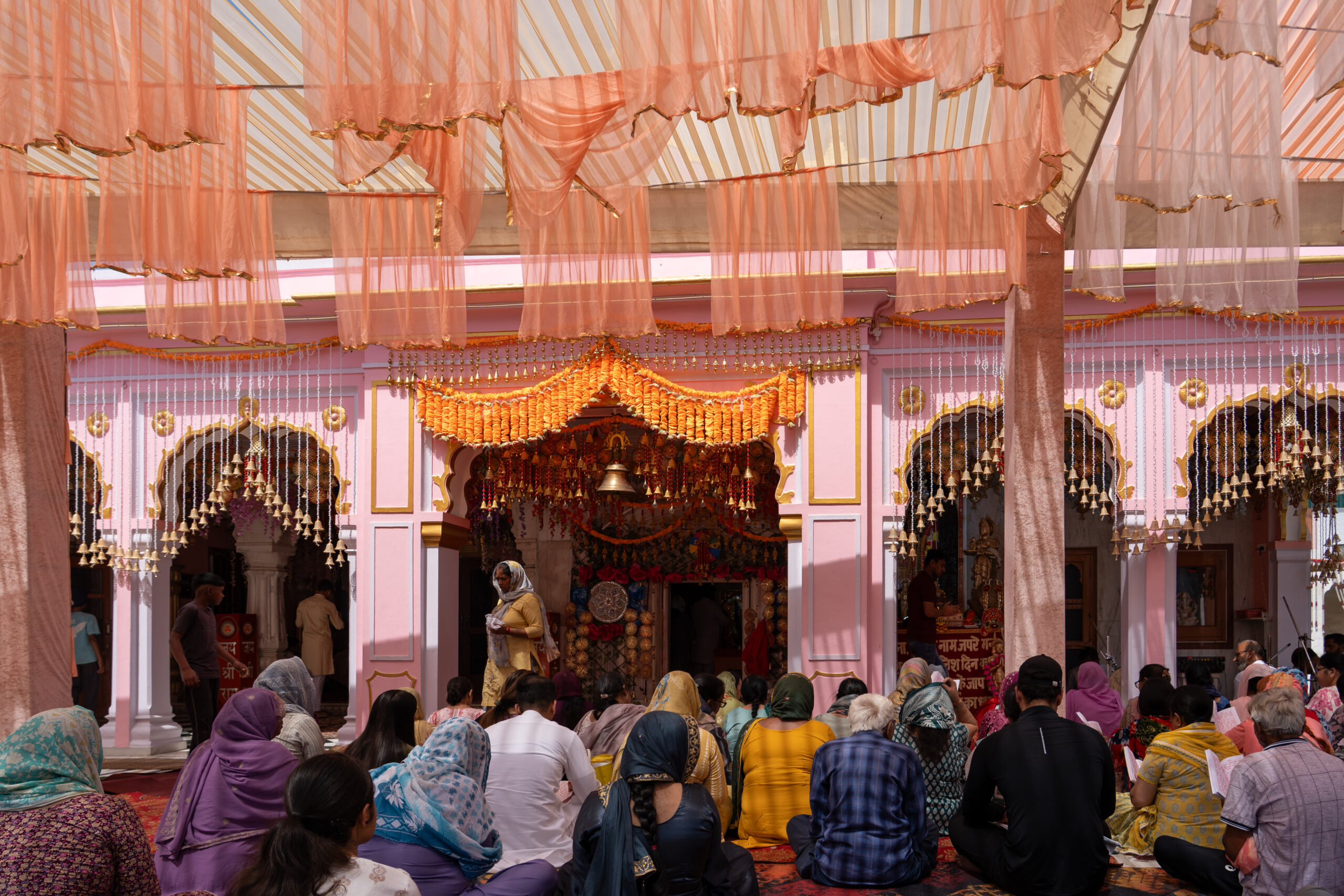
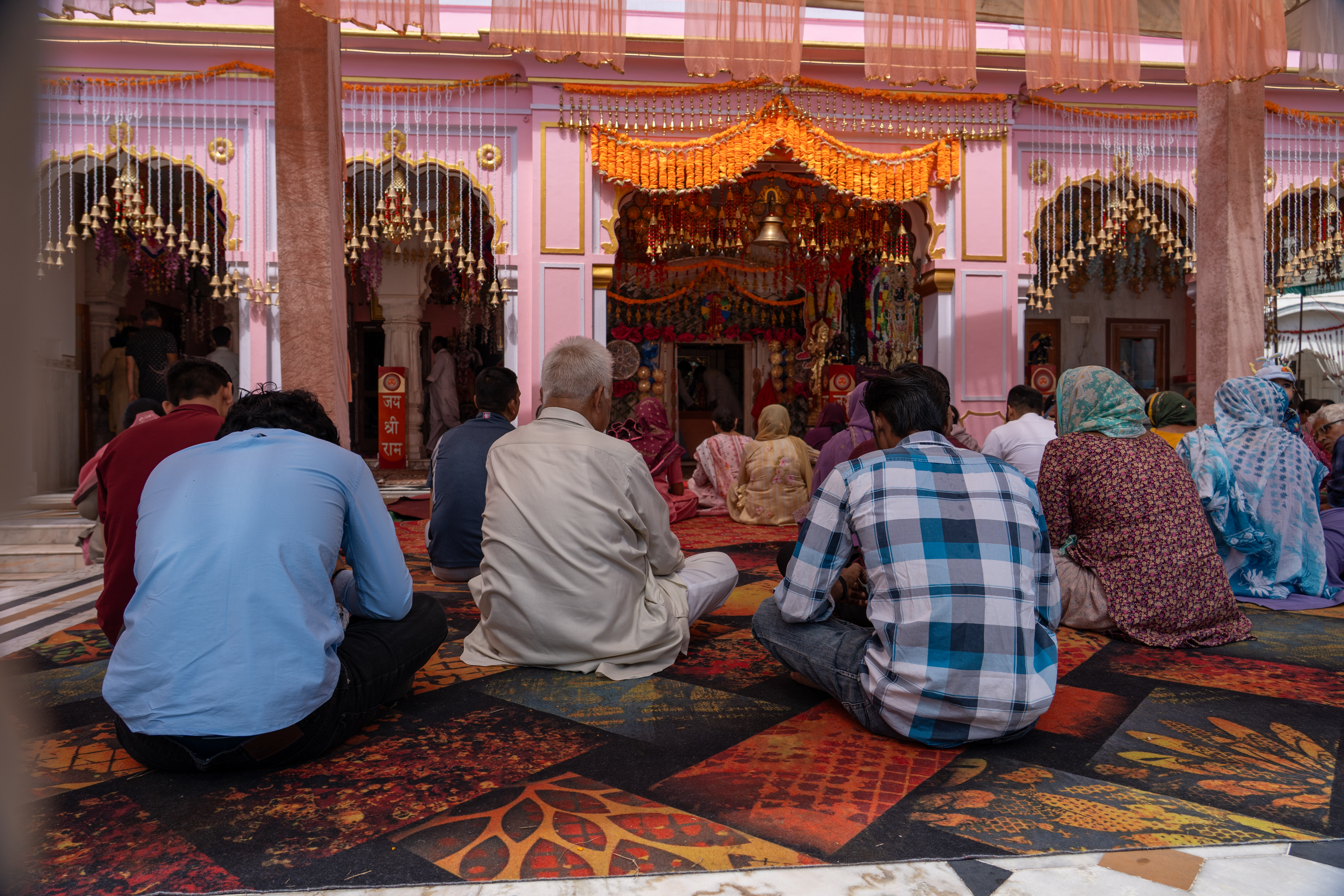
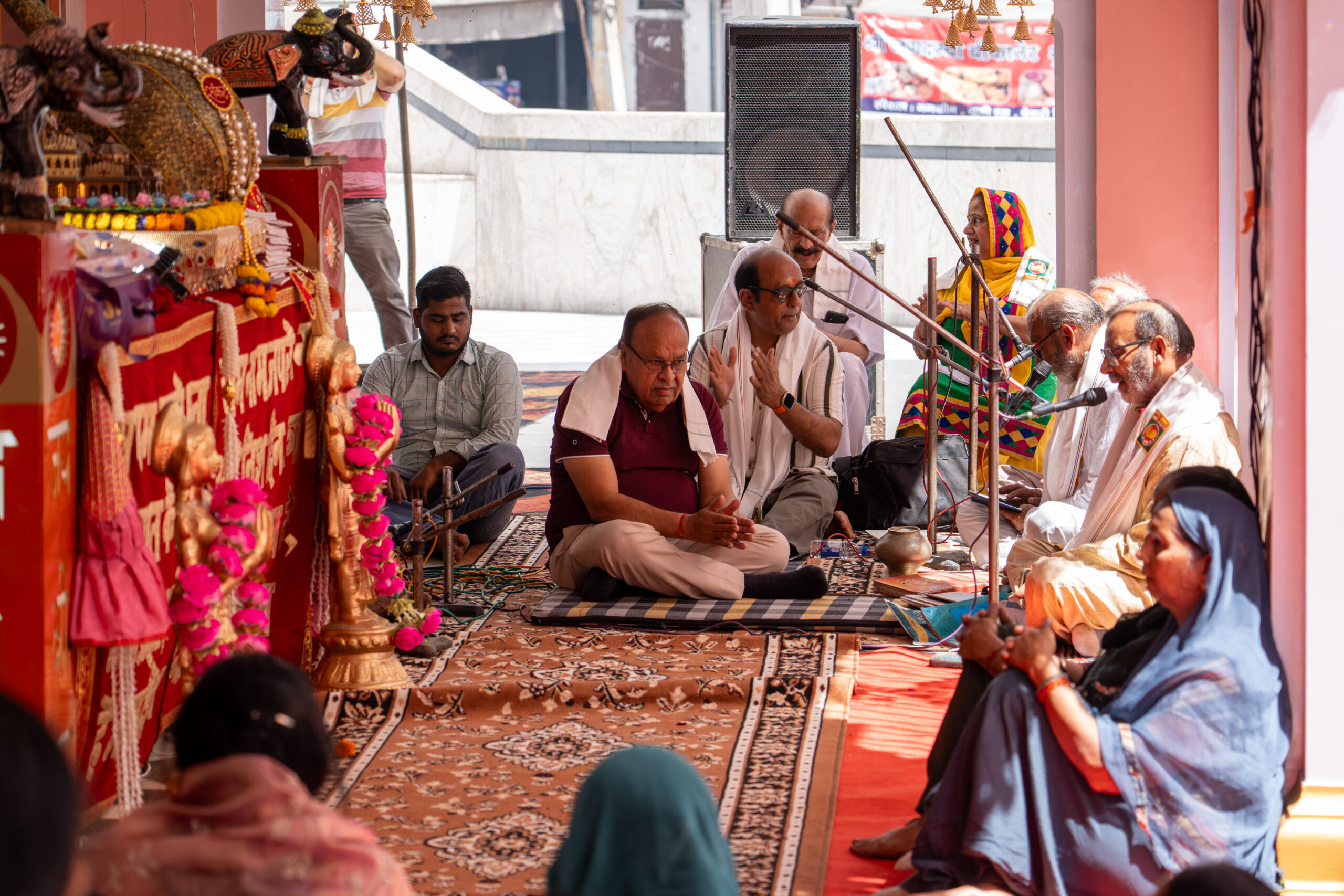
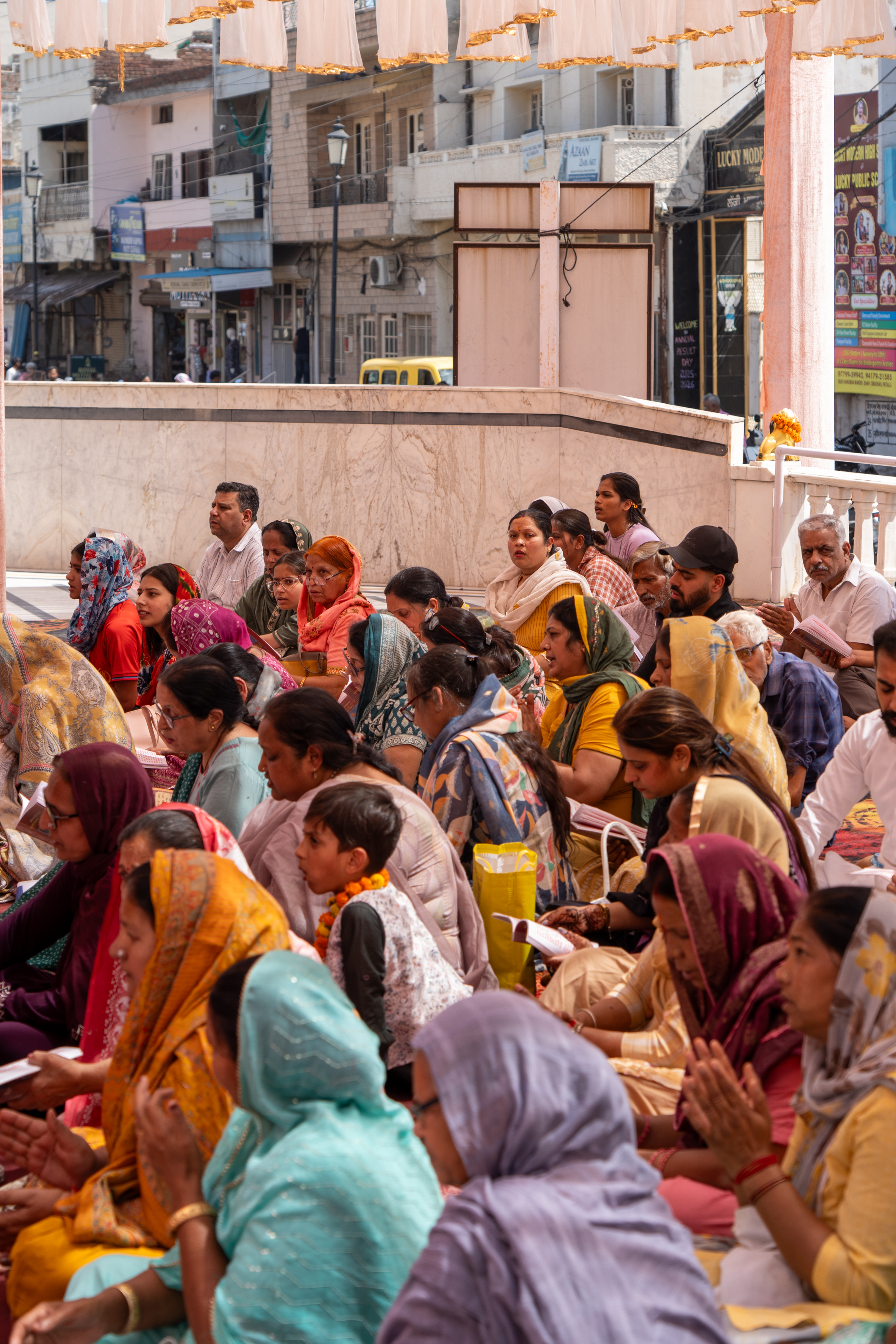
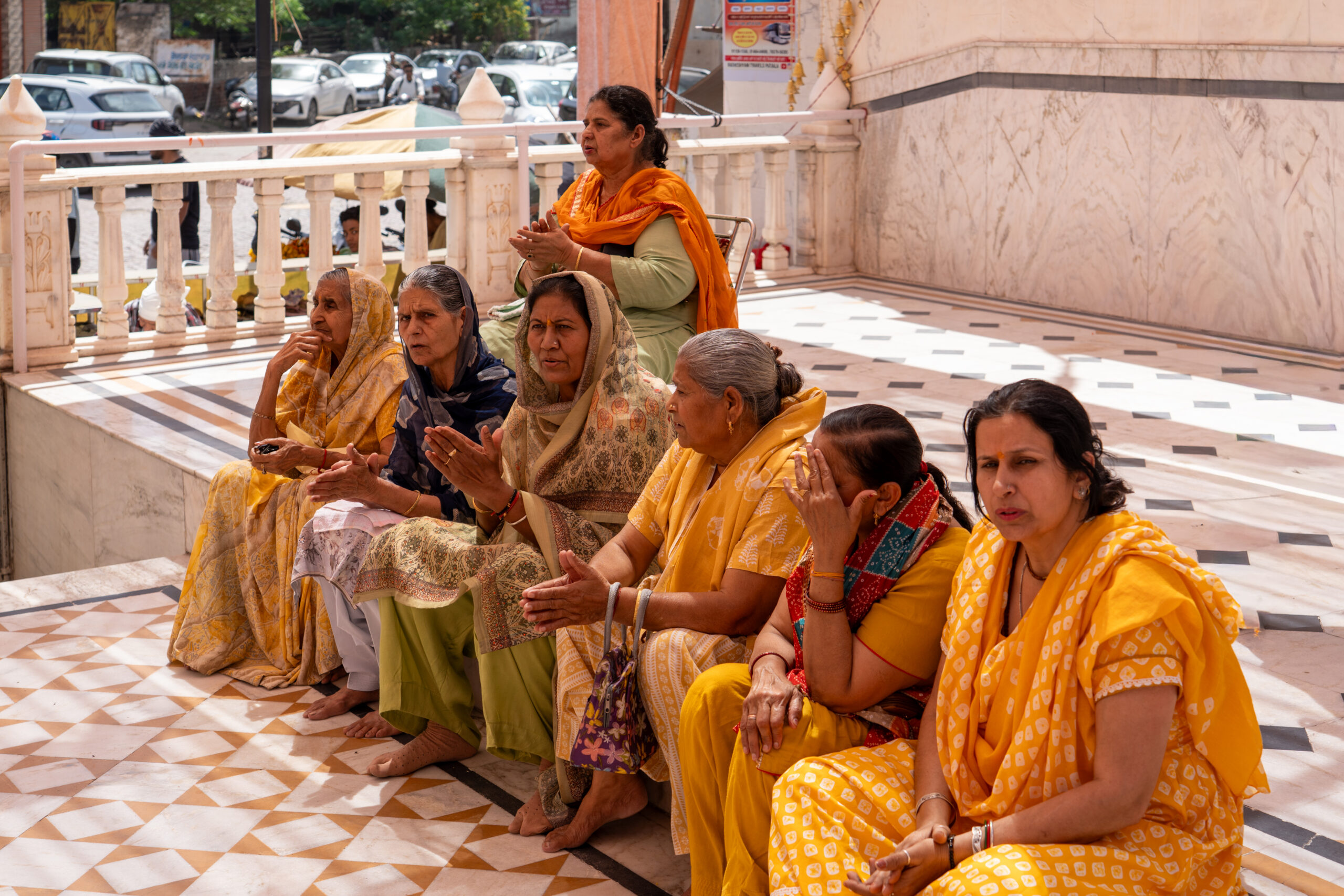
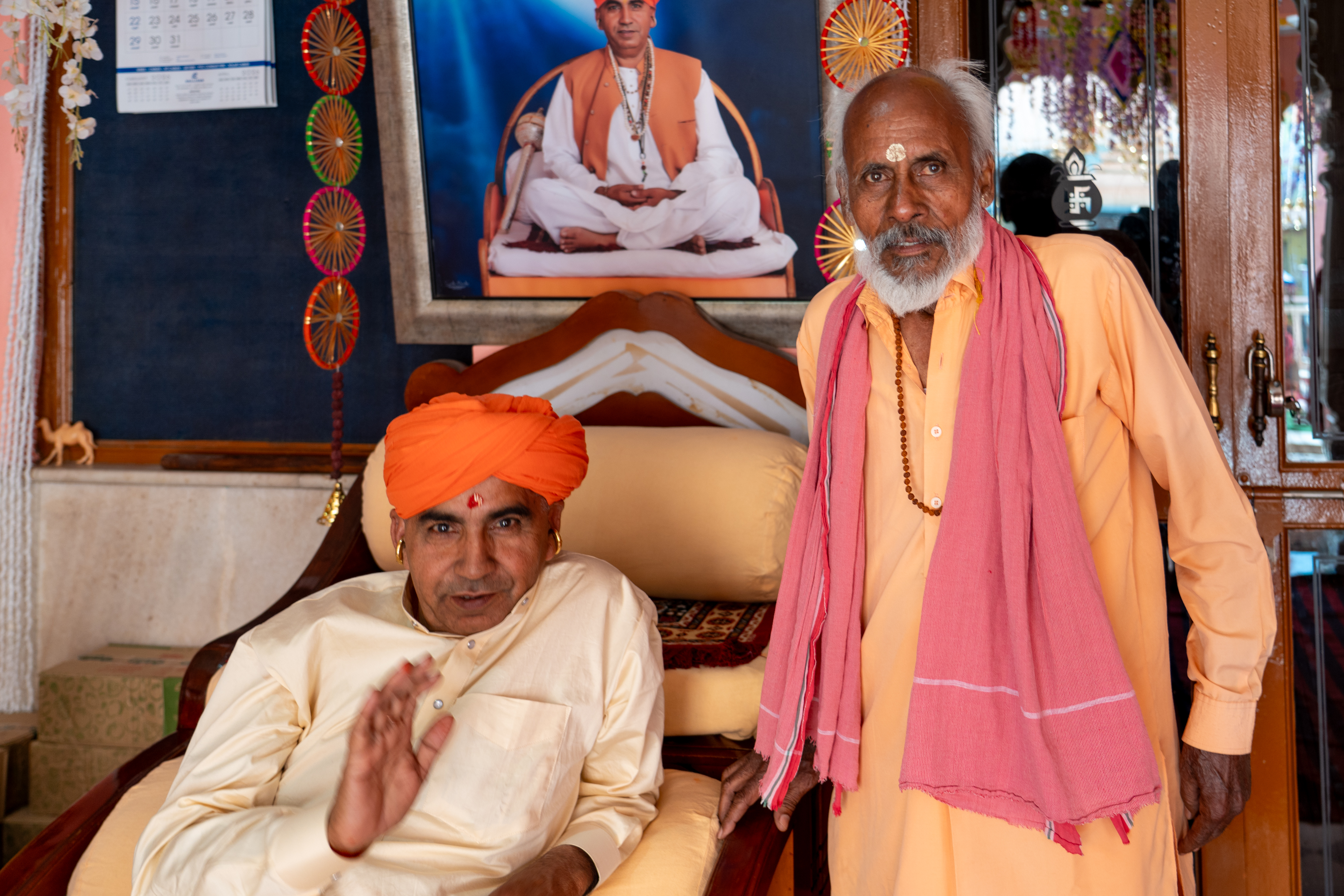
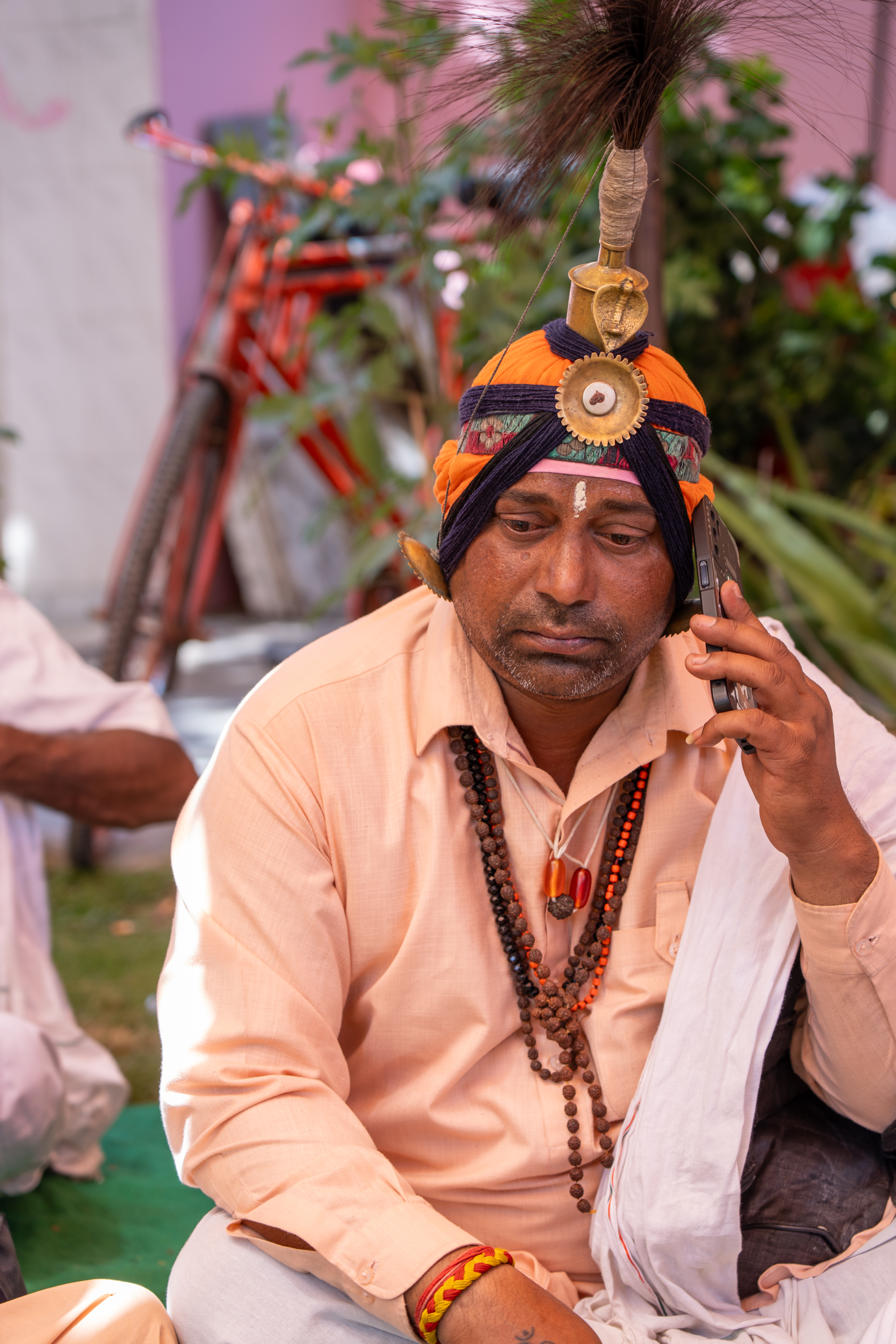
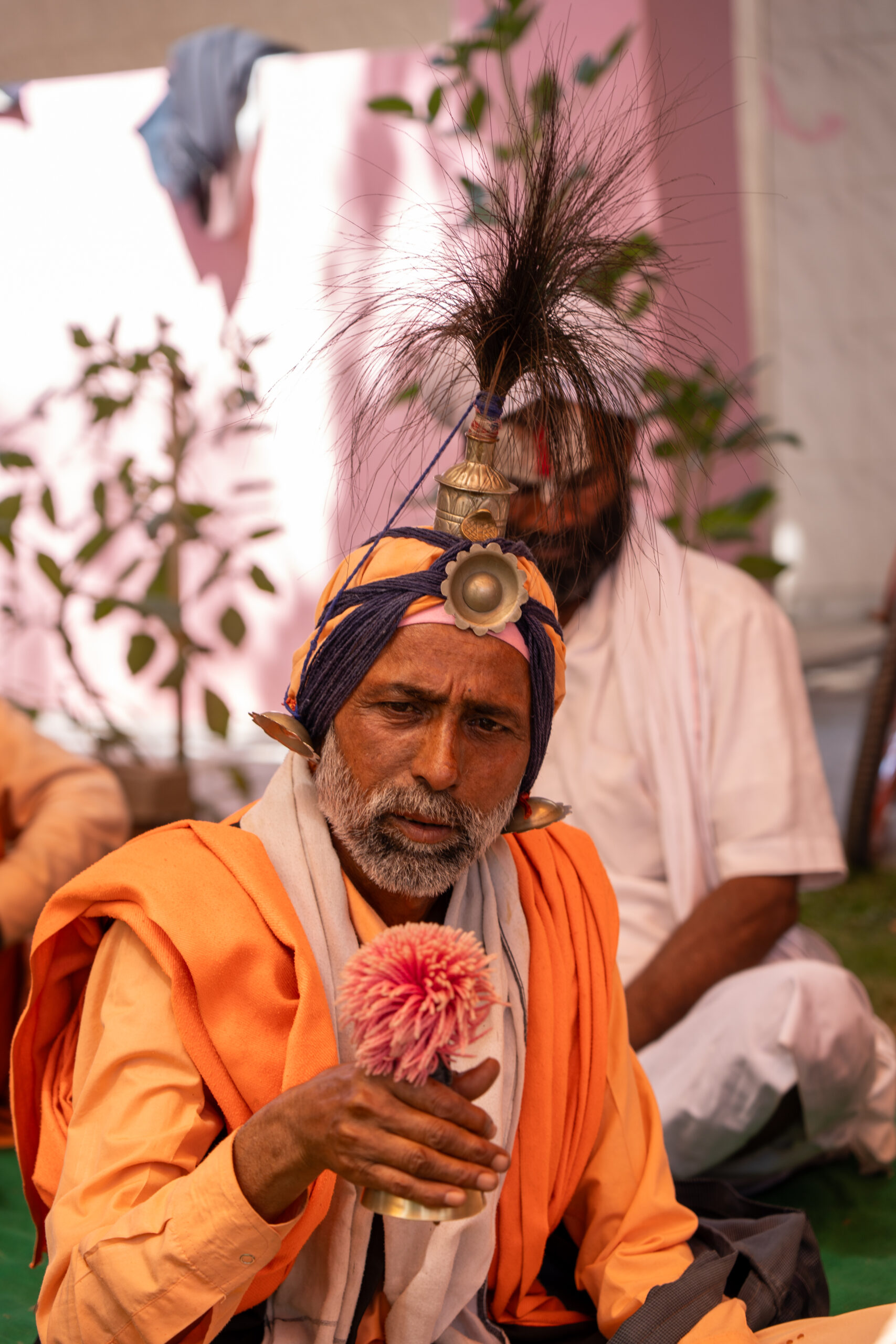
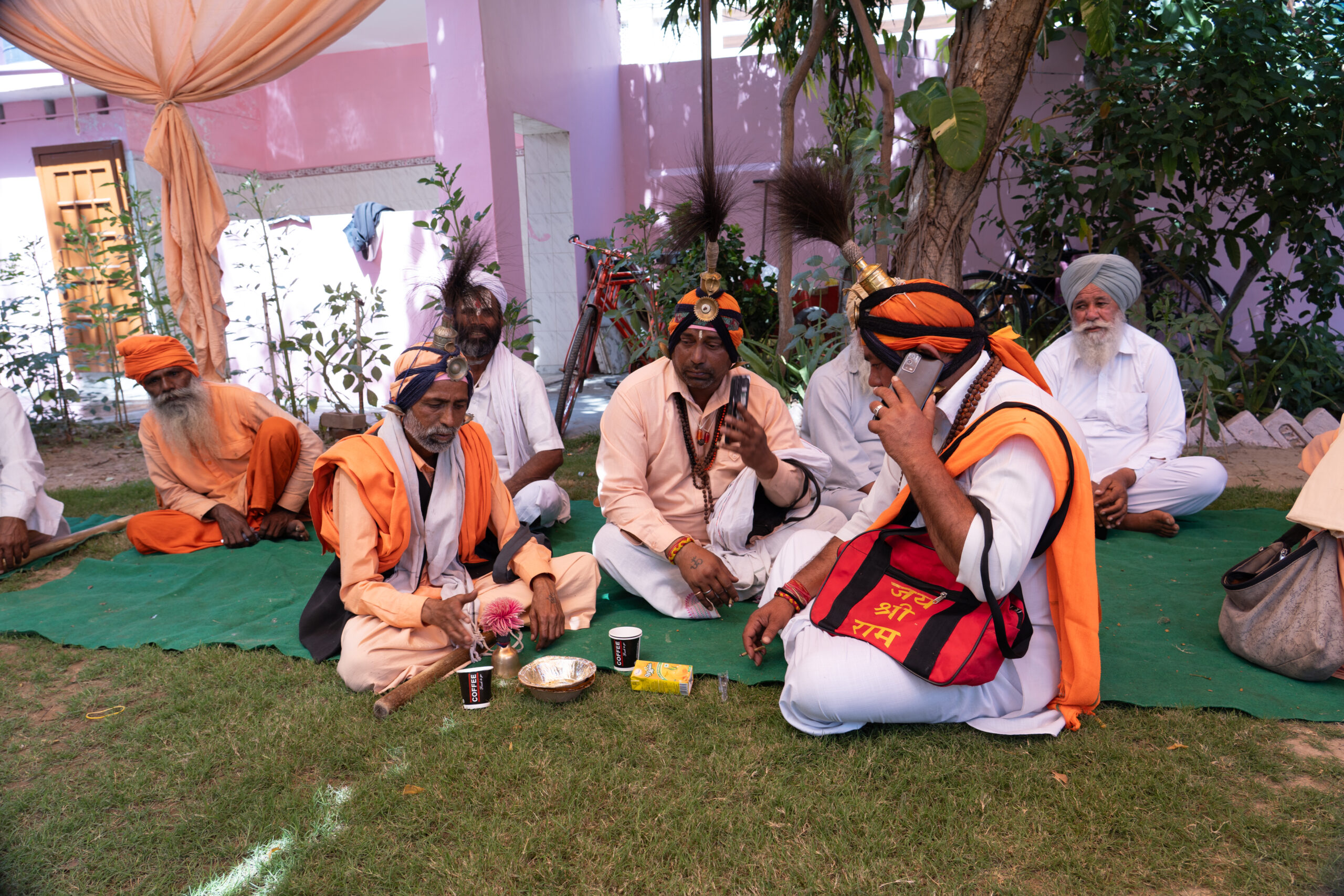
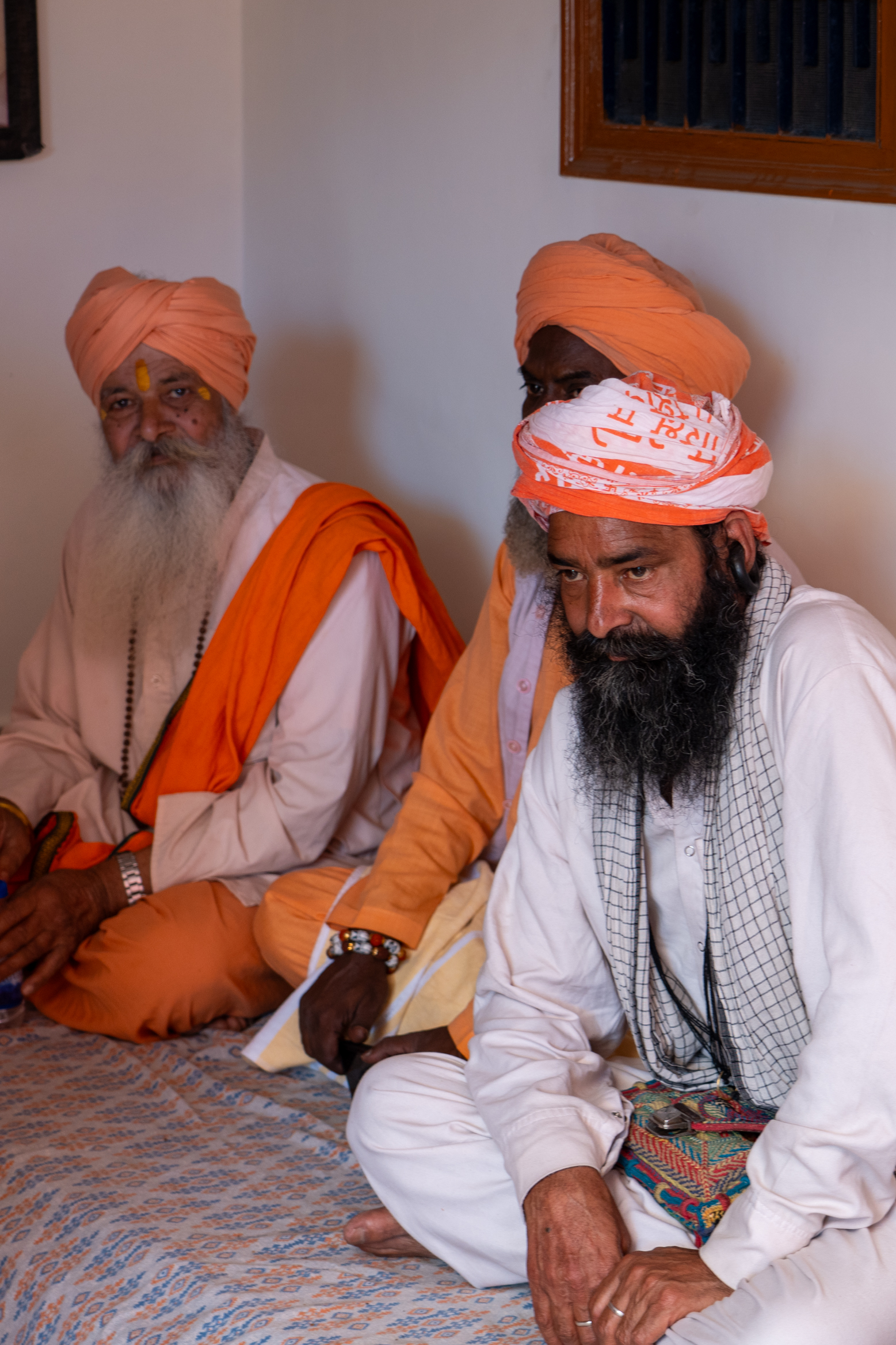
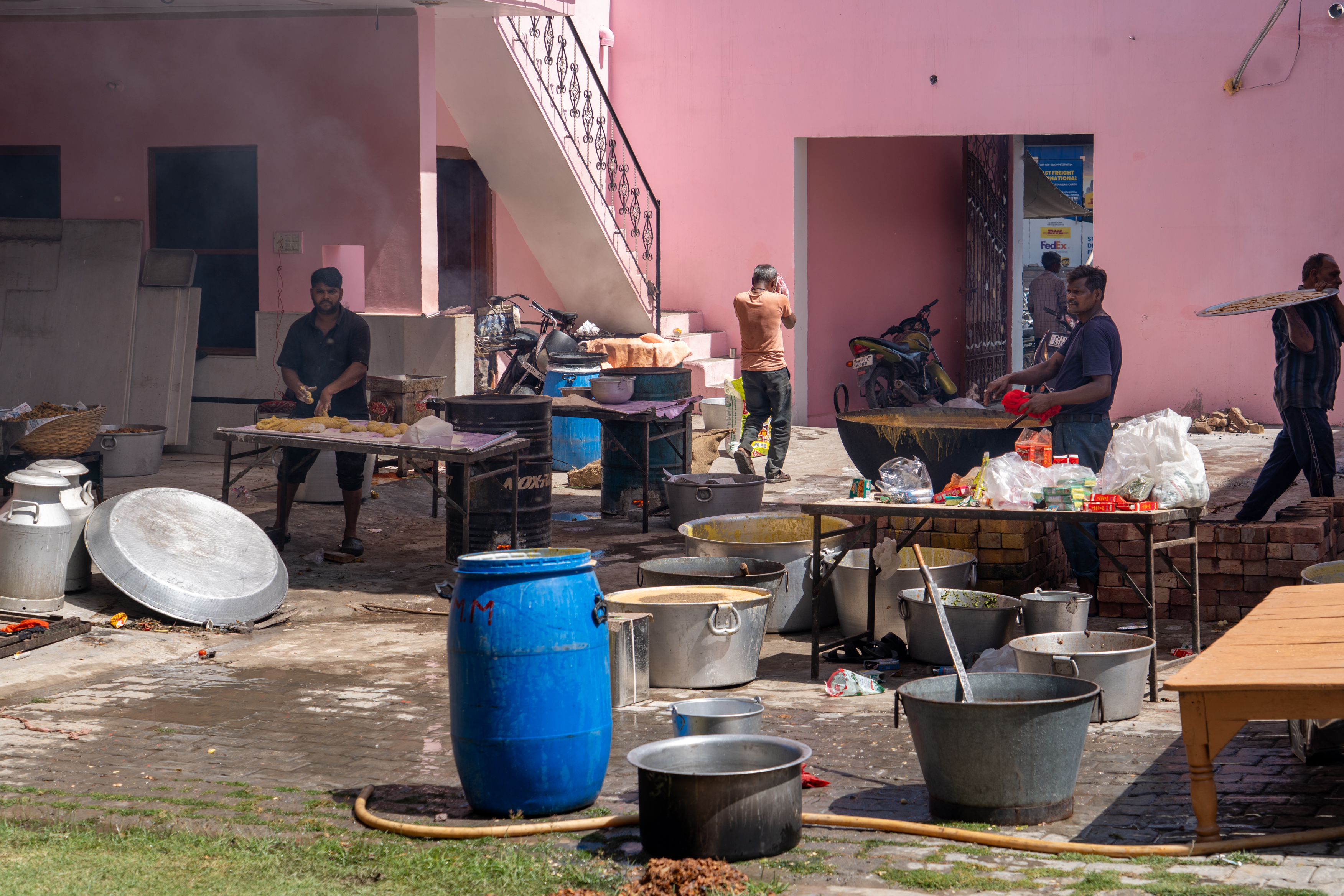
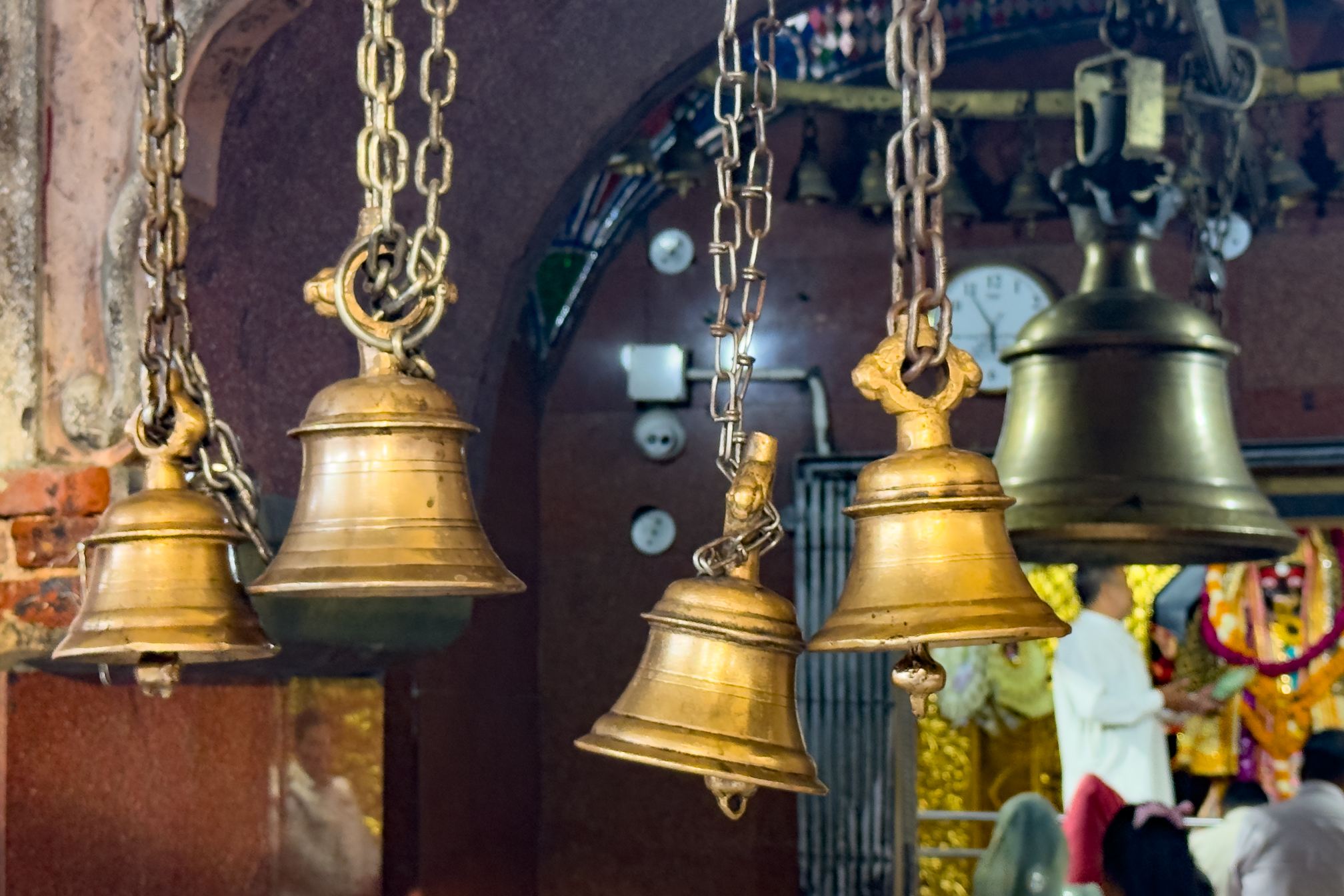
There was a lot of activity as today was the birthday of Hanuman. A band was playing loud music and devotees were singing along. I was gob smacked when someone brought a chair for me and some orange juice so I could enjoy the atmosphere. A bit later I was introduced to the high priest and lead around the premises. Behind the temple food was being prepared for the festivities and groups of priests sat together debating. It was an extraordinary experience and I was even invited to join for lunch, for which I friendly thanked.

I was getting dizzy, perhaps because of the extreme heat, so returned to my hotel for an afternoon nap. That did well.

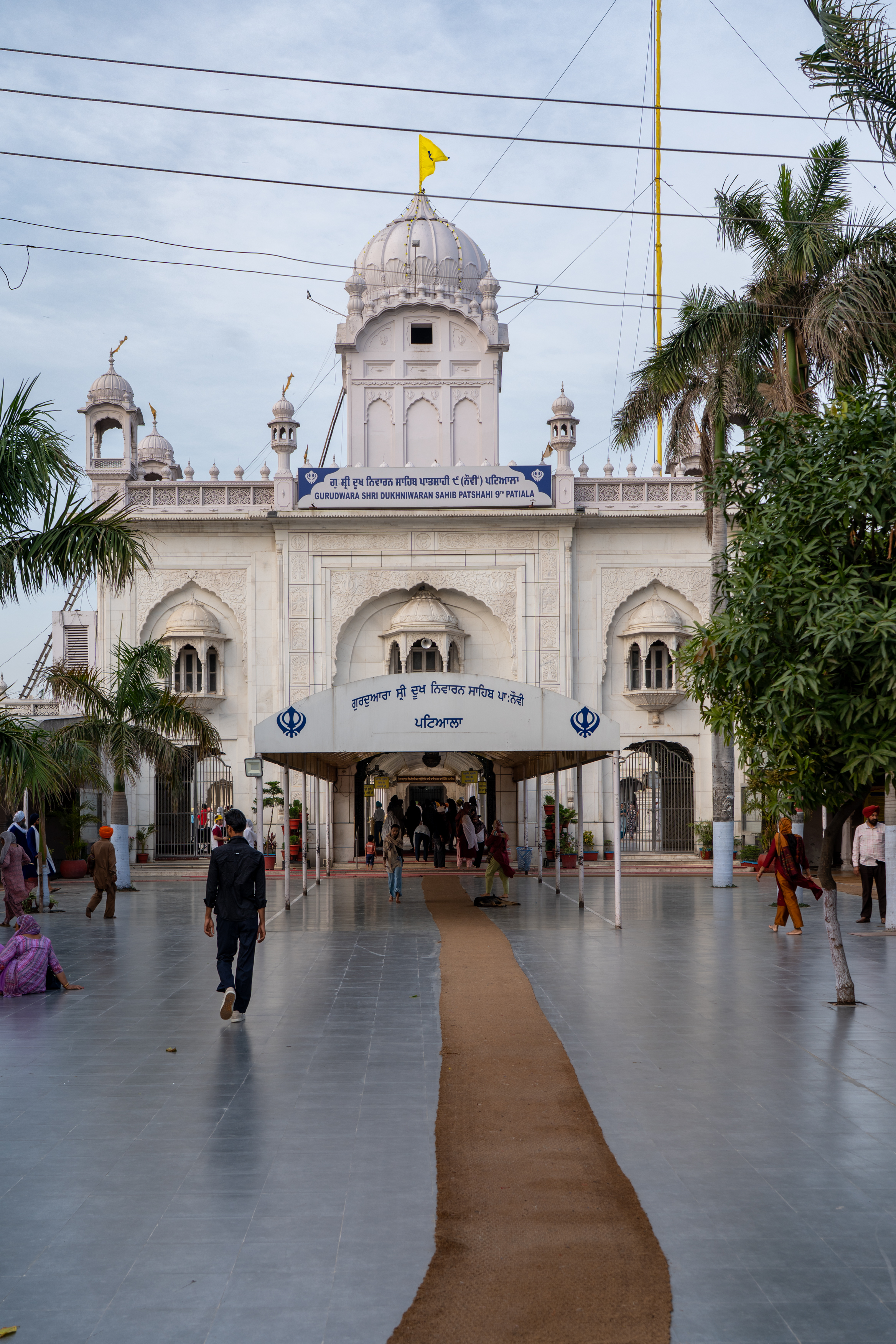
There were still to places on my wish list for today so after I woke up, I was on my way again. My first stop was Gurdwara Dukh Nivaran Sahib, a famous Sikh shrine. It is believed that Guru Tegh Bahadur, the ninth Sikh Guru, visited the village of Lehal (now part of Patiala) in 1672 to bless the villagers who were suffering from a mysterious disease.

It looked great from the outside but when I wanted to enter, I was stopped, I had completely forgotten to put on long trousers and also my camera was not allowed inside. I apologized for my mistake and returned to the shoe stall to pick up my sandals. Fortunately, there was enough going outside to make my visit worthwhile.

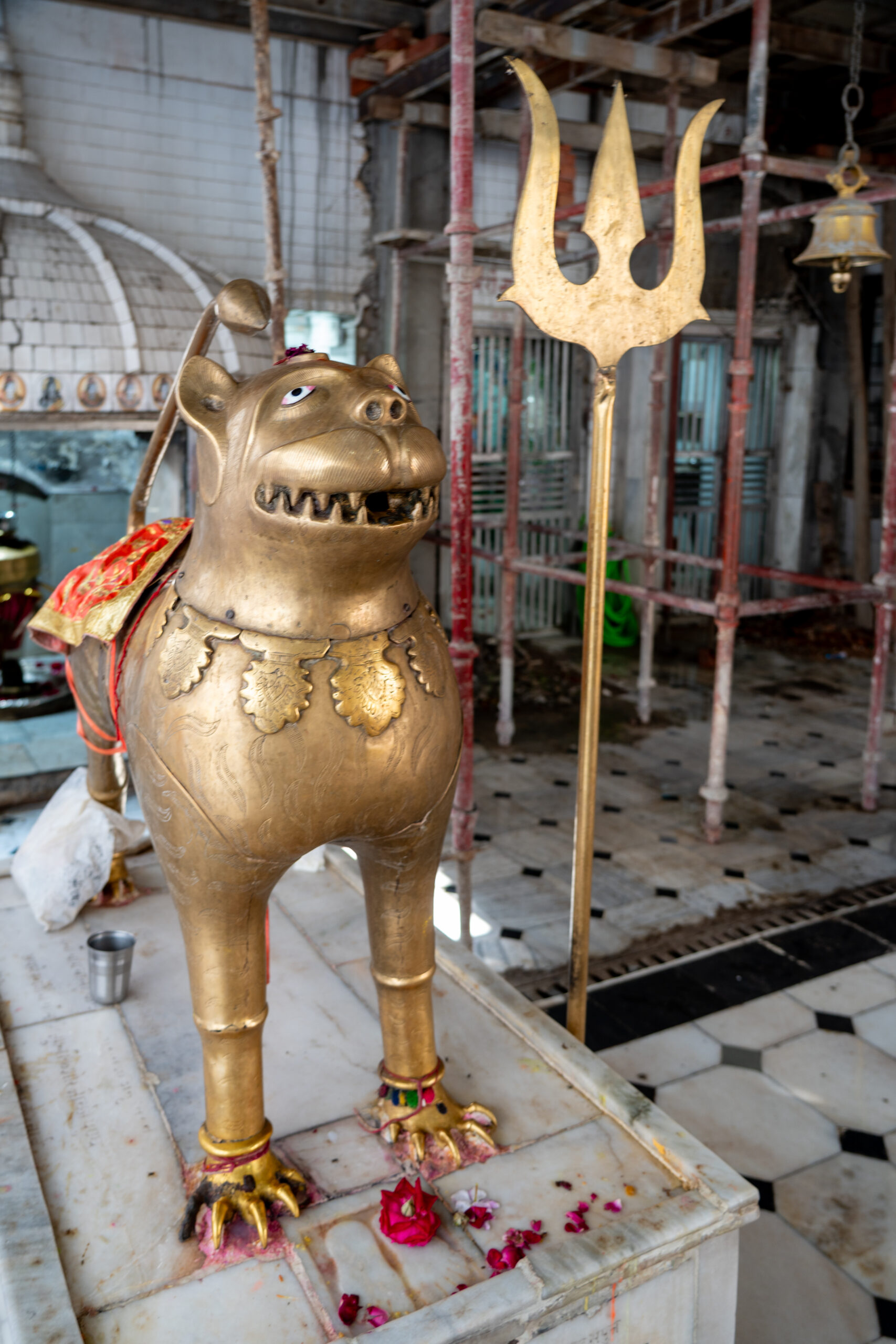
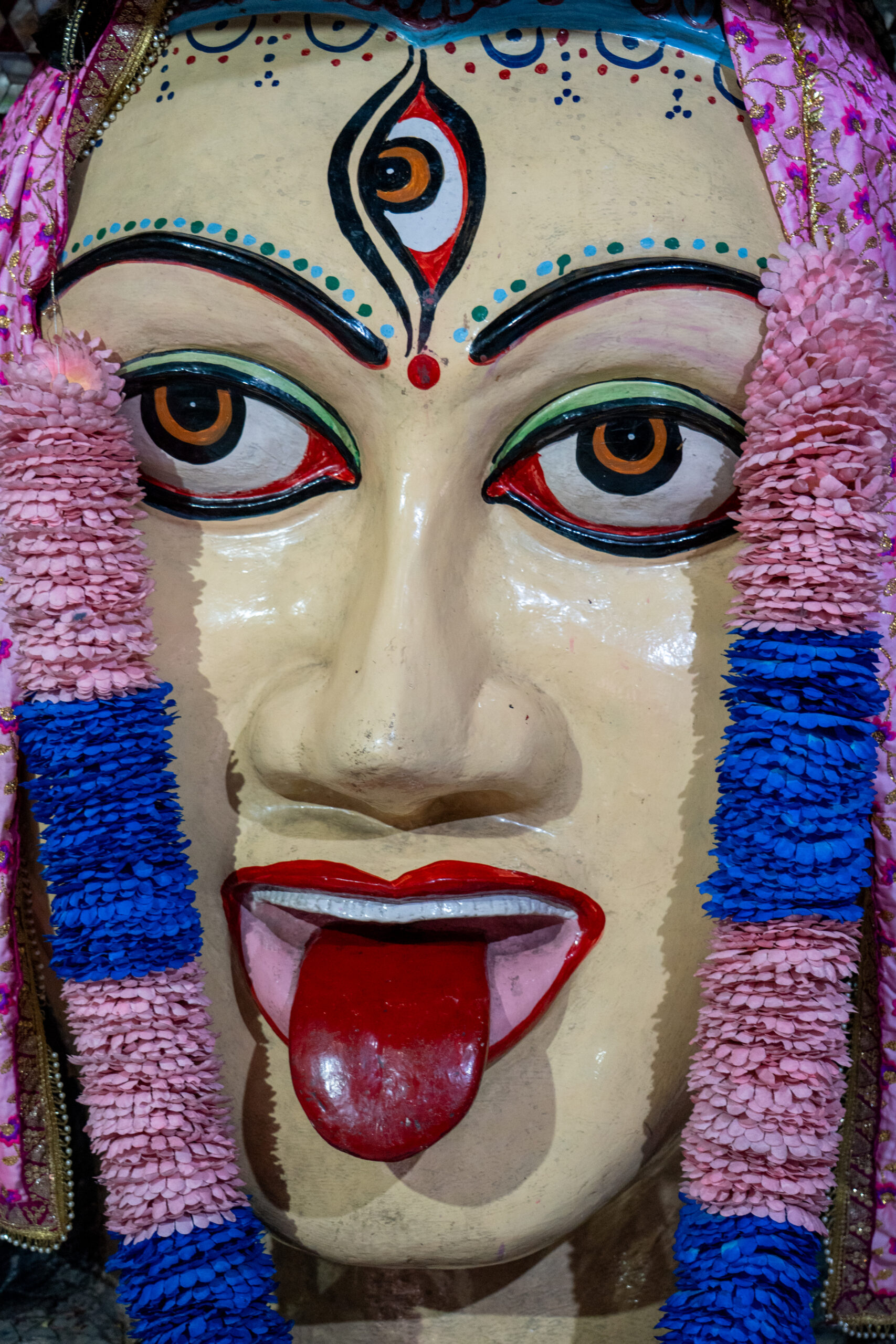
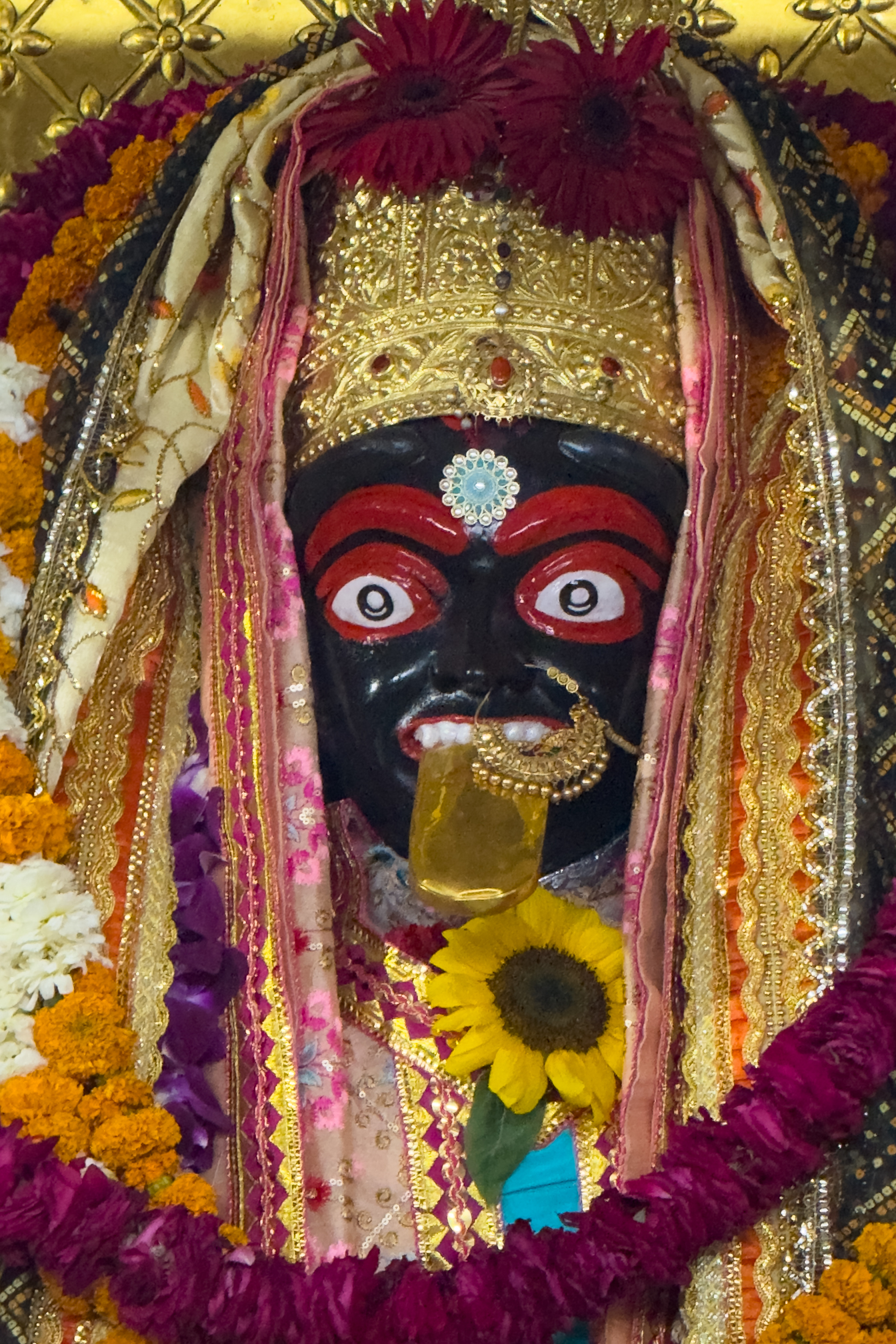
The last place of today was the Kali Mata Temple, a famous Hindu temple dedicated to Goddess Kali. It was built in 1936 by Maharaja Bhupinder Singh, the former ruler of Patiala. The temple houses an idol of Goddess Kali that was brought from Kali Bari Temple. It is one of the most important religious sites in Patiala, attracting many devotees.

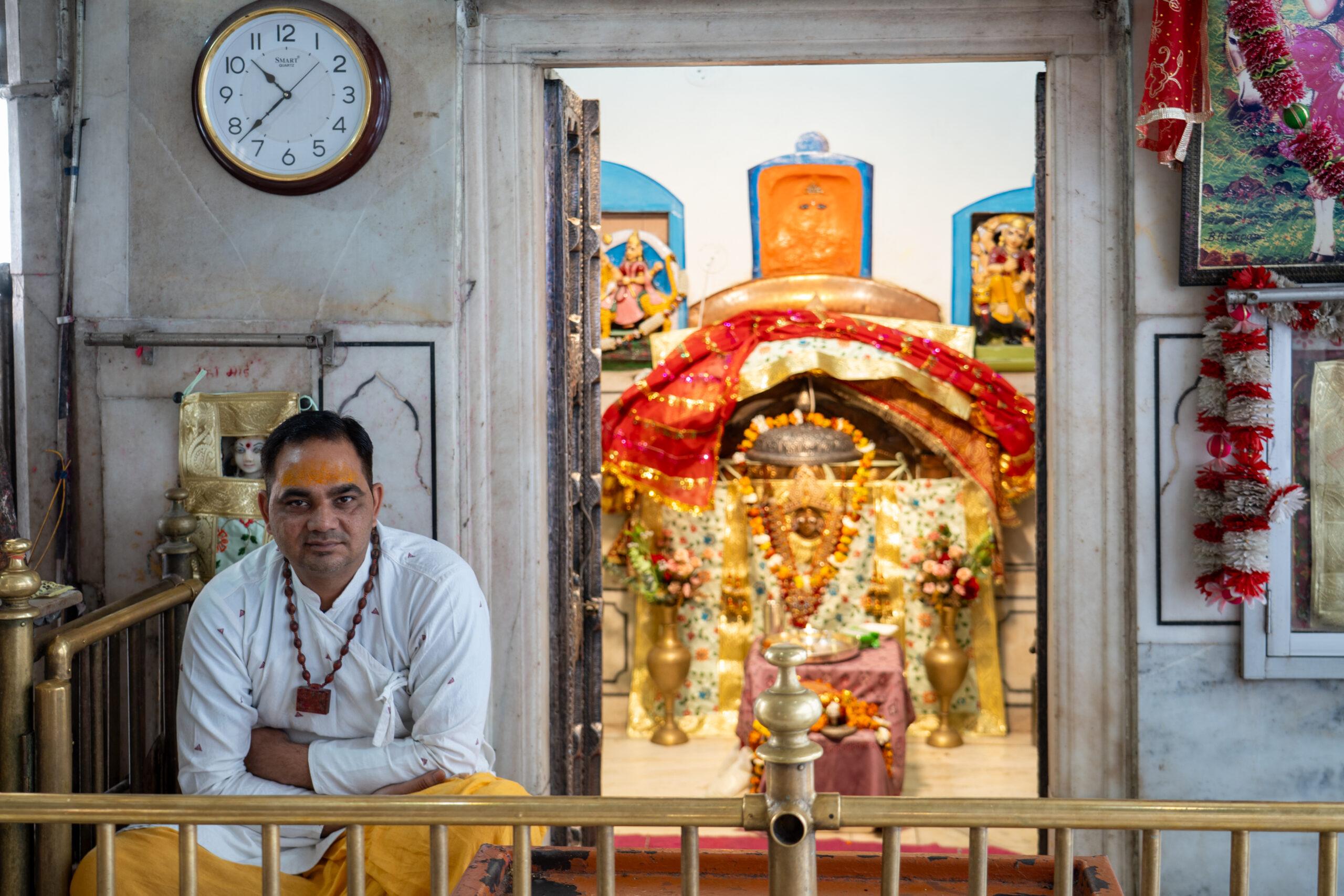
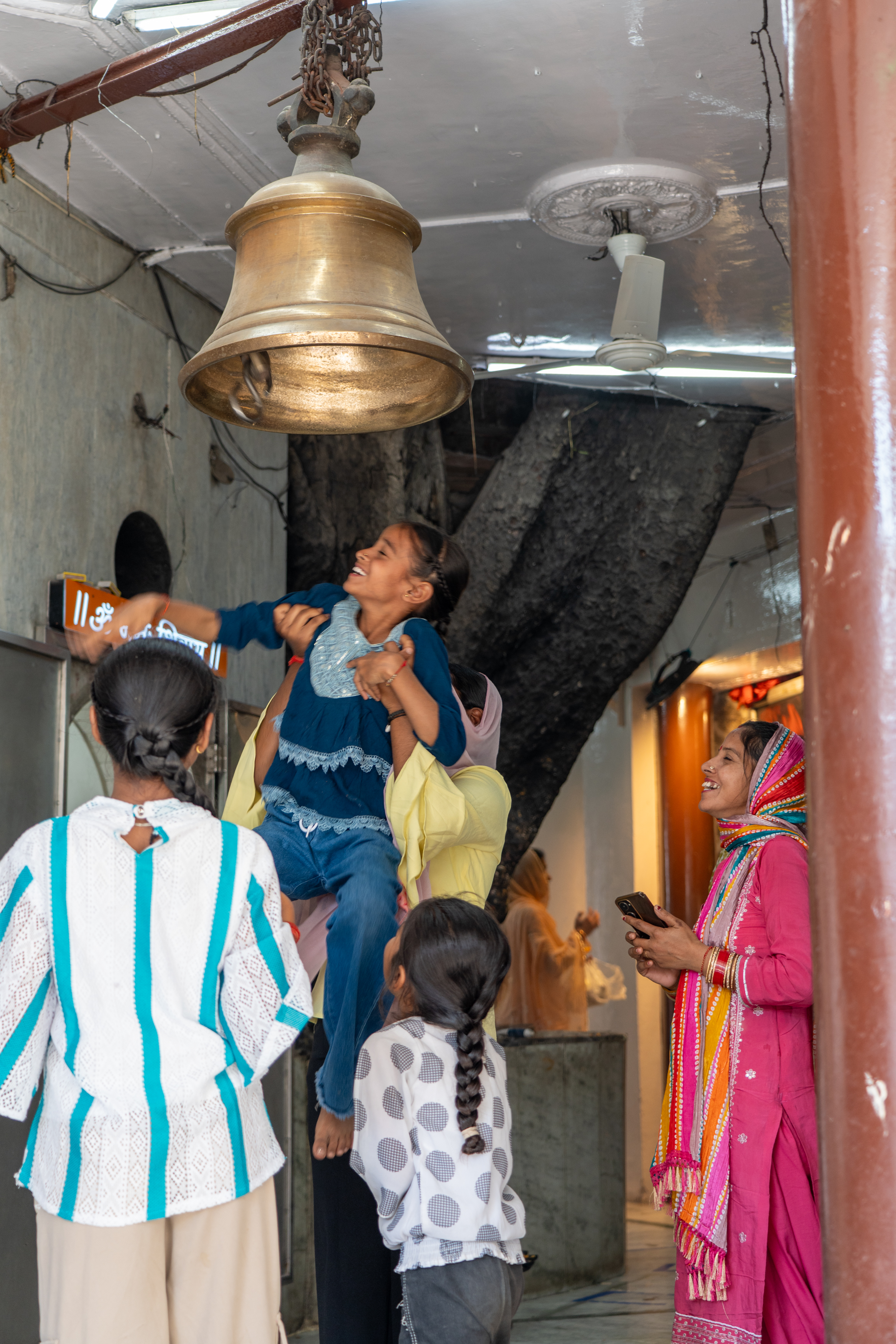
With the lack of a shoe stall I let my shoes behind somewhere at a shop and was allowed in, but only after I packed my camera. Once again, my iPhone was no issue. The people inside the temple were extremely friendly and a guard showed me all the deities located in several shrines.

It was a good place to finish my sightseeing of the day and go to a restaurant for a pre-dinner drink and a bite to eat. Patiala has been surprising in many ways and I am looking forward to another day in this off the beaten track destination.

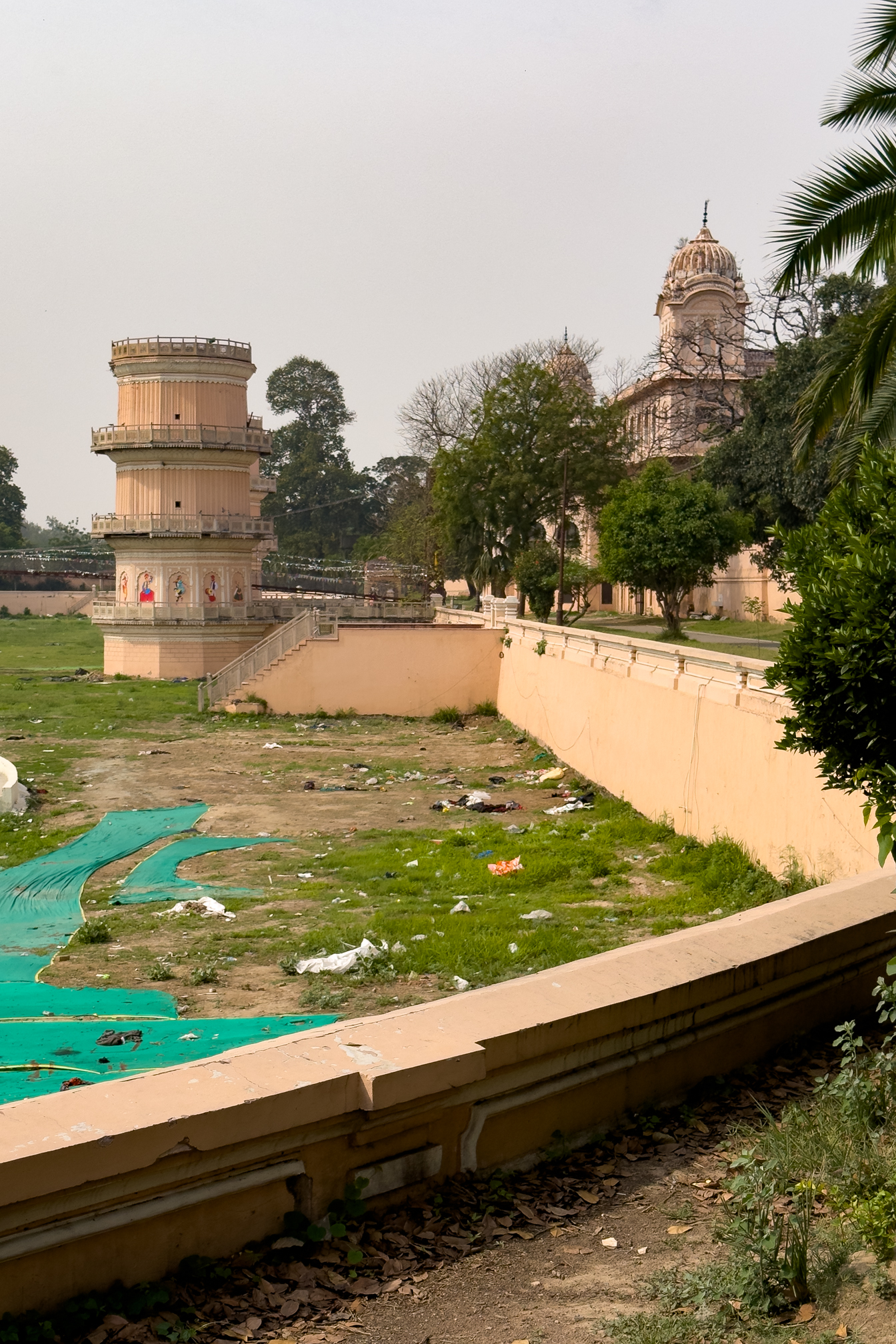
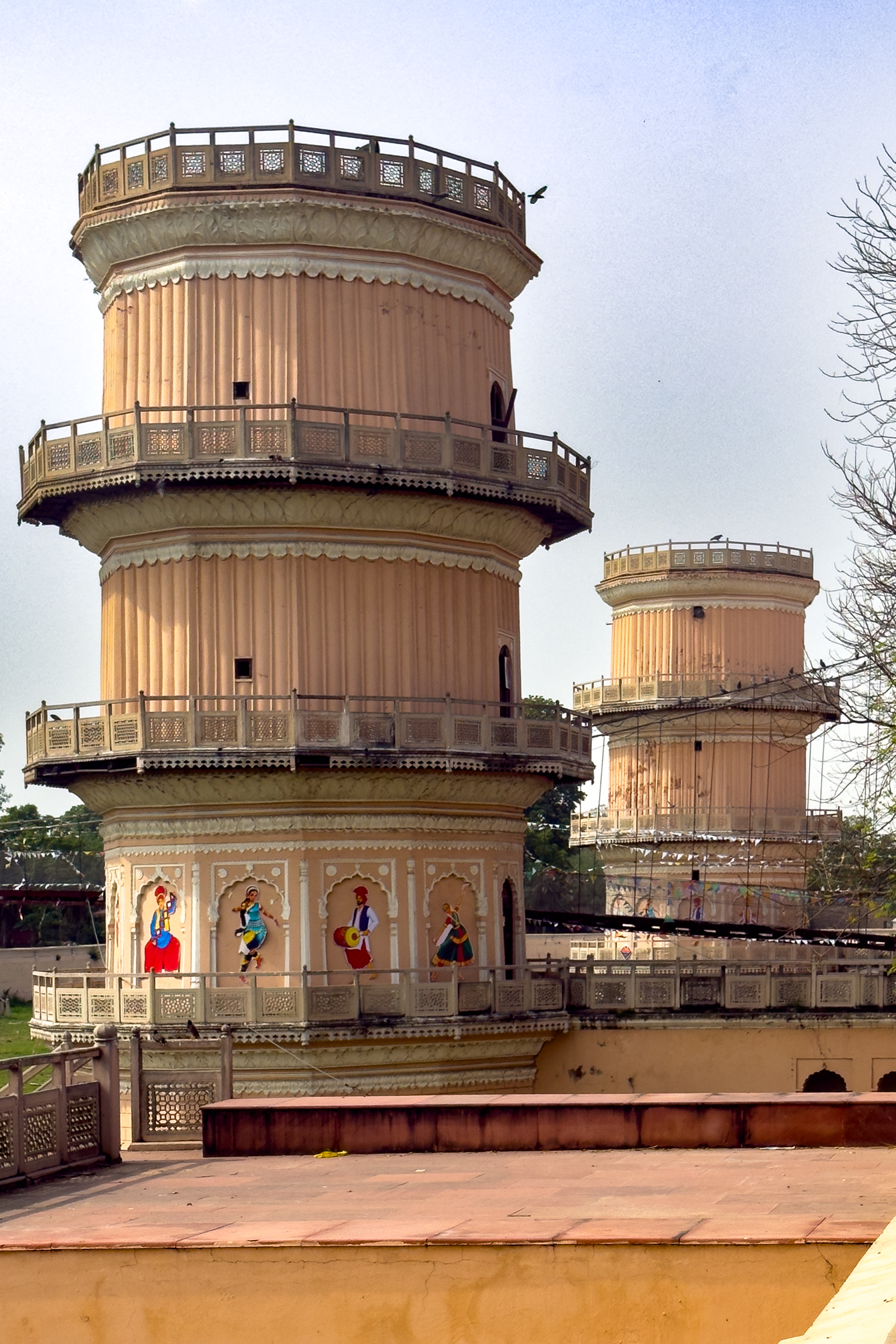
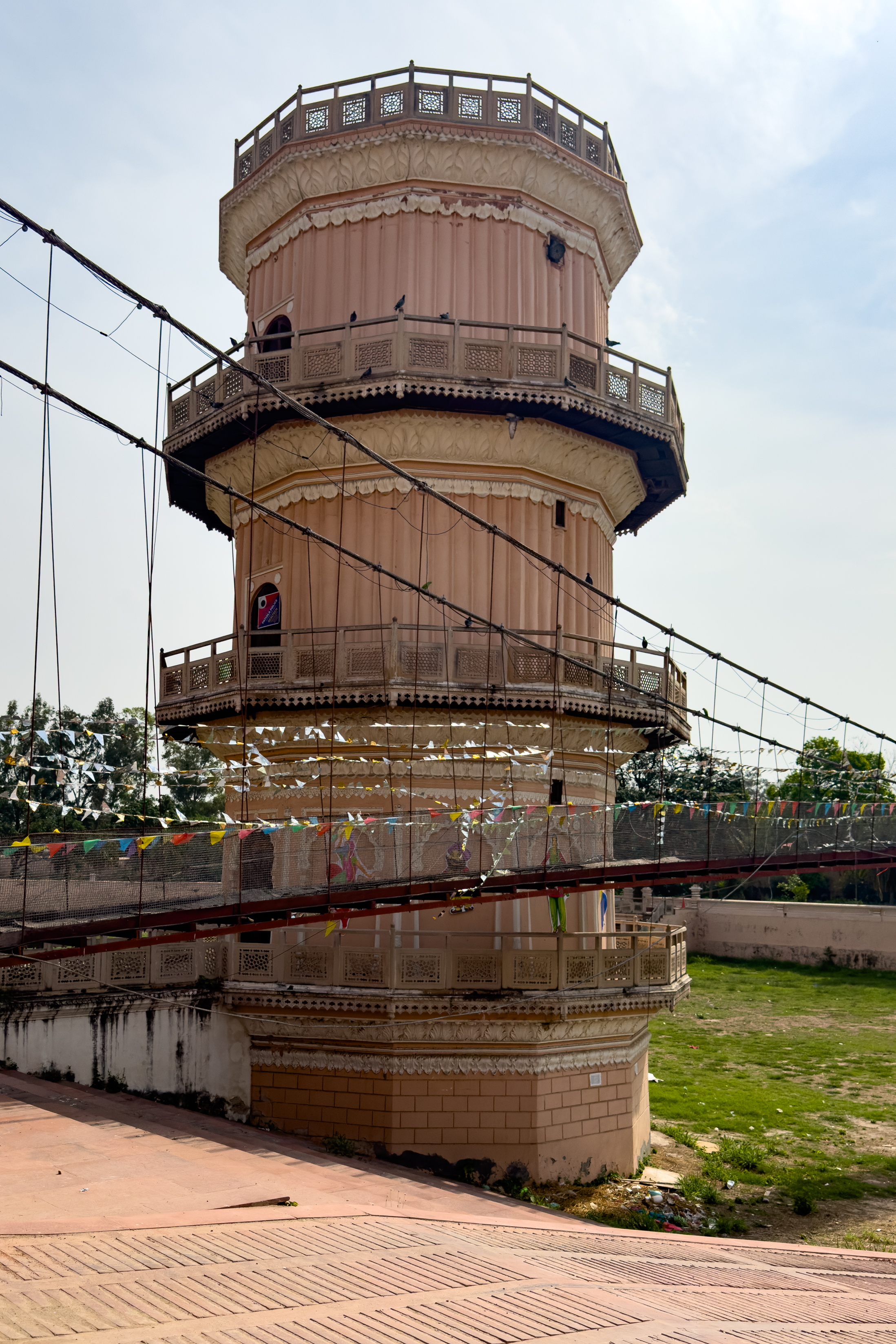
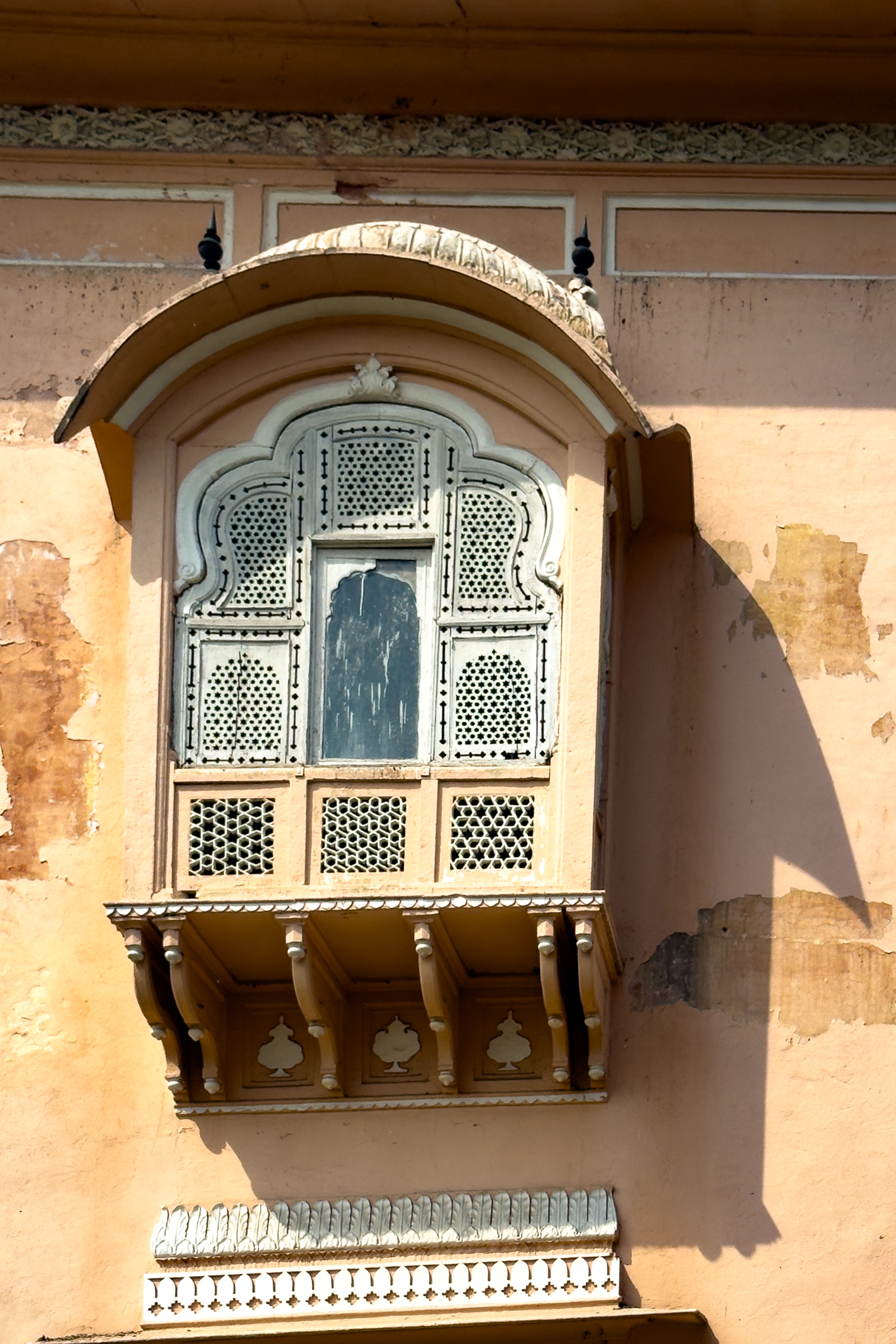
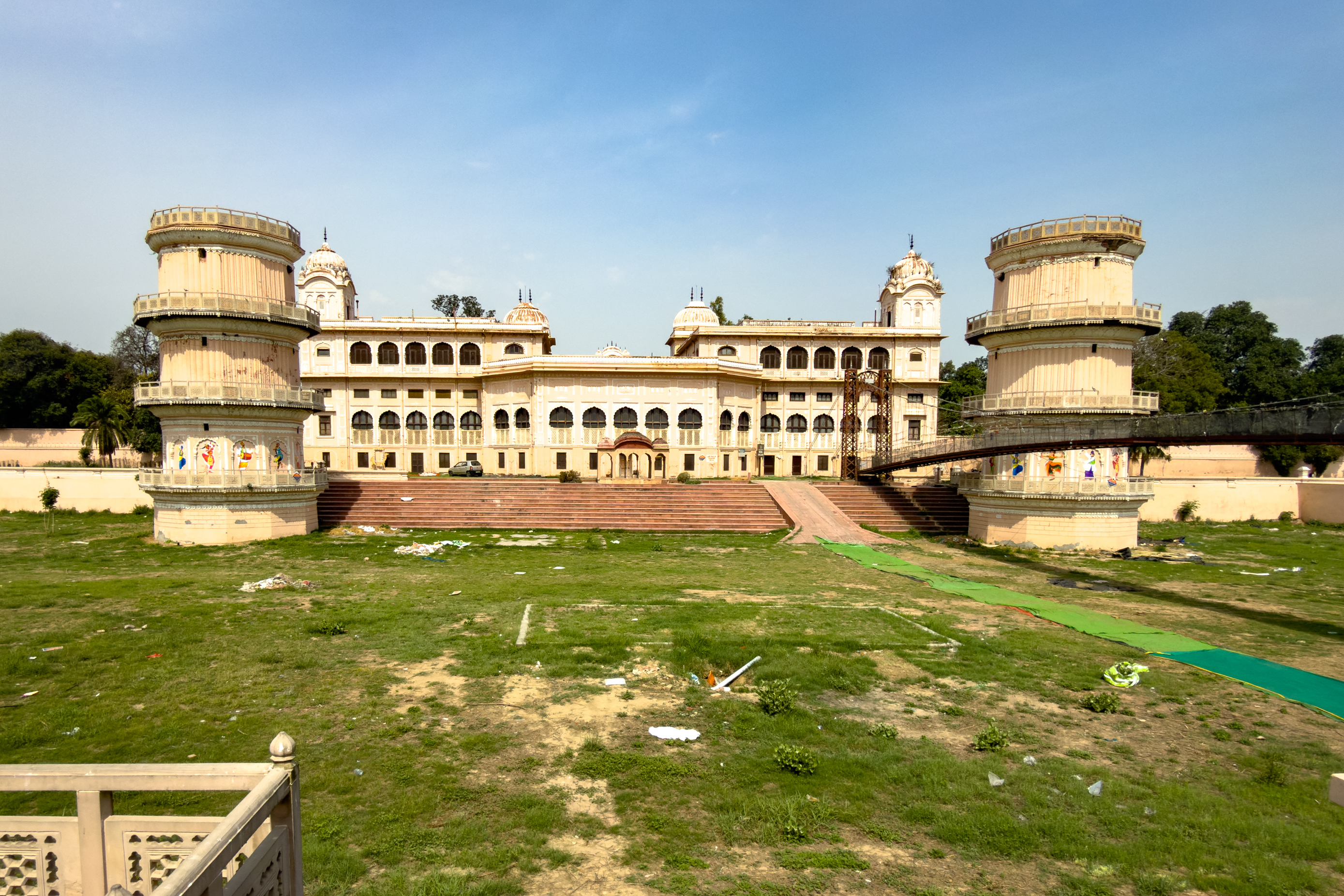
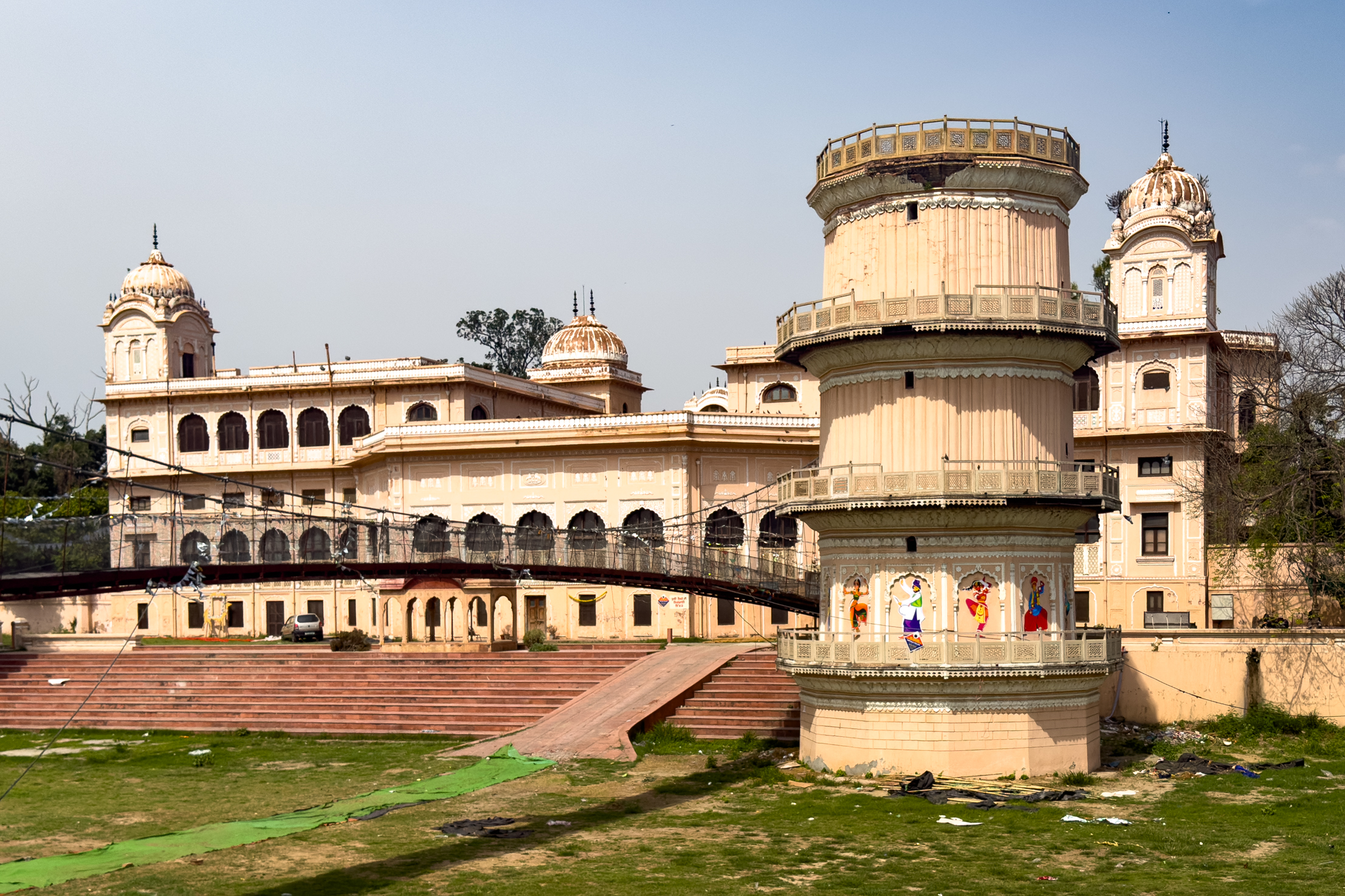
My first destination of the next day was Sheesh Mahal (meaning “Palace of Mirrors”), a historic palace built in the 19th century by Maharaja Narinder Singh. It is famous for its beautiful mirror work, intricate frescoes, and traditional Rajasthani-Mughal style architecture. The palace overlooks a large lake and once served as a royal retreat for the rulers of Patiala.

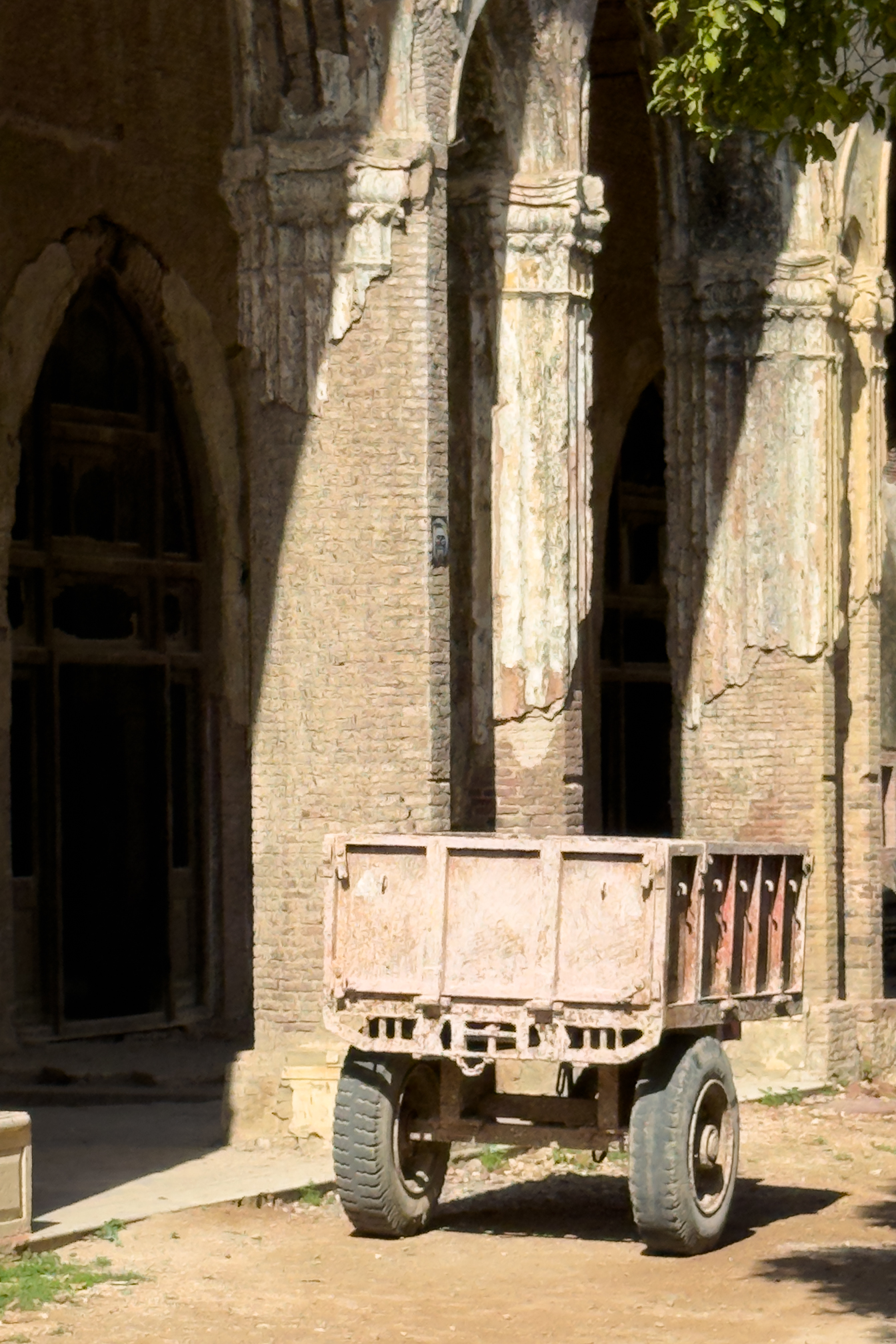
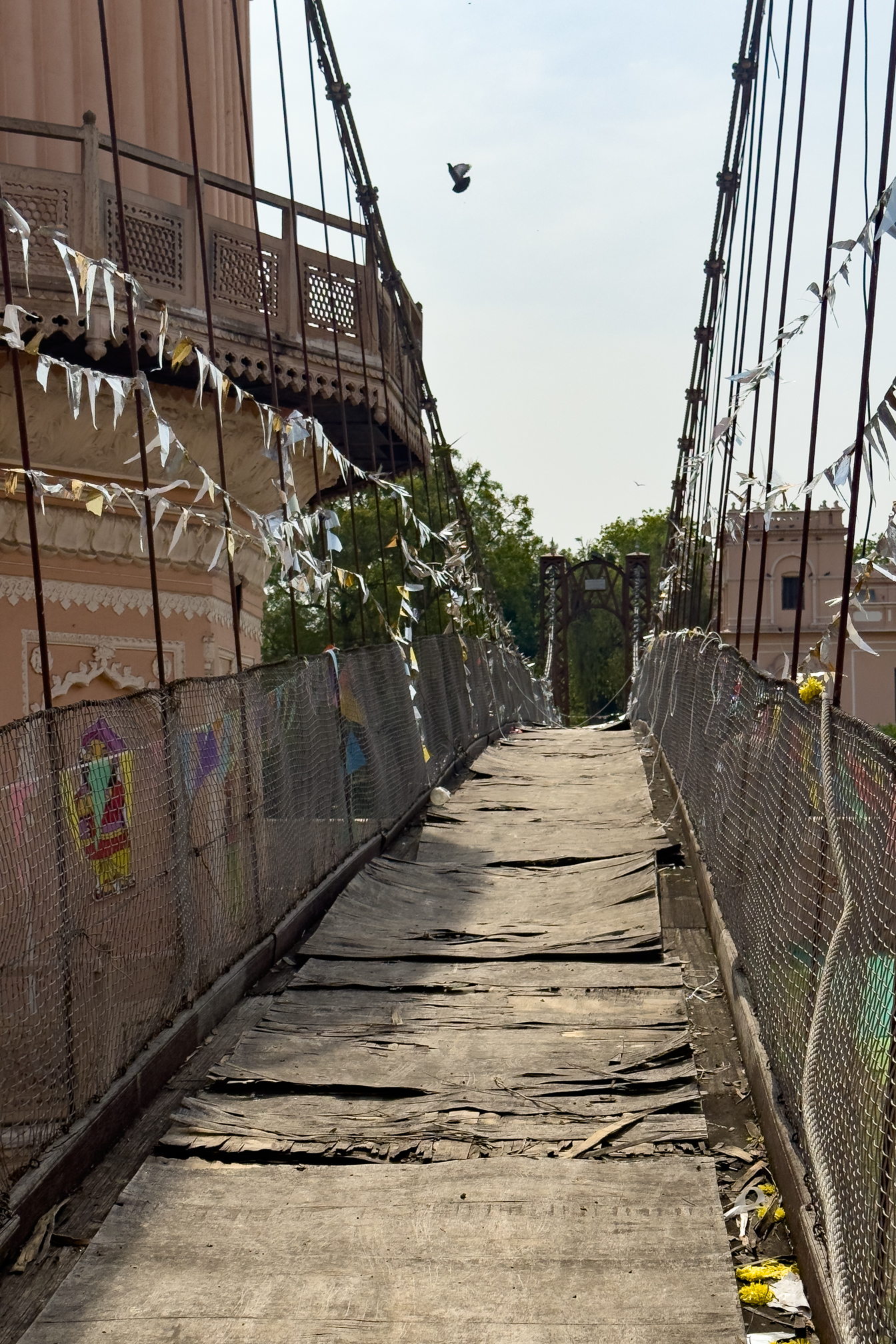
I was not surprised I was not allowed to use my camera, this seems to be the norm in Patiala, for whatever reason. So once again my iPhone was my best friend. The lake in front of the palace was empty and dirt was everywhere. The palace had seen better days as well. The museum was still closed but at special request an impressive collection of keys came from nowhere and no less than three guards opened a sequence of doors and switched on the light.The museum displayed paintings, artifacts, and royal collections from the Patiala dynasty. Somehow, I felt though the museum itself should be put in a museum as it seemed it had seen better times as well, like the palace. That was closed and remained closed so I had no chance to see the famous mirrorwork, oh well it had been a nice visit anyway.

My next stop was the Moti Bagh Palace built in the 19th century by Maharaja Narinder Singh. It served as the main residence of the Patiala royal family. The palace is known for its grand architecture, beautiful gardens, and spacious courtyards. In front of it was a large gate which required keys to open but this time no magical keychain appeared to let me in, sad perhaps but I just acted as waving reeds and accepted the situation, there was no reason to be stressed about it.

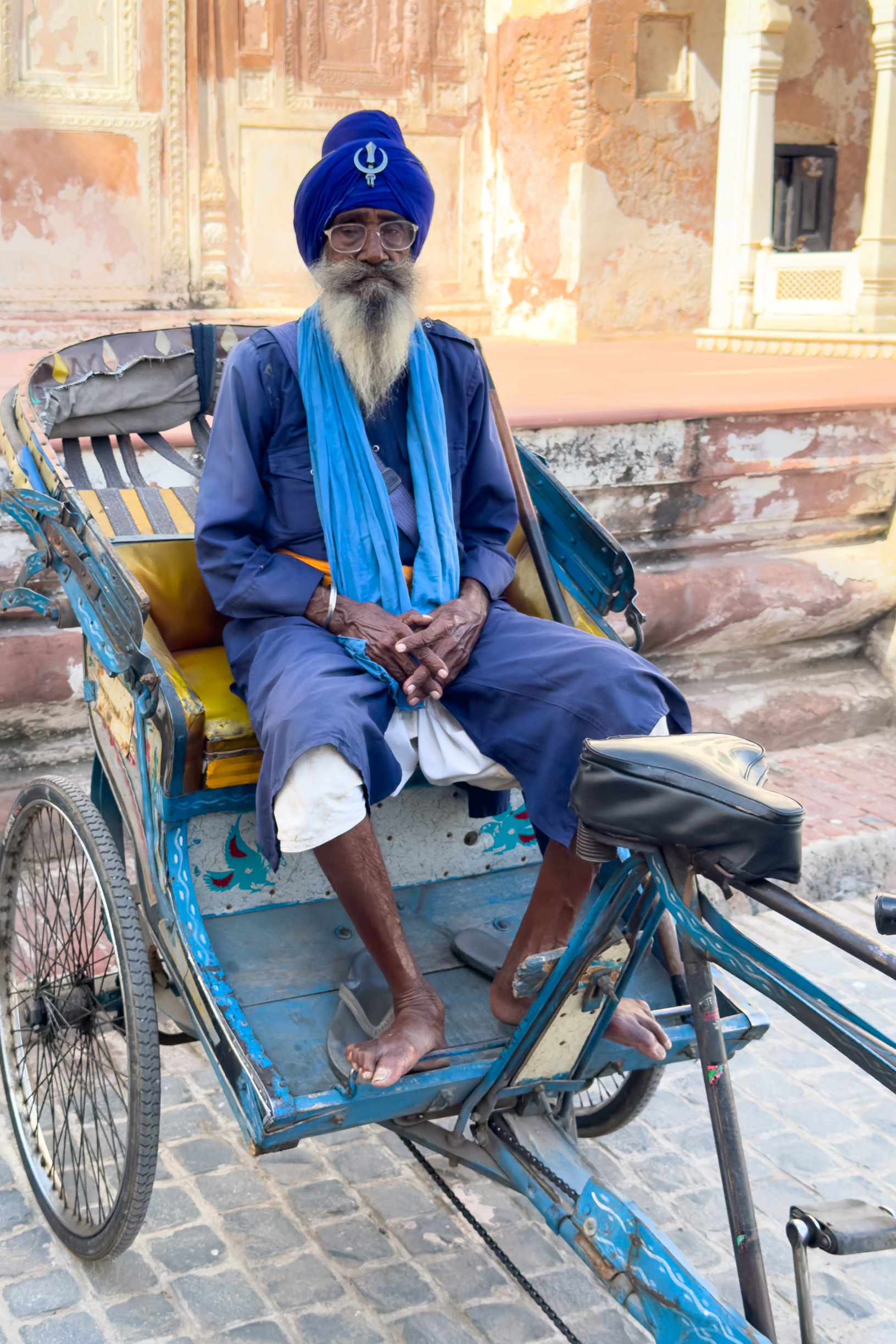
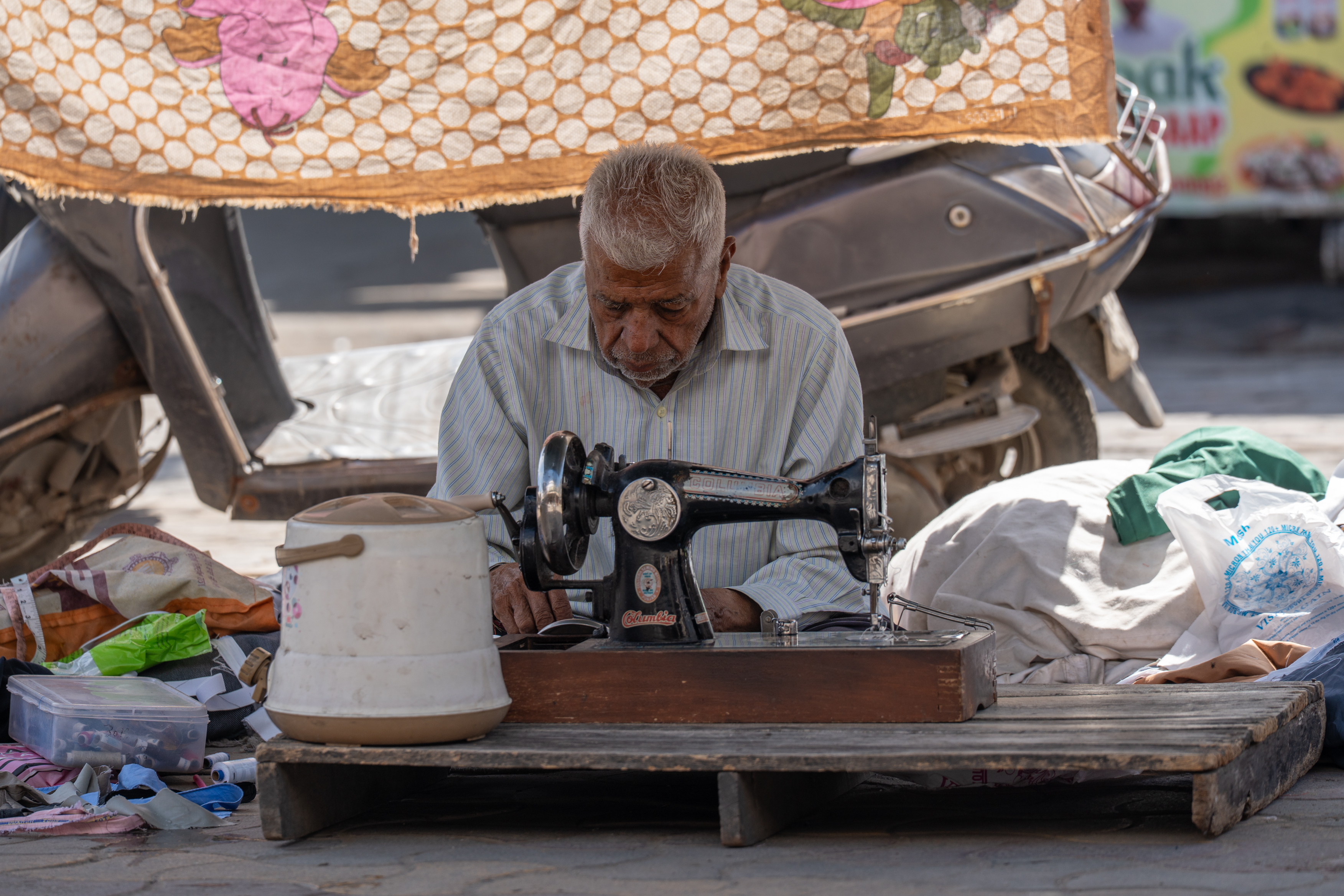
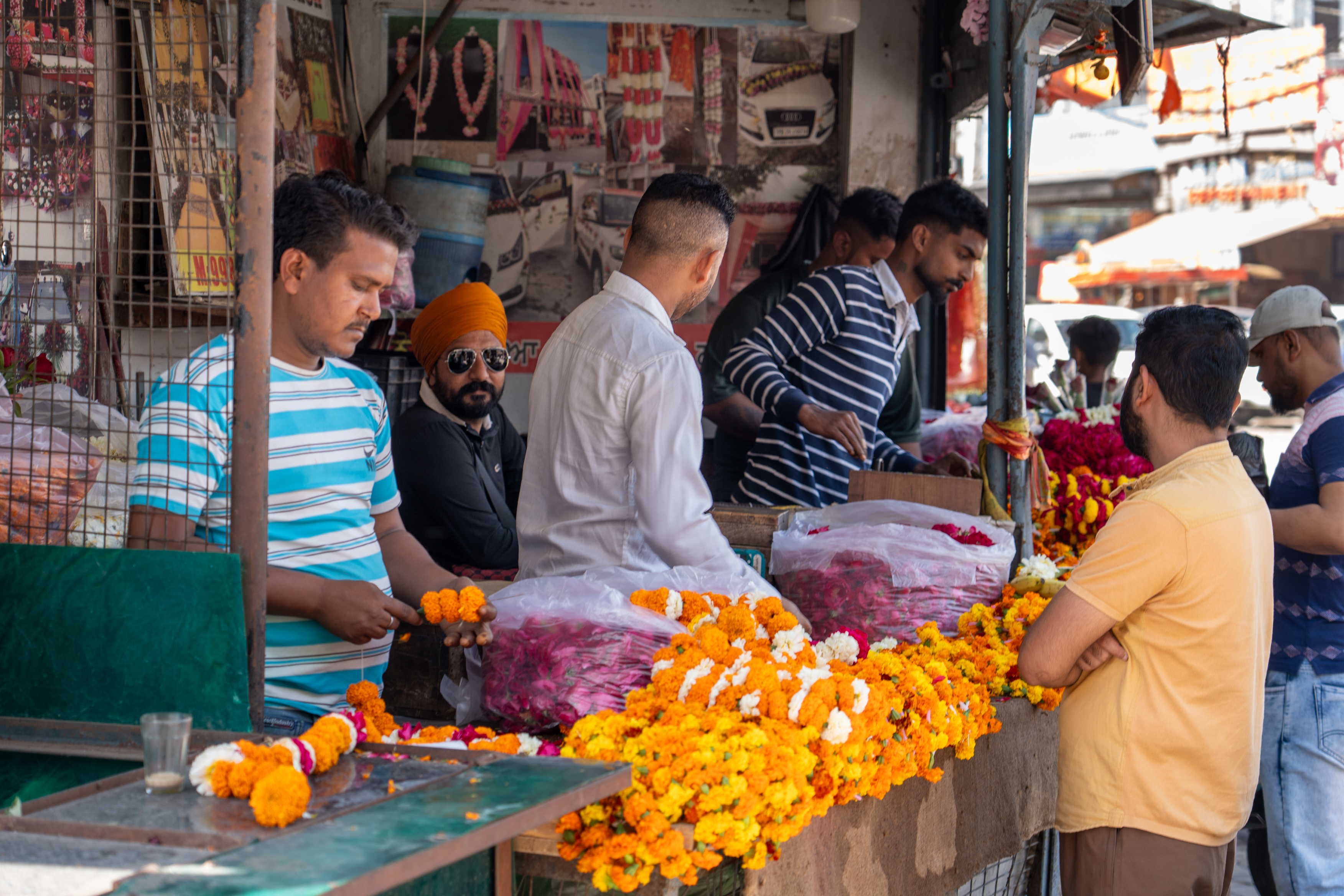
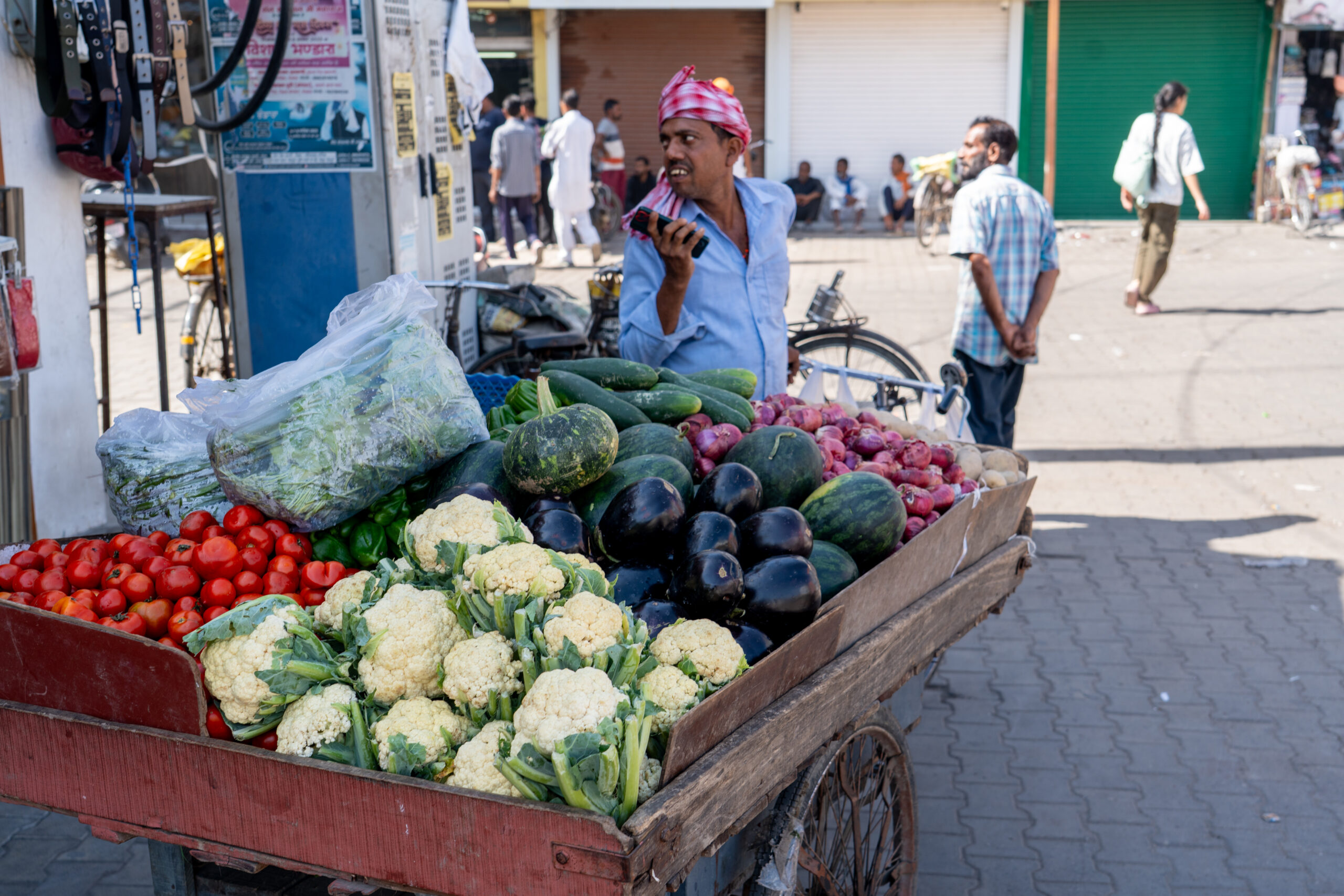
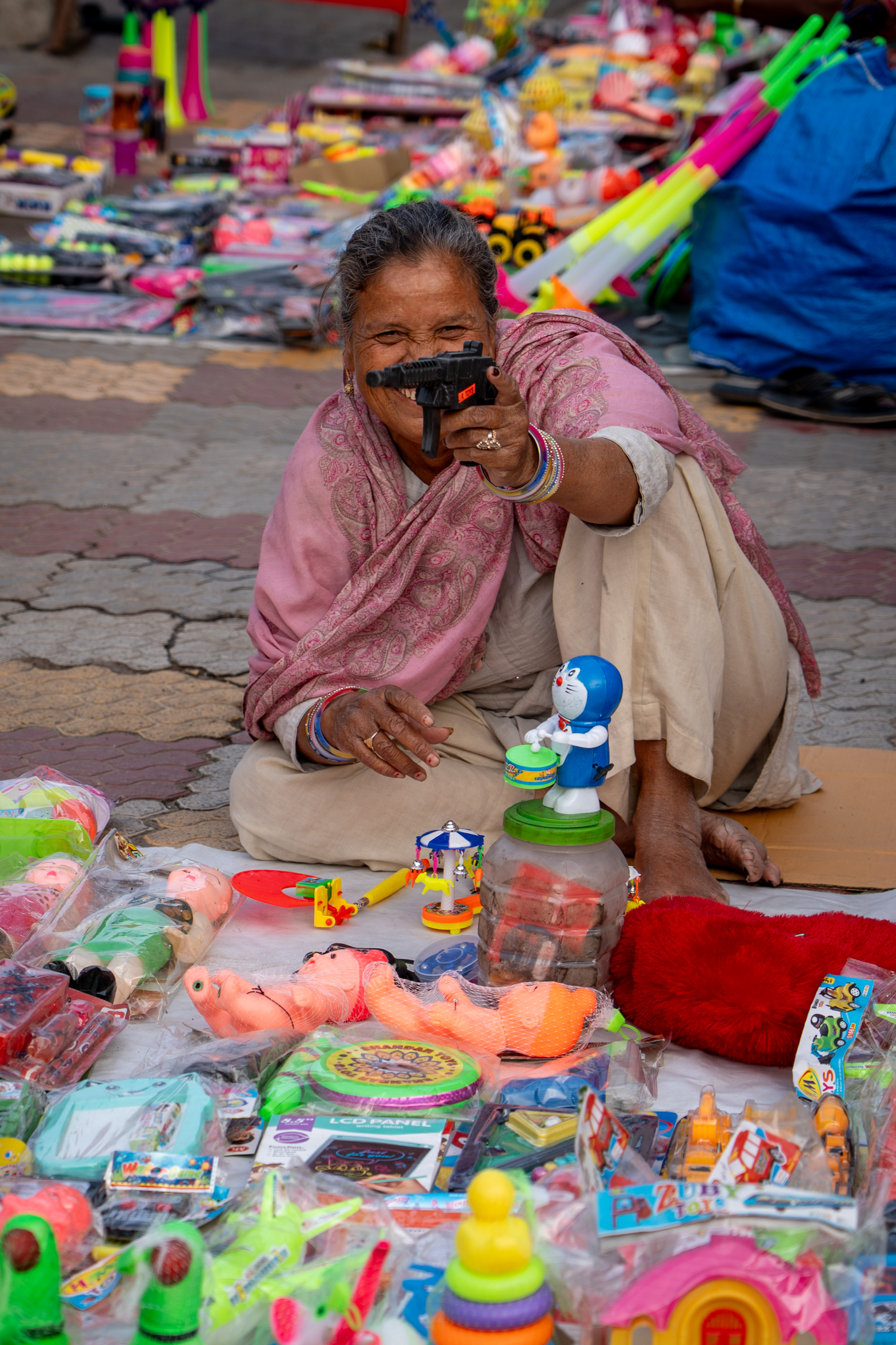
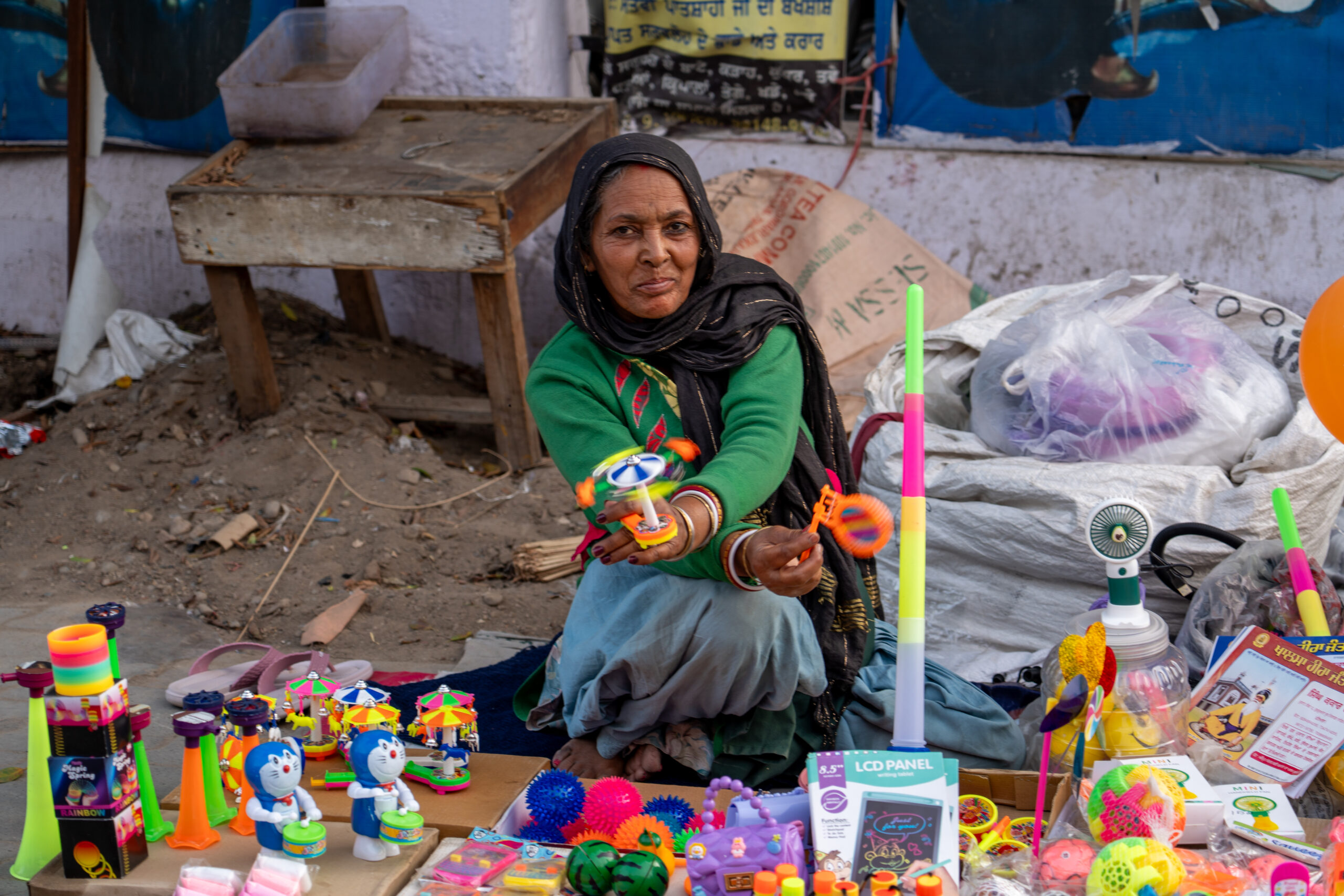
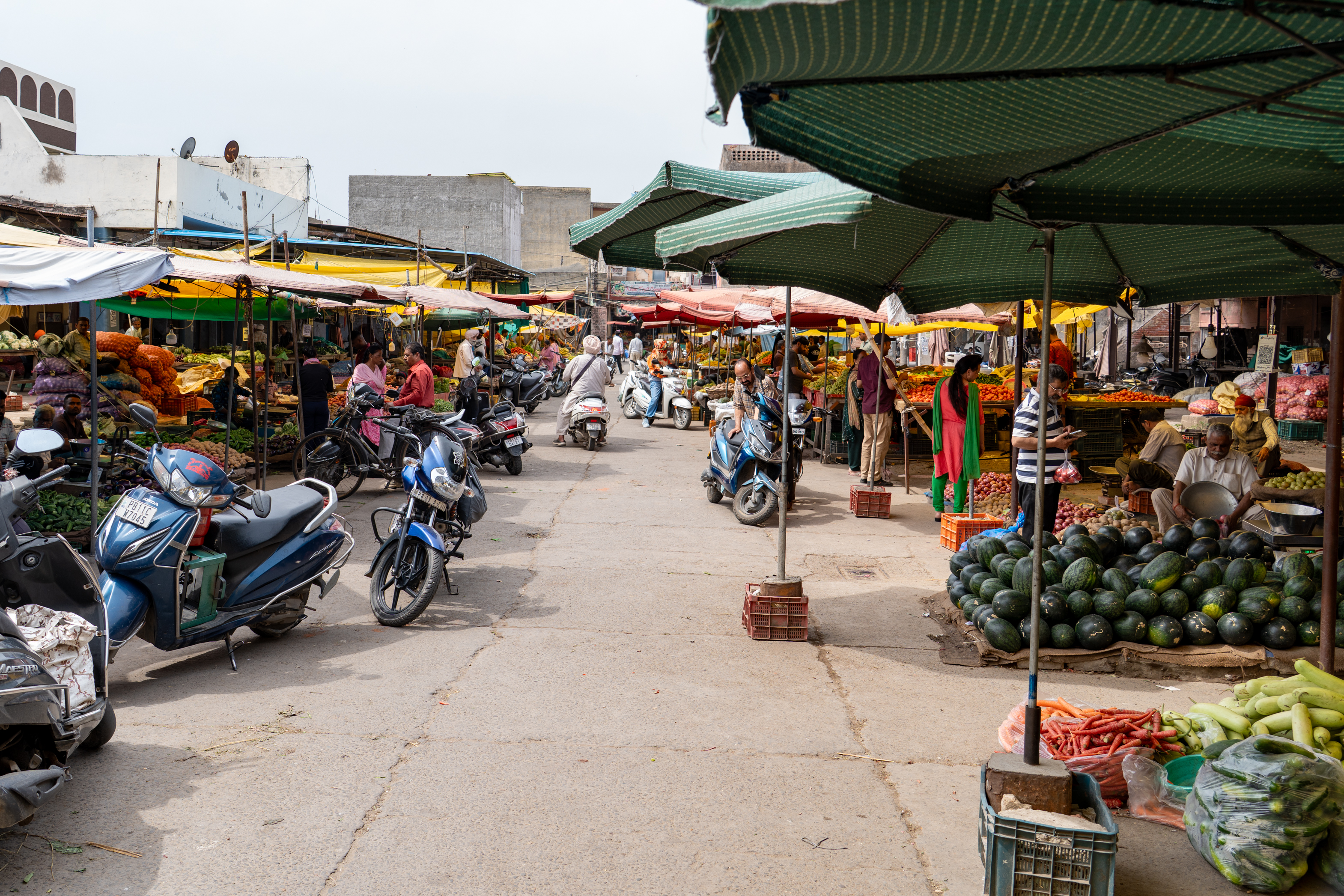
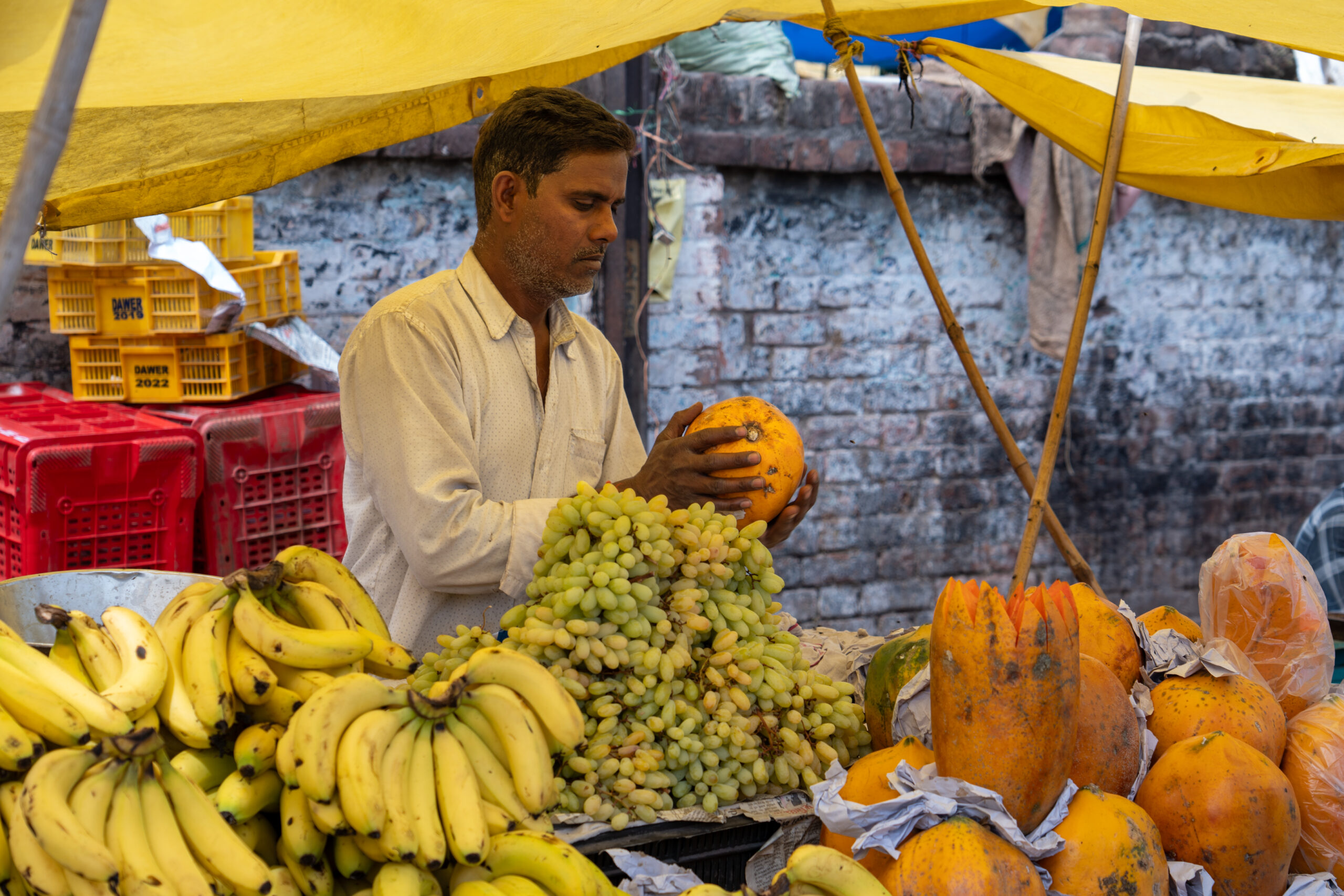
Yesterday I had seen there was a market close to the Hanaman temple I visited so I decided to return there and have a closer look. The market was relatively small but the people were extremely friendly and asked me constantly to make click a picture. It was obvious they were not used to western visitors.

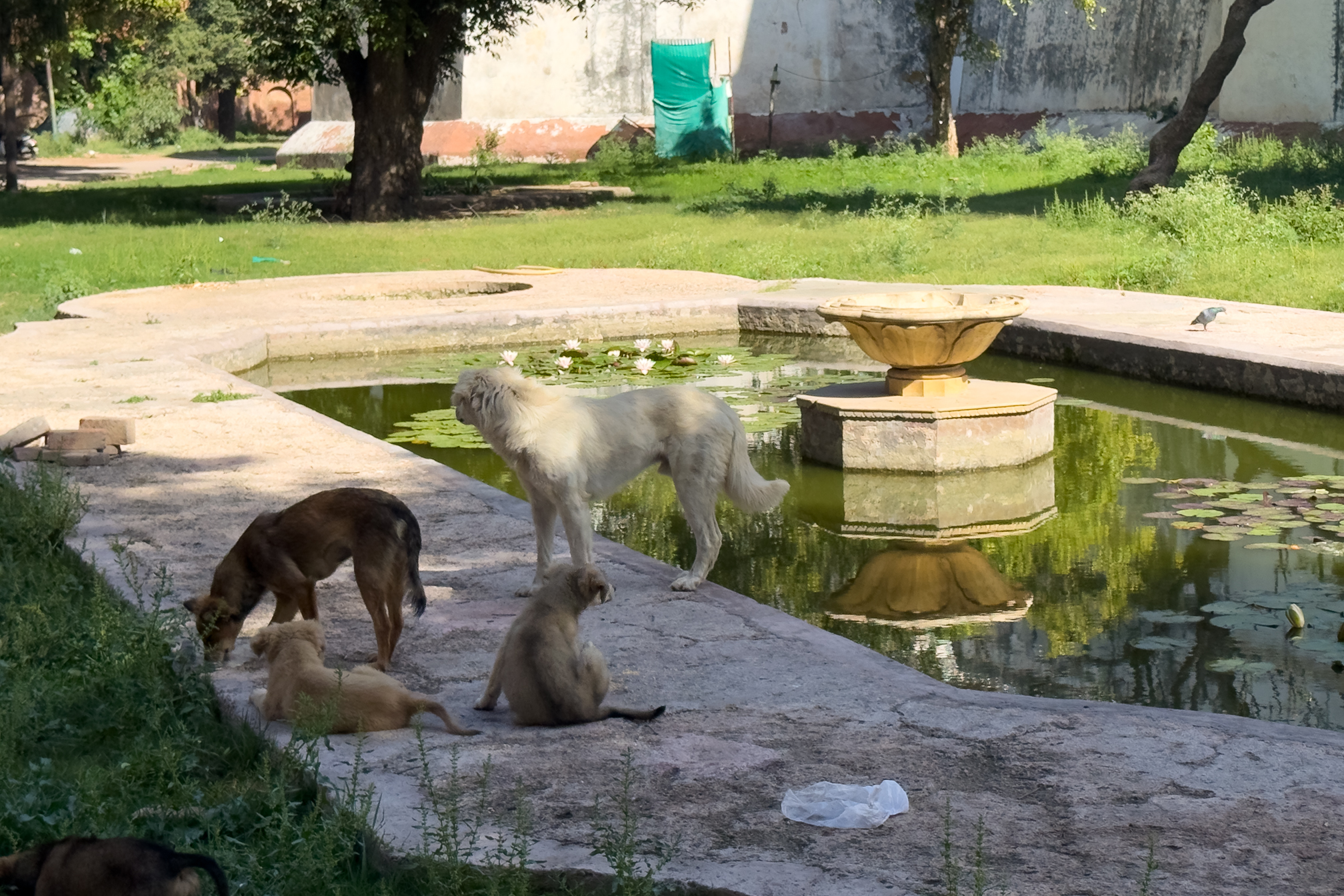
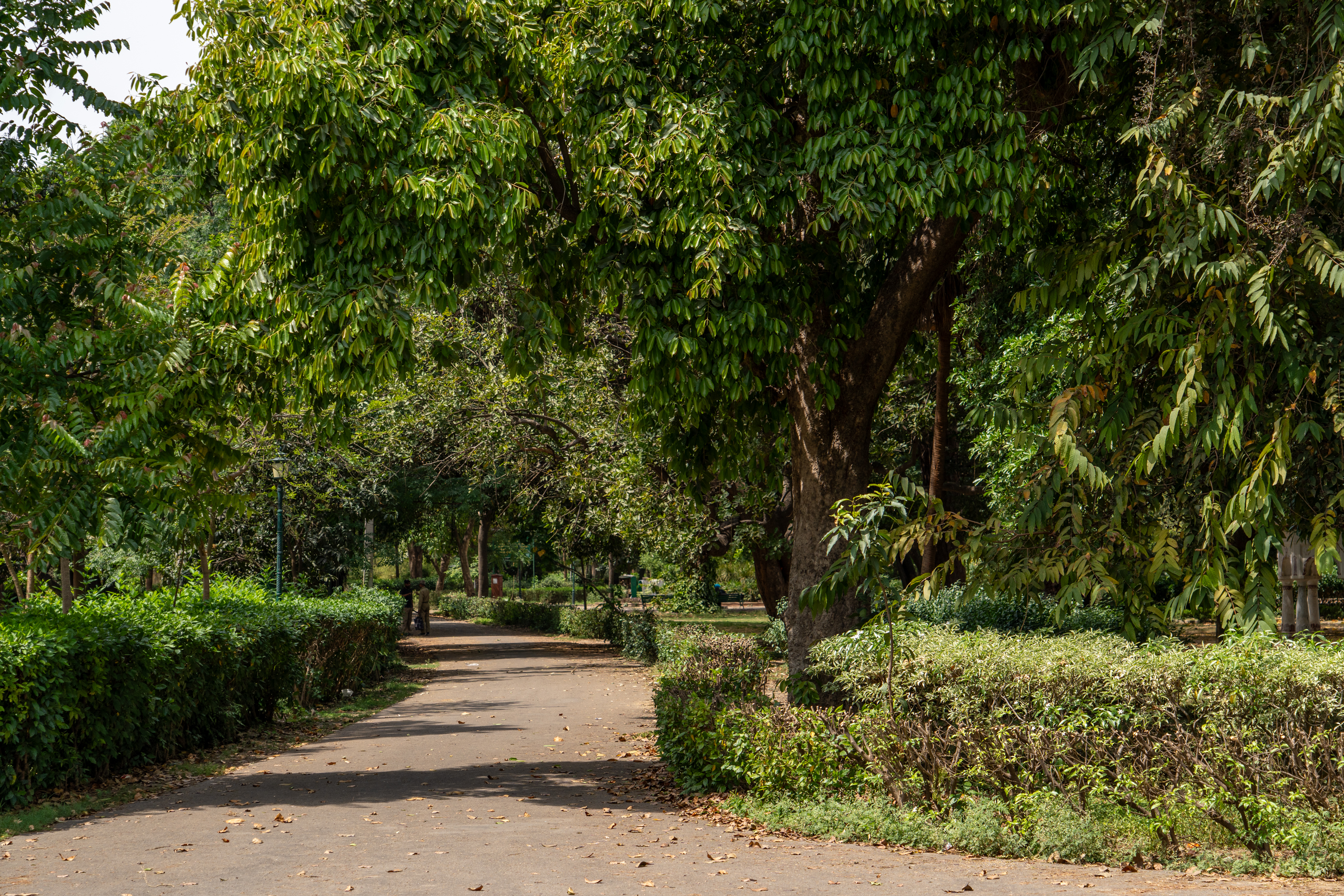
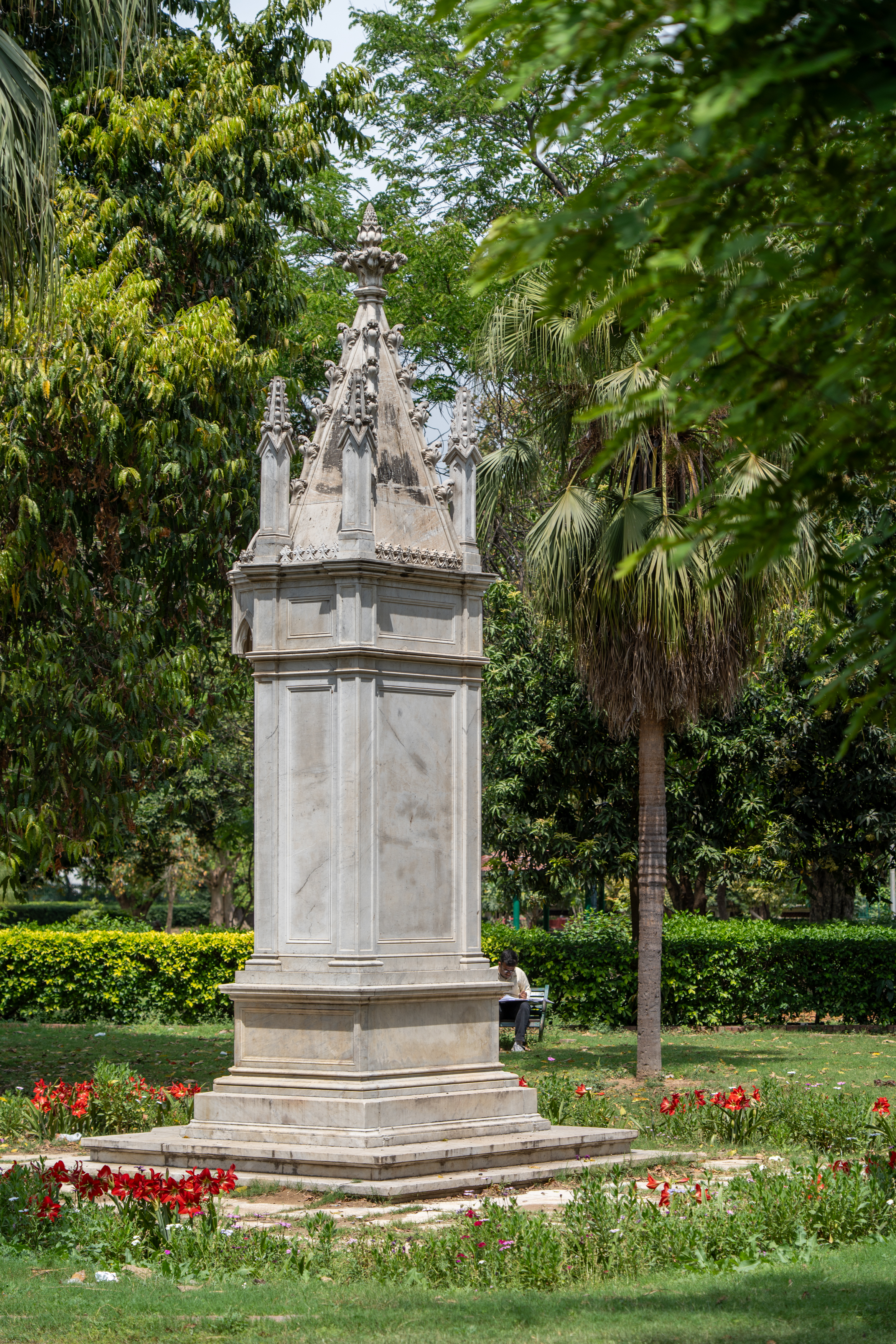
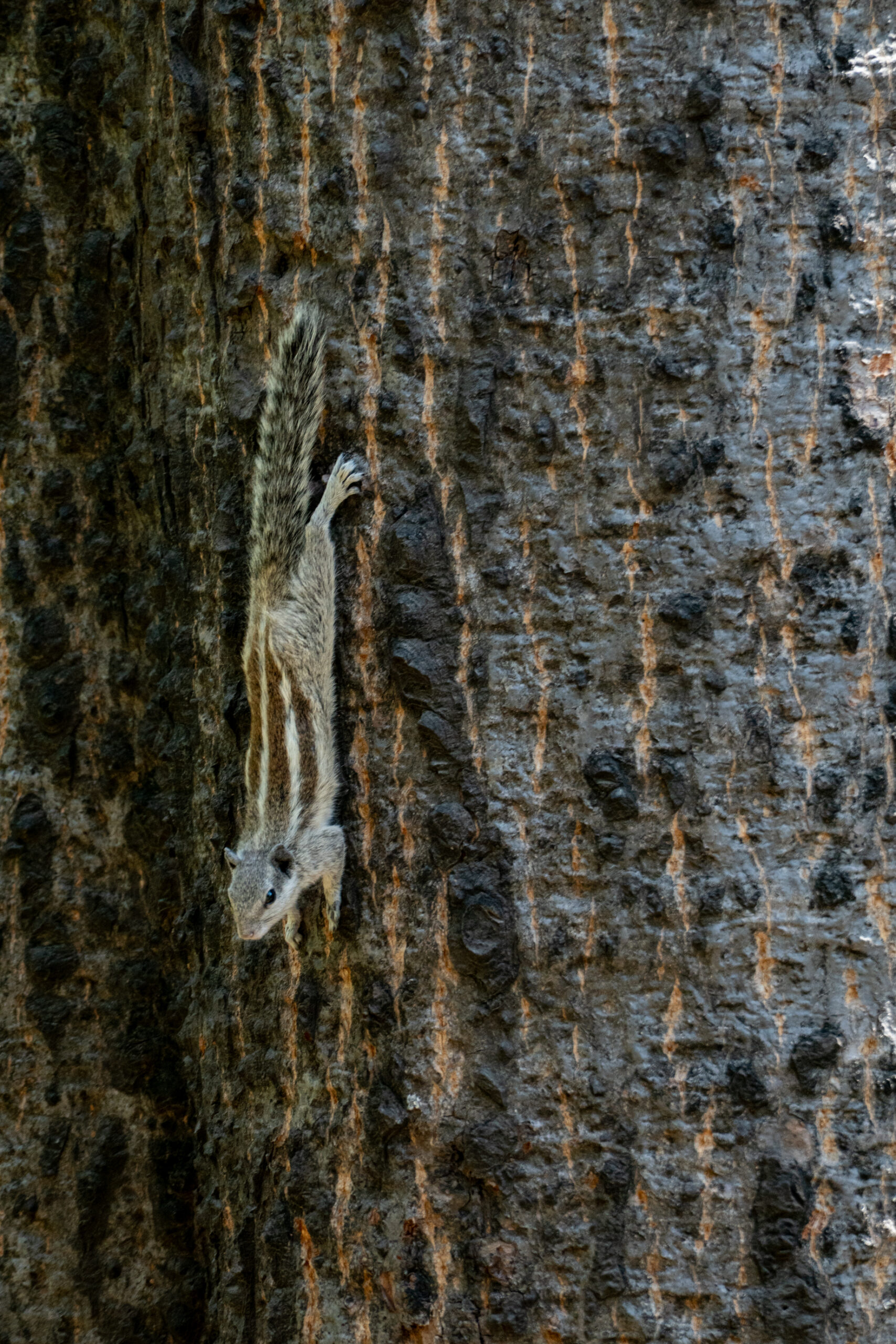
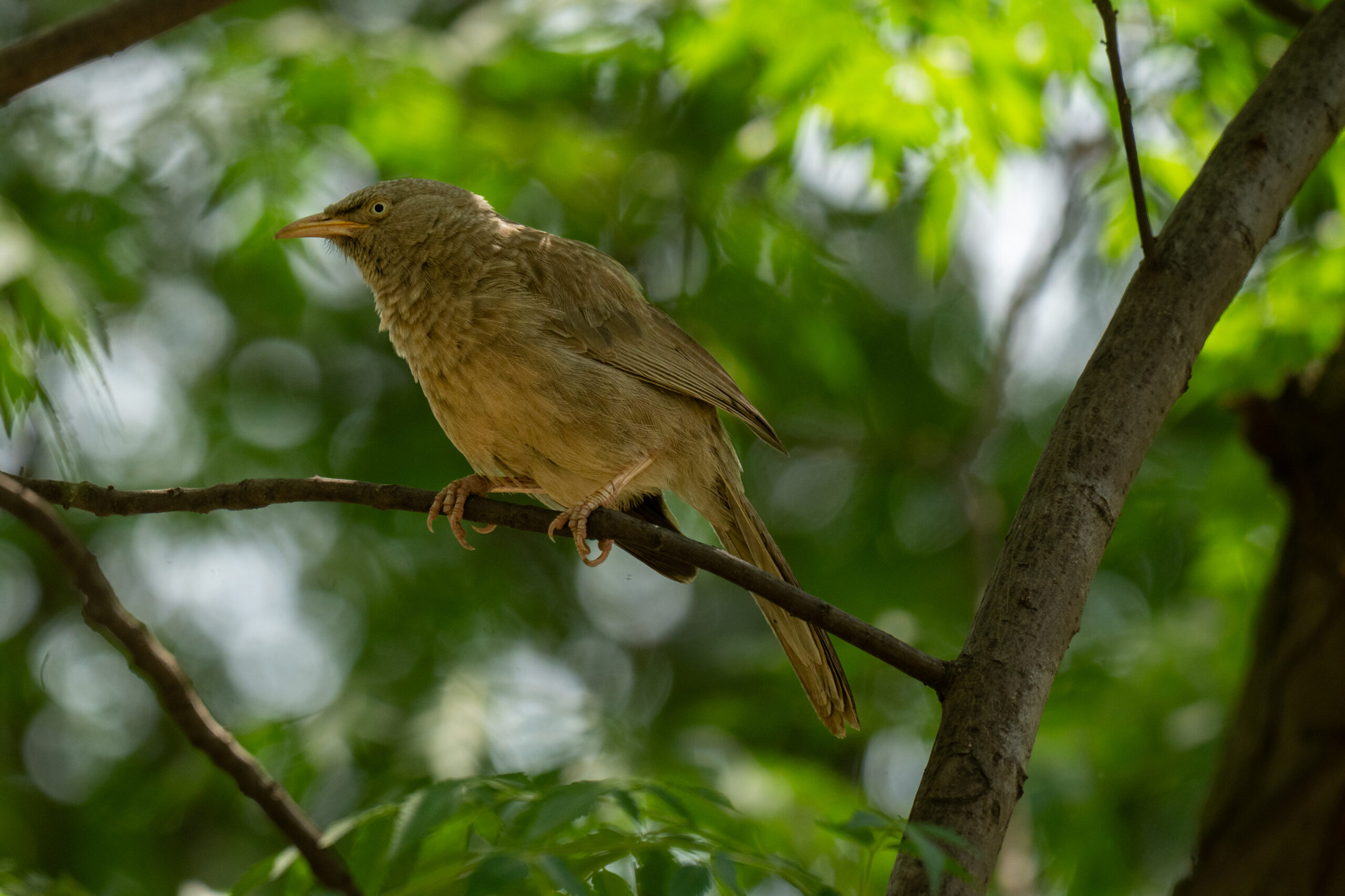
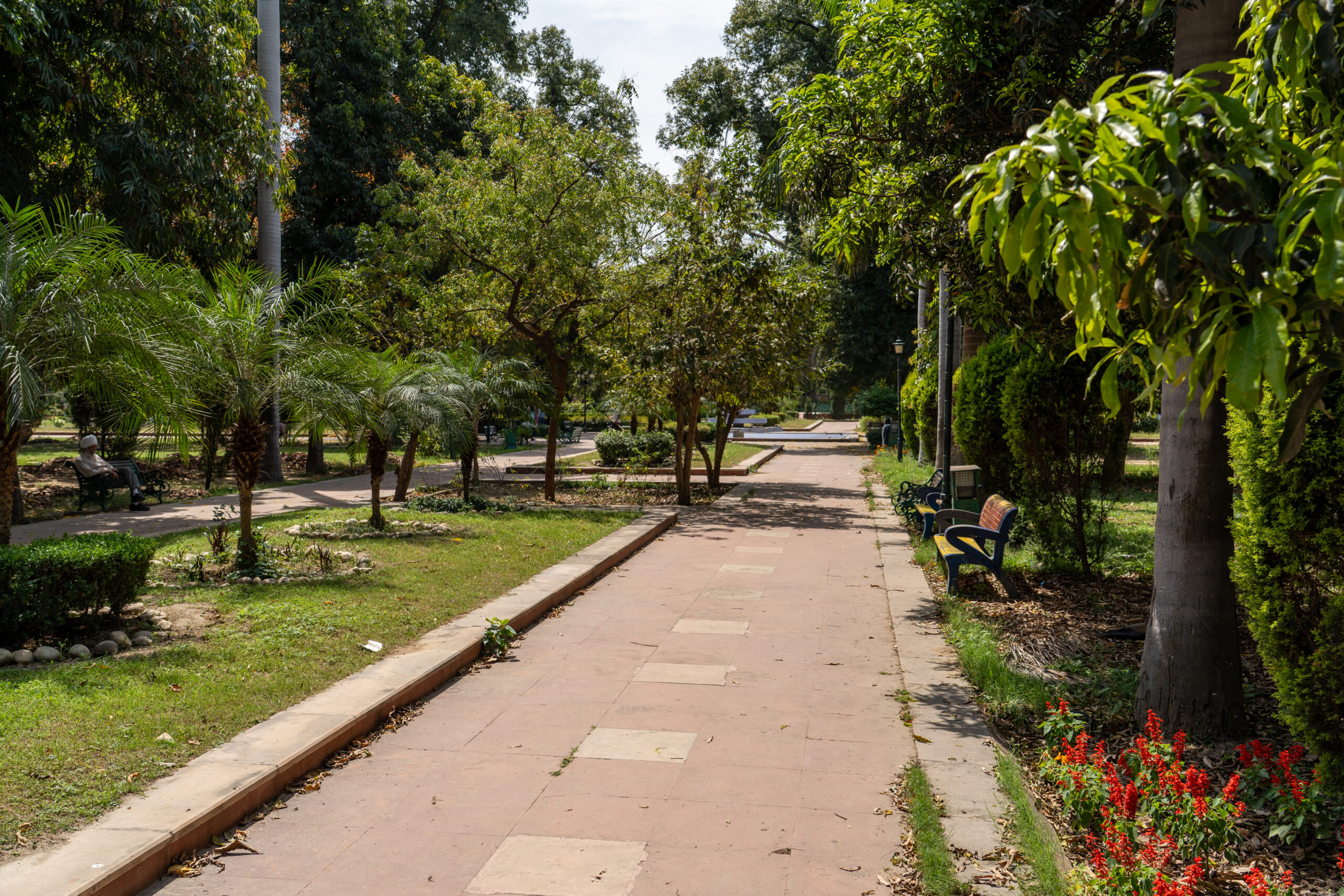
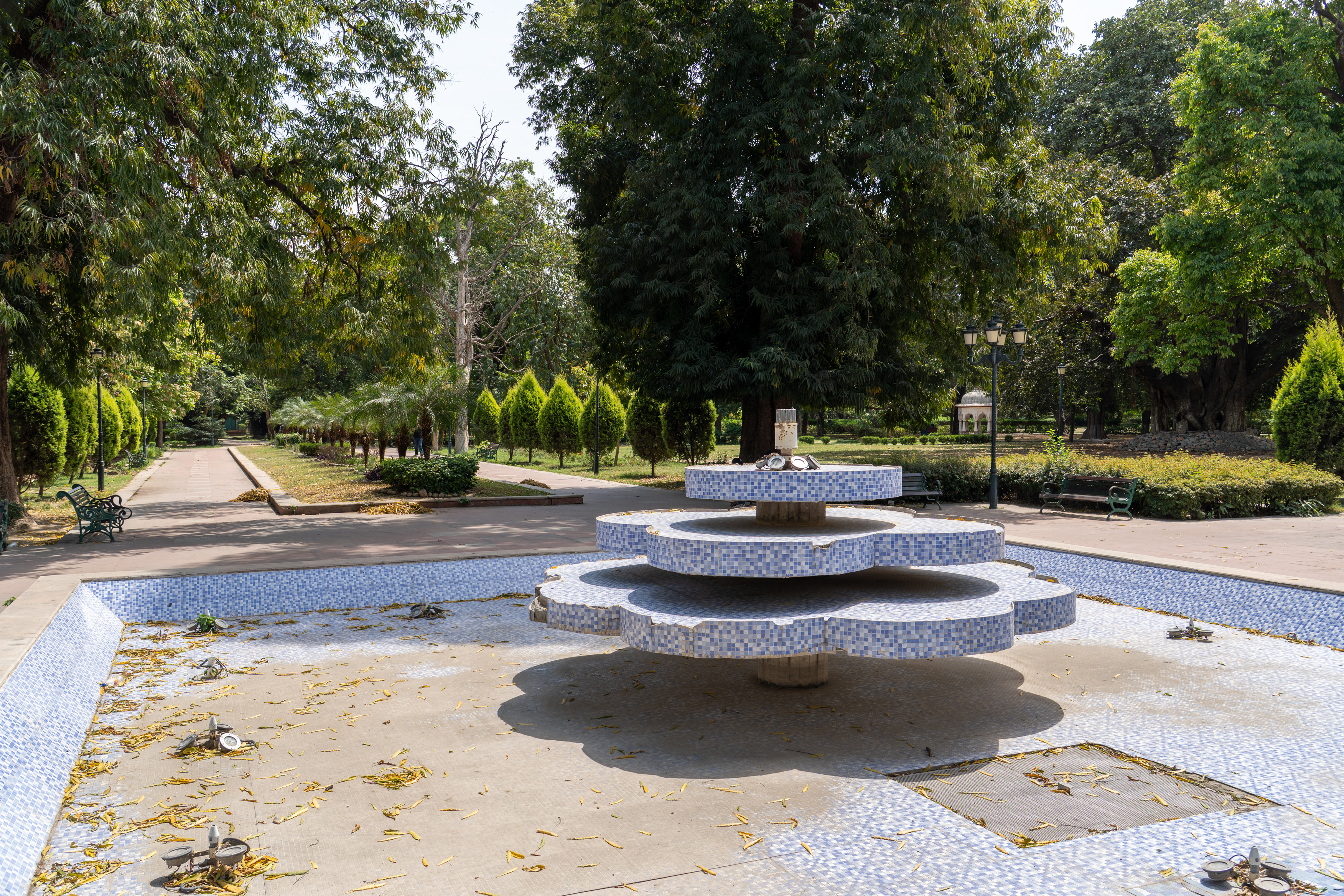
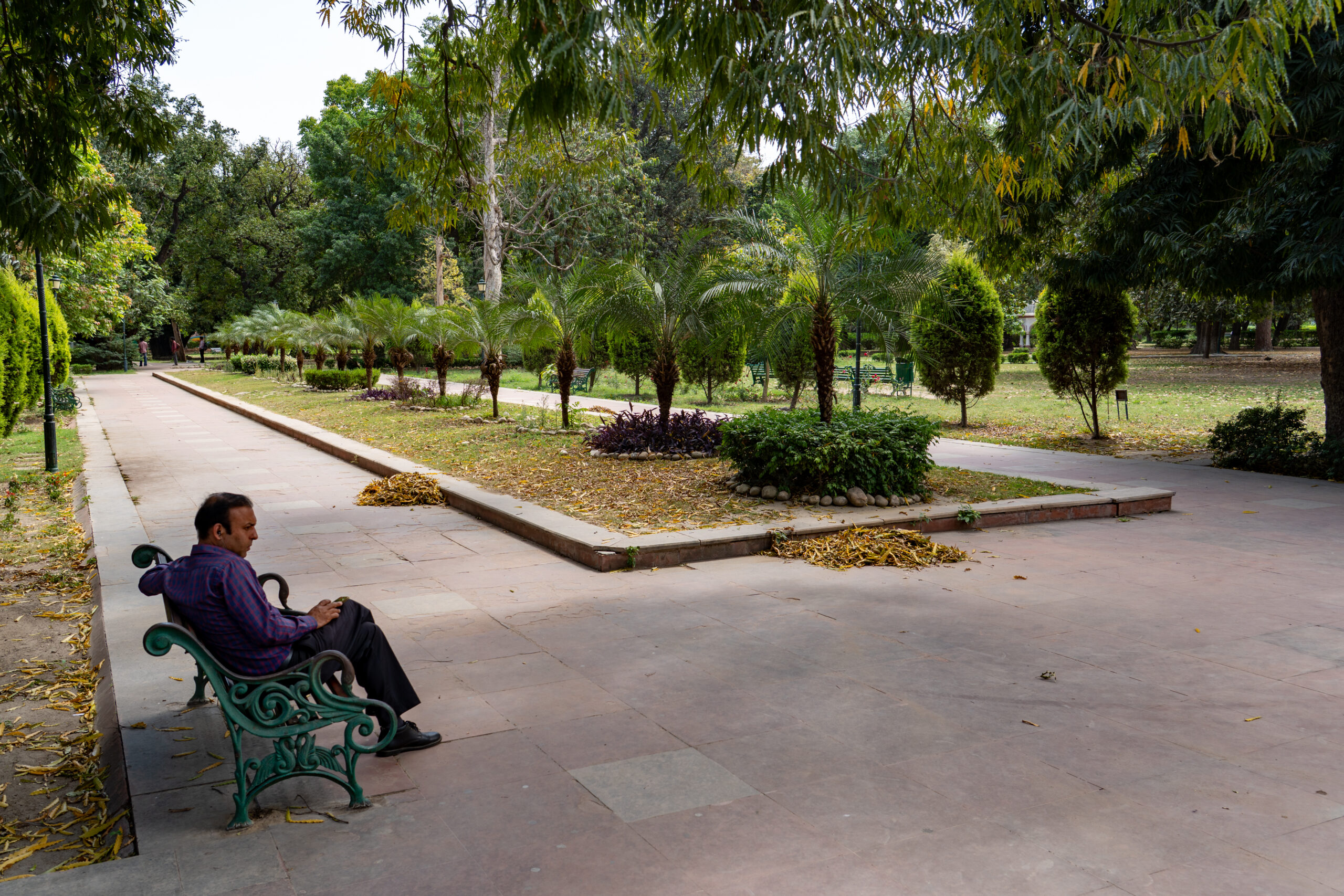
Next on my list was the Baradari Garden, a beautiful historic garden built during the reign of Maharaja Rajinder Singh. The garden is known for its lush greenery, fountains, and the Baradari Palace located inside it. It is a popular place for relaxation, morning walks, and enjoying nature in the city. The garden was well kept and I enjoyed strolling around, watching birds, chipmunks and locals who were relaxing and the plenty of benches available.

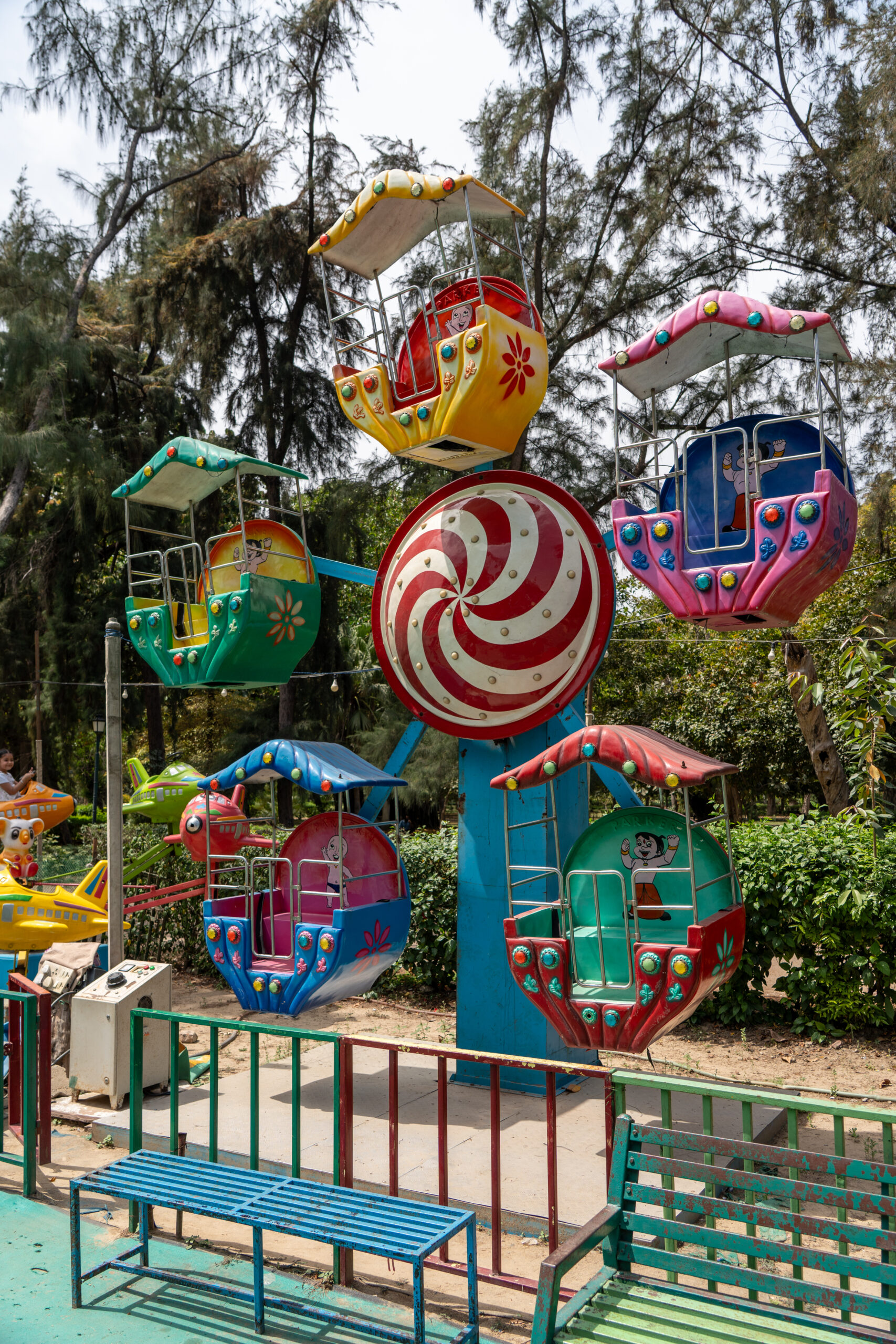
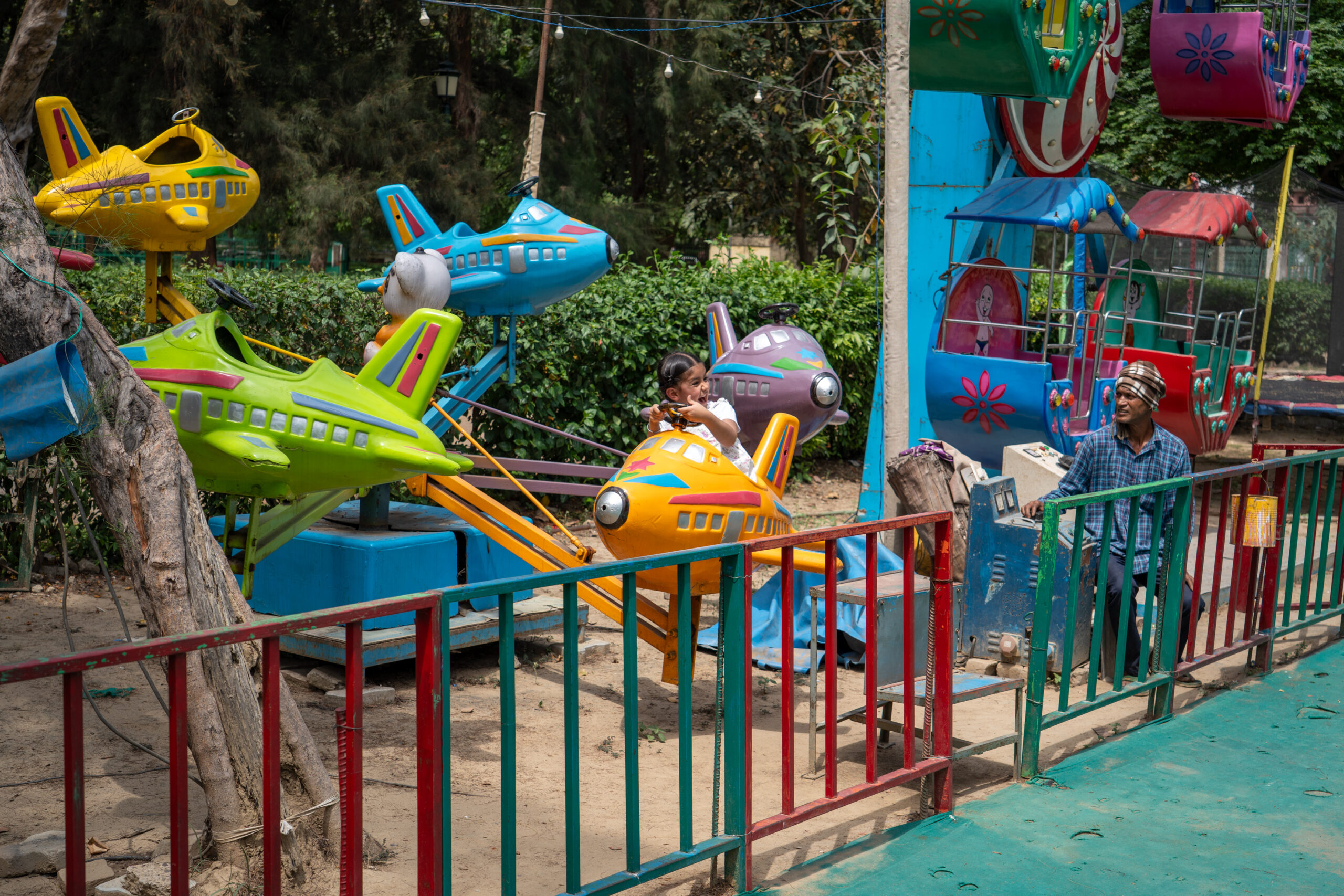
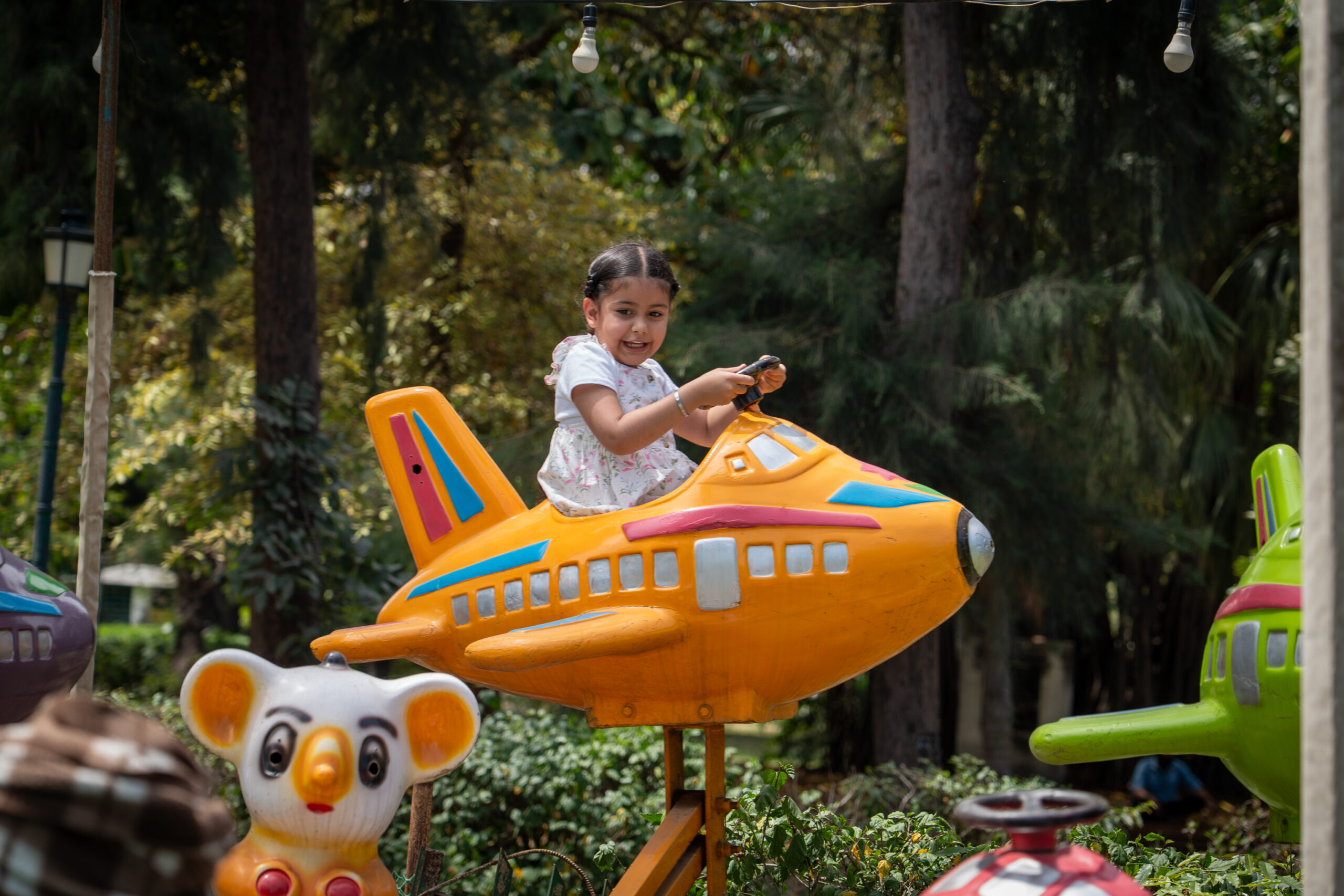
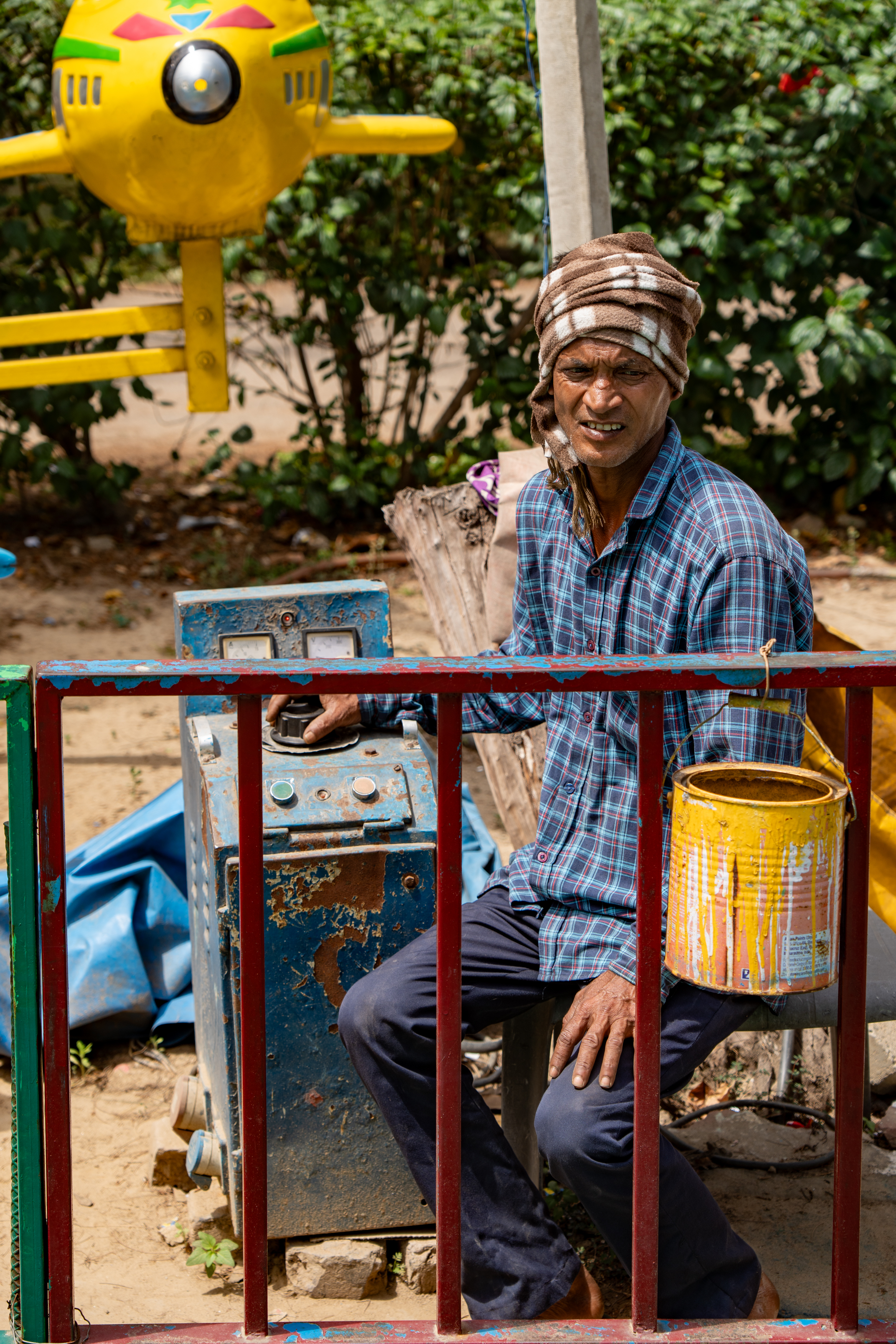
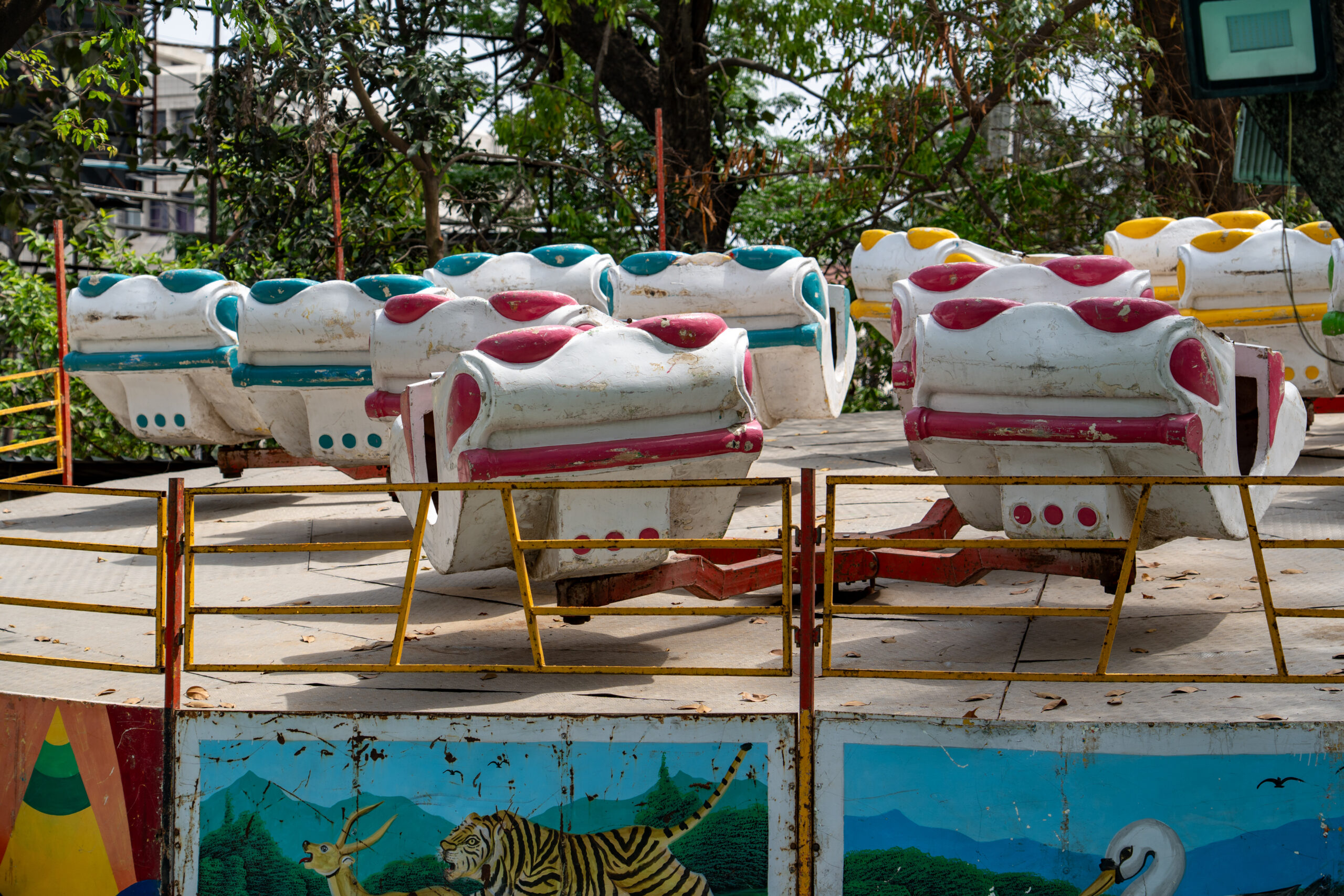
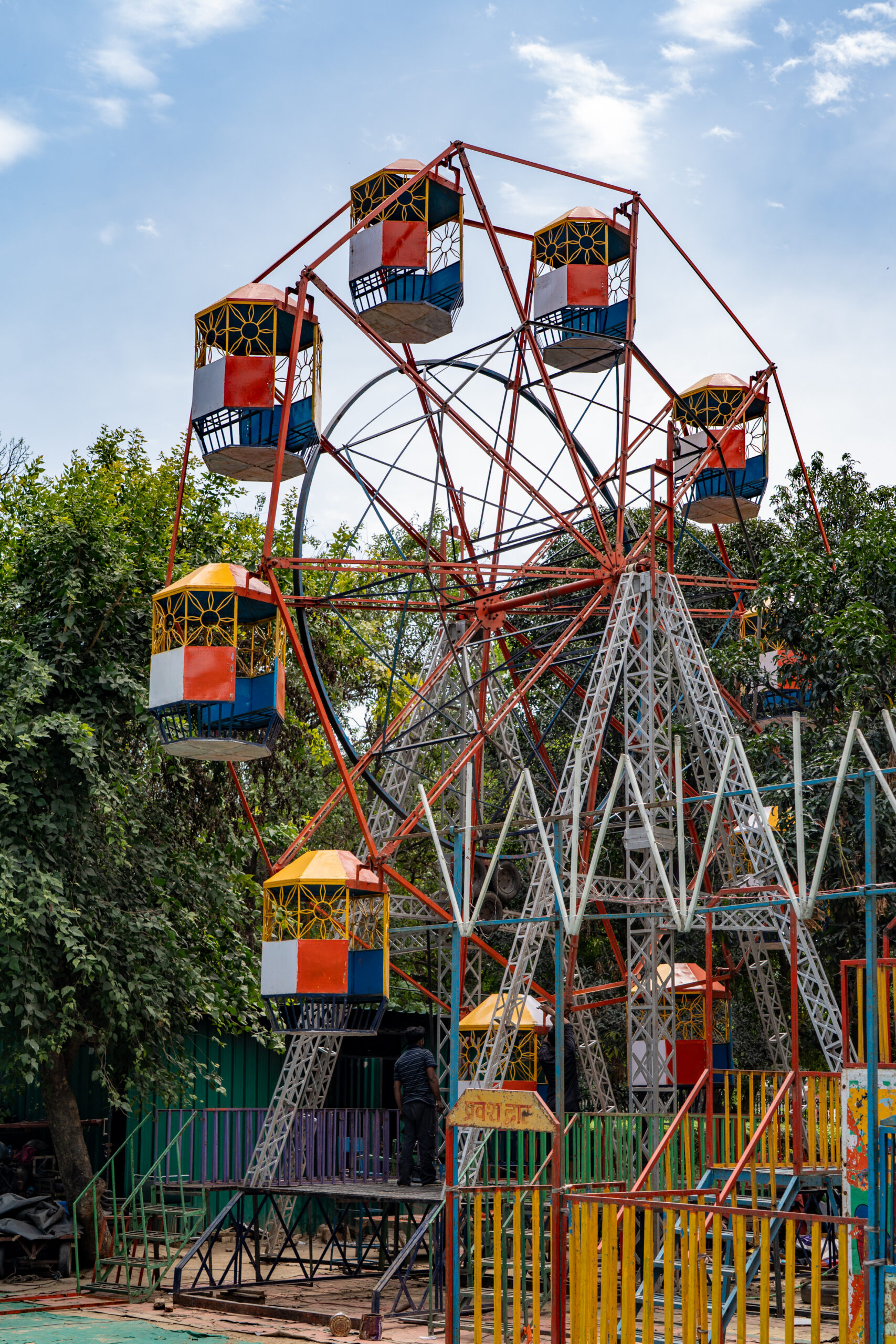
Just when I wanted to leave, I discovered a small funfair so I decided to have a peek of that as well.

By now it was well beyond lunch time so I returned to the same rooftop restaurant as yesterday for a drink and a bite to eat. During the time I was there dark clouds gathered above Patiala, signs of an approaching thunderstorm.

Although I still had two places to visit on my list I decided to return to my hotel for an afternoon nap. Later in the evening I returned to the city center but as it was raining heavily my sightseeing got limited to Scotland Yard, a bar which served my favorite old monk rum. Time for a treat.

Translate »