I woke up minutes before the alarm went off and realized it was time to pack my bags, shower one last time and prepare for the journey to Mumbai.
Then it was time to say goodbye to my friend Ravi. Last time we saw each other was in 2019 and we promised we would not let it take this long this time. A porter brought my suitcase to the waiting taxi from where we started the almost 2-hour journey to Dabolim Airport.
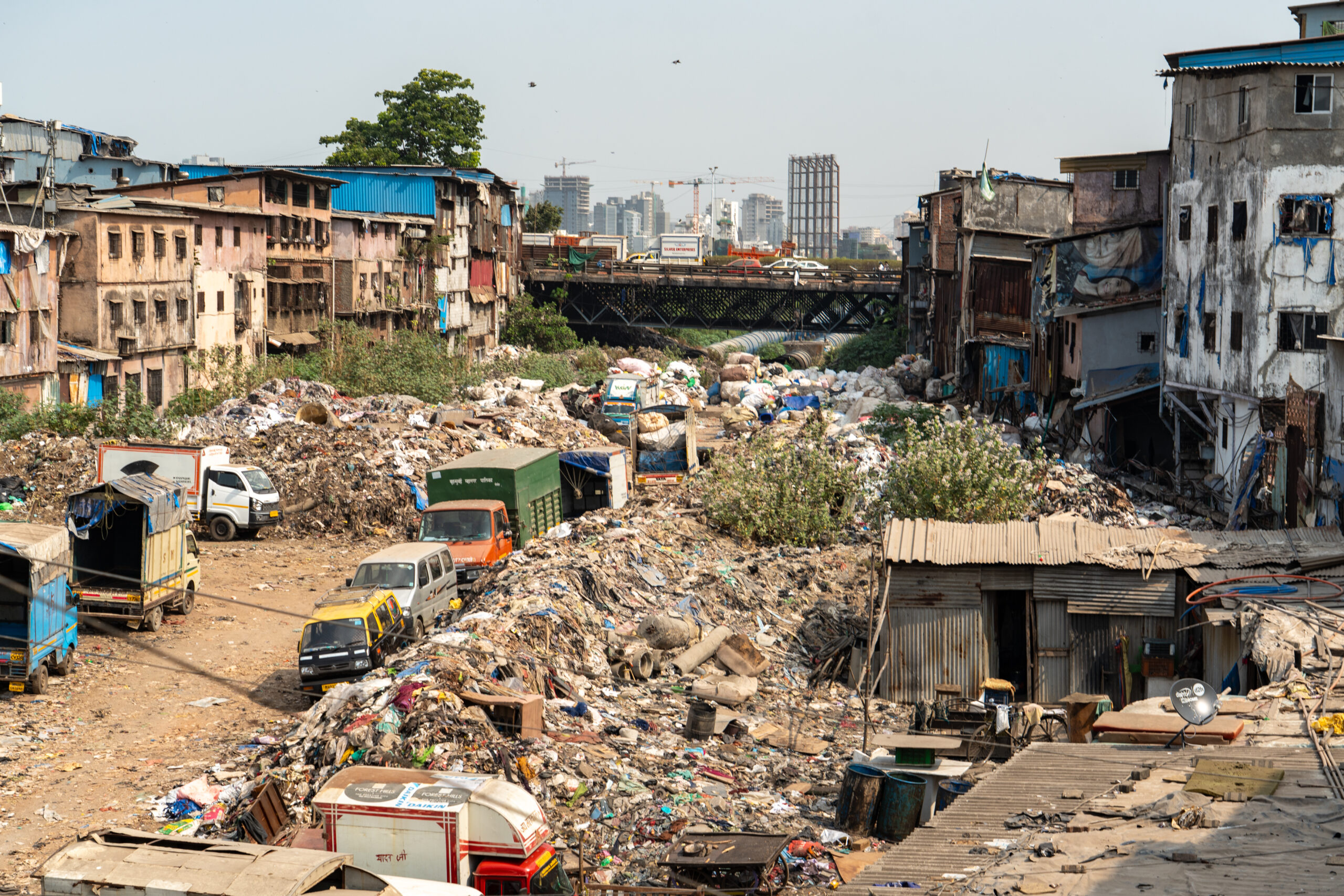
Check-in went smooth but the number of electronic devices in my hand luggage made the security a bit nervous but eventually I managed to get their approval and was allowed to continue to the gate. The hour-long flight was uneventful and before I realized we had started our descend. Shortly before we landed, we flew low over the slums, a view that I never get used to.
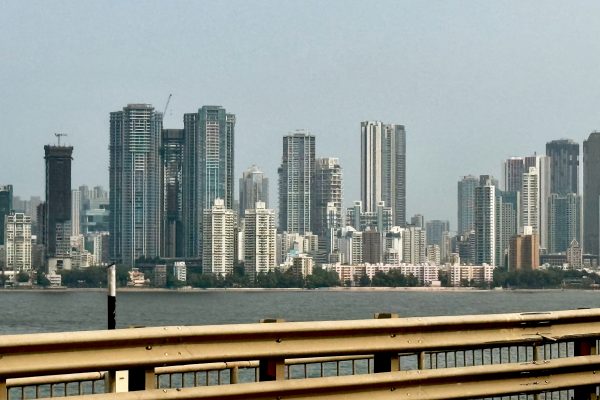
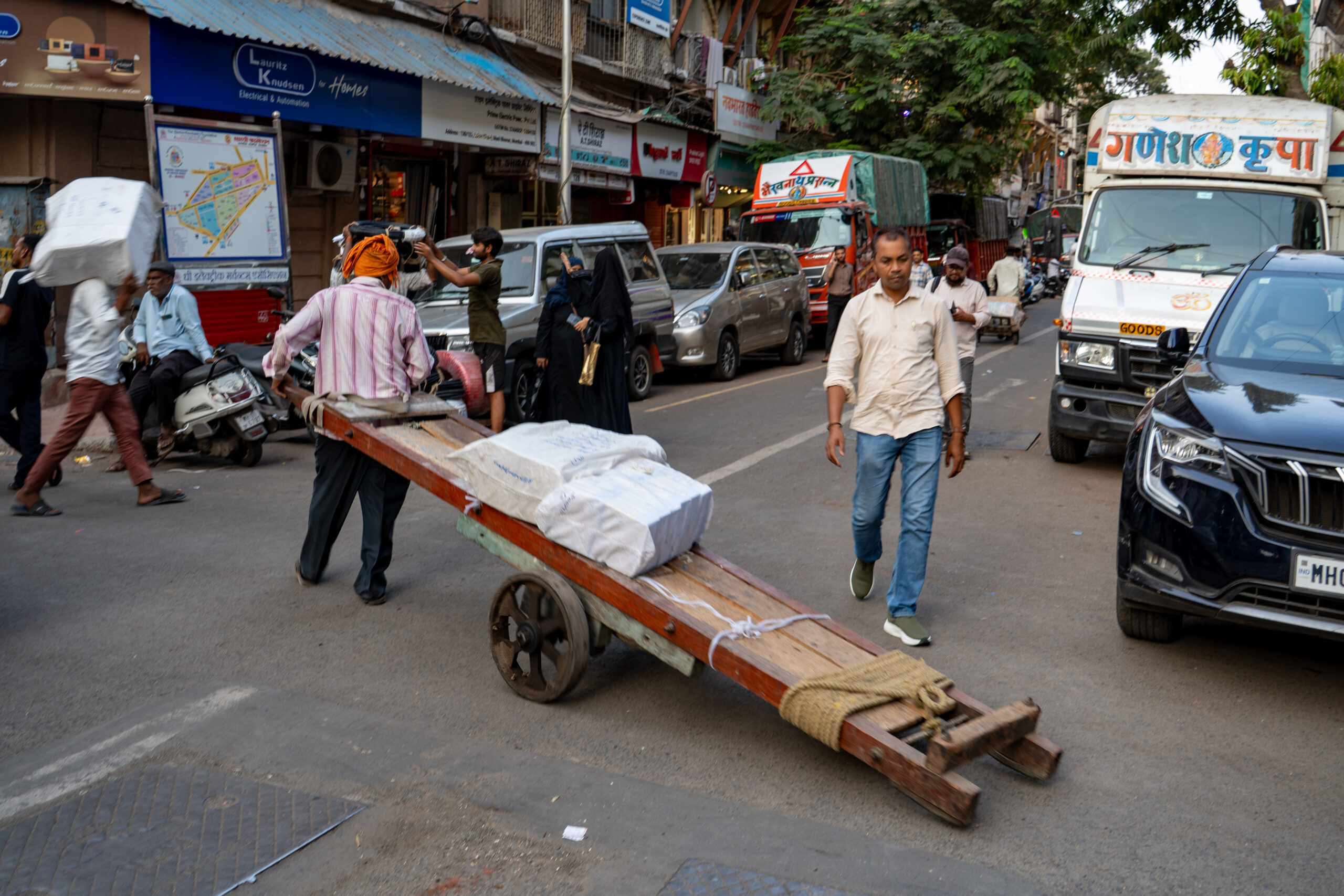
Luggage arrived quickly and it did even take me less time to book an uber to my hotel. Hardly outside the airport we ended up in the chaotic traffic. But eventually we arrived at the Rajiv Gandhi Sea Link, a 5.6-kilometre cable-stayed bridge in Mumbai that connects Bandra in the western suburbs to Worli in South Mumbai across the Arabian Sea. The bridge significantly reduces travel time between these areas; from up to an hour via older routes like Mahim Causeway to about 10–15 minutes, making it a vital traffic artery.
But after that another surprise waited, I had not seen before, a new tunnel was created under the Marine Drive which speeded up the journey even more…
My hotel was close to the India gate and I was surprised by the spacious room. After I had checked in, I decided to go to the famous Leopold Café for a drink and a bite to eat.
Next day the alarm went of at seven and I really did not feel like waking up but I had to as I had an appointment with Akash from Slumgods to visit Dharavi.
Dharavi is one of the most densely populated urban areas in the world, located in the heart of Mumbai. It’s often described as a “slum,” but that label only captures a small part of its reality.
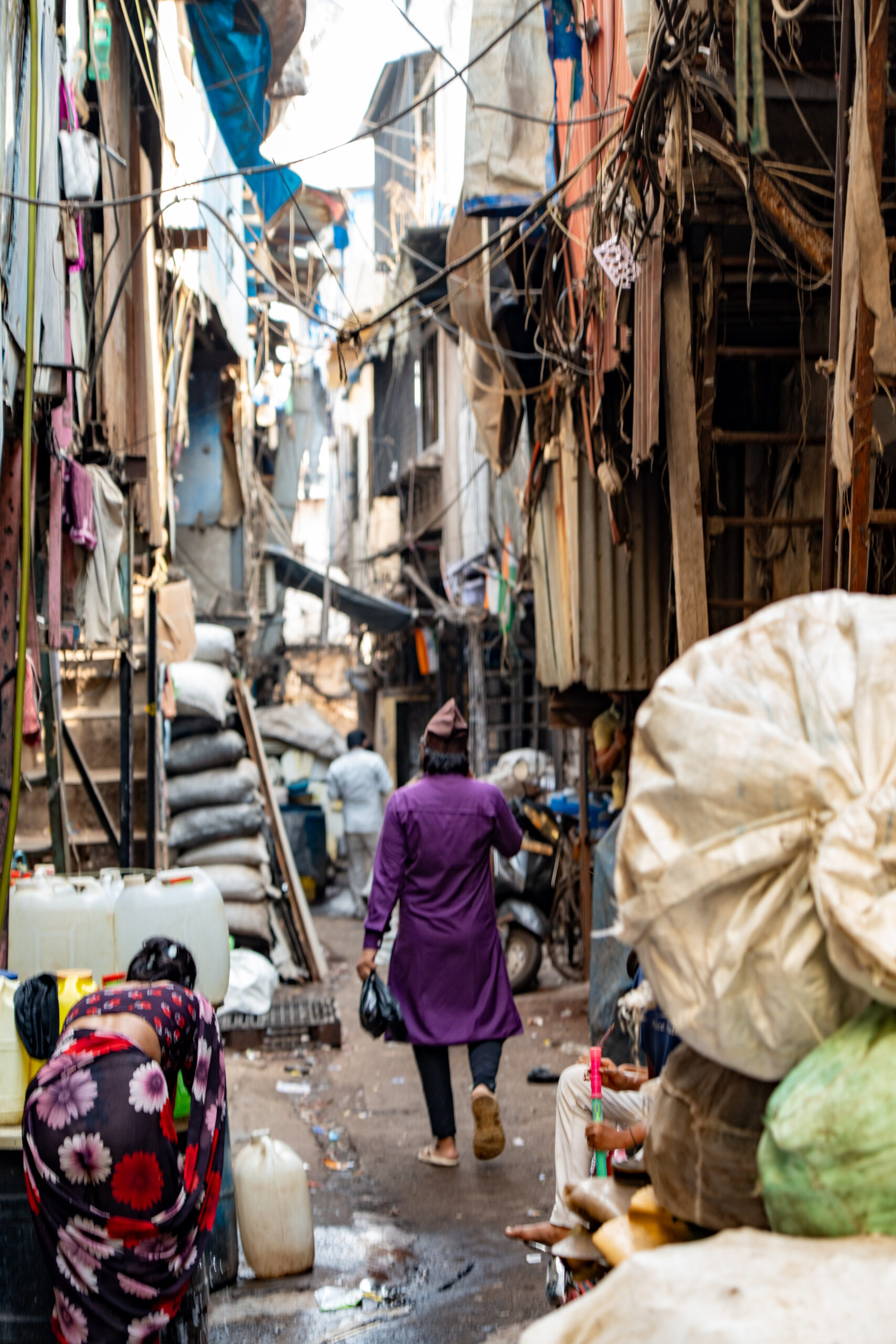
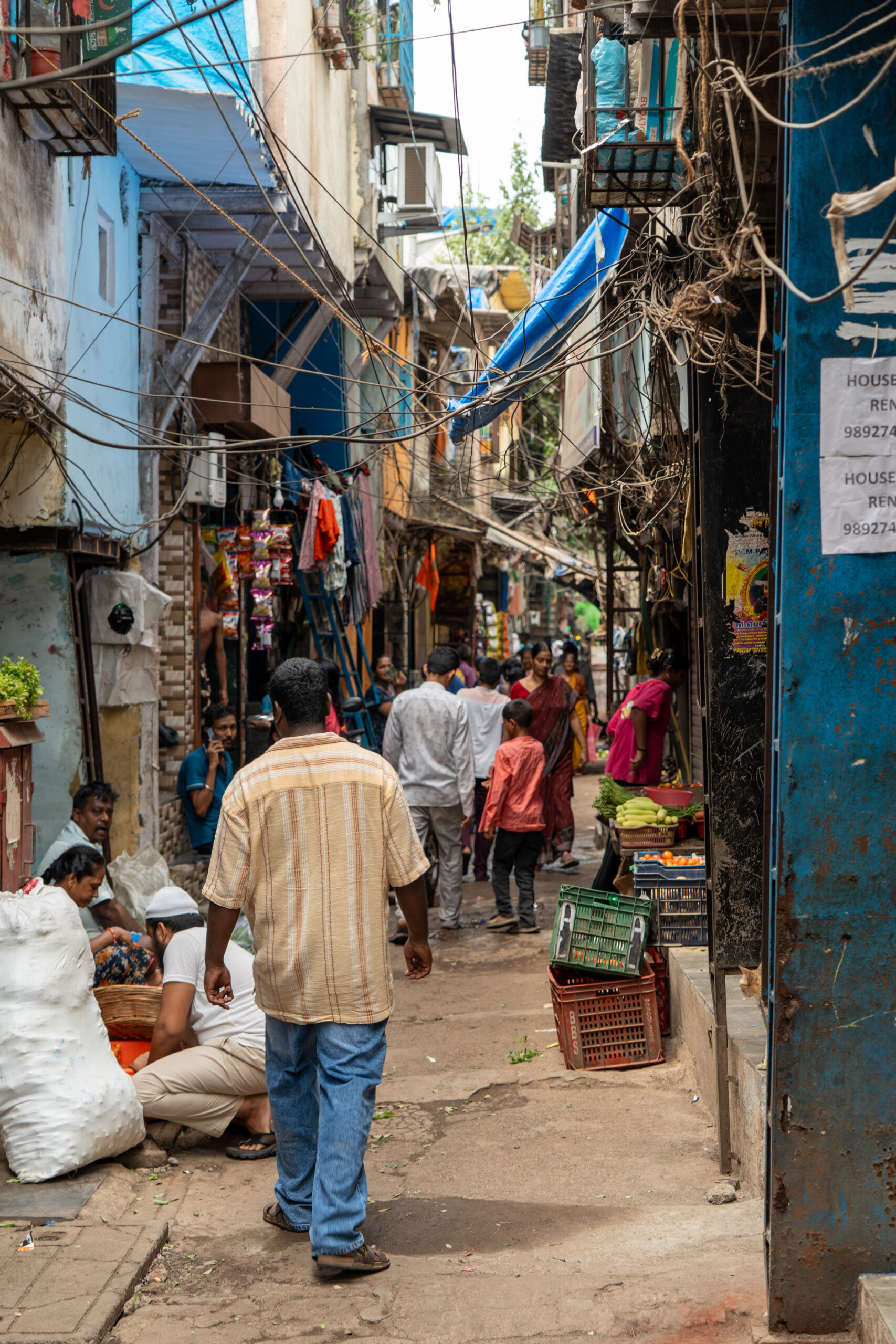
It’s is a vast, tightly packed settlement spread over about 2.1 square kilometres, home to hundreds of thousands—possibly over a million—people. Narrow lanes weave between small homes, workshops, and community spaces. Many structures are makeshift or built incrementally over time, often lacking formal planning, but the area is far from chaotic in a social sense.
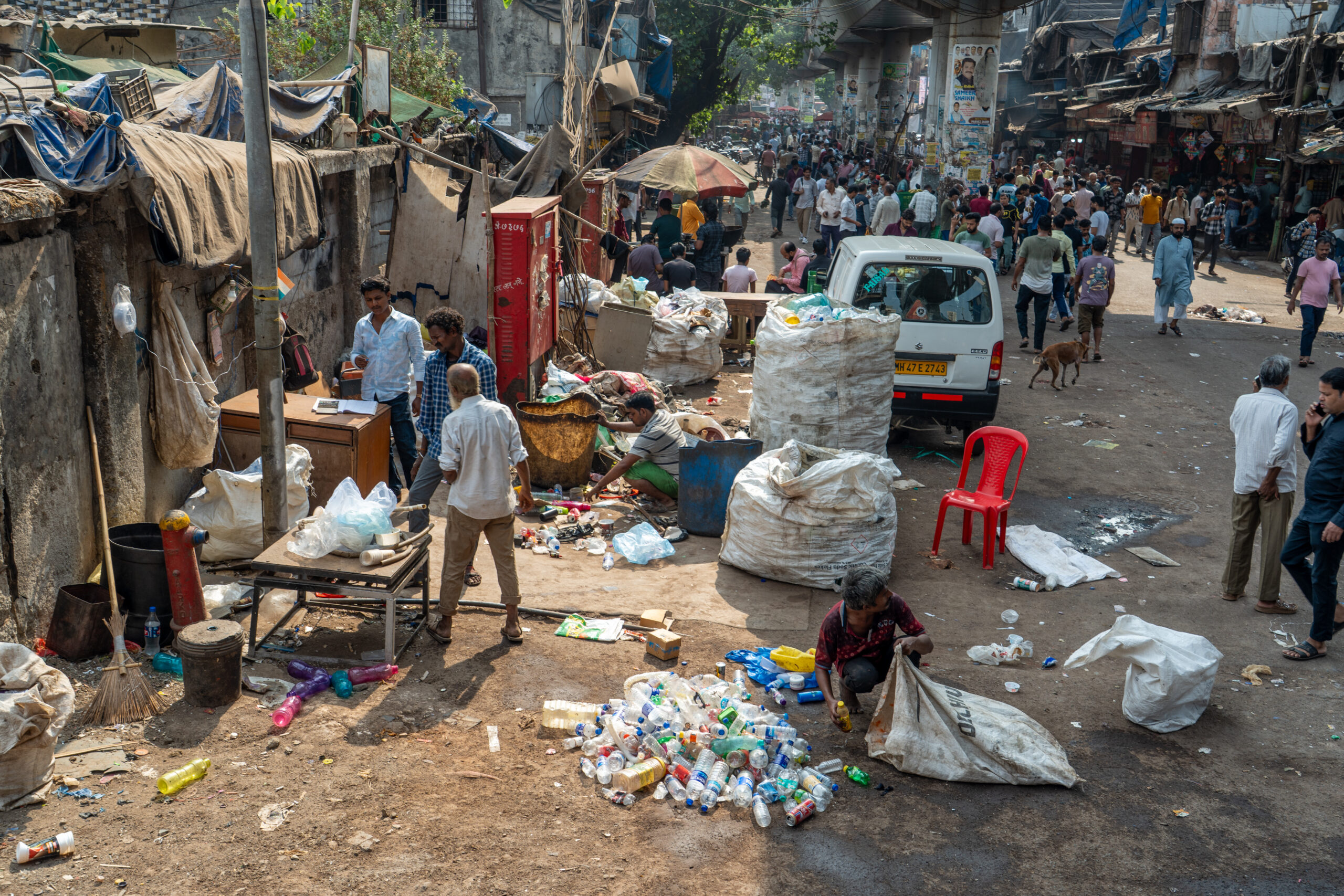
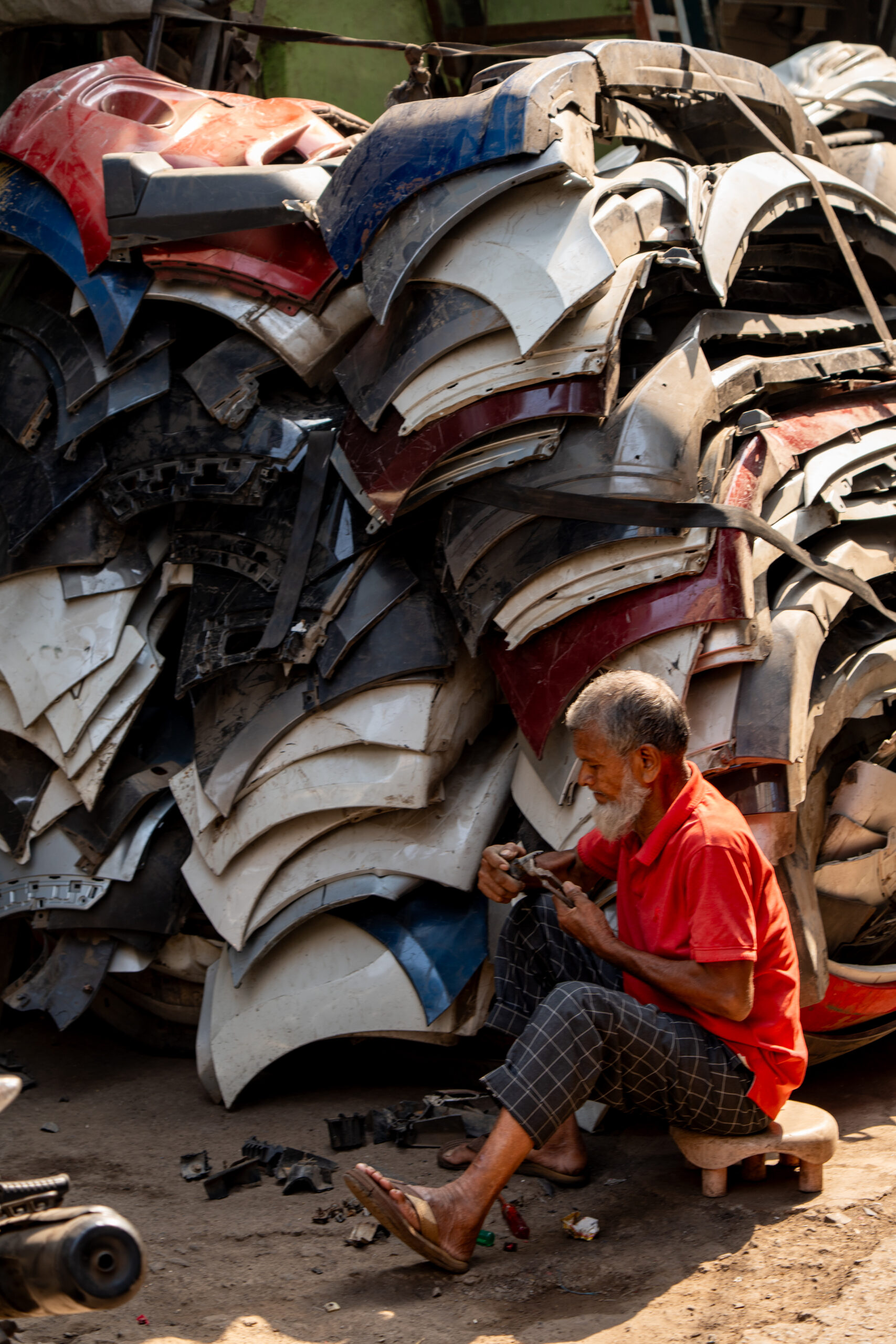
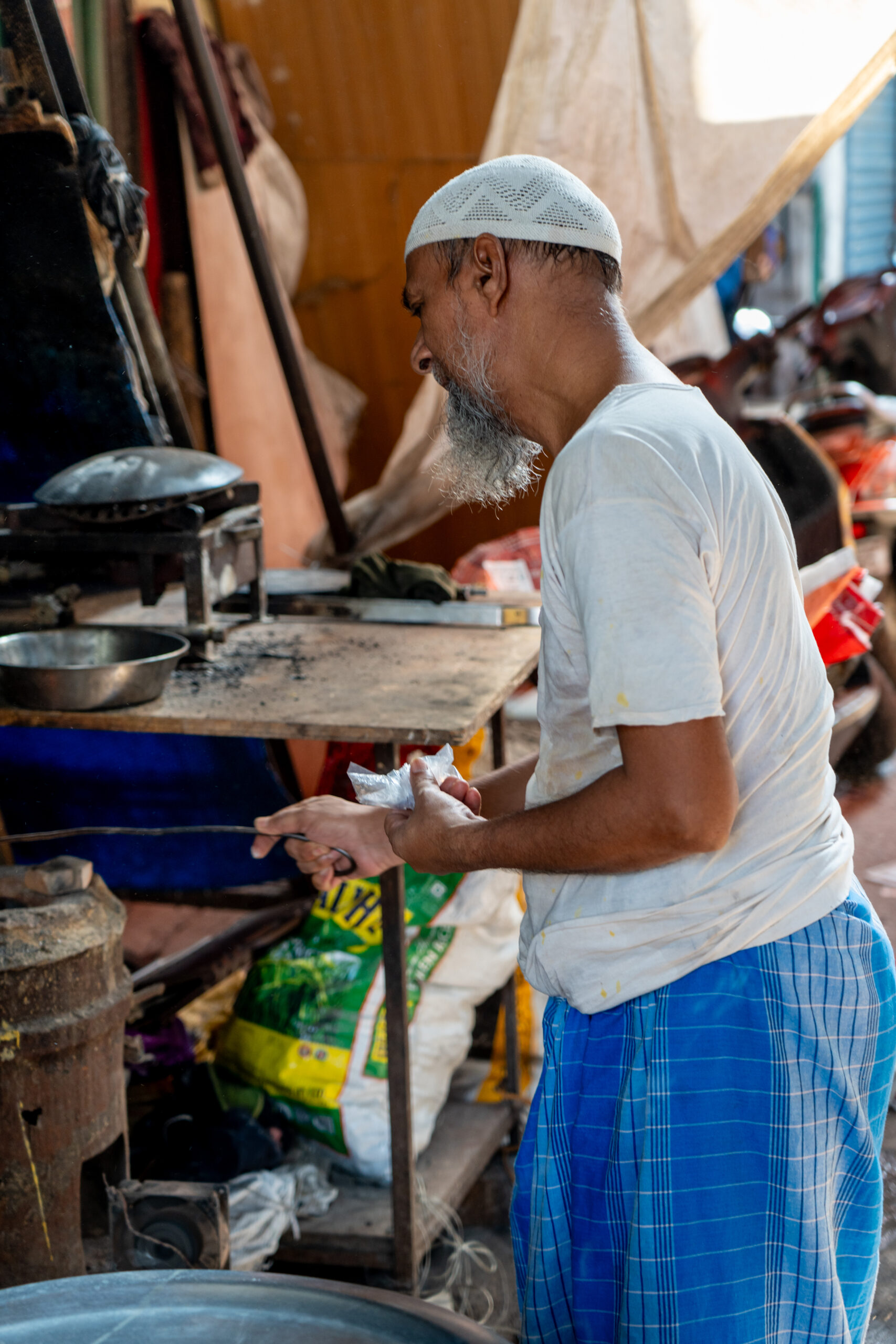
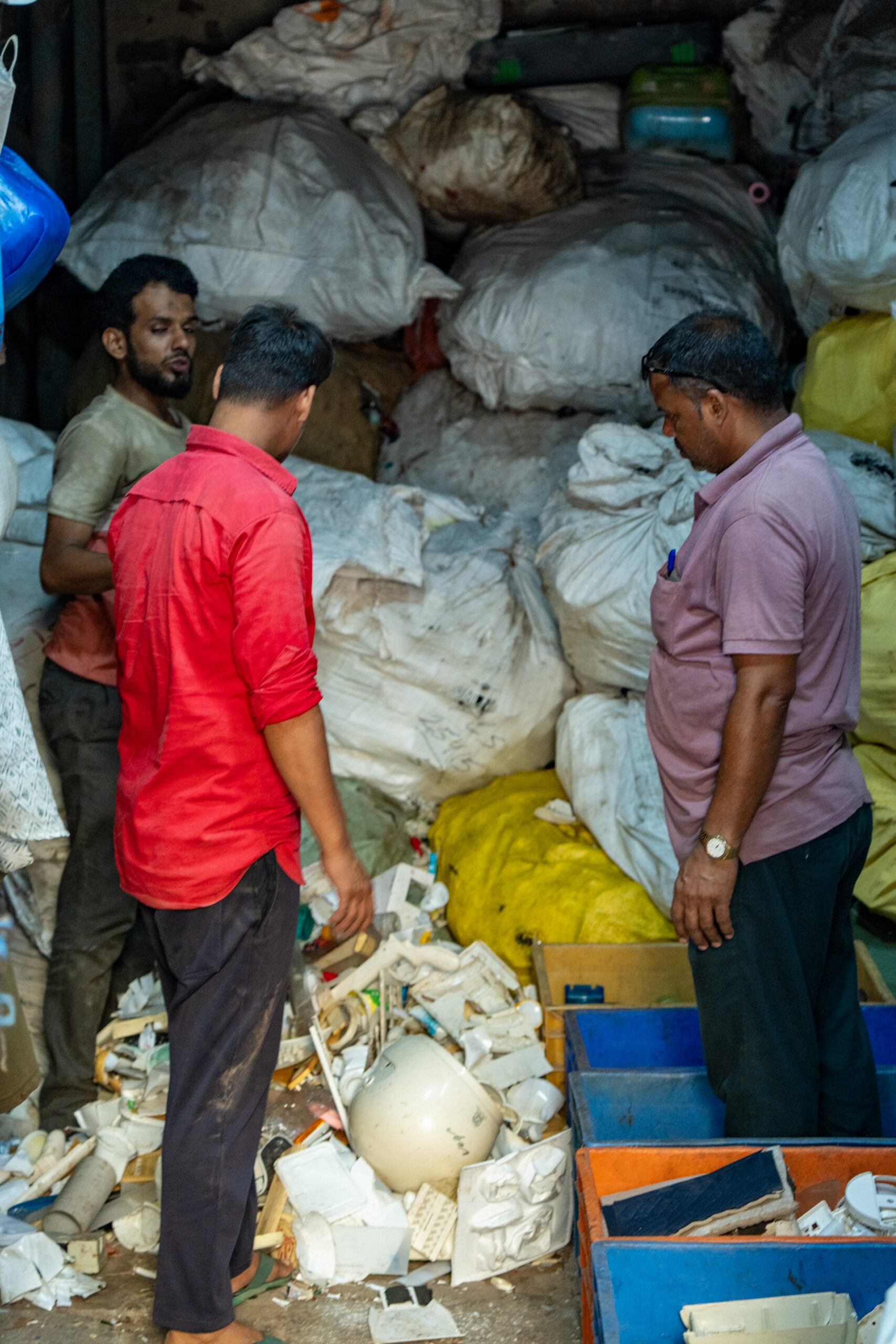
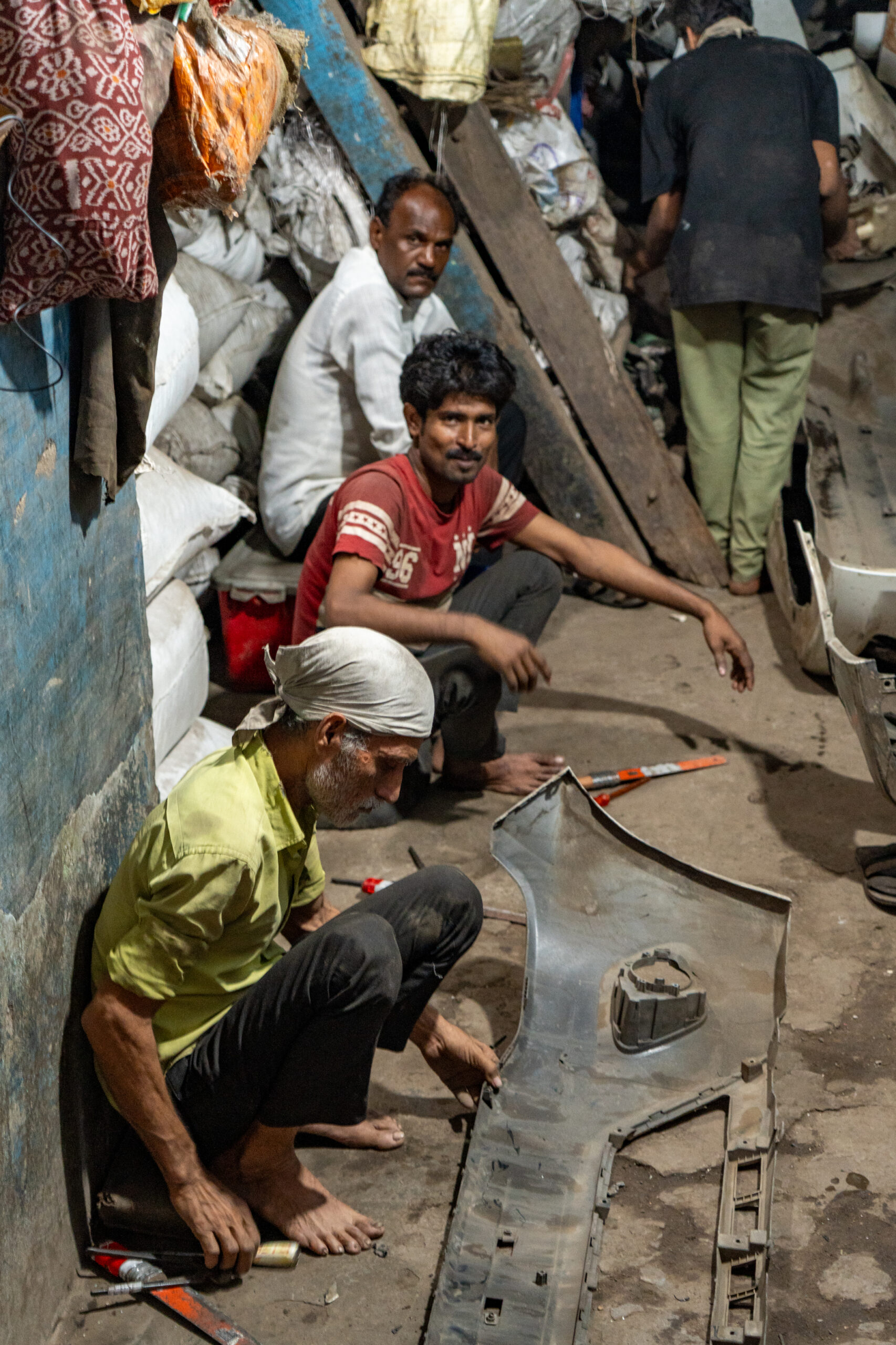
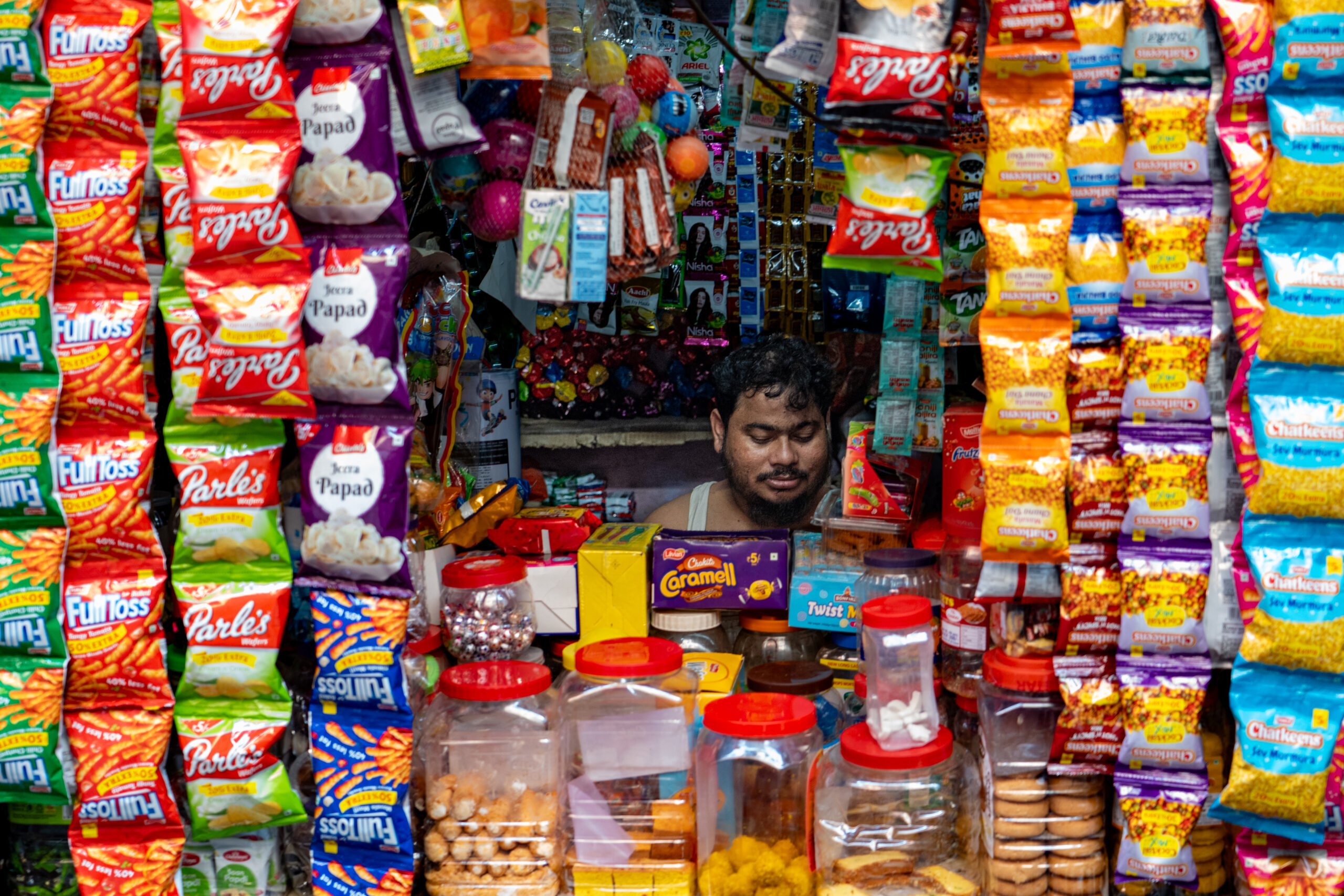
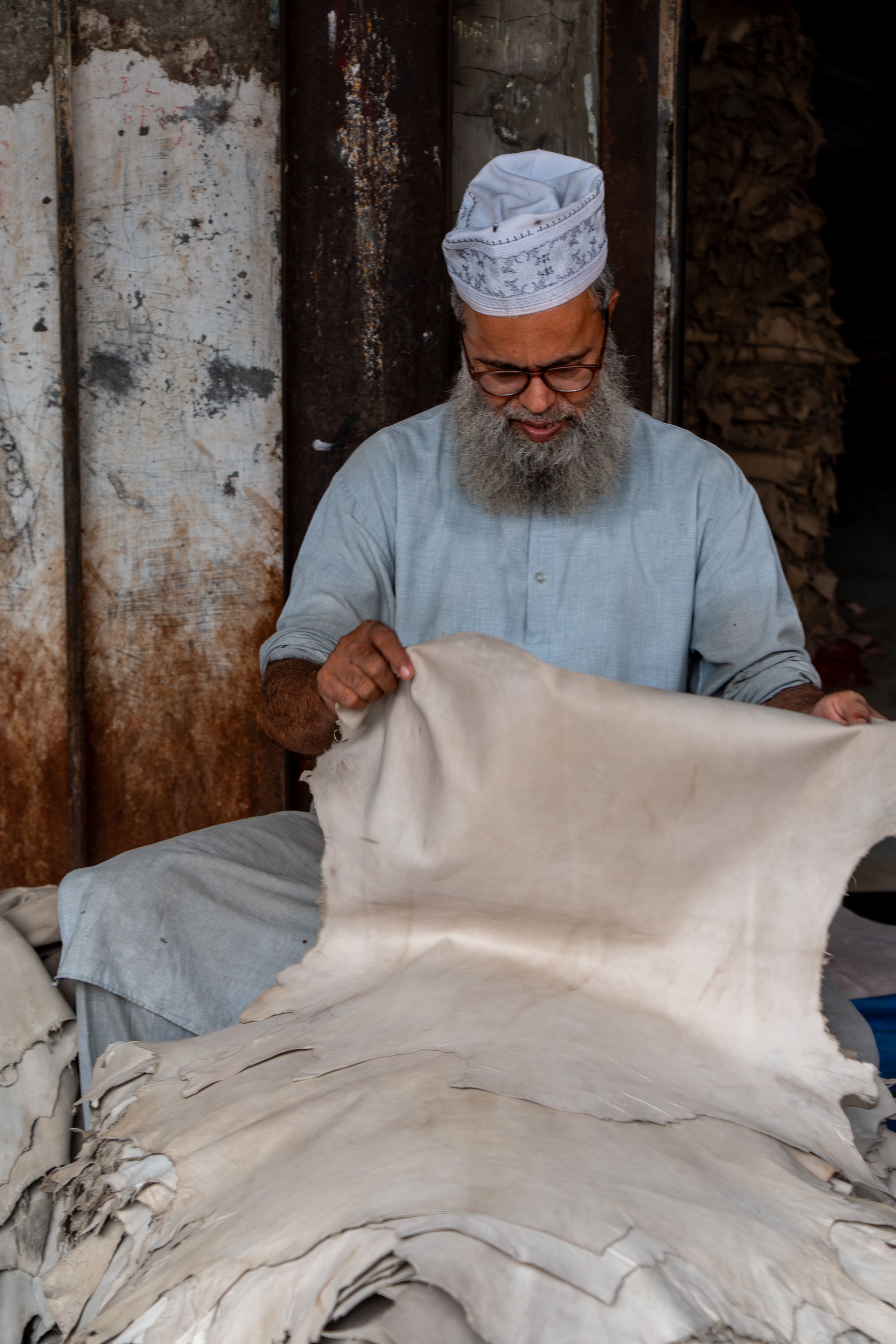
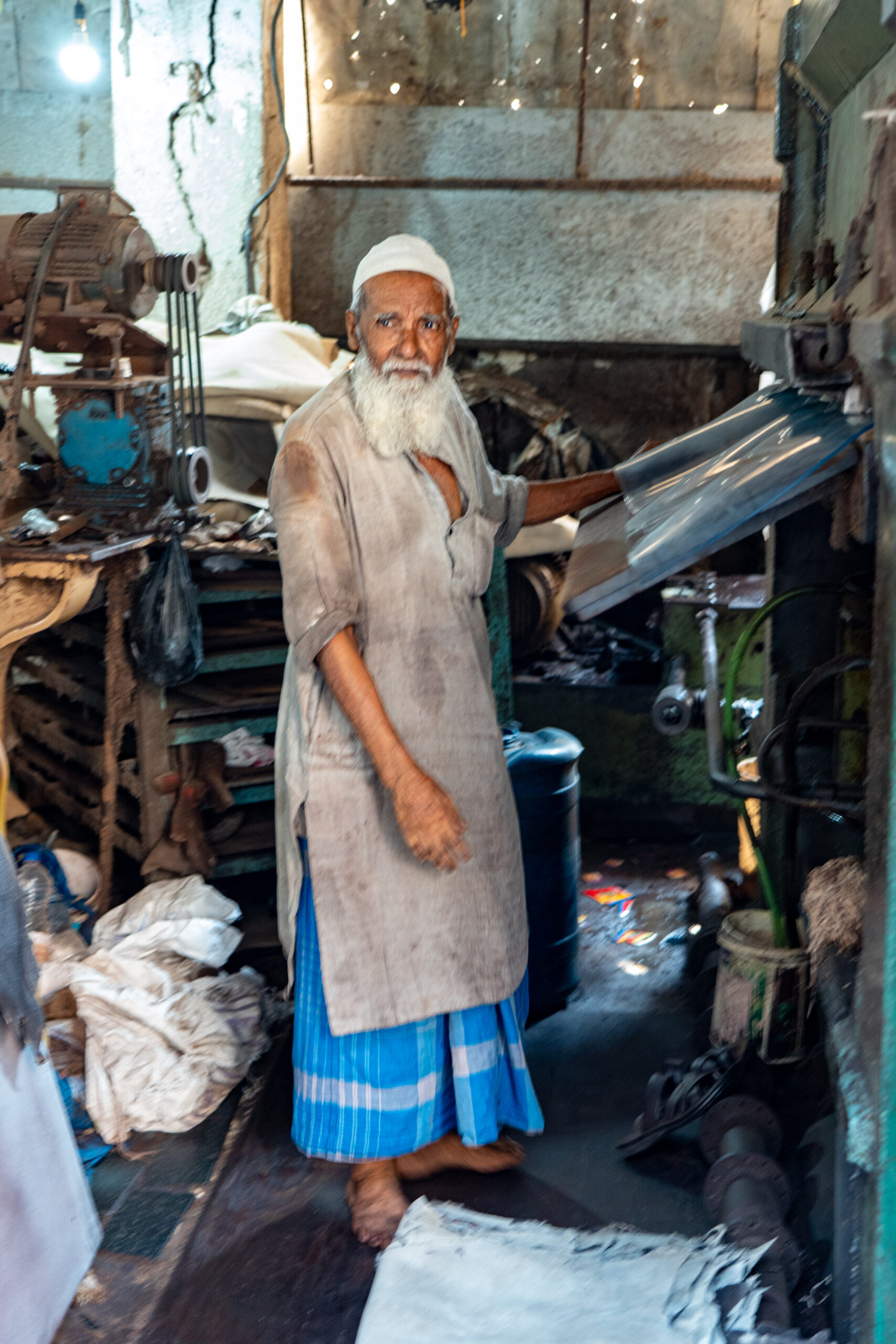
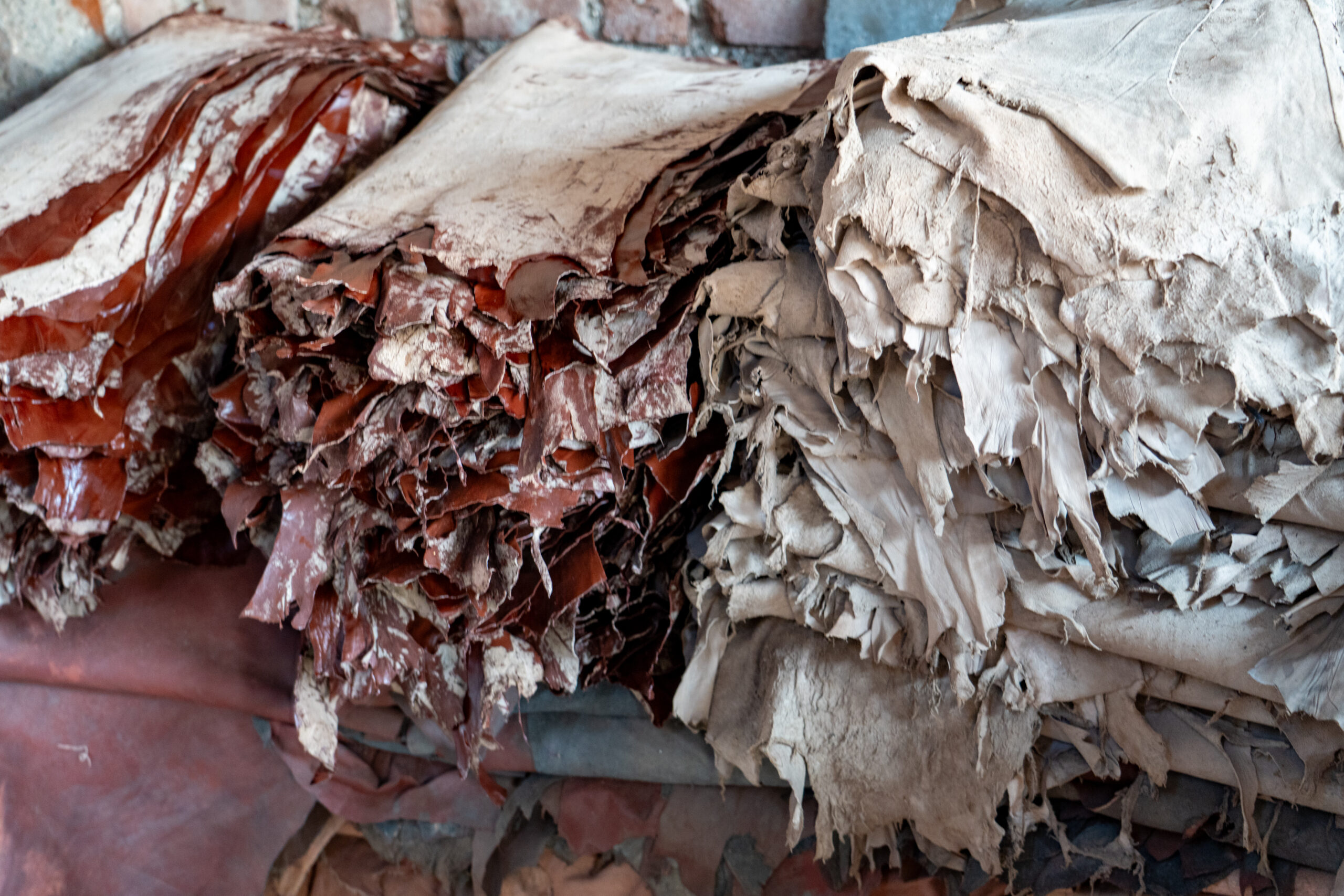
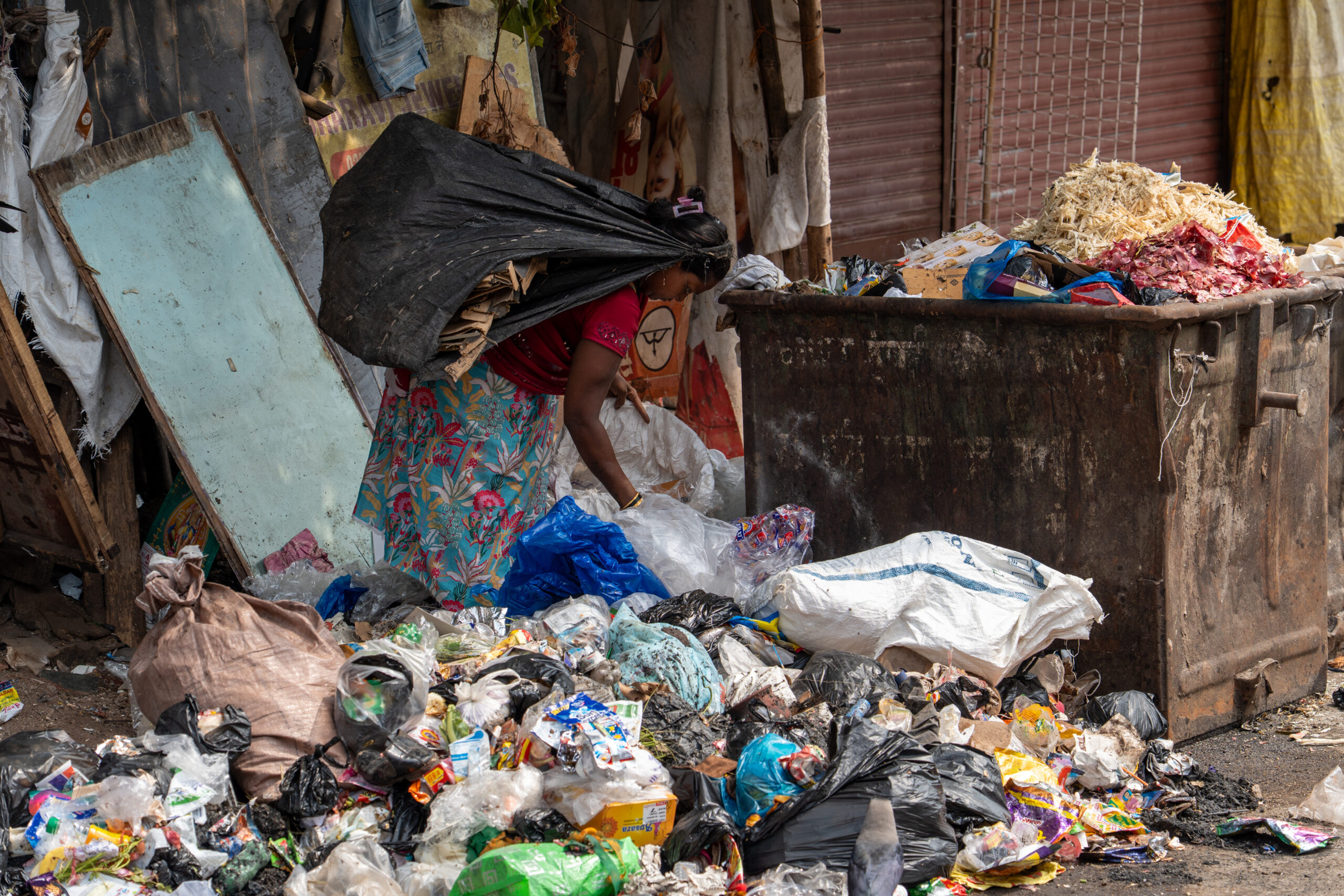
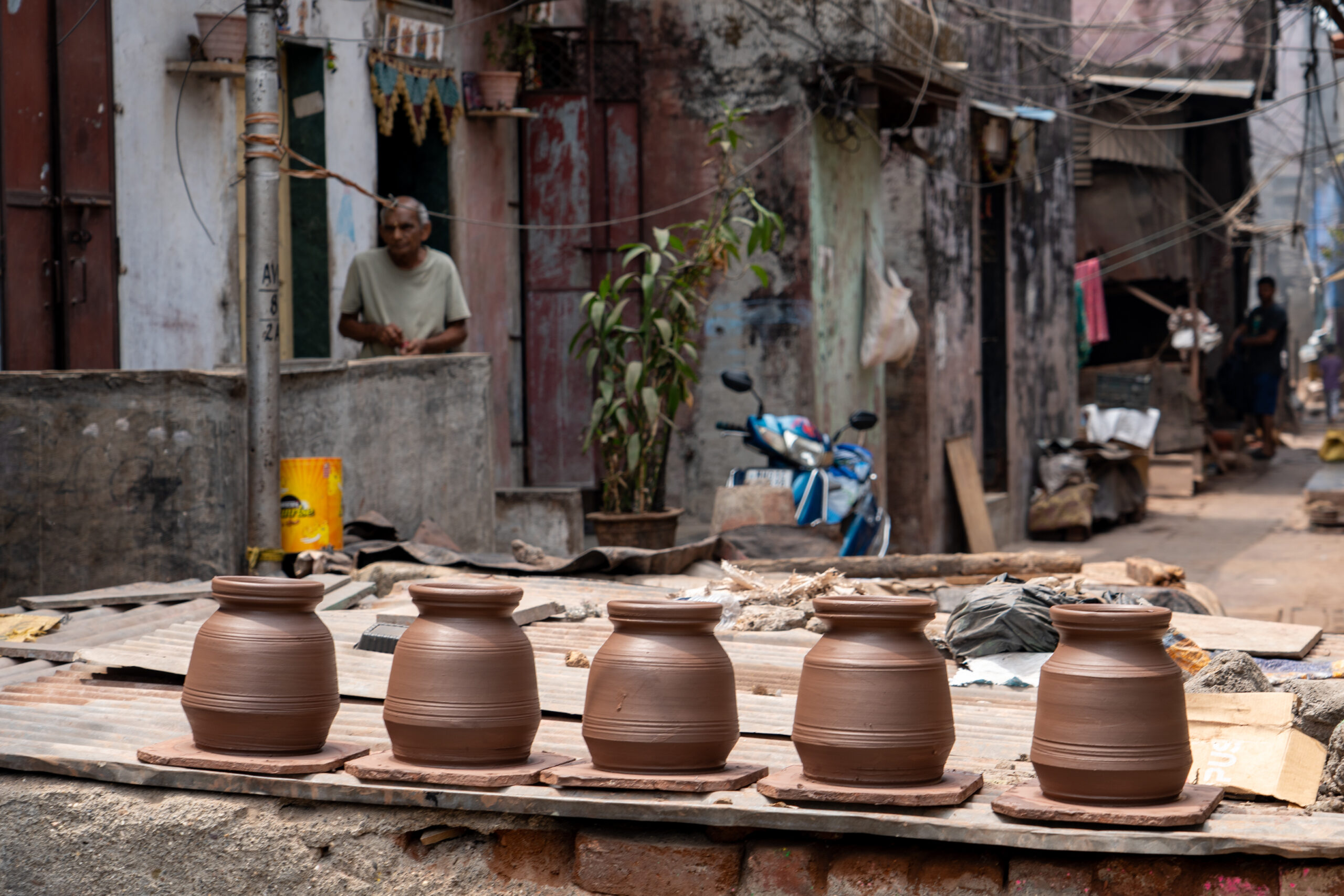
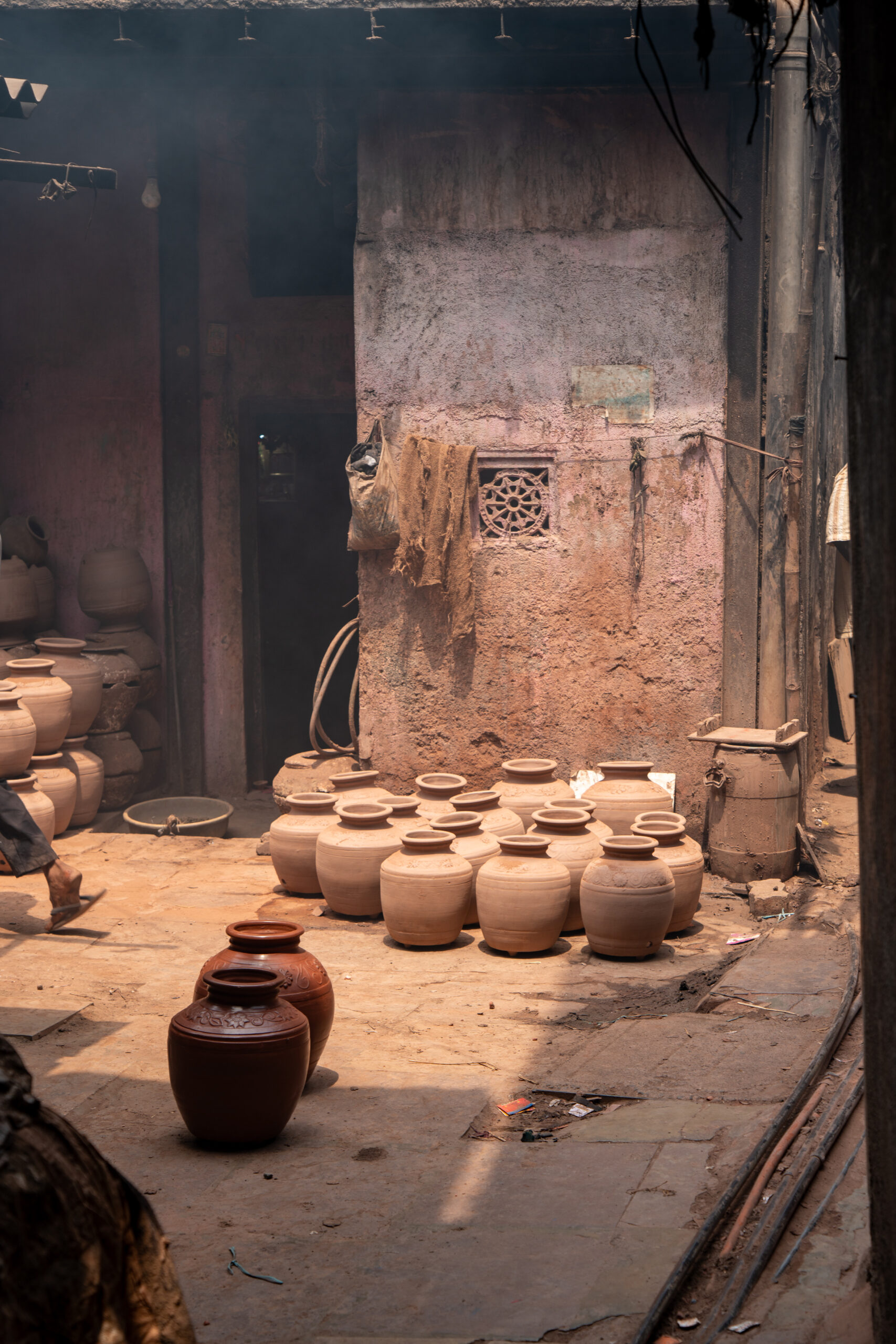
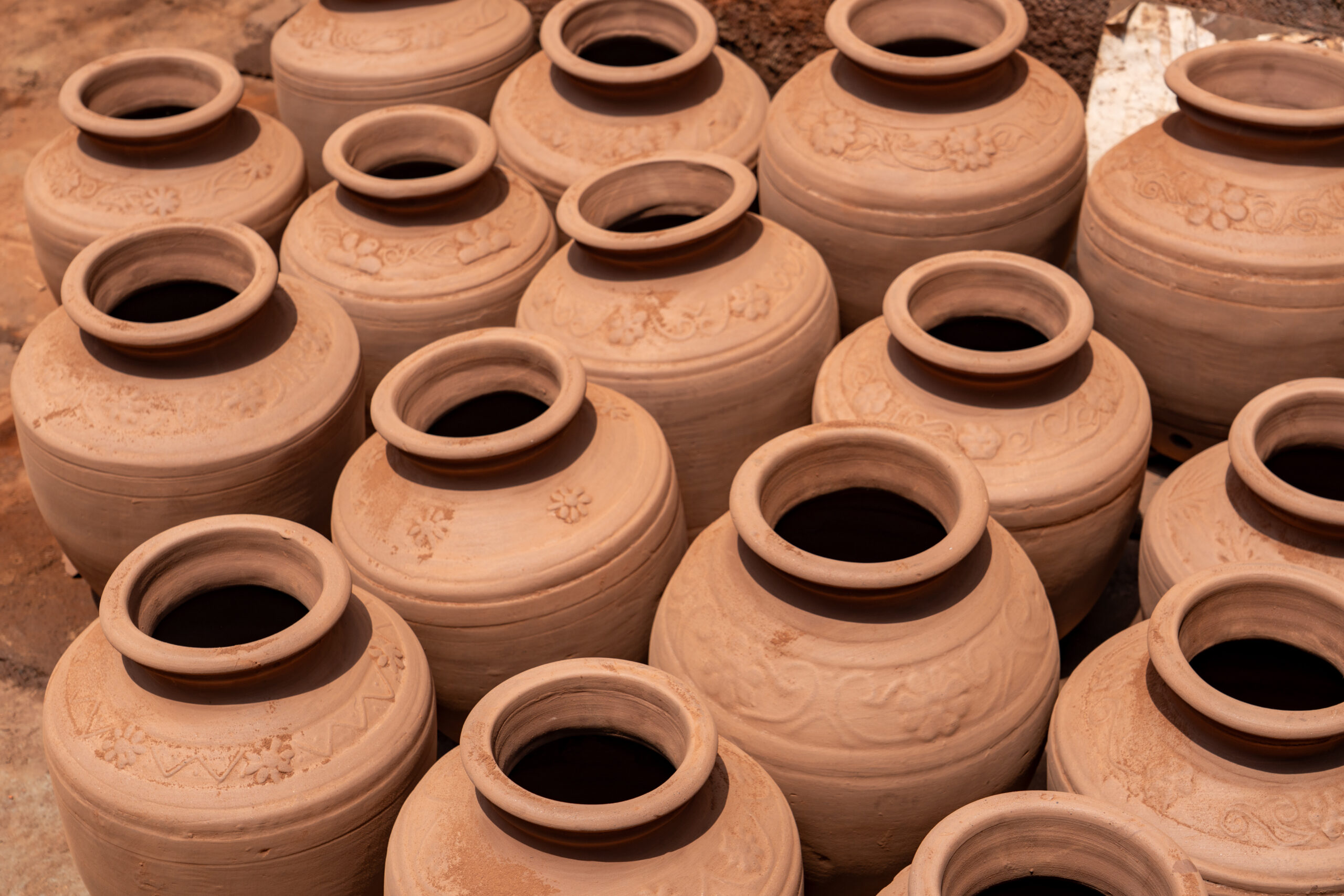
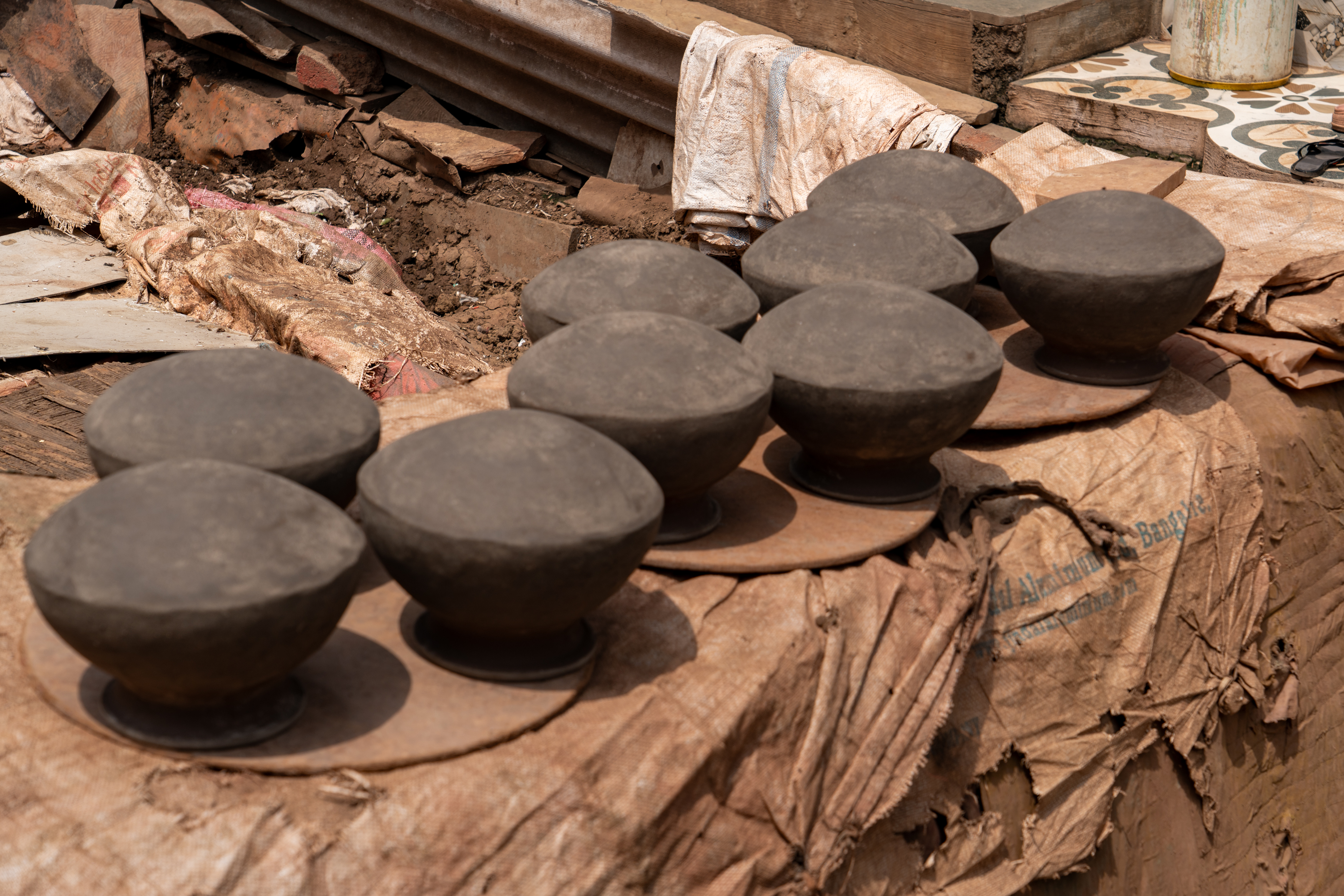
What makes Dharavi remarkable is its informal economy. It’s a hub of small-scale industries—recycling, pottery, leather goods, textiles, food production—generating significant economic output every year. For example, Dharavi is known for its large recycling network, where materials like plastic, metal, and paper are sorted and repurposed on a massive scale.
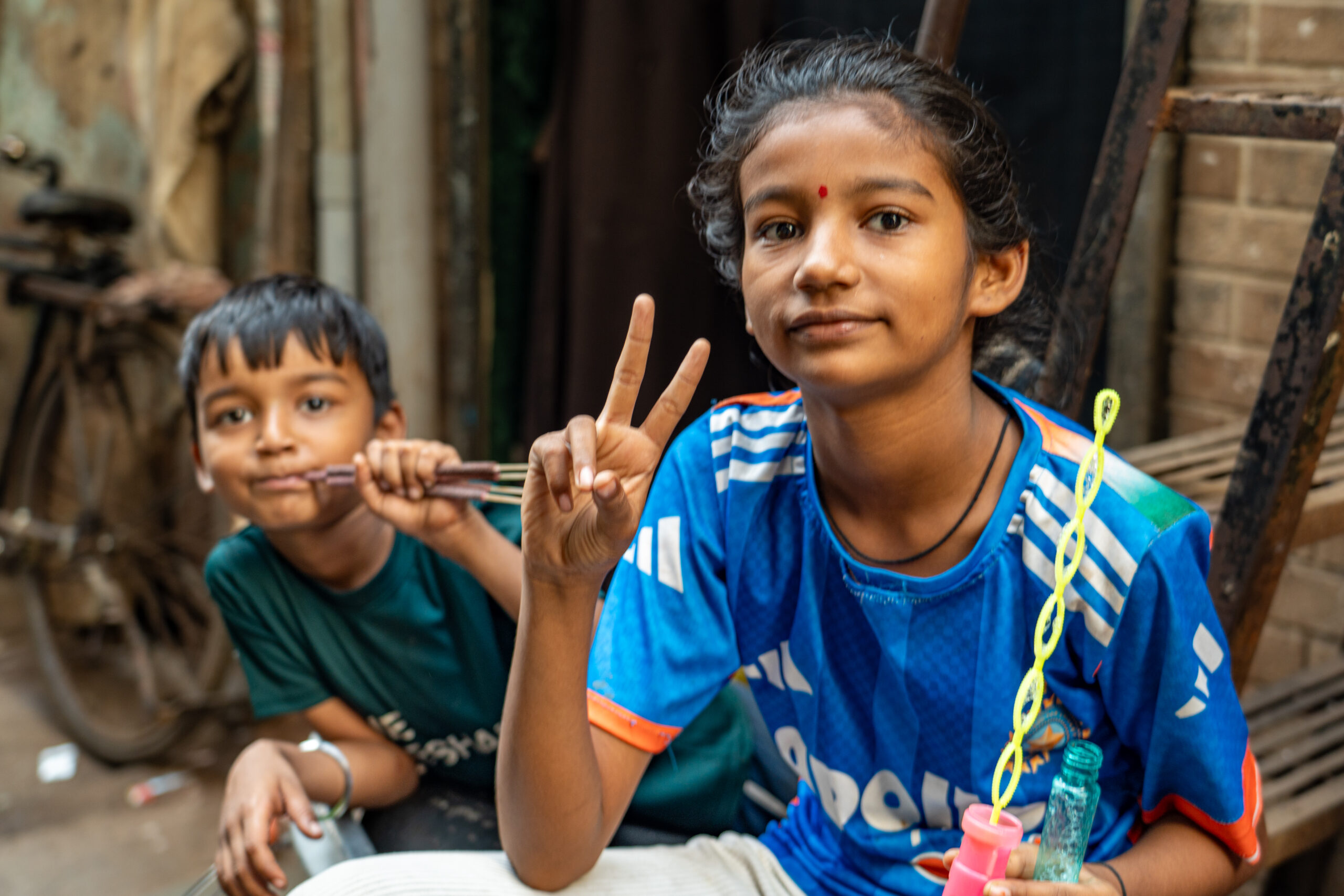
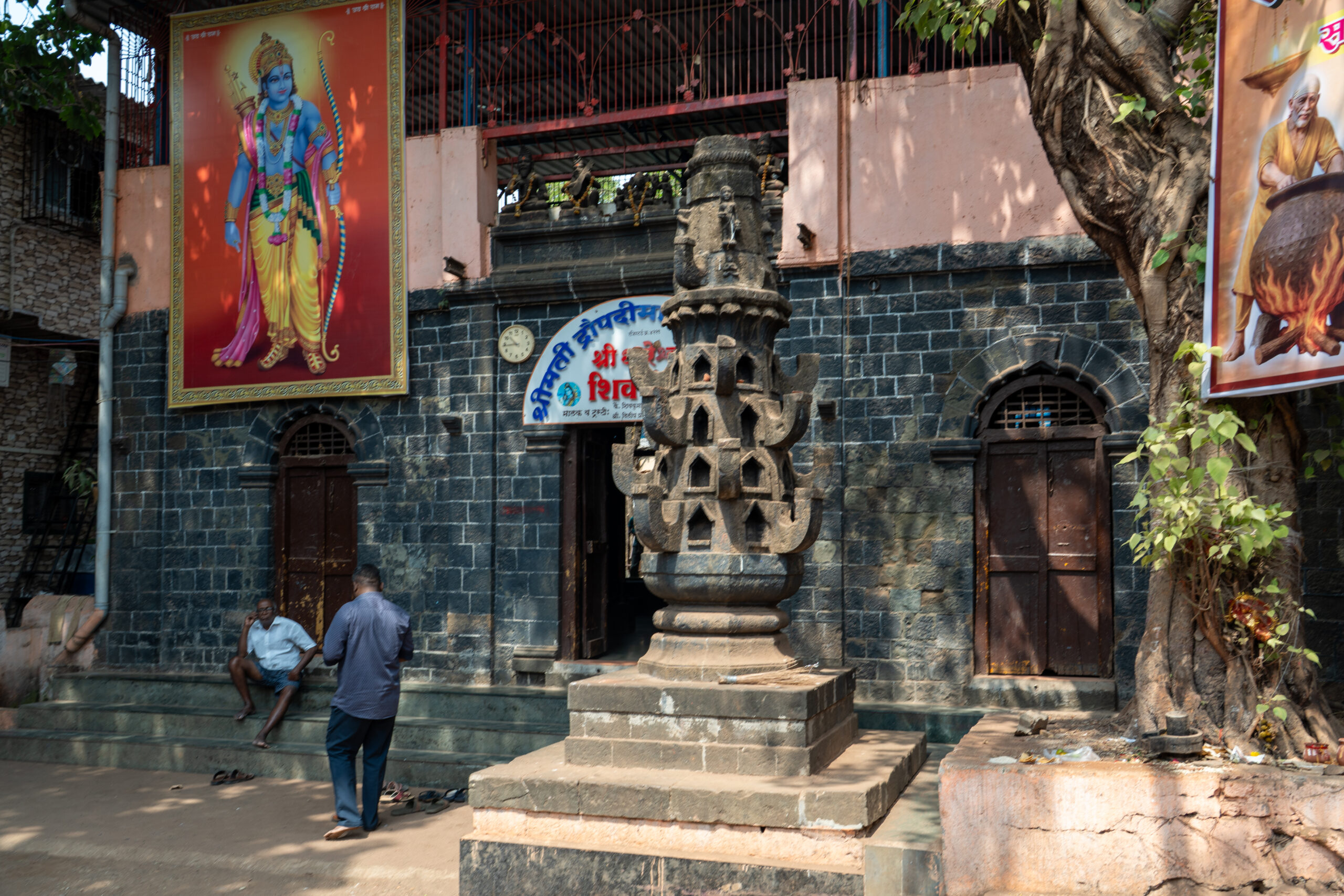
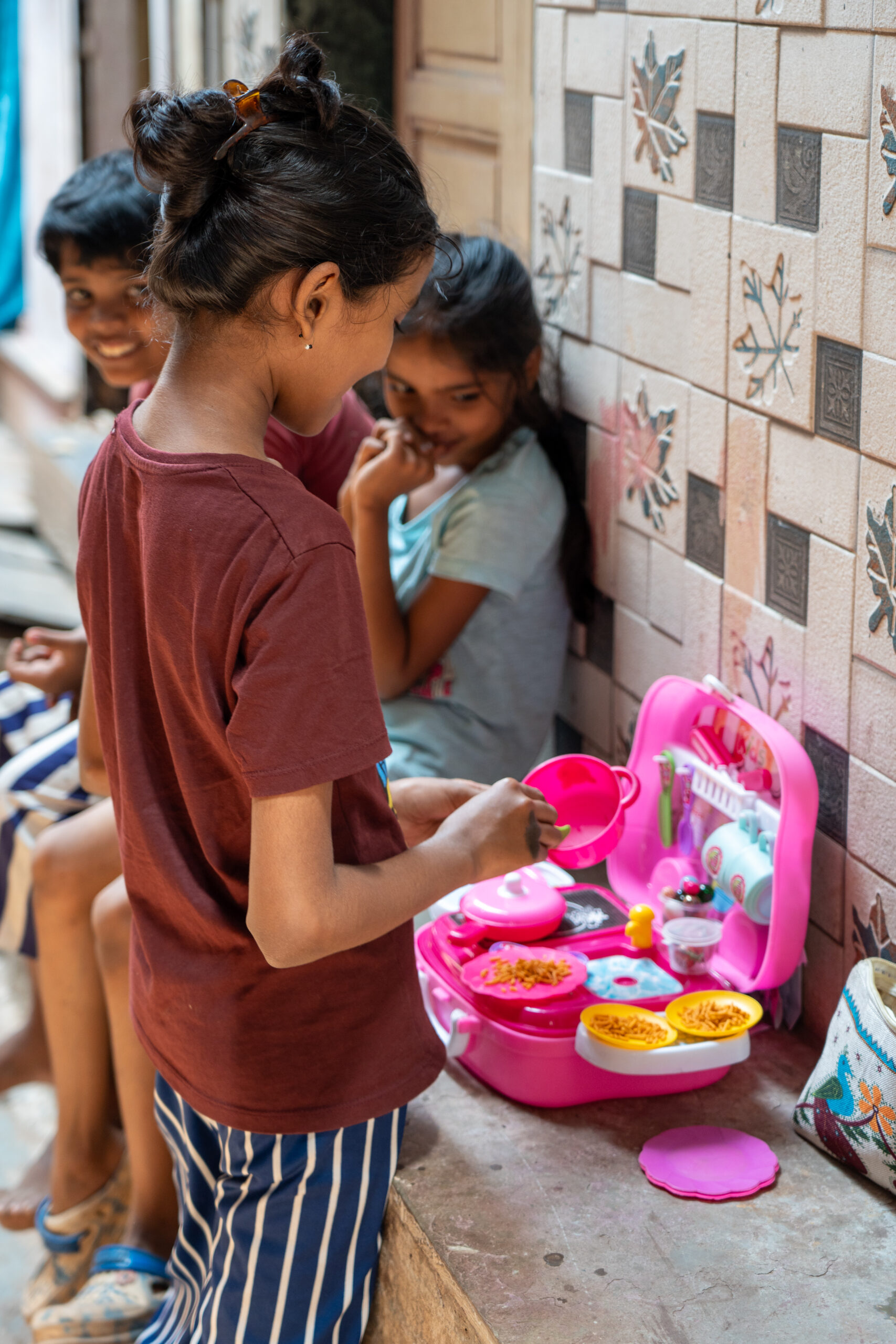
Culturally, it’s incredibly diverse. People from across India—speaking different languages and practicing different religions—live side by side. Despite difficult living conditions, there’s a strong sense of community, with local schools, temples, mosques, and social organizations playing key roles in daily life.
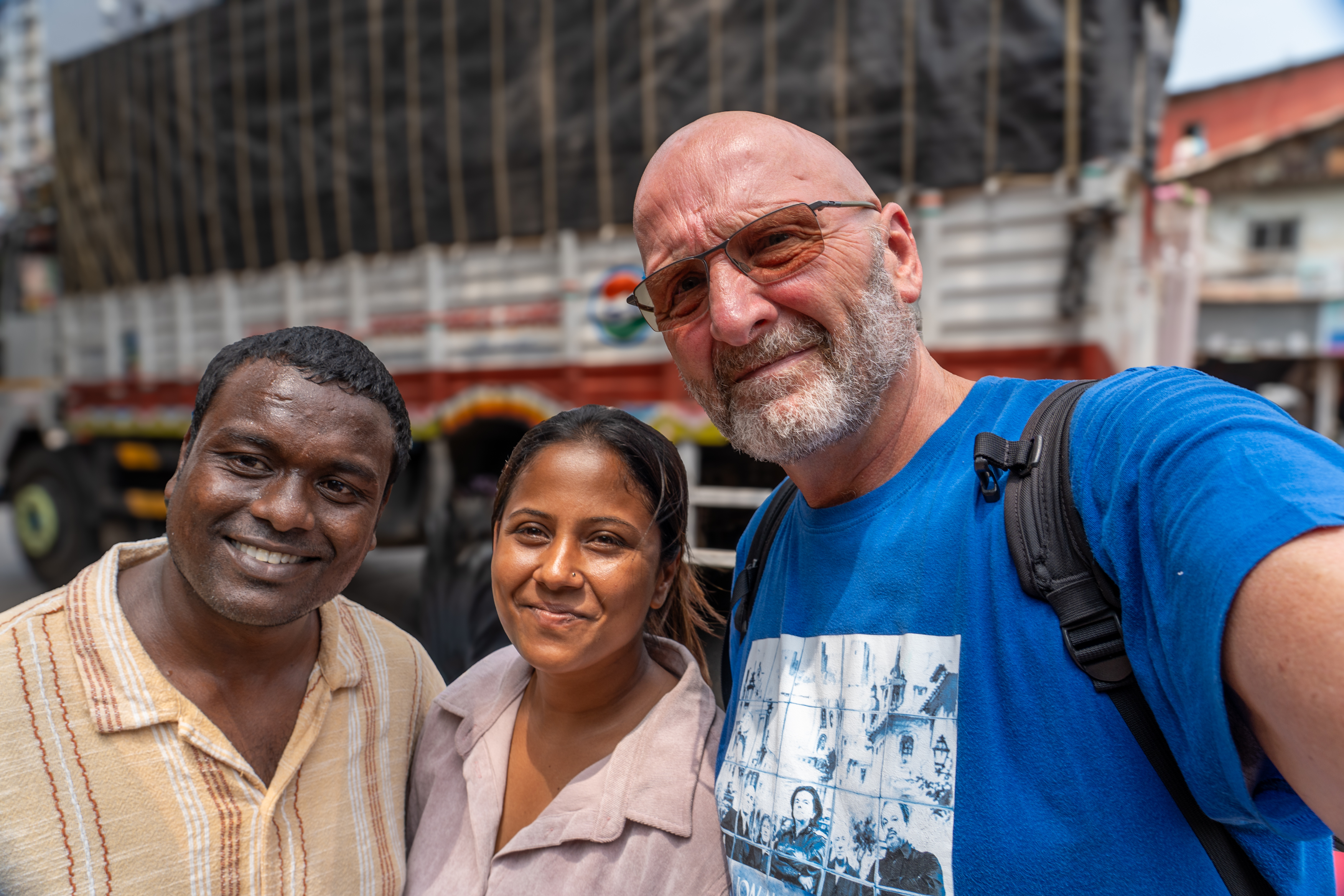
In order to get there, I took an uber to Churchgate station where I boarded a crowded commuter train to Mahim Station, a ride that took about 30 minutes. Not much later after arrival Akash and his wife arrived and we introduced ourselves. Then the tour started. We crossed the pedestrian bridge over the rails after we arrived immediately in Dharavi.
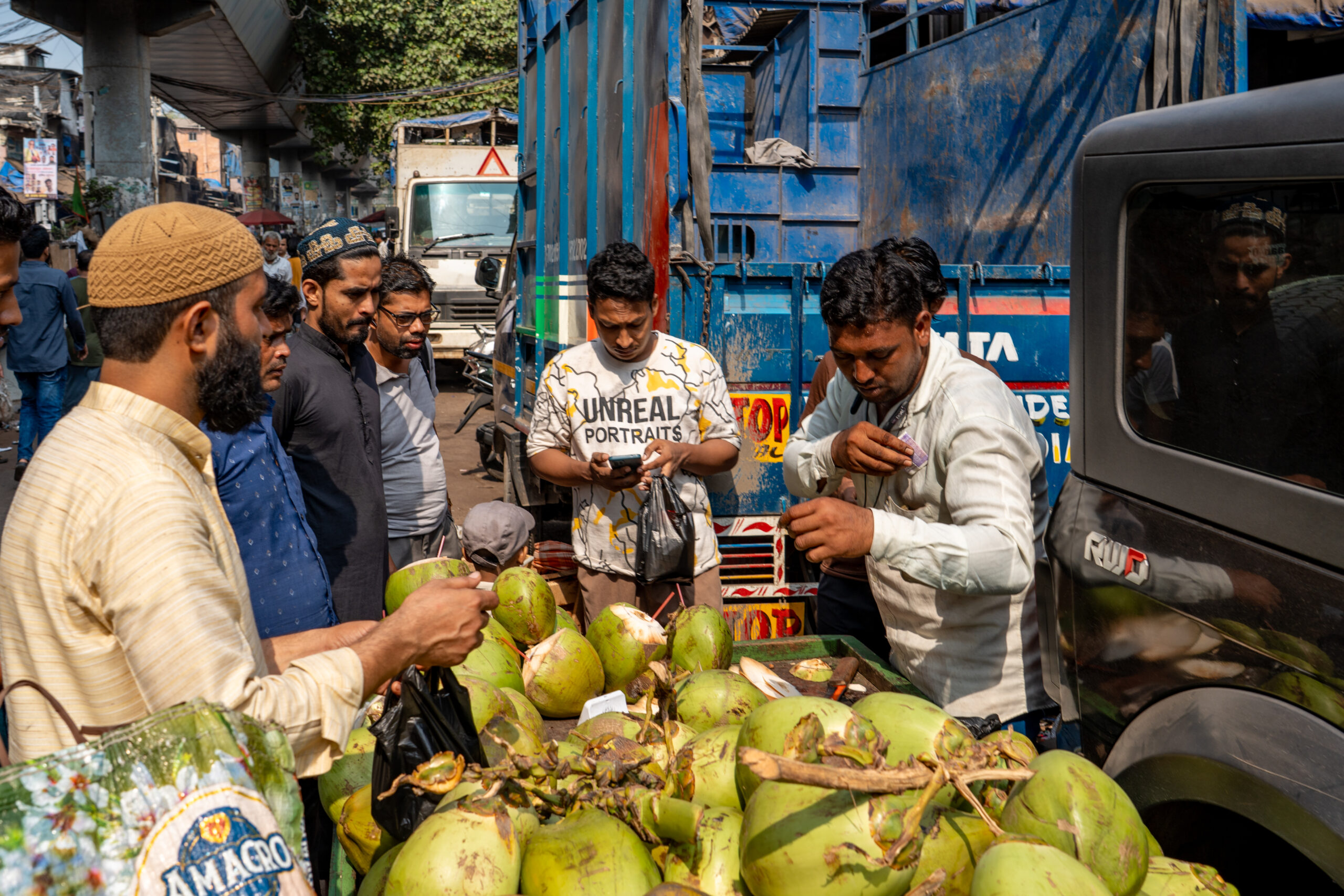
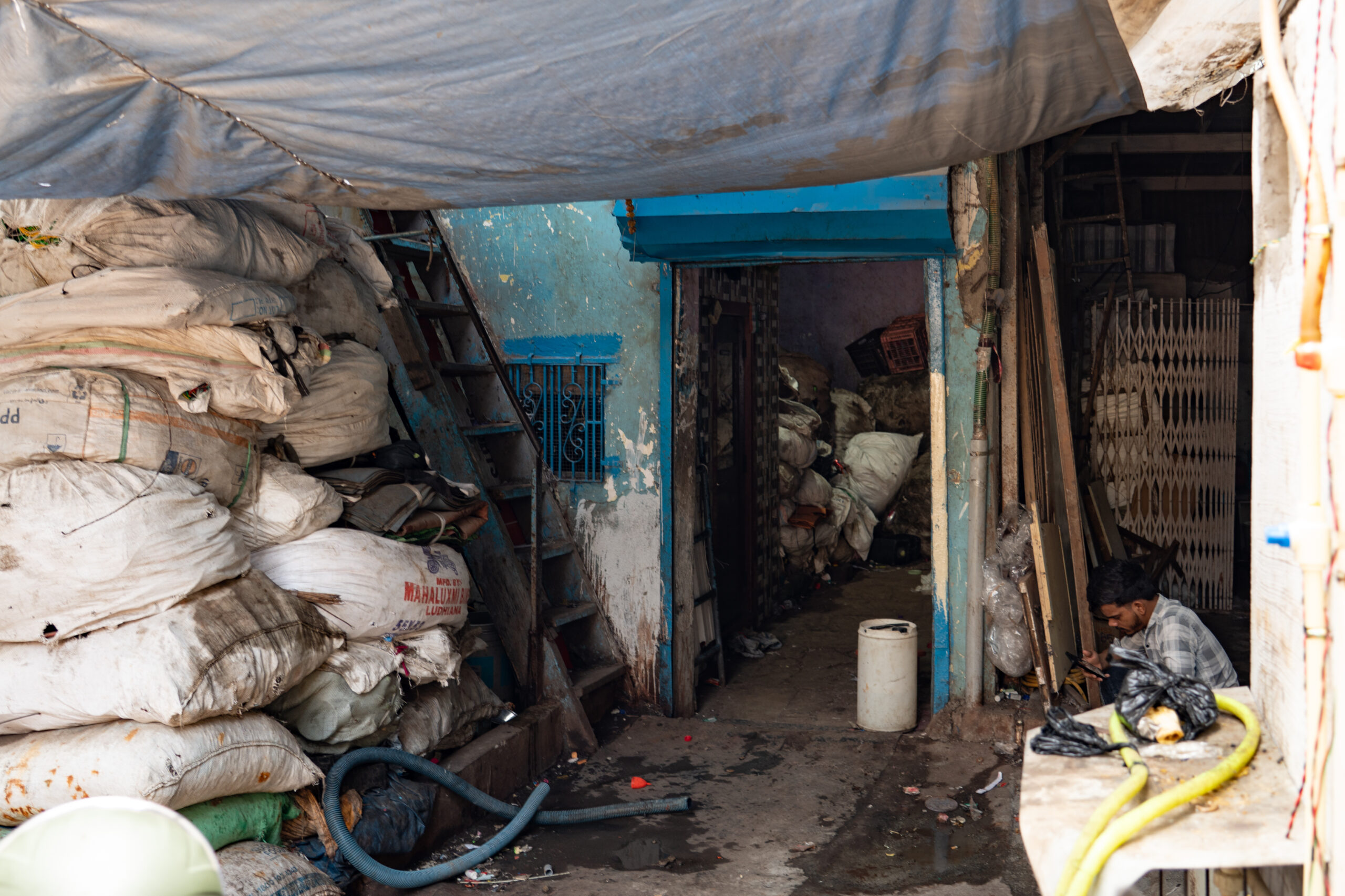
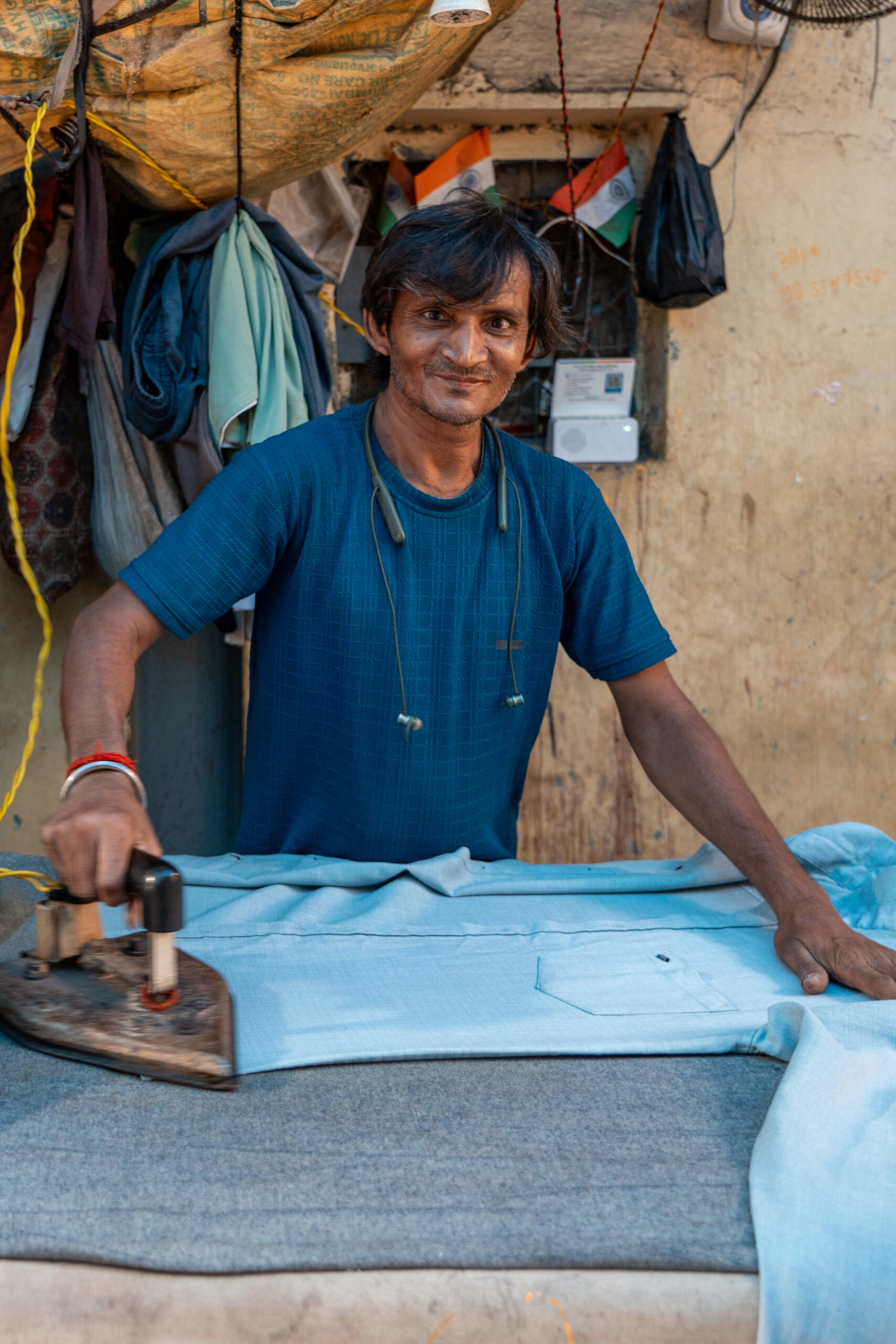
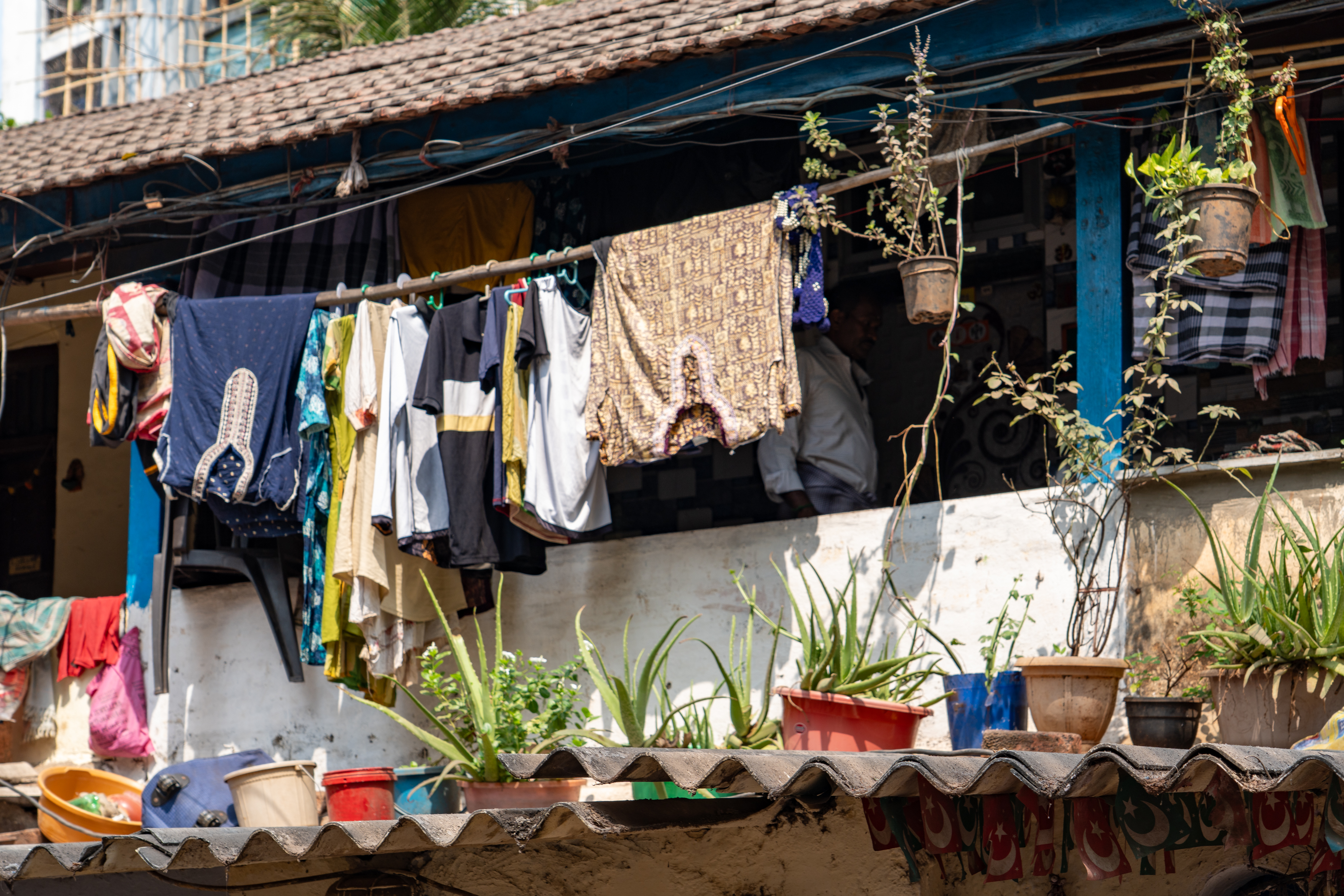
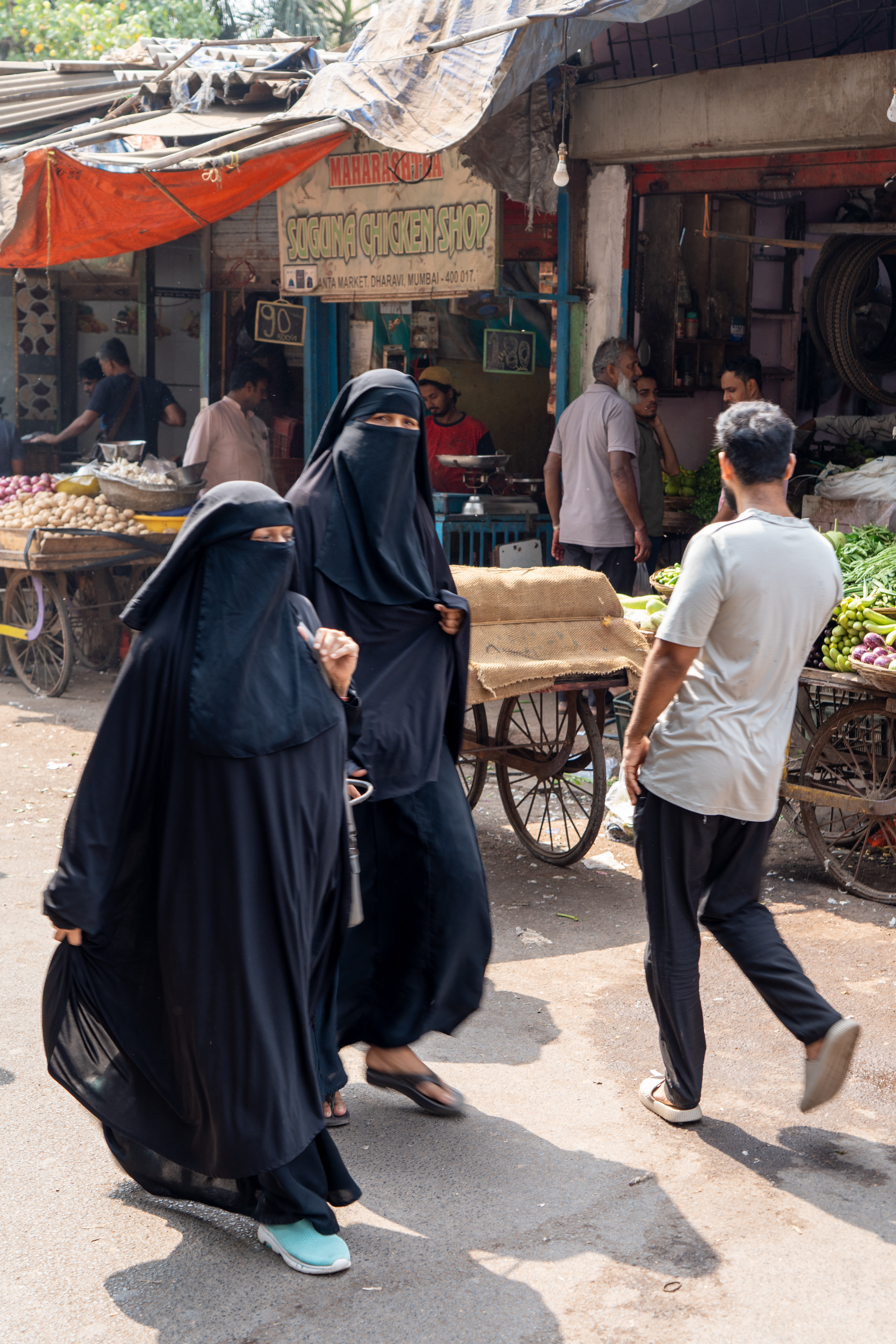
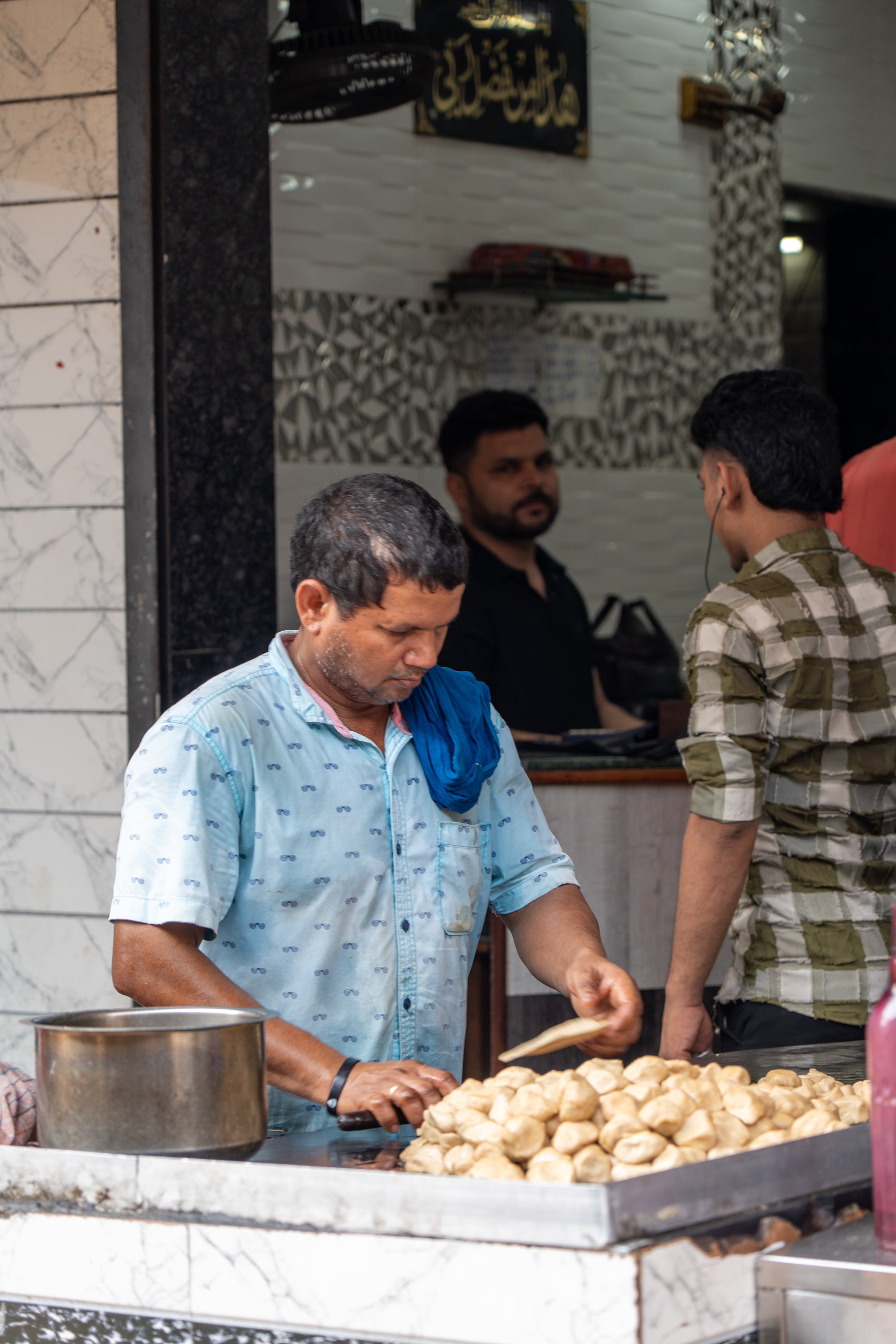
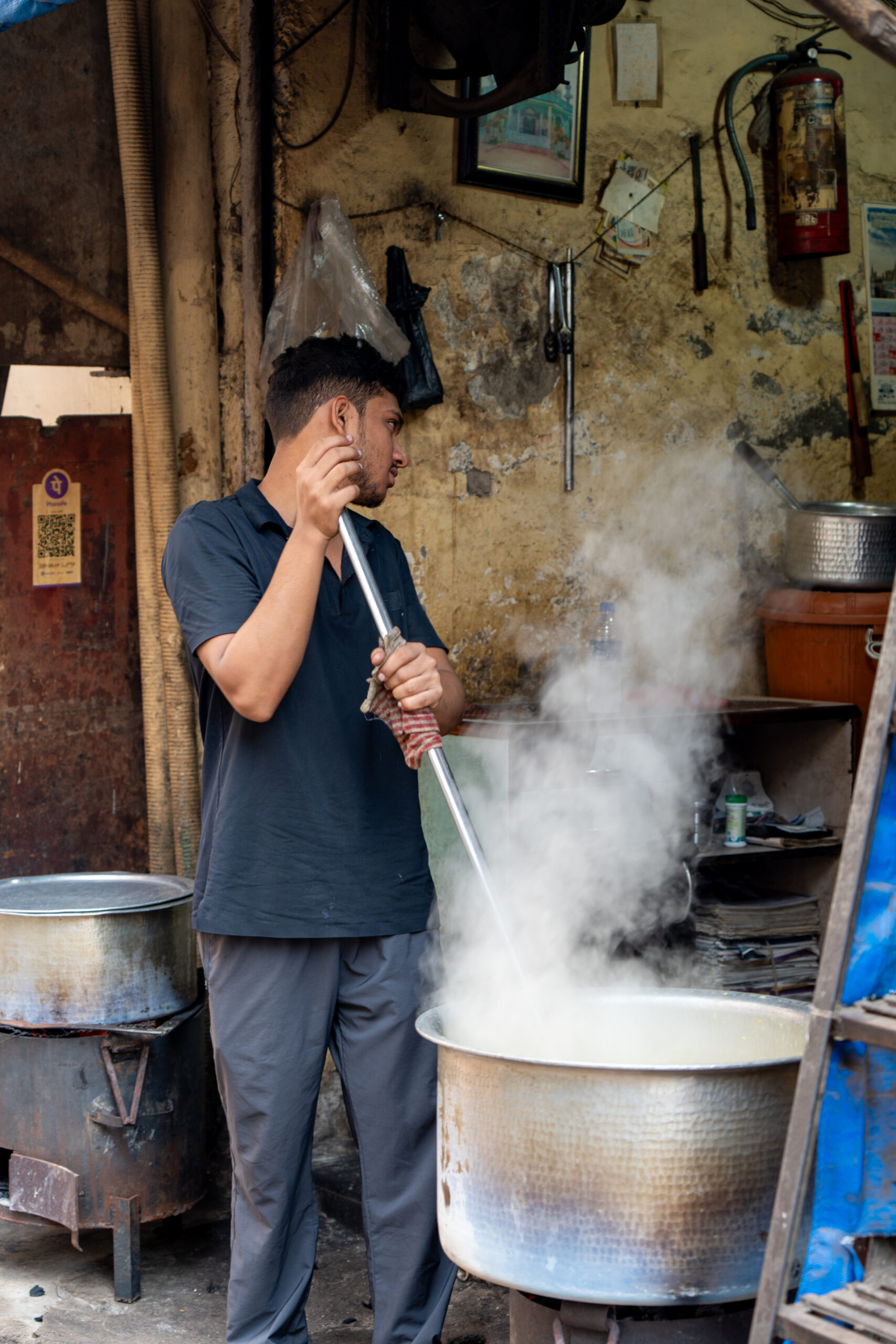
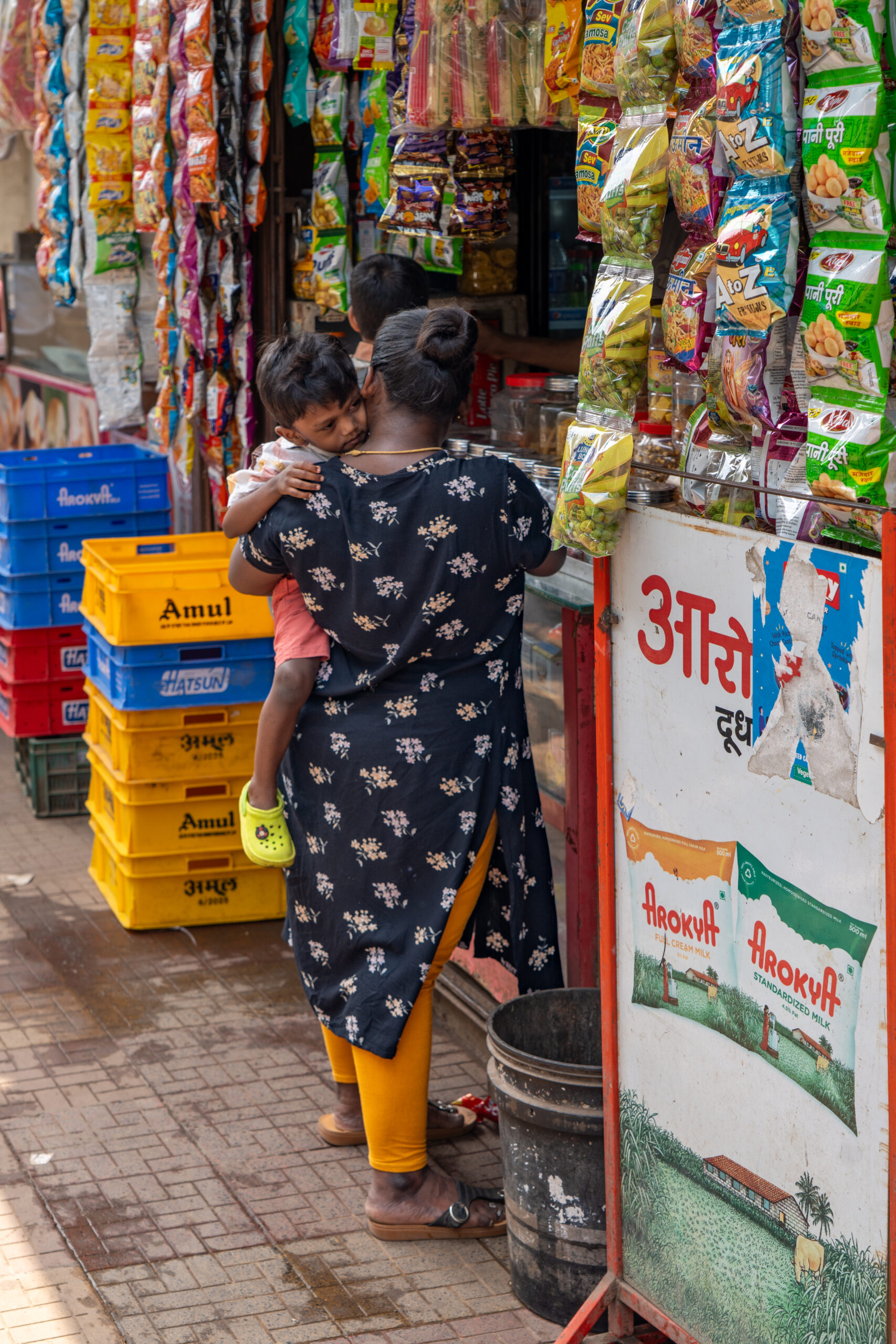
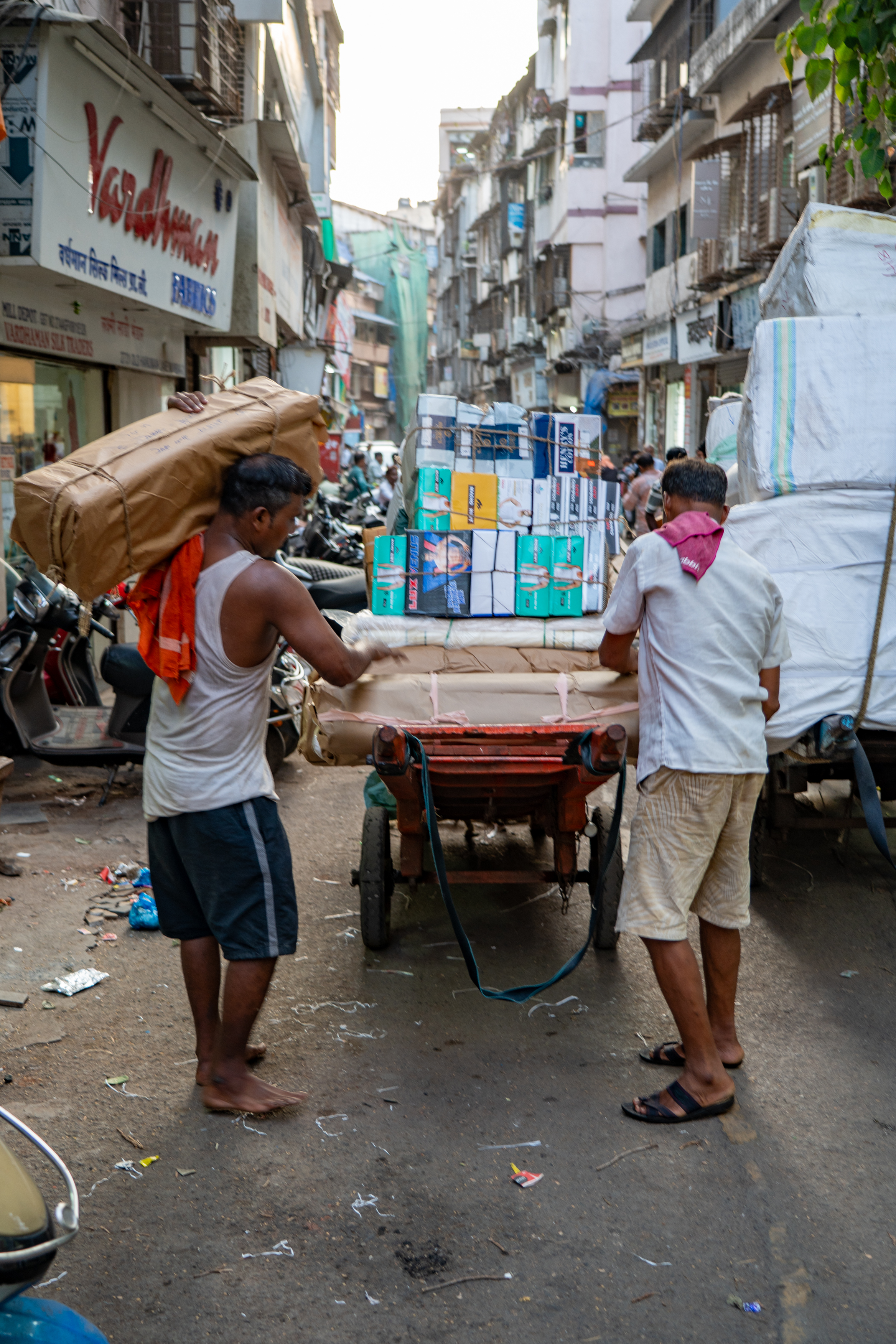
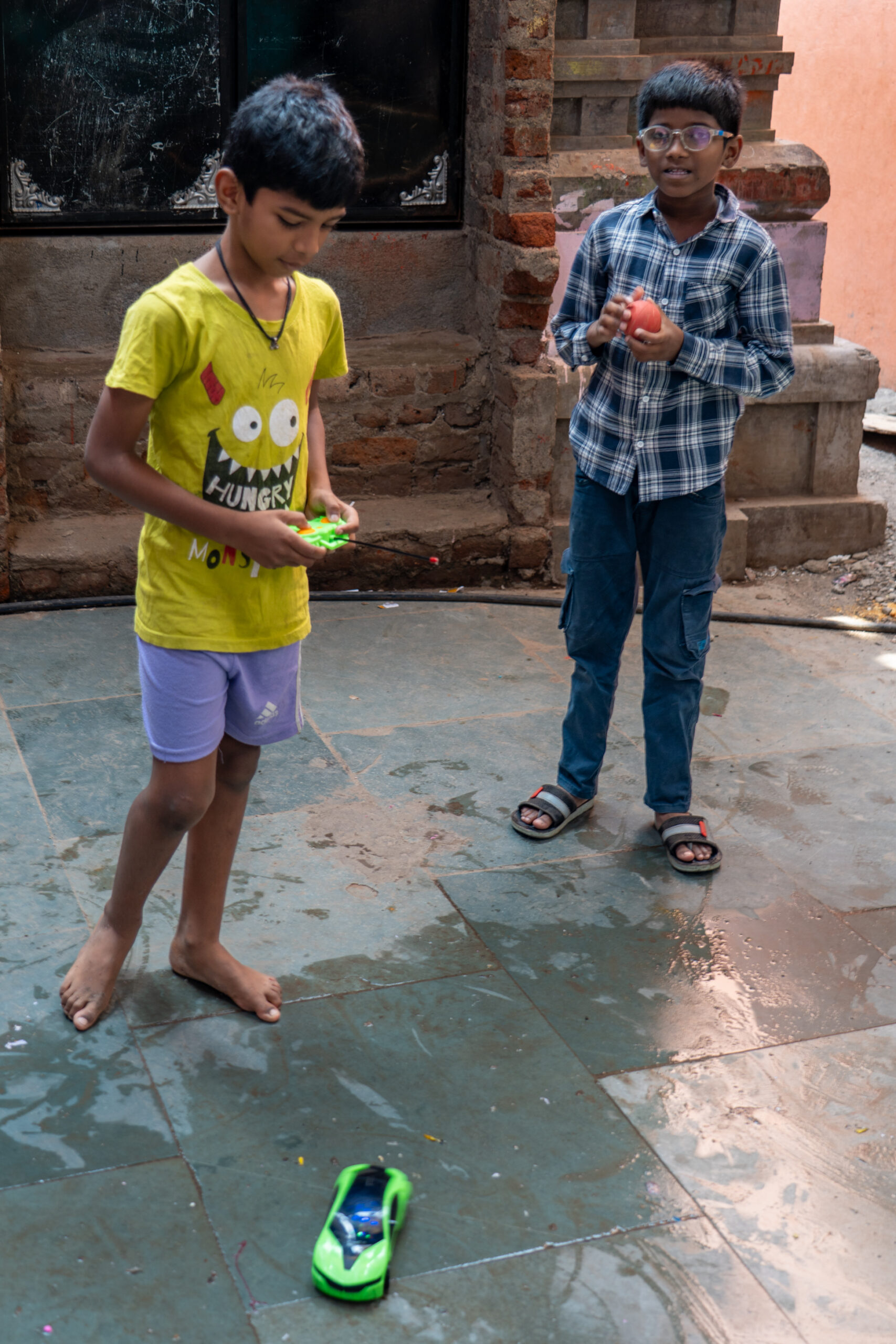
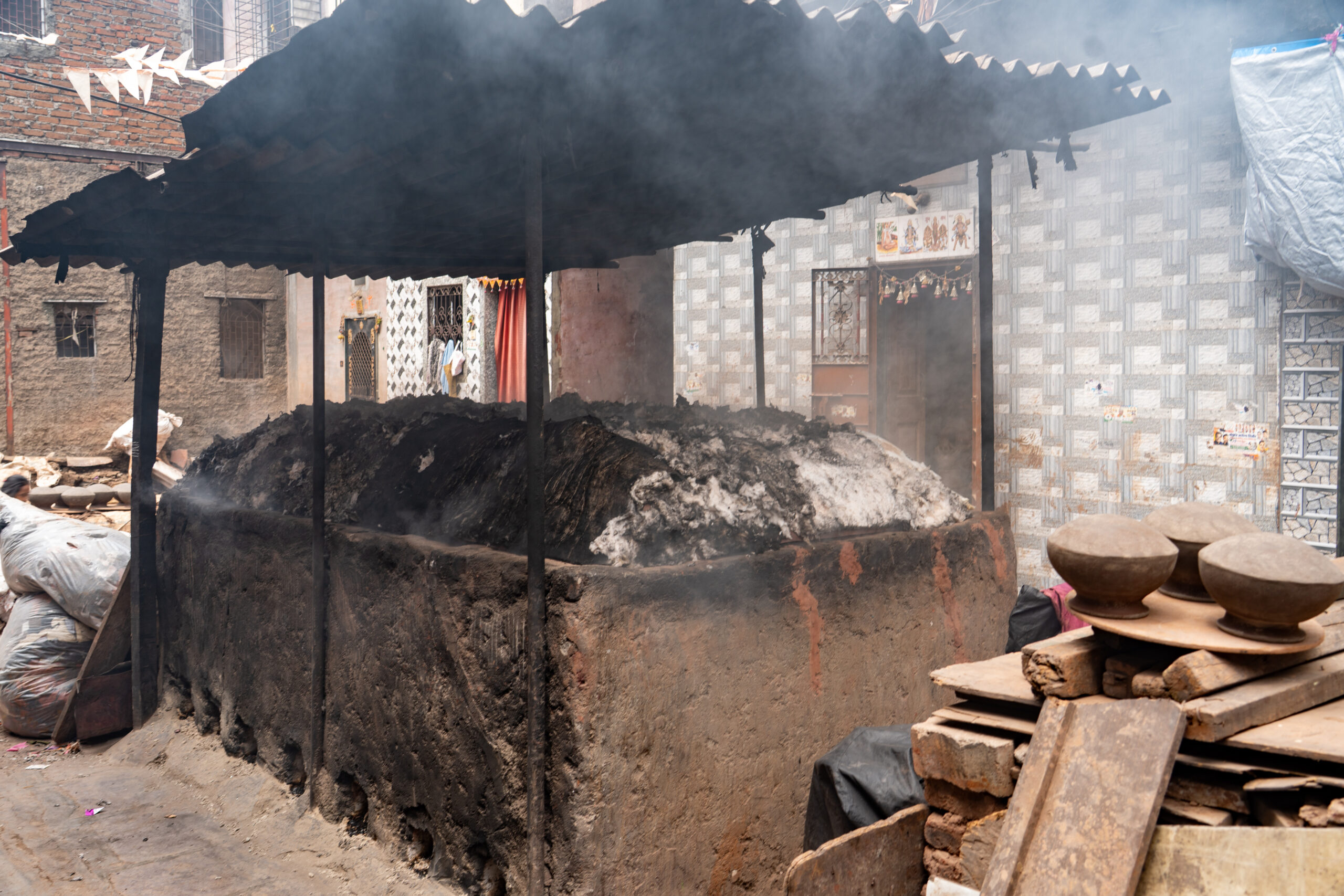
The first part we visited was the so-called industrial area where plastic and other materials were being recycled. Akash explained me the process whilst he guided me through narrow streets and alleys. People were living in this area and I was just wondering on the impact of all this on their health.
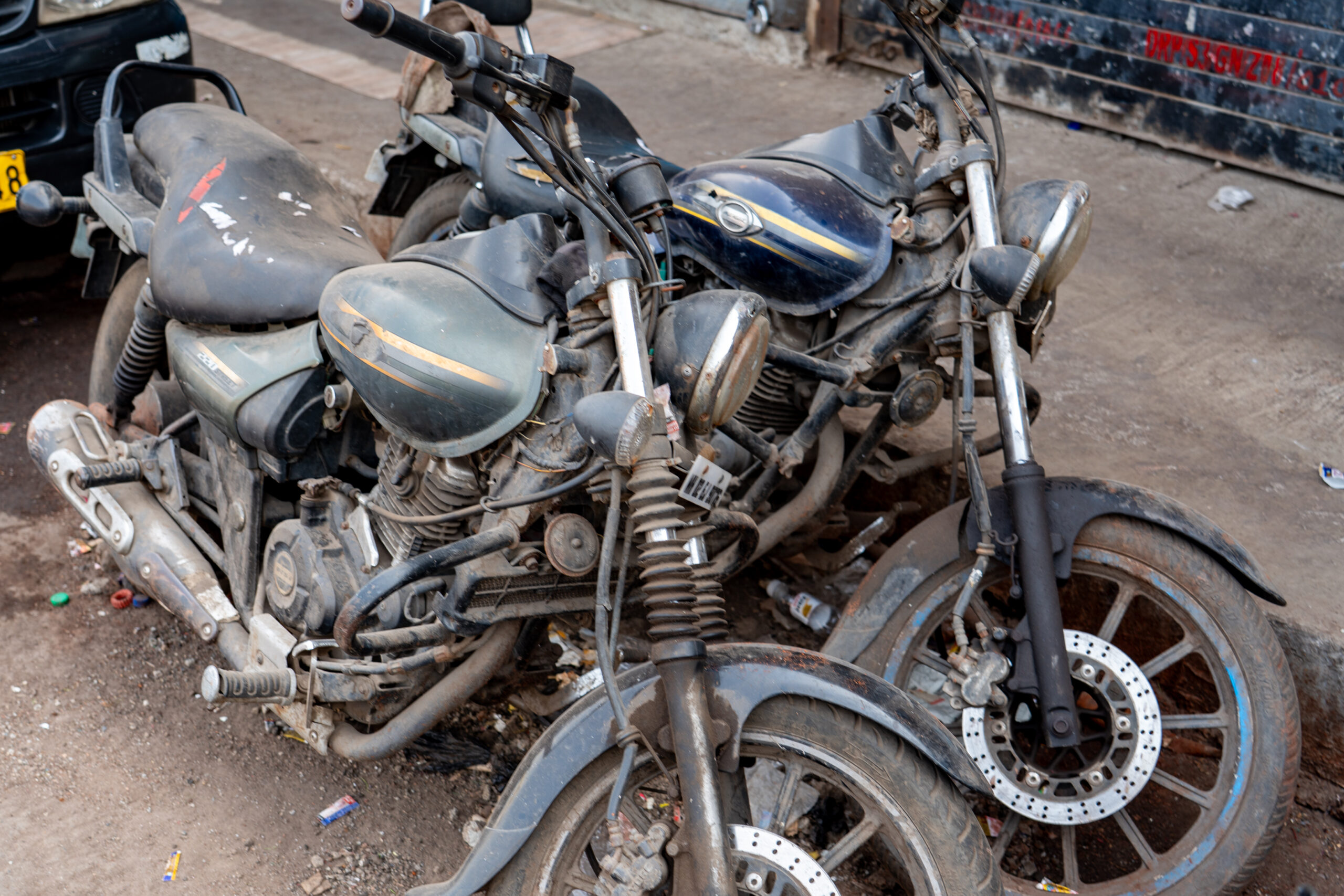
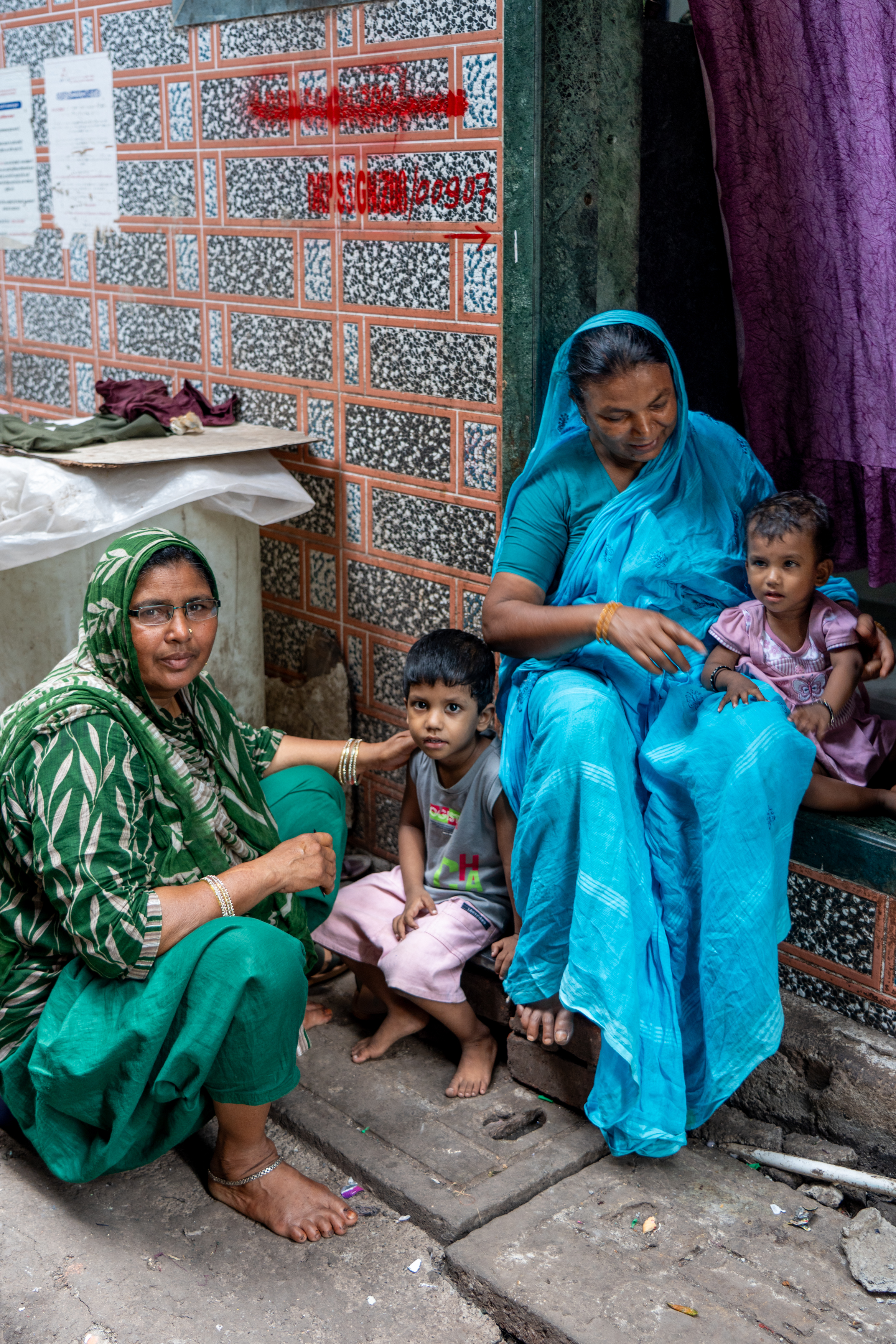
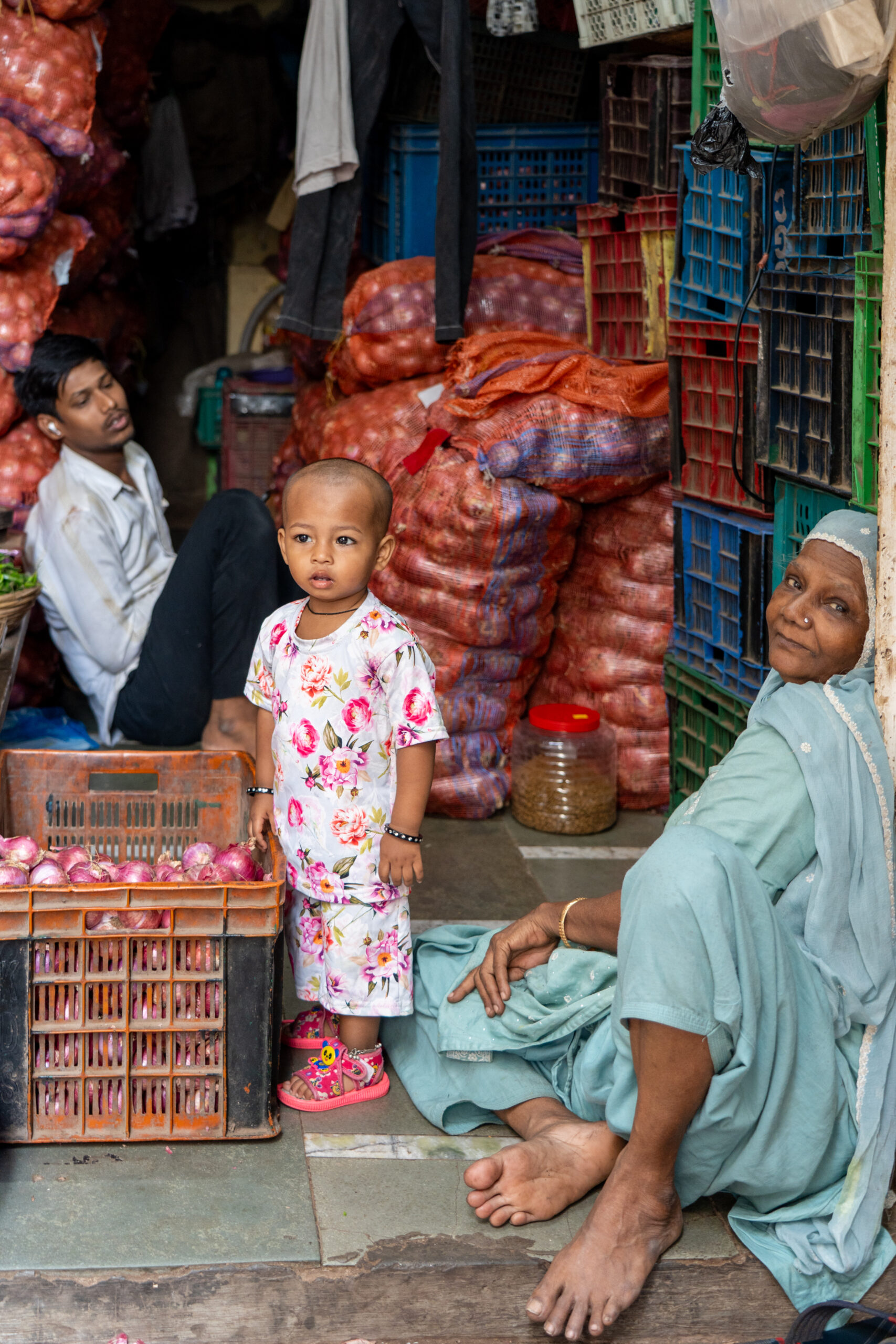
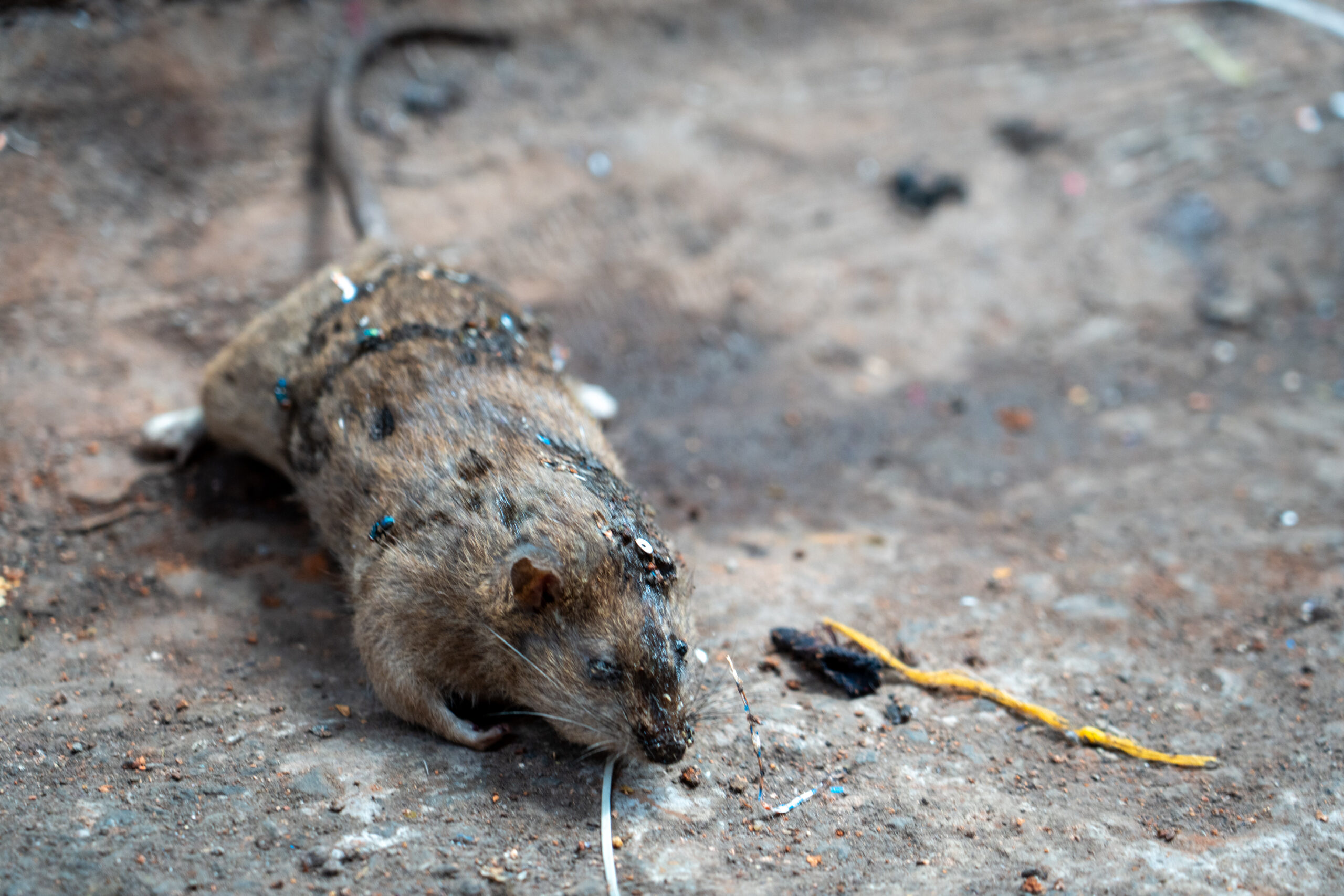
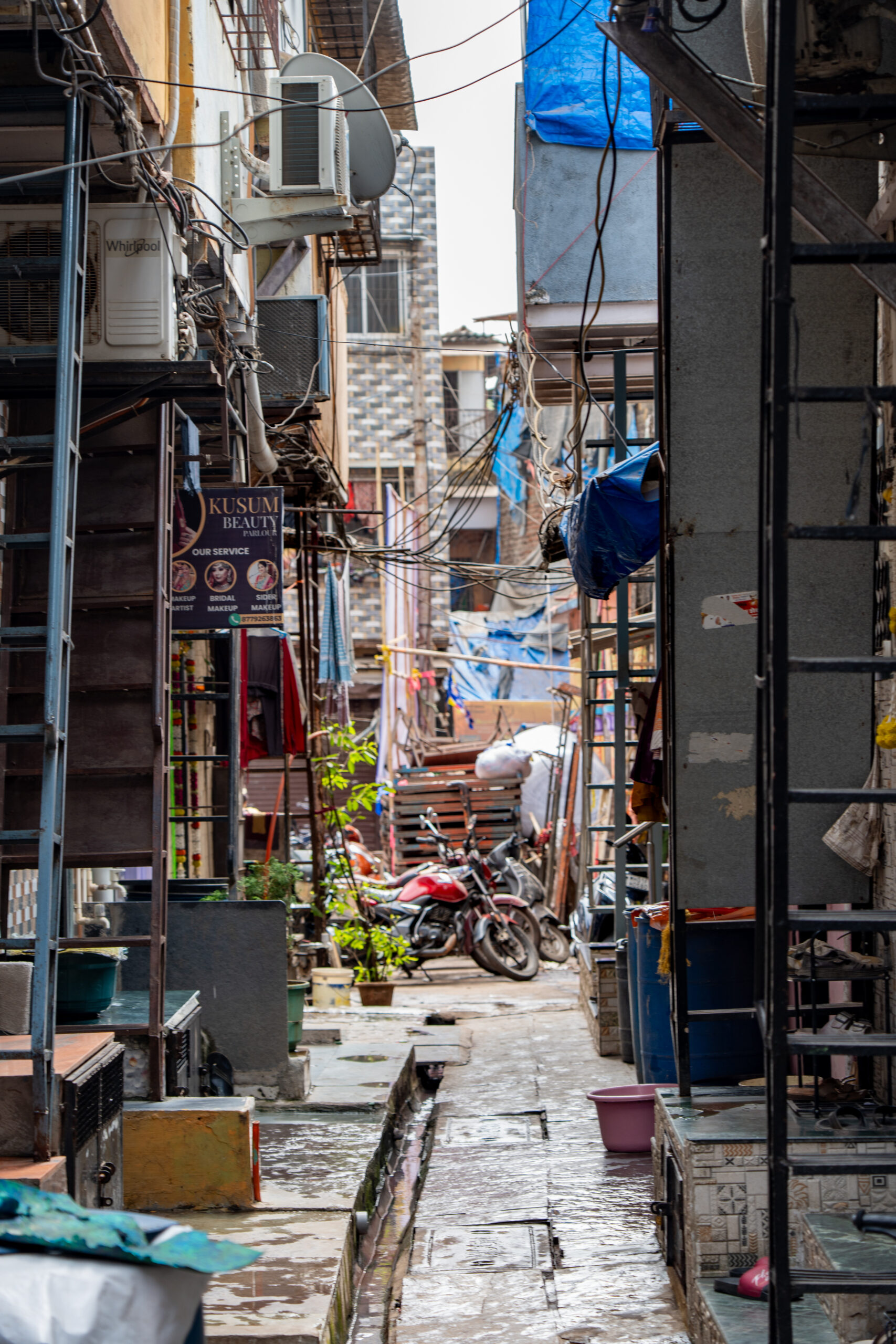
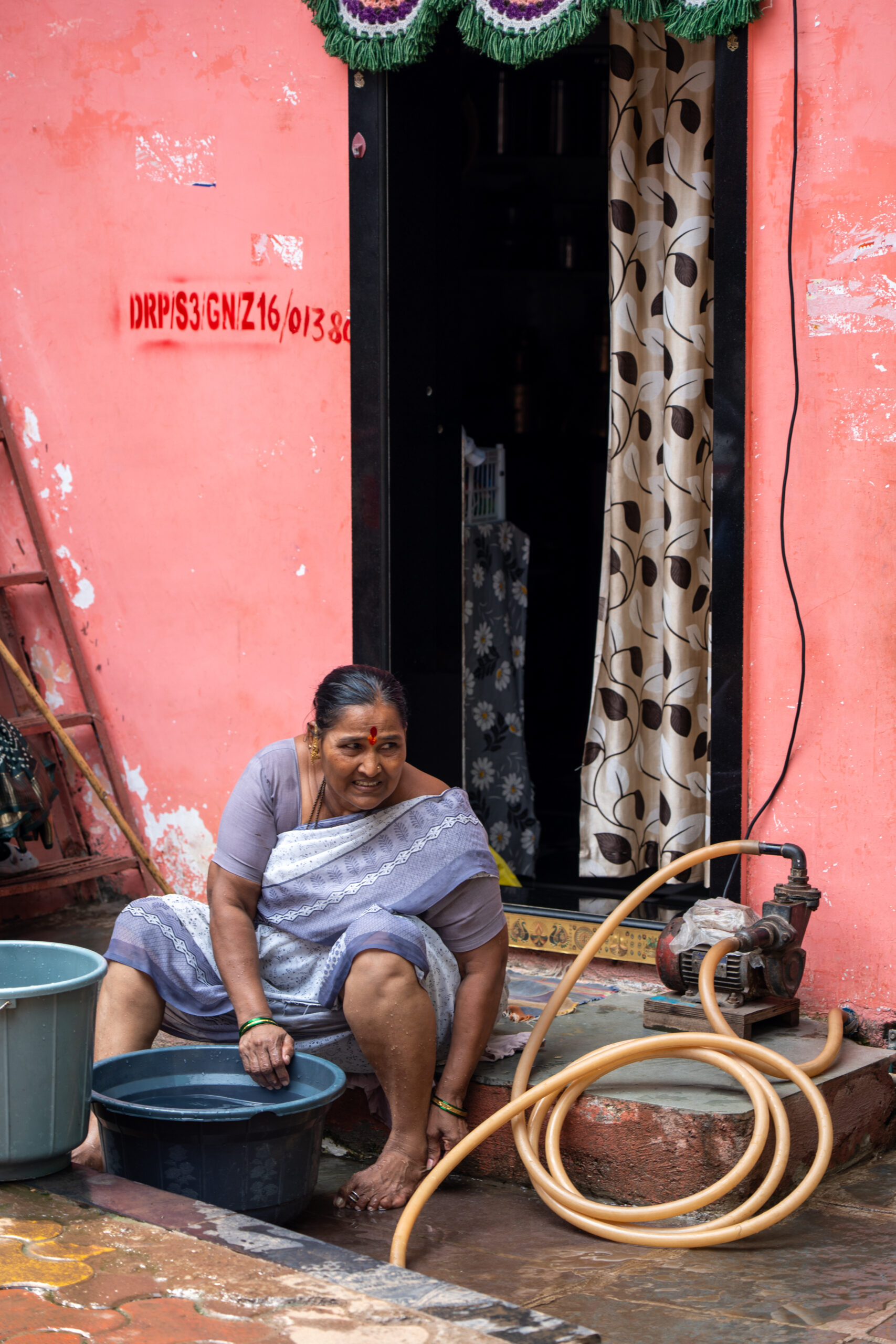
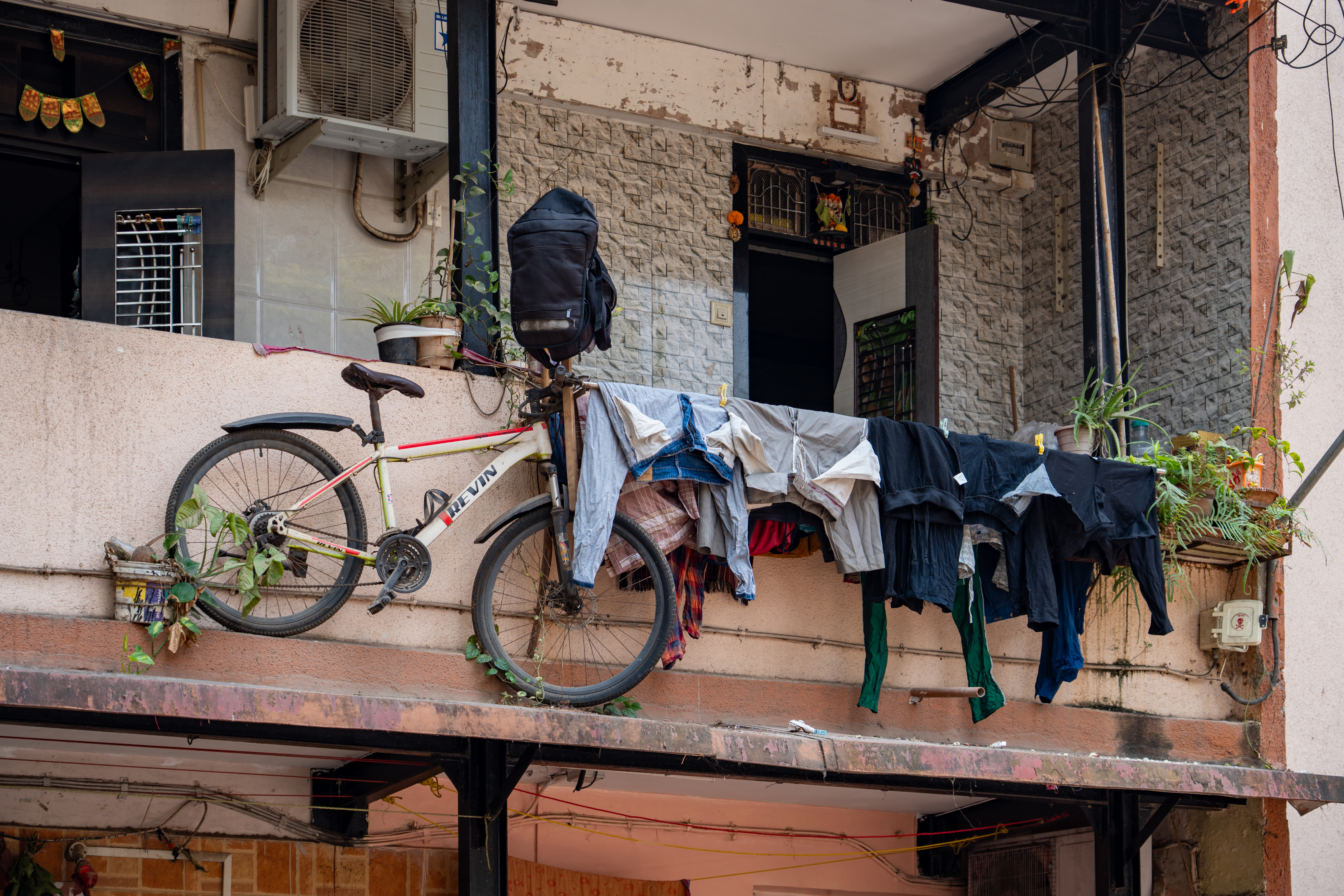
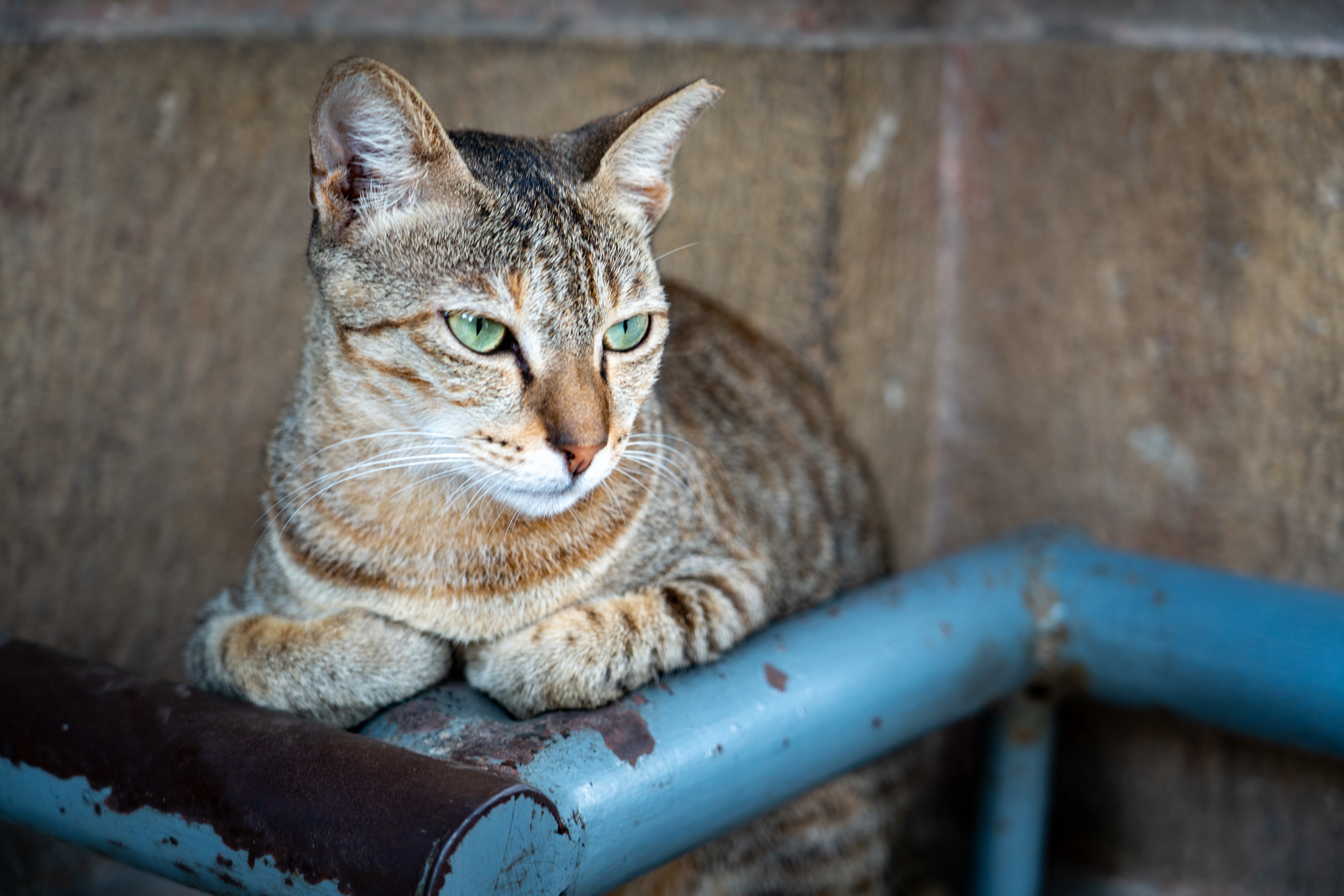
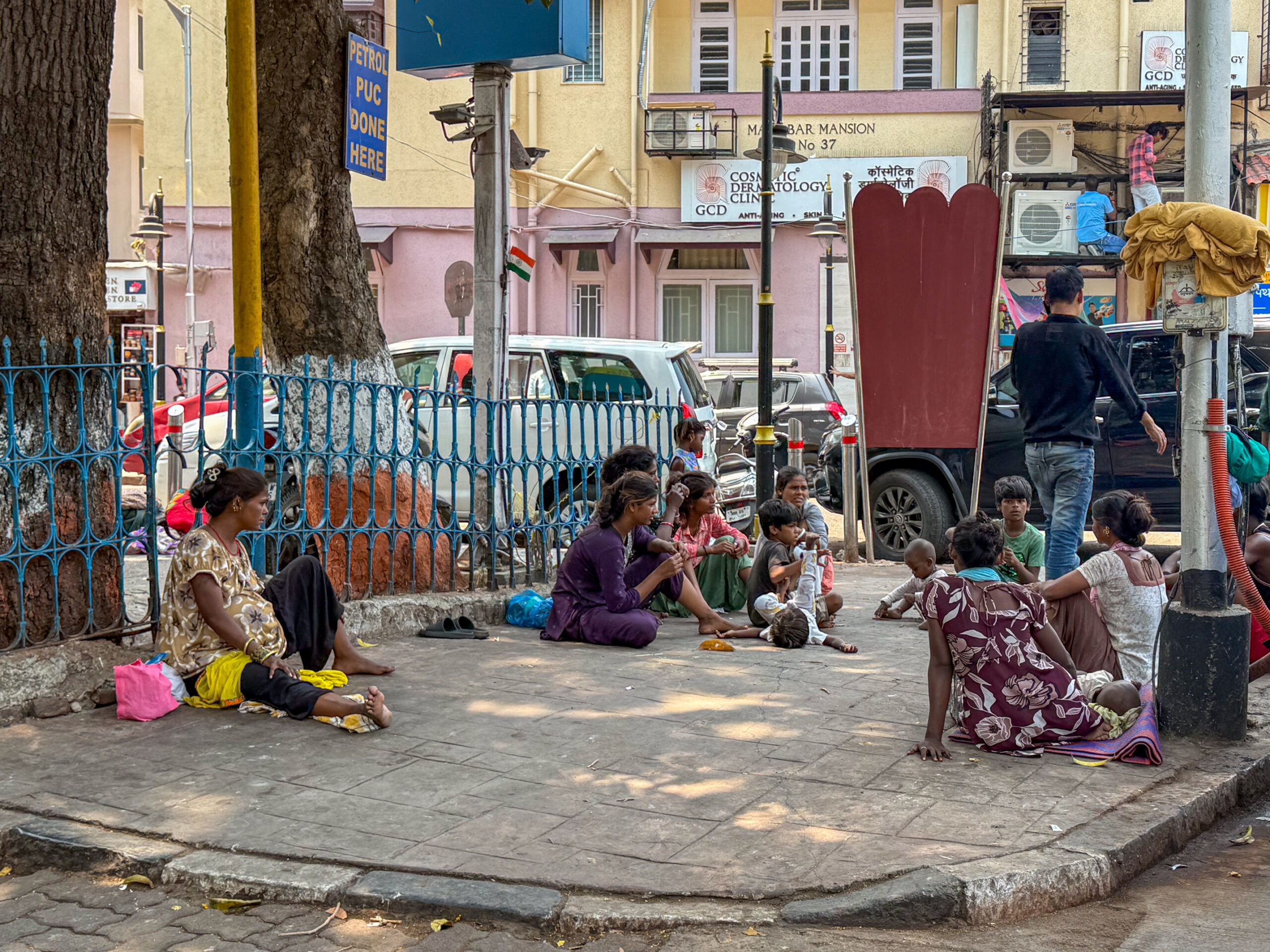
Next, we passed through a residential area. The small houses were packed next and on top of each other and some alleys were so narrow one could not even pass oncoming people. It was dark, humid and at times smelly as the open sewage was running through a small channel in the middle of the alley. And every now and then I saw a dead decomposing rat that couldn’t grab the attention of one of the many cats around.
Only 30 percent of the houses had their own toilets, the people living in the other houses had to use the communal toilets spread out in the area. Sometimes they had to walk hundreds of meters to get to one, something which is unthinkable in our world.
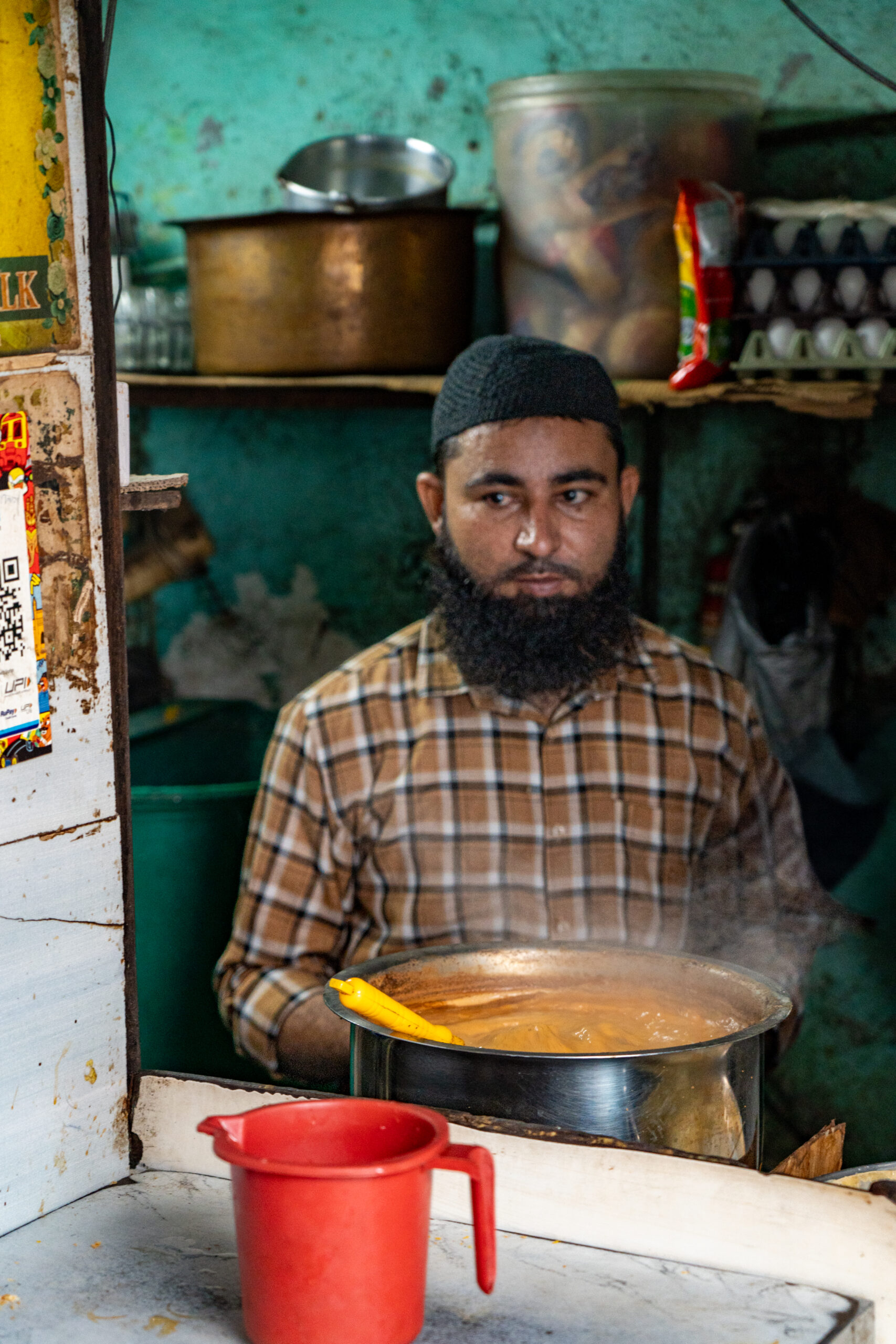
The first area was predominantly Muslim but the second area was inhabited with Hindi. It seemed a bit more colorful and decorated but that could just be a false illusion.
Although it wasn’t my first time in Dharavi but still, I was impressed and overwhelmed by what I saw, how strong the community feeling was and under which circumstances people have to live and work. Truly an eyeopener and definitely a reason to feel privileged about our situation in the West.
Akash runs a hip hop school in Dharavi and offers children whose parents can’t afford traditional education school classes. We shortly visited the hip hop center and Akash explained me more about the work he does and some of the issues he has with non-Bonafide organizations who try to get some money out of it.
Also, we talked about the controversial redevelopment areas, the so-called vertical slums which were actually huge apartment blocks. Not everybody in Dharavi is in favor of these developments as there is no room for continuing their profession, which is vital to keep the economy going. Akesh expects there to be no traditional housing in Dharavi in 20-30 years’ time.
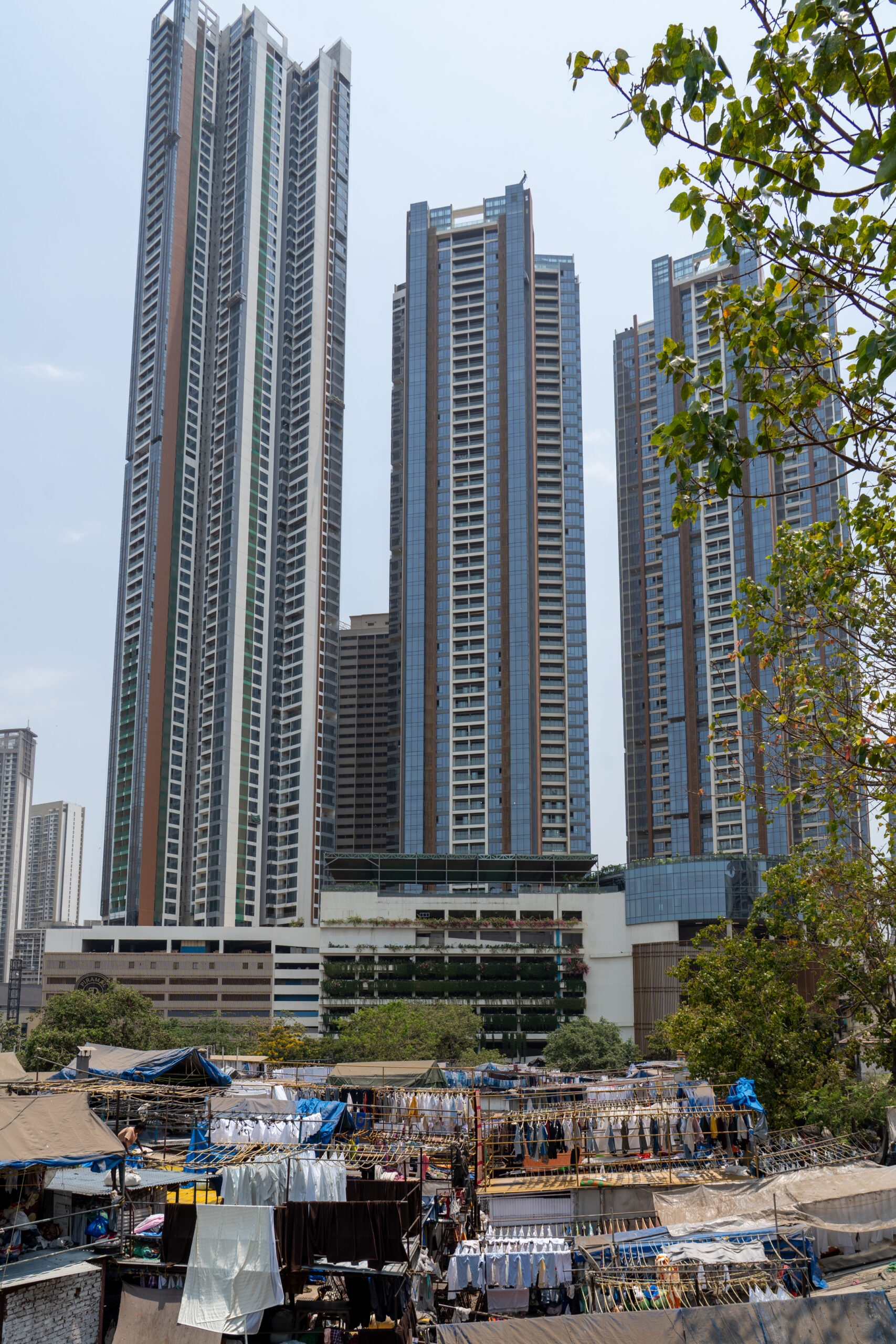
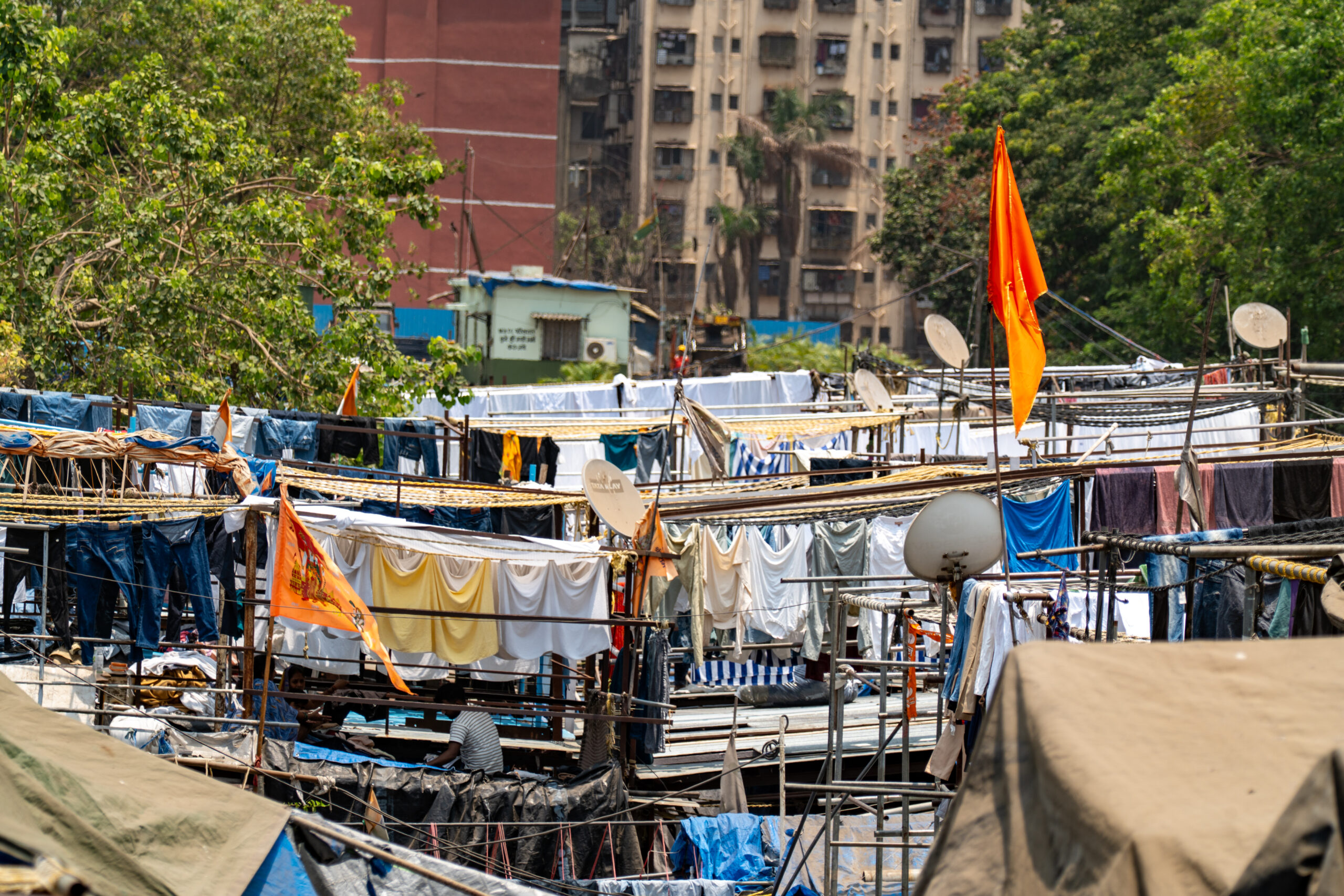
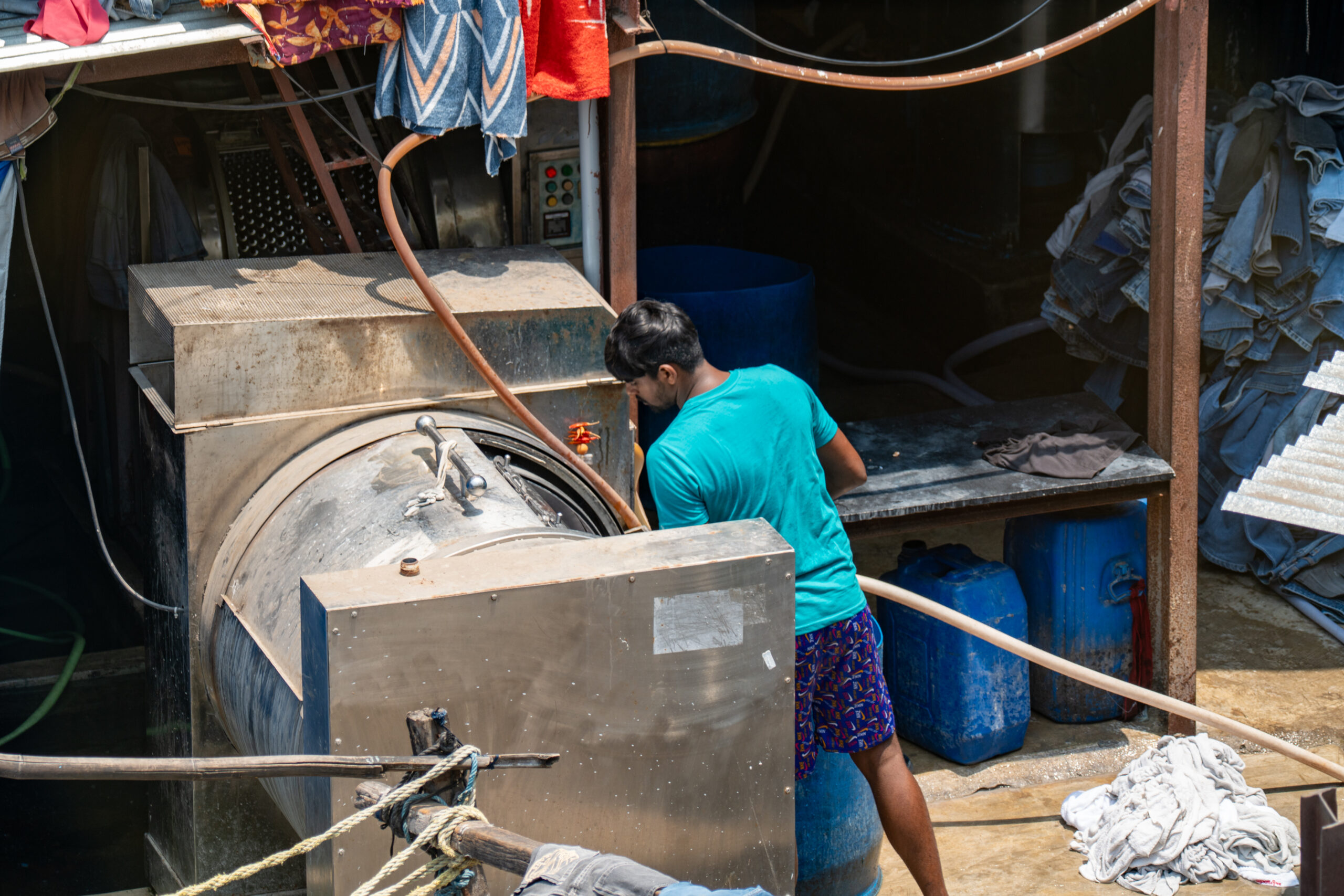
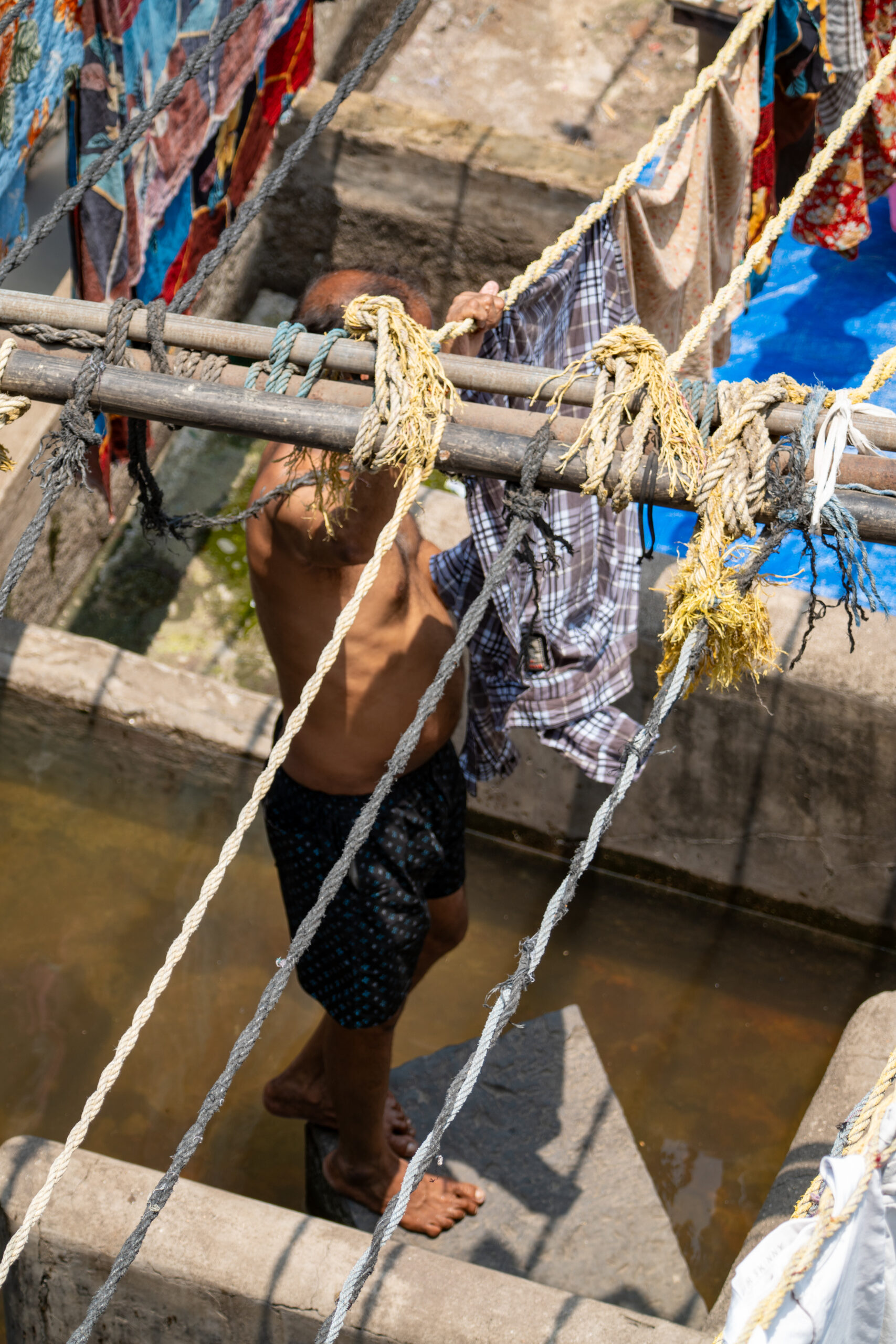
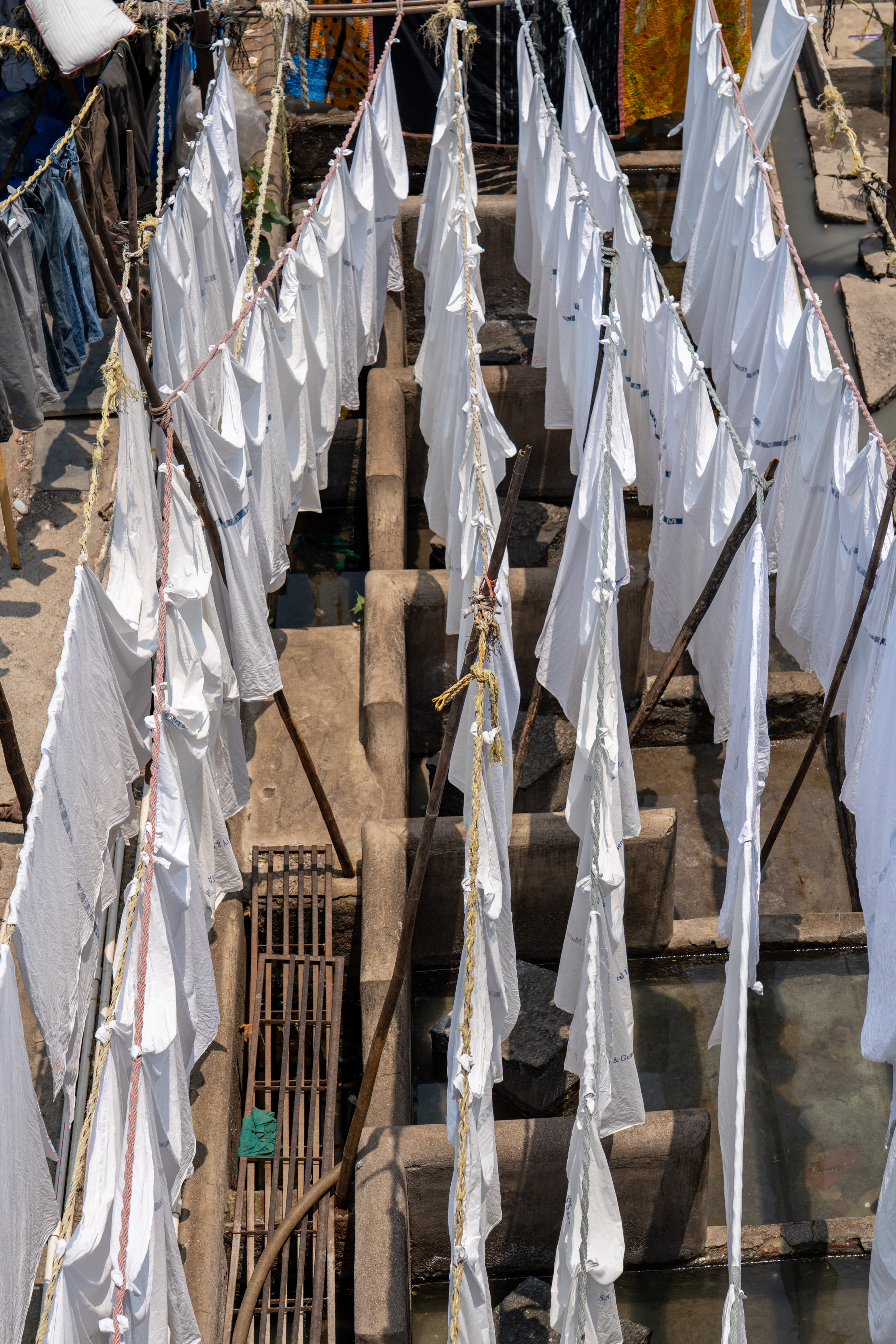
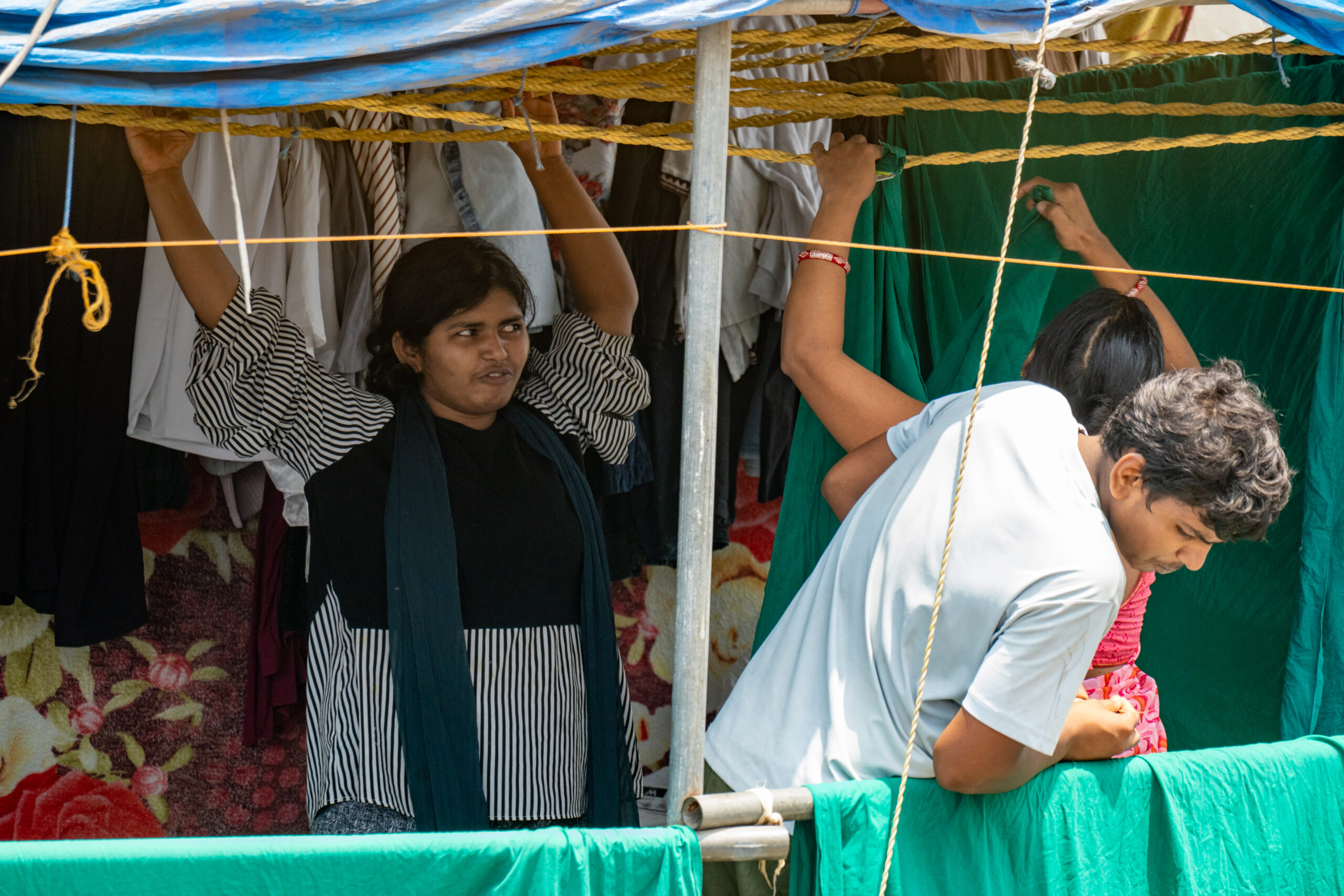
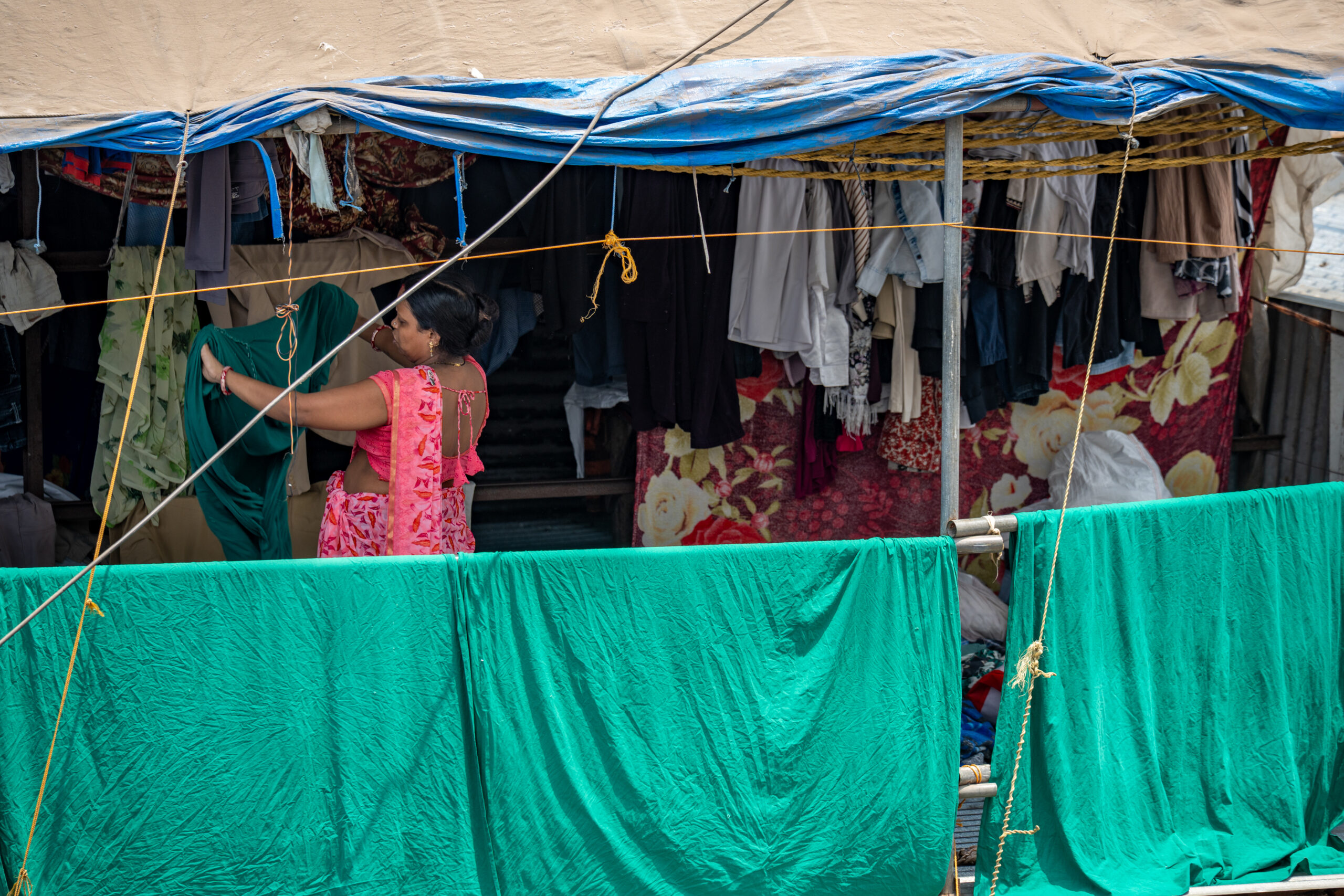
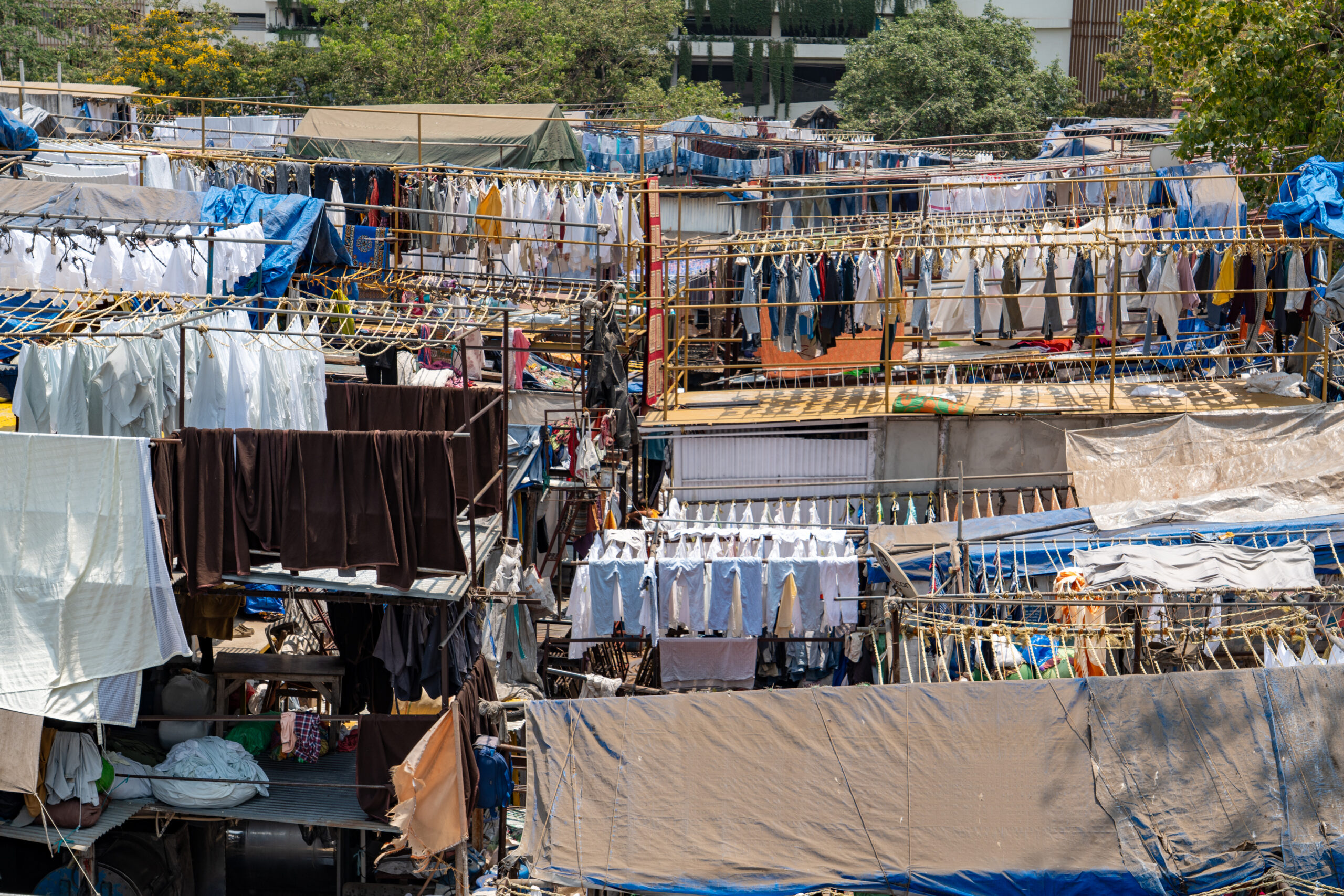
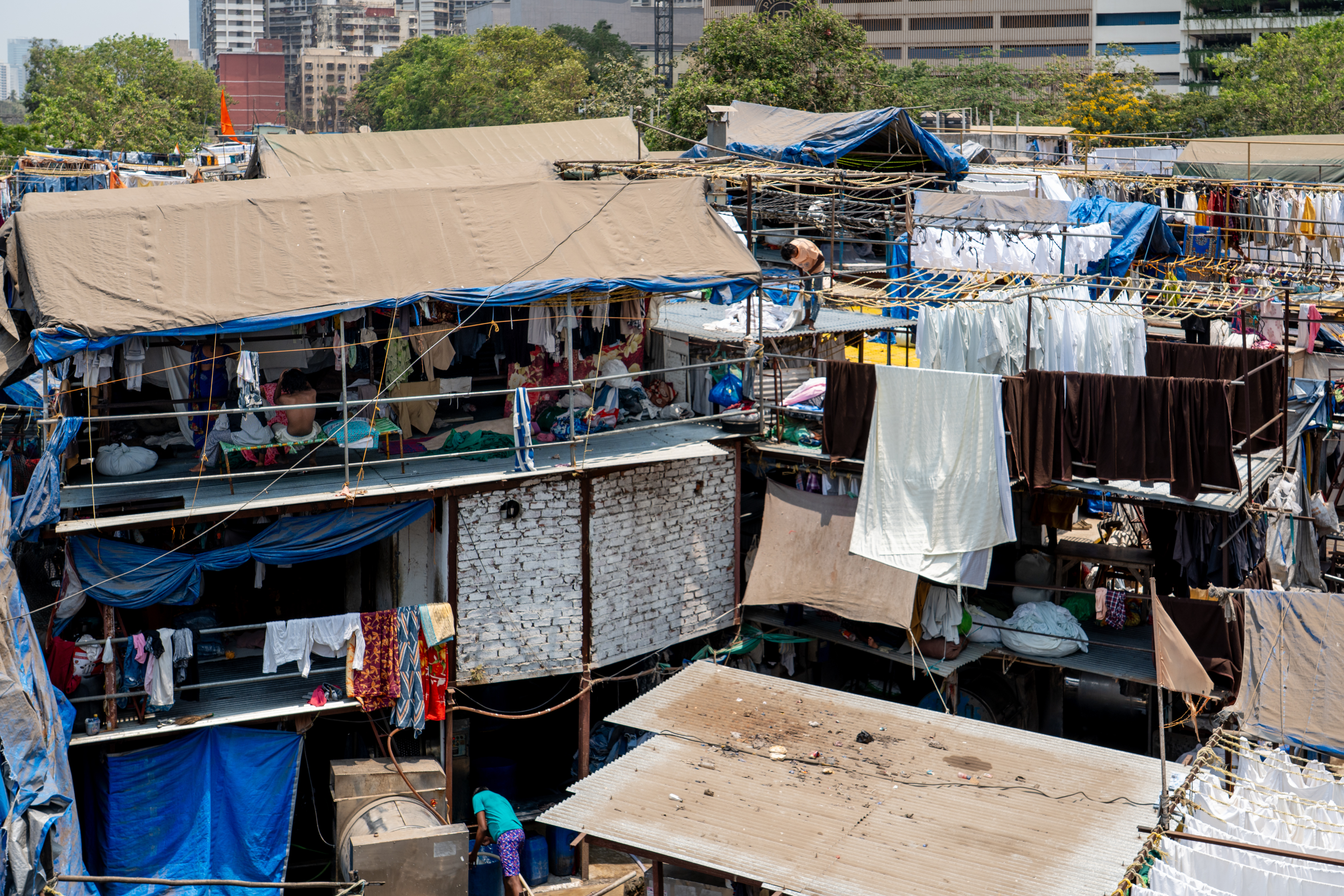
It had been an extremely interesting morning, an eye opener indeed, and I was extremely happy I visited Dharavi for the third time. I said my goodbyes and walked back to the station to catch a train towards Churchgate. But I had one more stop at Mahalexmi station in order to visit Dobi Ghat, a huge open-air laundry built in 1890.
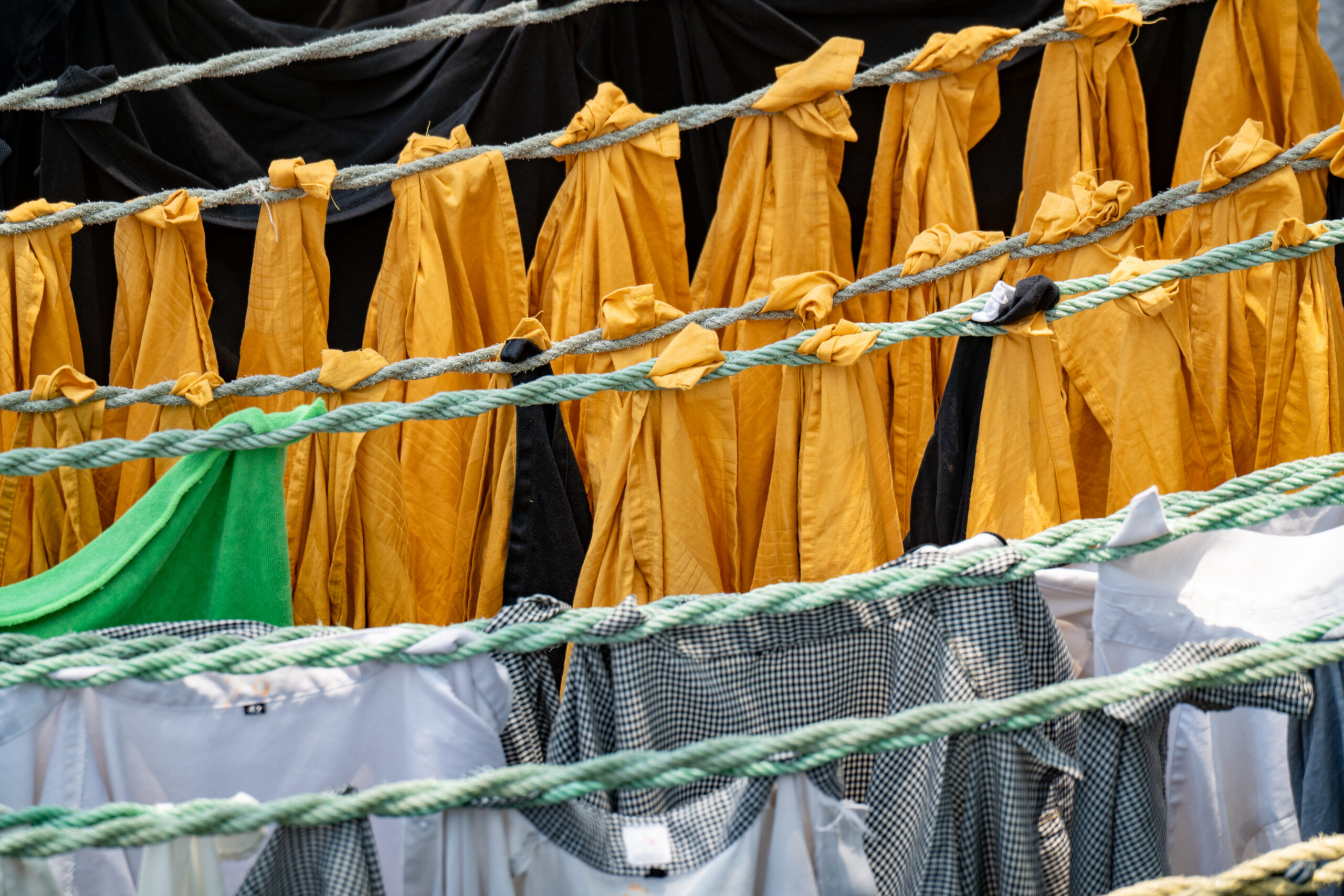
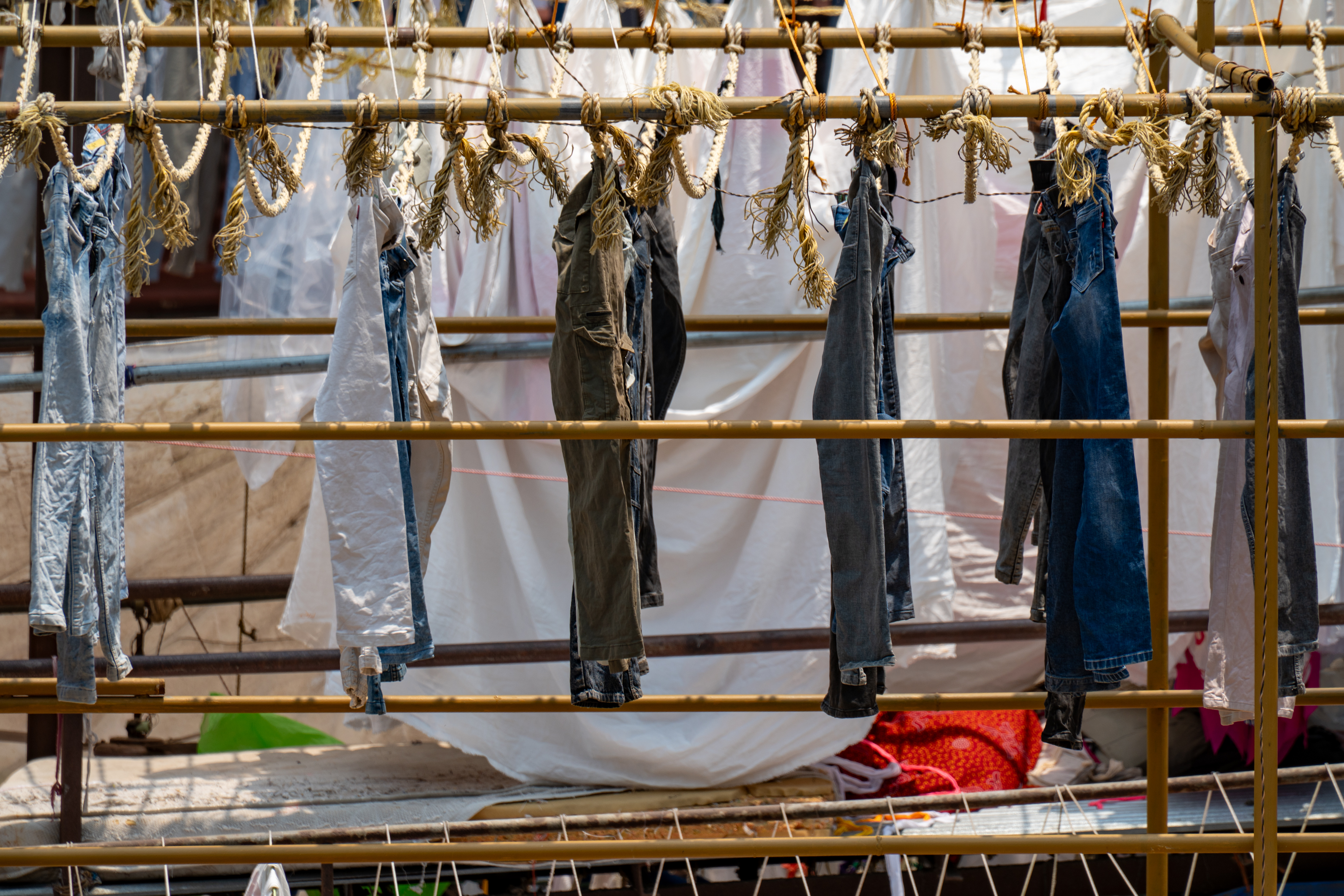
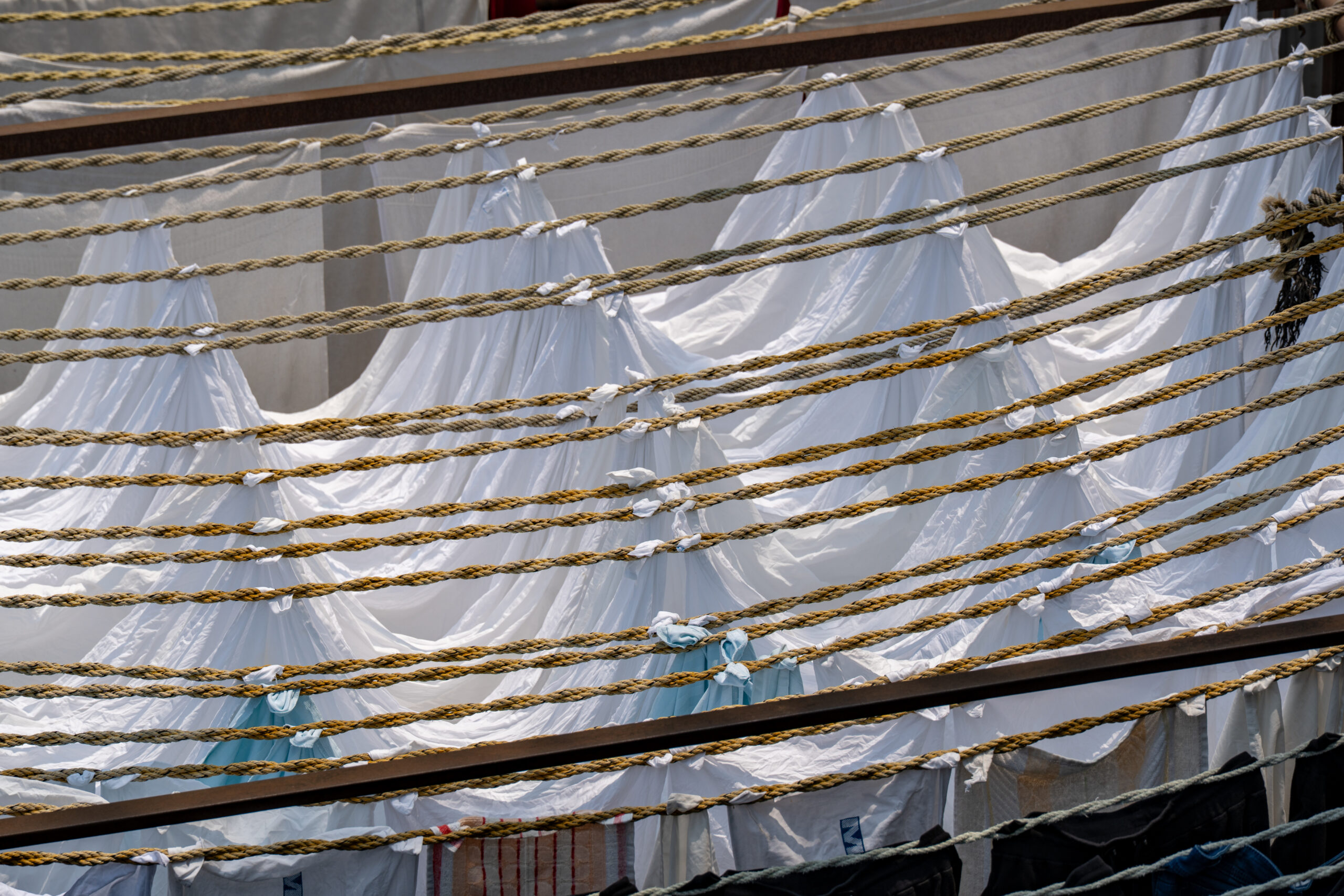
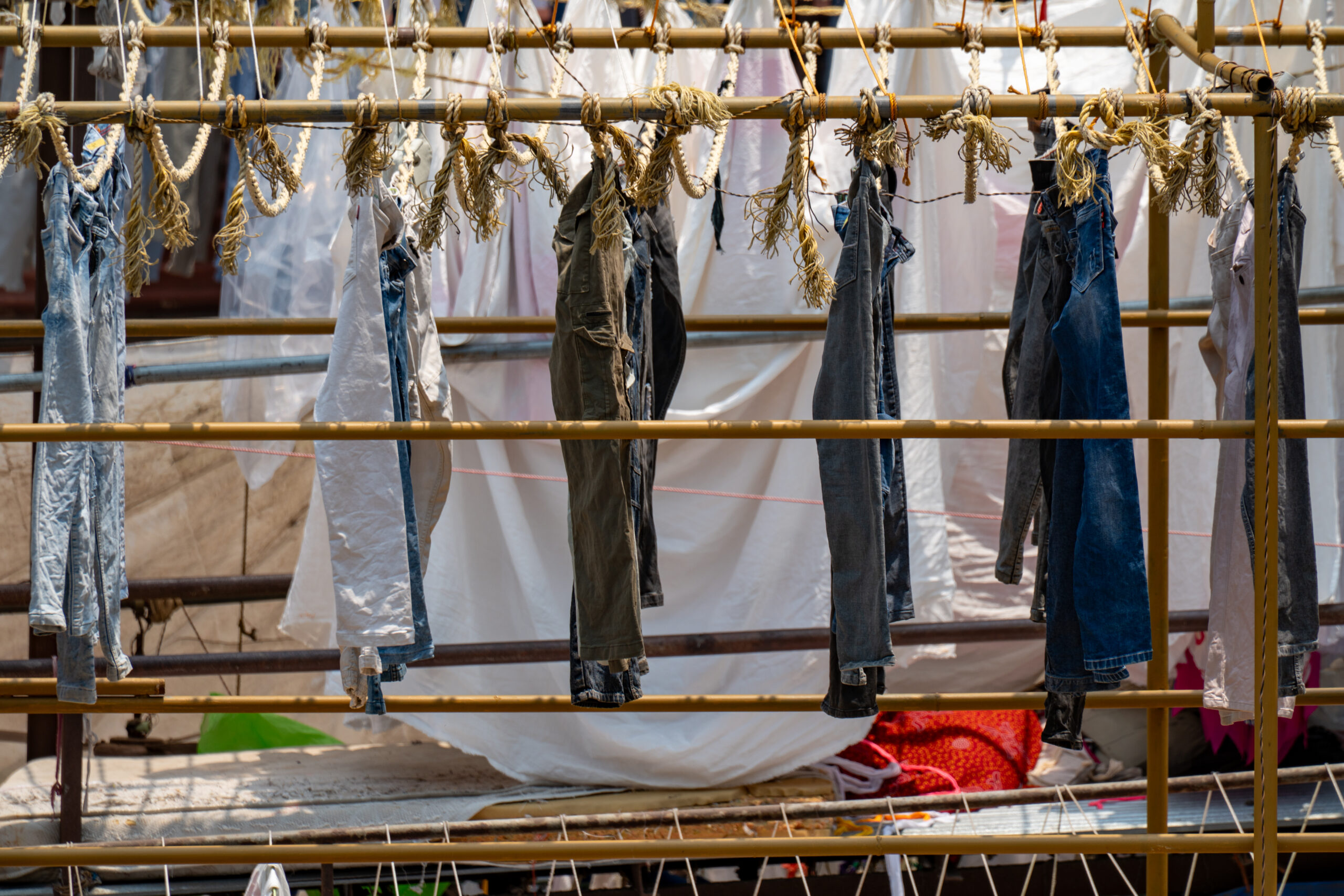
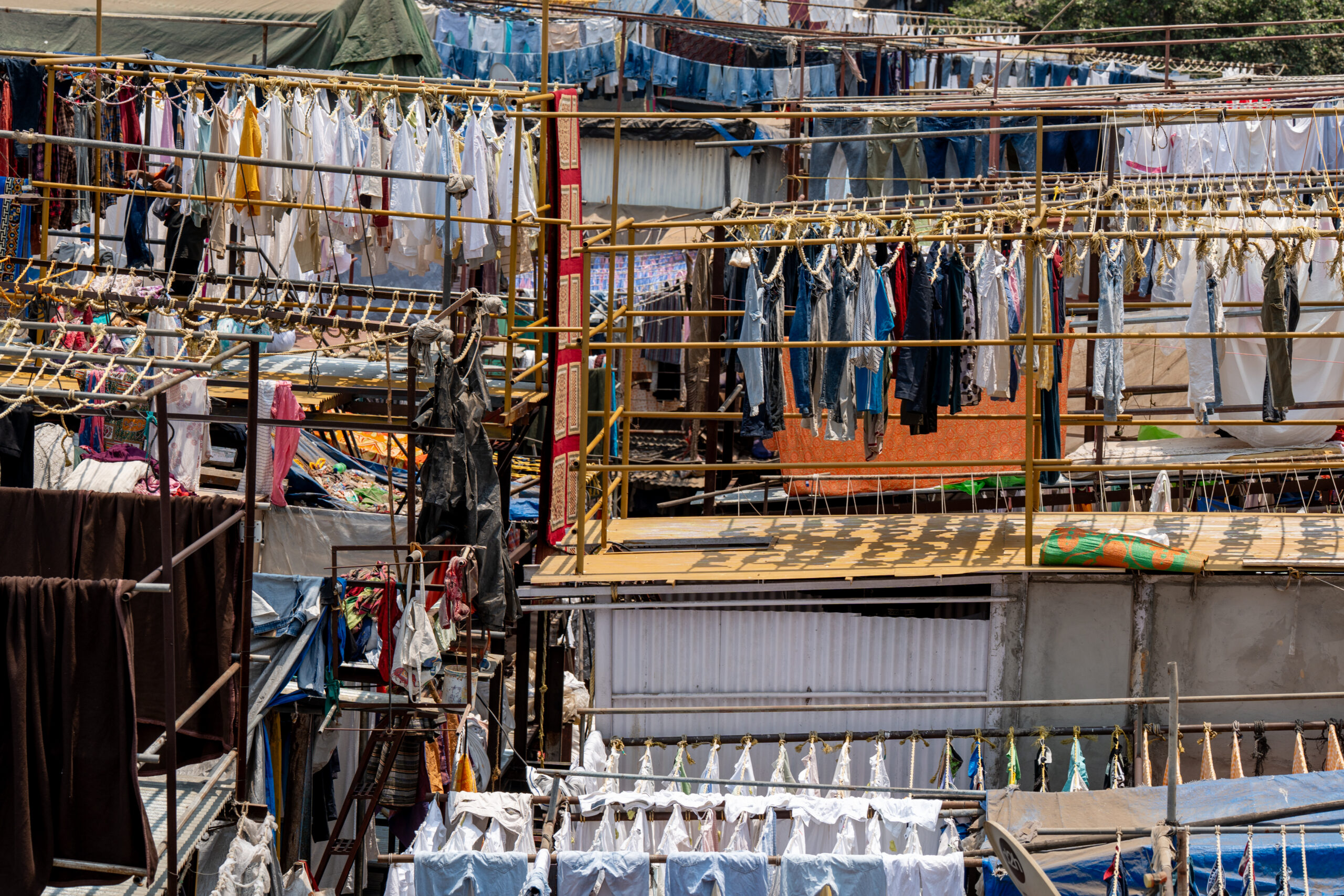
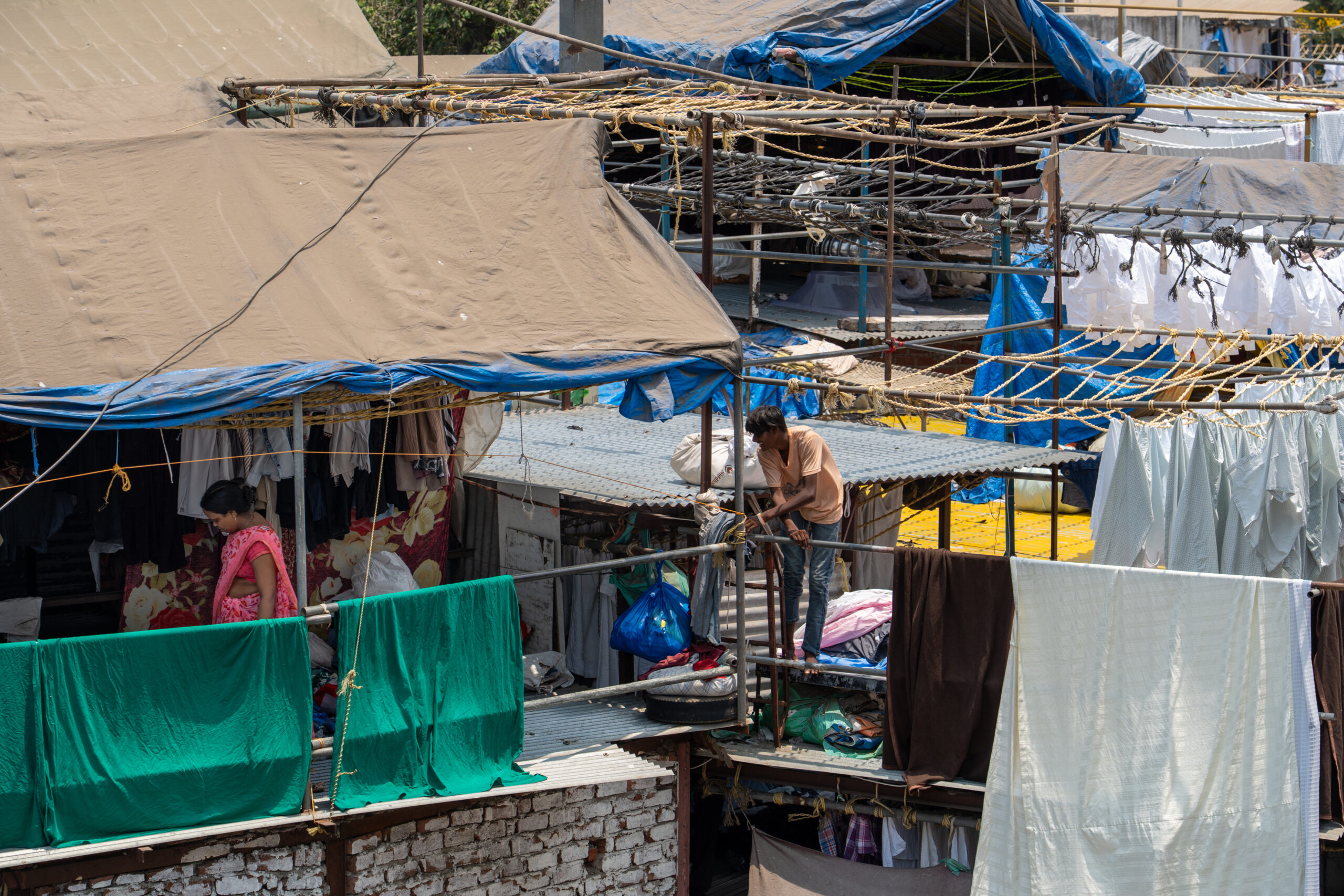
What makes it remarkable is its scale and organization. Hundreds of dhobis work side by side in long rows of concrete wash pens, each fitted with a flogging stone. Clothes from all over Mumbai—hotels, hospitals, households—arrive here daily. The workers sort, wash, beat, scrub, dry, iron, and neatly fold thousands of garments by hand, using a highly efficient color-coded tagging system to avoid mix-ups.
Visually, it’s striking: endless lines of white sheets hanging to dry, rhythmic splashing sounds, and a maze-like layout of washing stations. Despite the traditional methods, the operation is surprisingly systematic and functions like a well-oiled machine.
In former years you could watch the activity from the bridge but this time a viewing platform had been created for curious tourists to see what was going on.
I jumped on the next train to Churchgate Station after which I caught a taxi to my hotel for a well-deserved rest. And then, later in the afternoon I returned to Churchgate station where I met Sunil, the tour guide, and one other guy from London for our food tour.
First, we took a train to Marine Lines Station where the tour started.
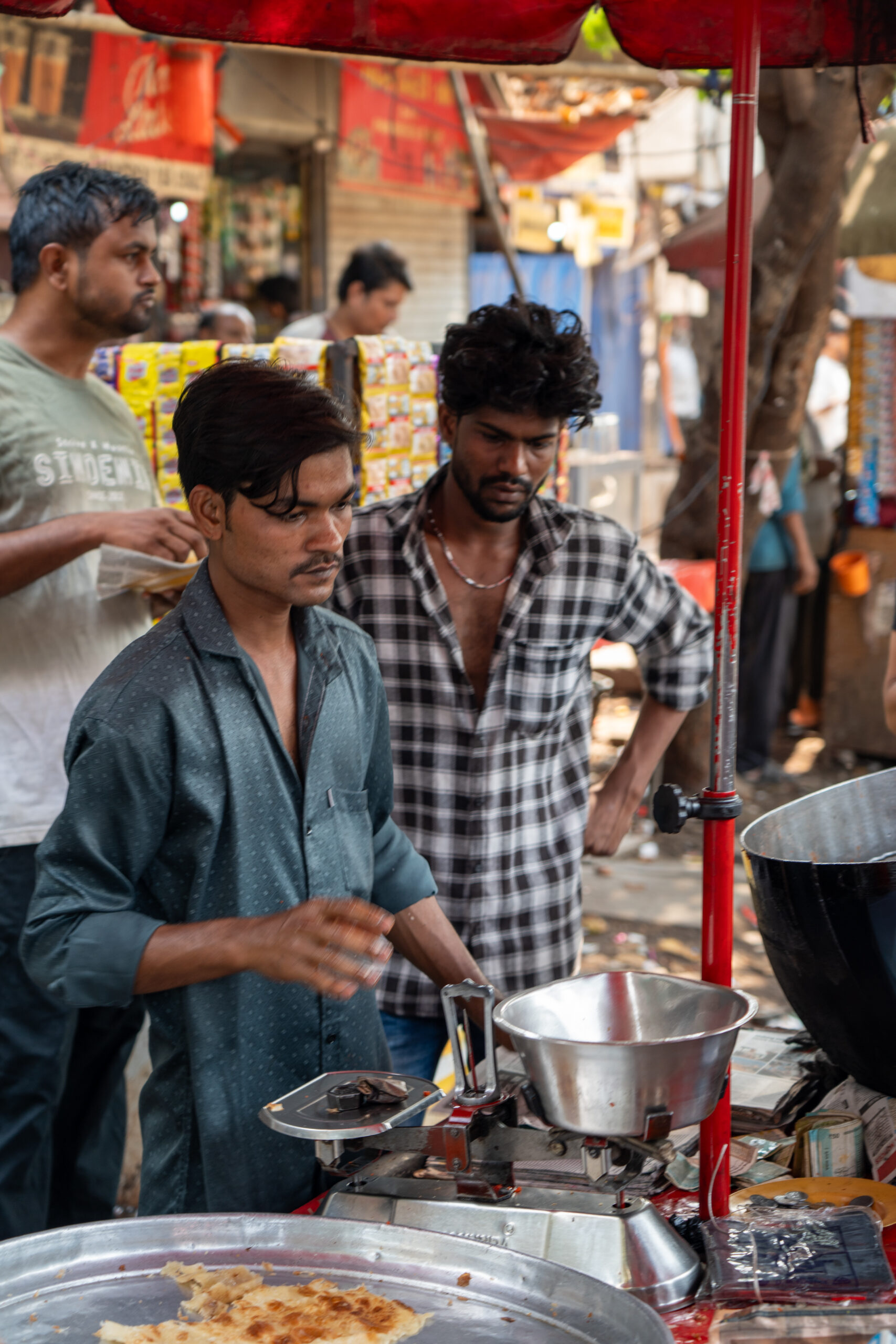
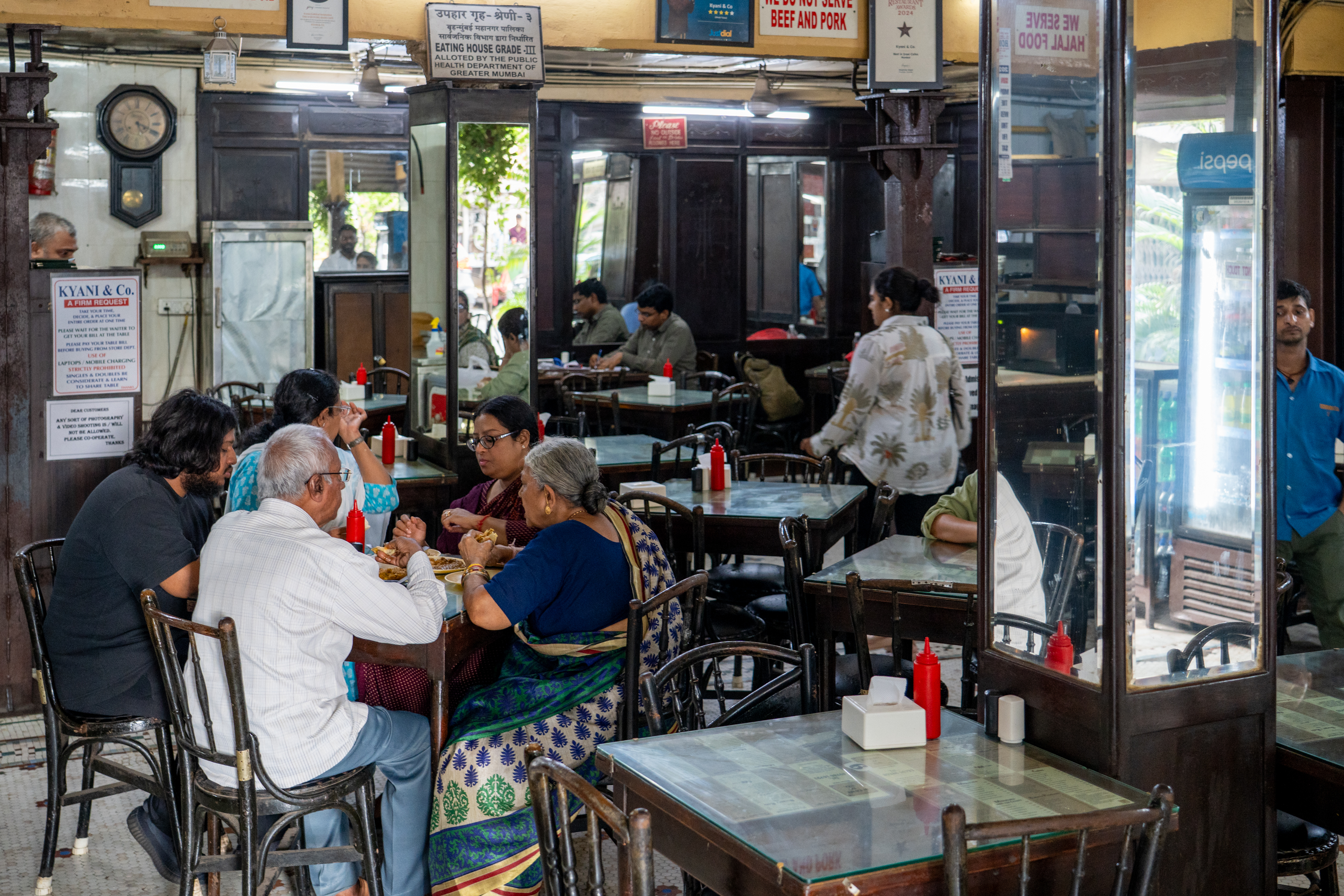
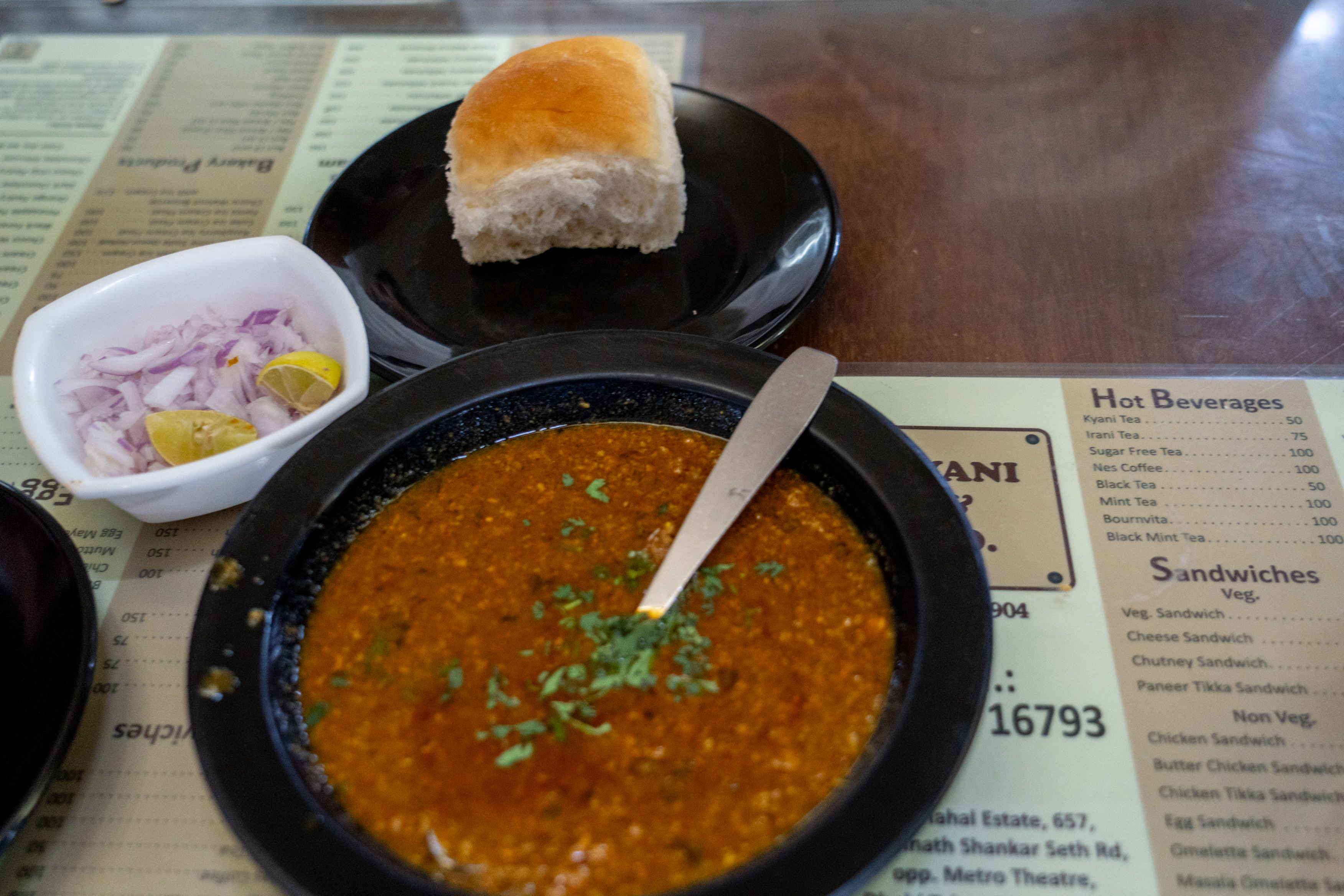
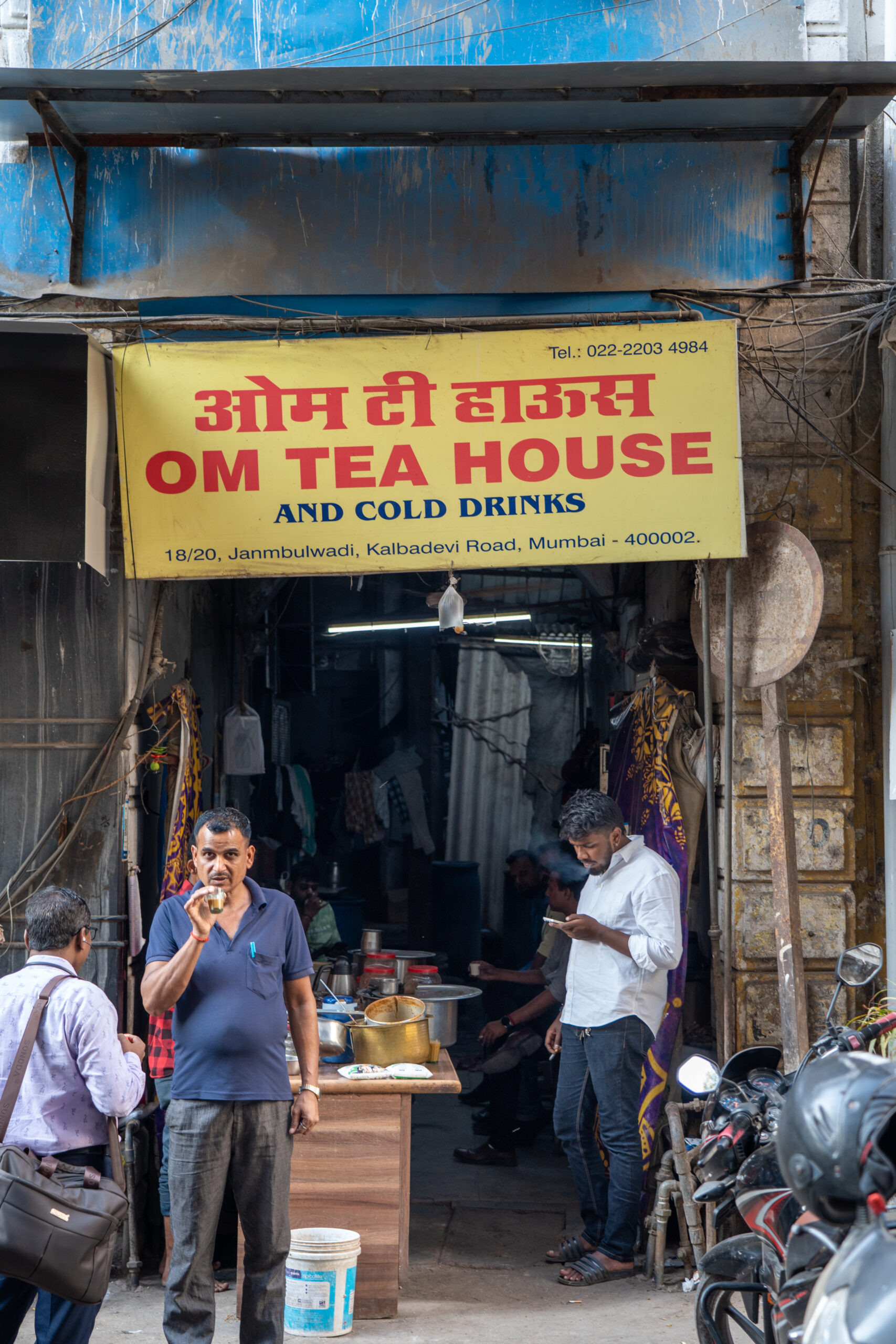
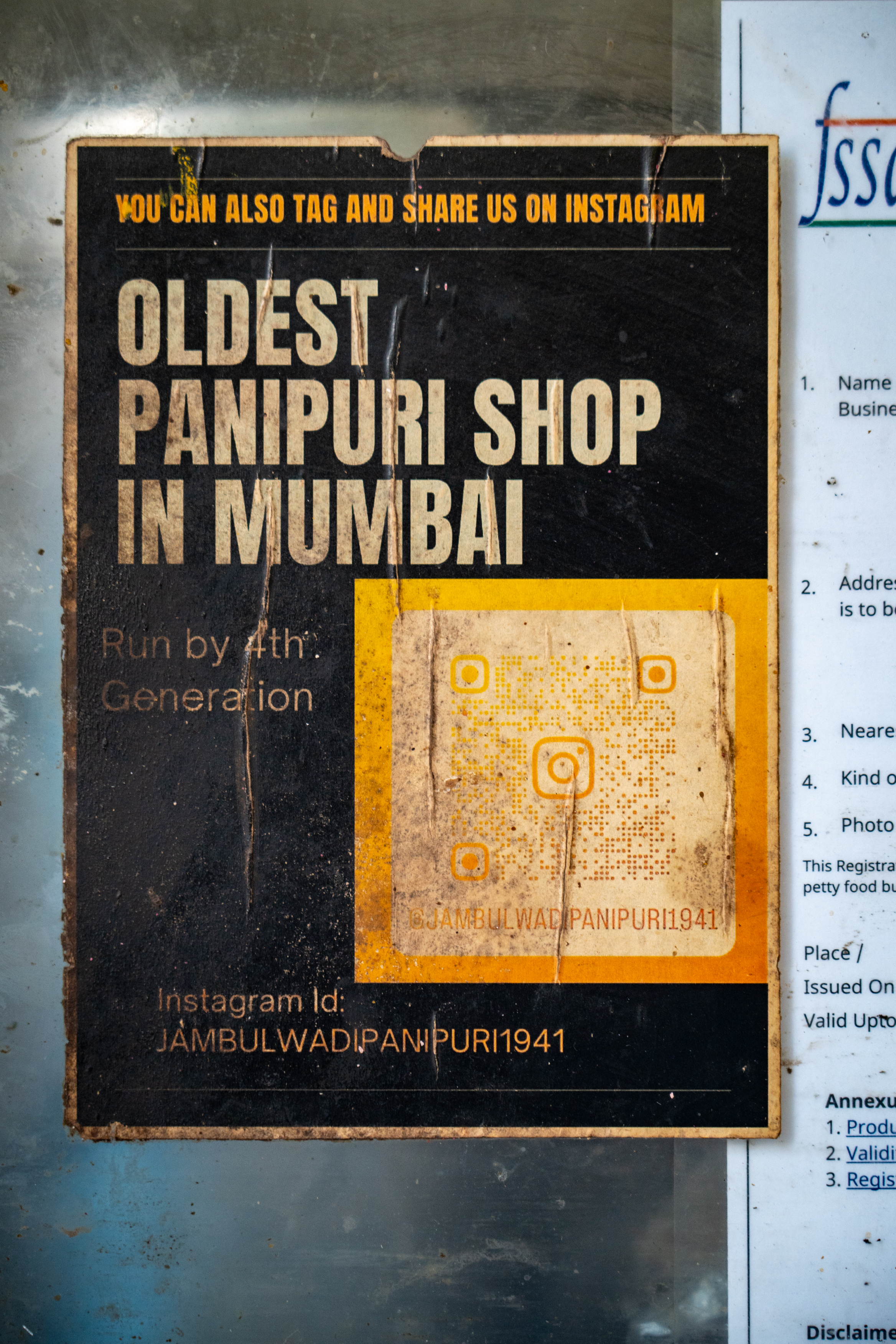
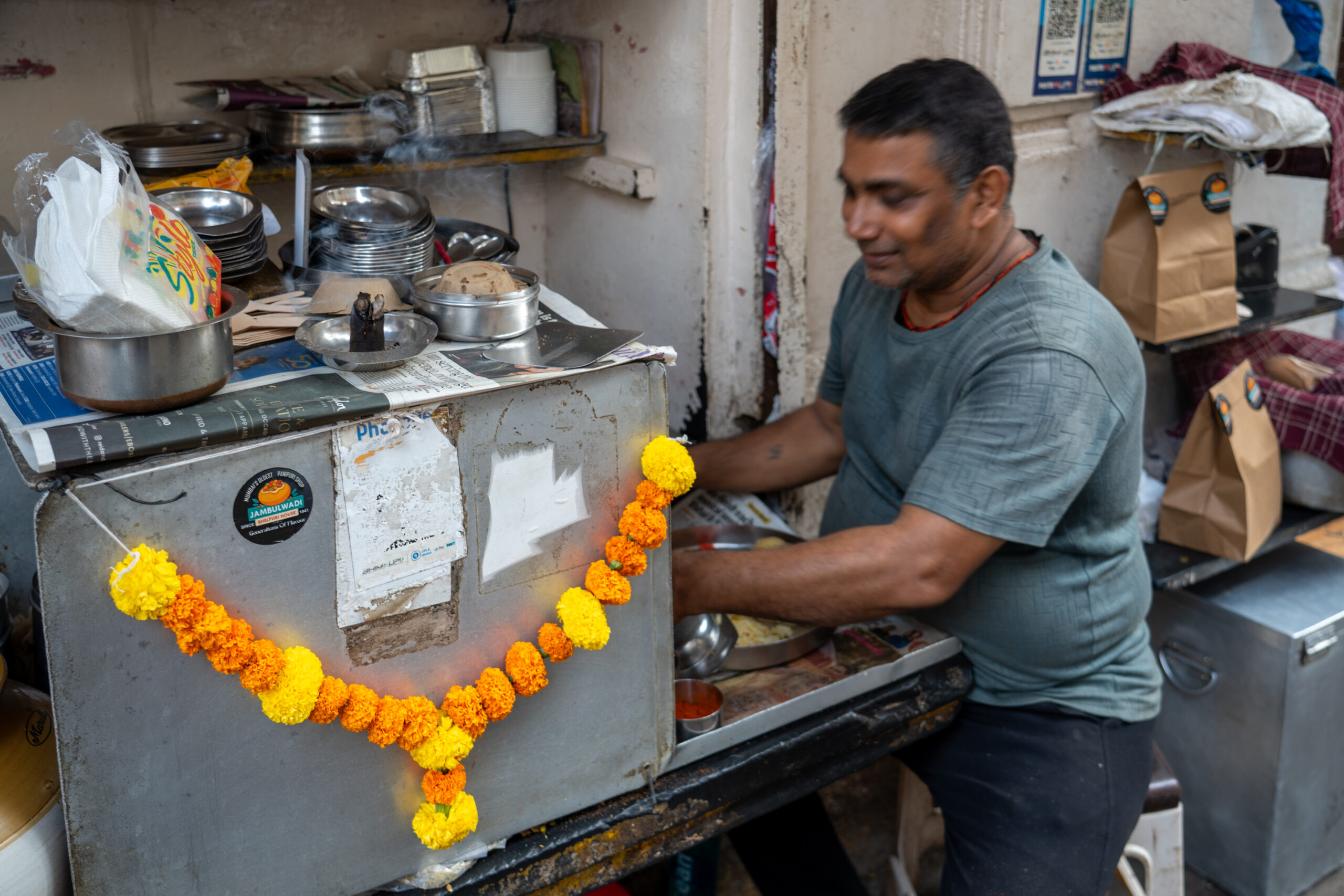
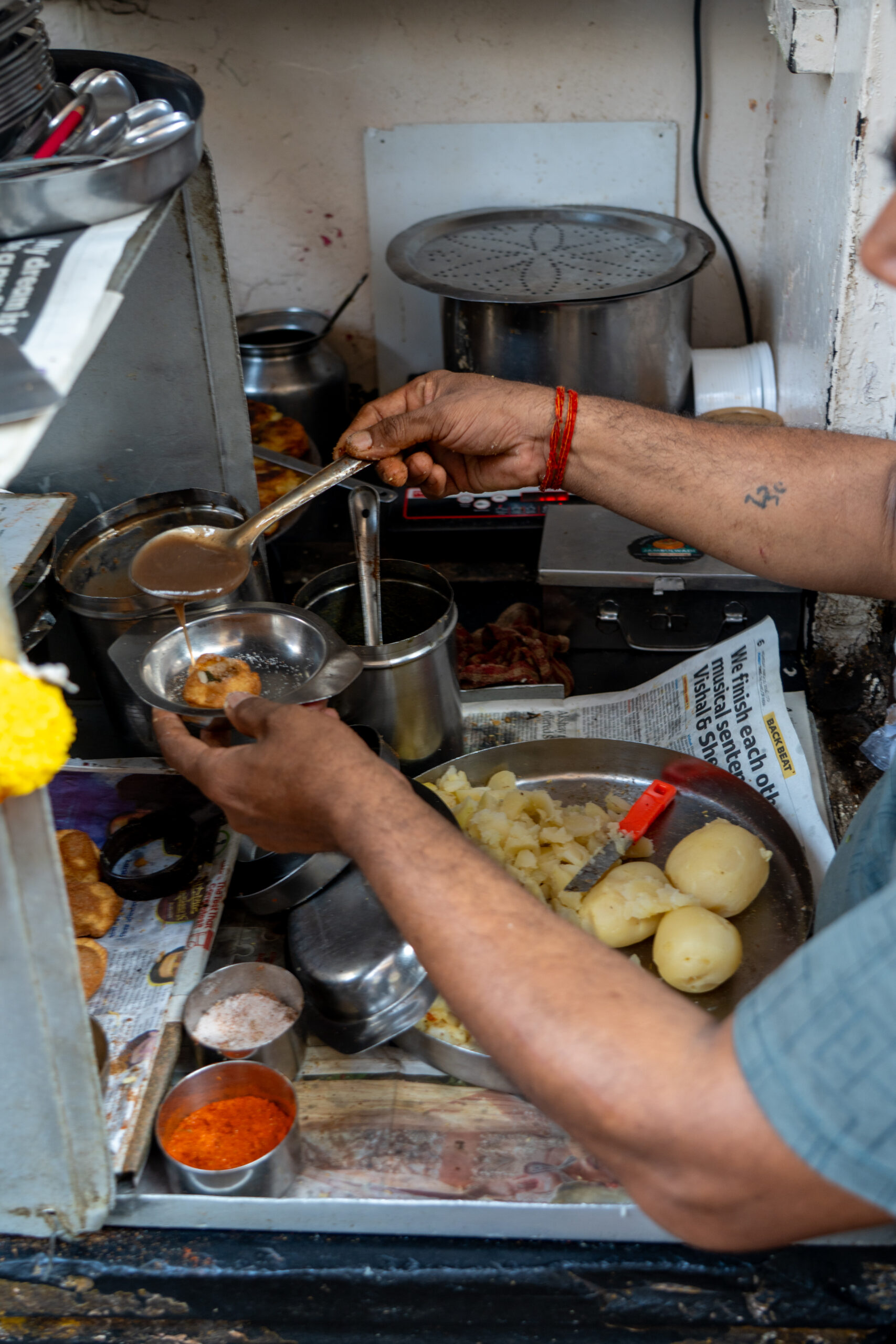
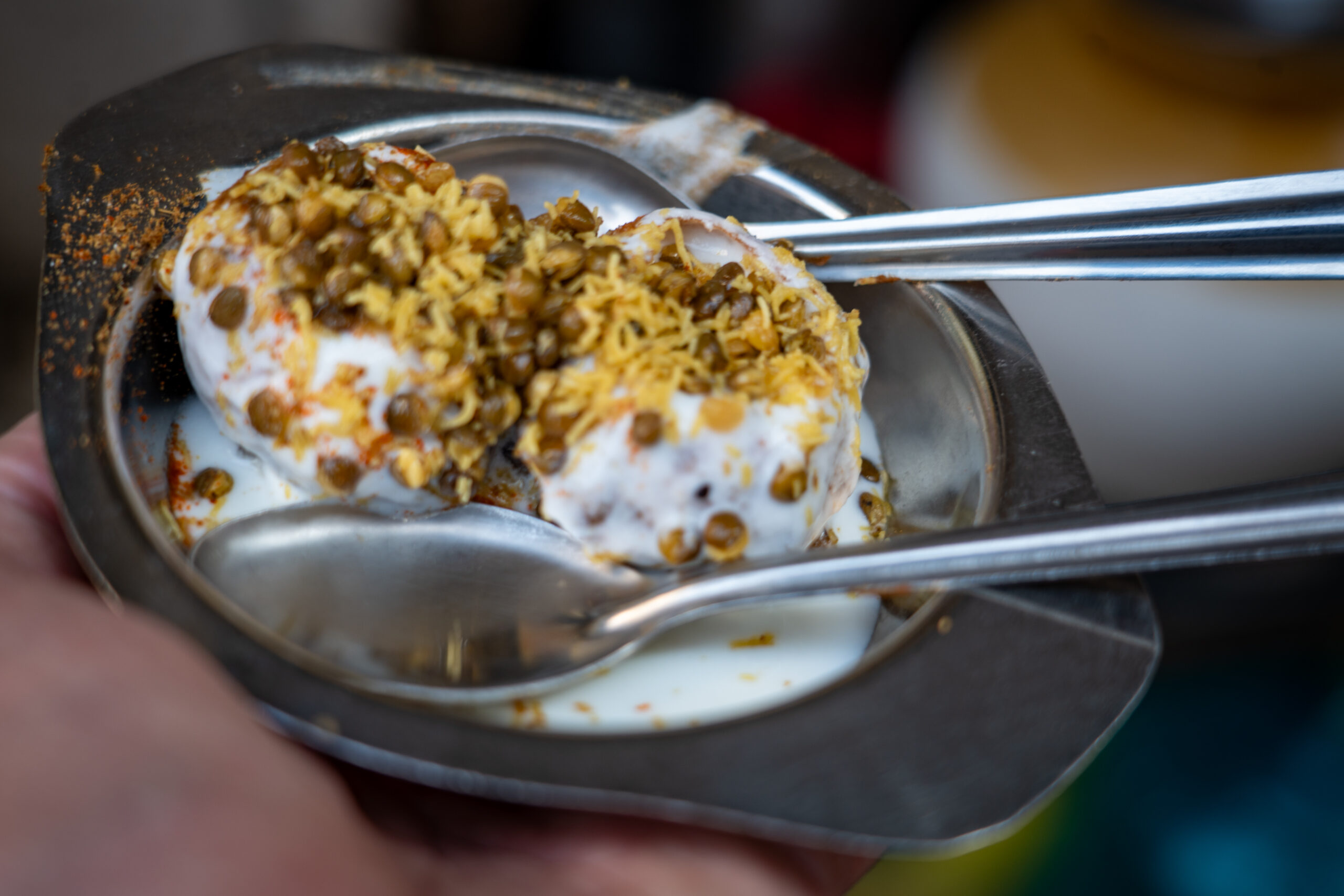
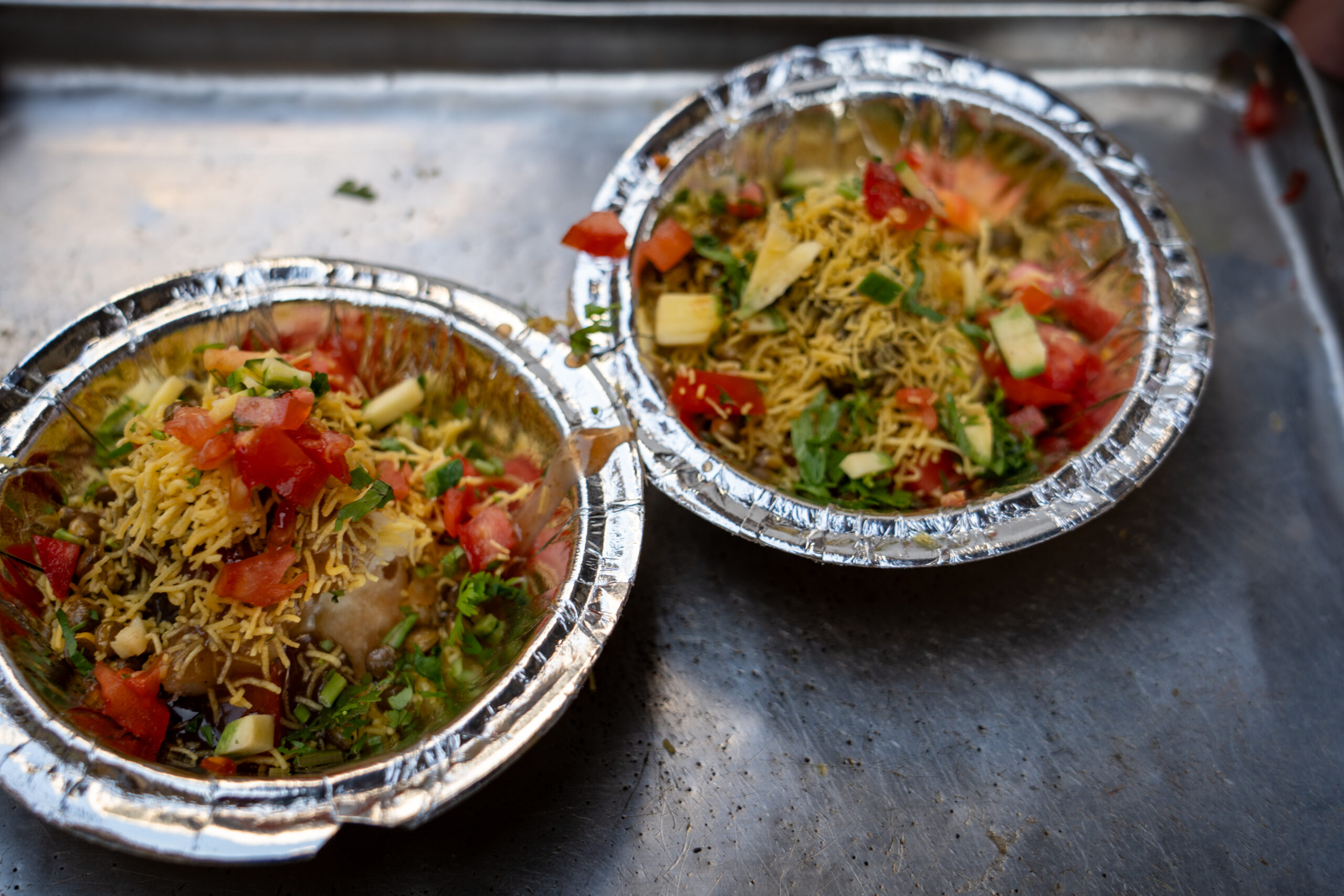
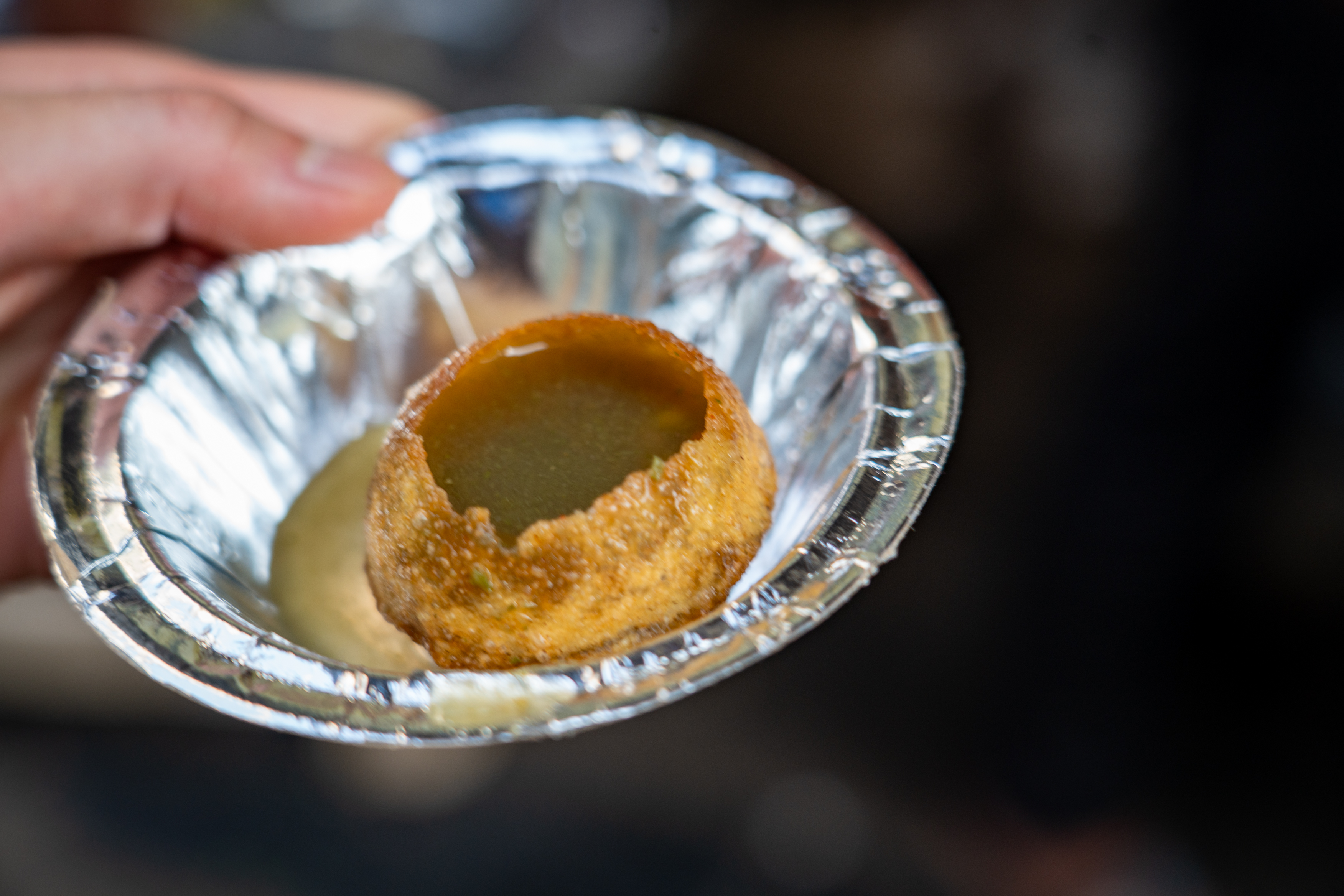
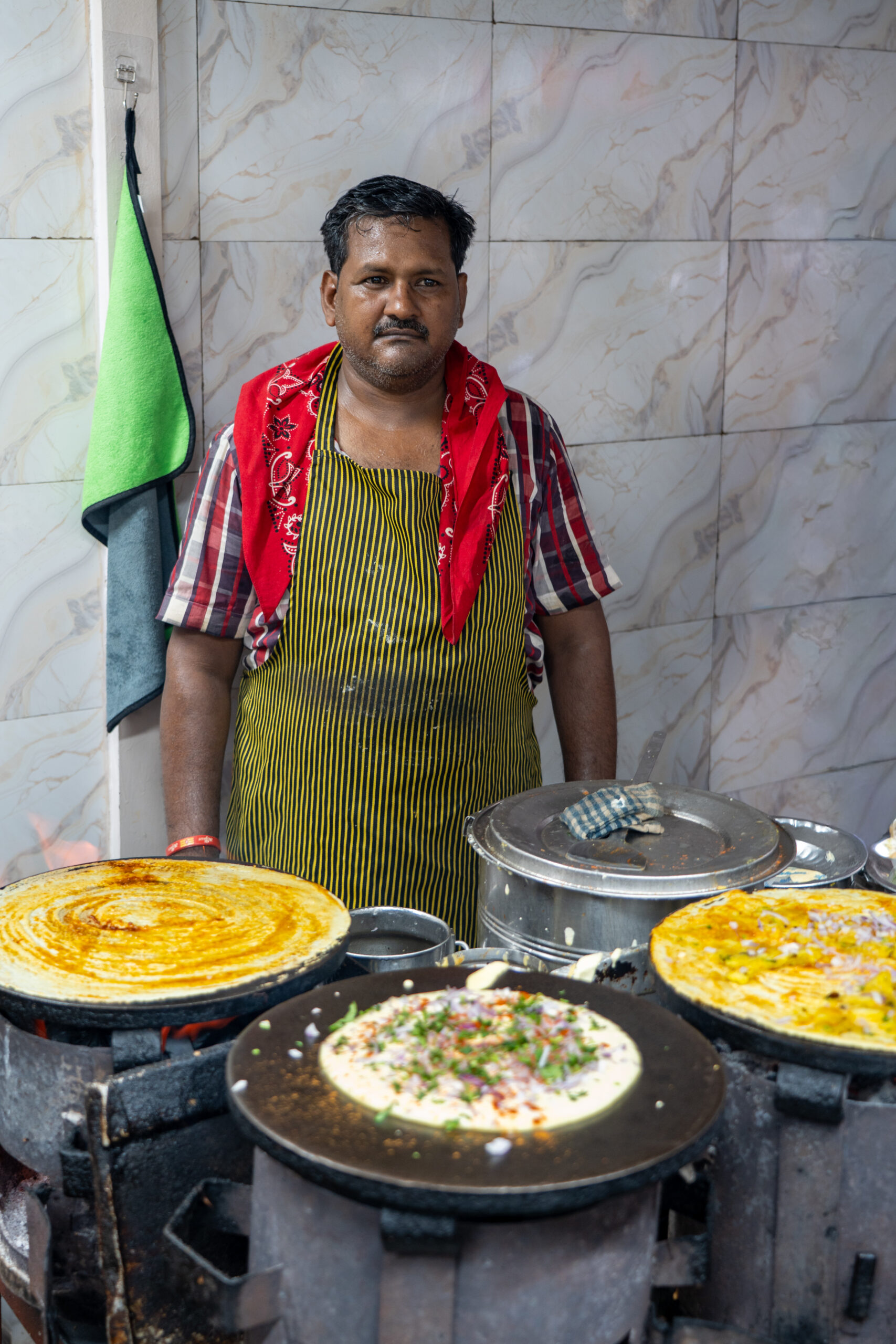
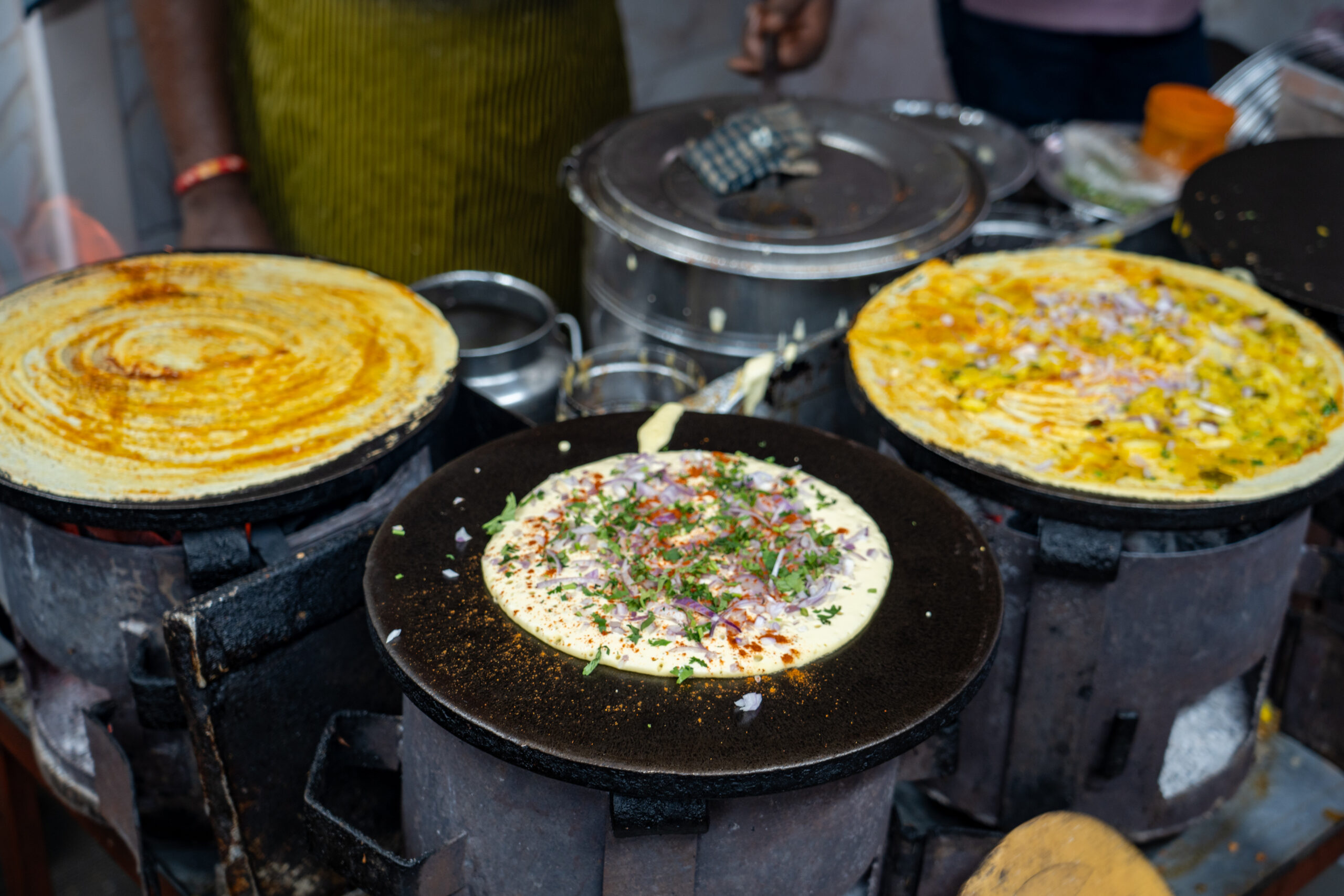
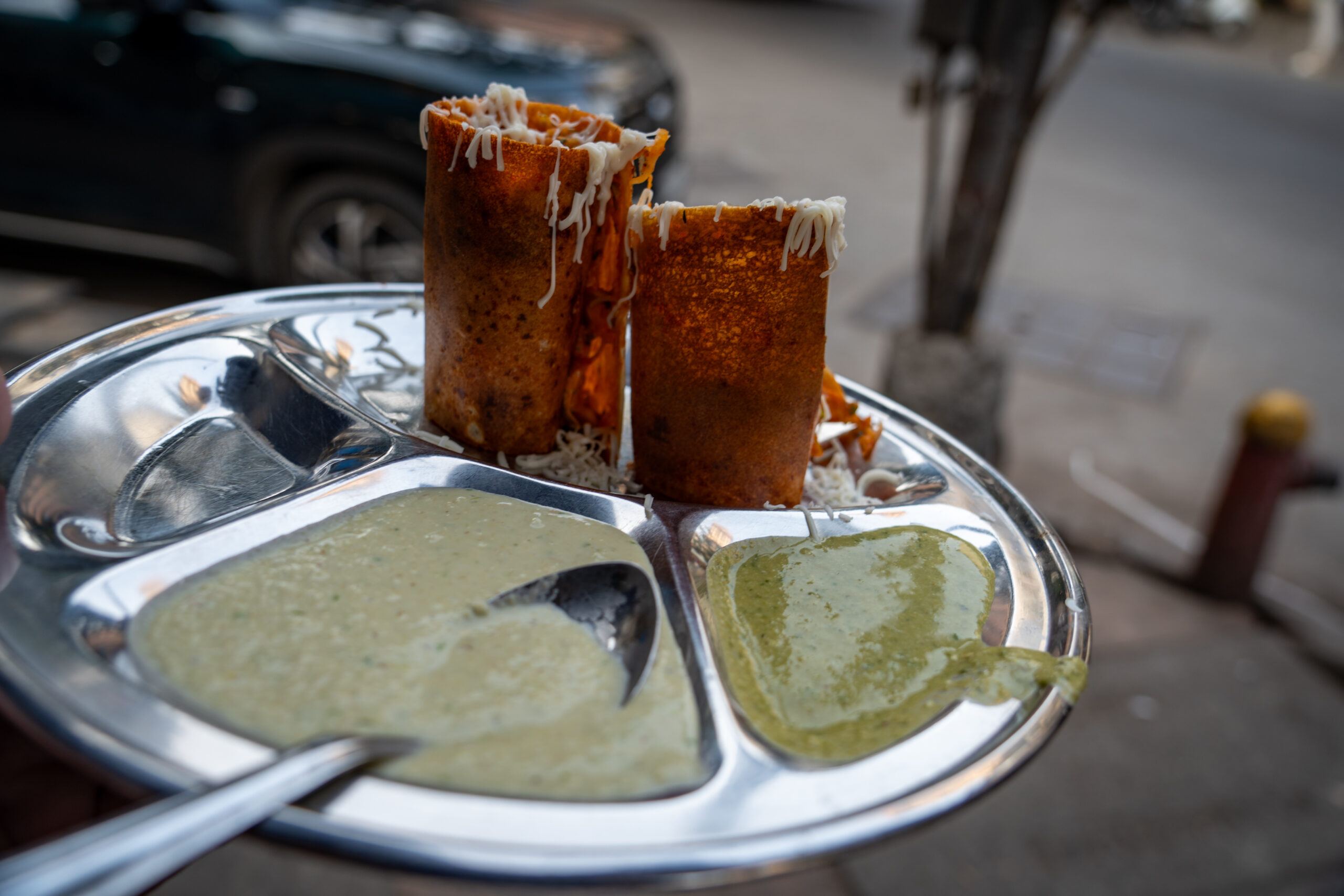
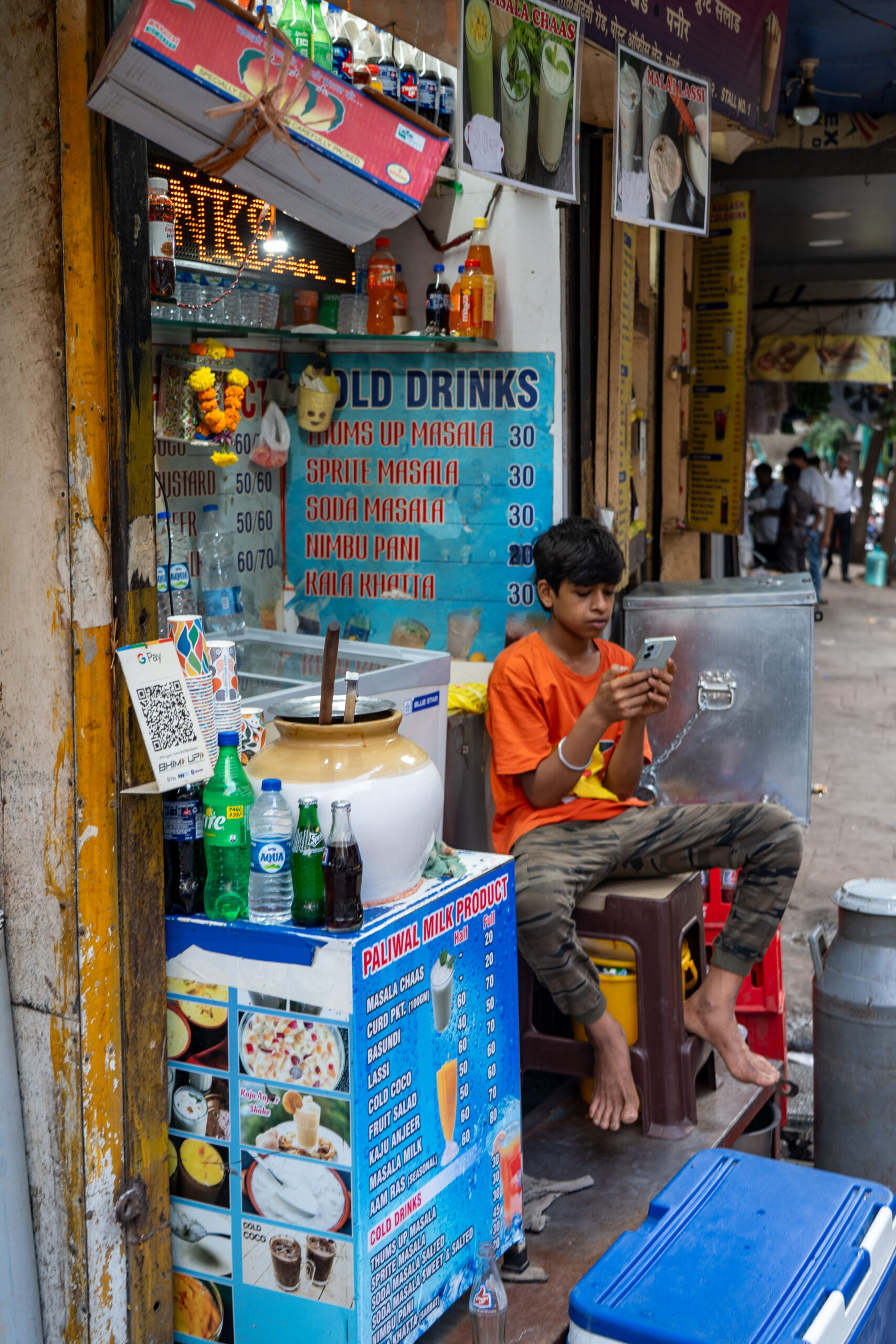
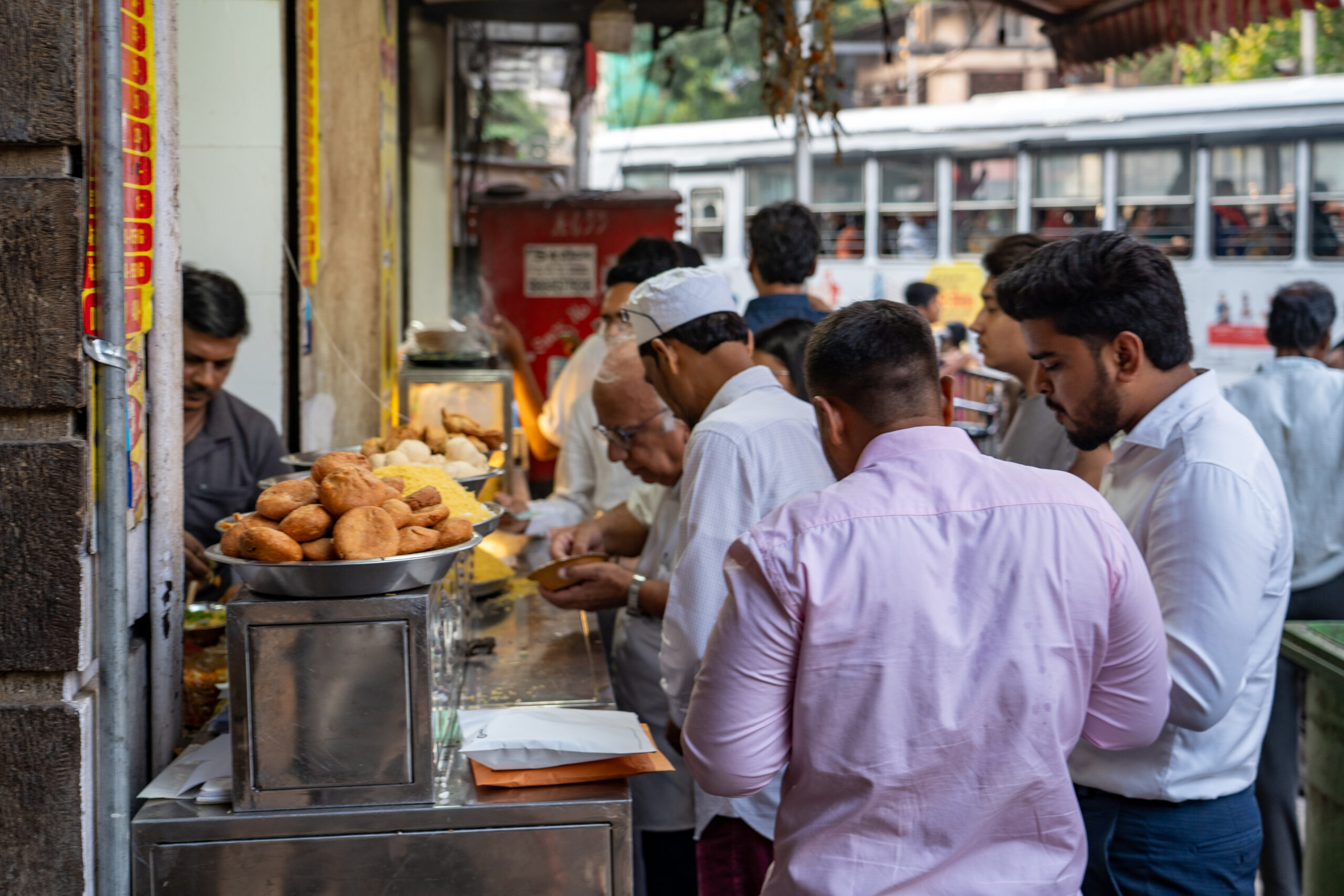
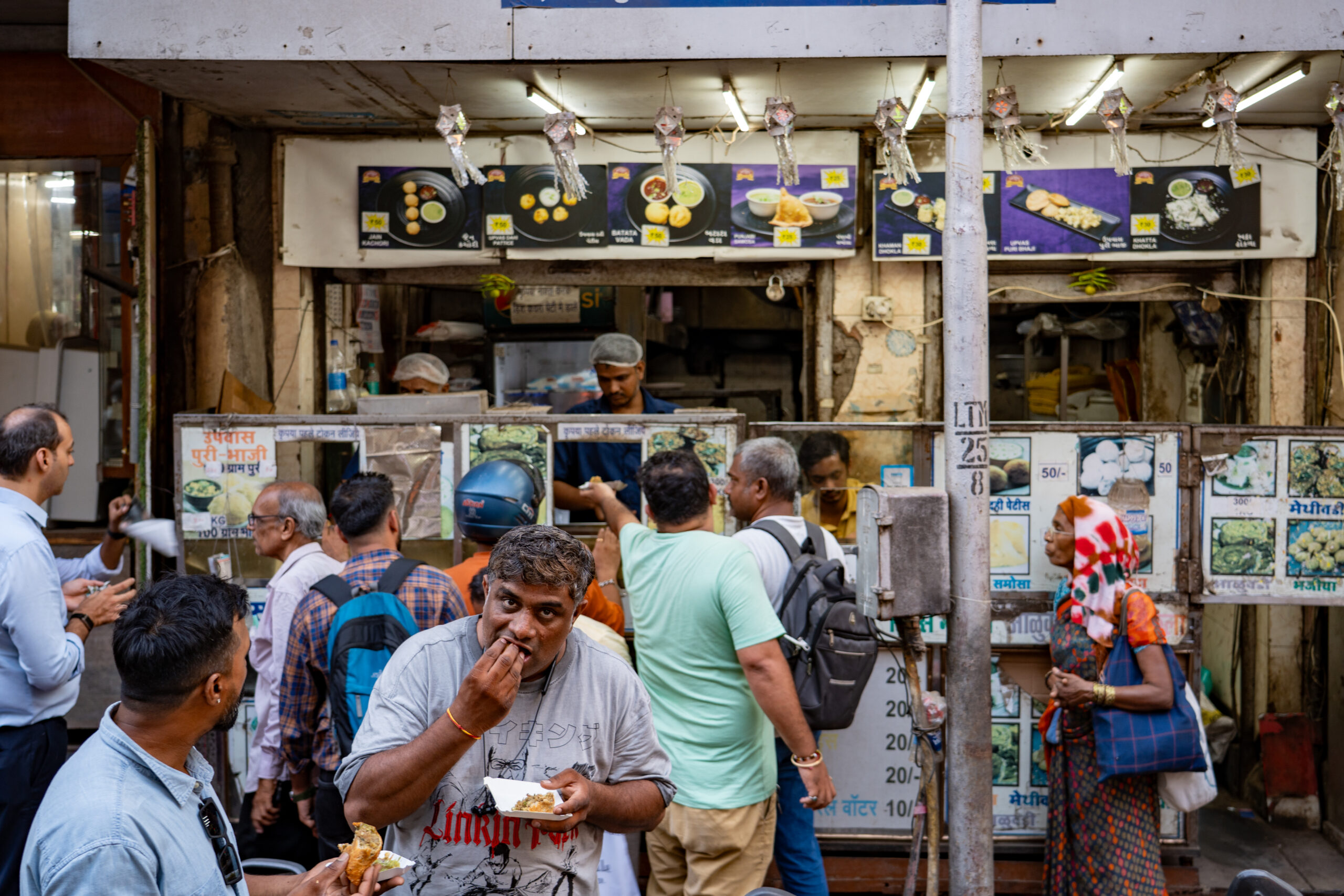
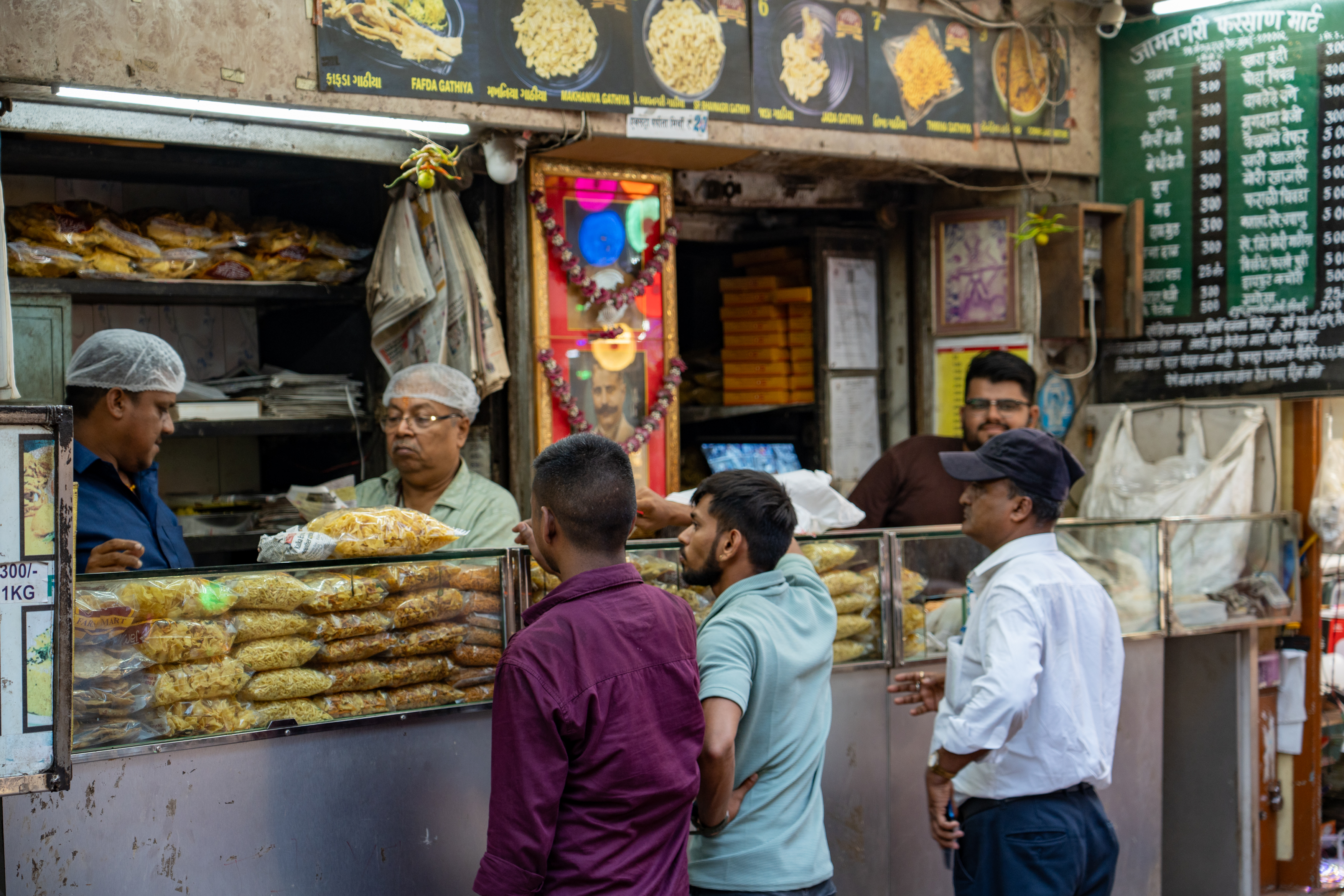
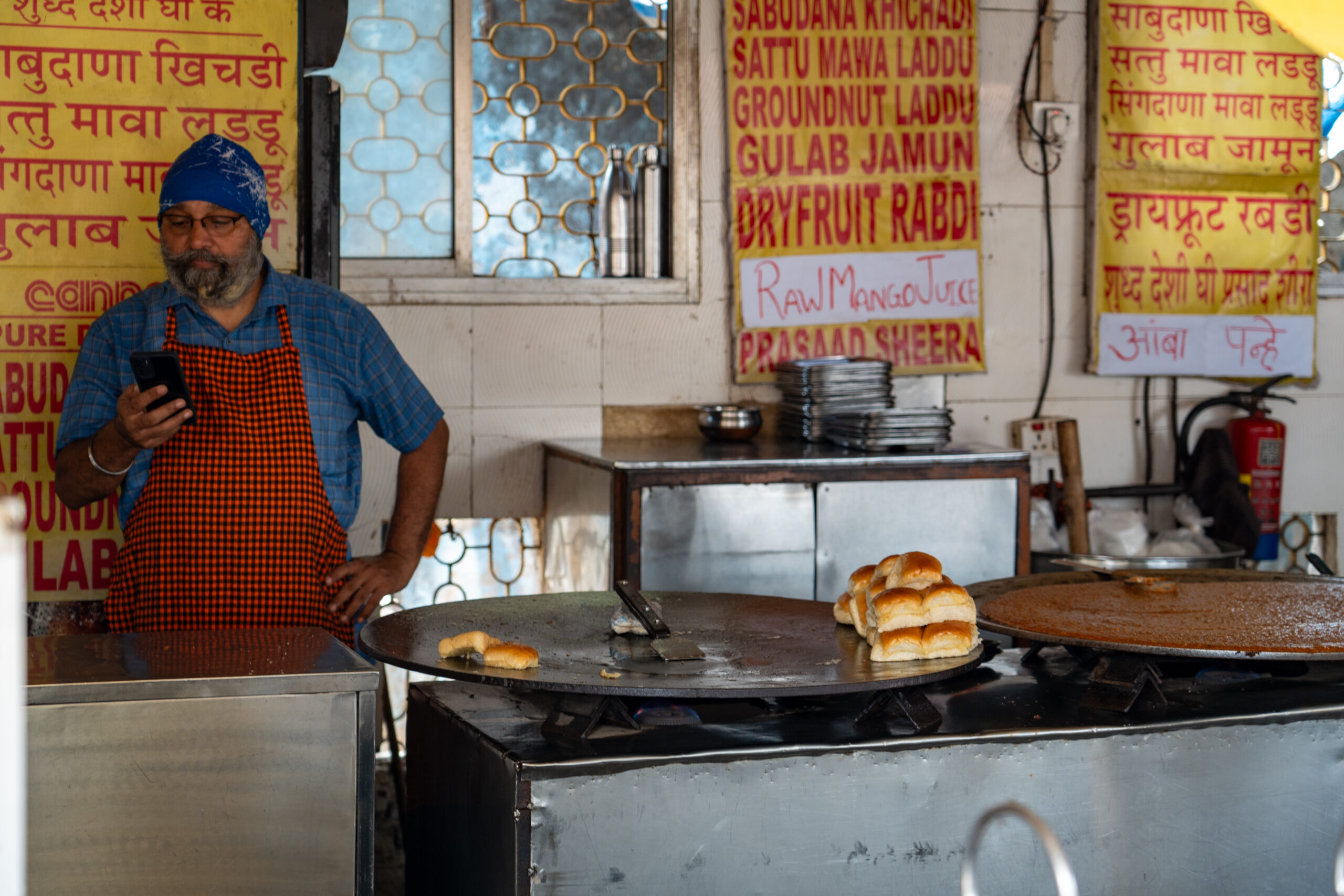
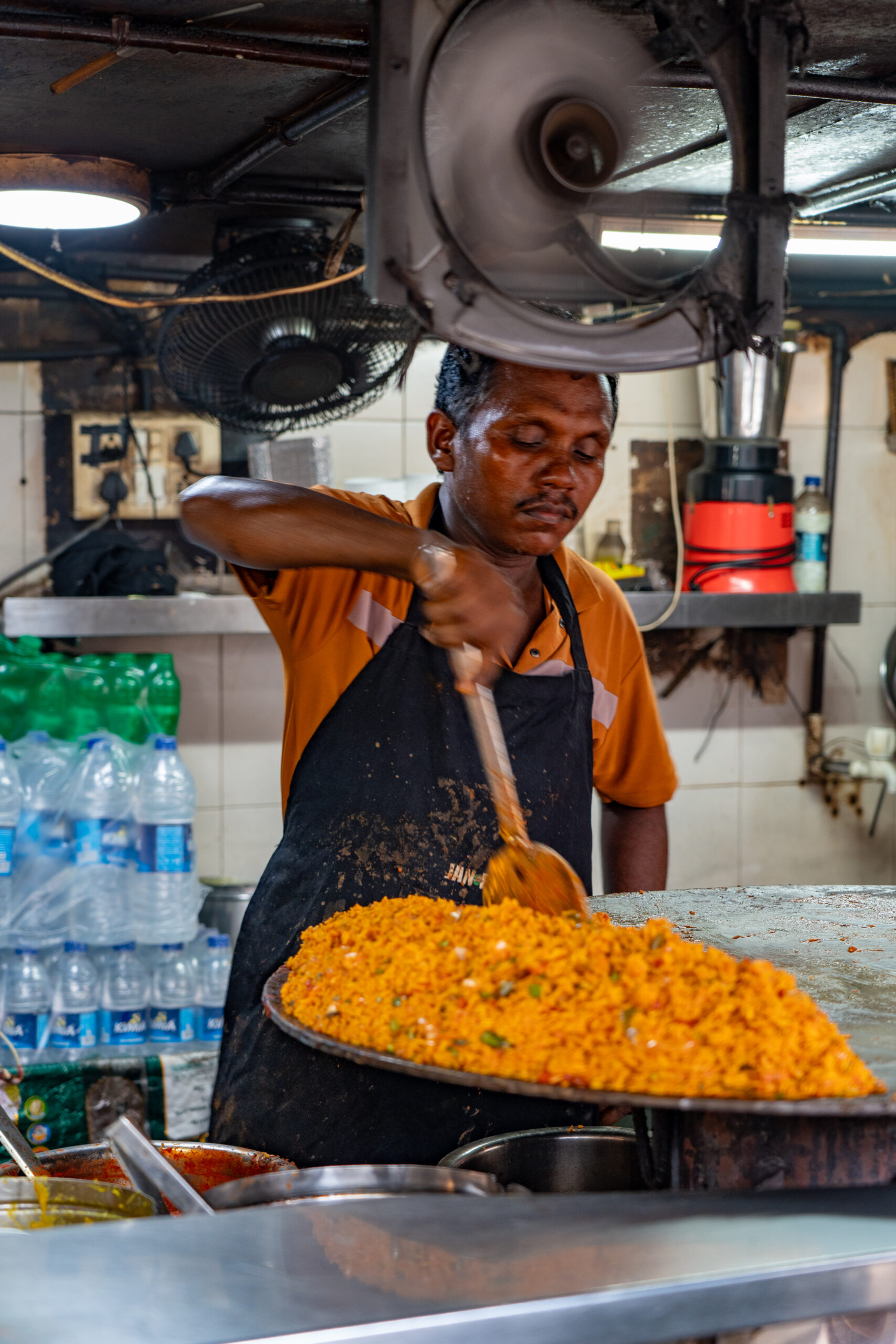
Sunil was a very entertaining guy and brought us to a series of very different places to enjoy over 15 different samples of local Mumbai food. Some were savory and at times rather spicy, others were sweet but for every different dish Sunil had a story to tell. It was truly a lovely tour through the old center of Mumbai but I was glad we ended at the last point as by then I really had more than enough to eat.
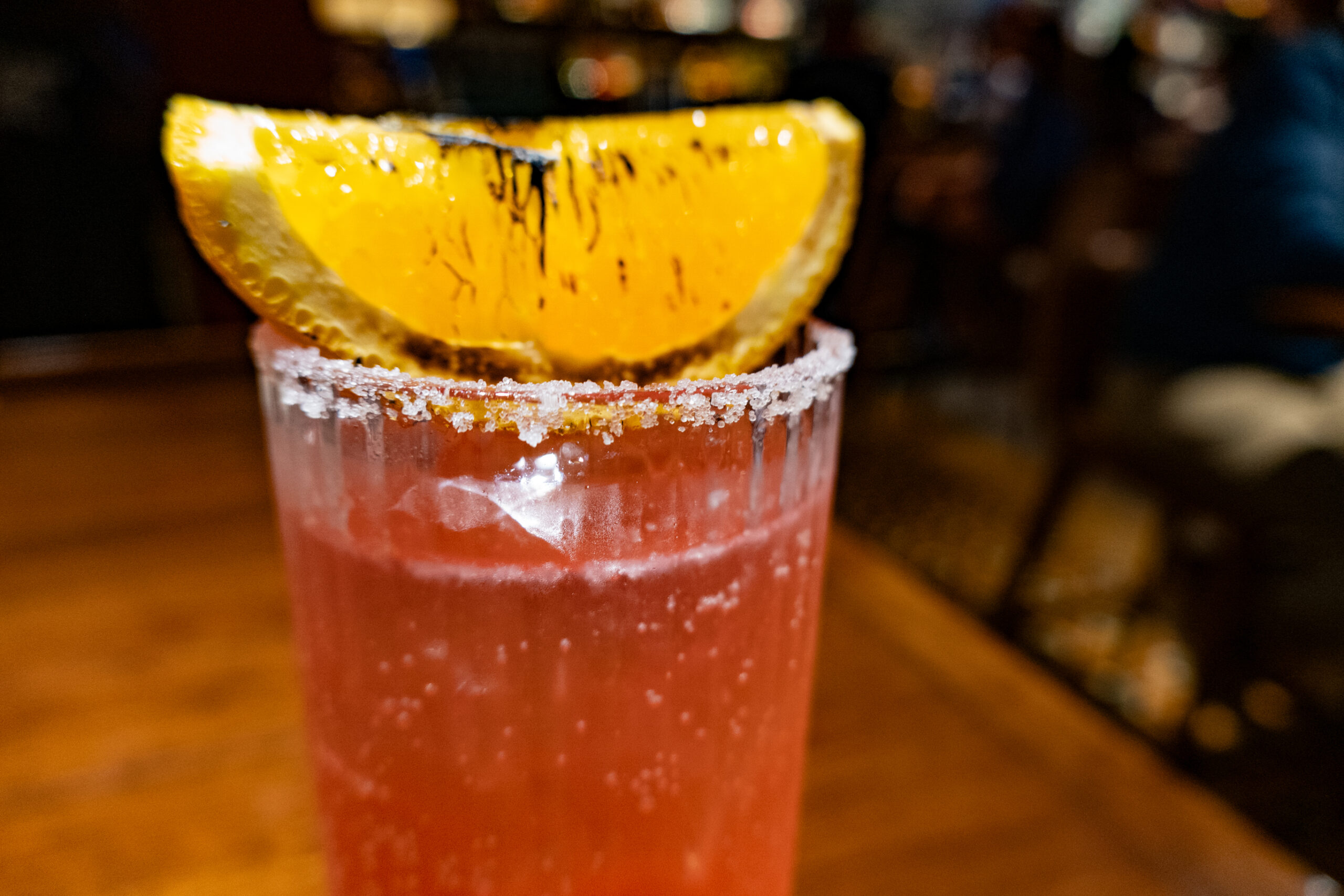
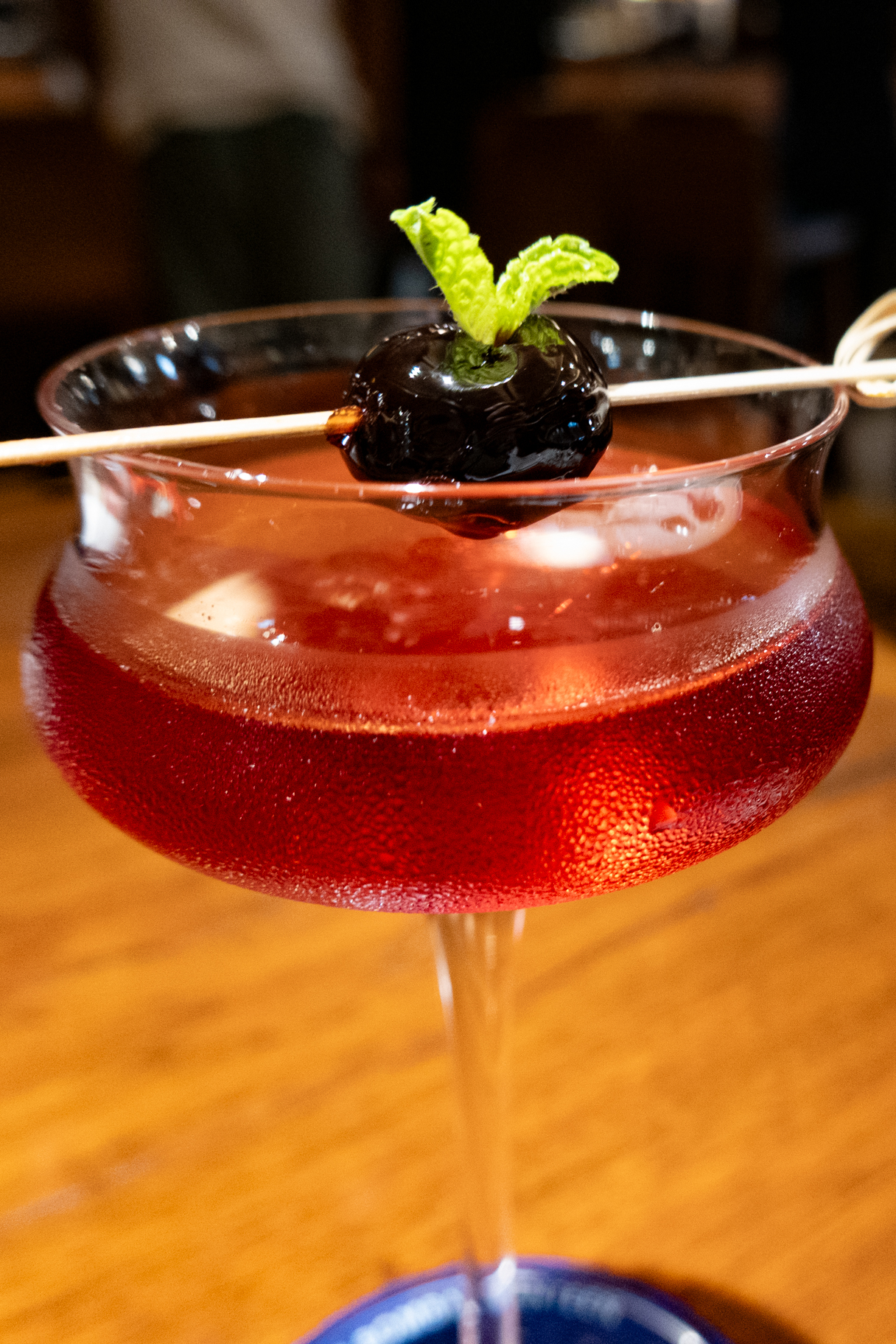
A taxi brought me back to Leopold Café where I enjoyed two different cocktails as I really felt I needed something to digest. It had been a wonderful but also very tiring day. Back at the hotel I called Vladi after which it was time to go to bed and enjoy a well-deserved sleep.
I woke up before the alarm, had a refreshing shower, breakfast and then prepared myself for the rest of the day. Today I decided to stay in Colaba and the Fort Area and visit some of the better-known landmarks of Mumbai.
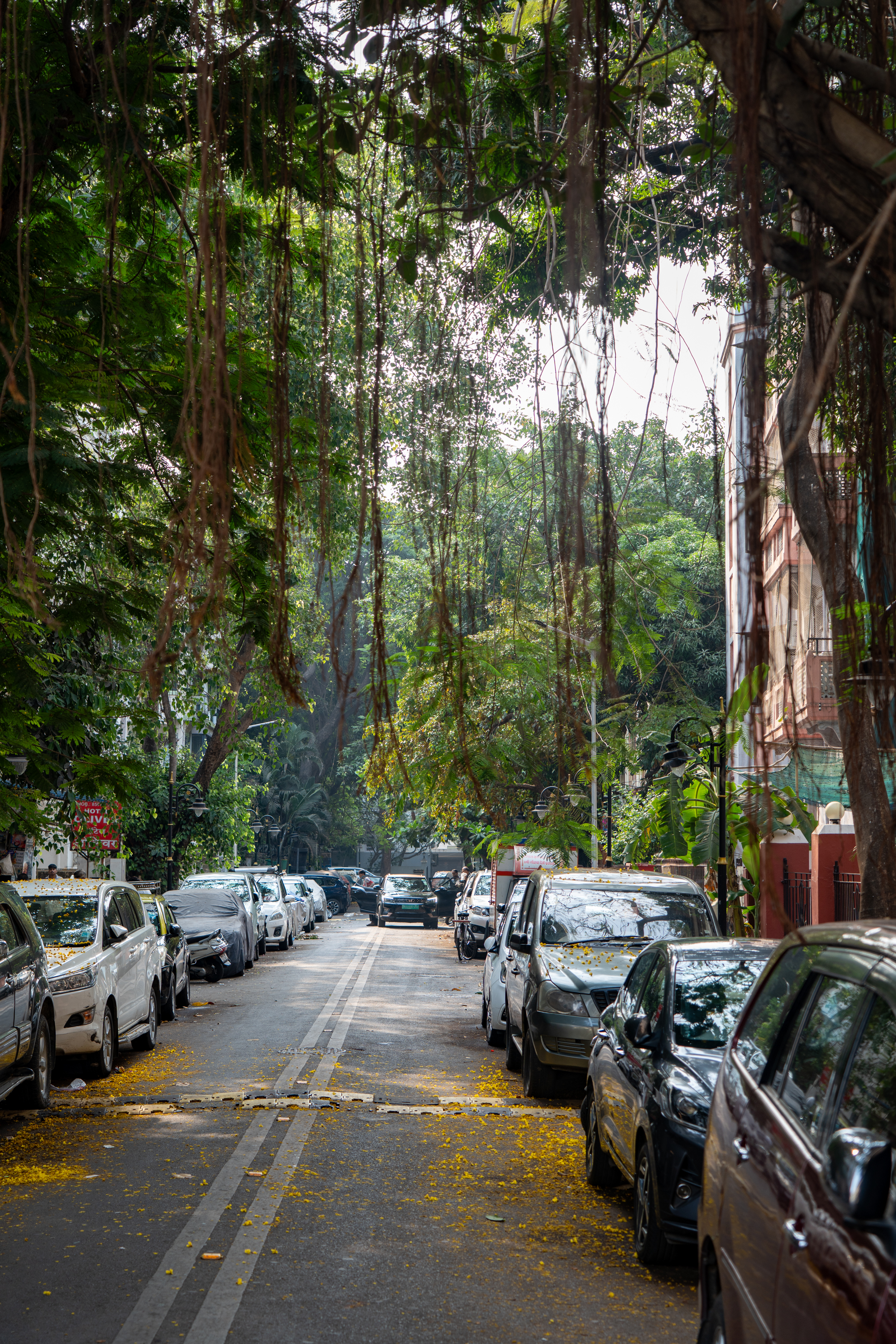
Colaba, where my hotel is located, is a lively and historic area located at the southern tip of Mumbai, known for its unique blend of colonial charm and modern city life. The neighborhood is home to iconic landmarks such as the Gateway of India and the luxurious Taj Mahal Palace Hotel, which draw visitors from around the world. As it was only 9 o’clock the place was still dormant and just waking up after a more or less quiet night.
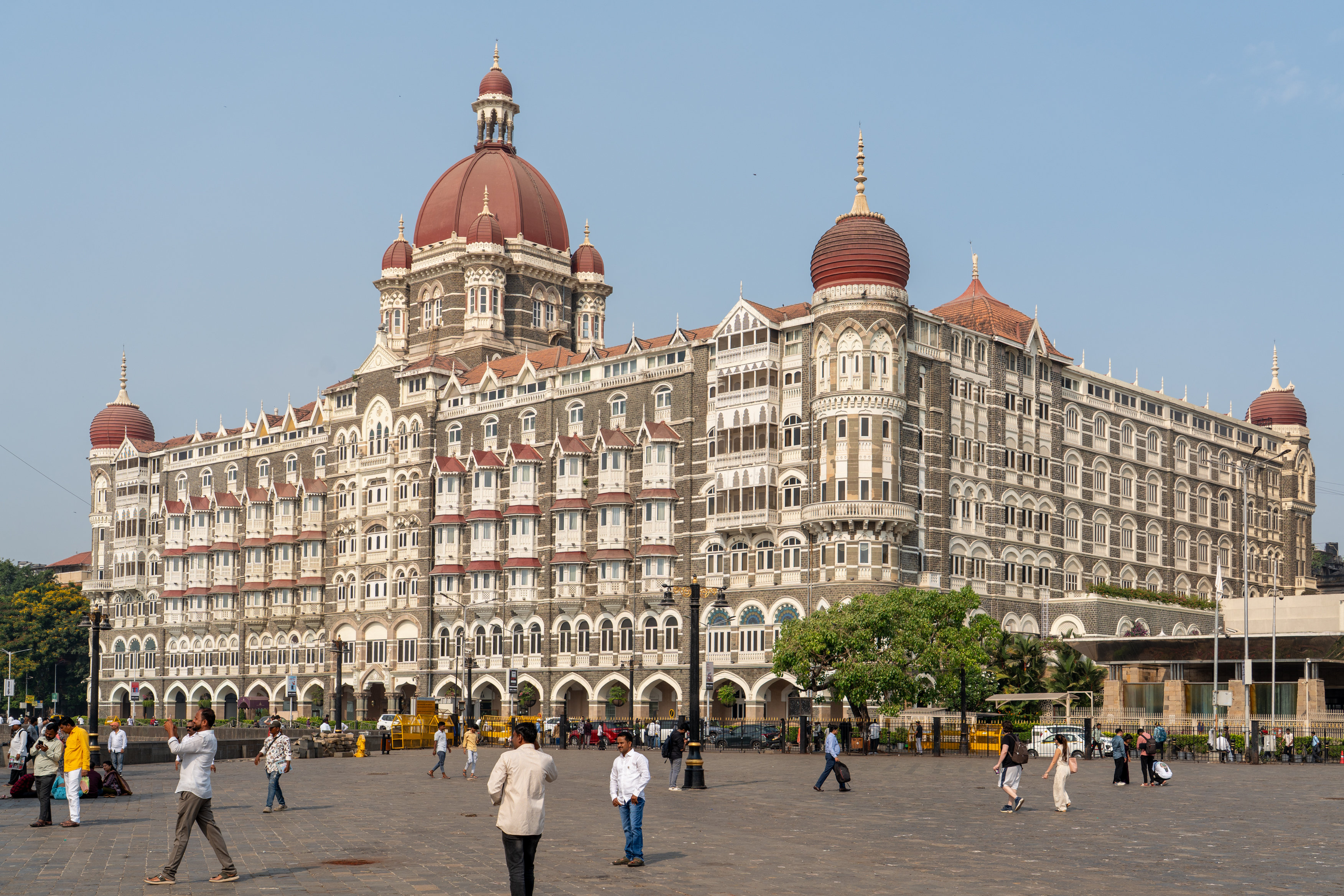
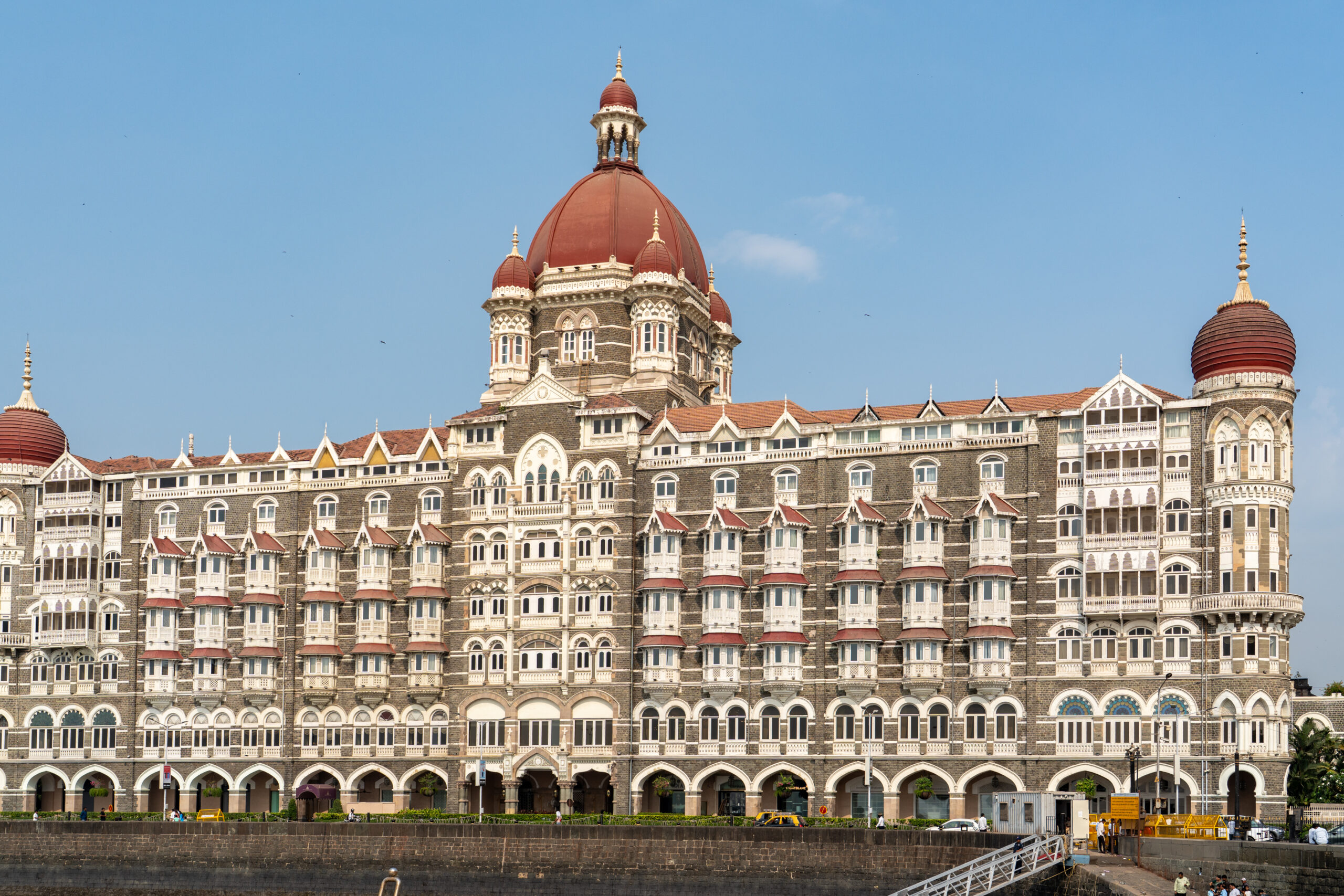
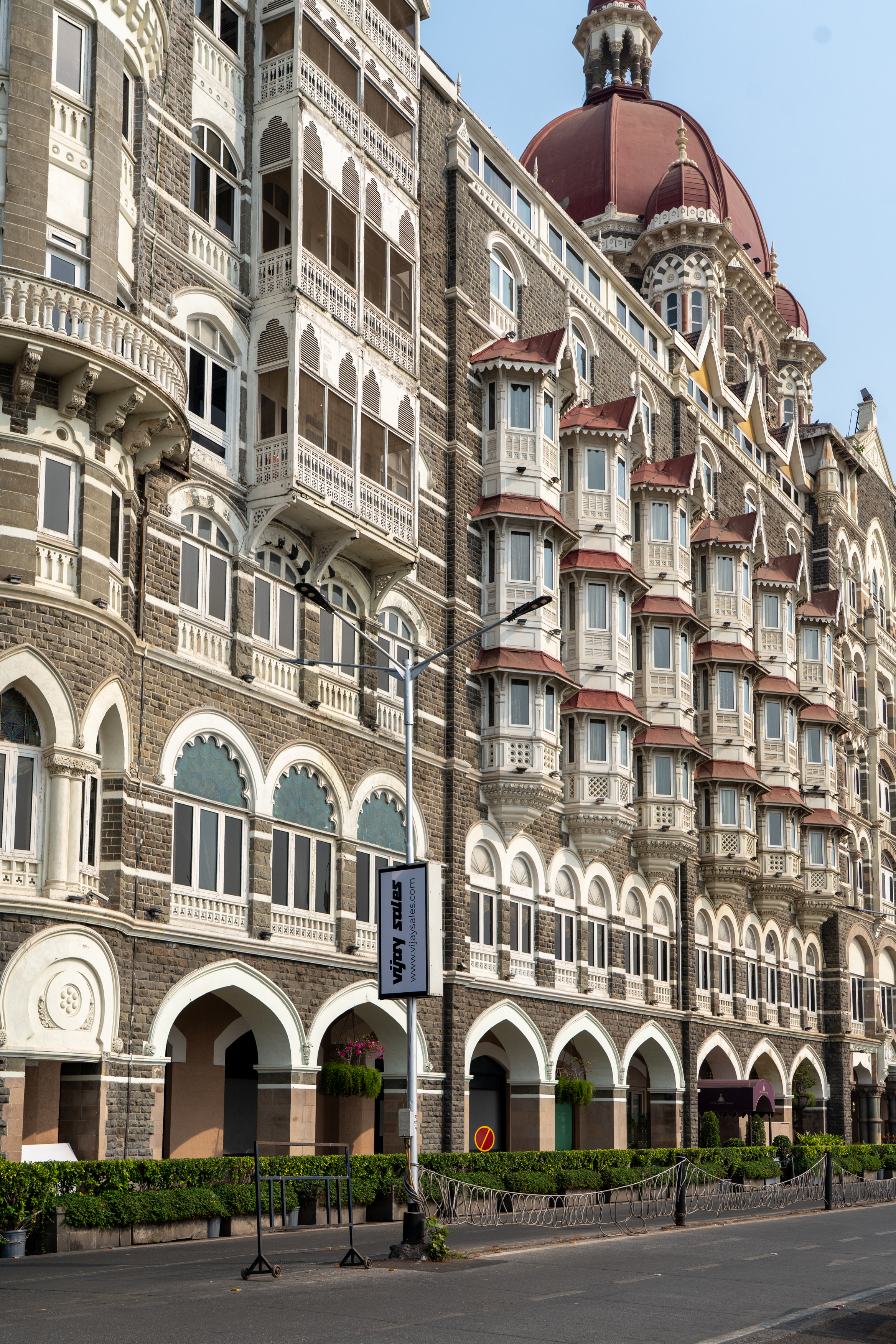
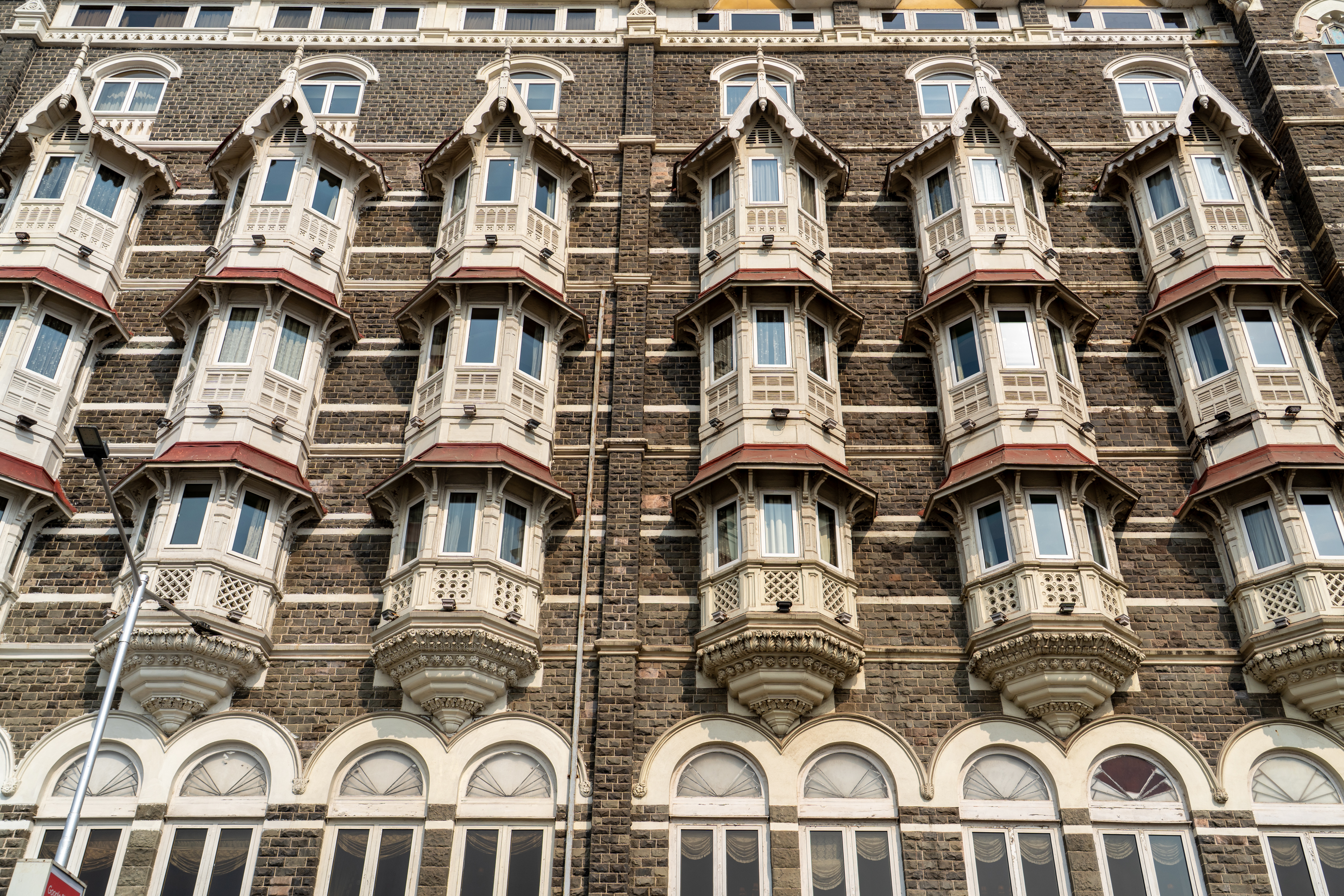
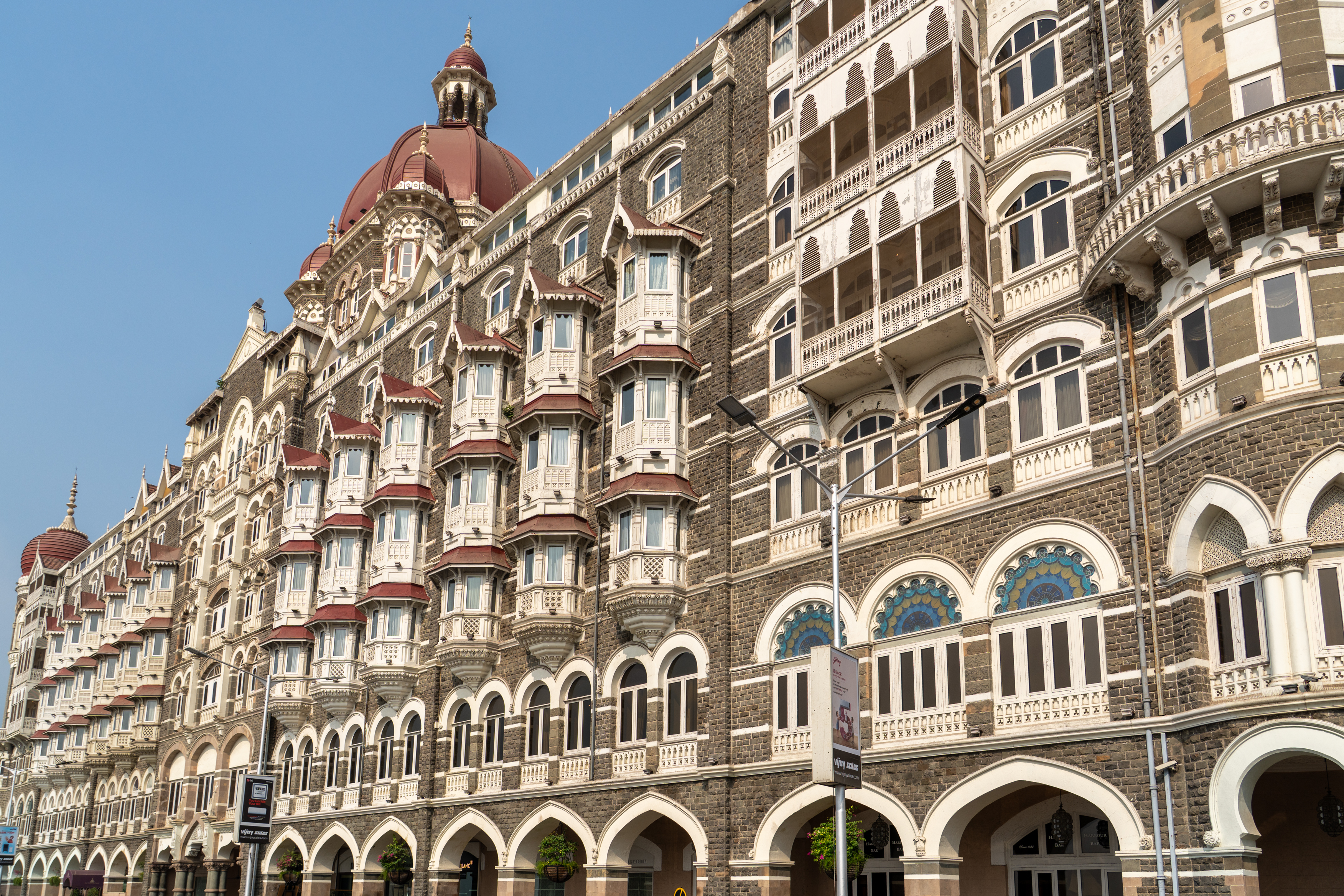
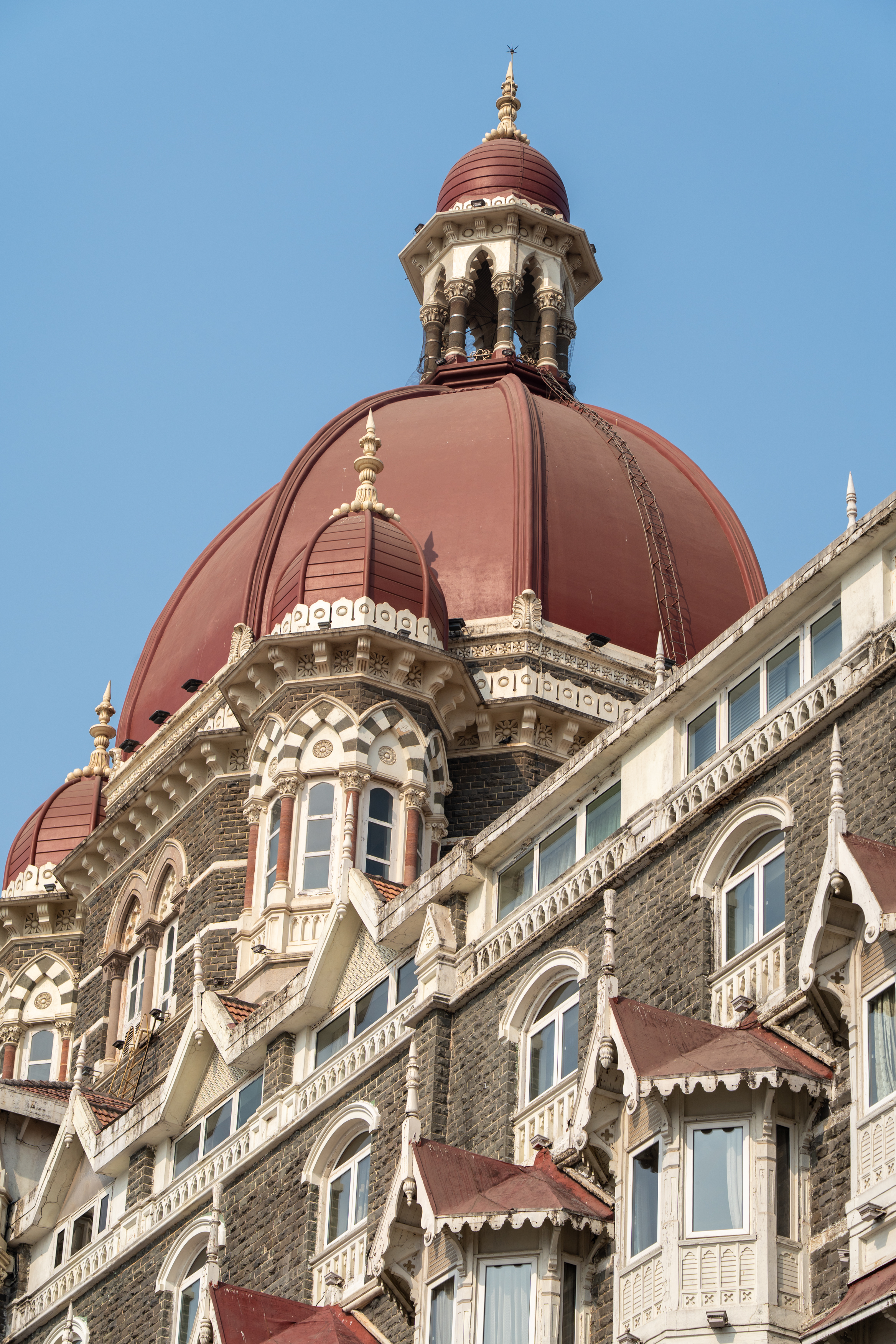
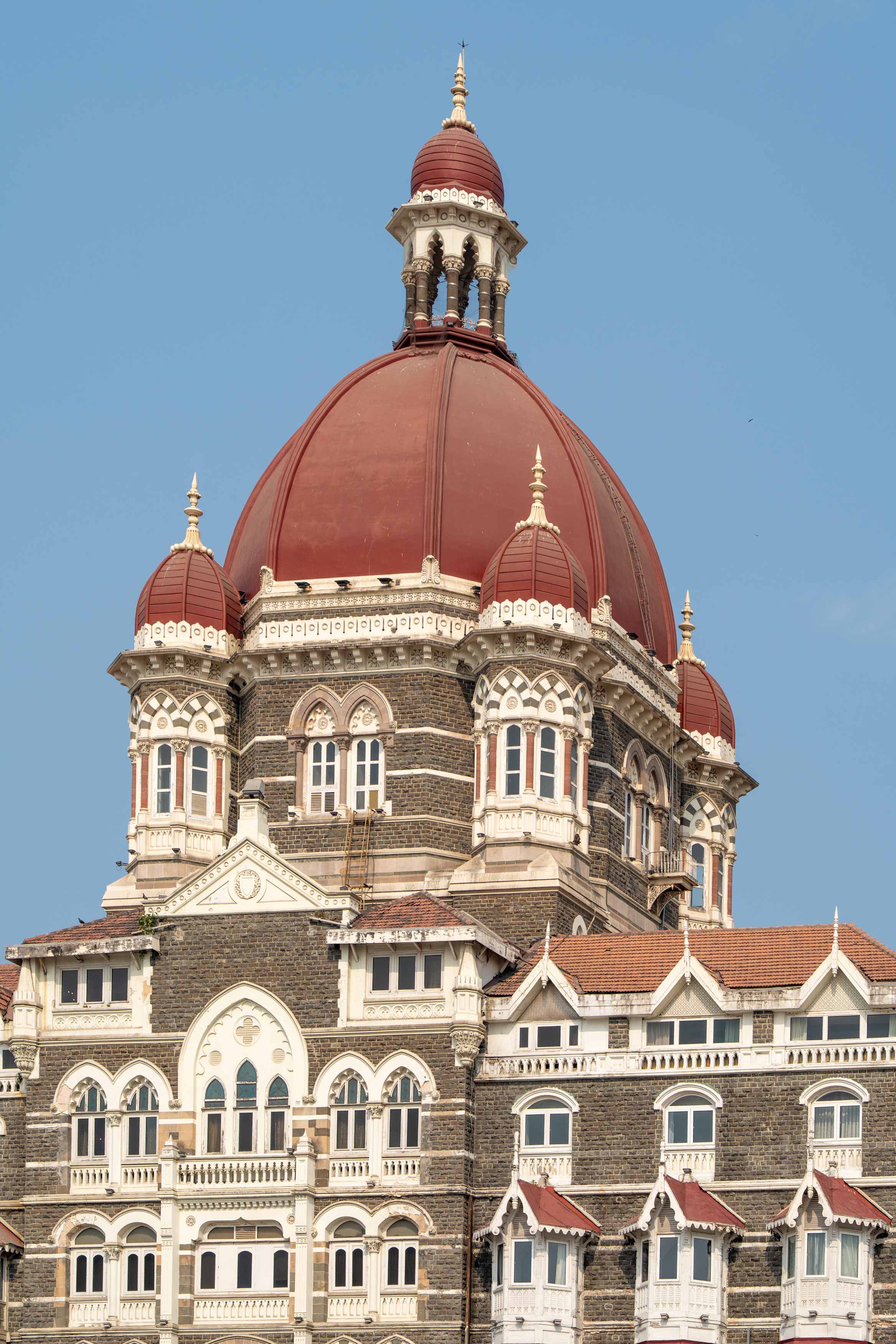
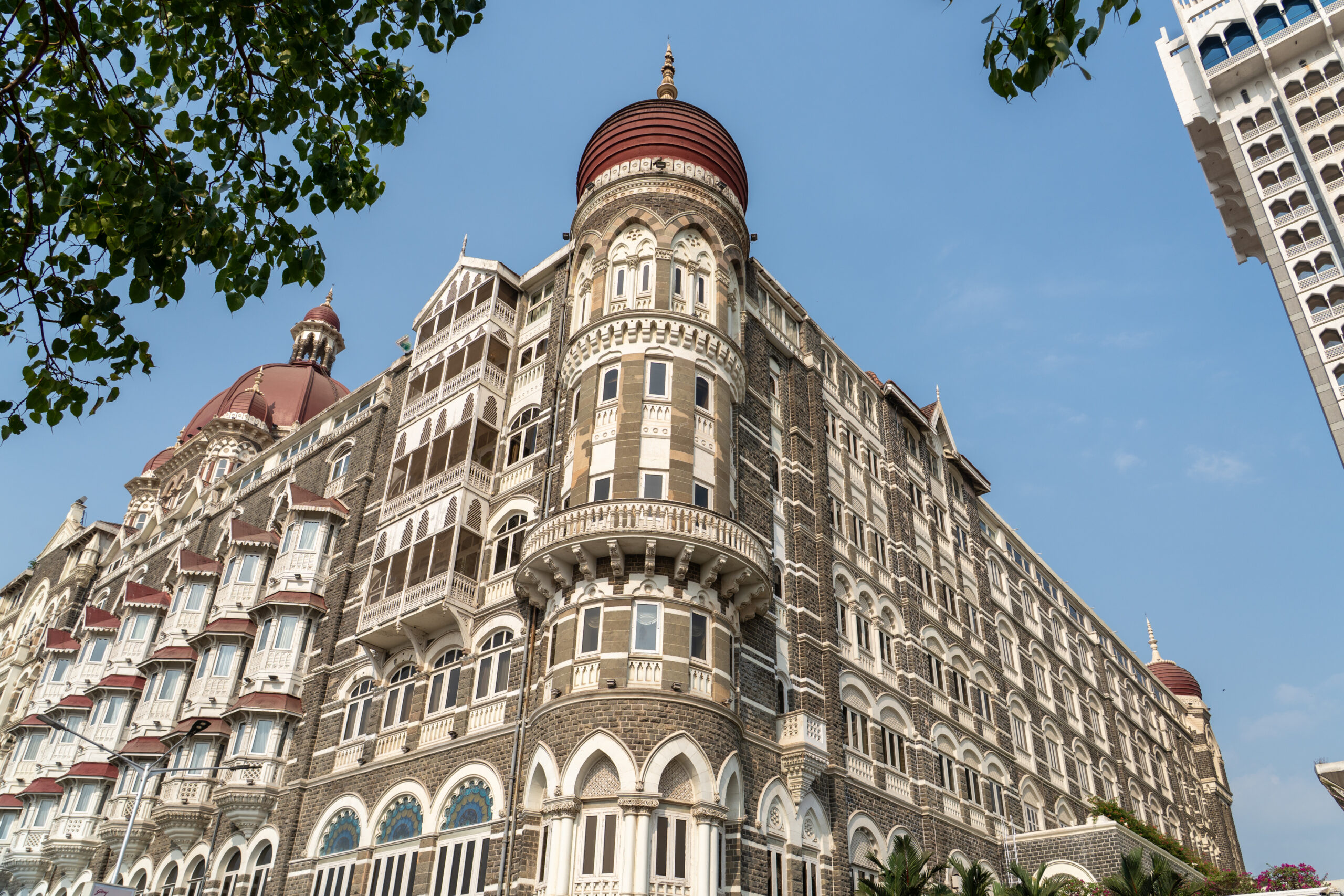
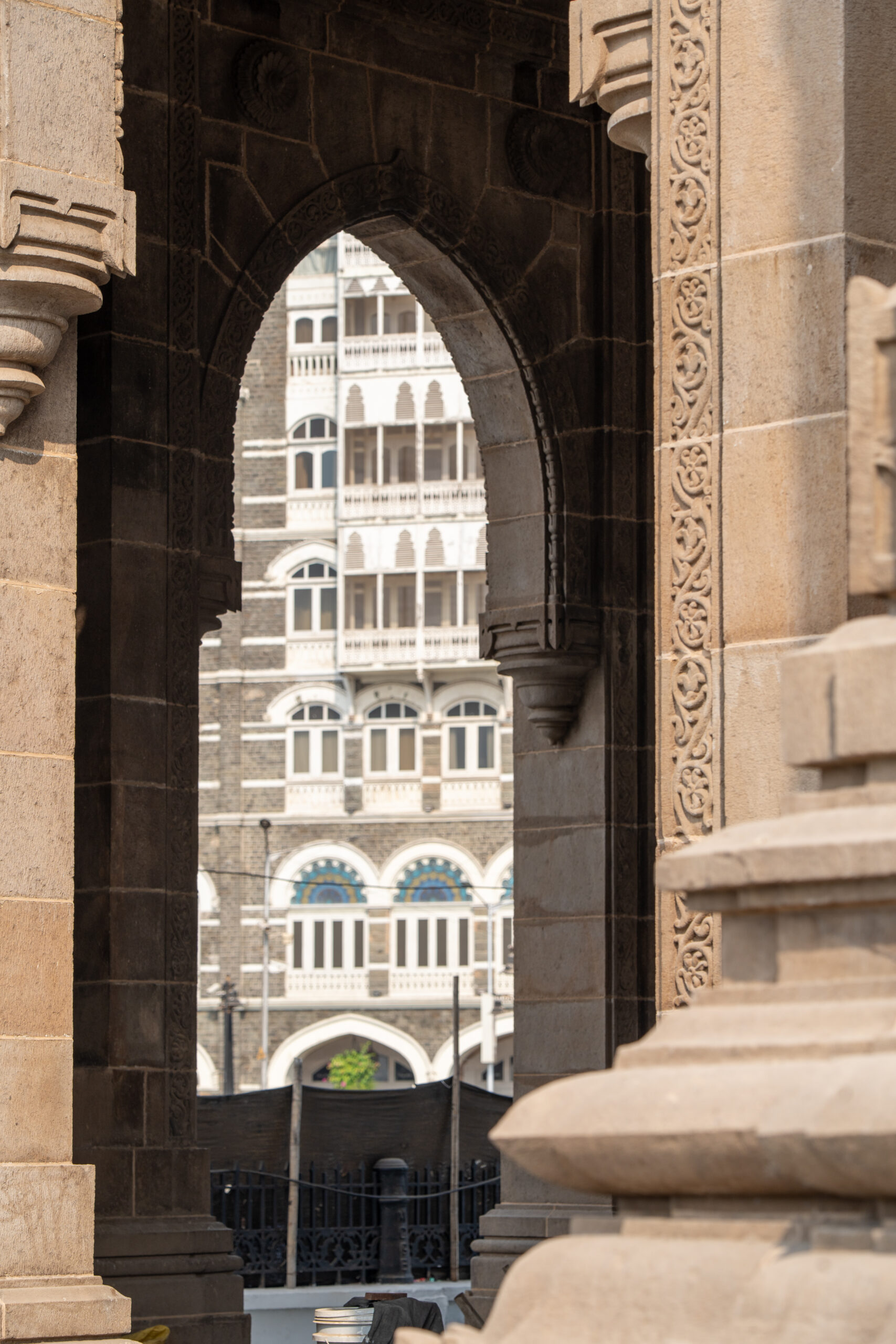
The Taj Mahal Palace Hotel could not be missed. It is one of Mumbai’s most iconic and luxurious landmarks directly facing the Gateway of India along the Arabian Sea. Opened in 1903 by industrialist Jamsetji Tata, the hotel was a symbol of Indian pride and sophistication during the colonial era. I had lunch two times before at this lavish place but this time decided just to admire it from the outside.
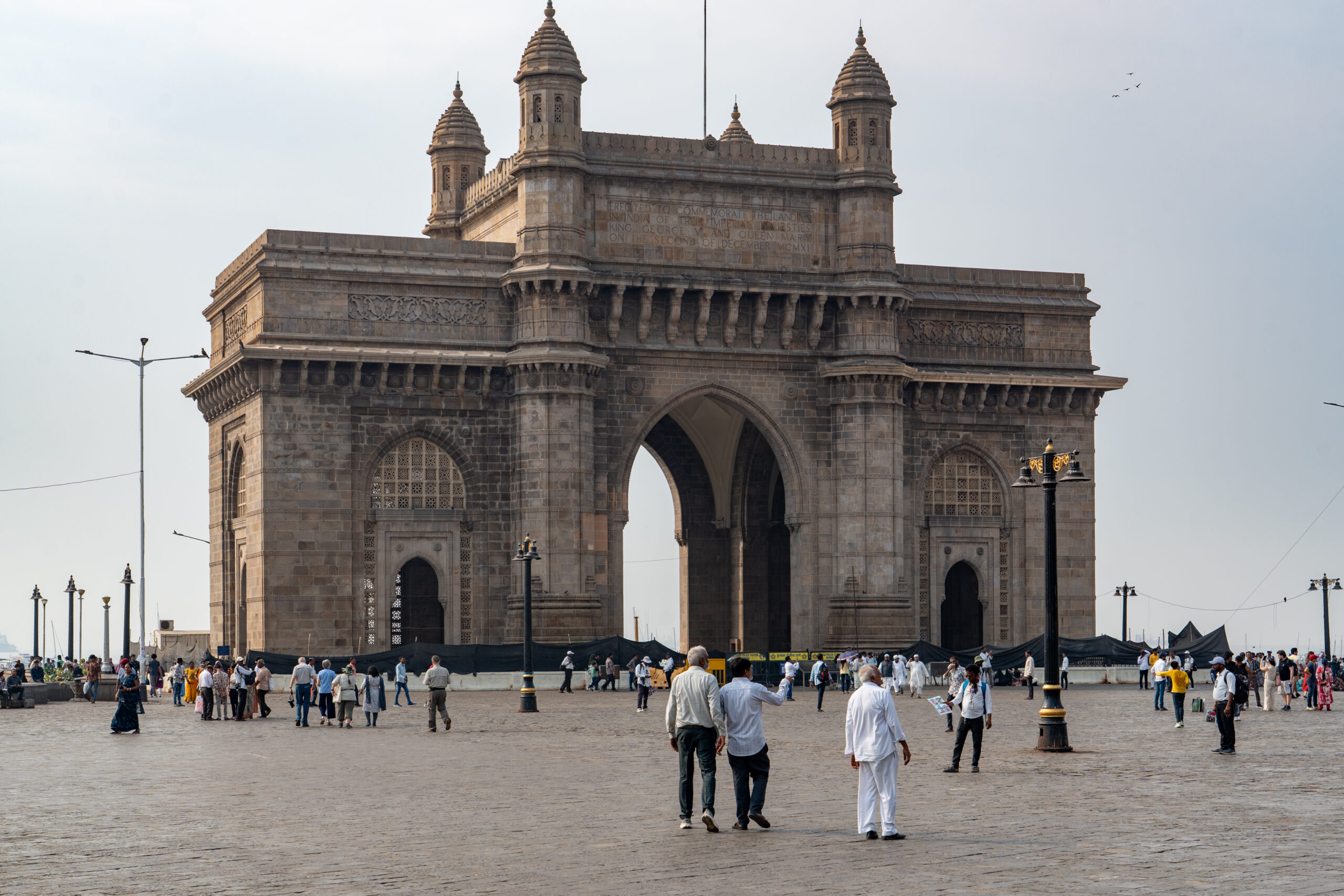
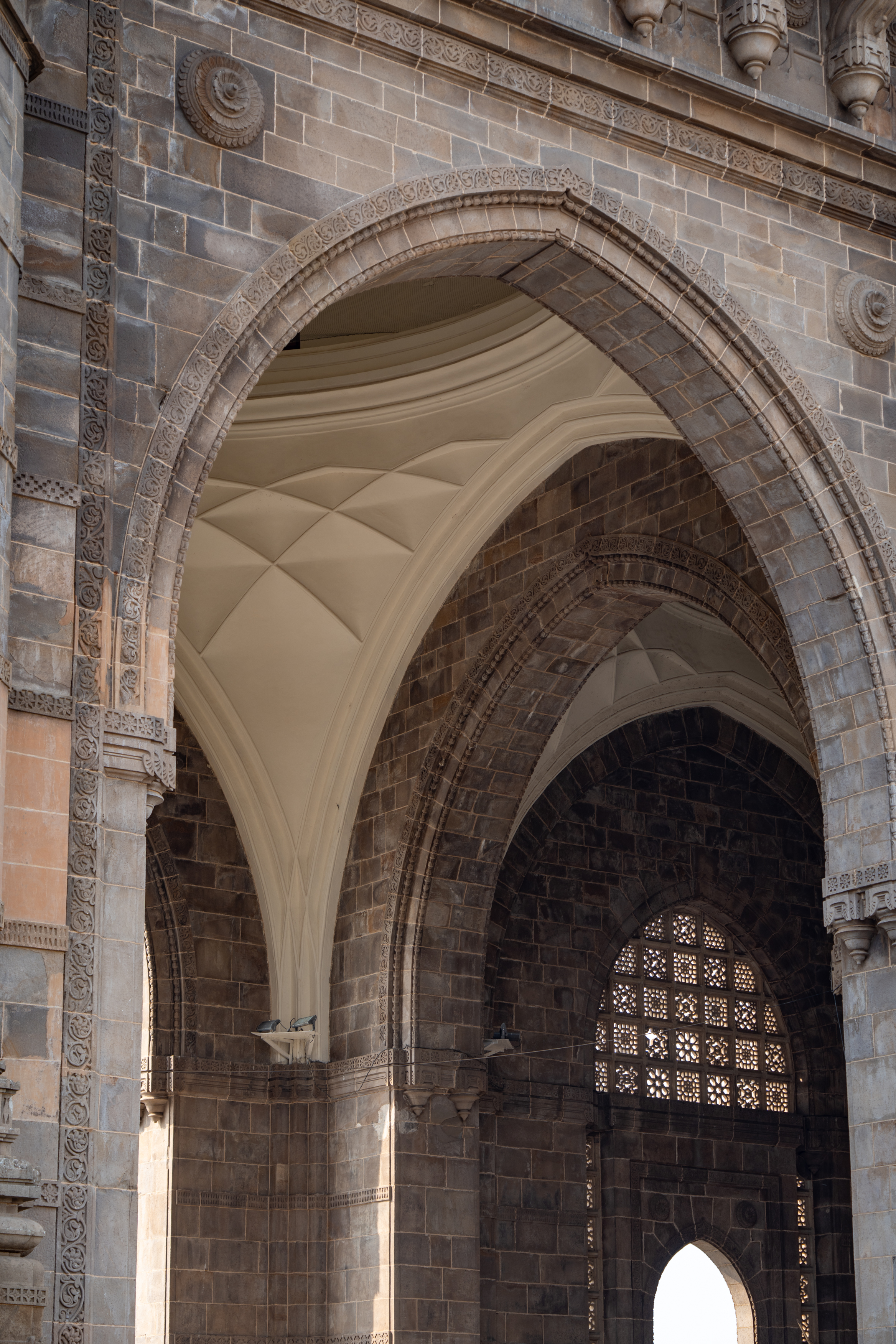
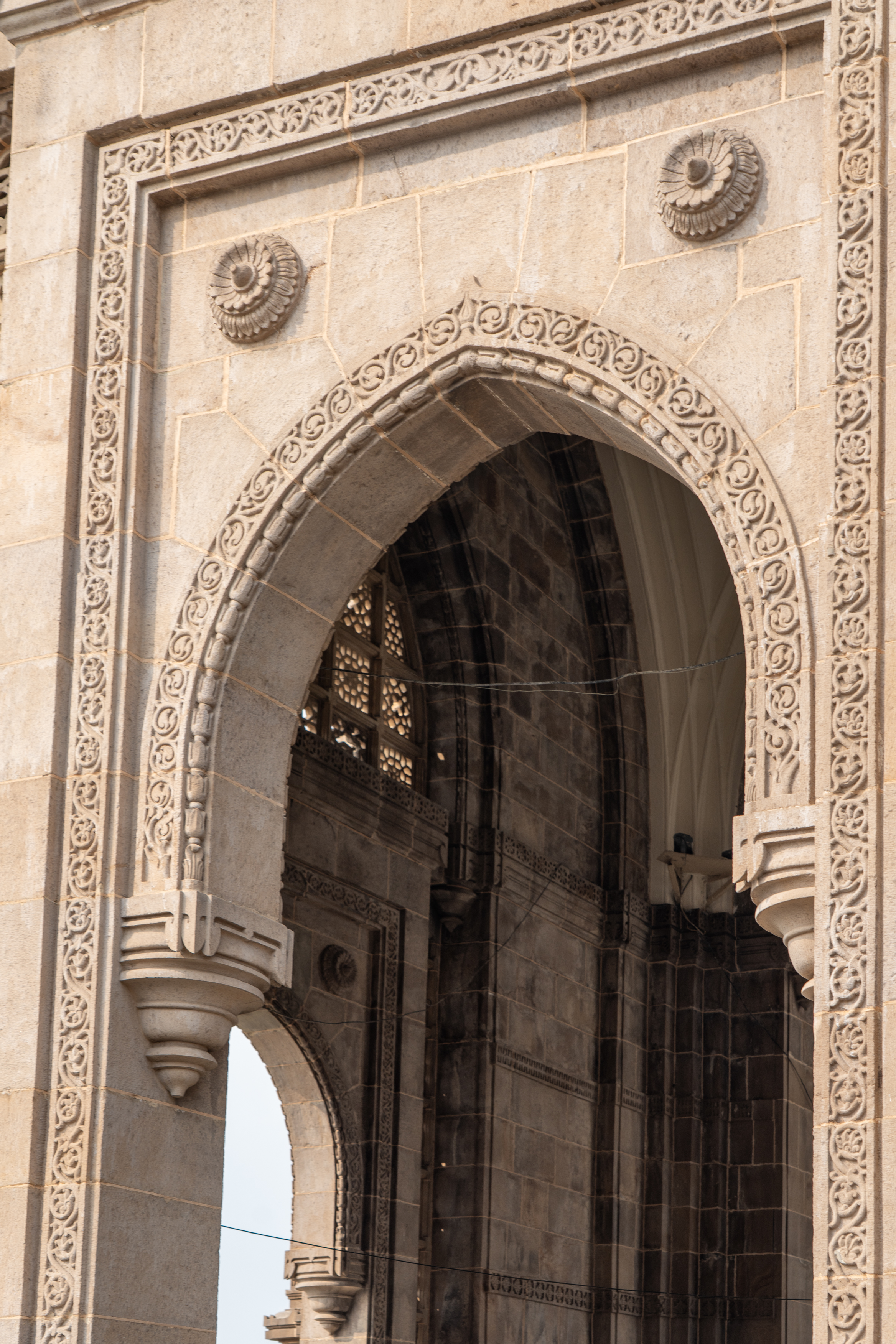
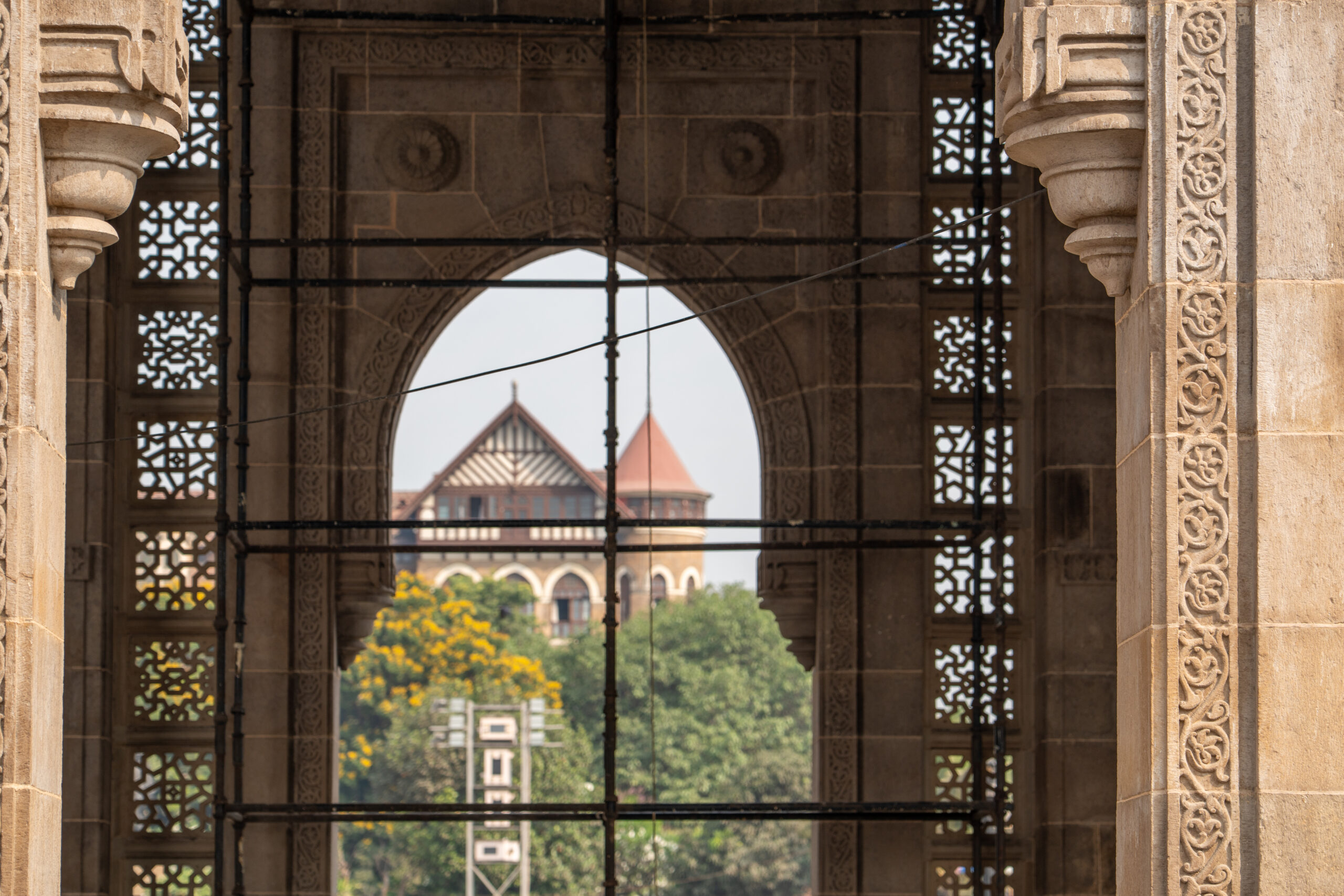
Opposite of it was the Gateway of India, a once grand and historic monument located in Mumbai, overlooking the Arabian Sea in the Colaba area. Built in 1924, it was erected to commemorate the visit of King George V and Queen Mary to India. The structure stands about 26 meters tall and is made of yellow basalt stone, featuring a large central arch with intricate carvings and latticework. Nowadays unfortunately it looks a bit neglected and the work that has been going on for years does not seem to get far.
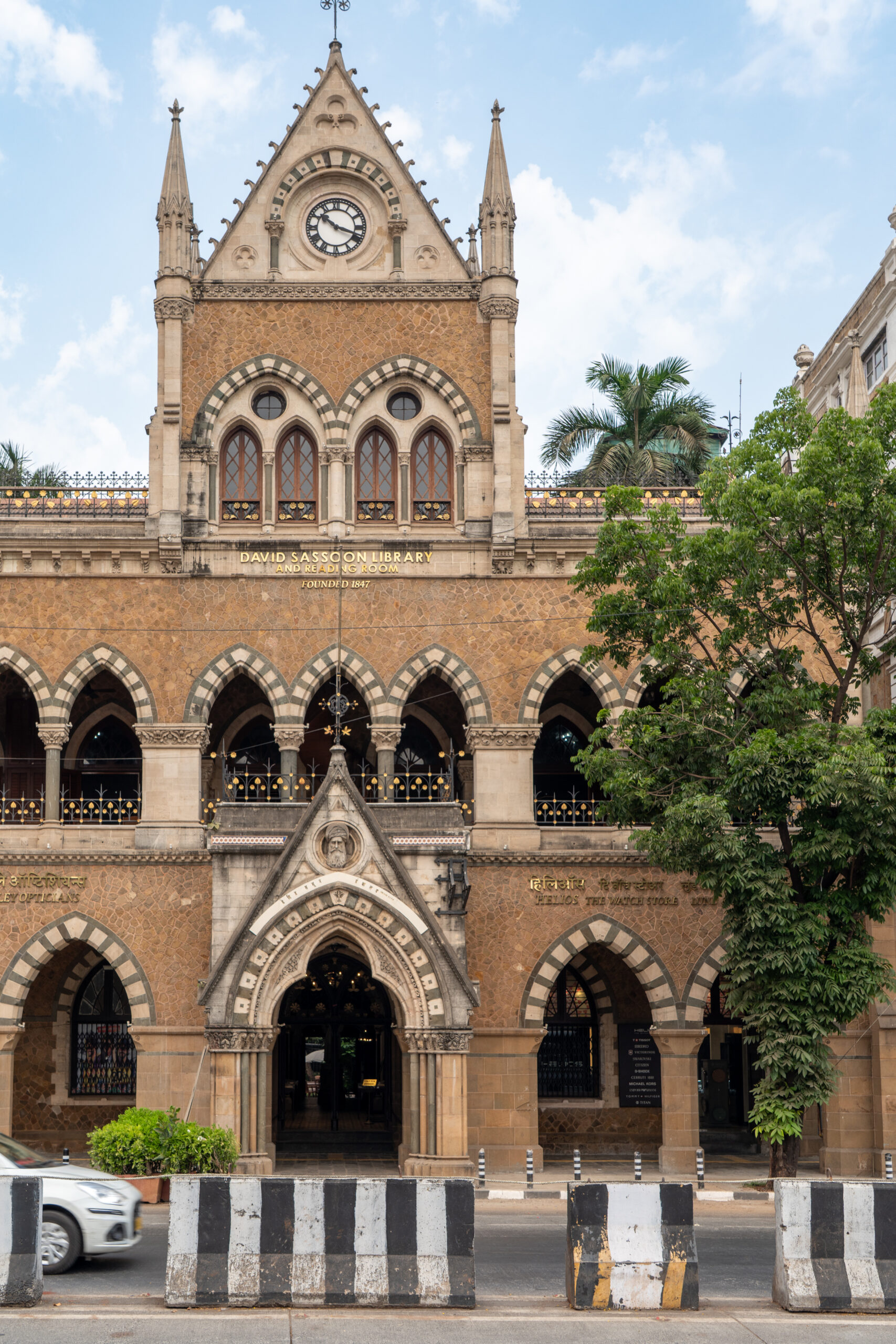
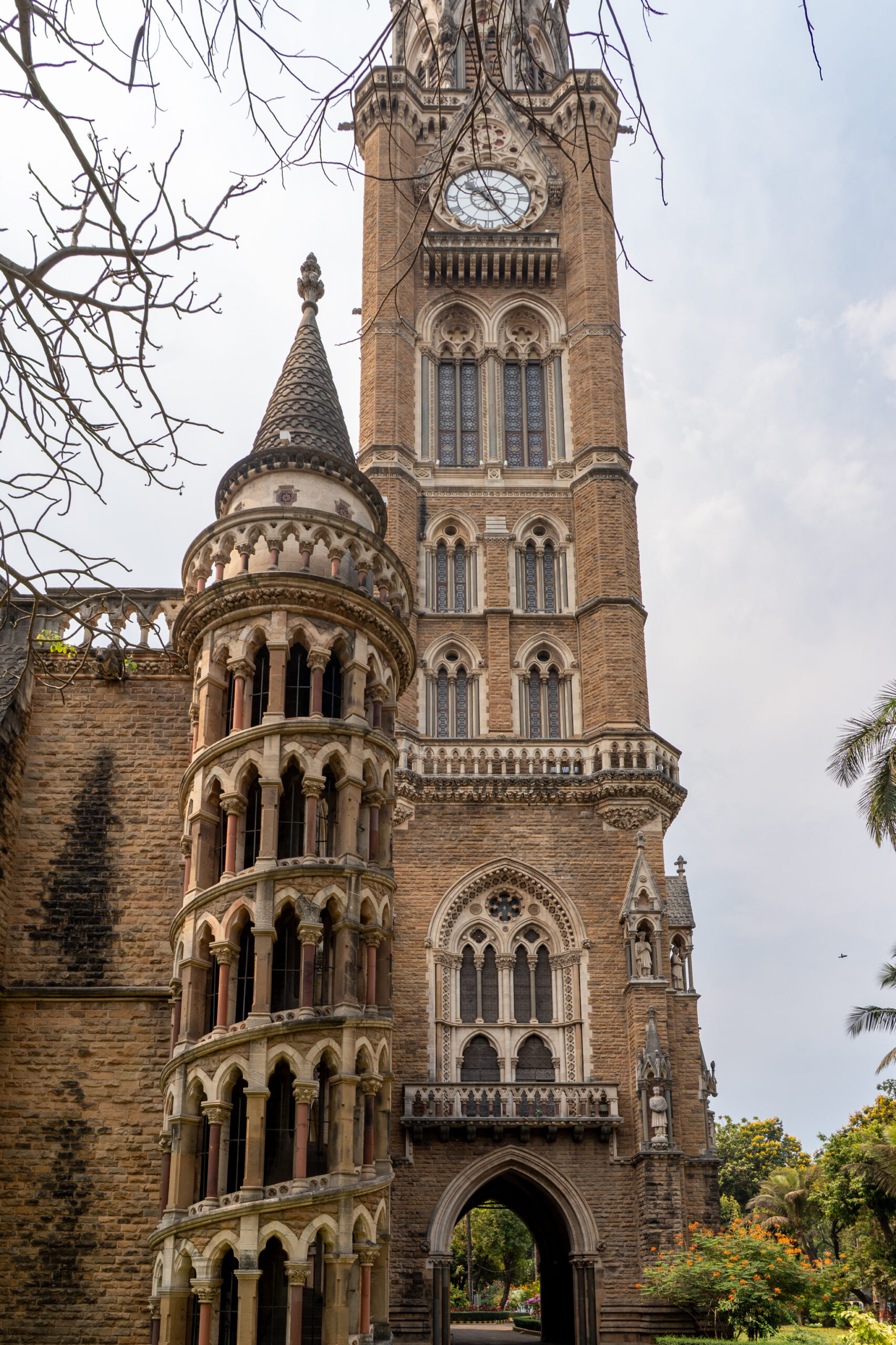
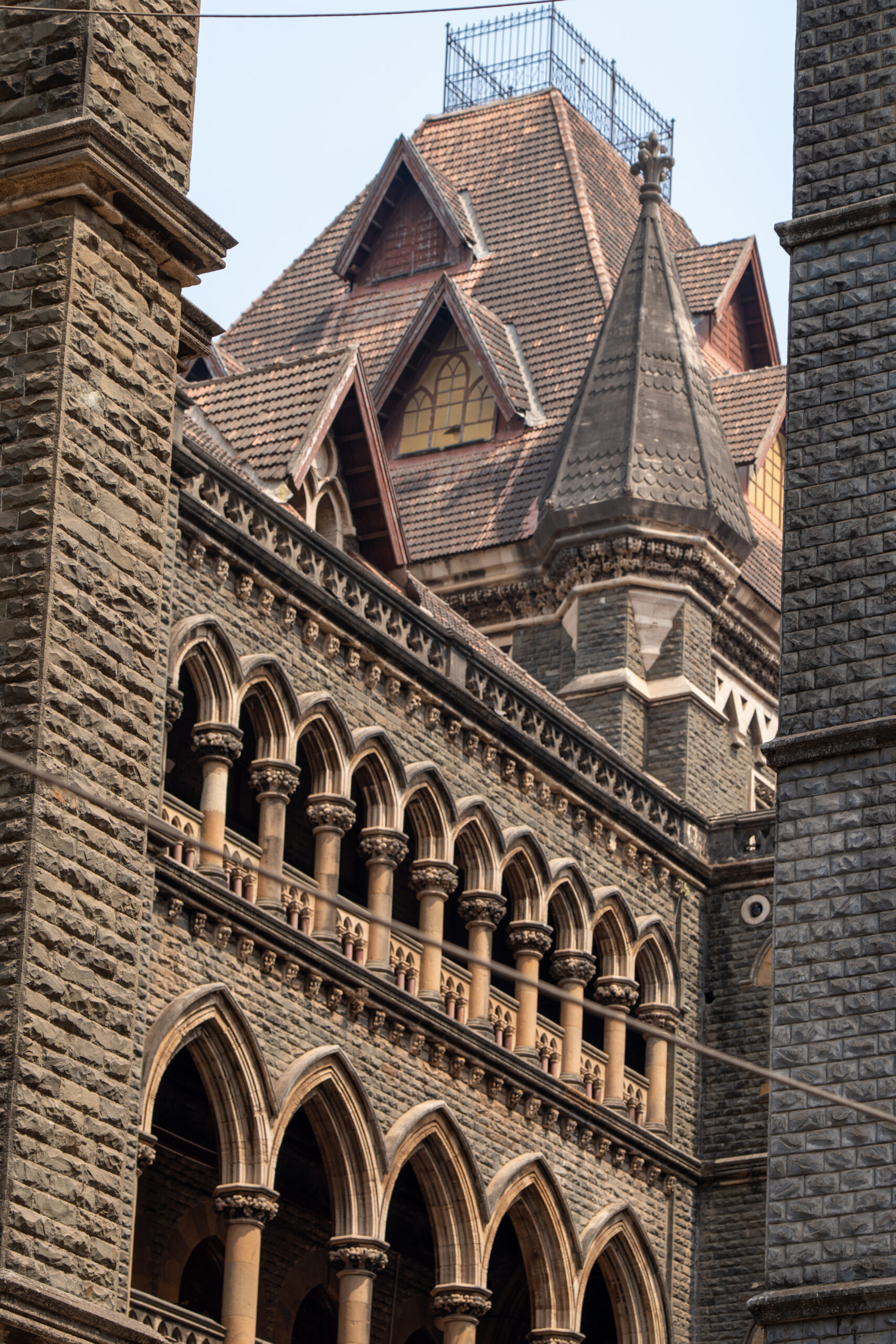
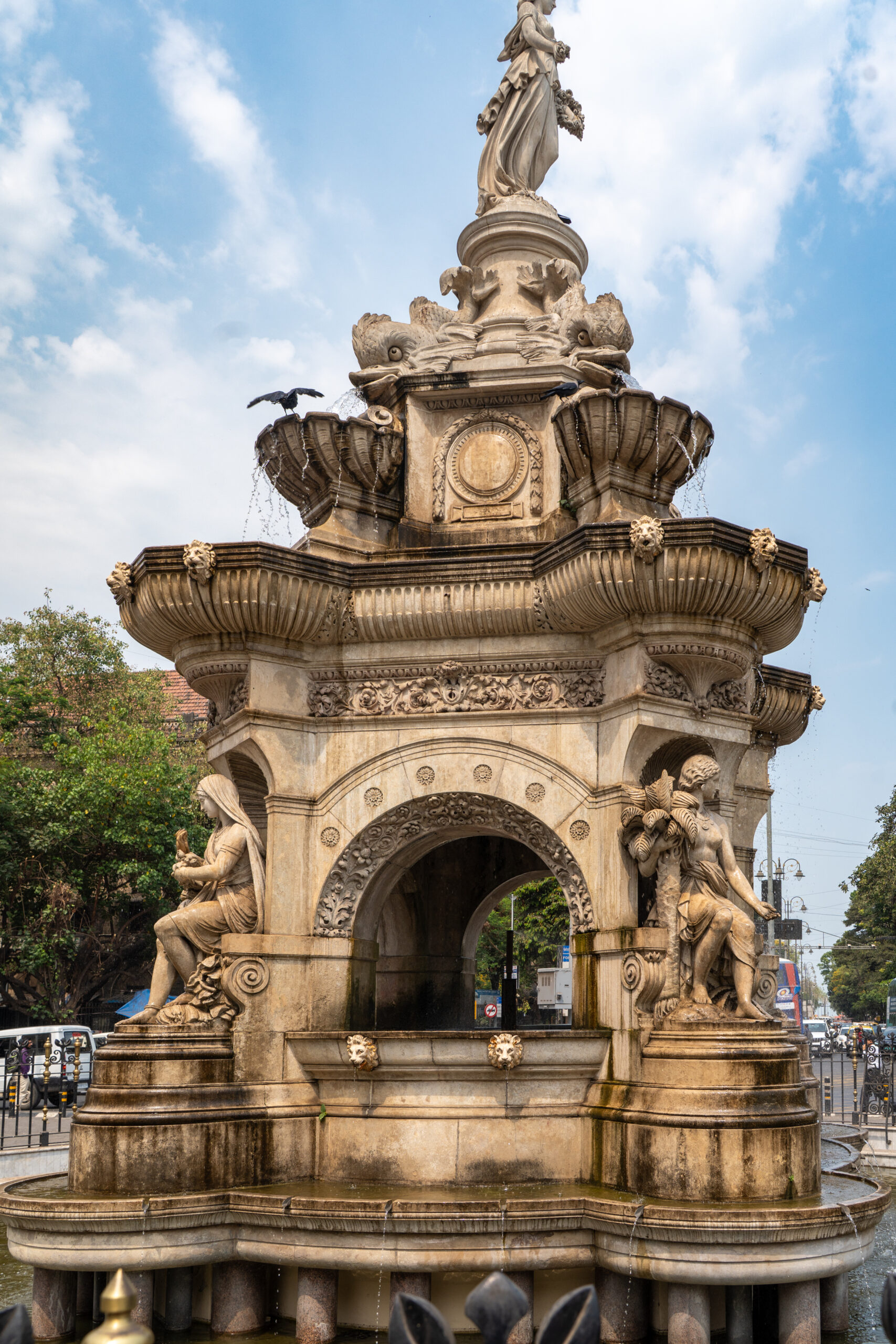
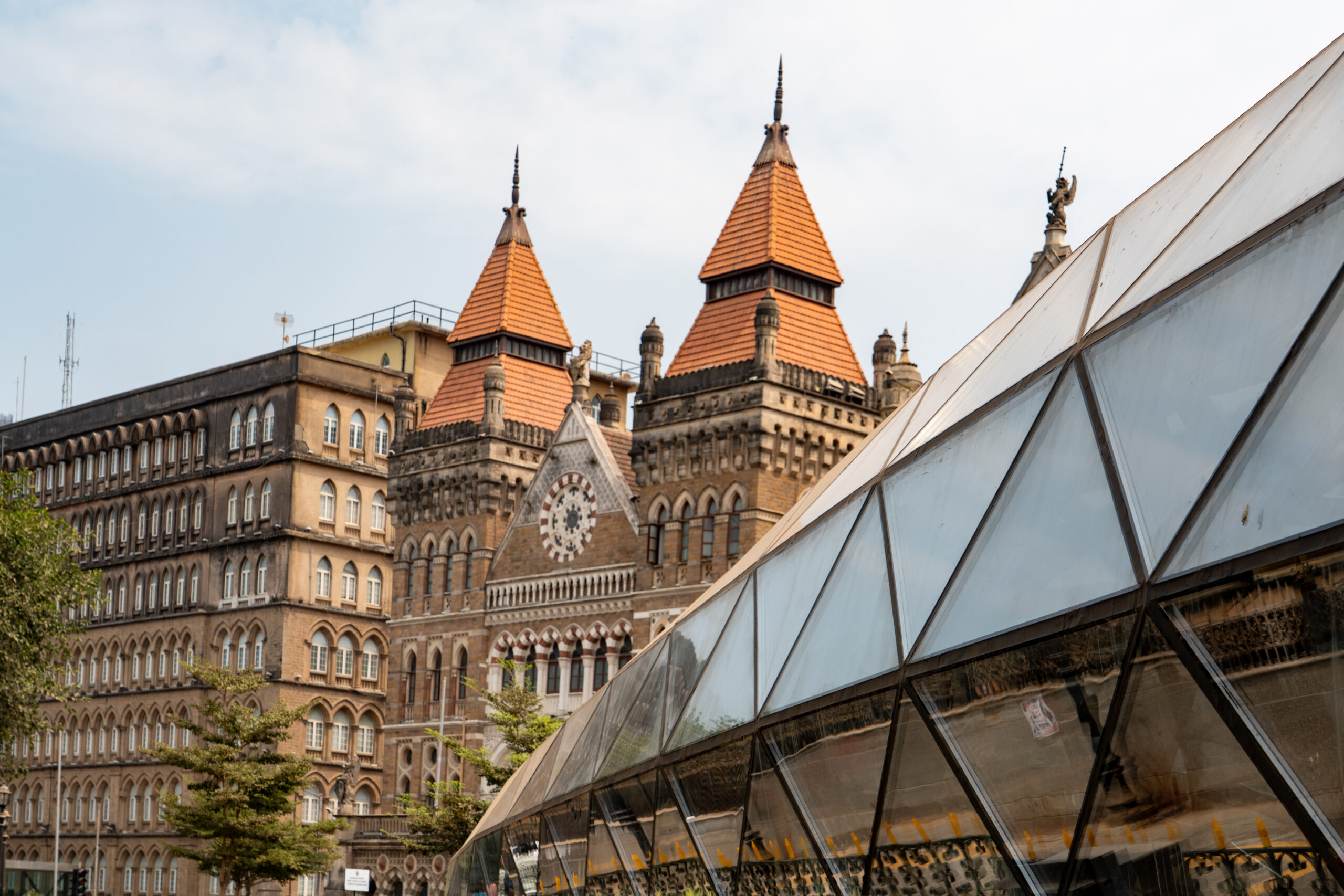
Next place to visit was the Fort area, one of the city’s oldest and most historically significant districts, known for its colonial-era architecture, busy streets, and role as a major commercial and cultural hub. The name “Fort” comes from the old British fortifications that once stood here during the 17th and 18th centuries, though the walls were later demolished as the city expanded.
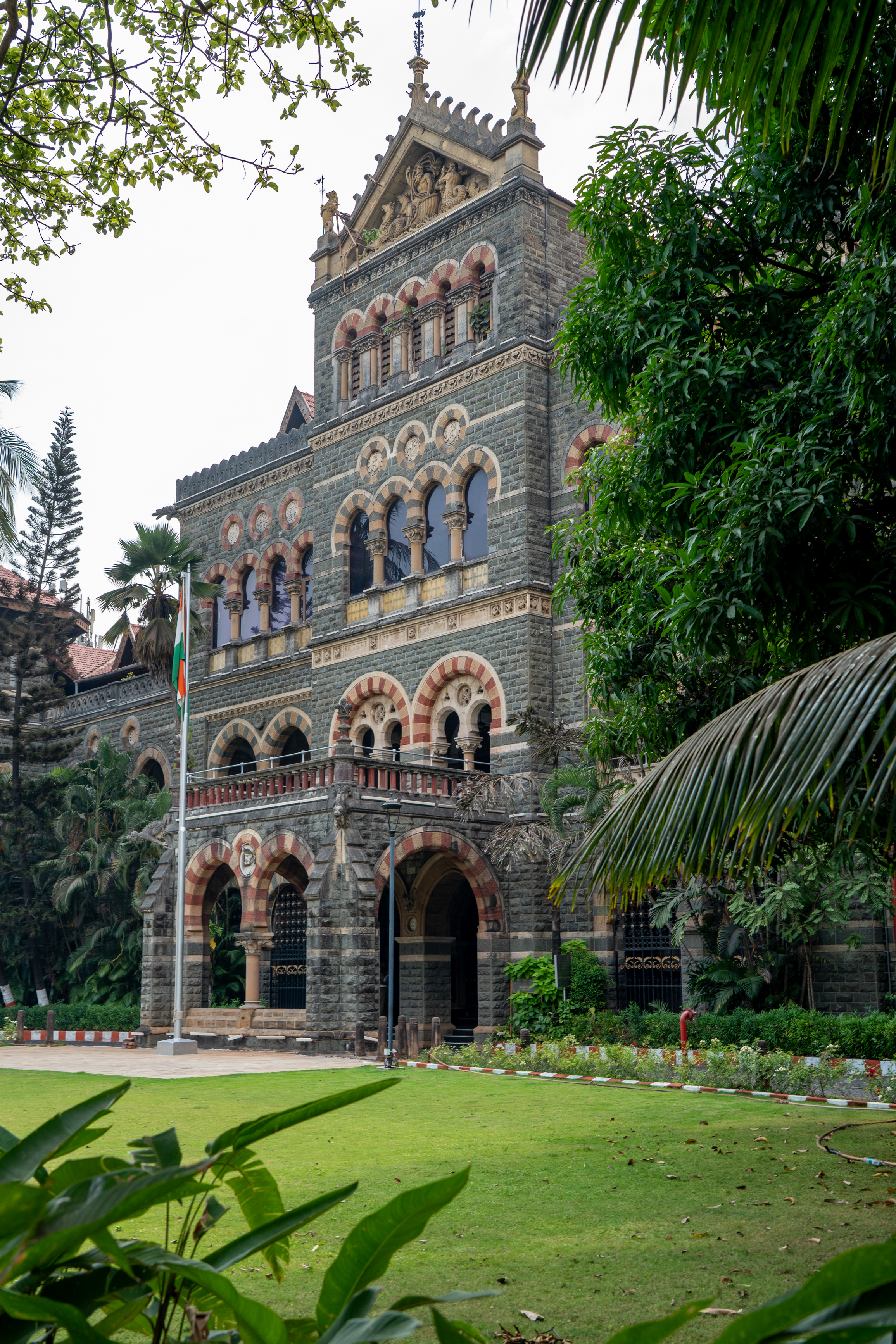
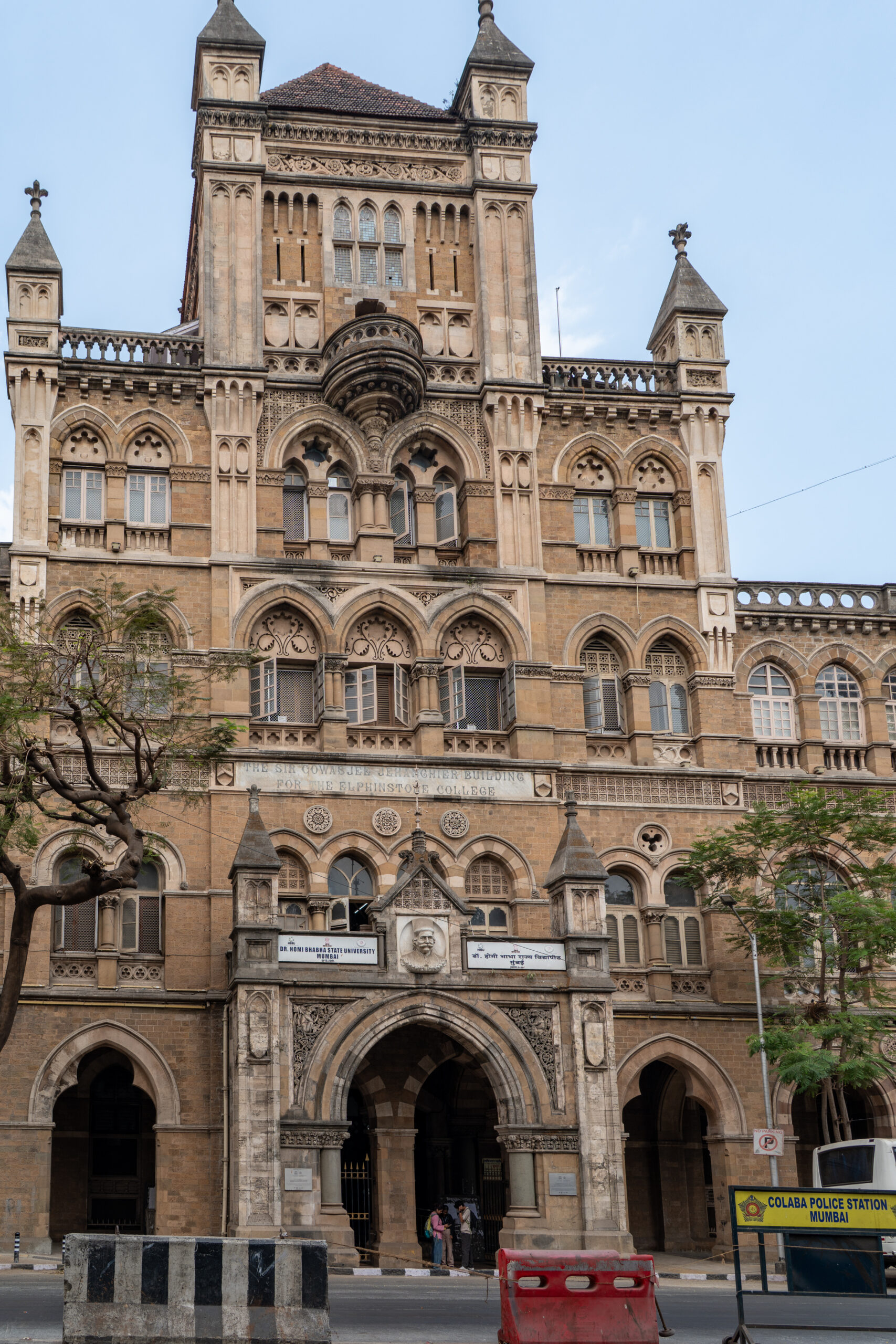
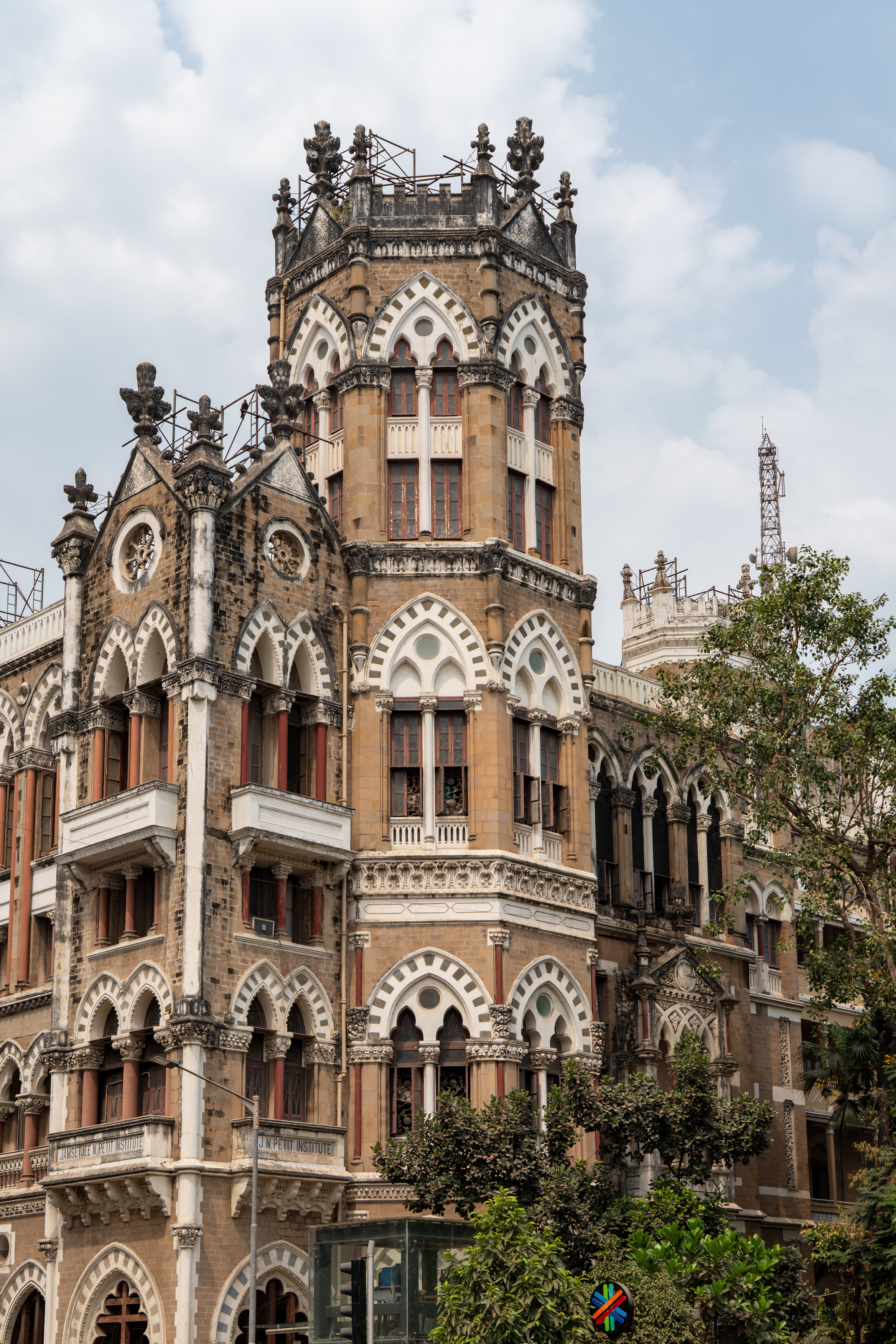
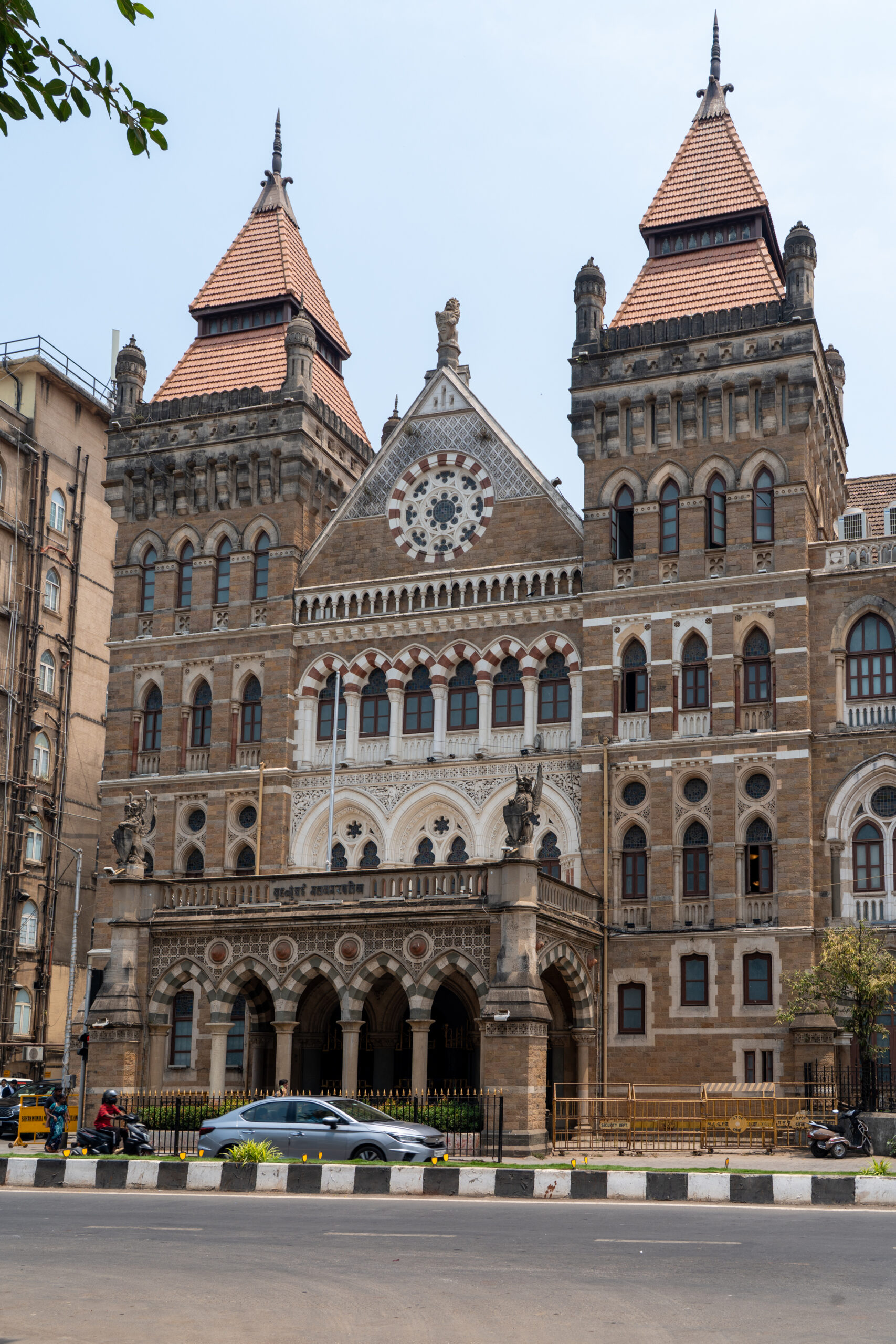
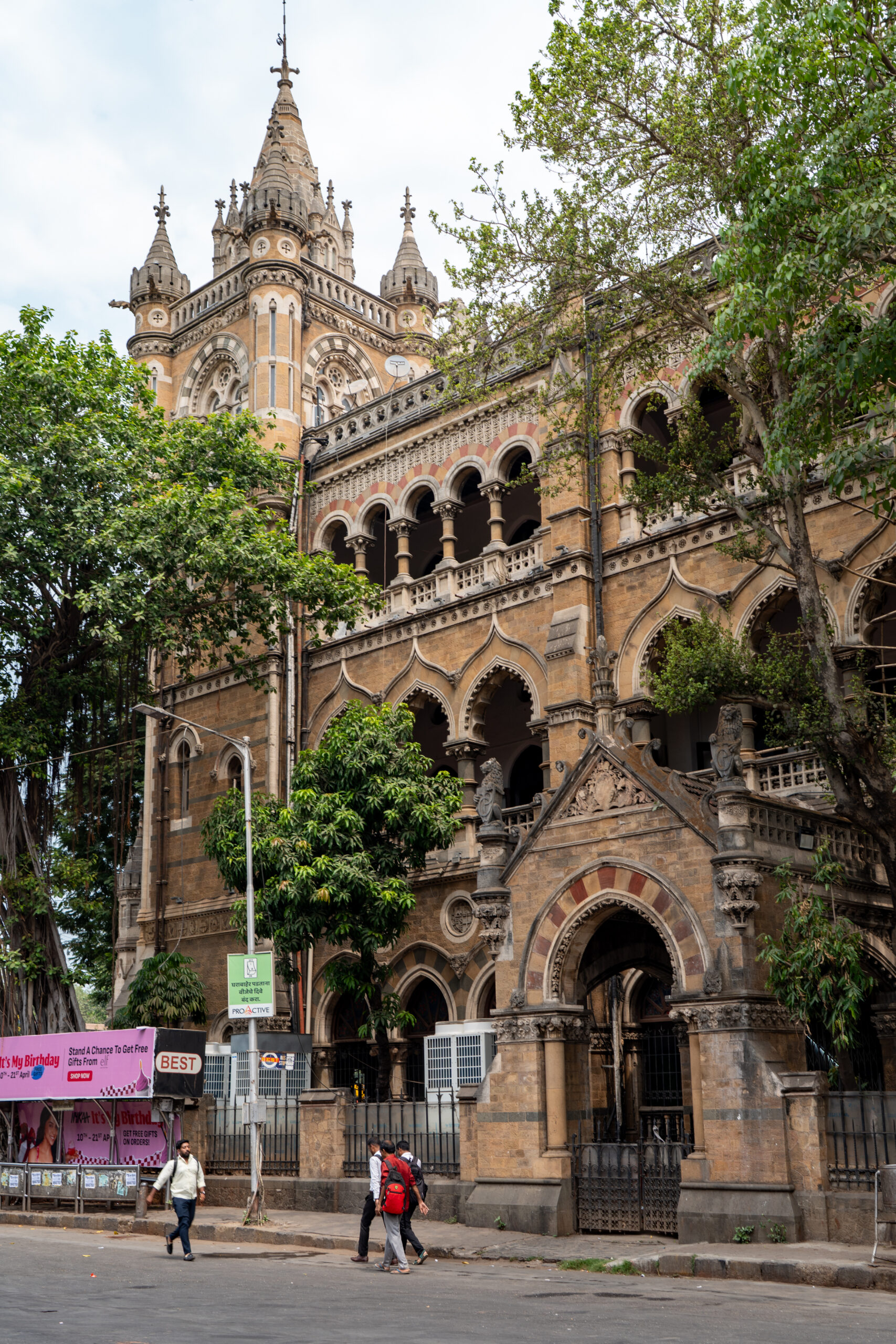
Today, the fort area is characterized by its grand Victorian and Gothic-style buildings, wide avenues, and bustling offices. It houses important institutions such as banks, government offices, and corporate headquarters, making it a key business district.
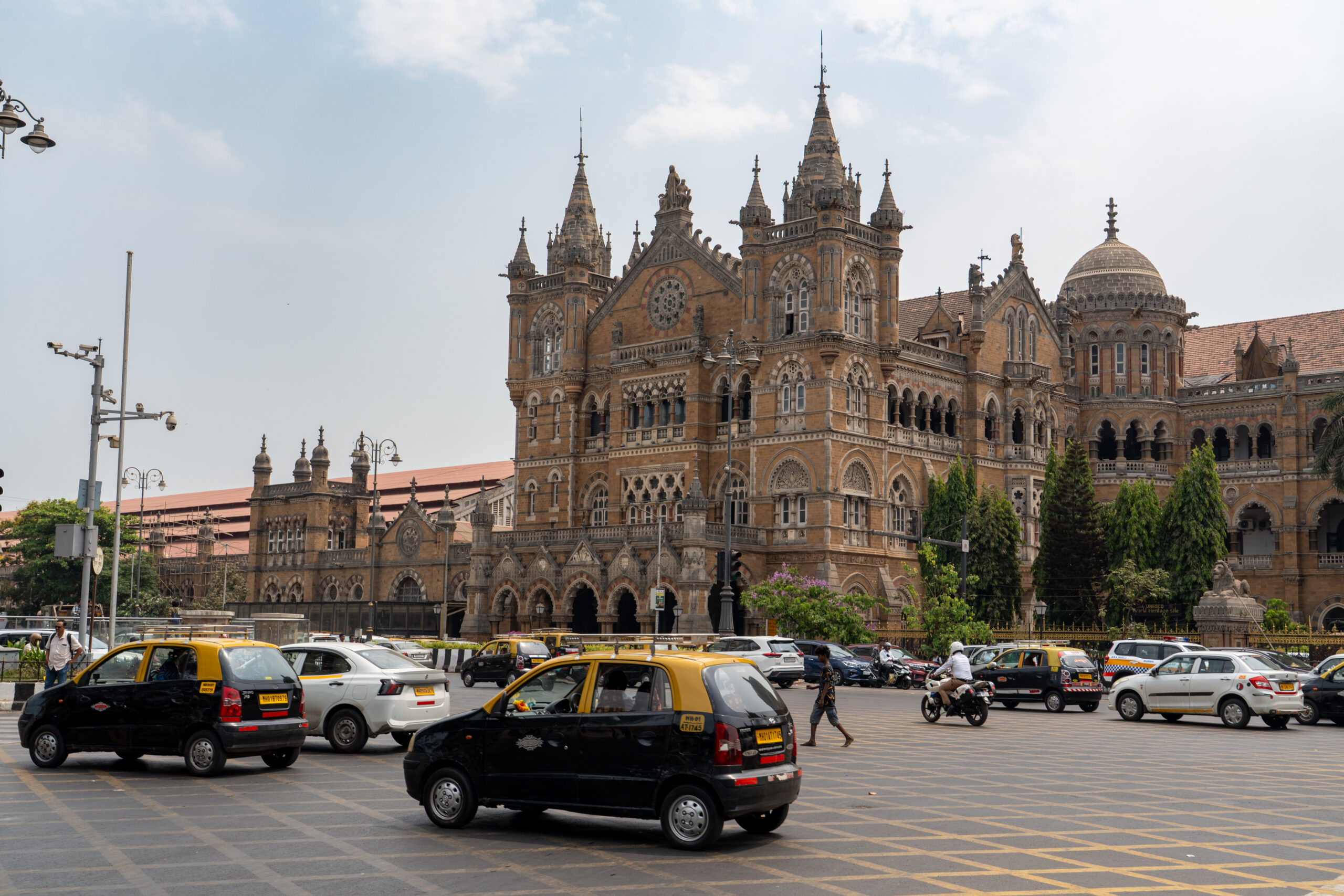
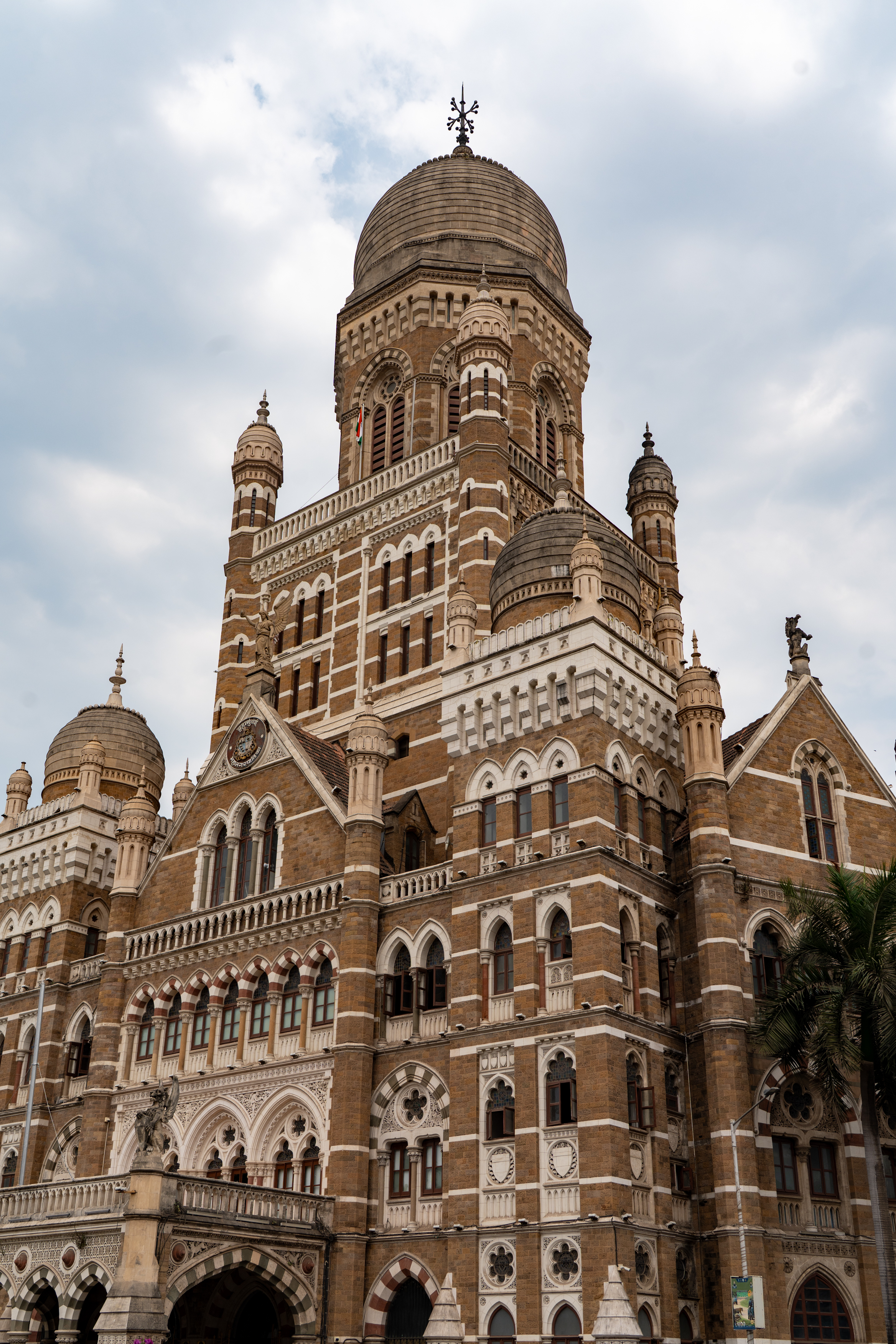
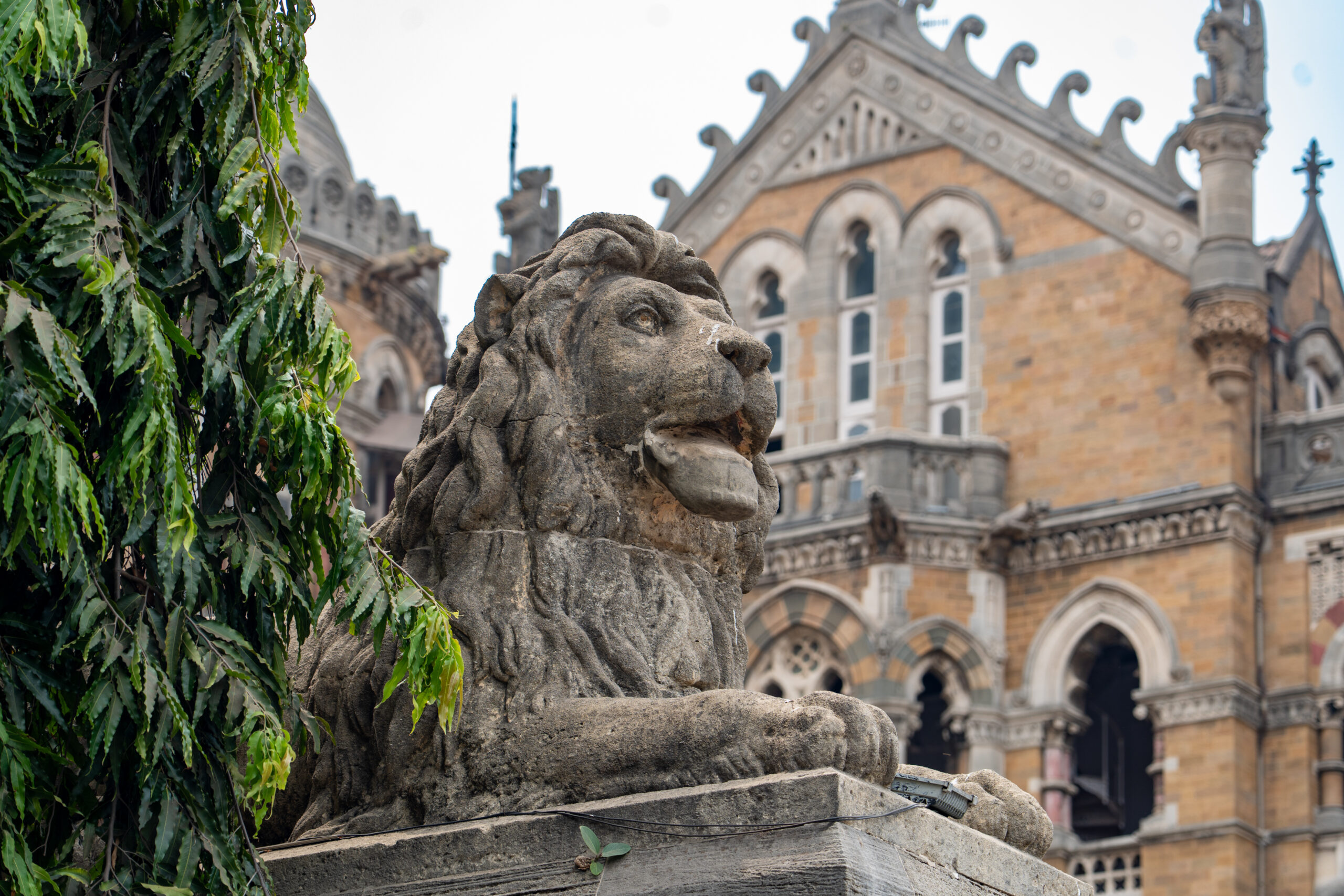
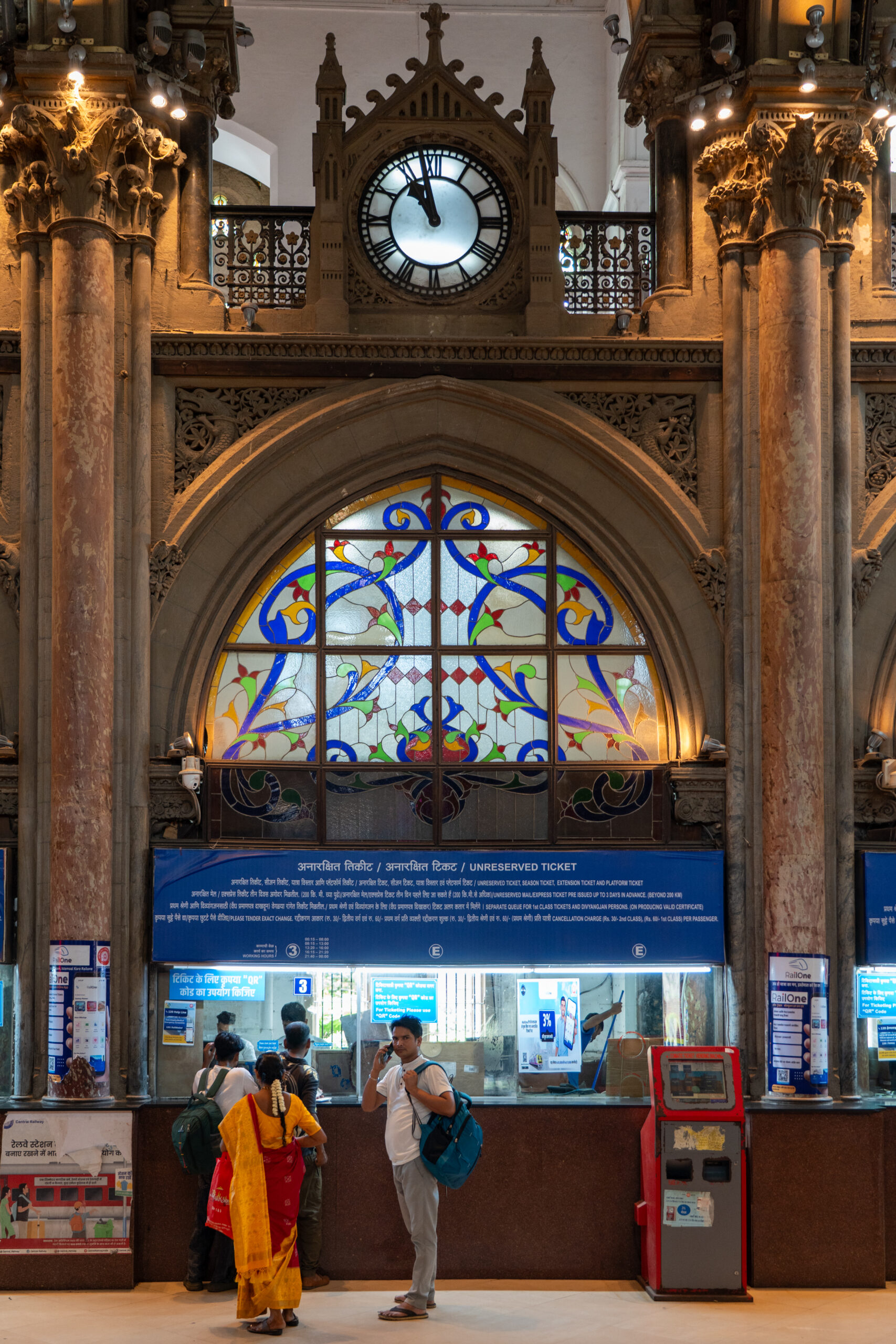
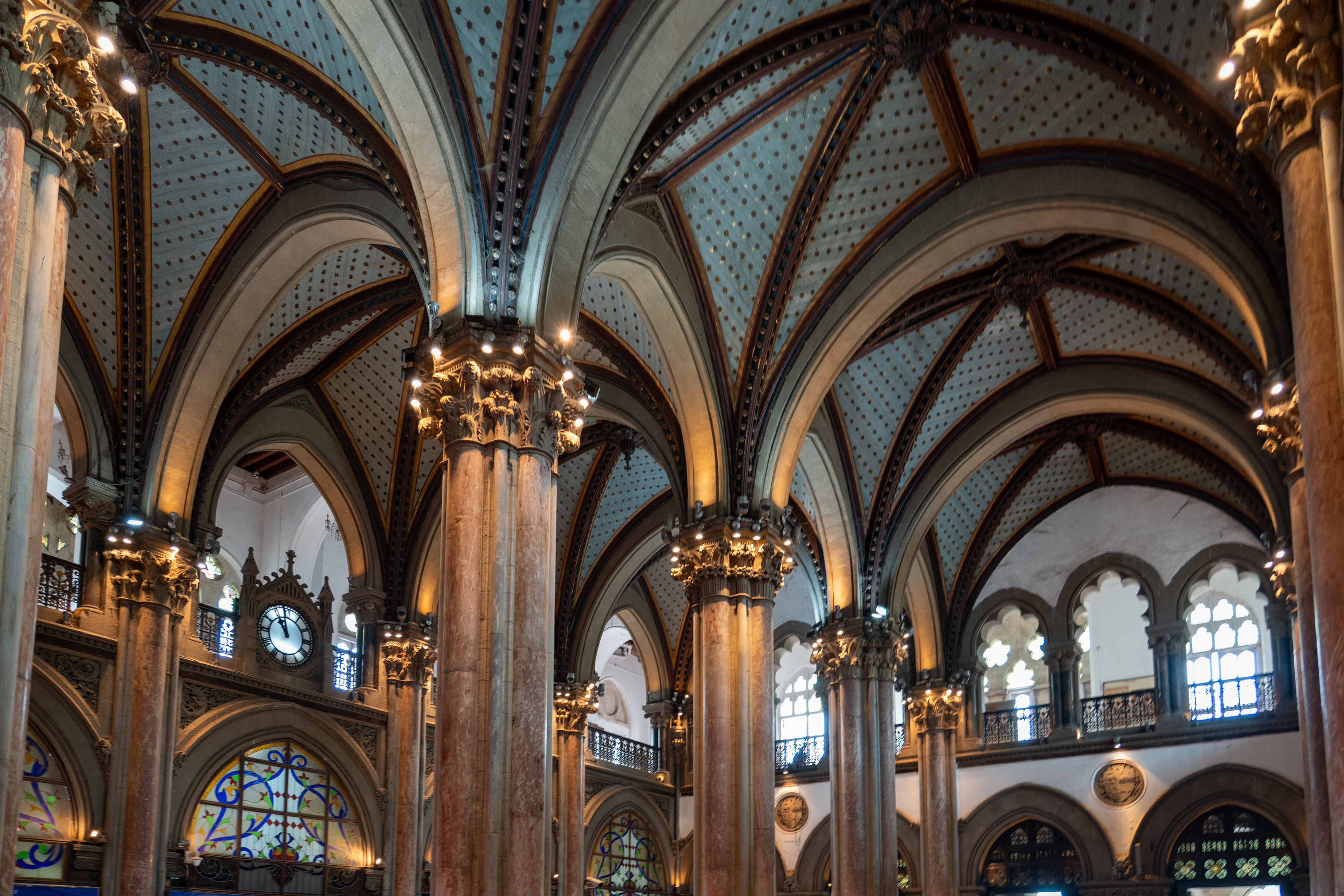
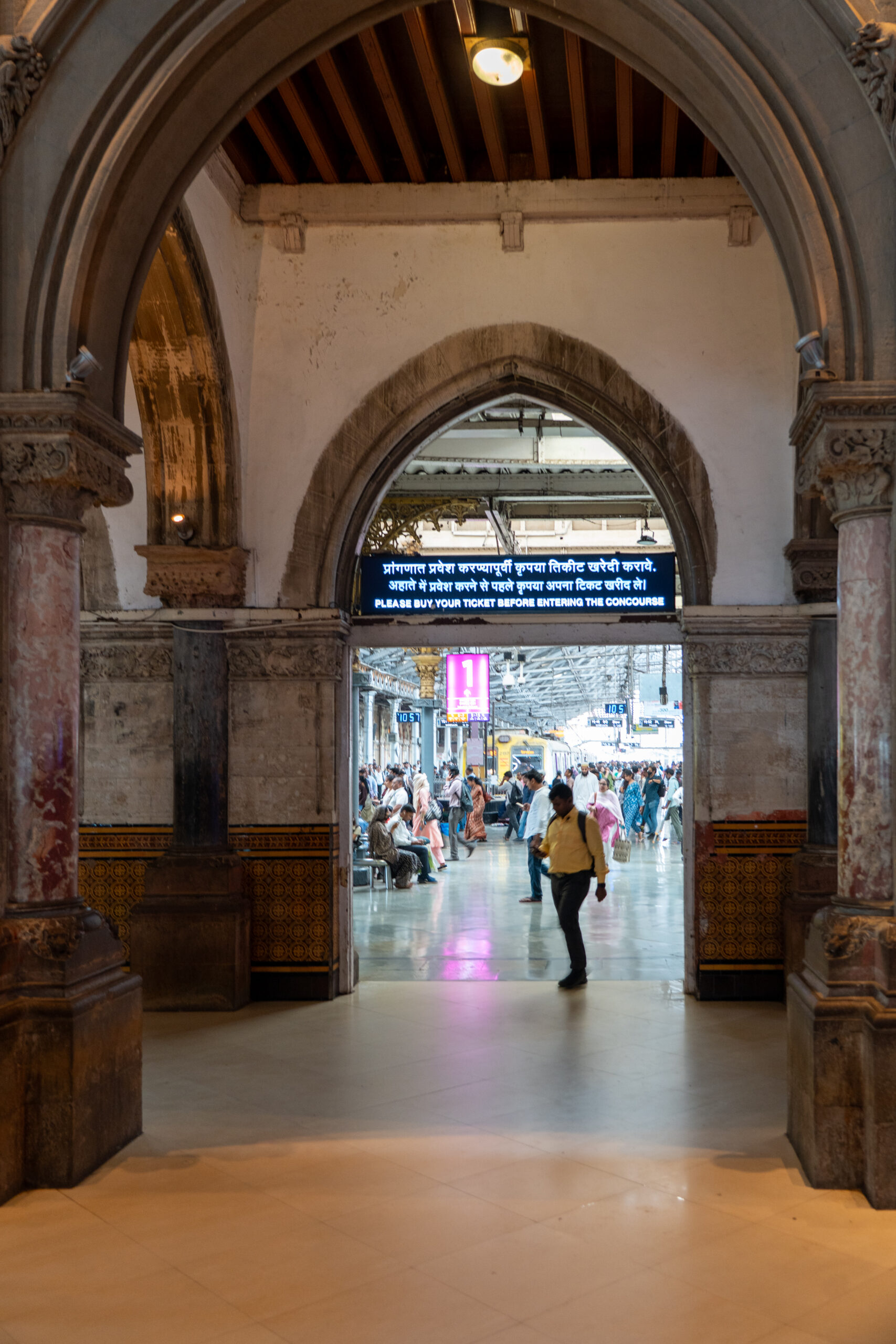
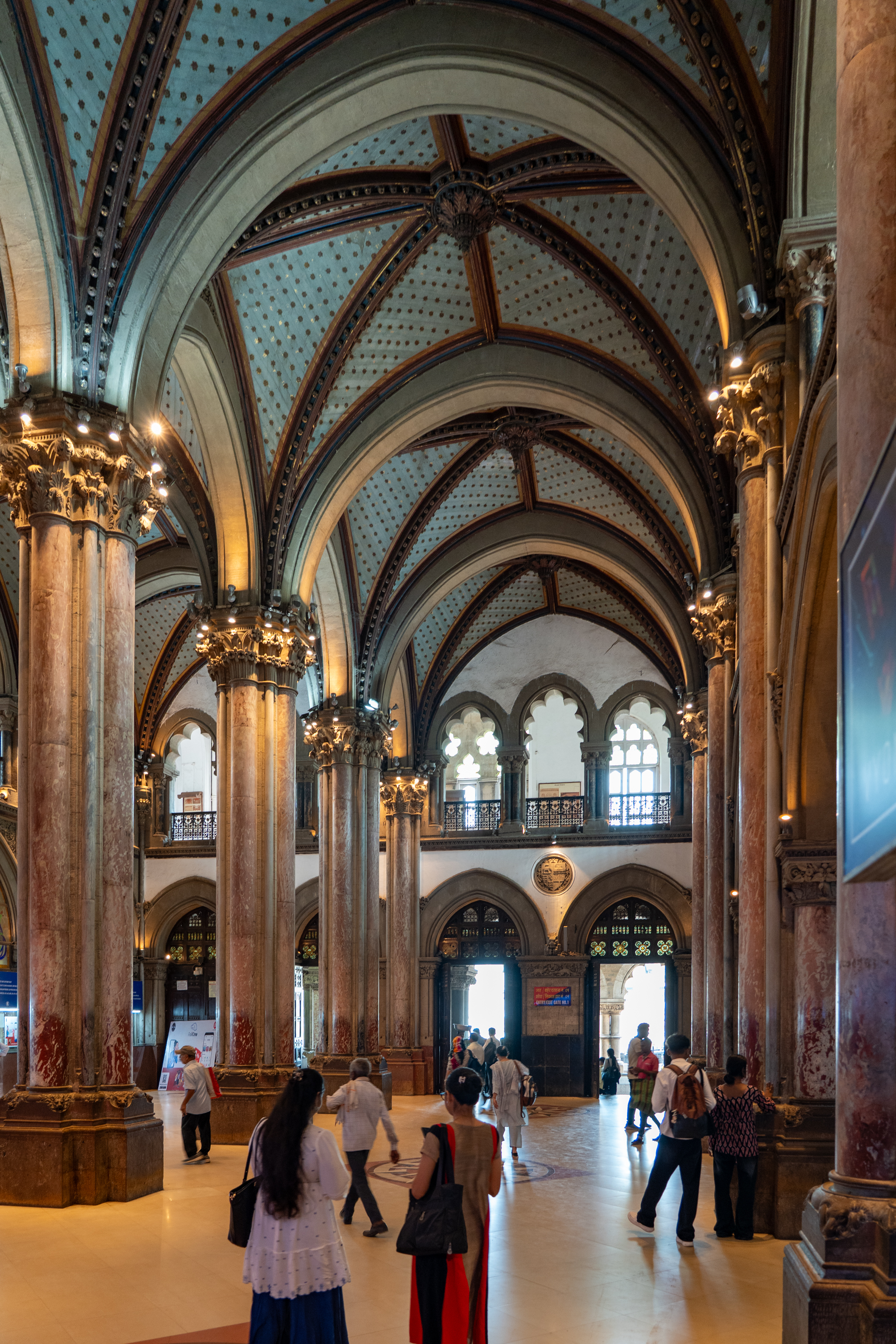
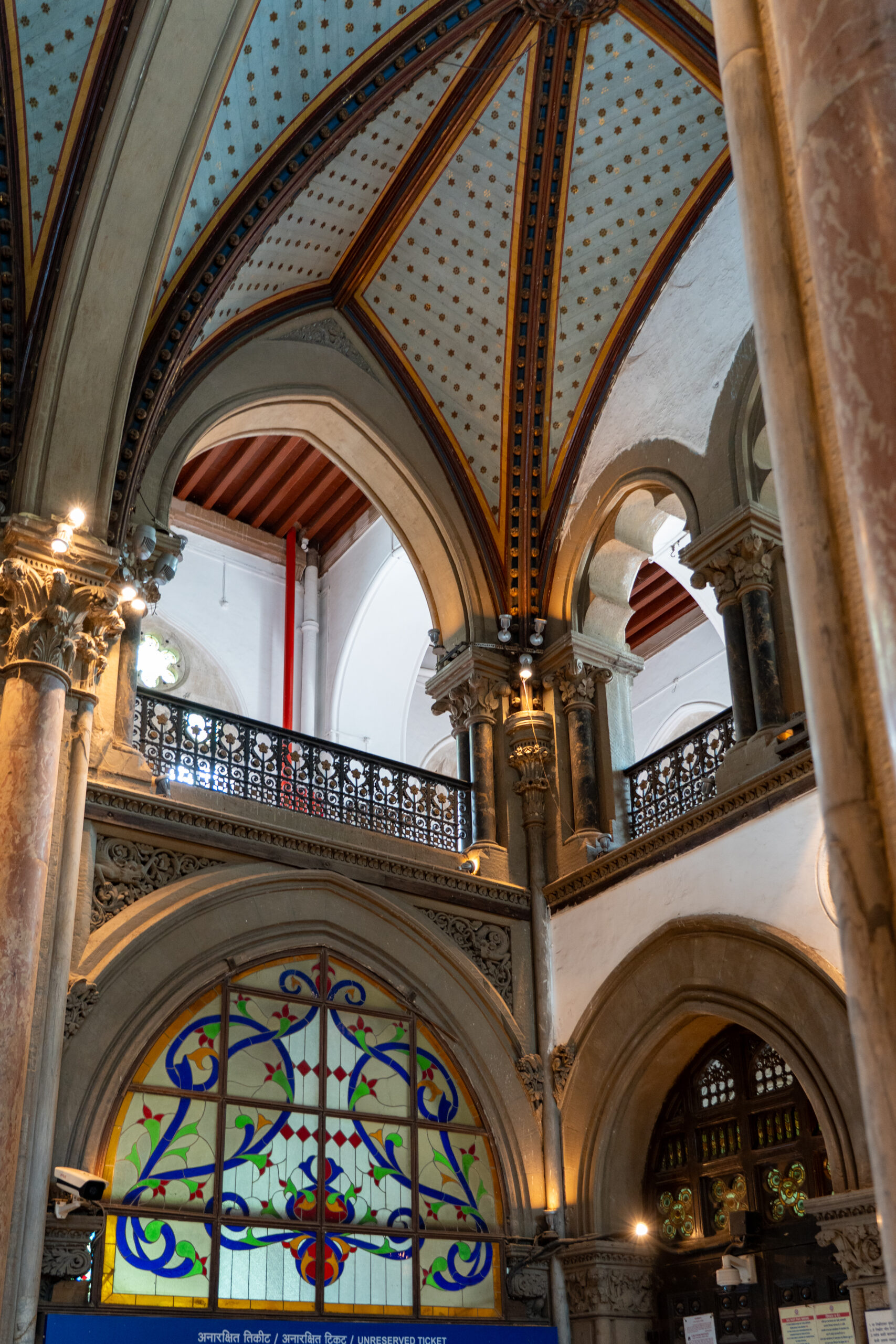
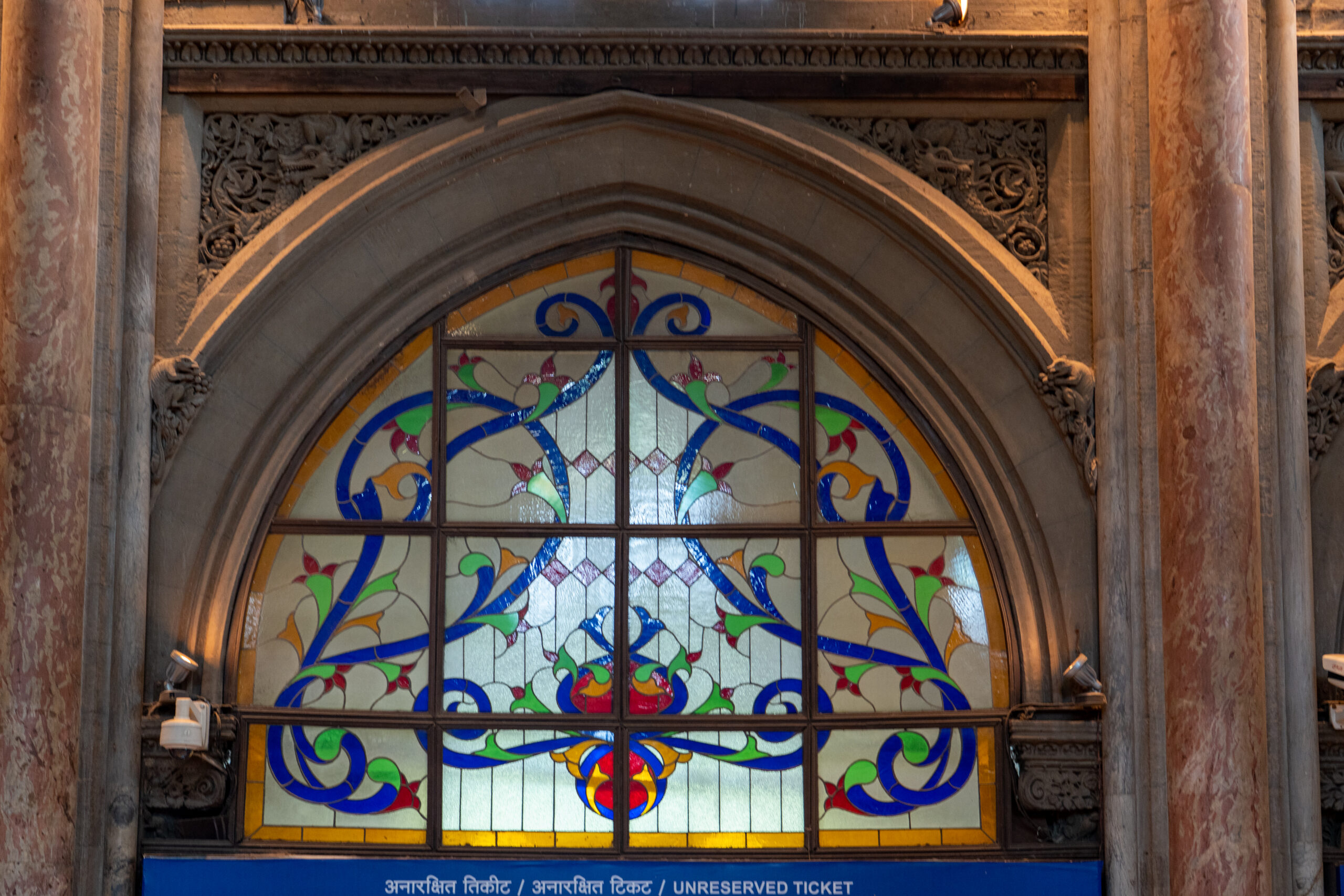
I loved strolling through the area and slowly made my way to Chhatrapati Shivaji Maharaj Terminus, one of the most iconic railway stations in Mumbai and a masterpiece of Victorian Gothic architecture. Built in 1887 to commemorate the Golden Jubilee of Queen Victoria, the station was originally known as Victoria Terminus and later renamed in honor of Chhatrapati Shivaji Maharaj.
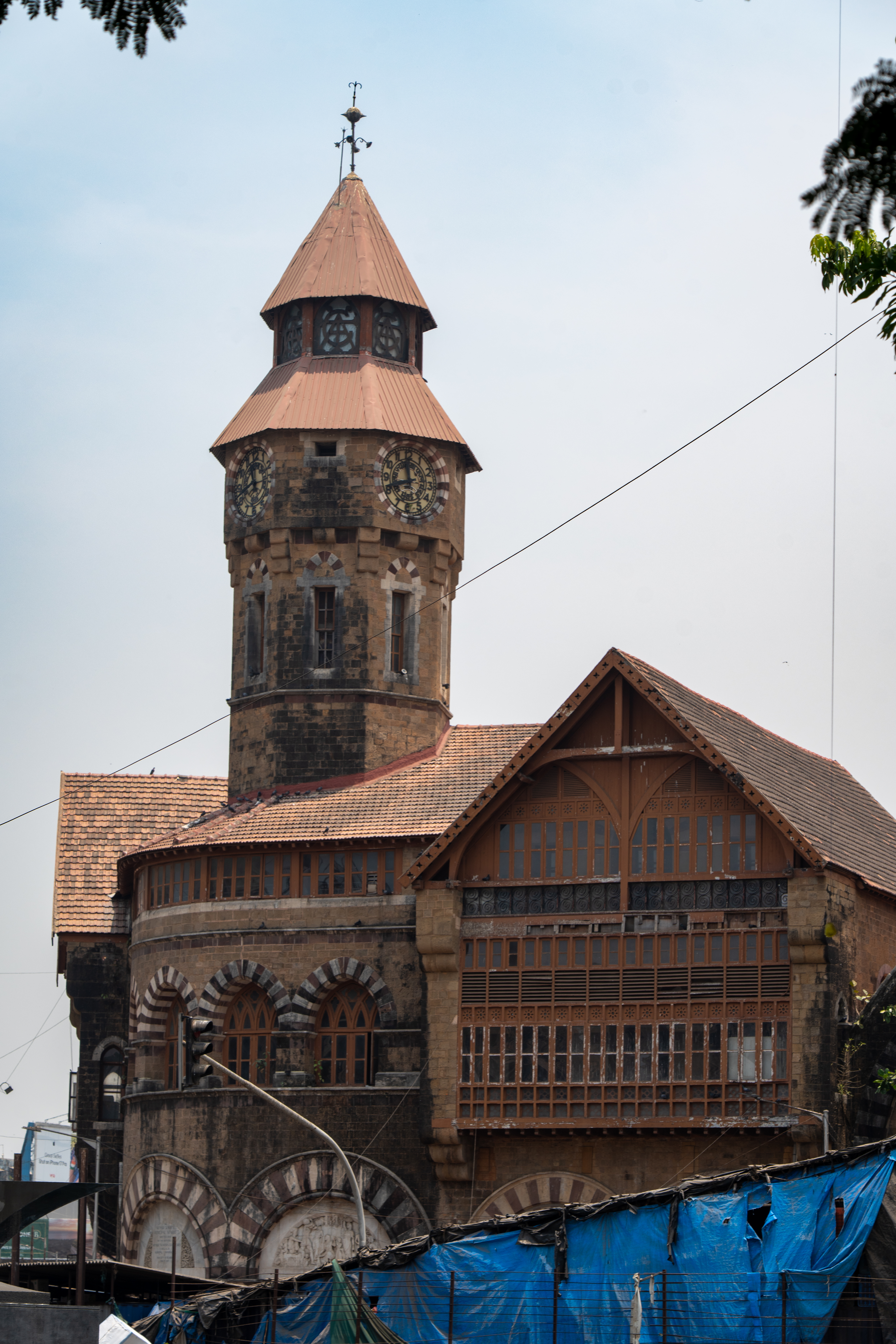
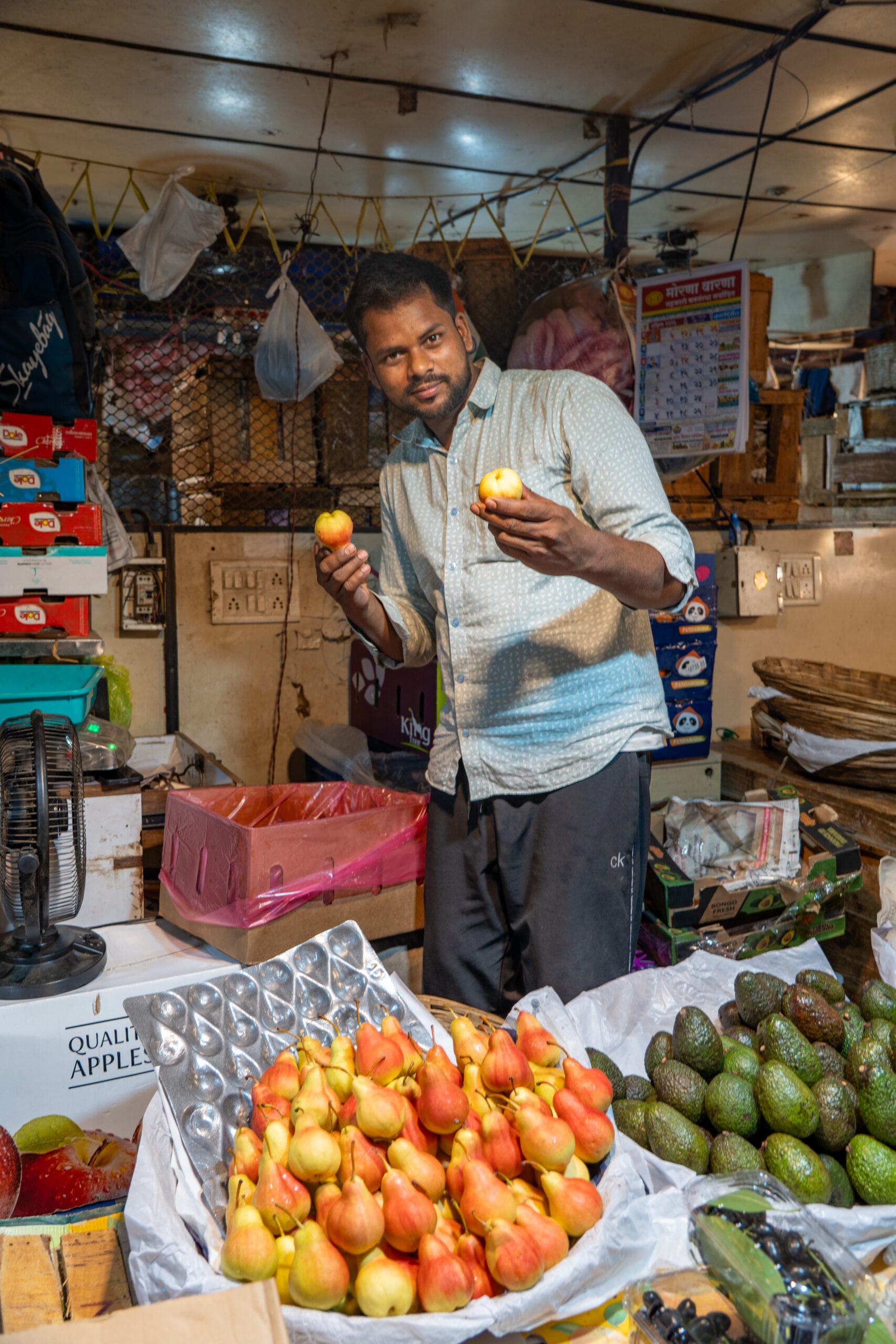
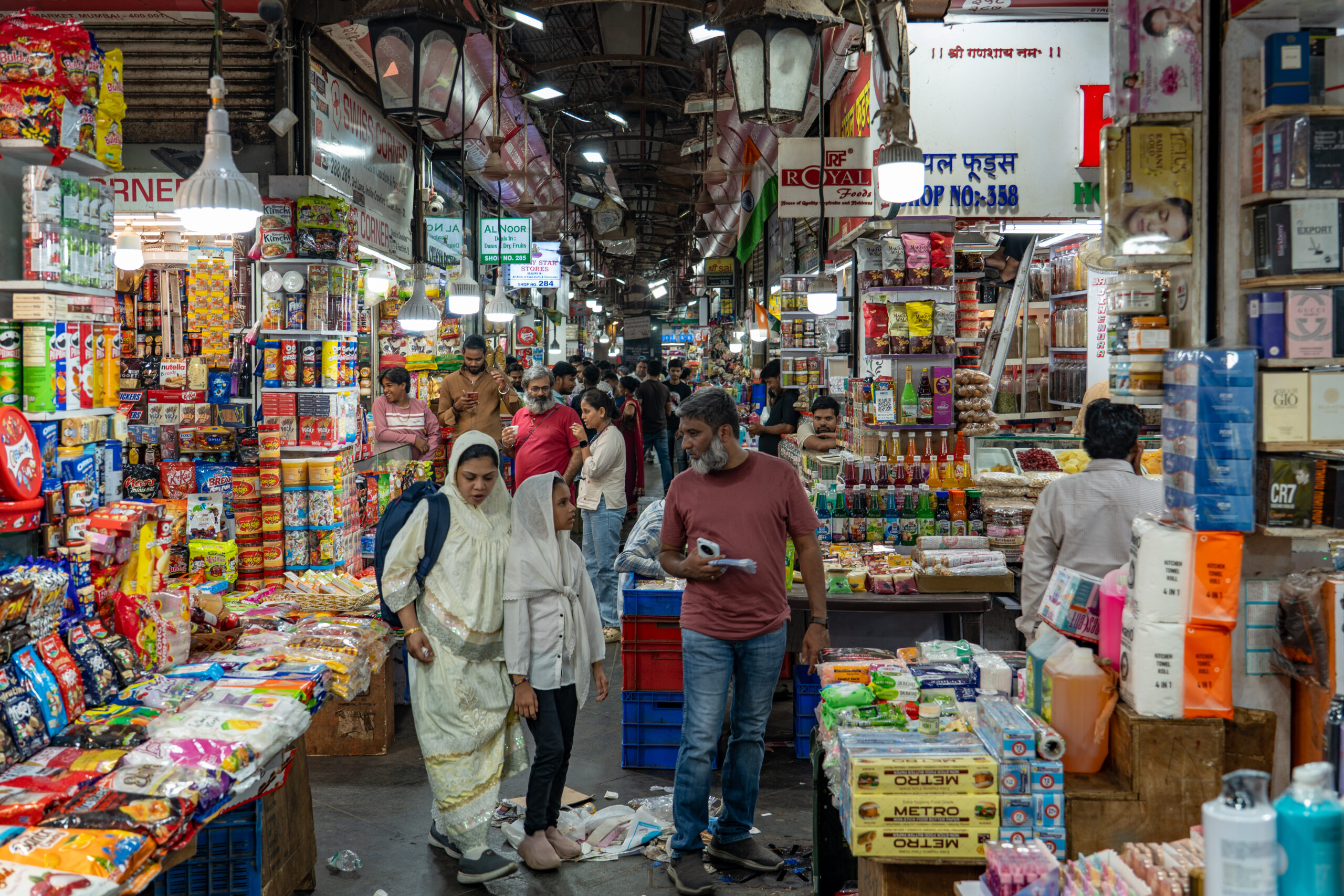
My final destination for the day was Crawford Market, officially known as Mahatma Jyotiba Phule Mandai, is one of the most famous and bustling markets in Mumbai. Built in 1869 during the British colonial period, it is known for its historic architecture and lively atmosphere.
The market building is designed in a Norman and Flemish architectural style, featuring a mix of red brick, stonework, and high arched entrances. Inside, the structure is spacious with high ceilings and well-ventilated sections, originally designed to keep goods fresh in Mumbai’s warm climate.
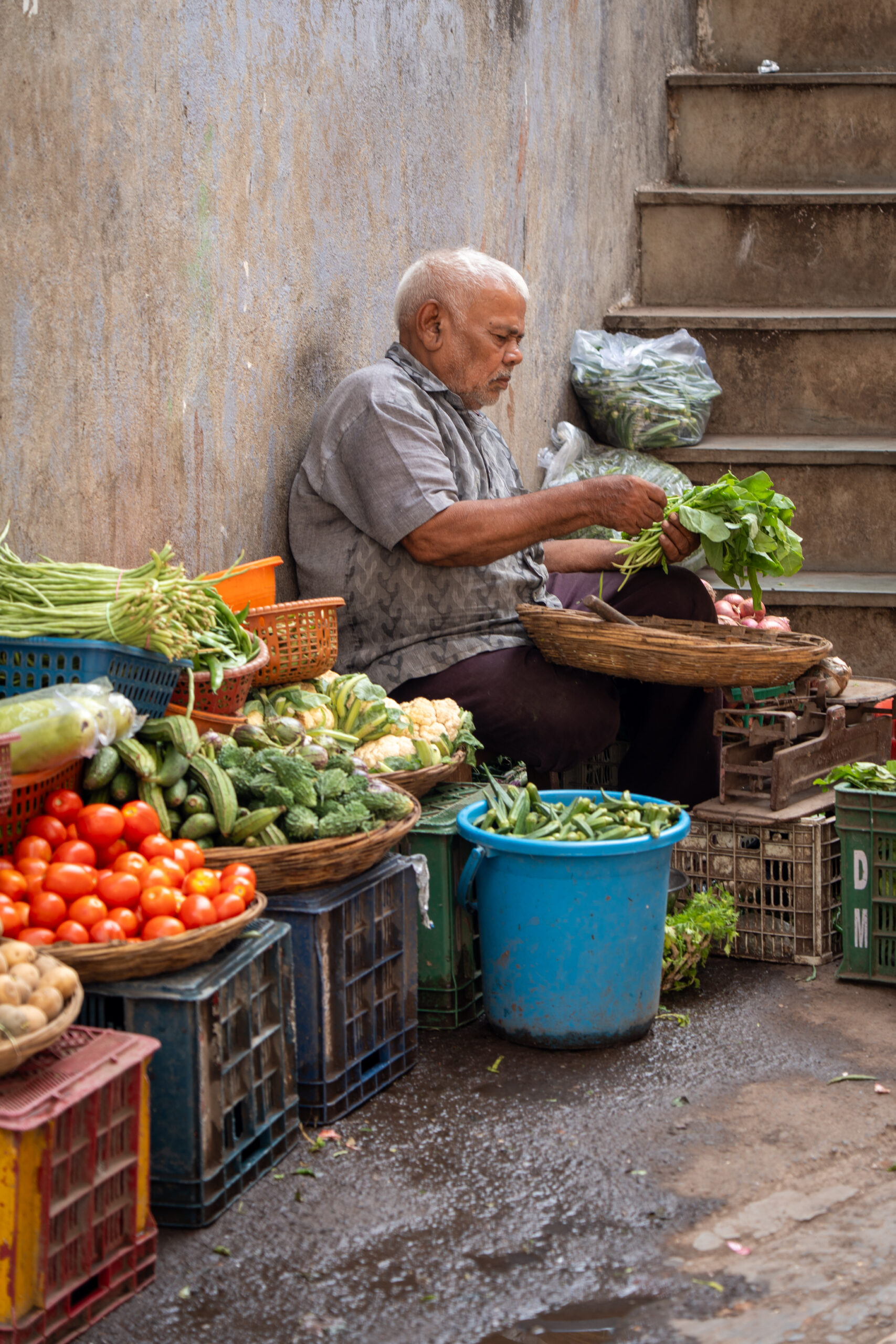
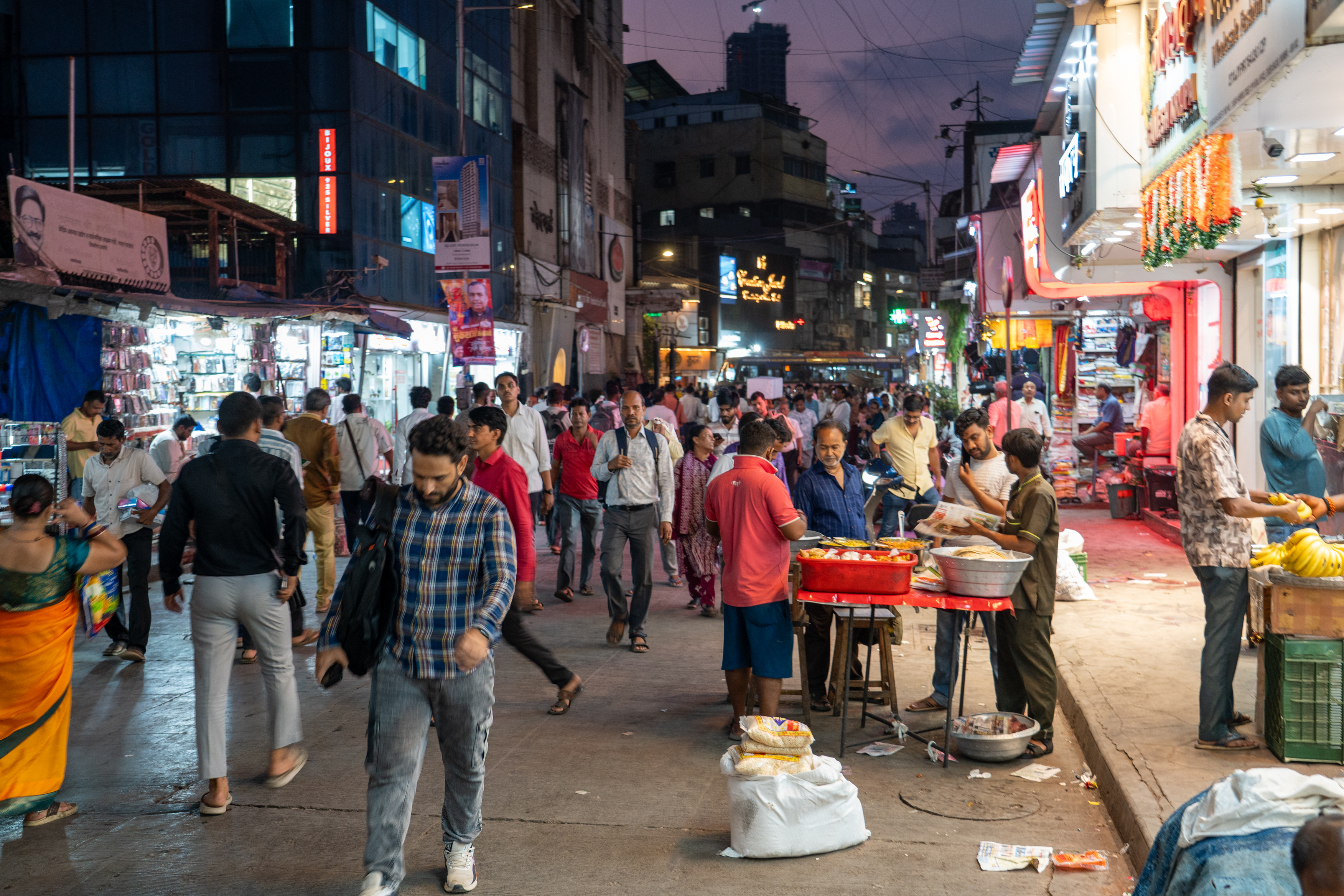
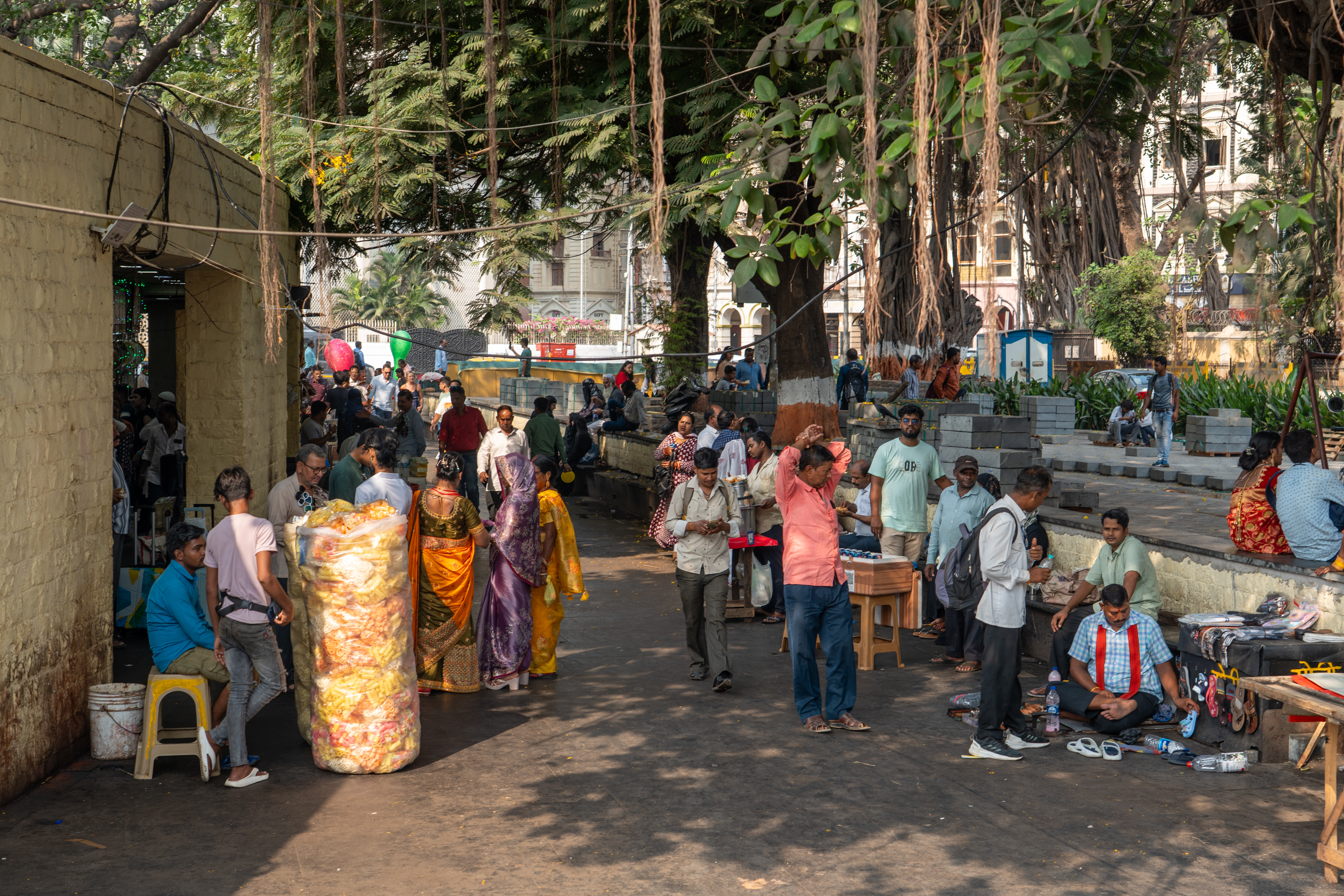
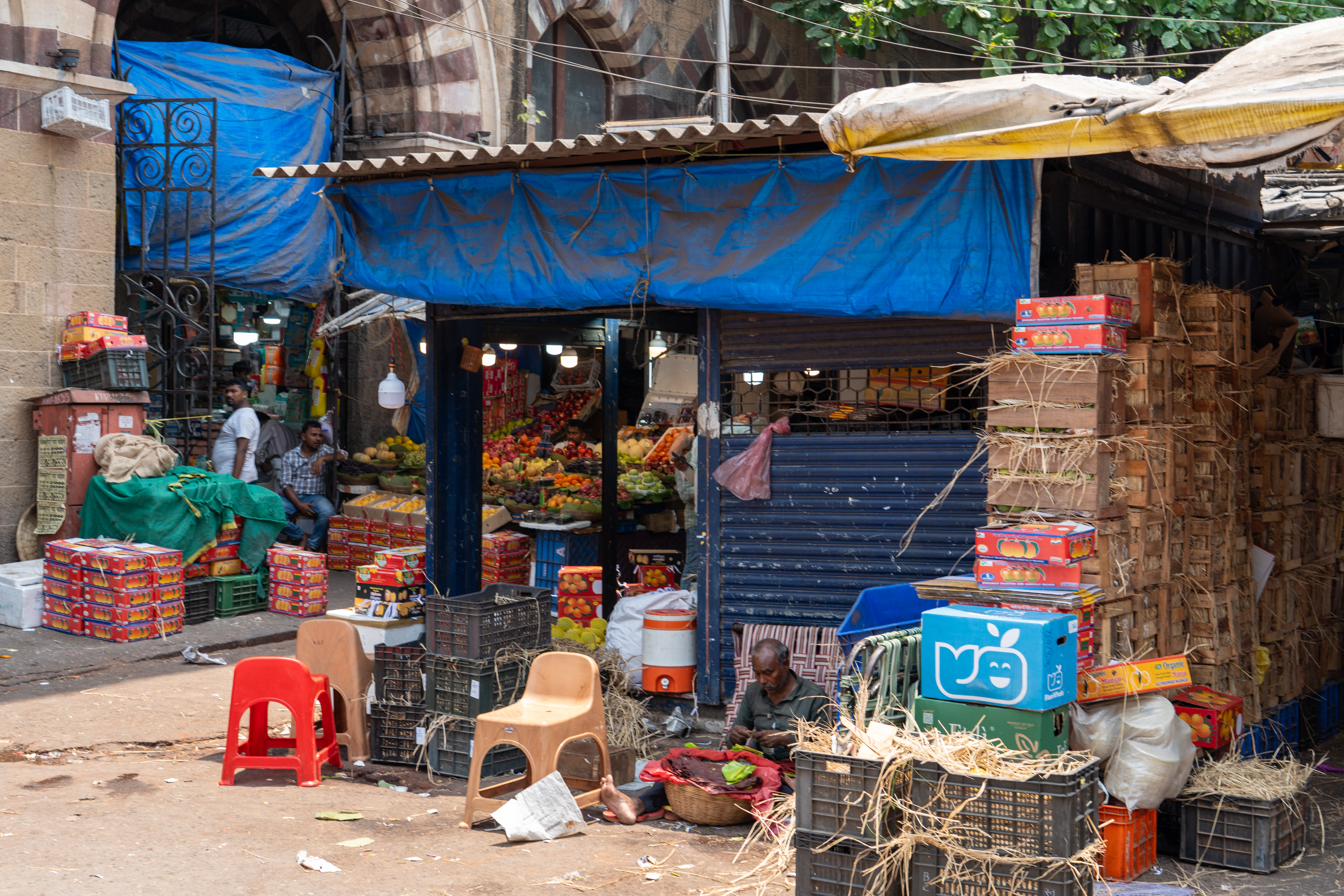
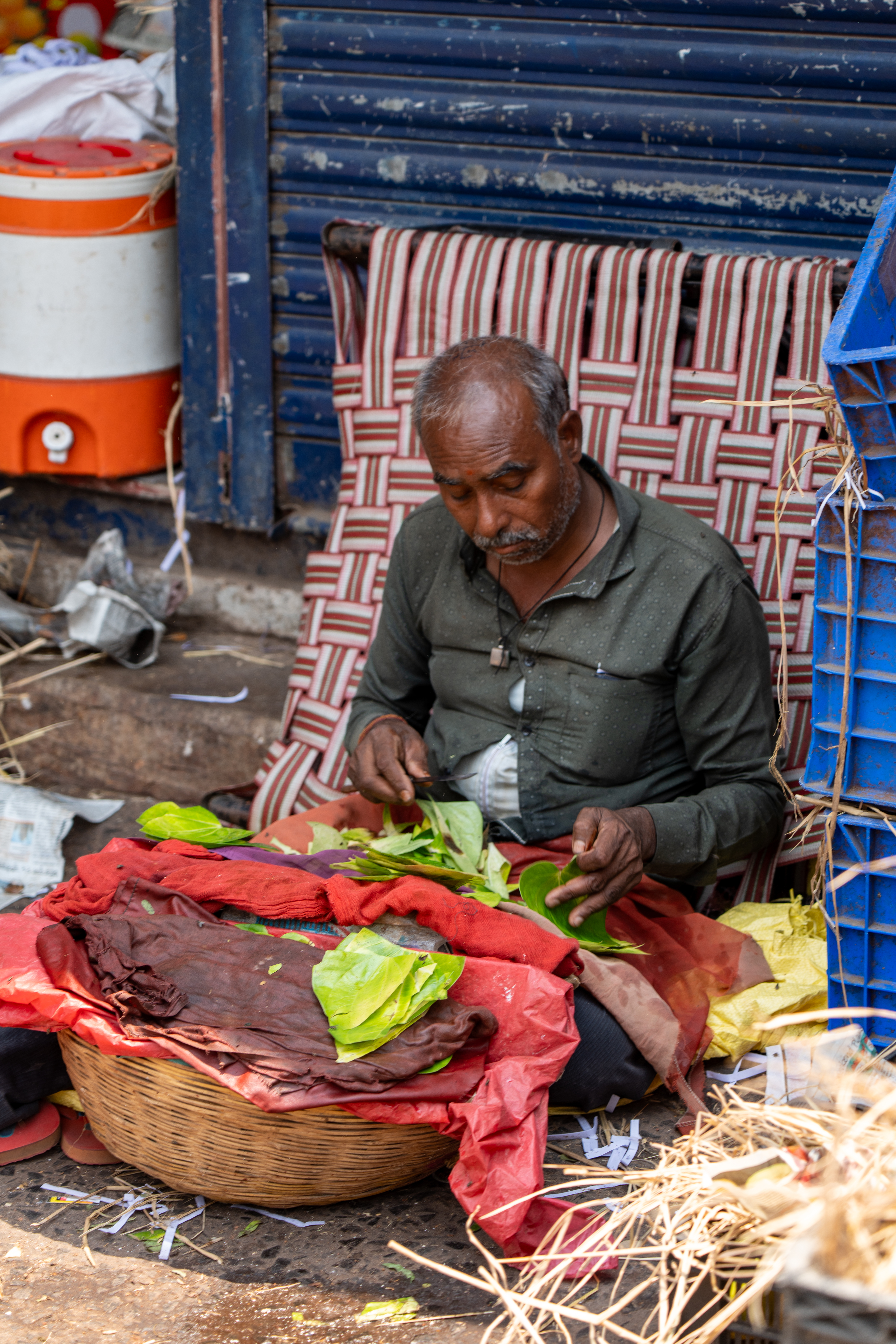
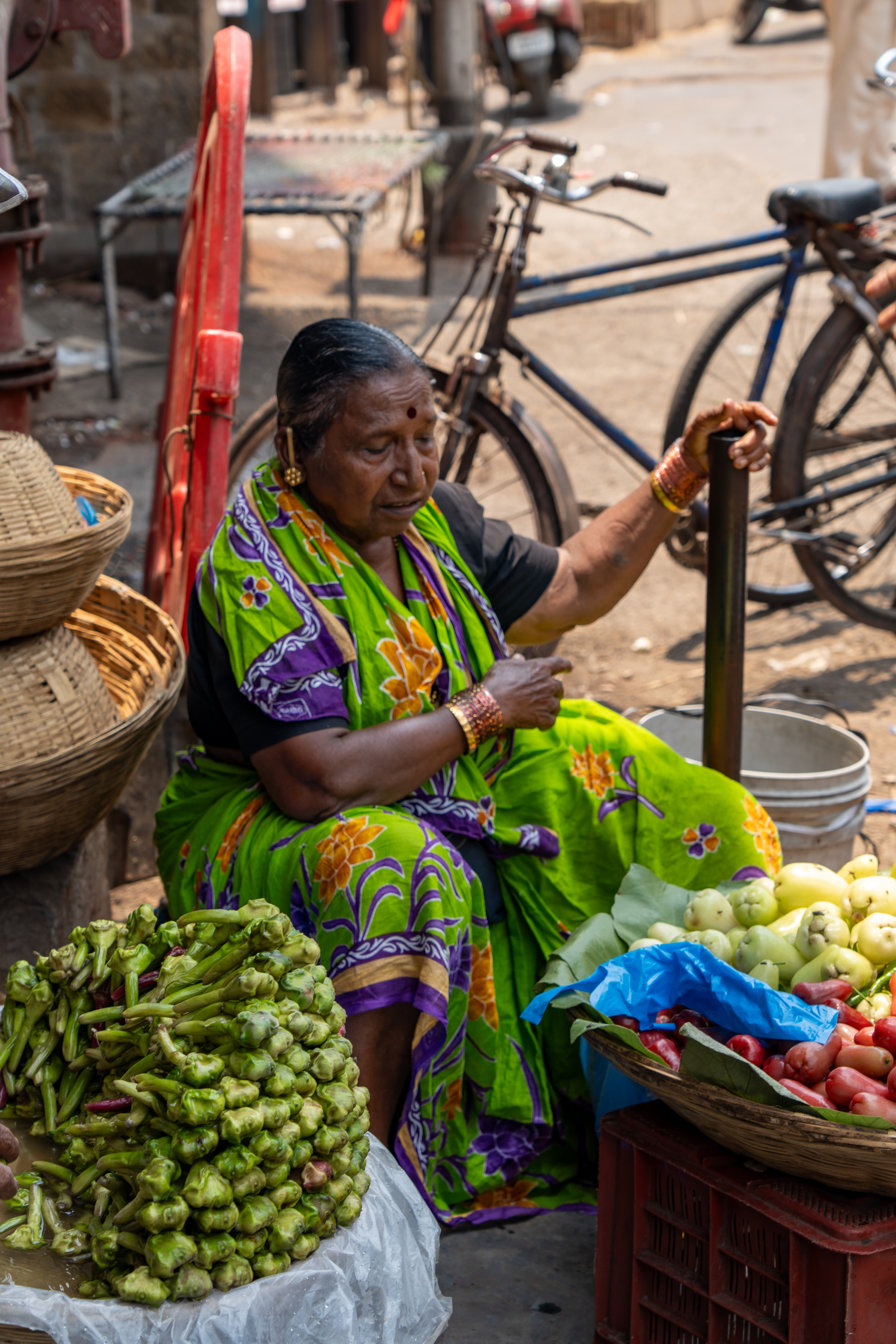
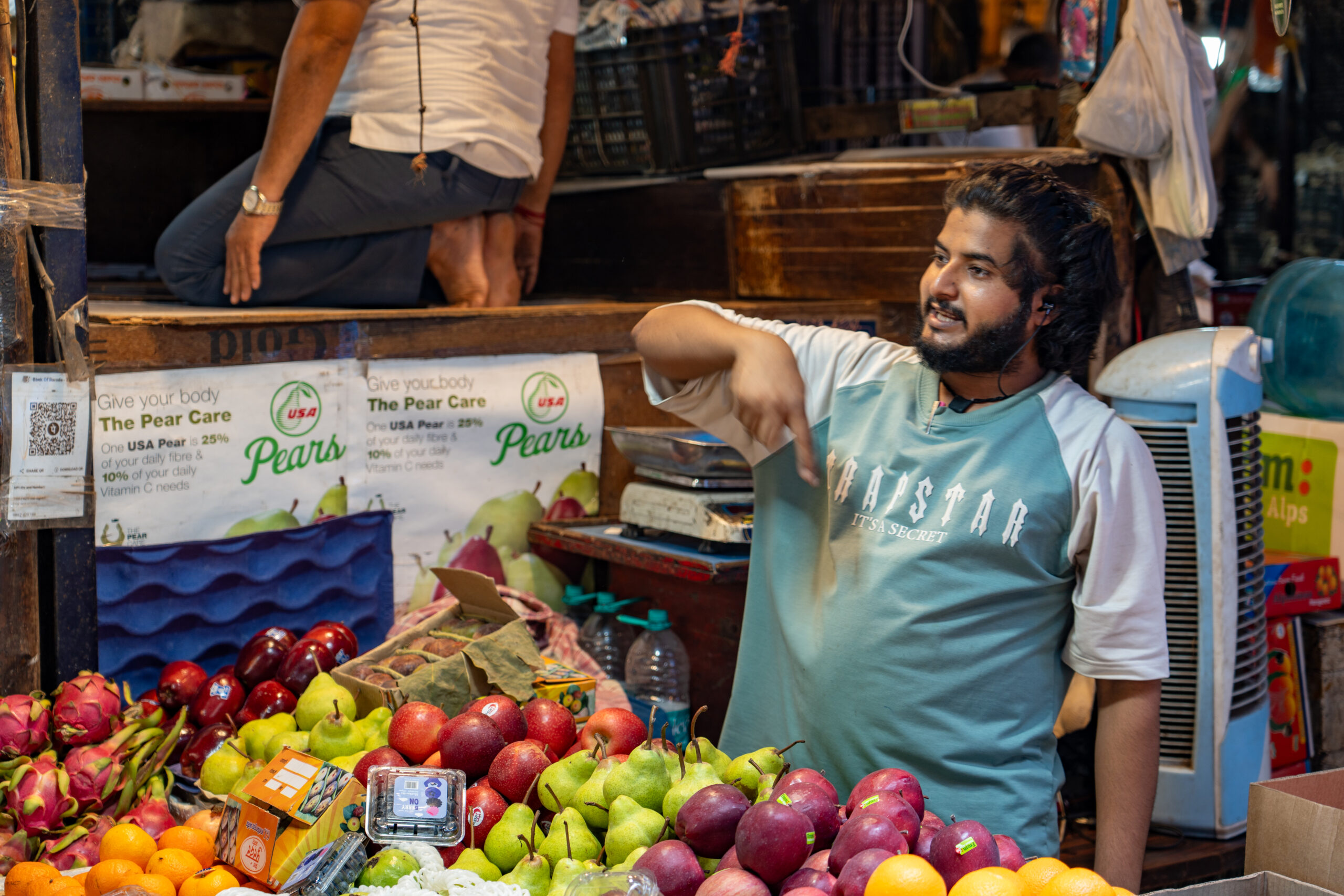
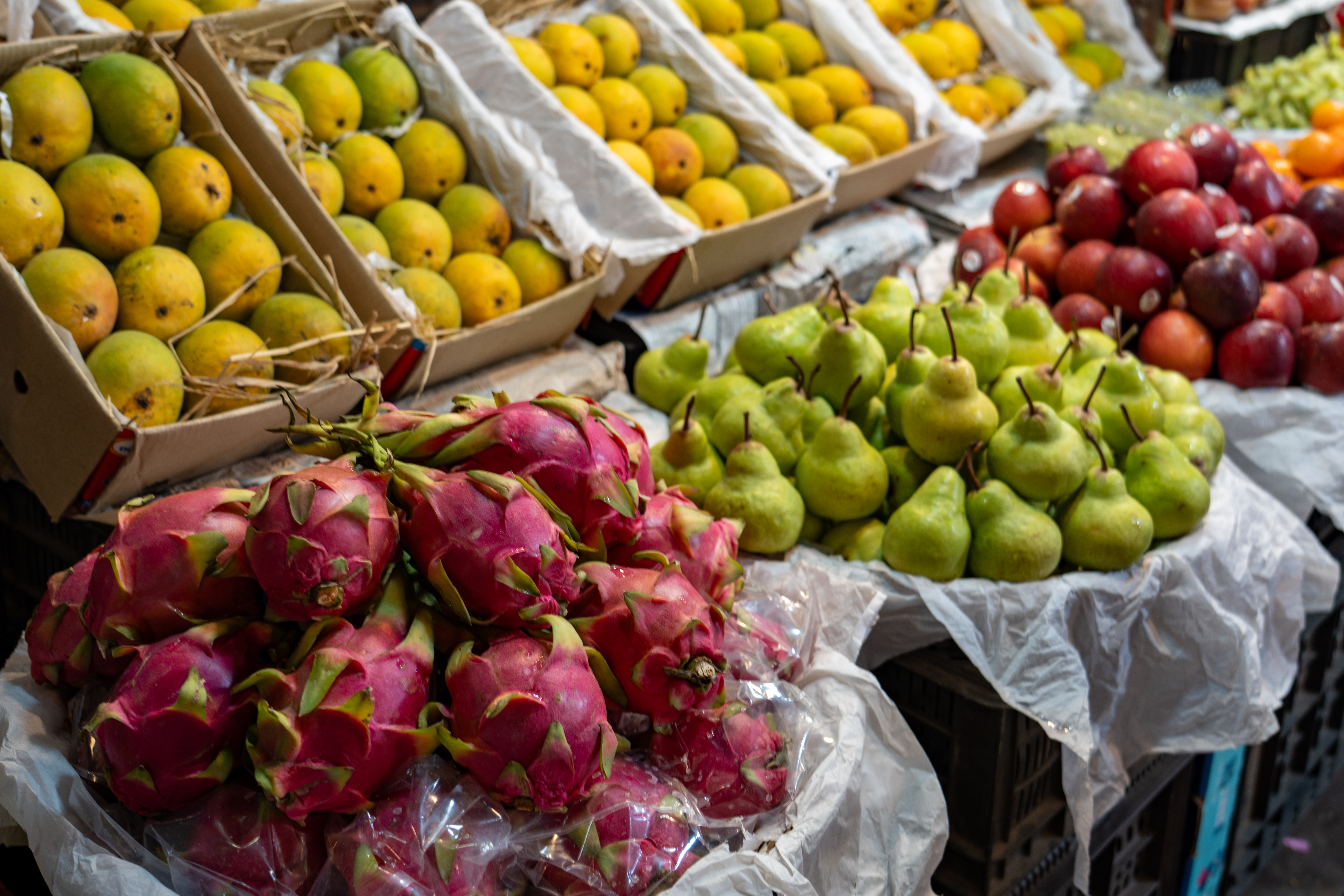
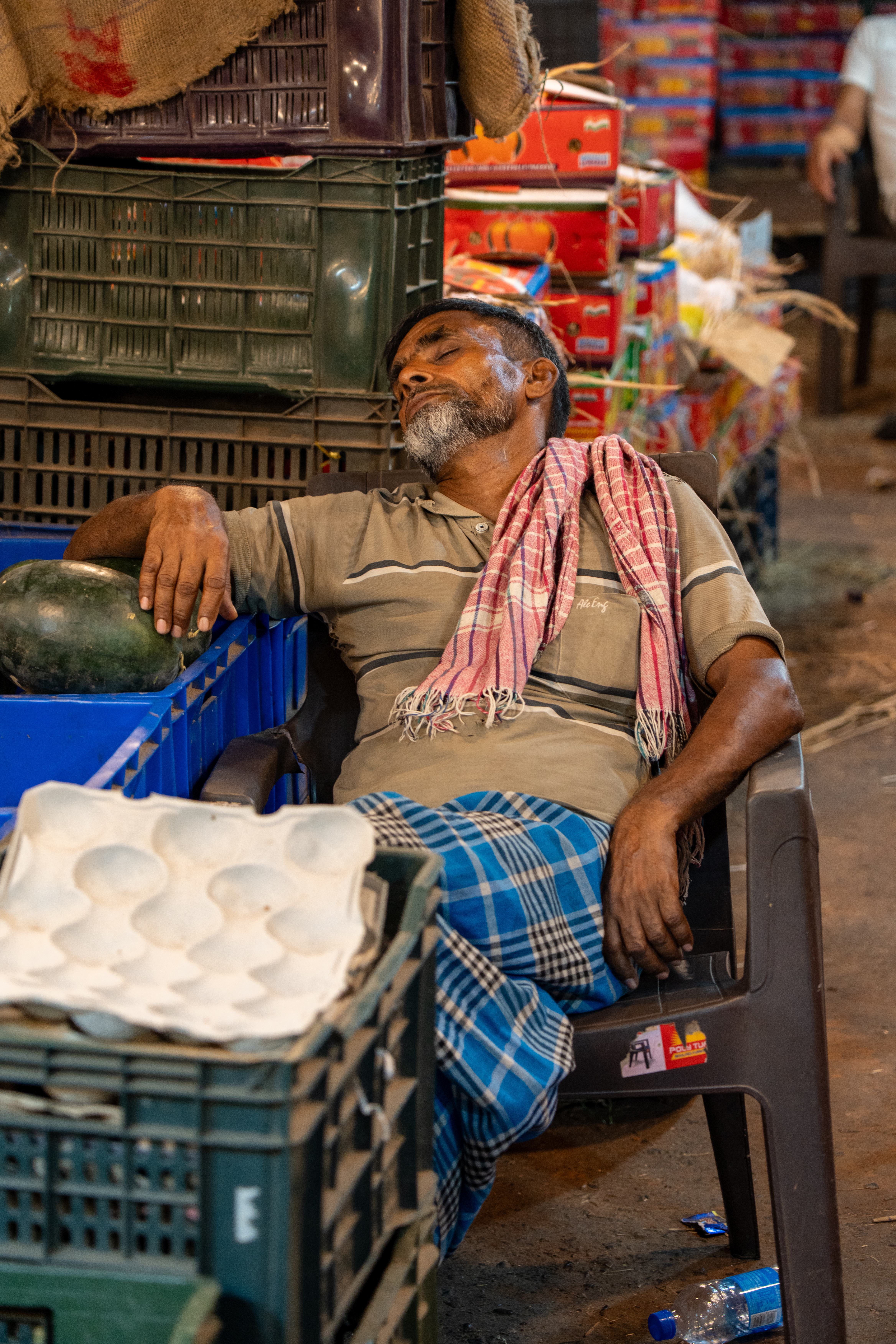
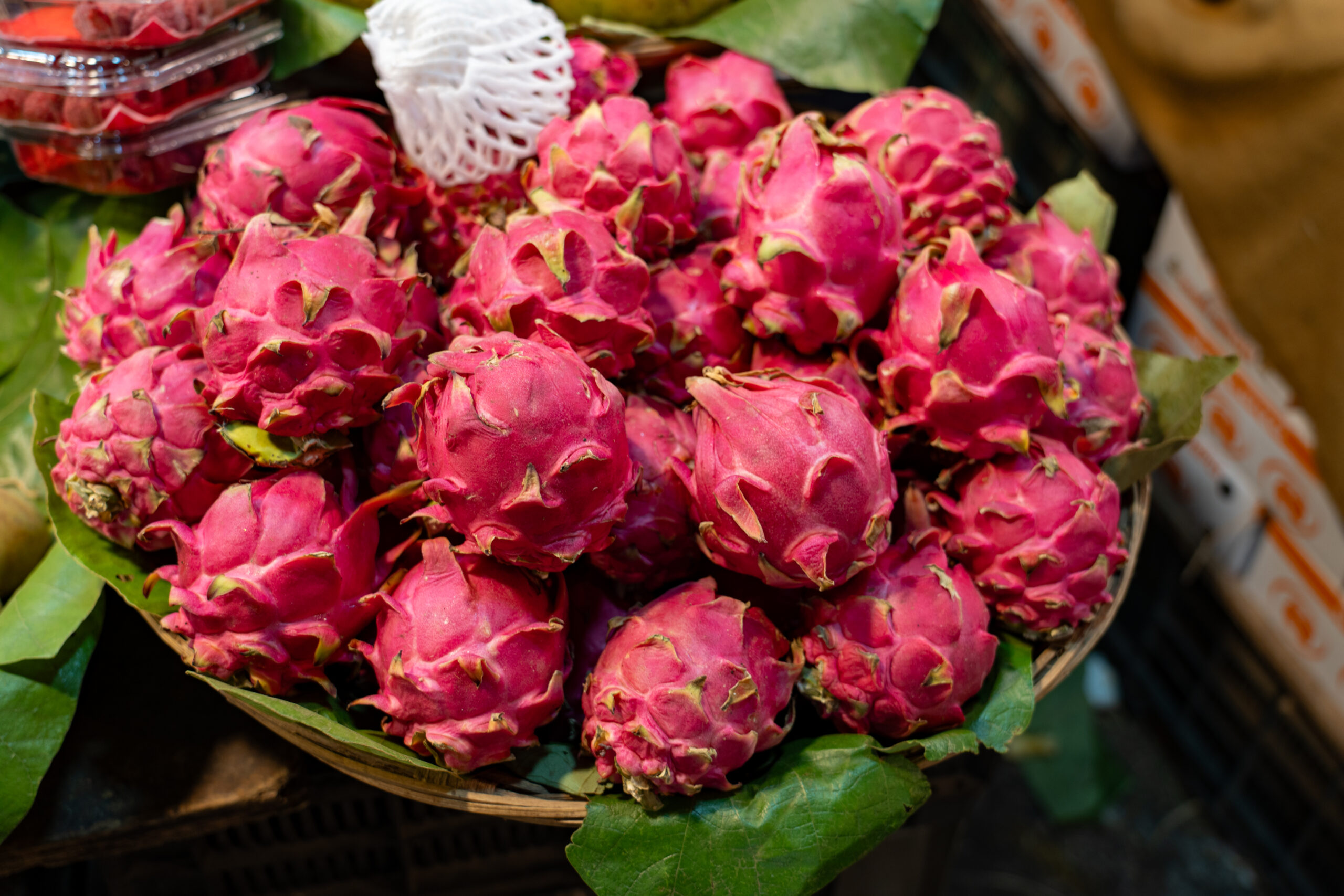
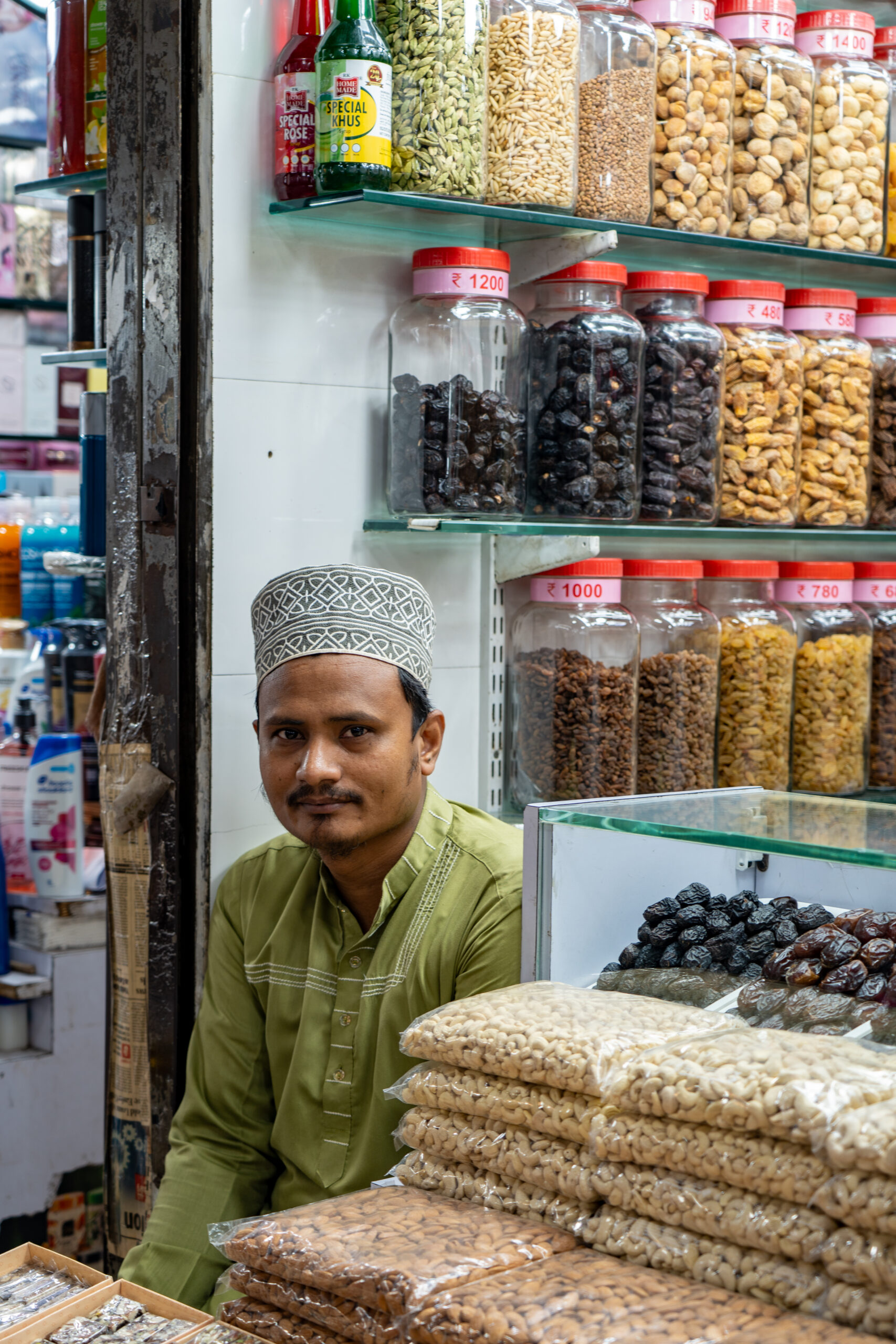
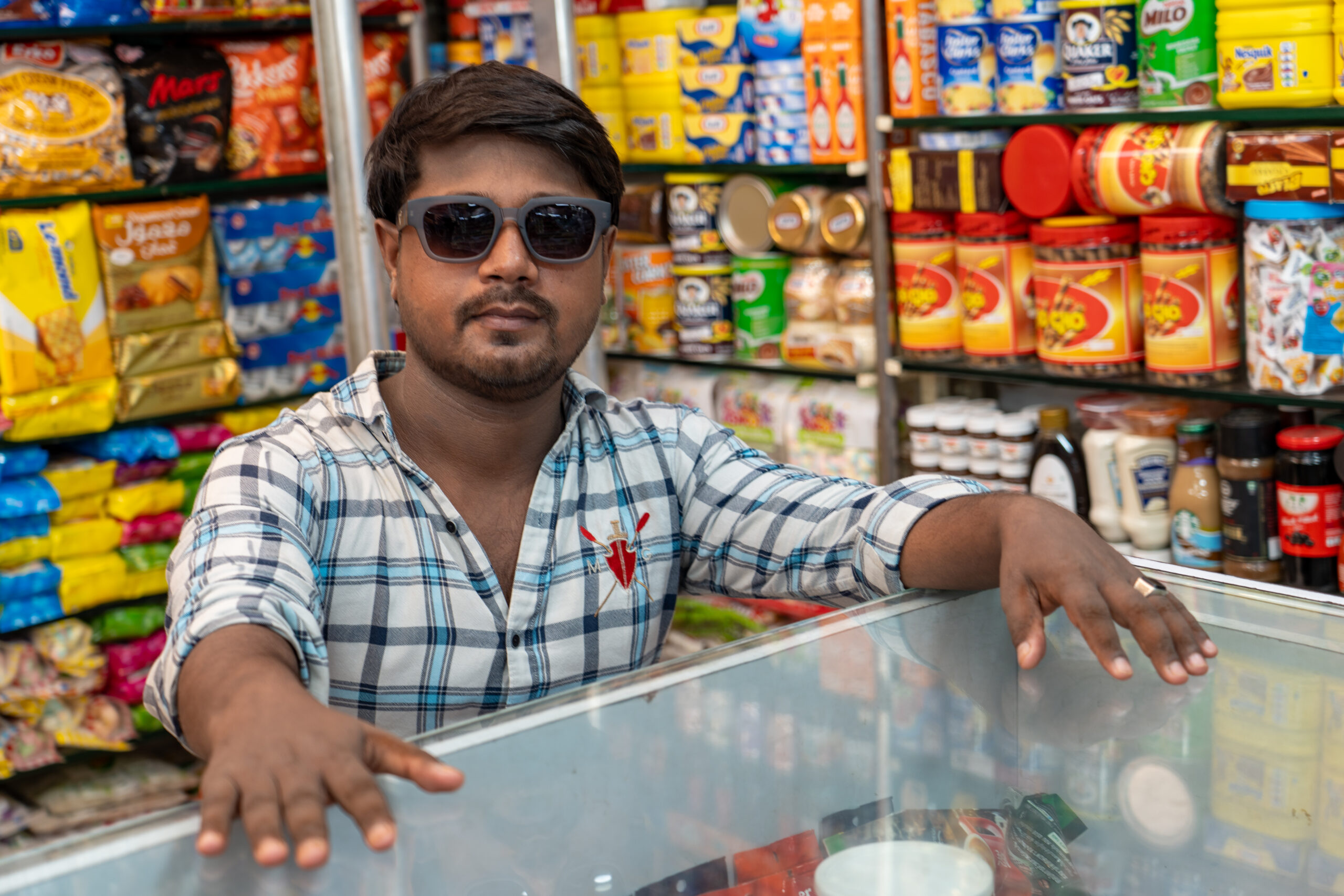
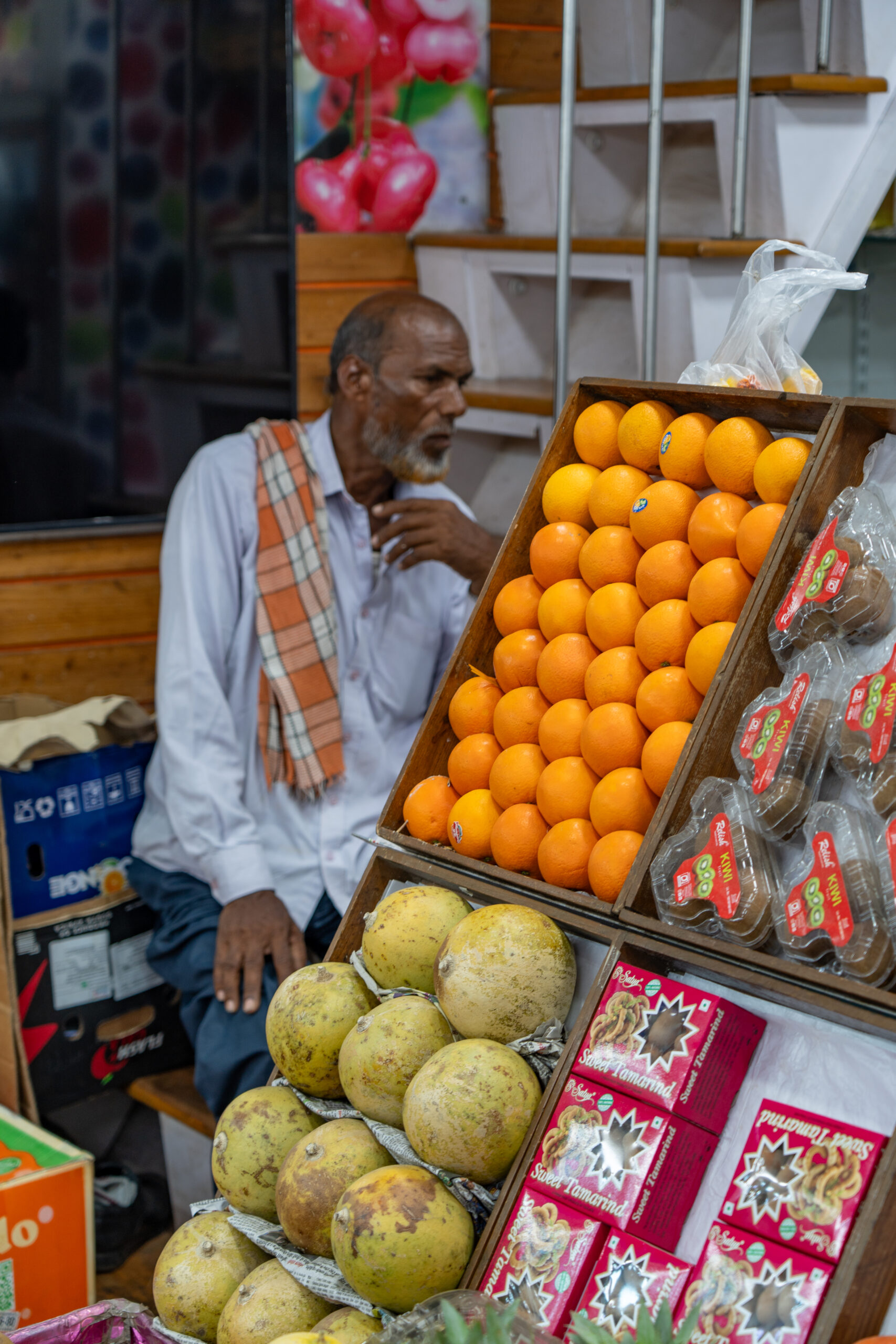
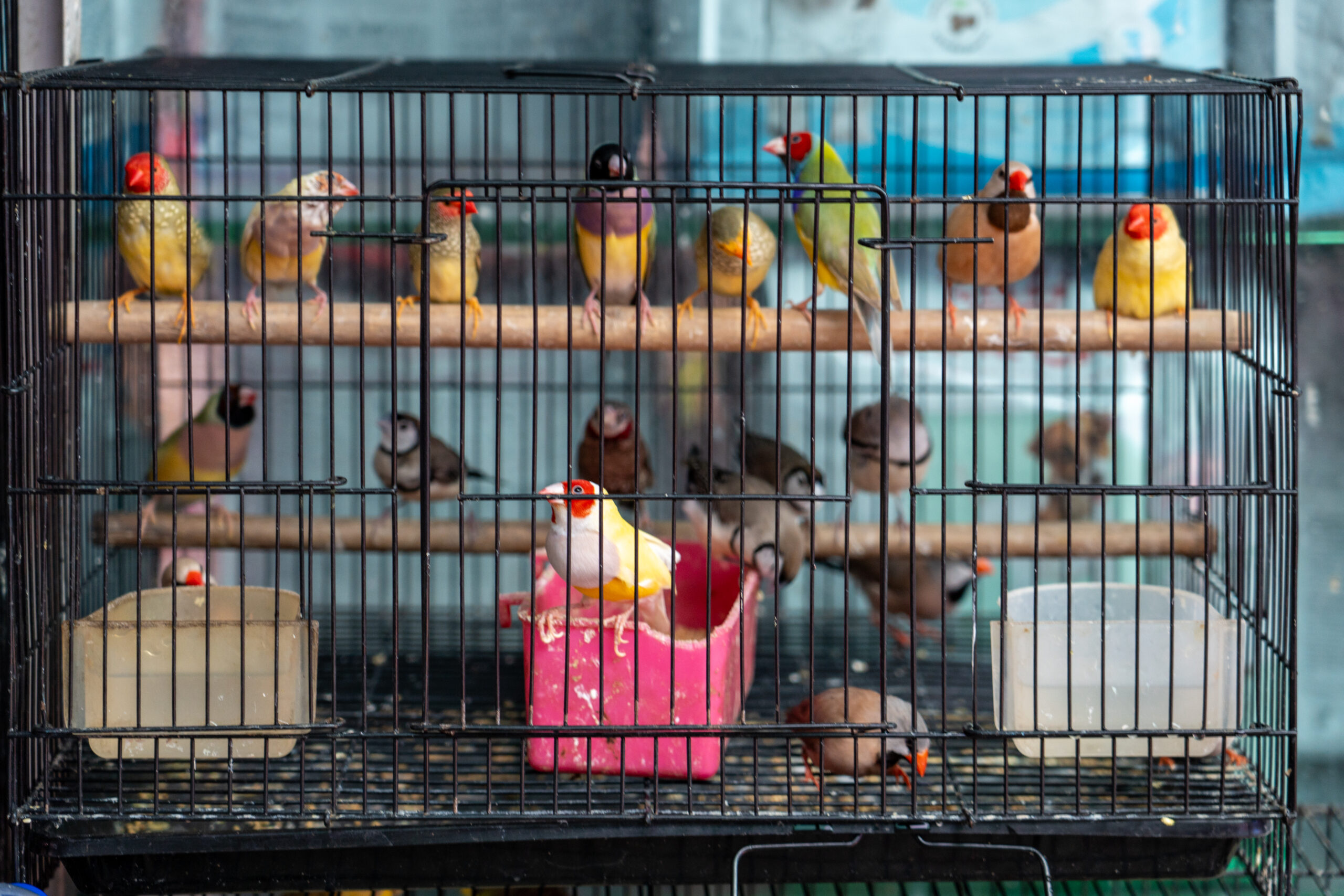
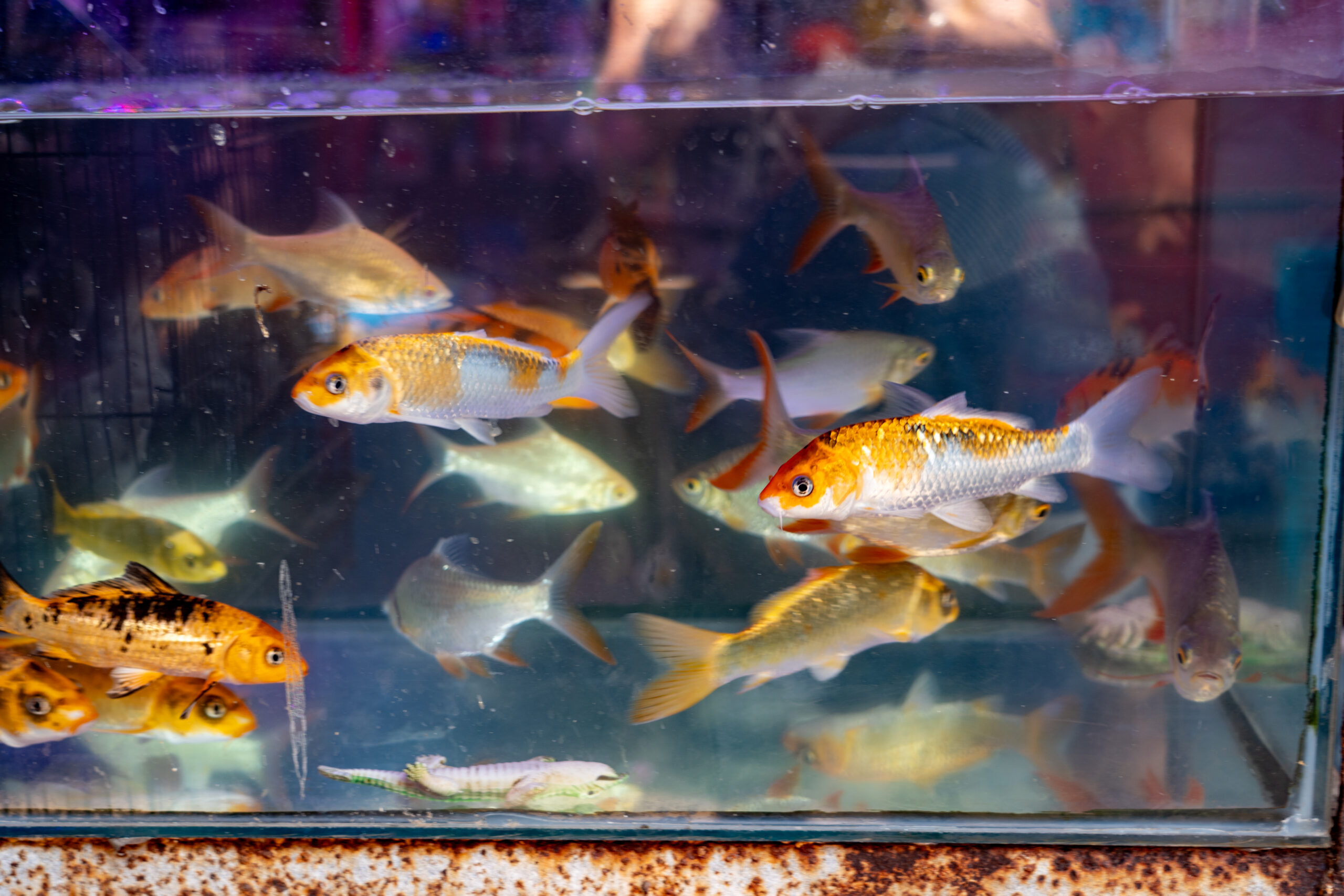
Crawford Market is especially popular for its wide variety of goods. You can find fresh fruits, vegetables, spices, dry fruits, imported food items, flowers, and even pets in certain sections. The market is always busy, filled with shopkeepers calling out to customers, the aroma of fresh produce, and the colorful display of goods.
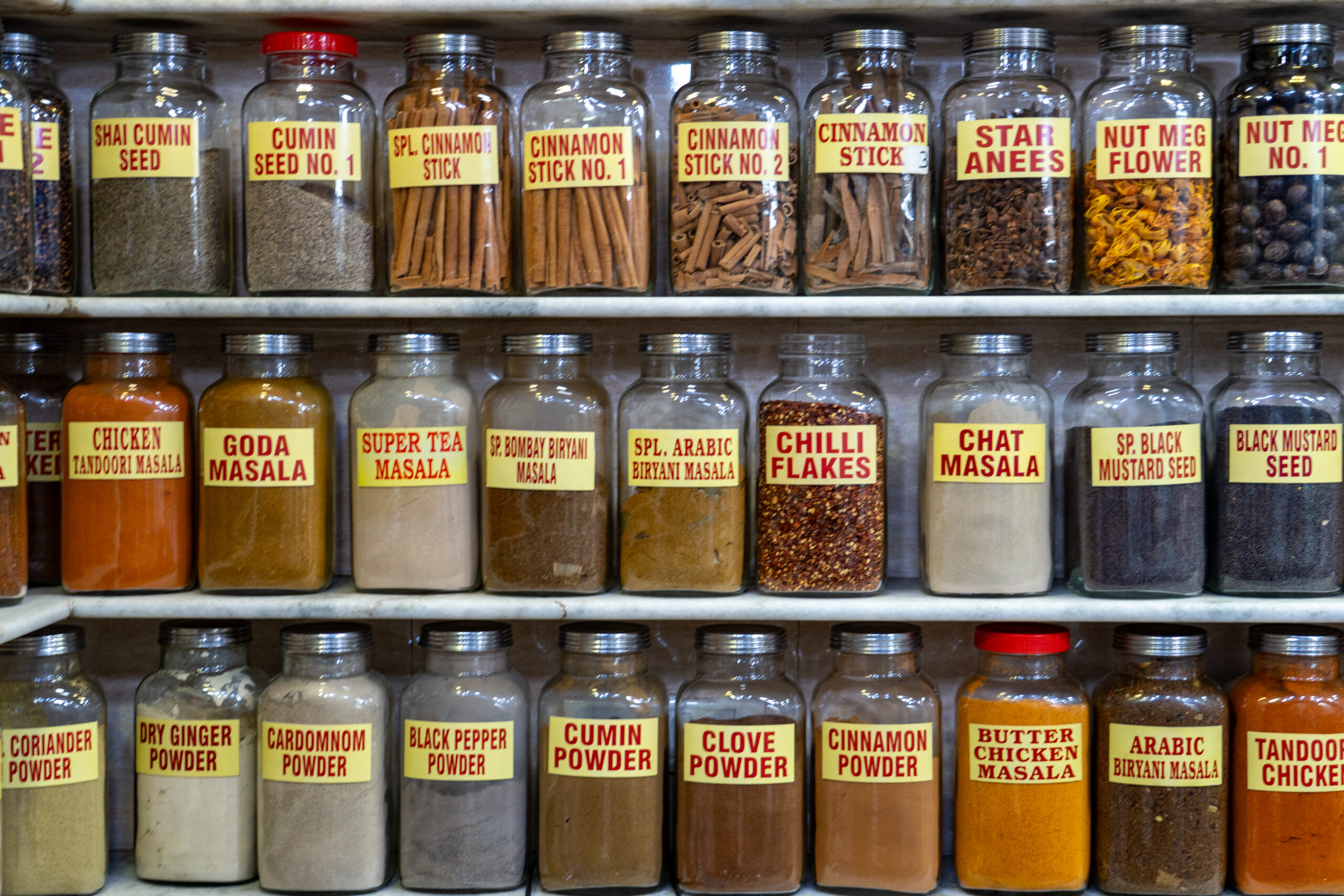
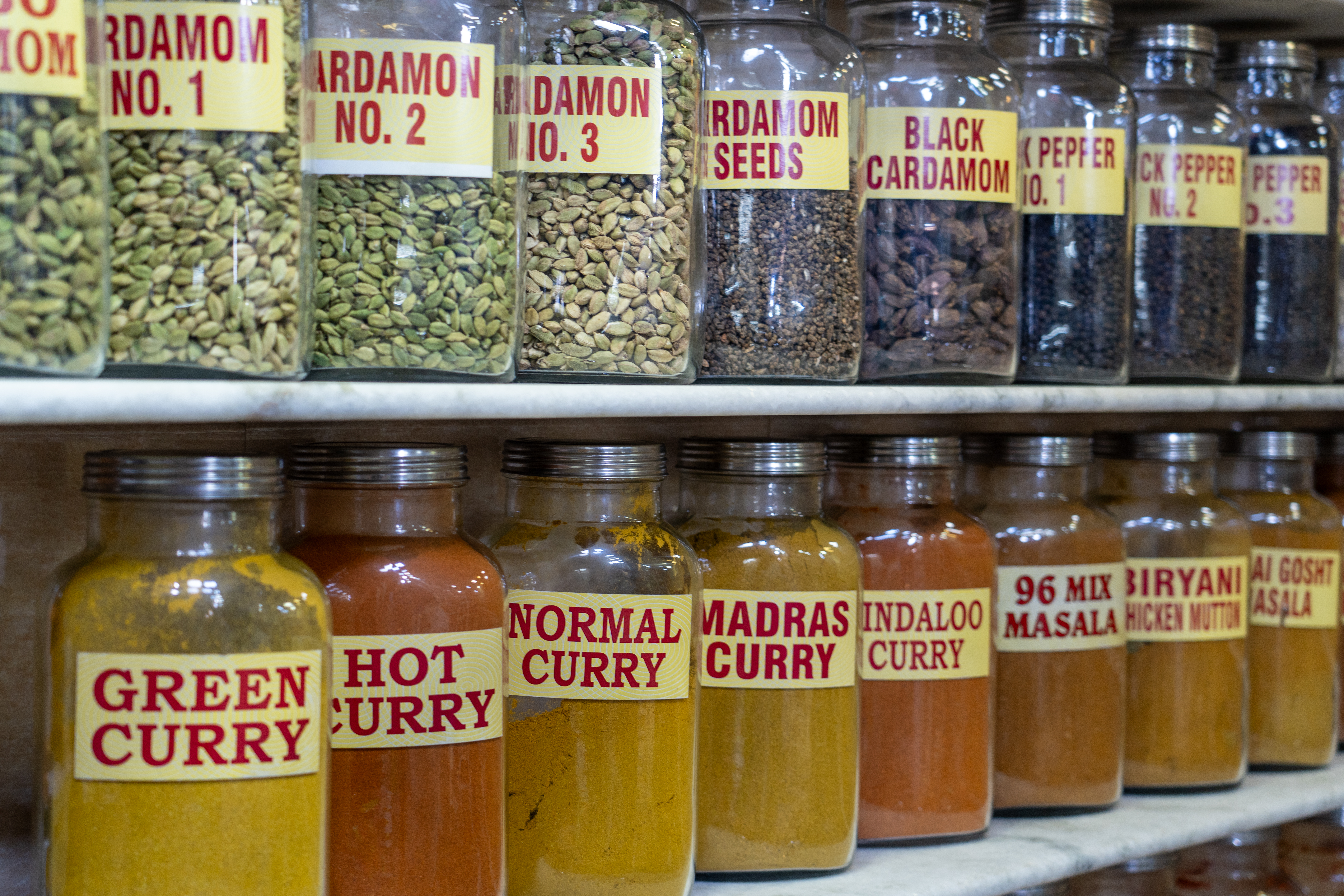
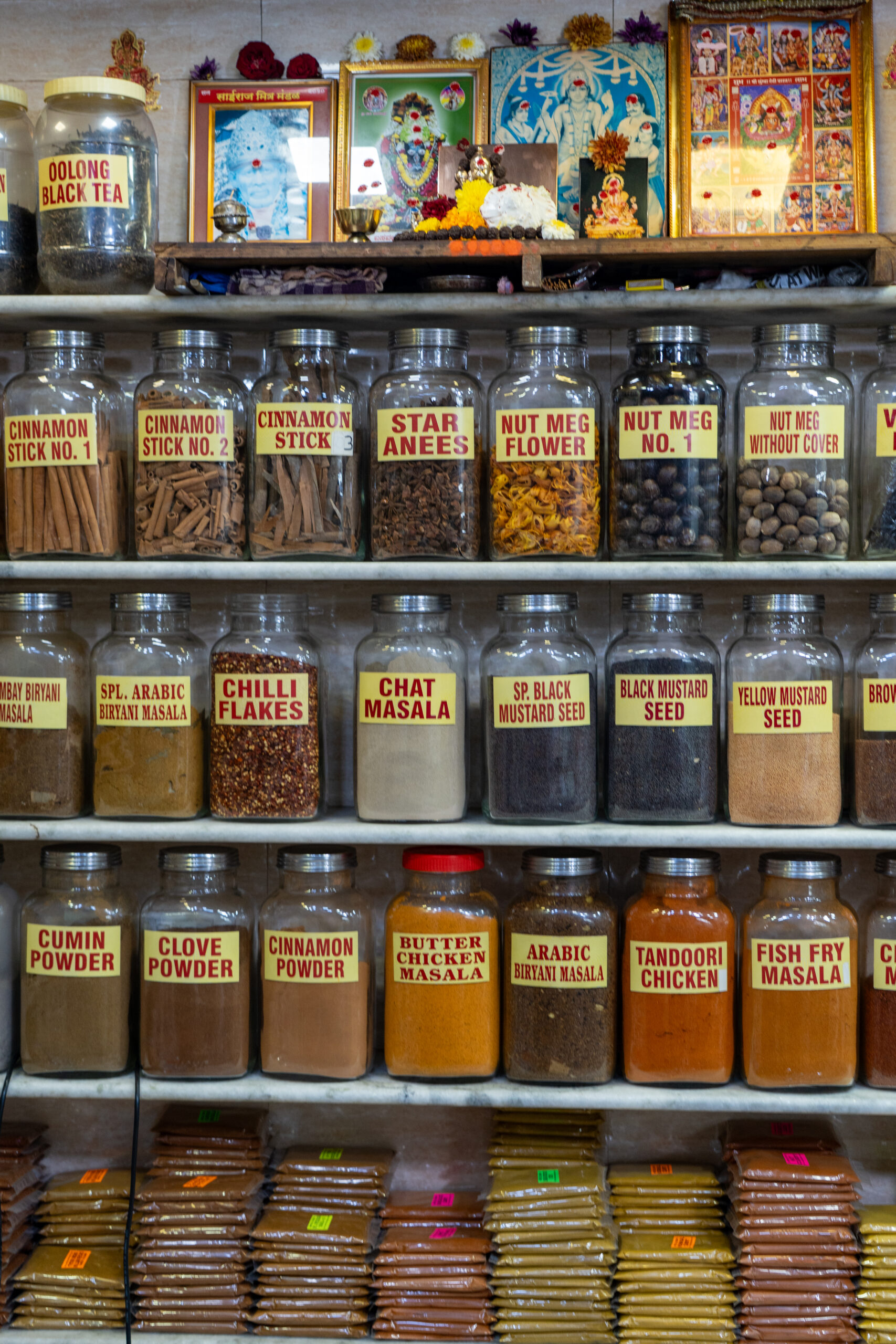
The reason I went to the market, besides enjoying the atmosphere over there was so stock up with fresh spices at Spice King, a shop I have discovered years ago and always becomes a stop for shopping.
But after that I got tired and booked an uber back to Leopold Café for a well-deserved beer after which I returned to My hotel for a well-deserved rest.
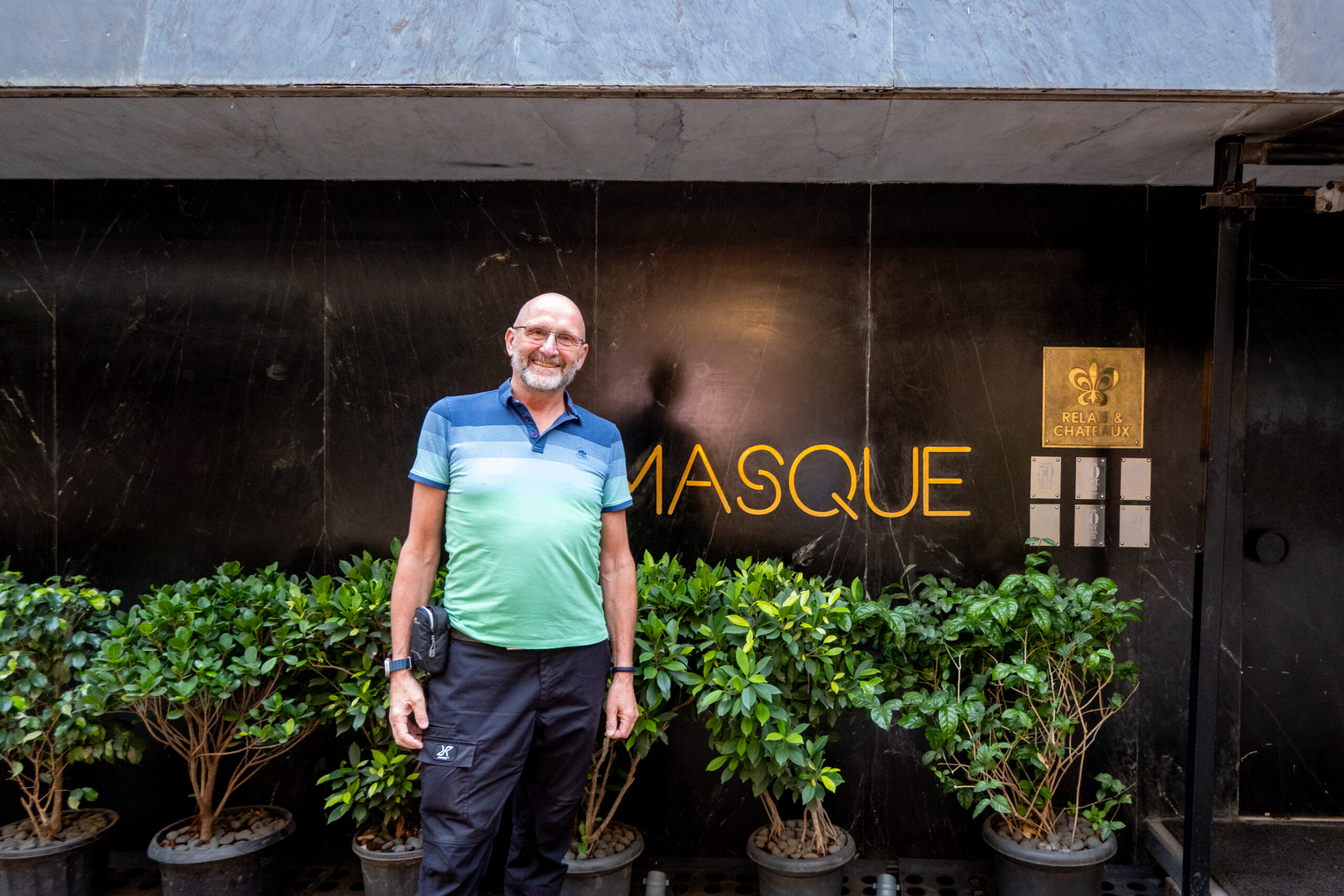
Later in the evening I took an Uber to what was the initial reason to extend my journey with a couple of days in Mumbai. Two years ago, I had an out of this world dining experience at India’s best restaurant and I wanted to repeat the experience.
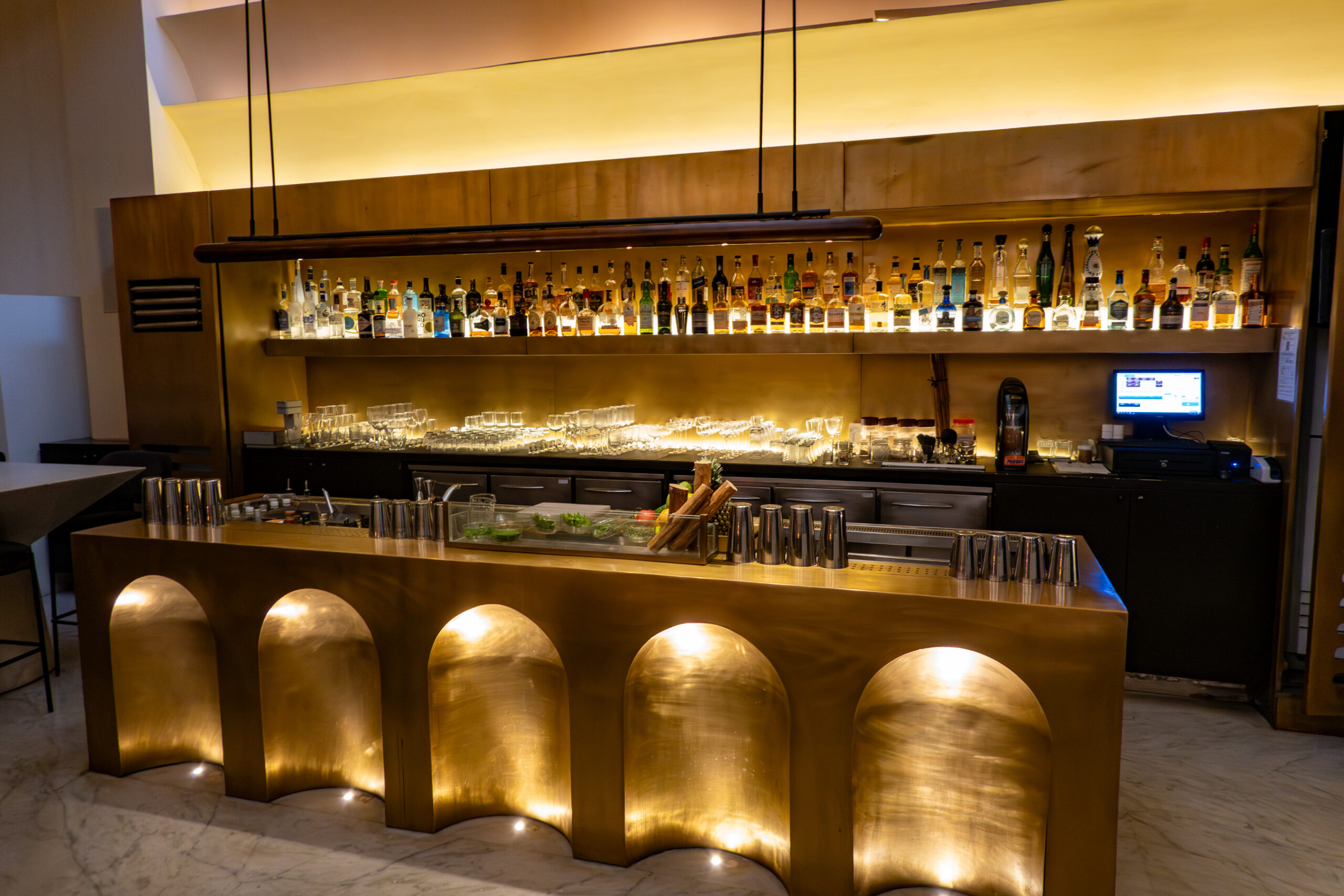
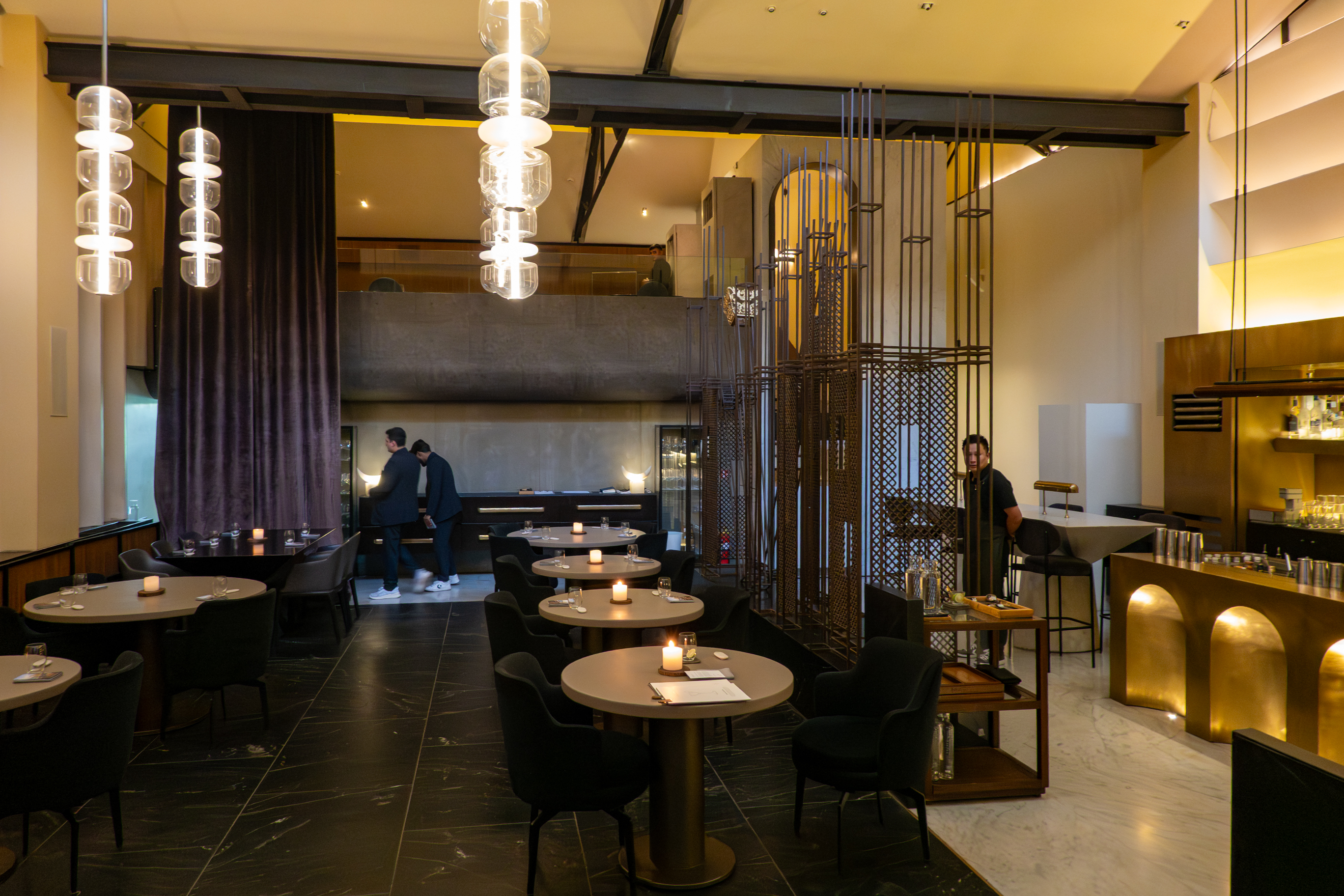
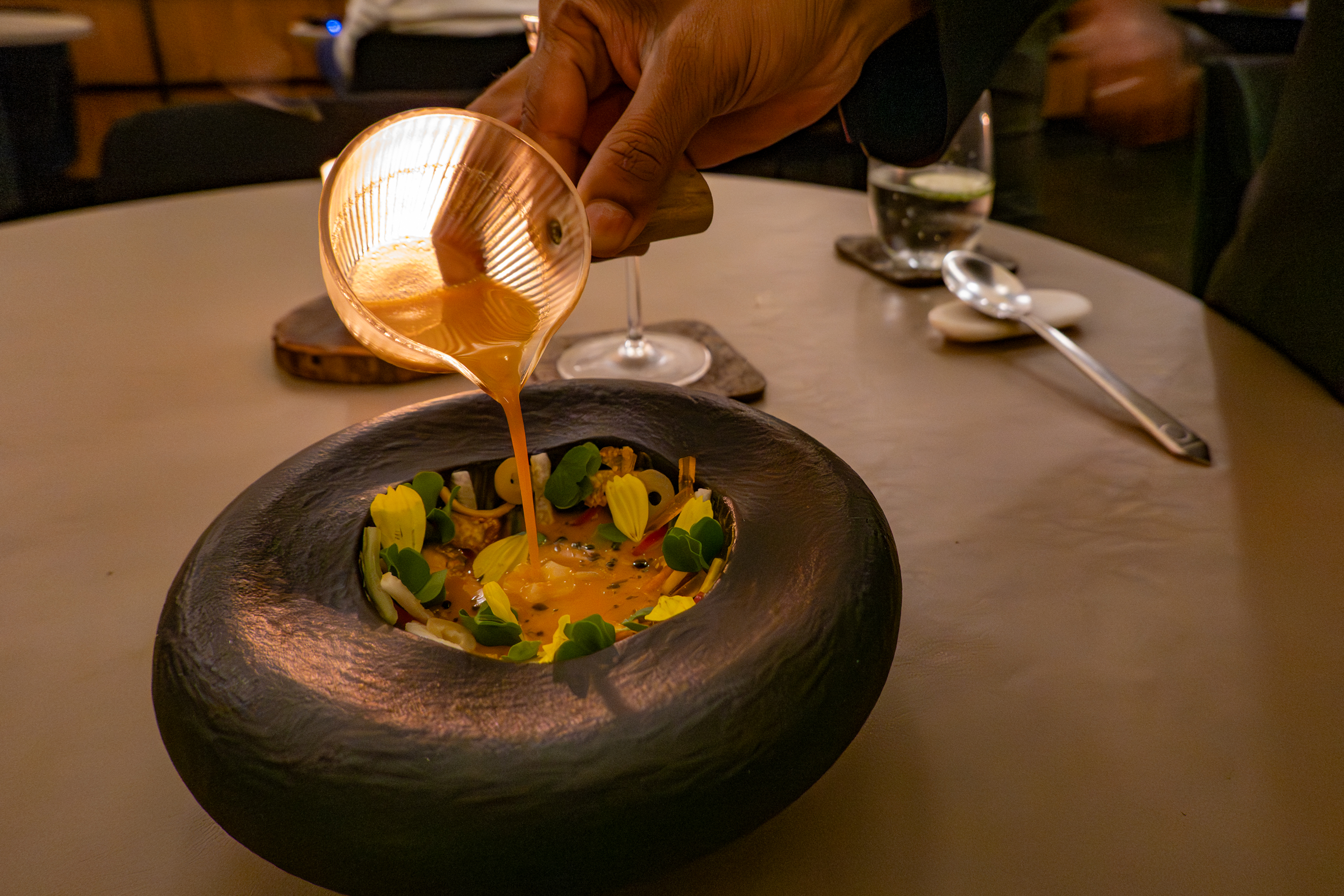
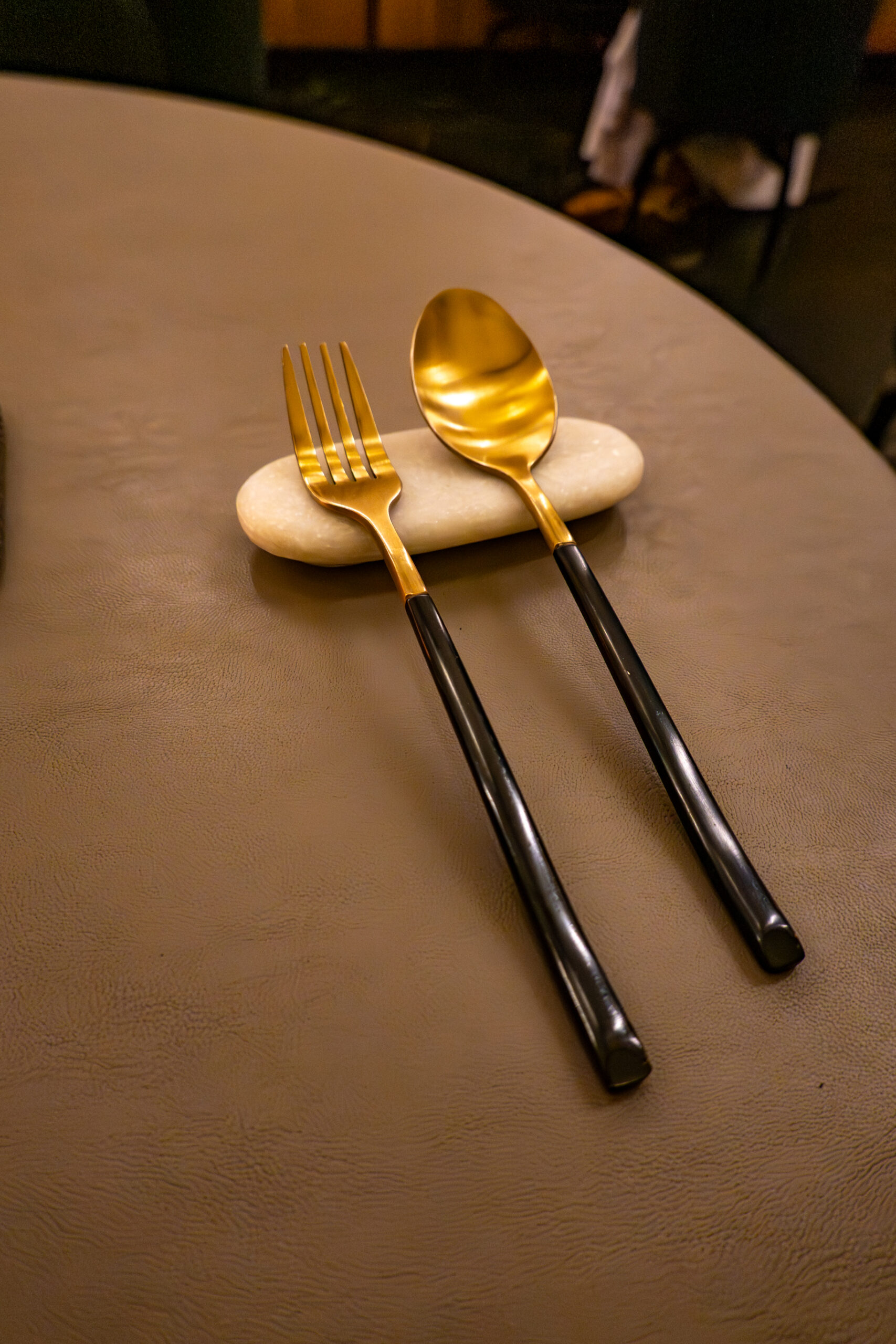
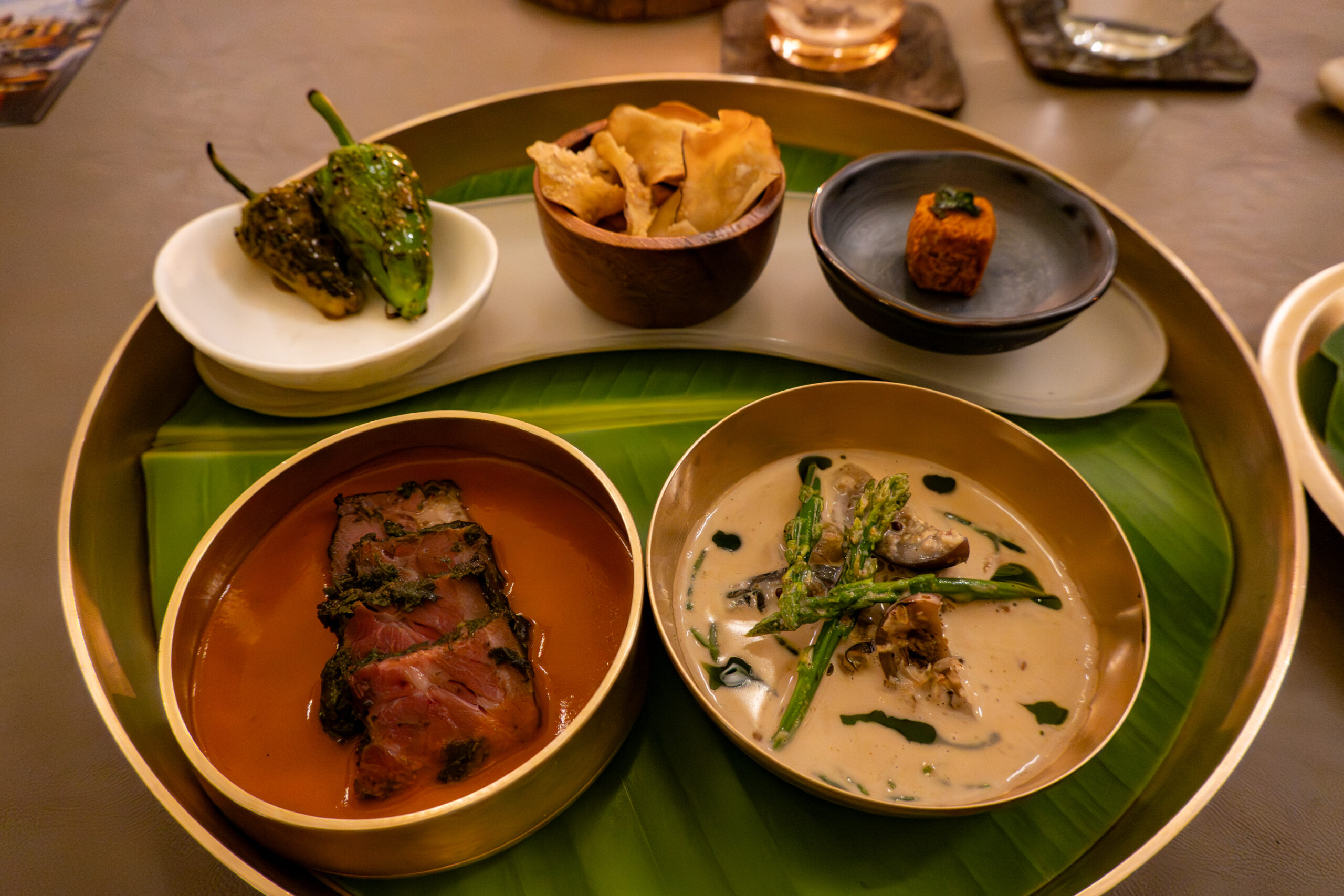
Masque is a celebrated fine-dining restaurant in Mumbai known for its innovative take on modern Indian cuisine. It offers a carefully curated ten-course tasting menu that highlights seasonal, locally sourced ingredients, often reimagining traditional Indian flavors using contemporary techniques and artistic presentation. Set inside a restored textile mill in Mahalaxmi.
The restaurant combines an industrial, minimalist ambiance with an immersive dining experience and is currently number 15 on Asia’s best restaurant lists and is widely regarded as a pioneer of tasting-menu dining in India.
Masque isn’t just about eating; it’s about exploring Indian ingredients in a completely new way, through a curated, multi-course culinary journey.
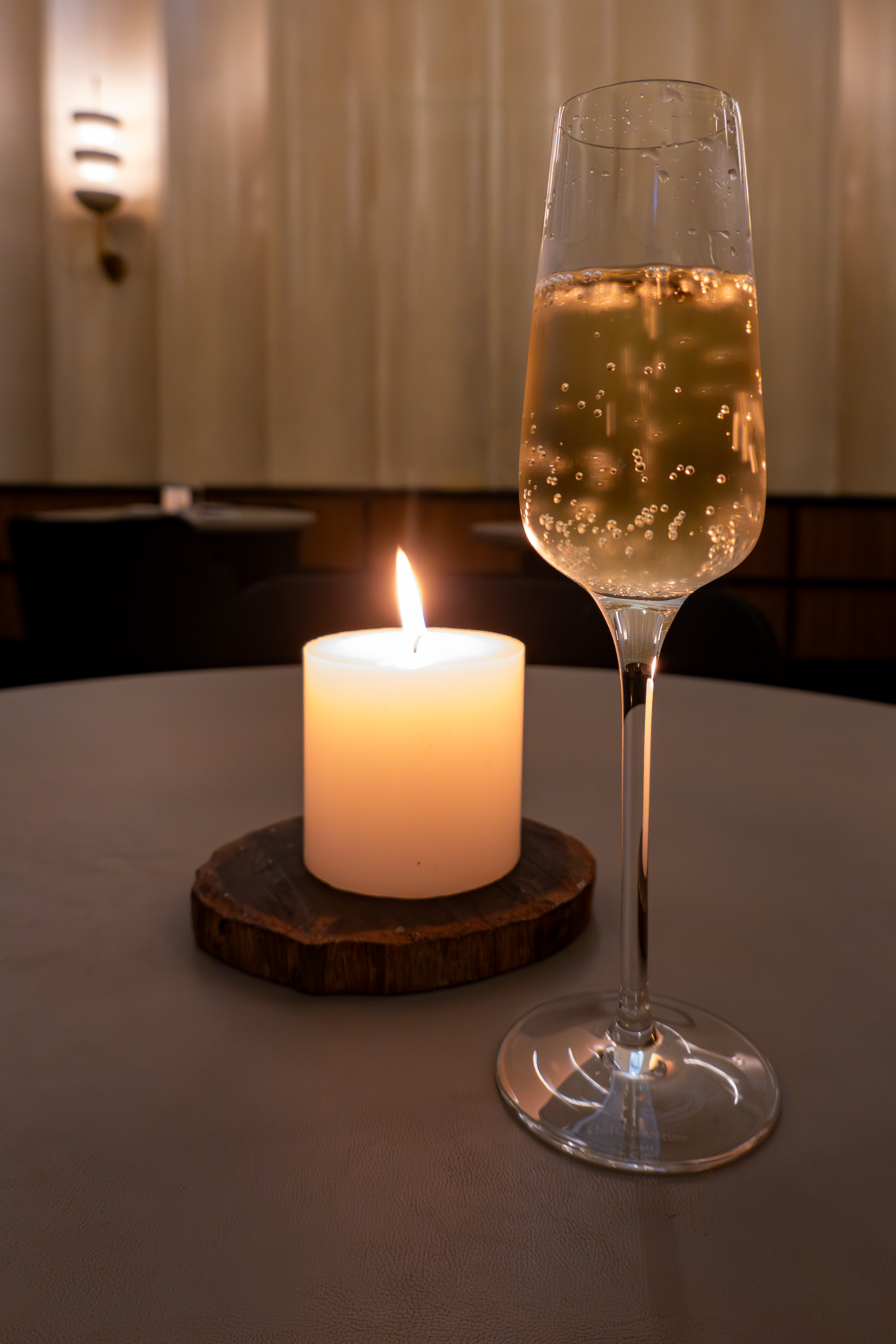
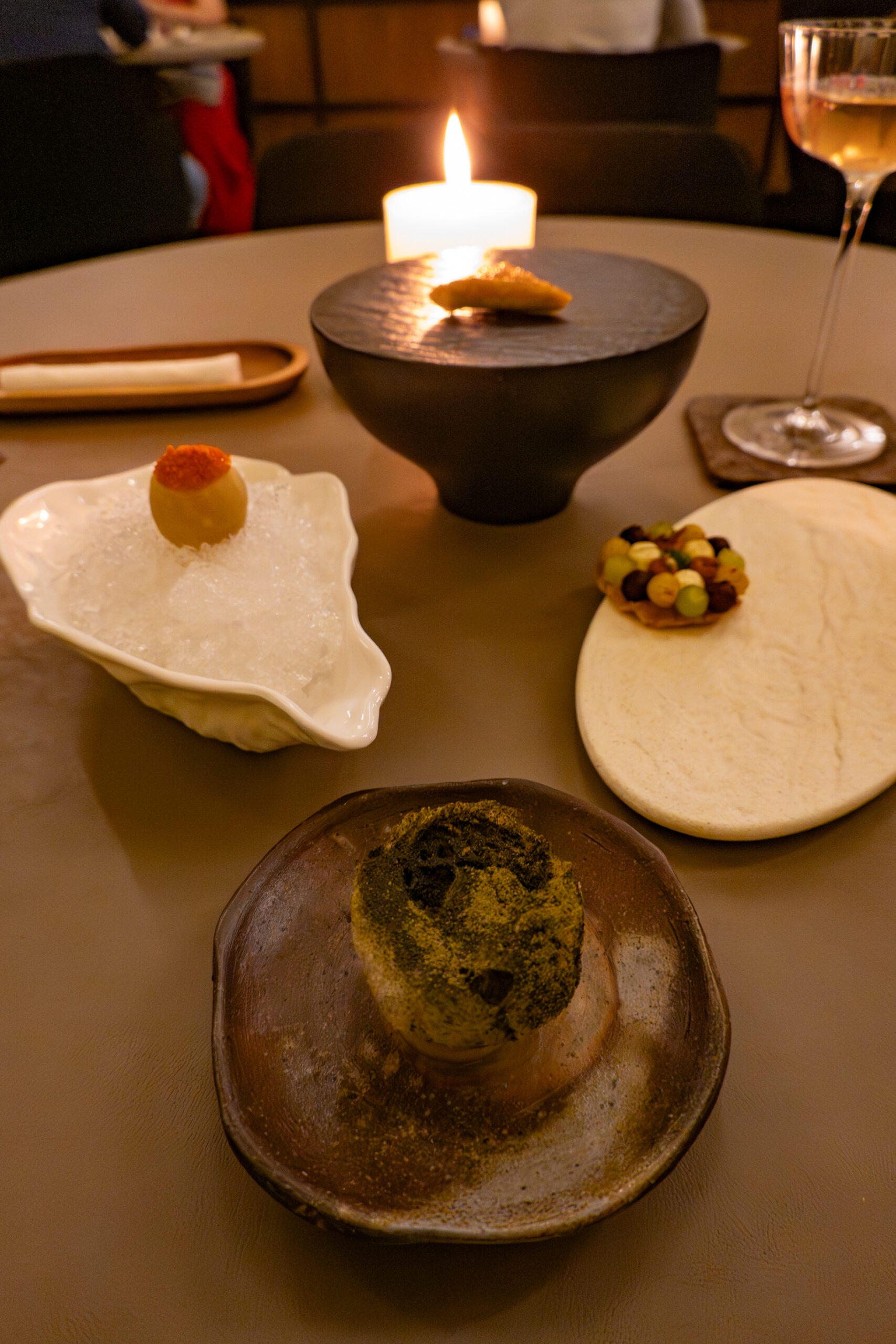
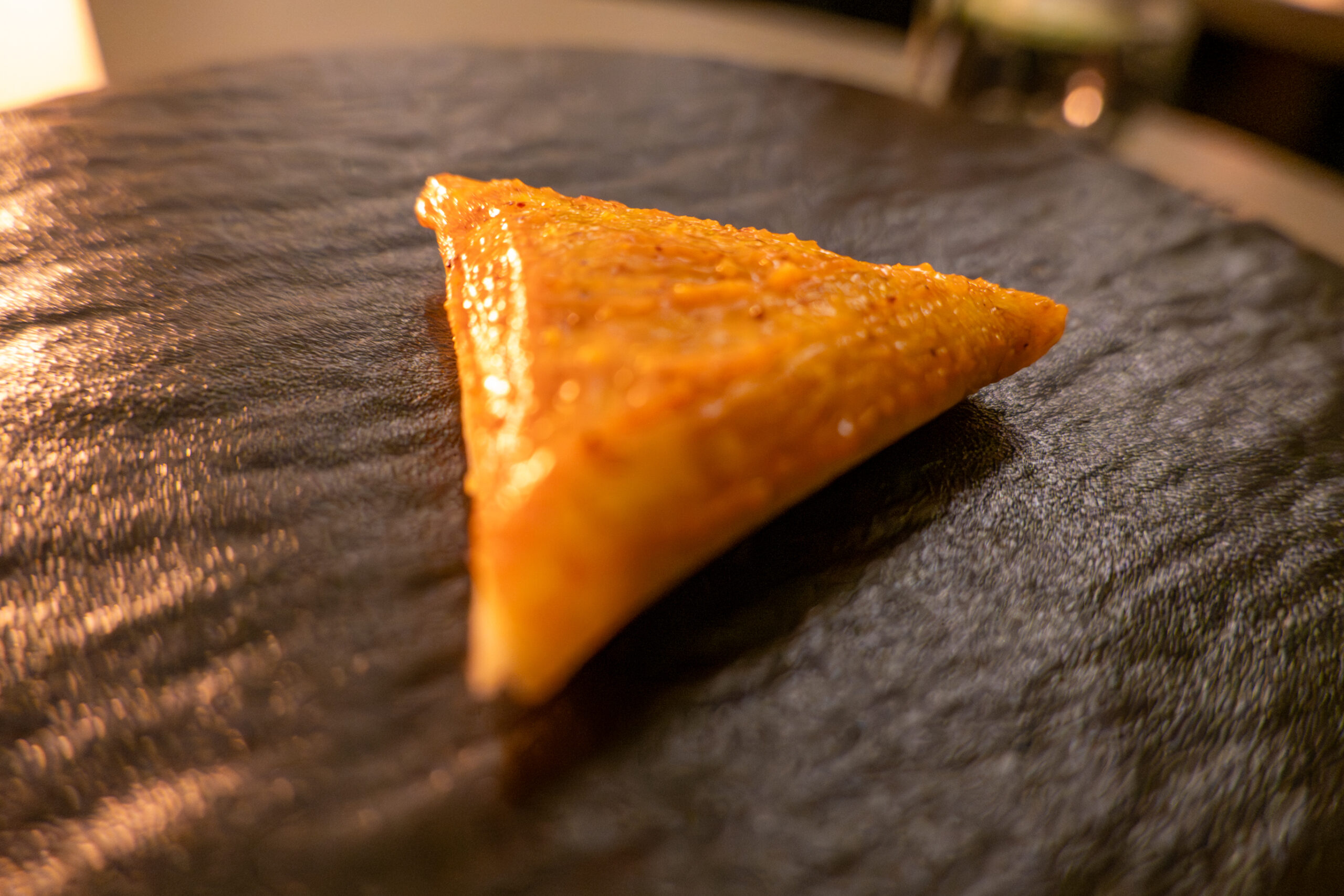
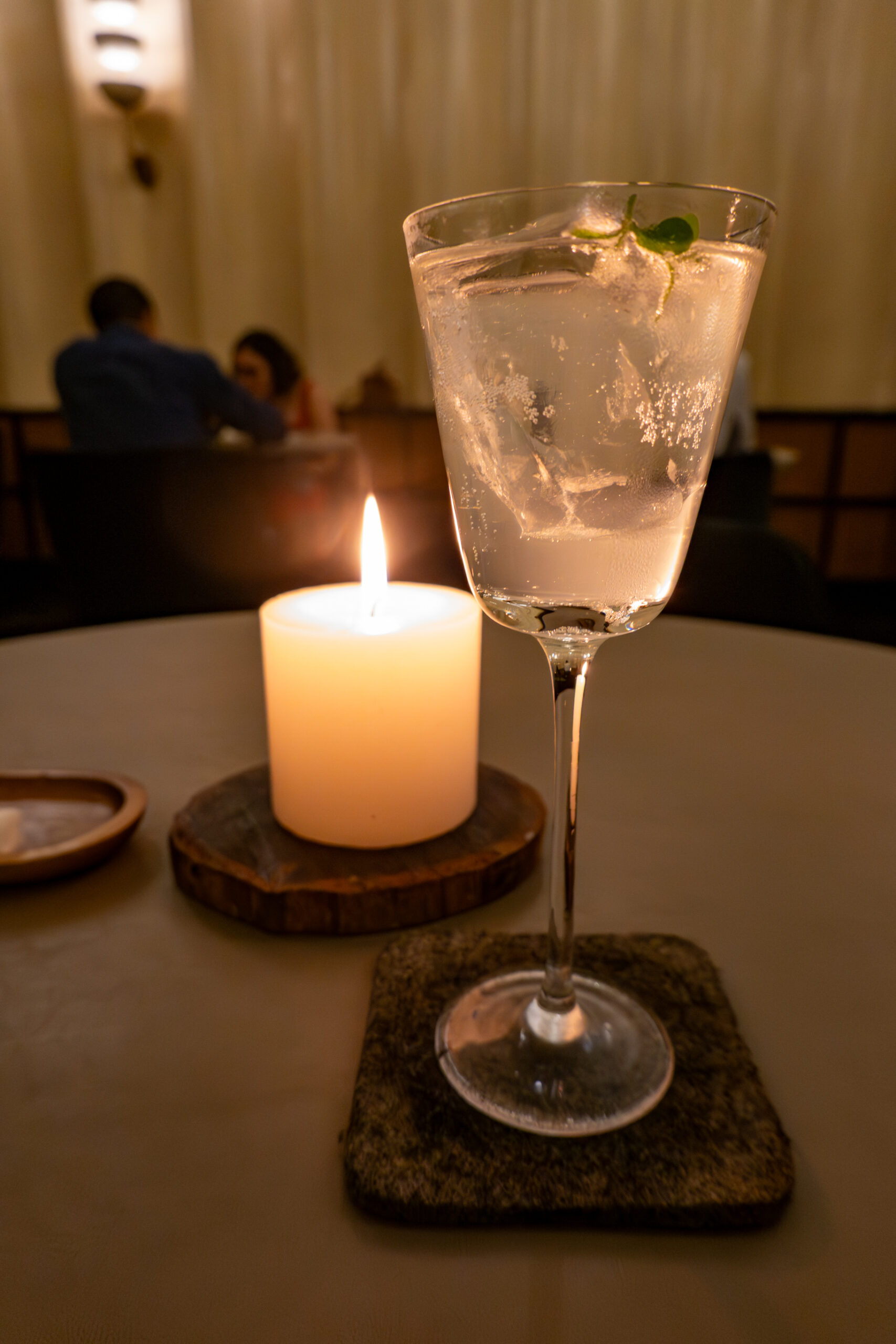
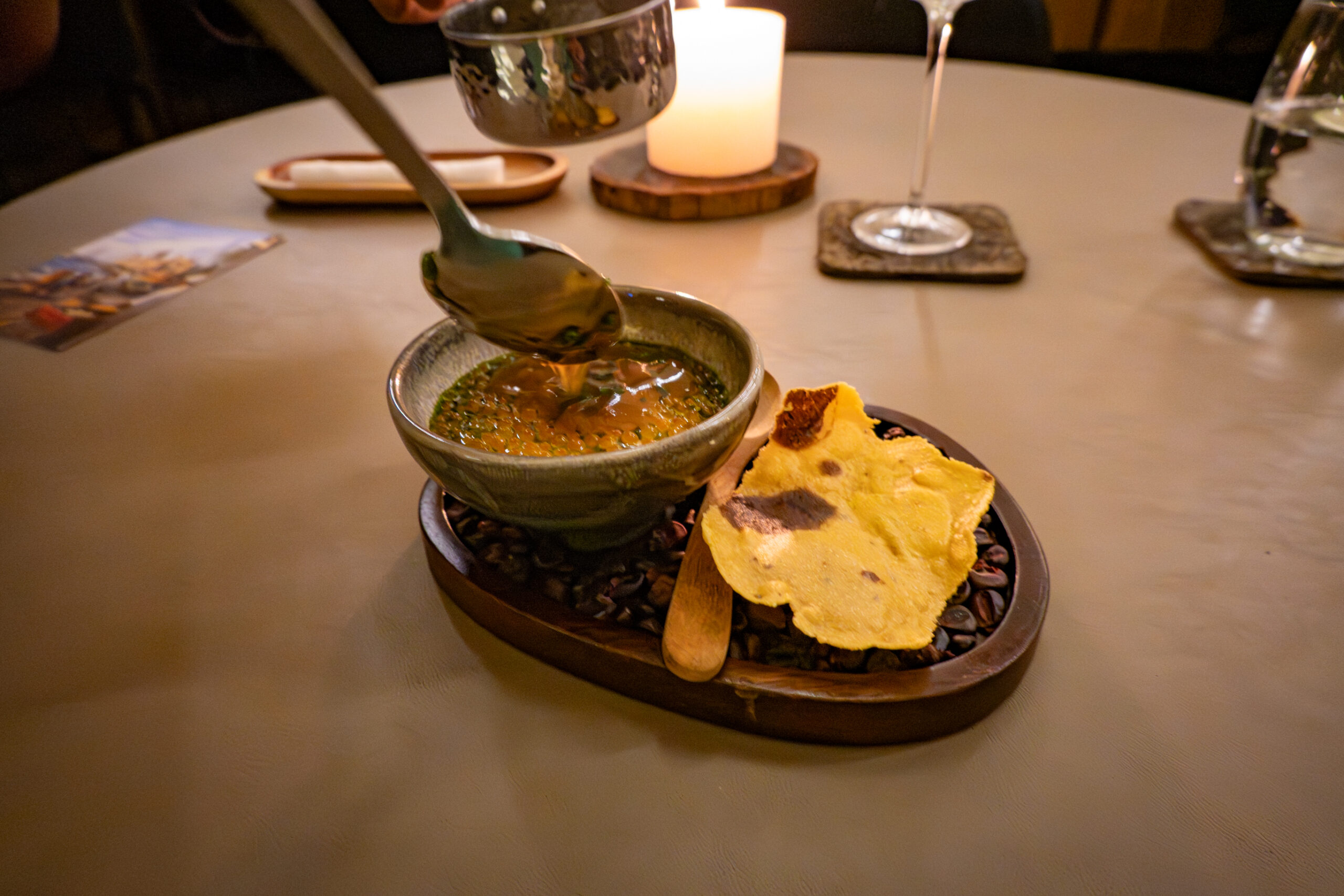
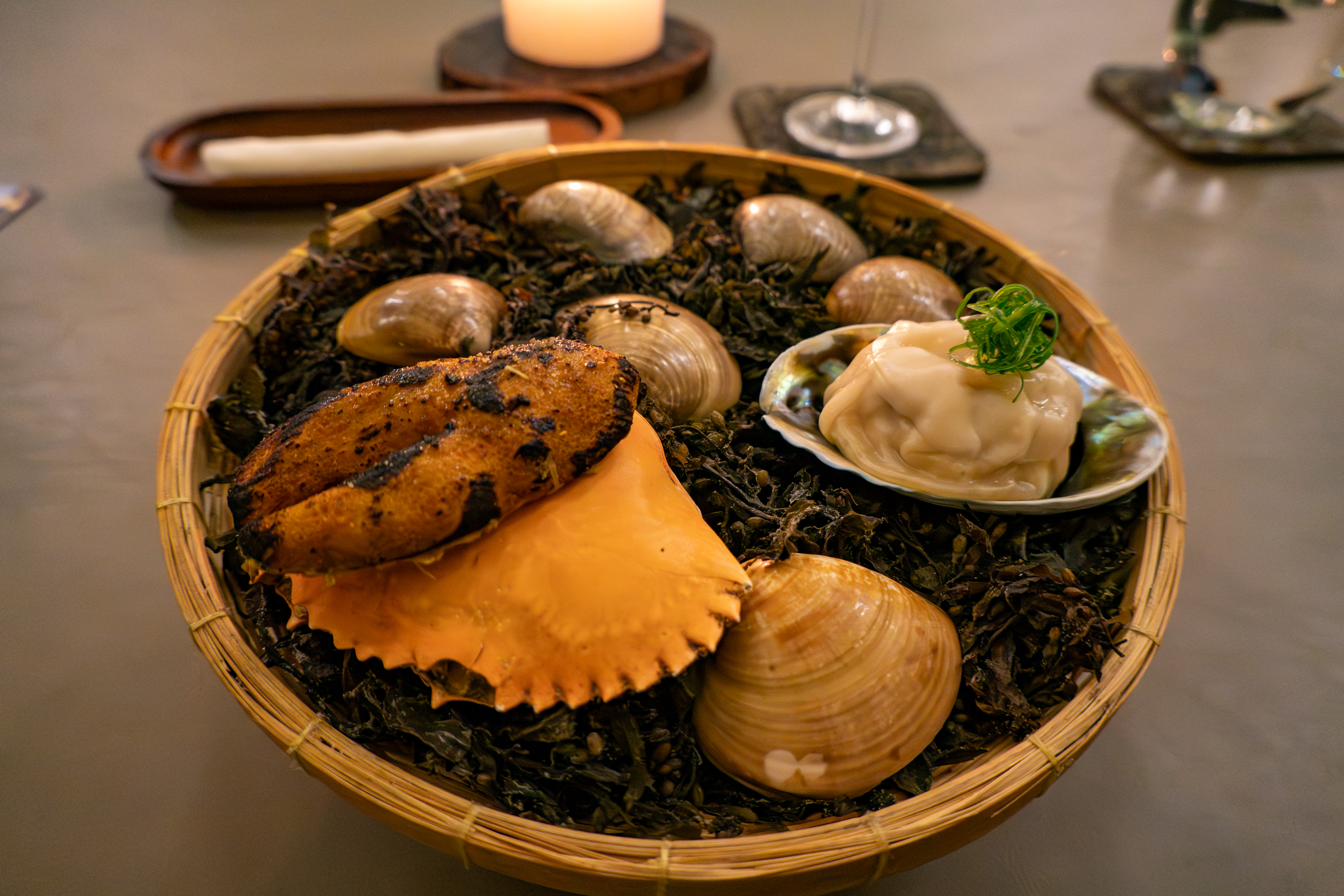
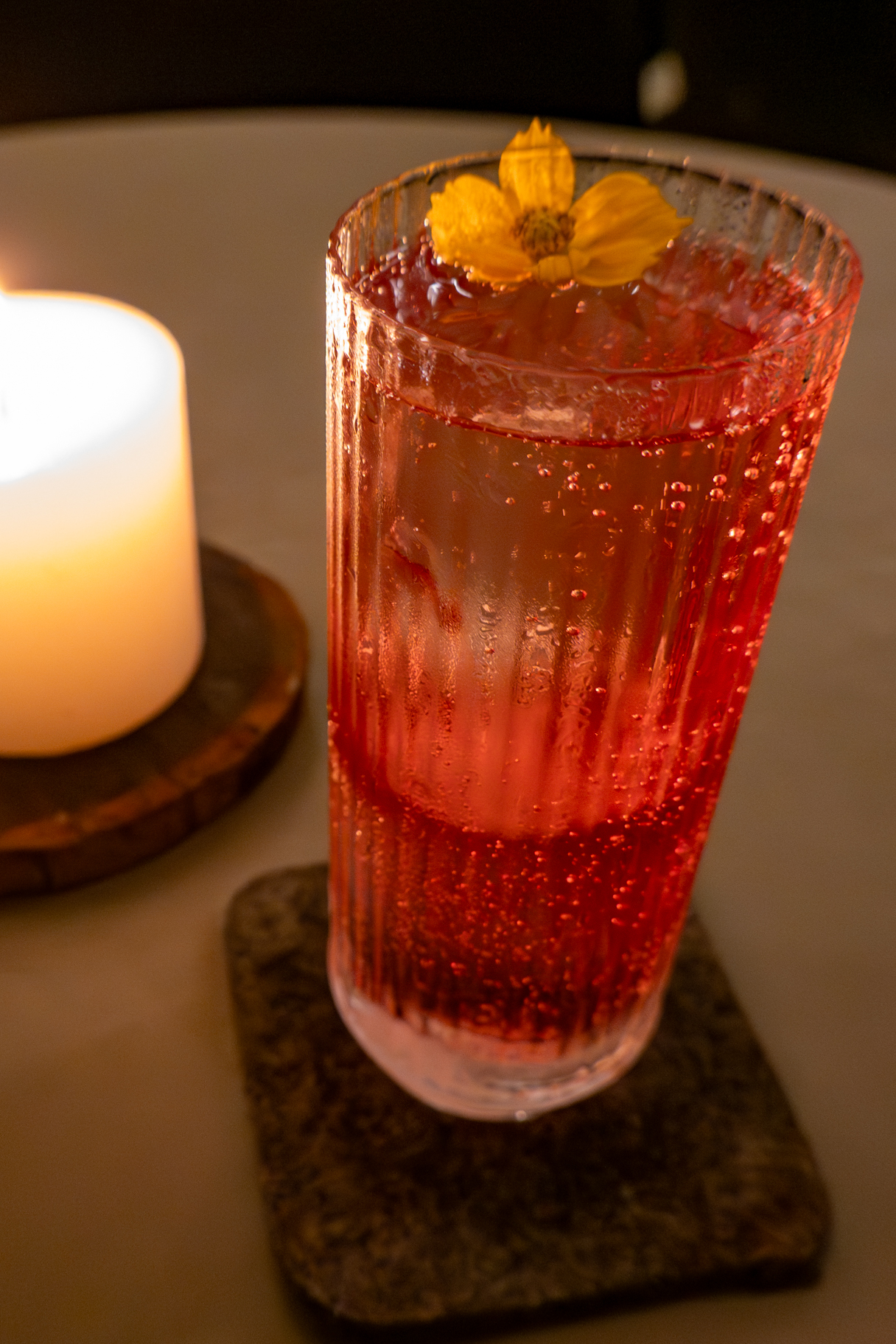
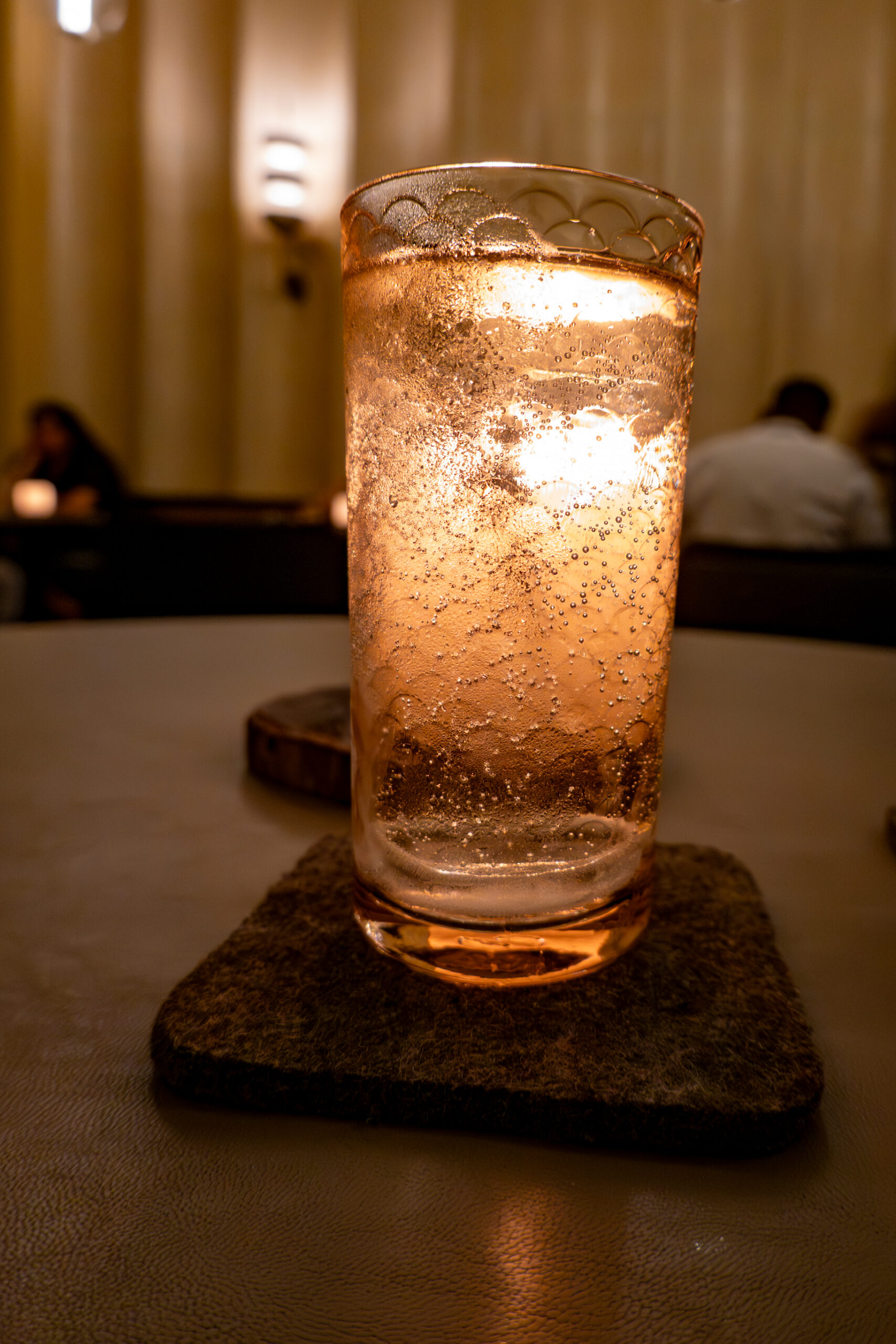
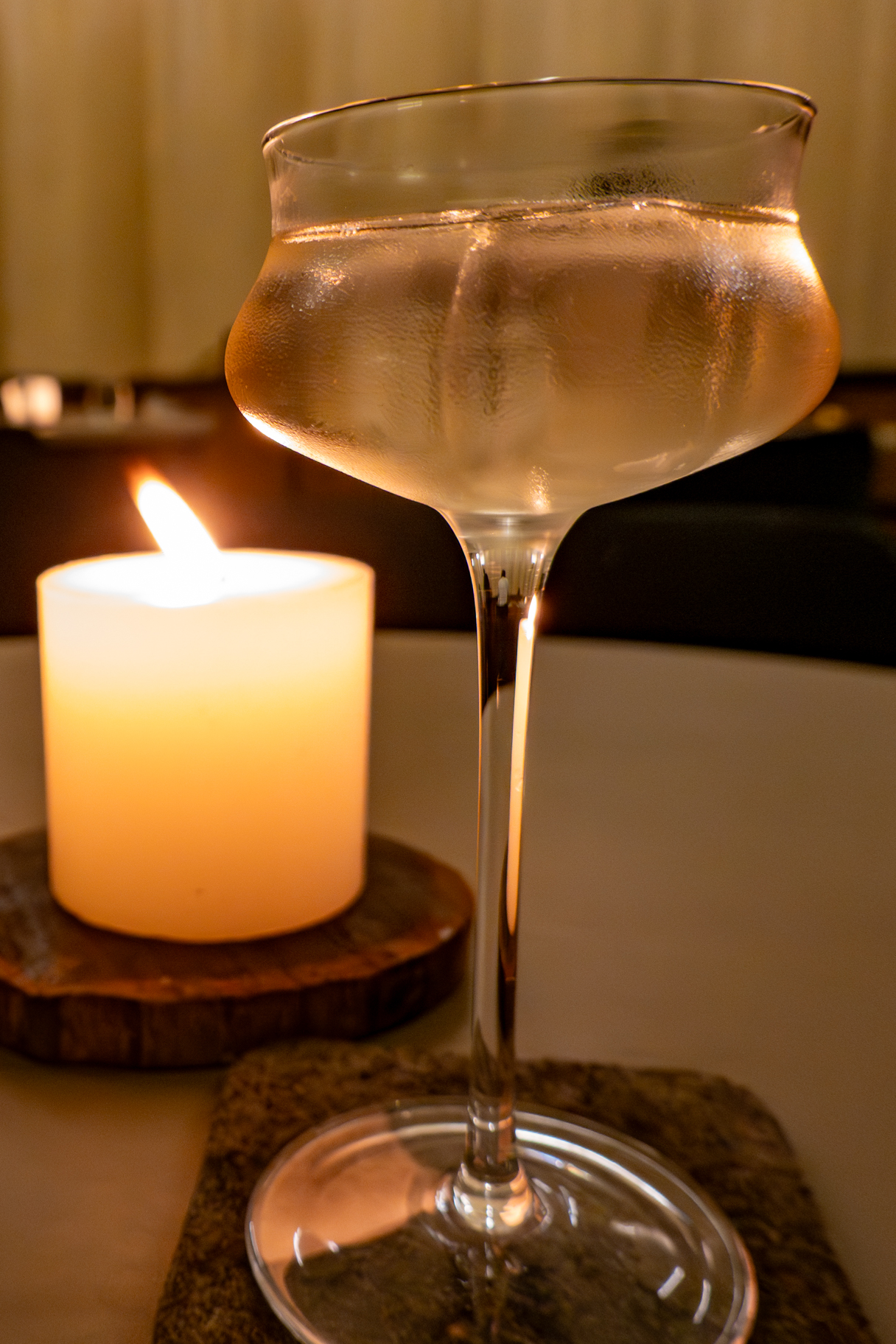
I was a bit early so had to wait a couple of minutes before the staff was ready to welcome me. I started off with an Indian sparkling wine after which the culinary adventure started. It was already at the first course I had goosebumps and felt emotional, something that would be repeated frequently that evening.
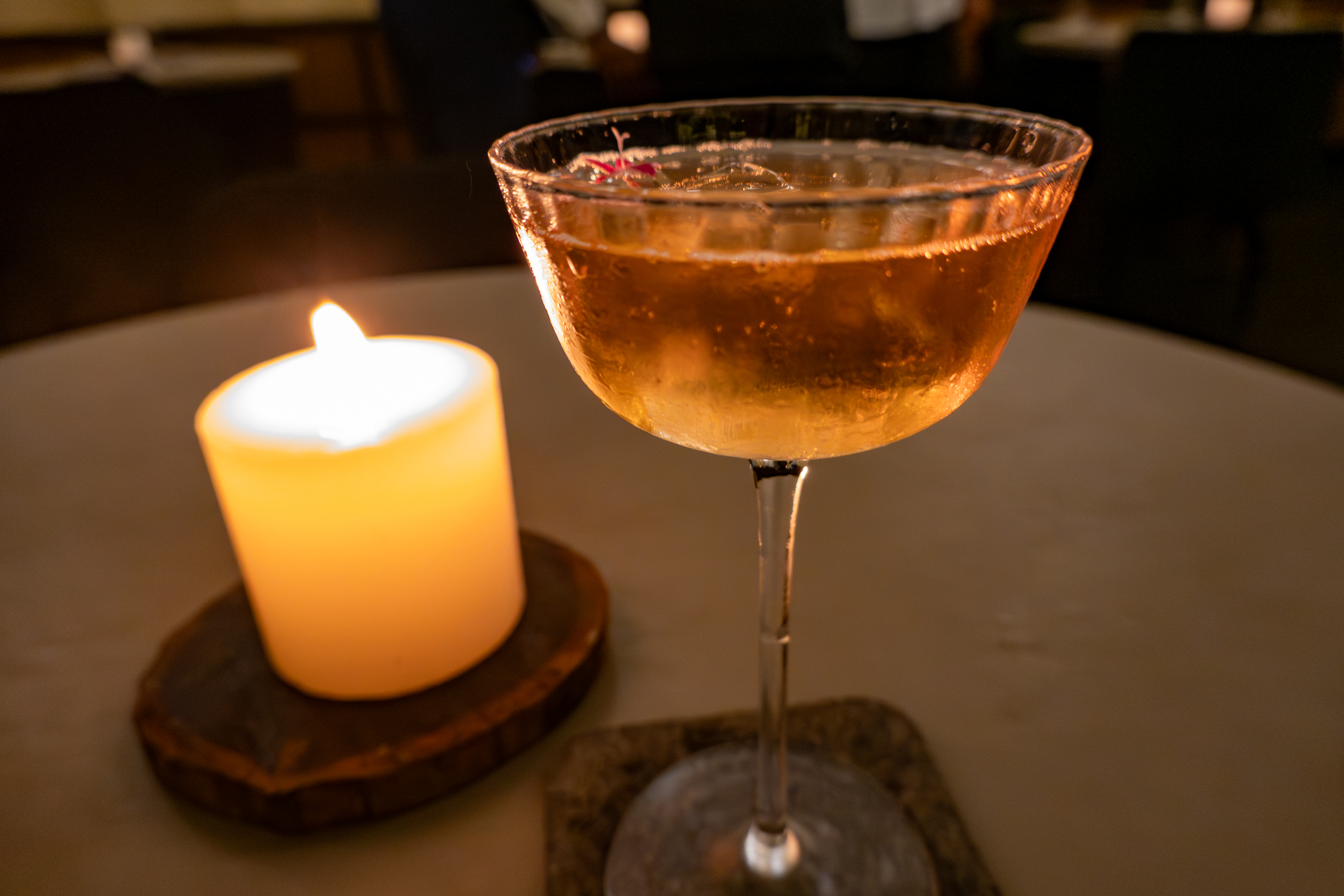
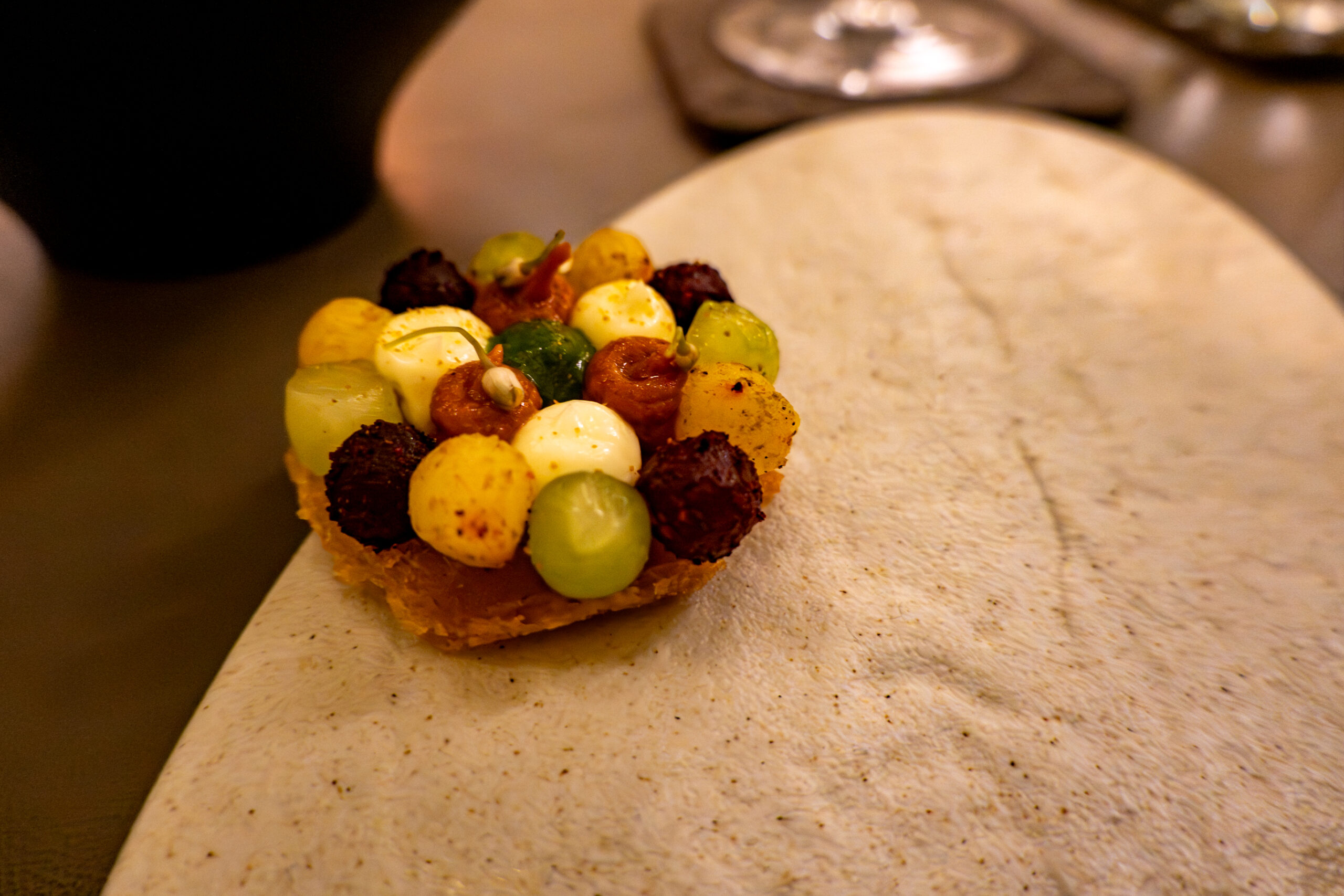
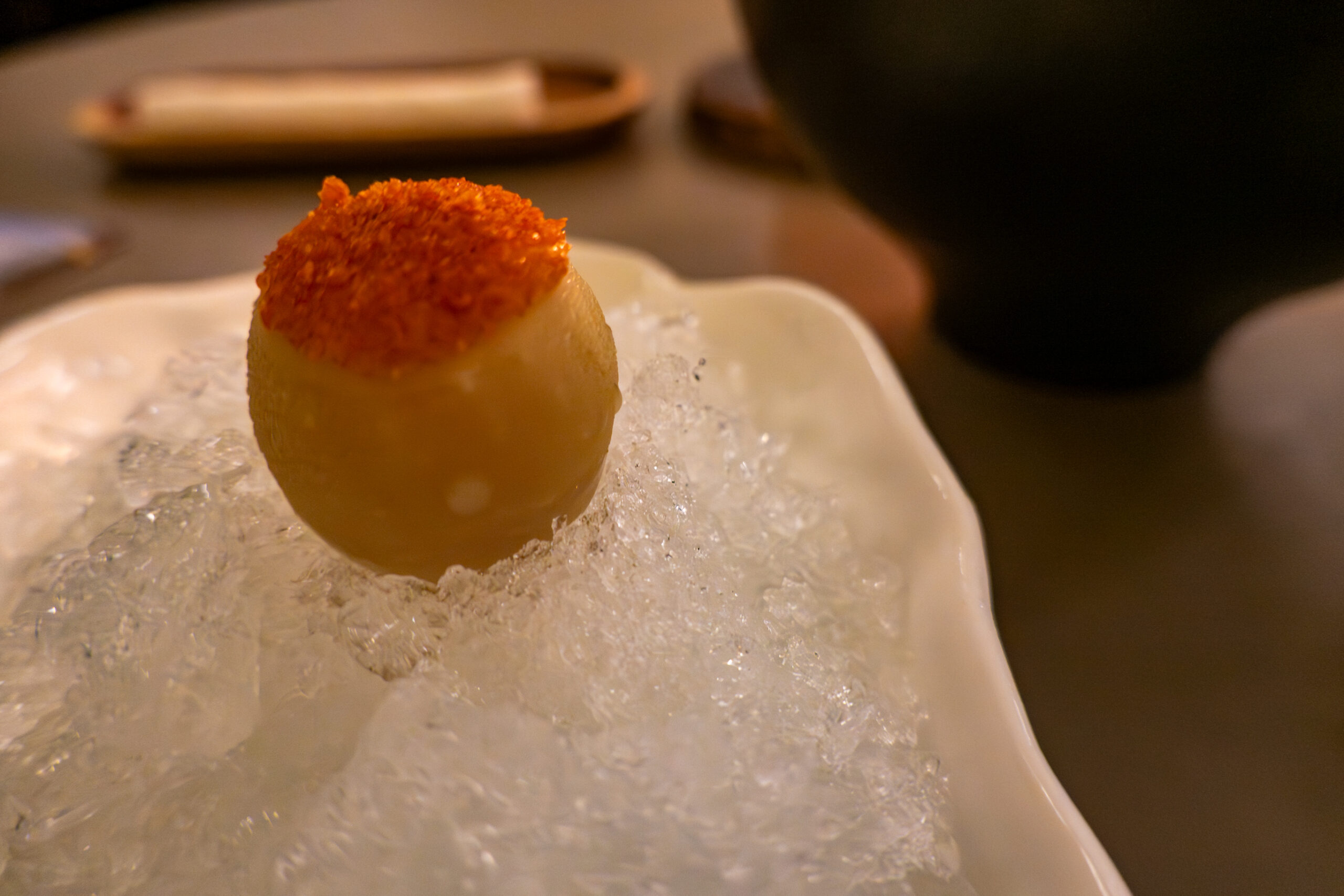
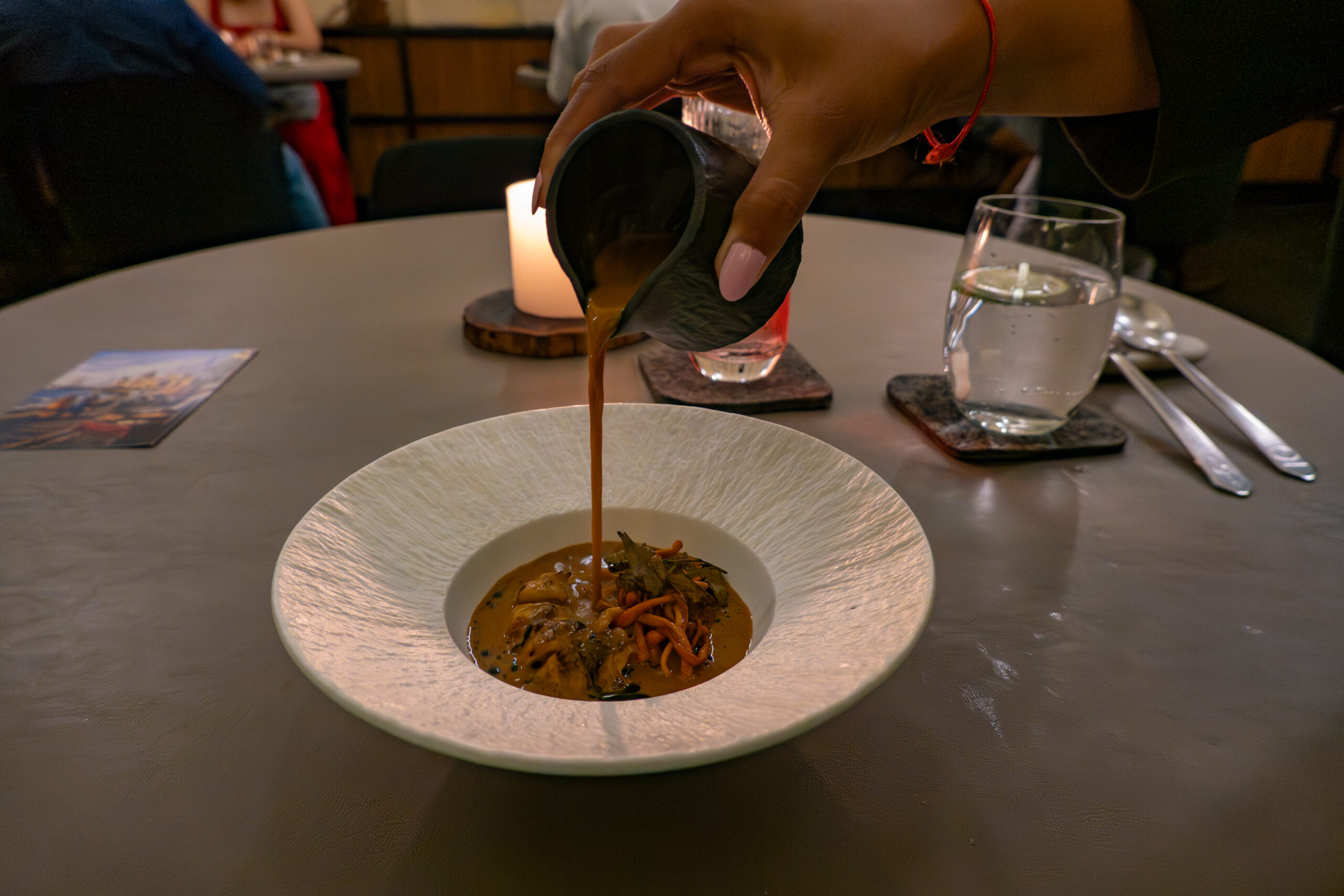
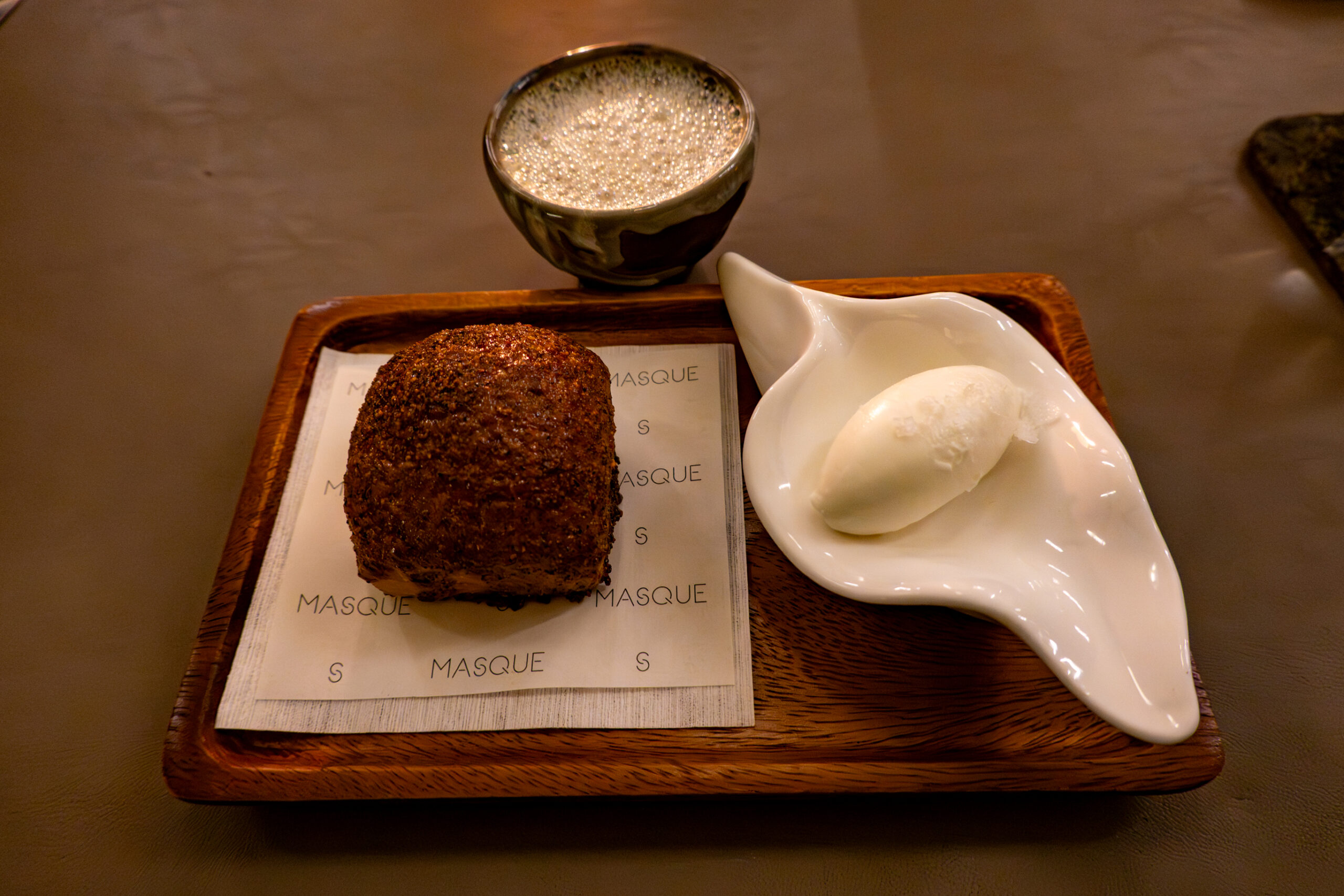
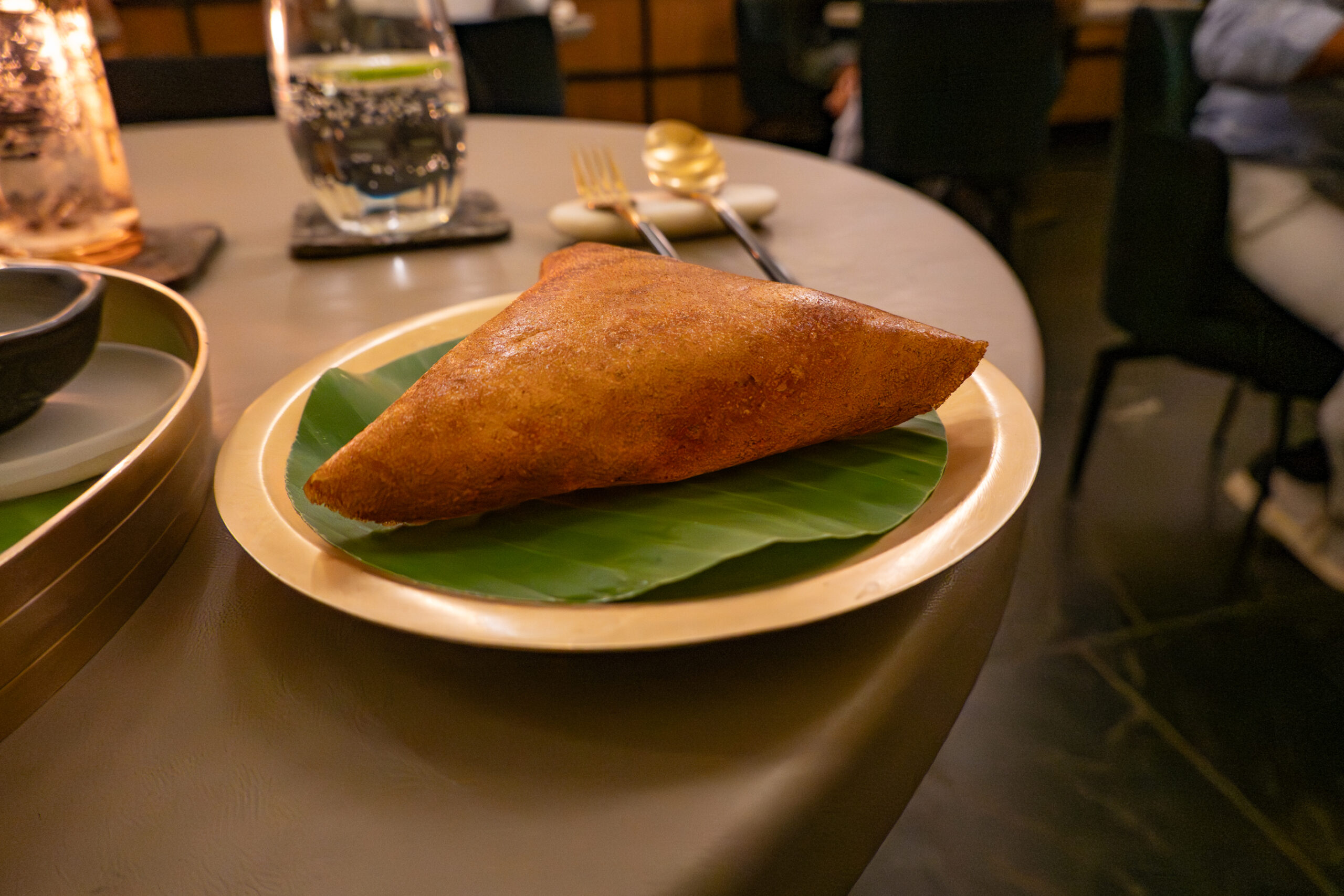
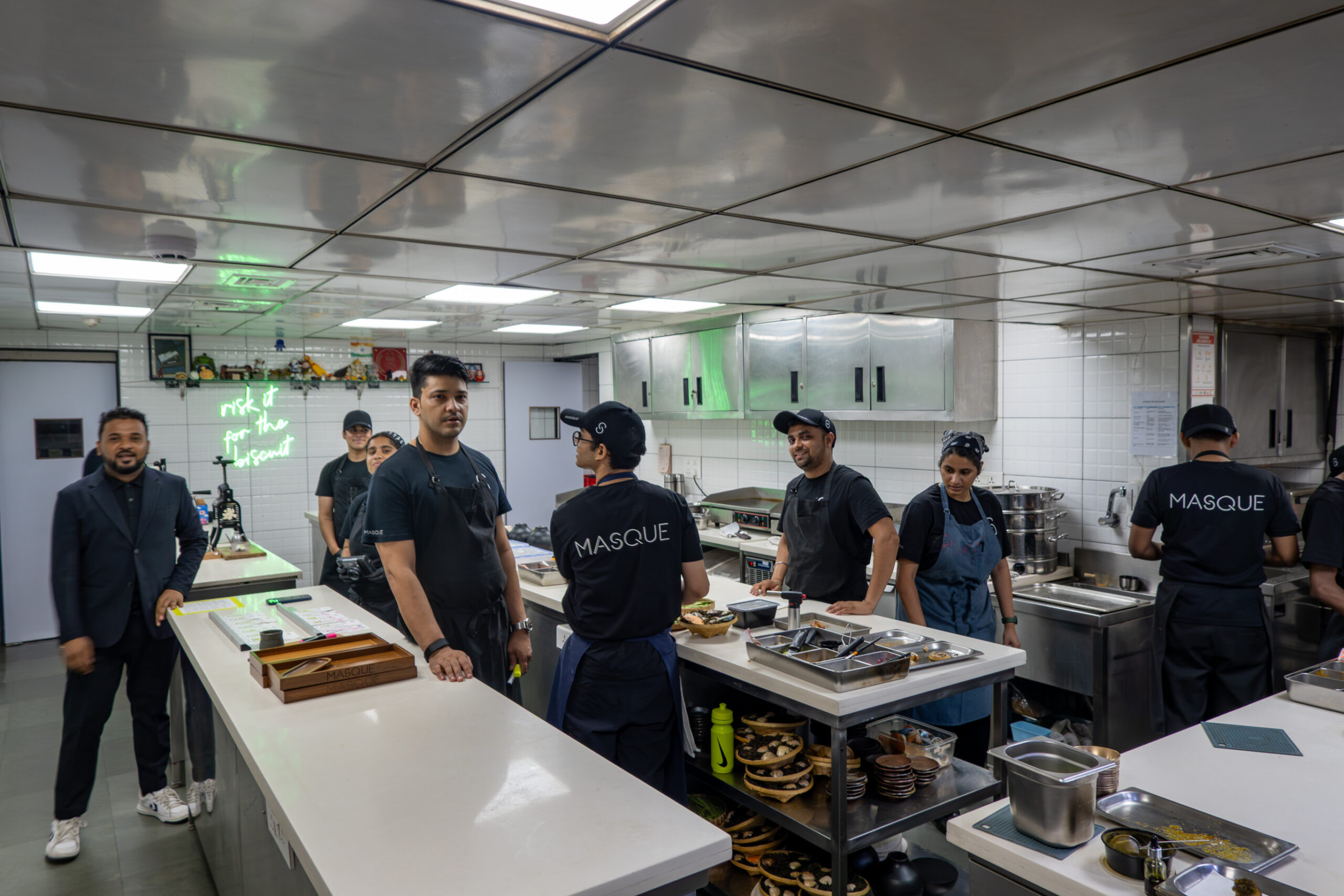
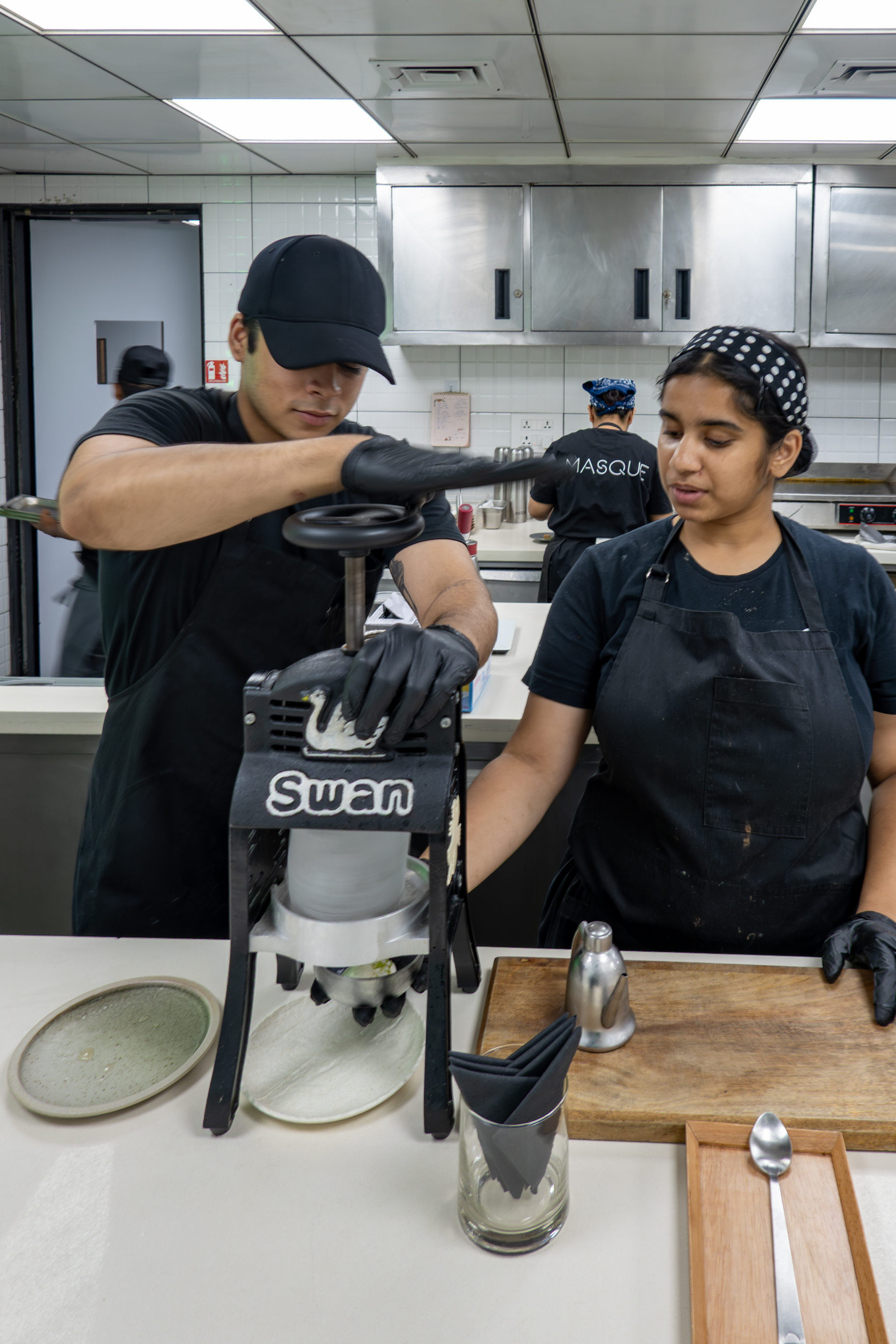
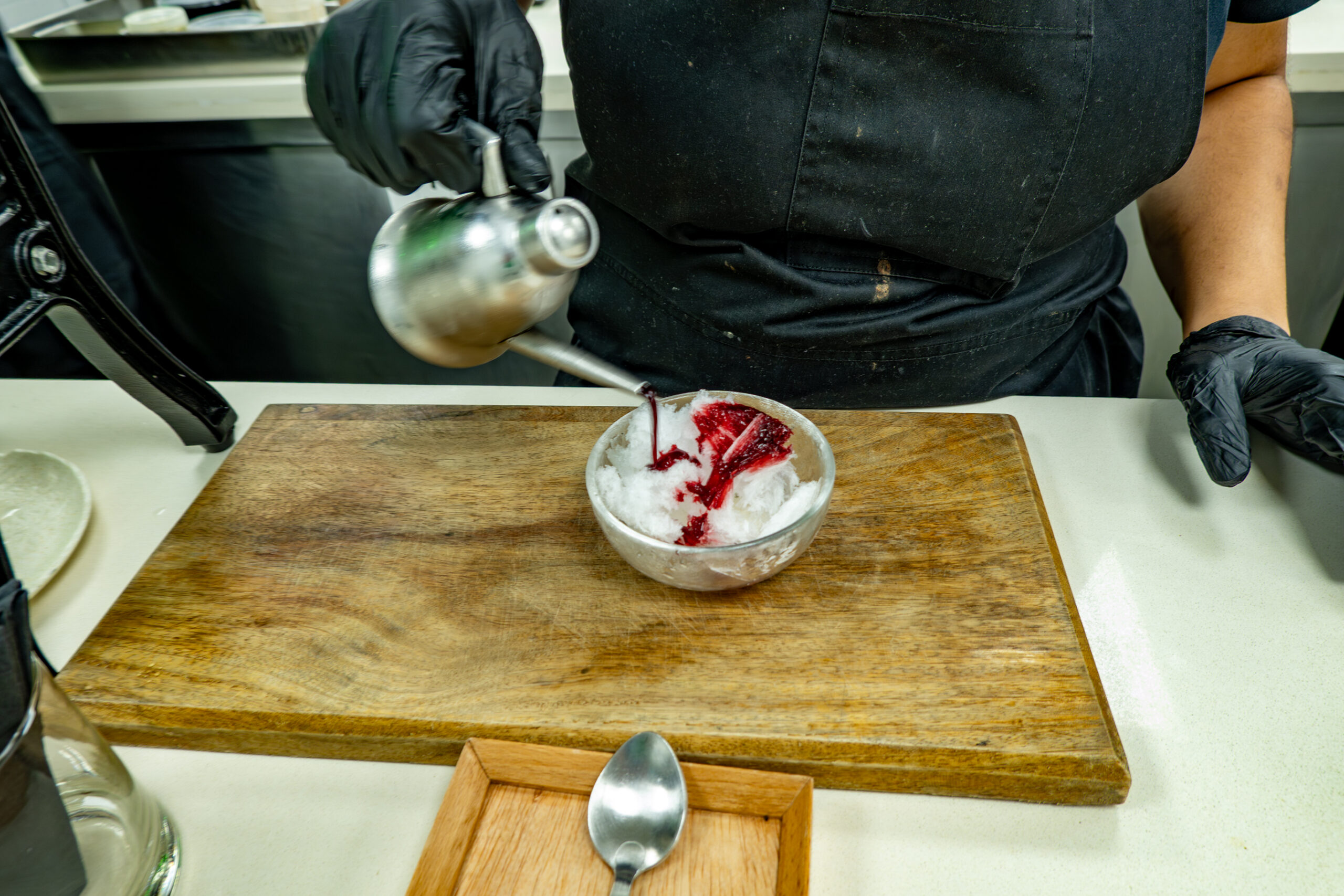
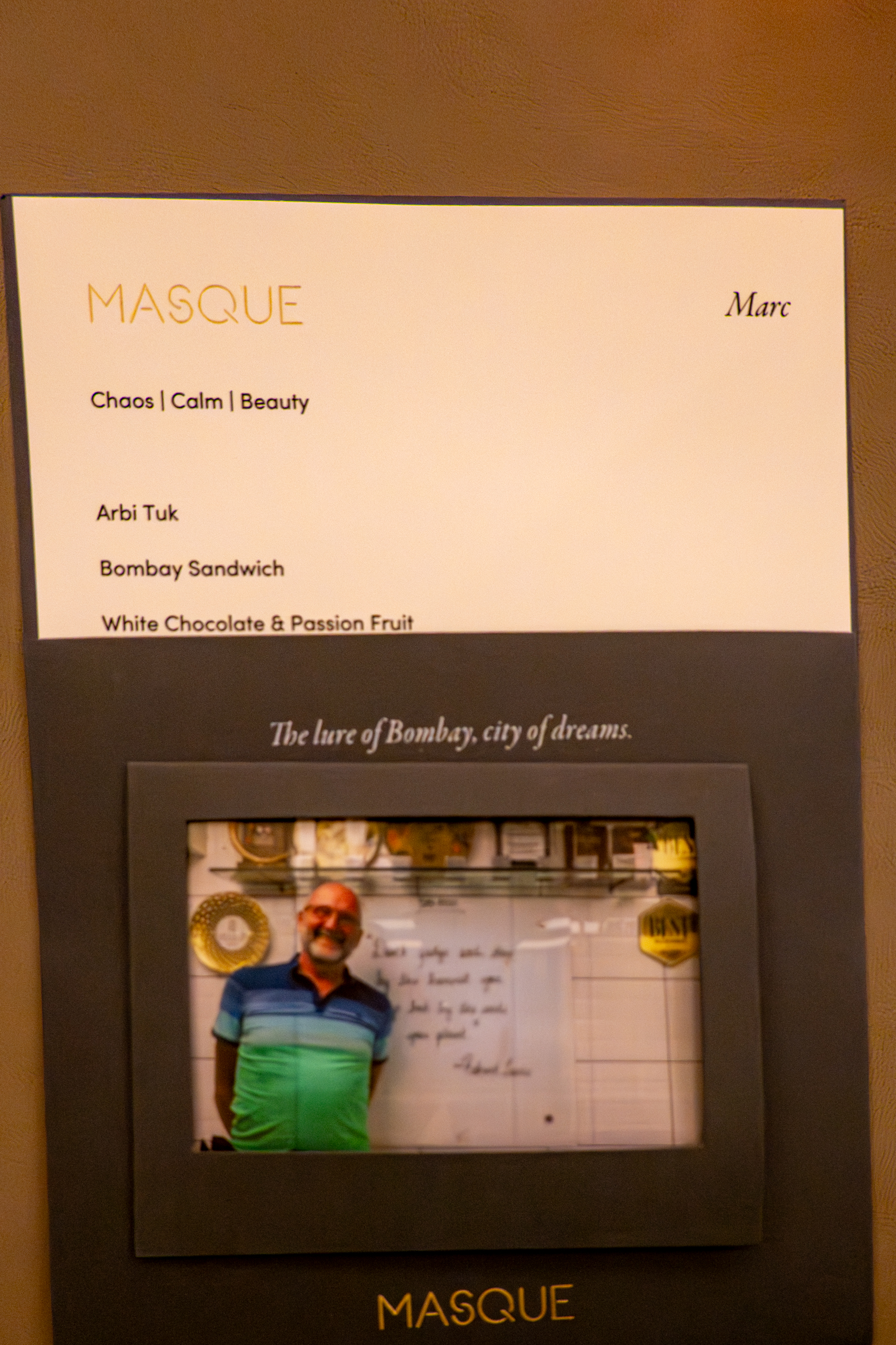
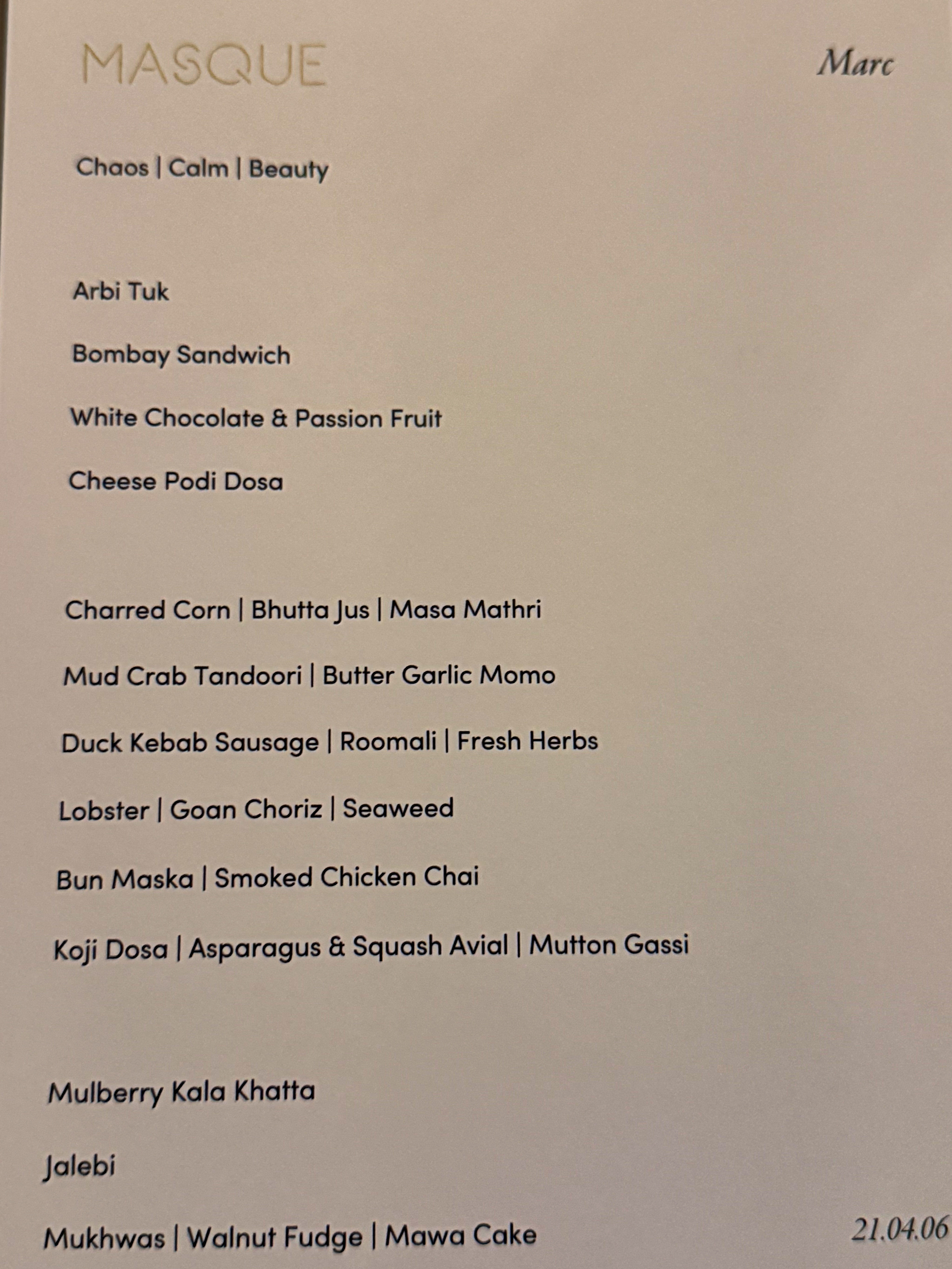
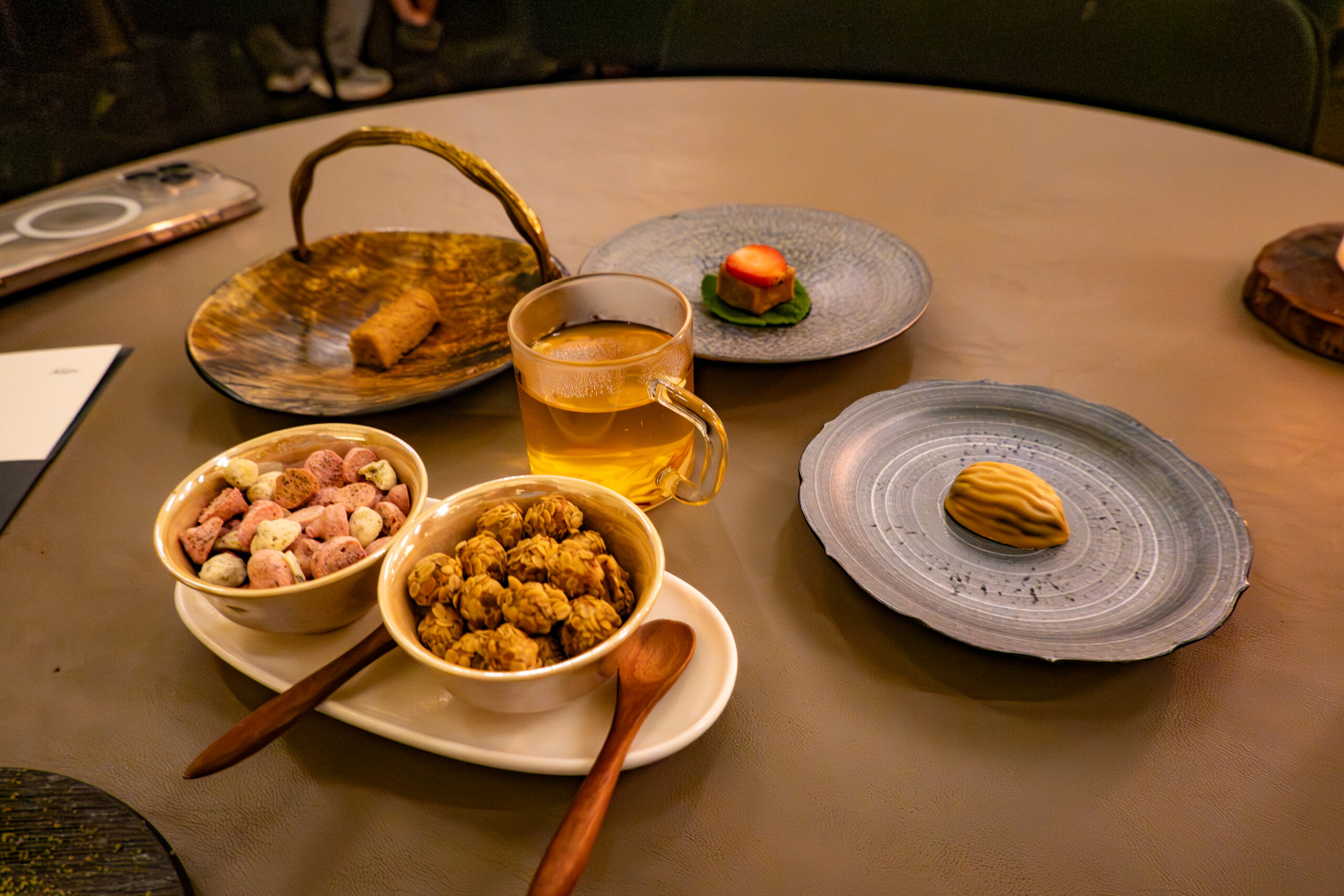
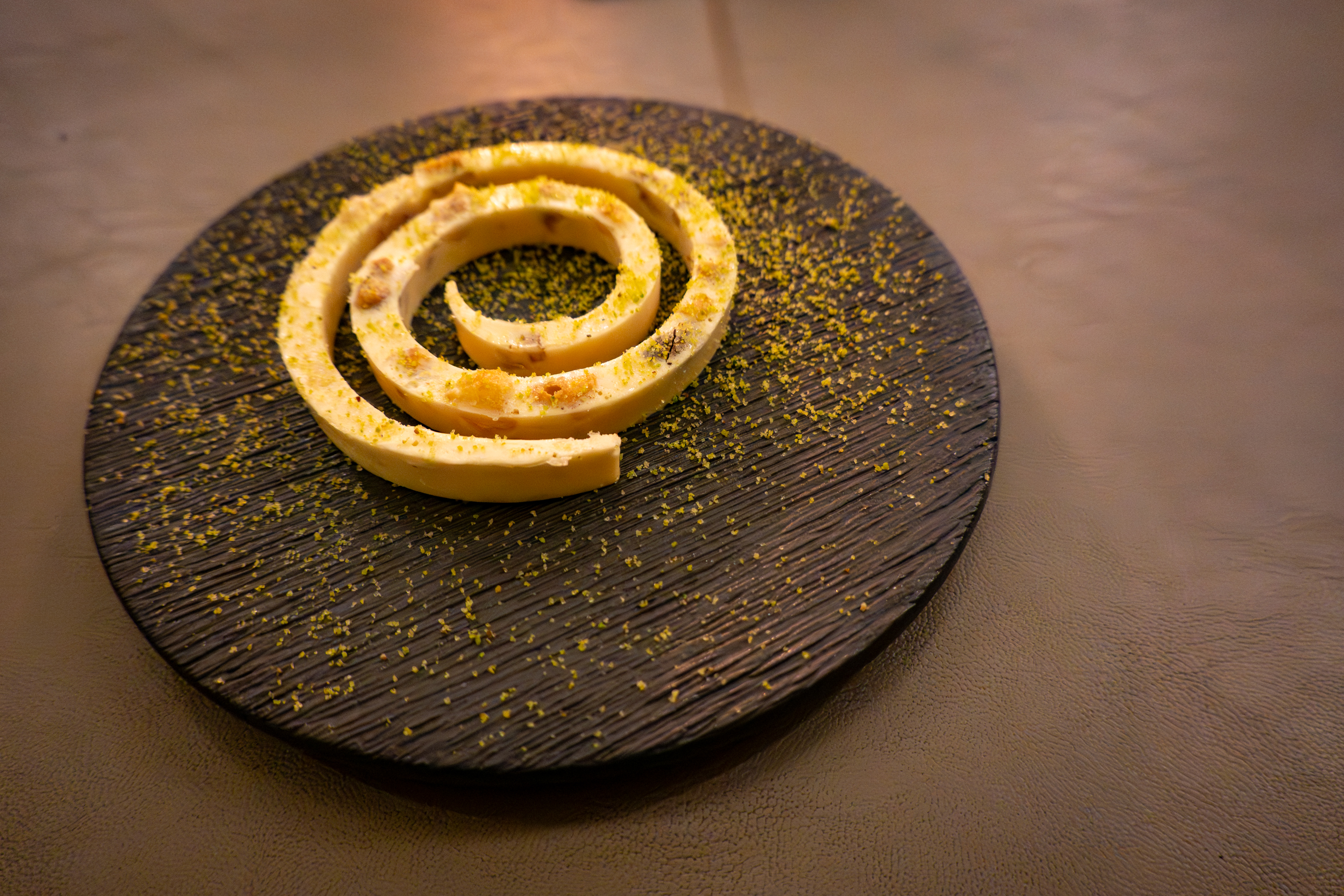
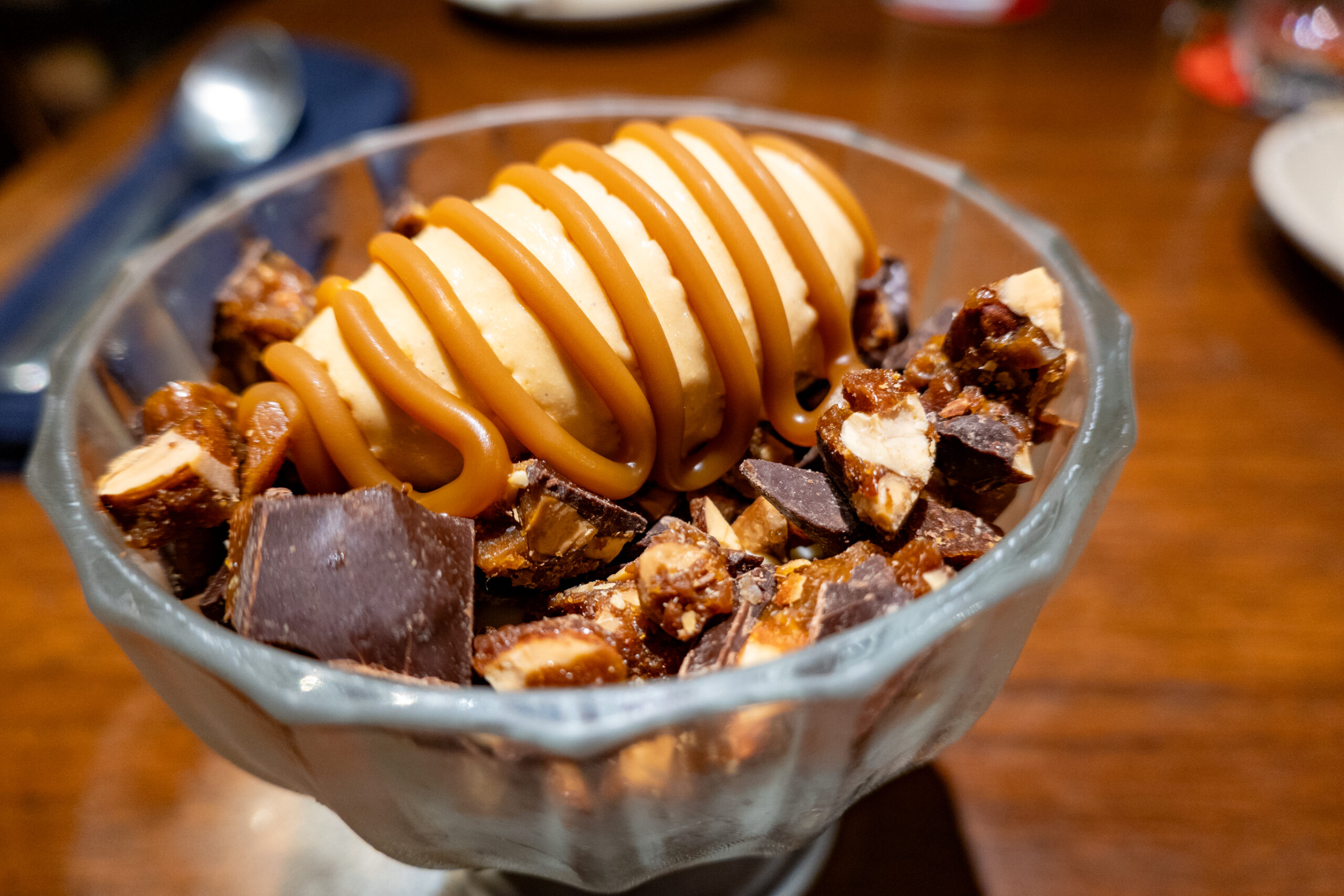
Each and every dish was simple perfection and a modern twist of traditional Indian dishes. The creativity and innovation used to create the dishes was overwhelming and mind-blowing. The cocktails were as creative and matched with the dishes. The first (of three) desserts was prepared in front of me in the kitchen where I could get a glimpse of what was going on over there. A polaroid picture was made of me and by the time I returned to my table it was placed in front of me, together with the complete menu.
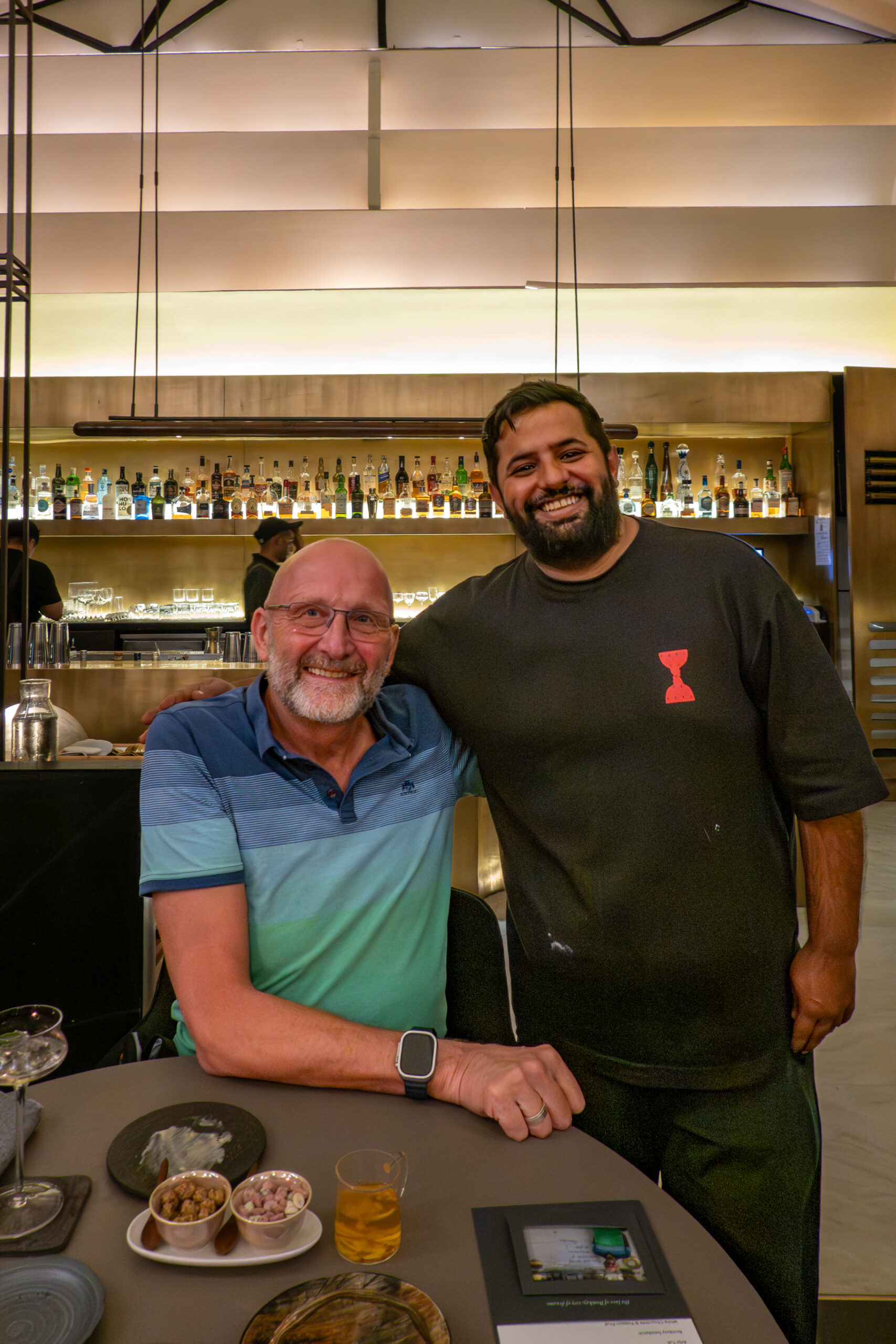
Later on, Varun Totlani, the head chef came to my table and we had a nice conversation about the experience and food in general.
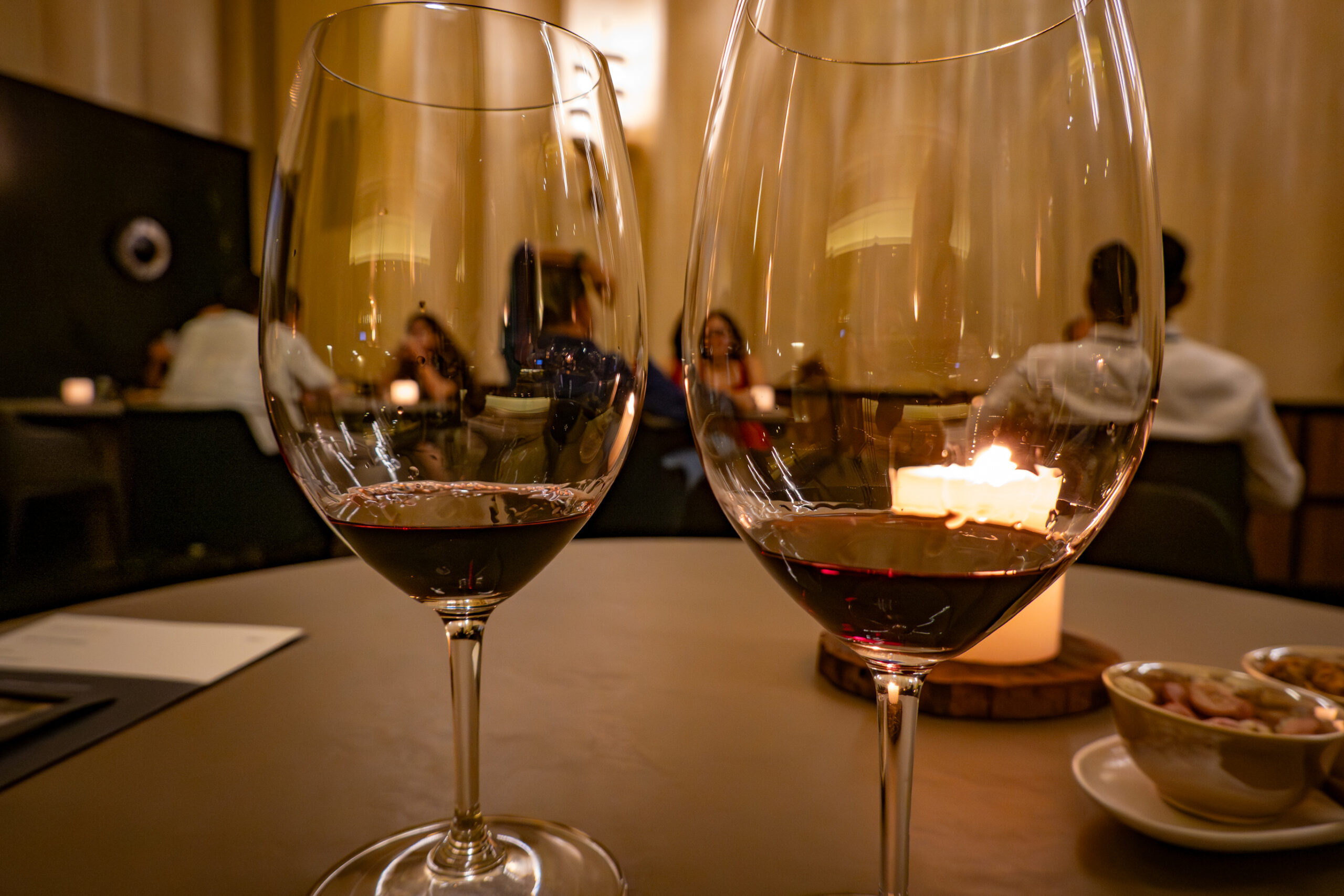
To finish the evening, I requested a nice full bodied red wine and the sommelier offered me two tastings, one of an Indian wine and an international. Both were equally nice but the nose gave it away and I identified the Indian red correctly.
It had been an incredible and mind-blowing evening and I can only say it was even better than two years ago. Completely satisfied I returned to my hotel to have a chat with Vladi, check in for my flights to Munchen and Dusseldorf, followed by a good night of sleep.
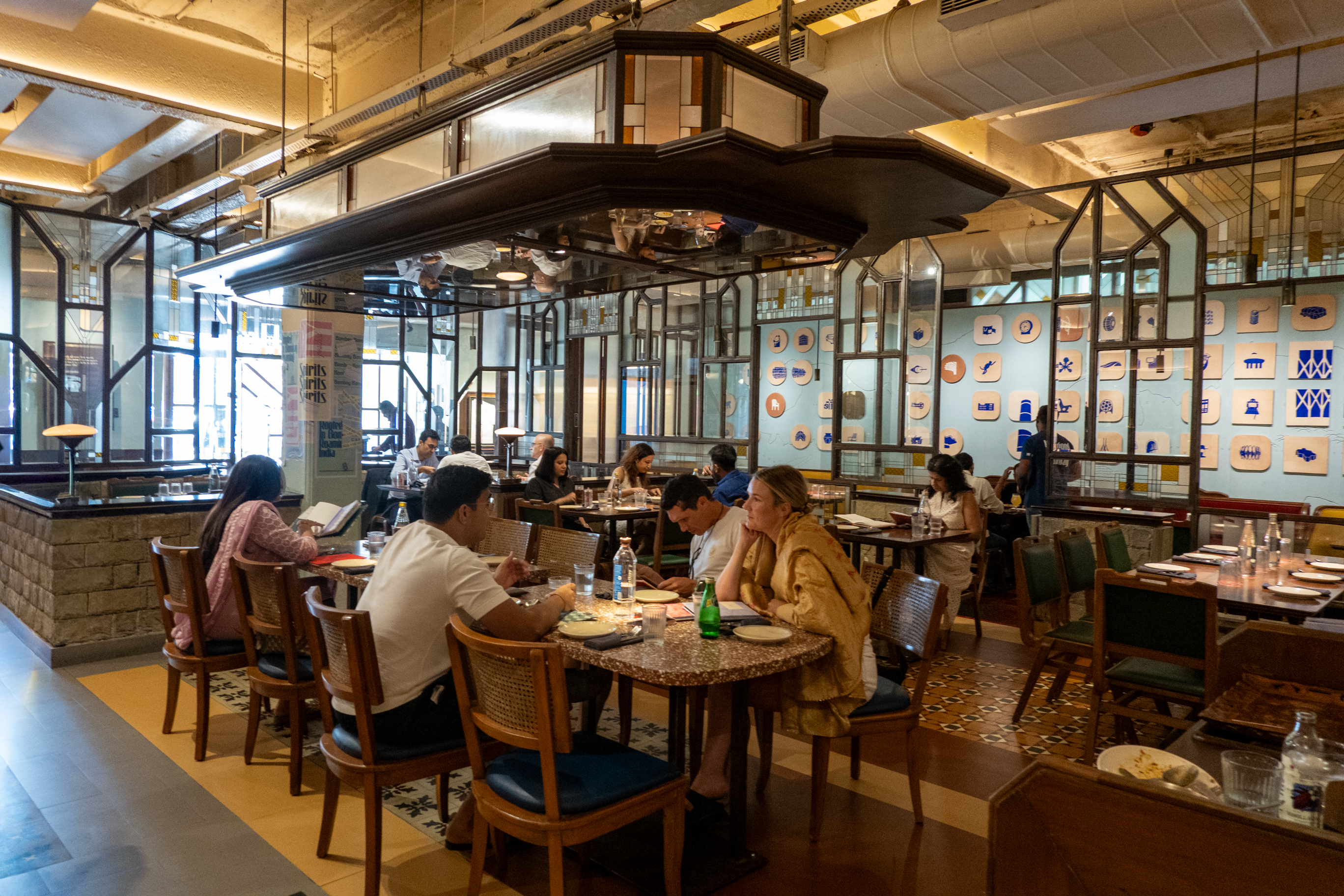
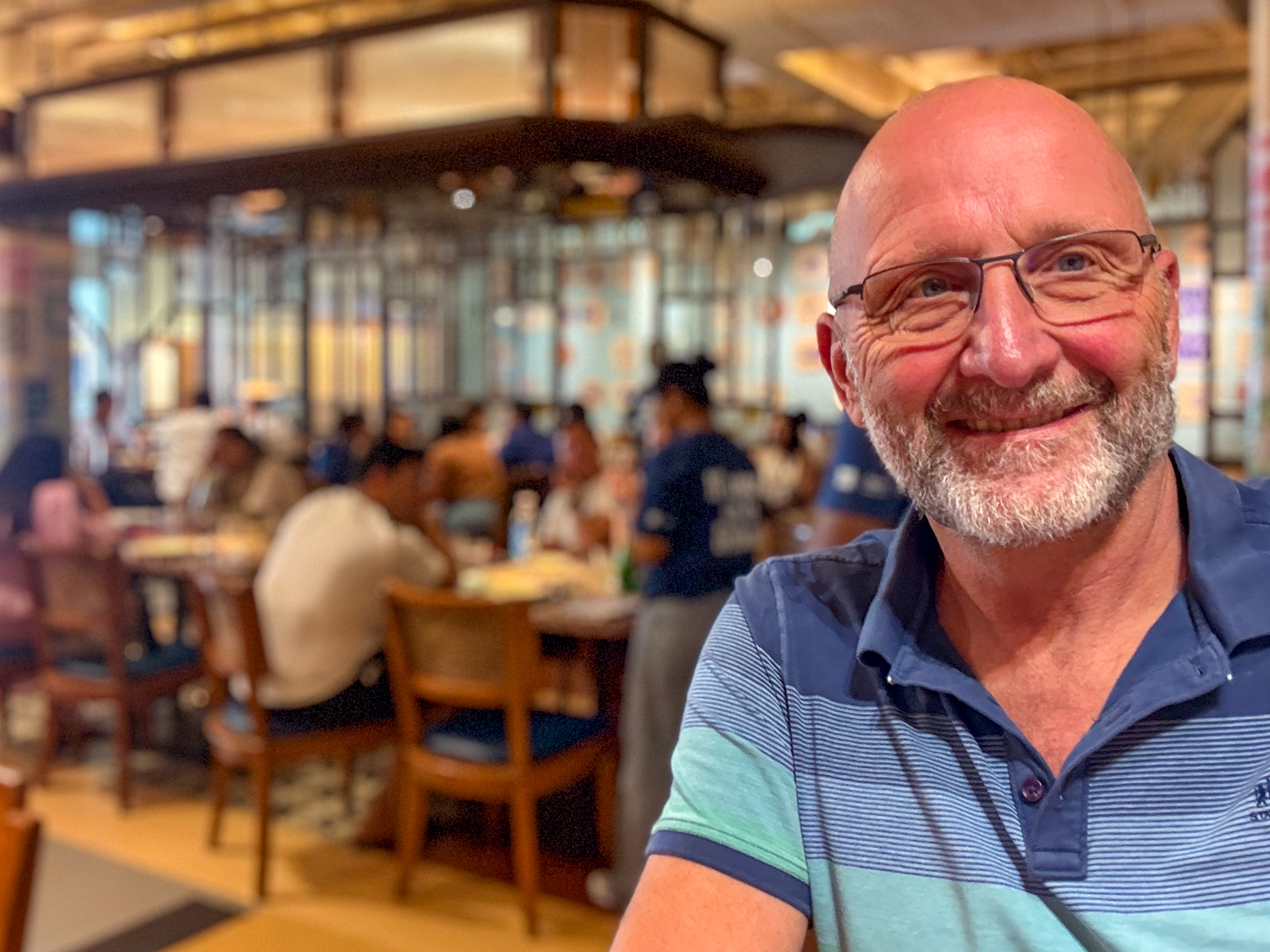
It already was my final day in India and I decided to take things easy. After breakfast I strolled a bit through Colaba to enjoy the atmosphere one final time after which I took an Uber to Bombay Canteen.
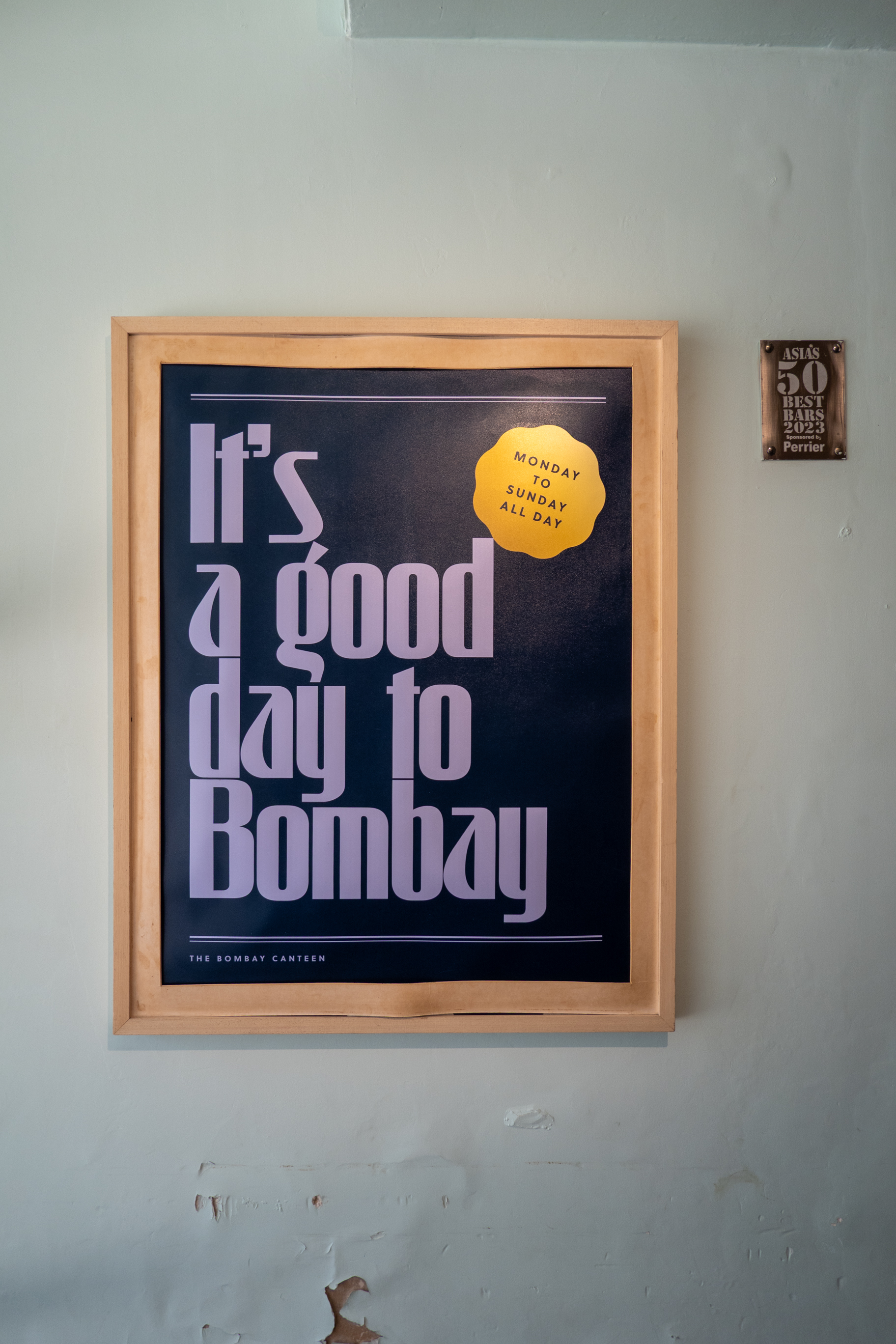
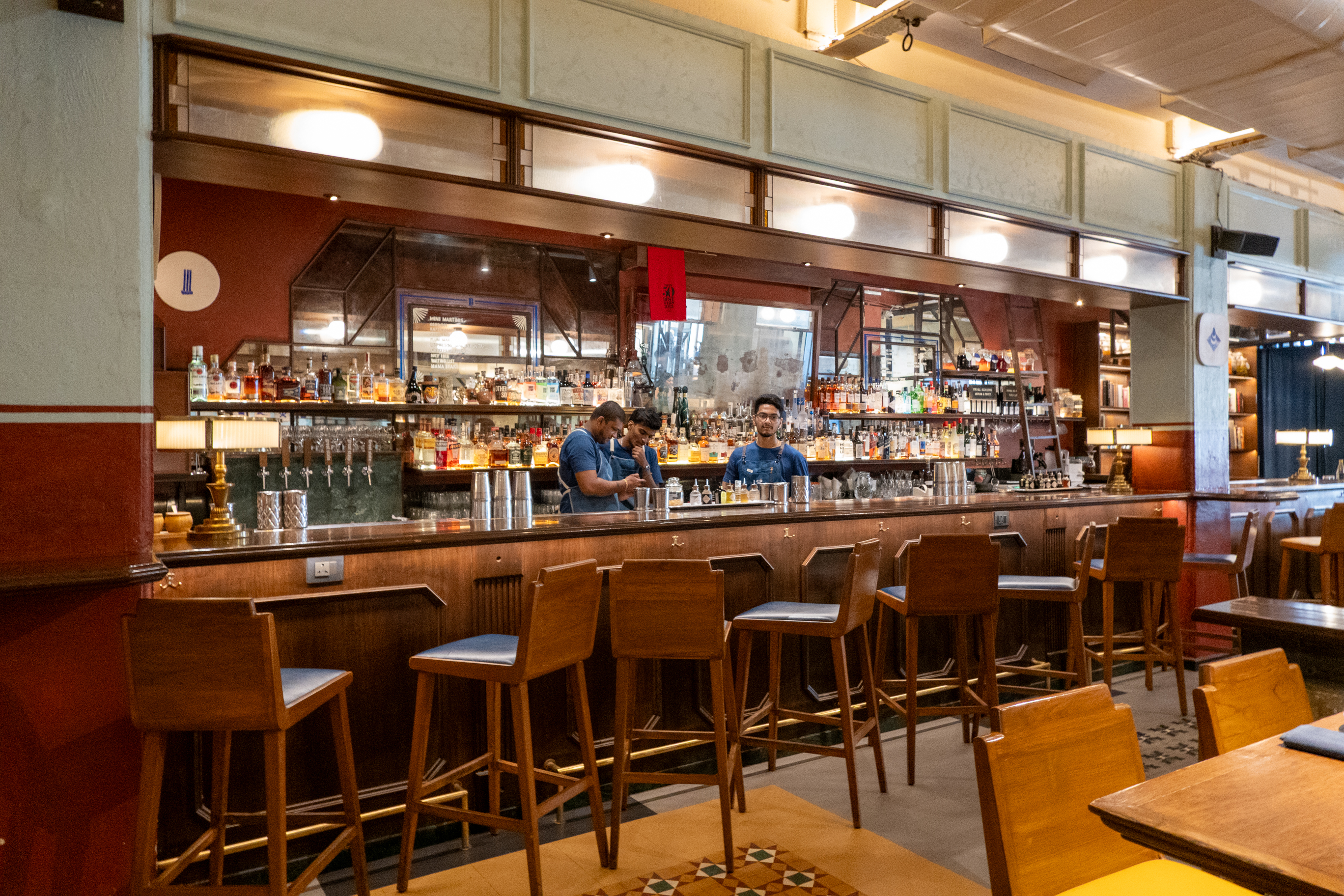
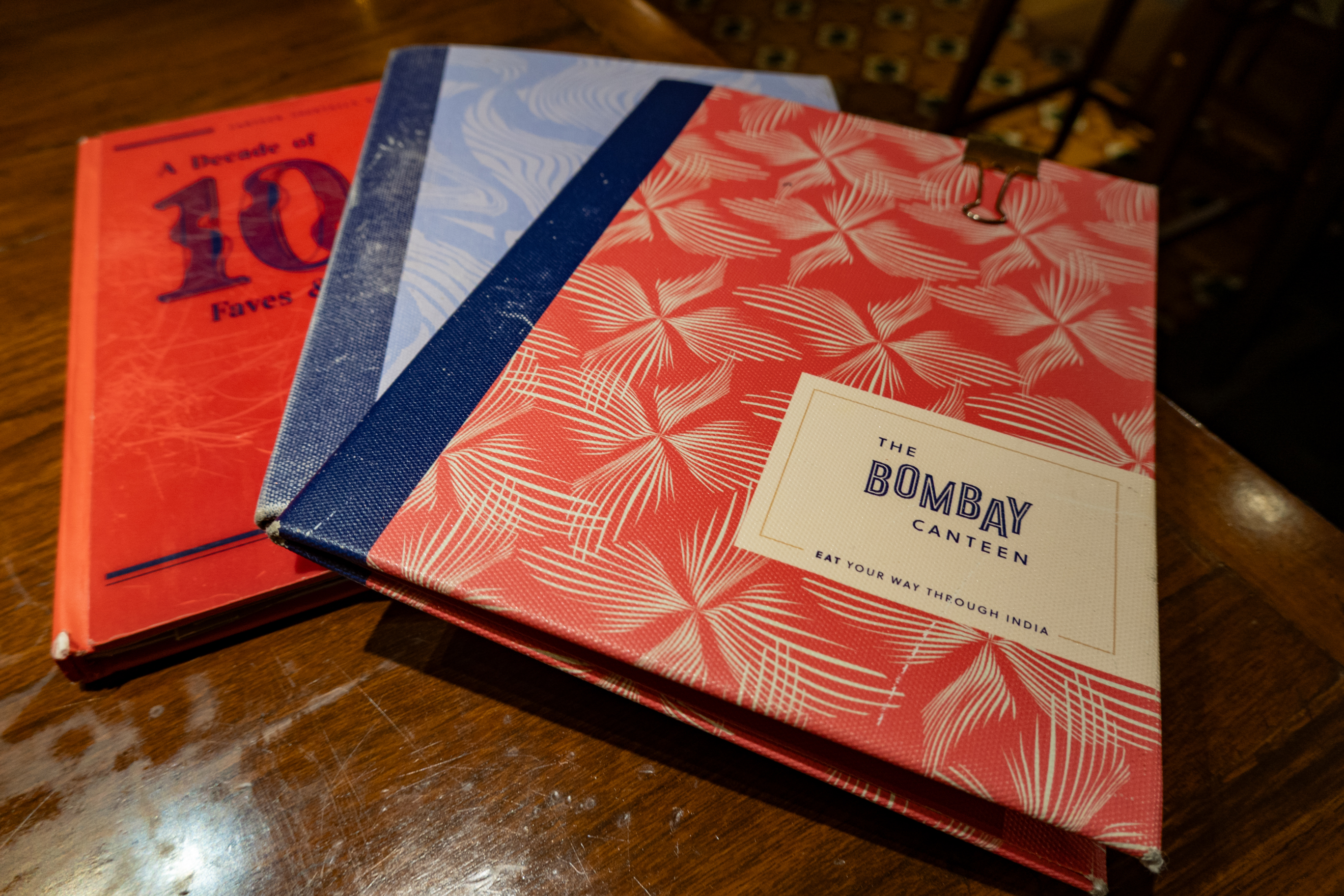
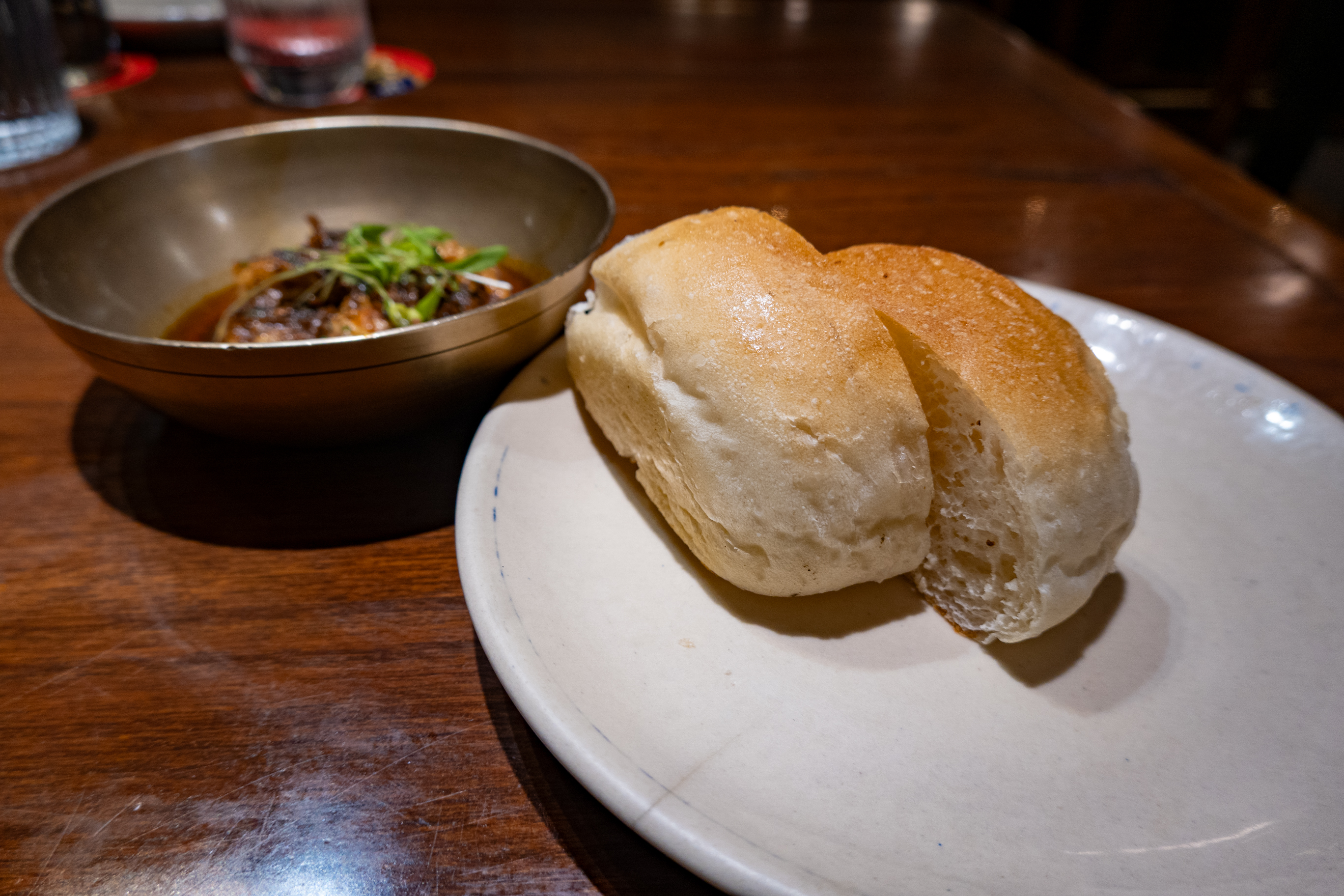
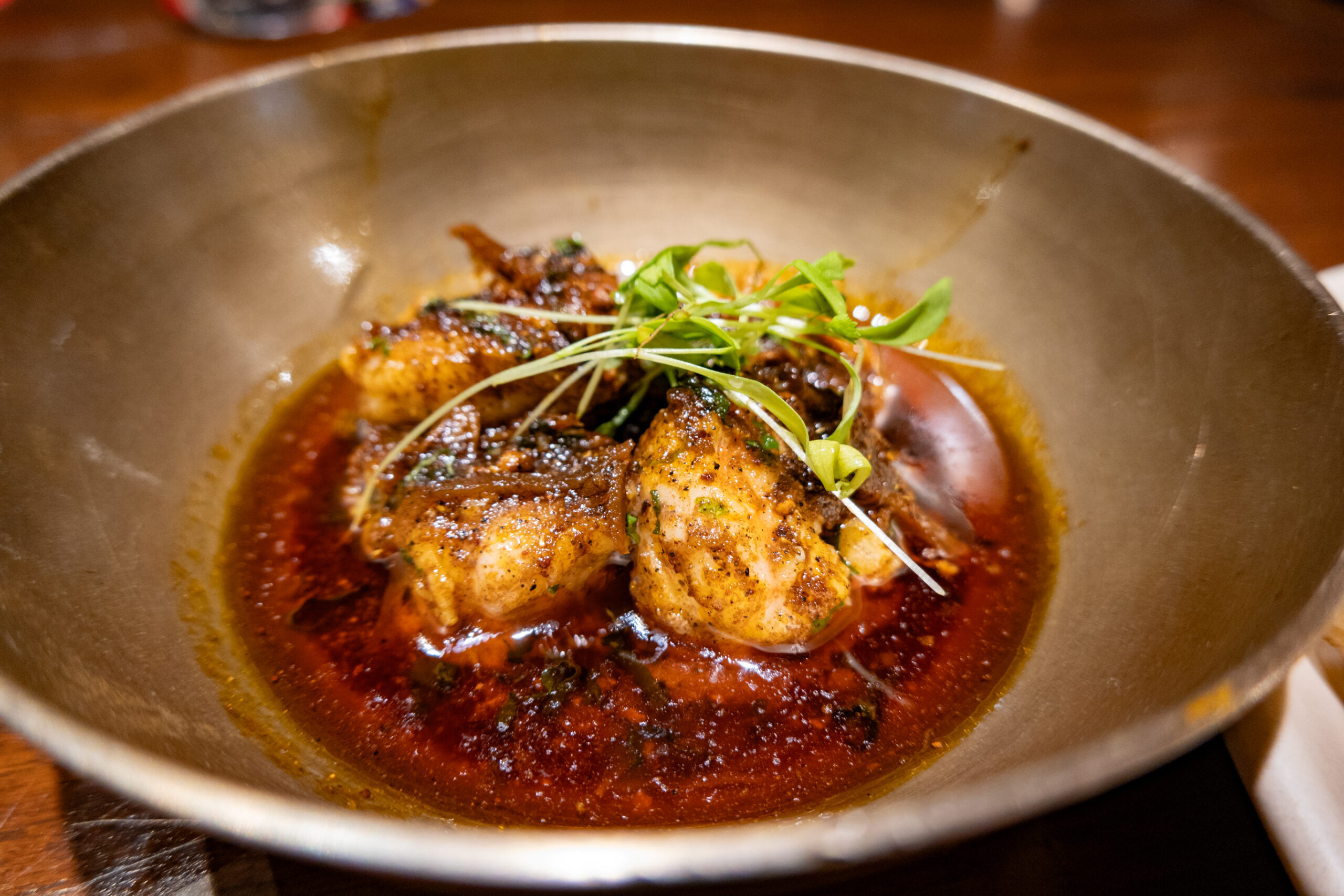
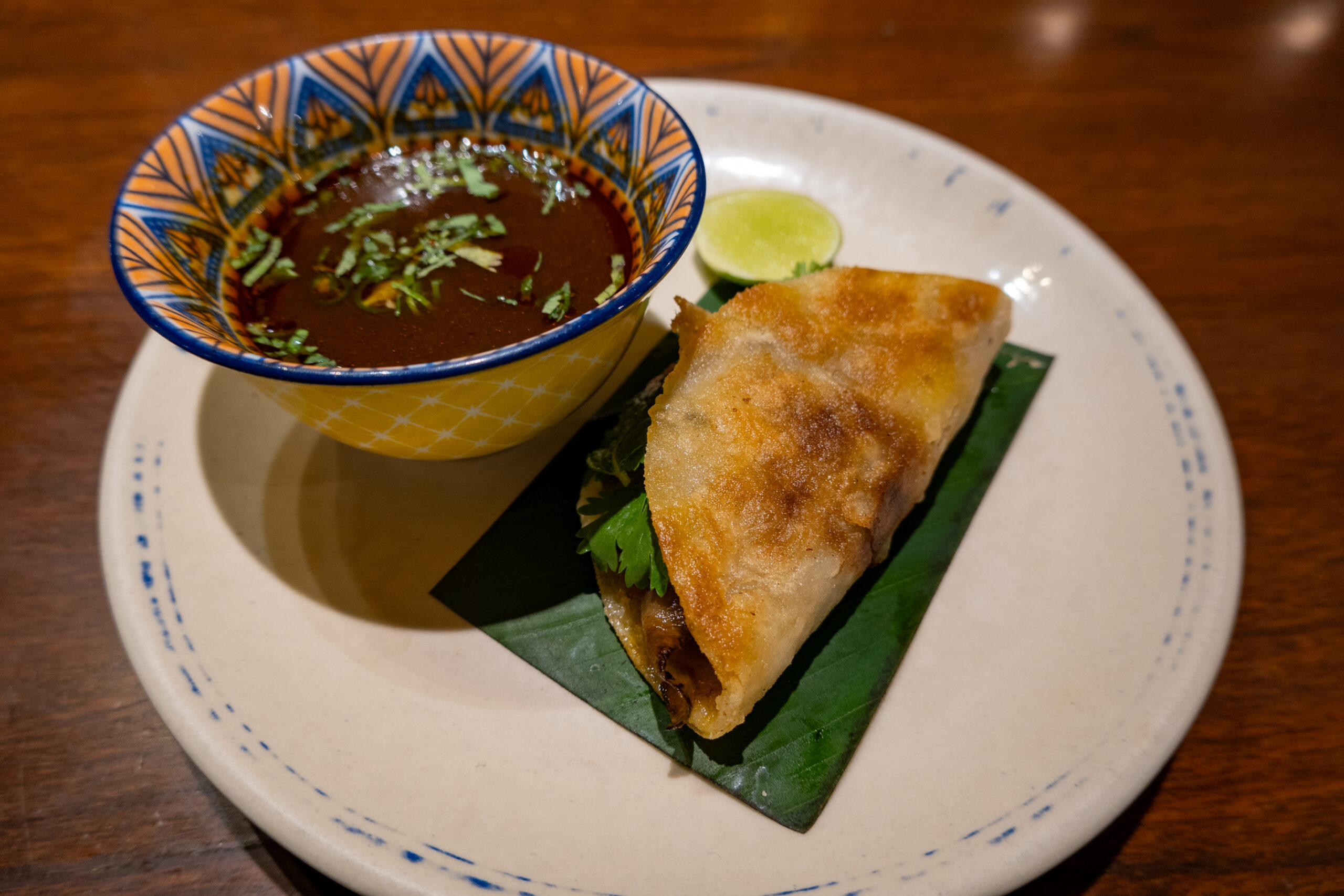
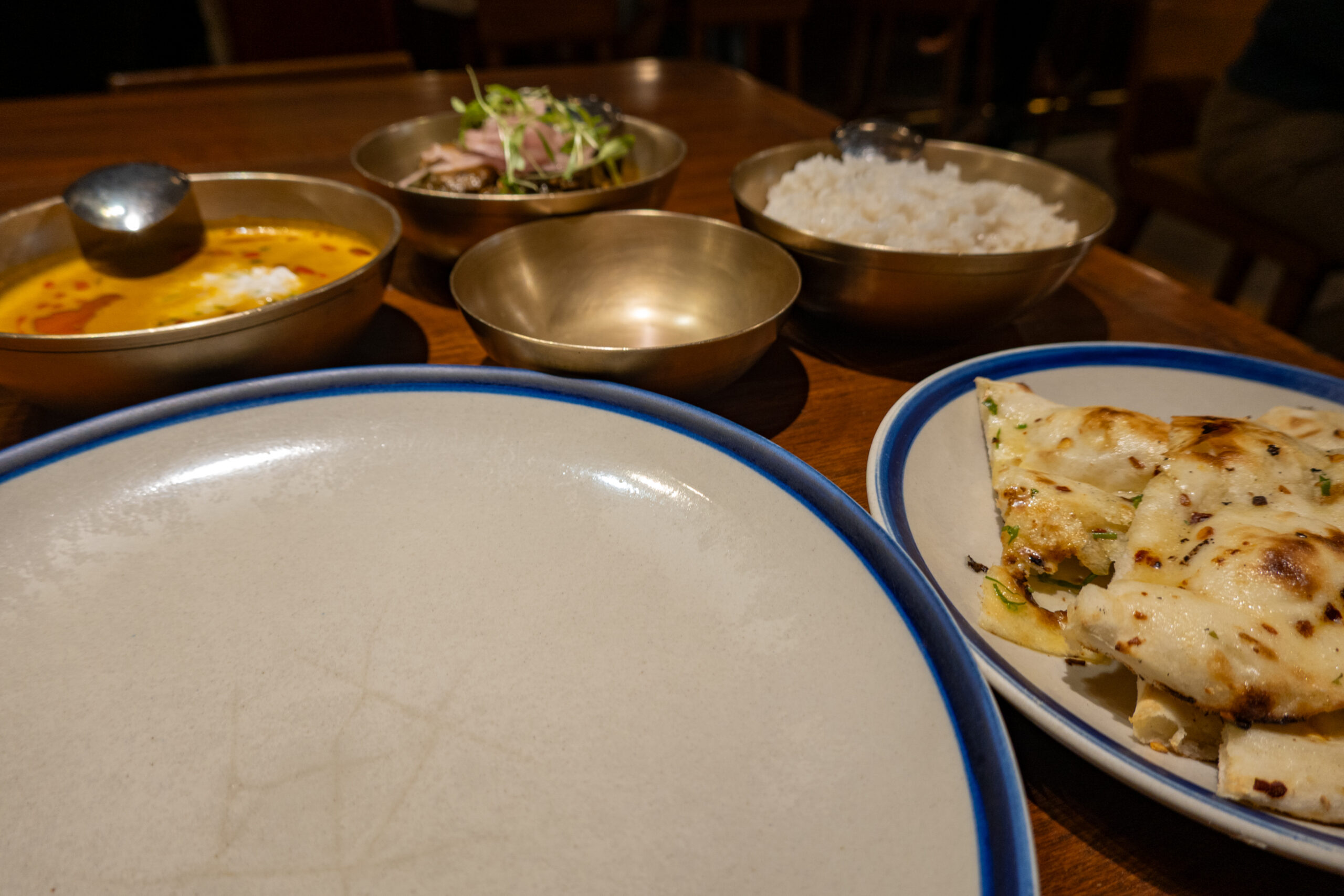
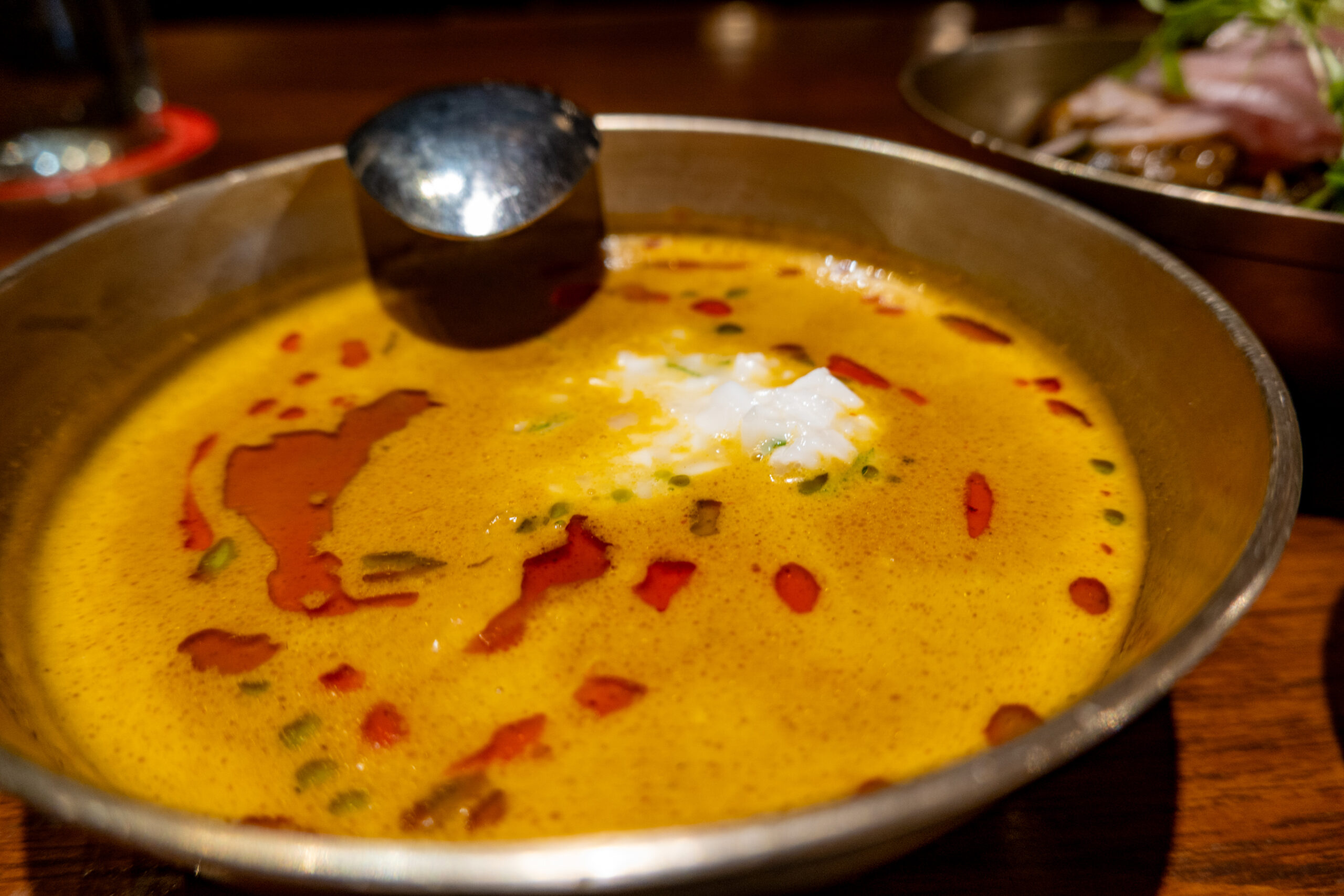
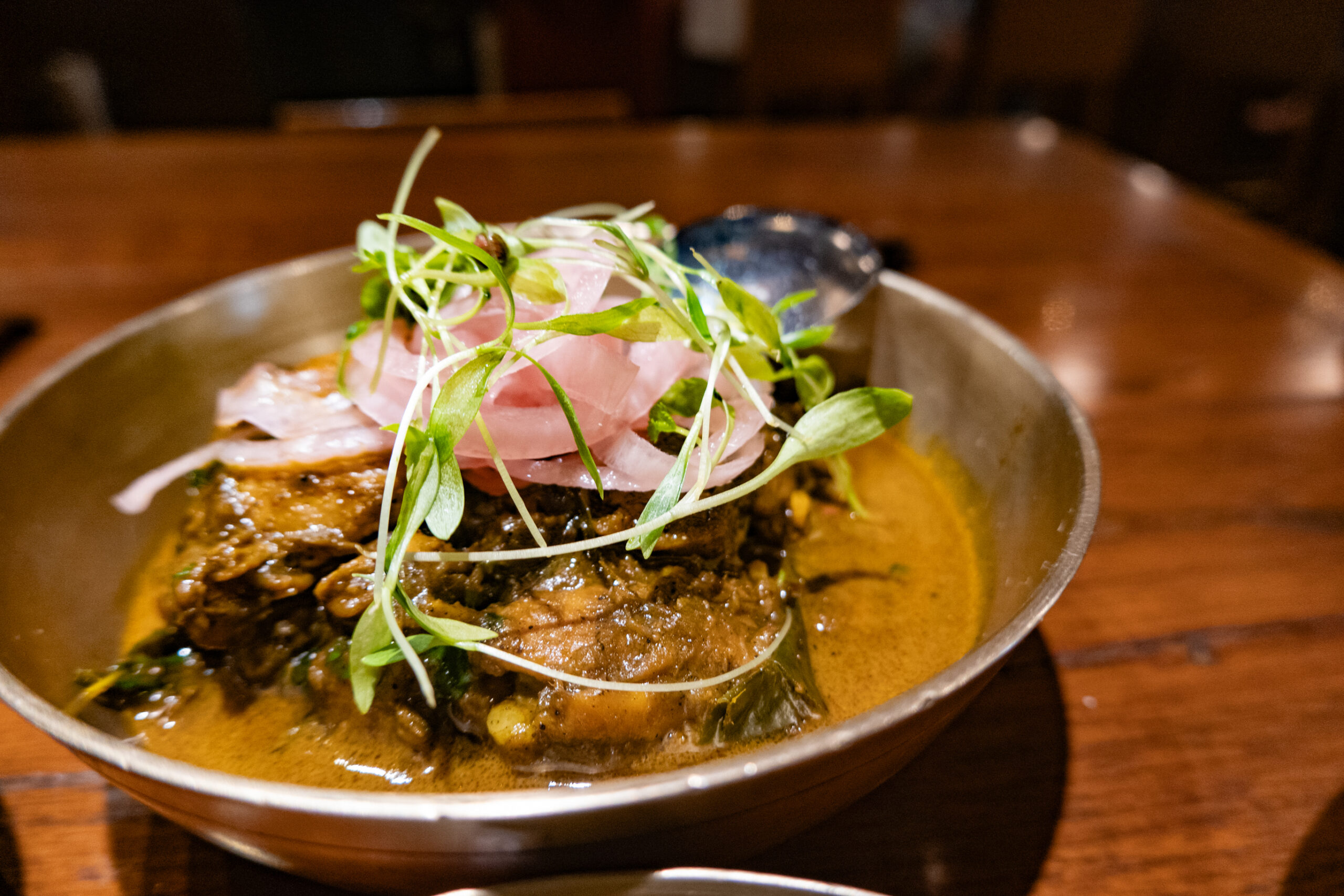
The Bombay Canteen is a well-known modern Indian restaurant that reimagines traditional regional dishes with a creative, contemporary twist. Located in Lower Parel, it blends nostalgic old-Bombay charm with a lively, stylish dining atmosphere. Unlike Masque the atmosphere is more casual, but as I had experienced two years ago the food was extremely good.
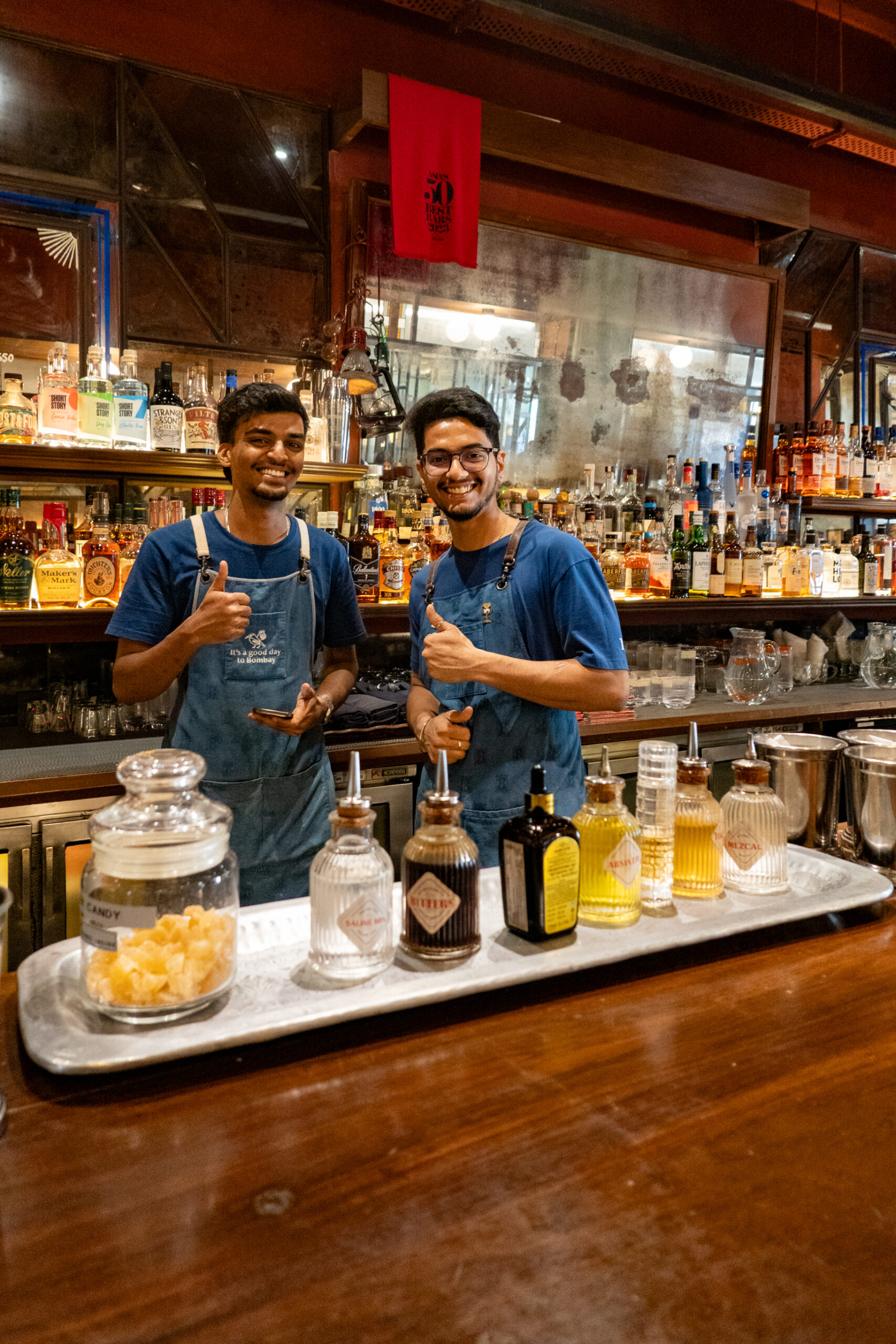
The menu changes seasonally and features innovative takes on classics like street food and regional curries, along with standout cocktails inspired by Indian ingredients.
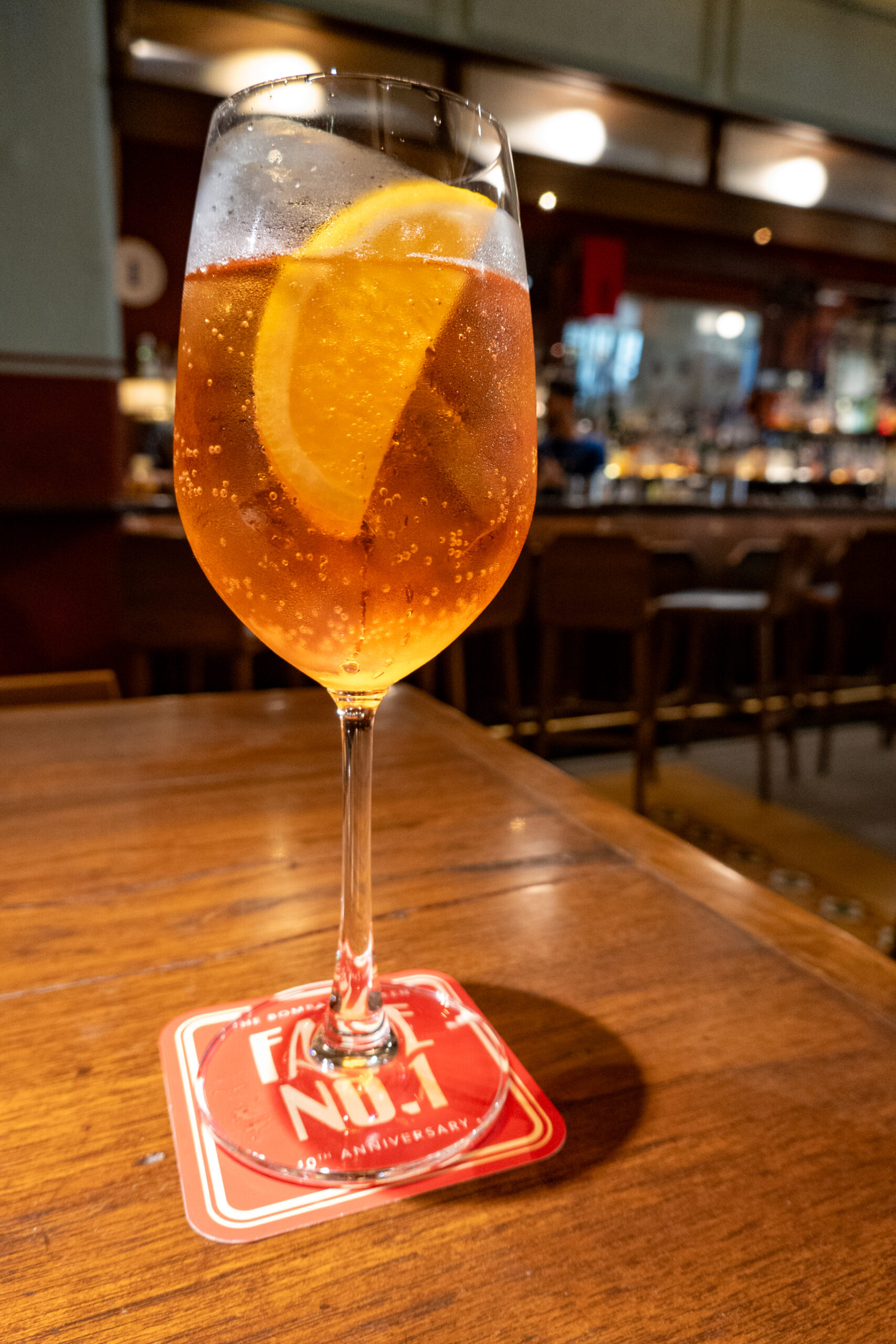
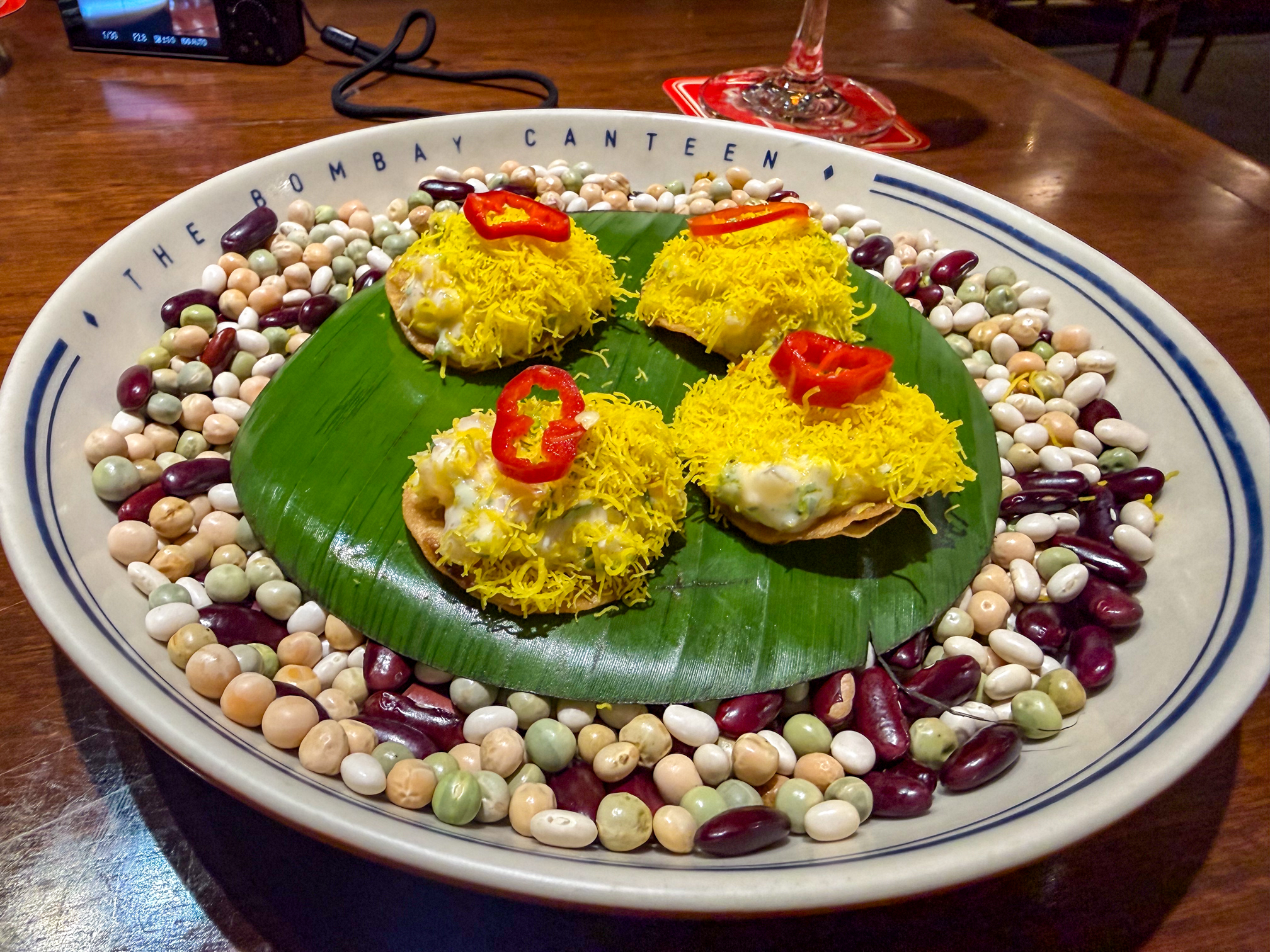
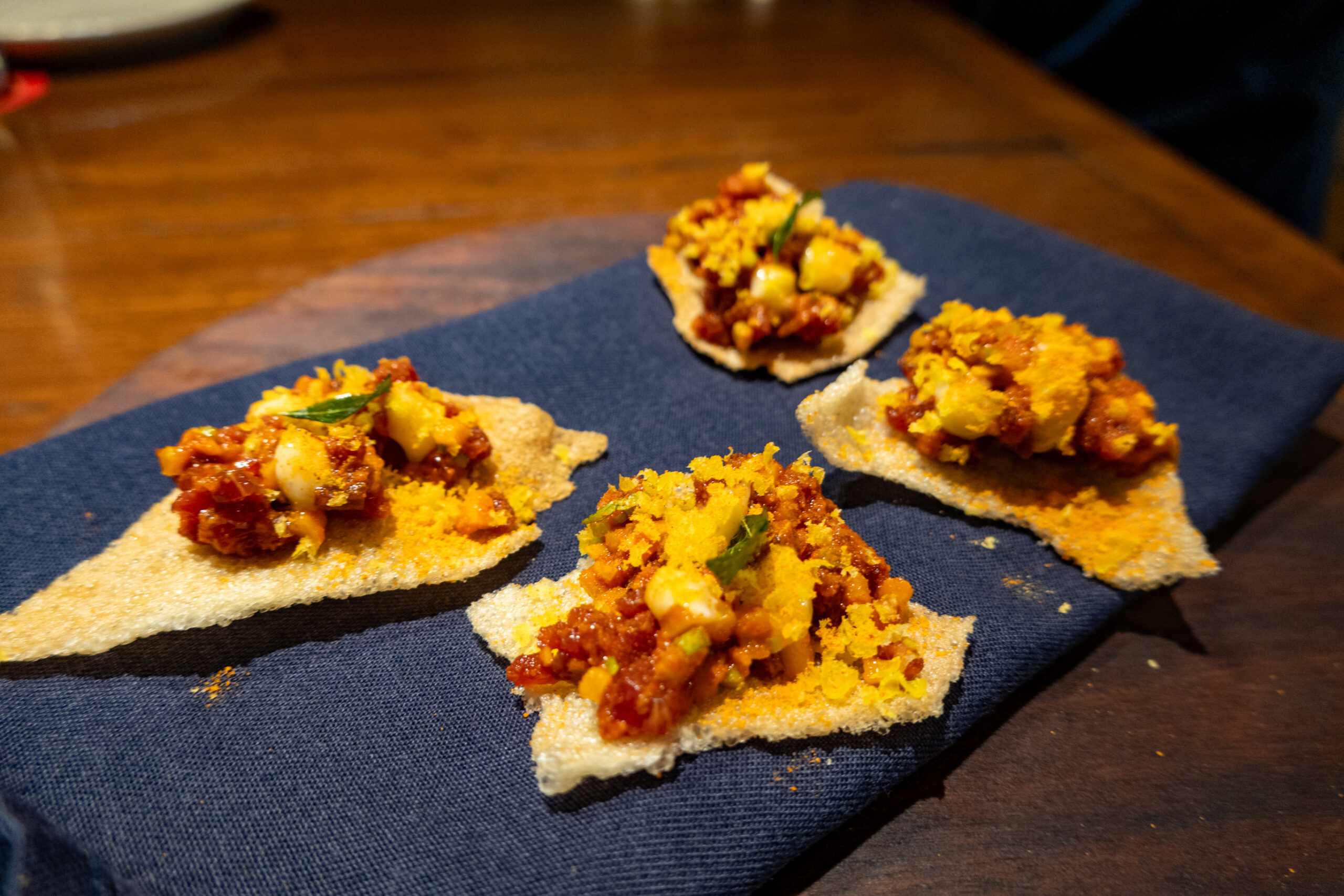
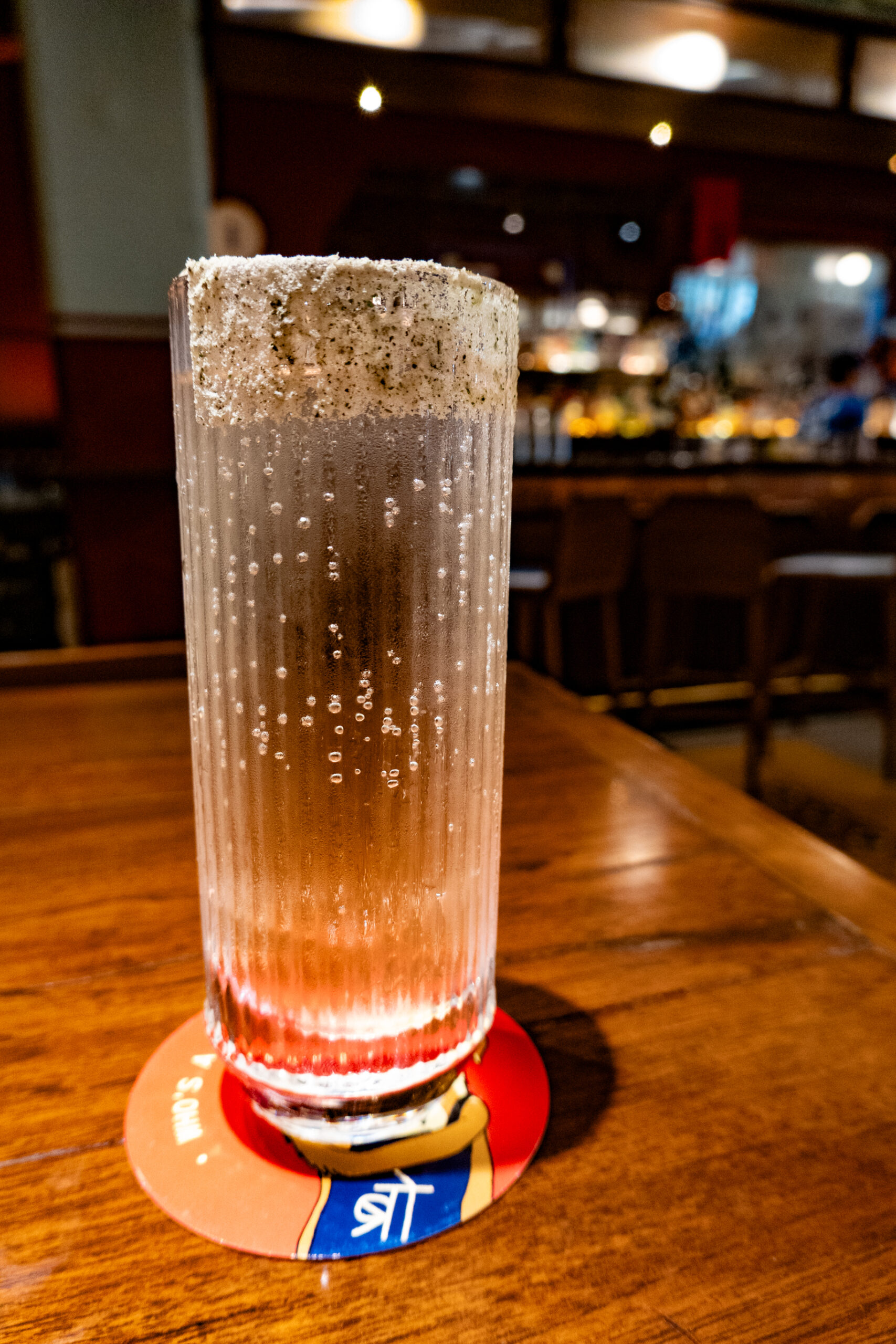
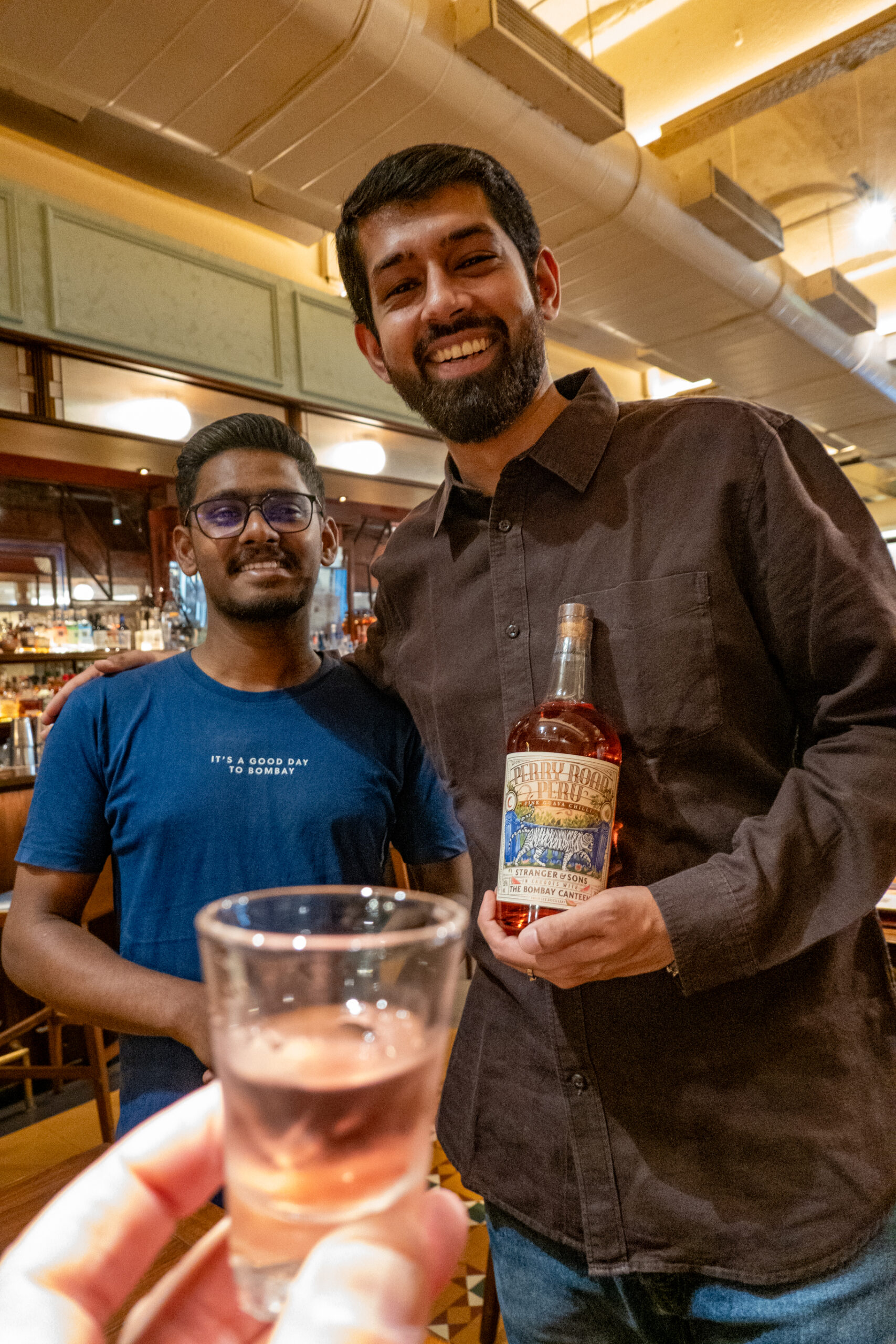
Once again, I choose for the tasting menu, the Canteen Experience, with cocktail pairing to conclude my 6-week stay in India.
Each and every dish was exploding with flavors and textures, one better than the other. The cocktails matched perfectly with the food. Each dish and drink was explained with the story behind it and its origins. Once again, a brilliant experience, the perfect way to finish my journey.
After lunch I returned to my hotel for some rest and to then pack my suitcase, I was well prepared for the long journey home. My adventure had come to an end and I could not have chosen a better ending than the last two culinary experience. Masque had been absolutely mind-blowing and I truly loved the food at Bombay Canteen as well. Both restaurants explore Indian ingredients in a completely new way, each in their own distinctive way. Both experiences were simply magical
I was an intensely happy man, but now ready to go back to the one who was waiting for me at home, the one without who this simply would not have made any sense.
Epilogue
For me, there’s no country quite like India—nowhere else pulls me through such a whirlwind of emotions. One moment I’m completely in love, the next I’m overwhelmed, and at times I even hate it. One thing never changes: India stays with me, deep in my heart.
It’s wildly diverse, colourful, bold, raw, and often beautifully noisy. During the ten days in Goa however I experienced peace and tranquillity.
Everywhere I looked there was a story unfolding, a sense of possibility in the air, and a kind of aliveness I can’t find anywhere else. India is simply a vivid storm of contrast in all of its sights, sounds and smells. Once it touches you, it stays!
This time was no exception, the last six weeks have been intense and overwhelming. But it has also been six fantastic weeks, where I explored new places and rediscovered places I had visited before. It was fantastic to meet my friends Neha and Anmol in Delhi and spend some time with them. Ten days of yoga in the south of Goa reconnected me with myself and it was fantastic to meet my friend Pardeshi again at Little Cove and finally see the new resort from my friend Ravi with my own eyes and spend some time with him. Mumbai was mainly about food and what a fantastic experience that has been!
India confused me and overwhelmed me. Then, I left and I realised I miss it more than I can ever explain. India, danyawad!